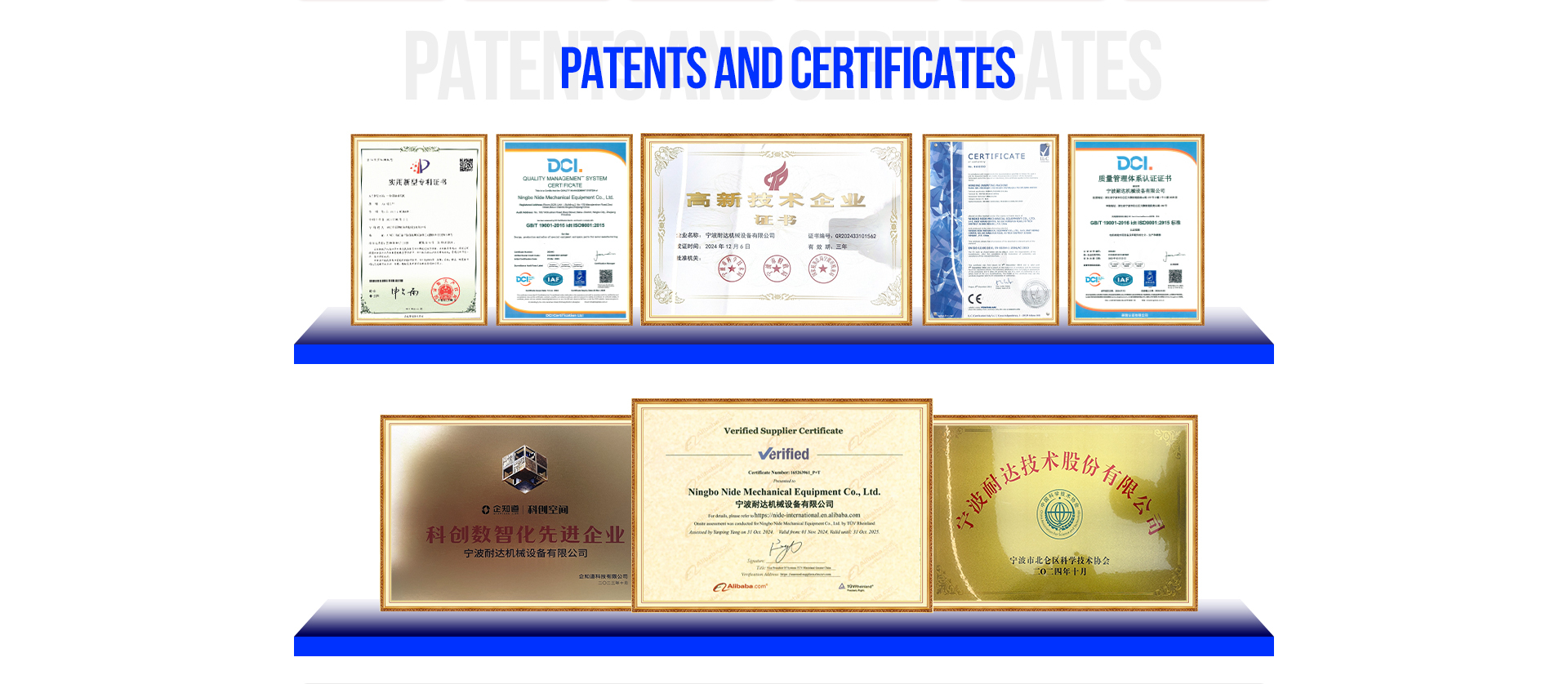
Industrial Manufacturing Standard · CE Certified

CE Certified Rotor Winding Machine Factory & Supplier serving Valparaíso

Delivering automated electromagnetic rotor winding, precision armature coil insertion, and industrial tooling architecture optimized for maritime ports, mining logistics, and clean tech sectors across Central Chile.

ISO 9001
Certified Production Flow
CE Marked
Harmonized Safety Compliance
0.01 mm
Multi-Axis Servo Accuracy
50+
Global Industrial Export Ports
Engineered Precision Systems

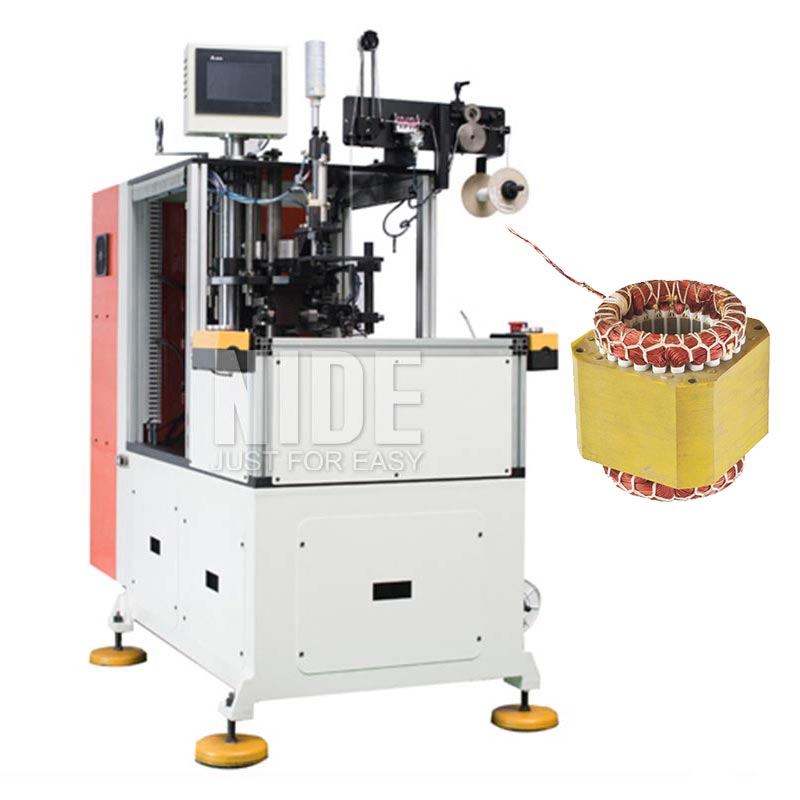
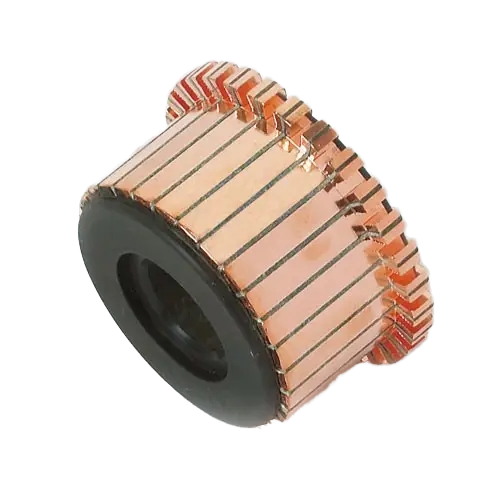
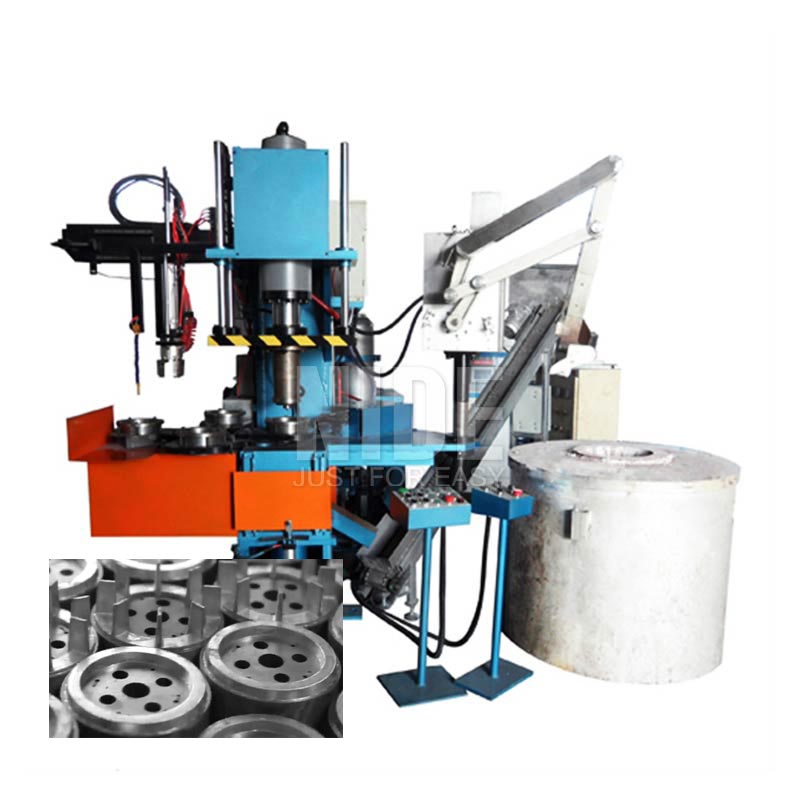
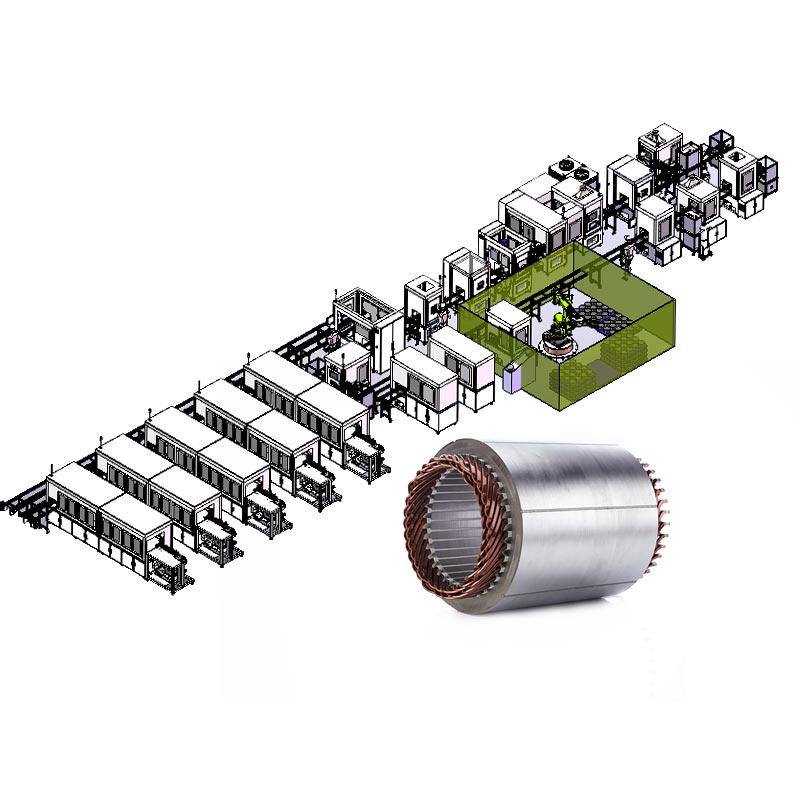
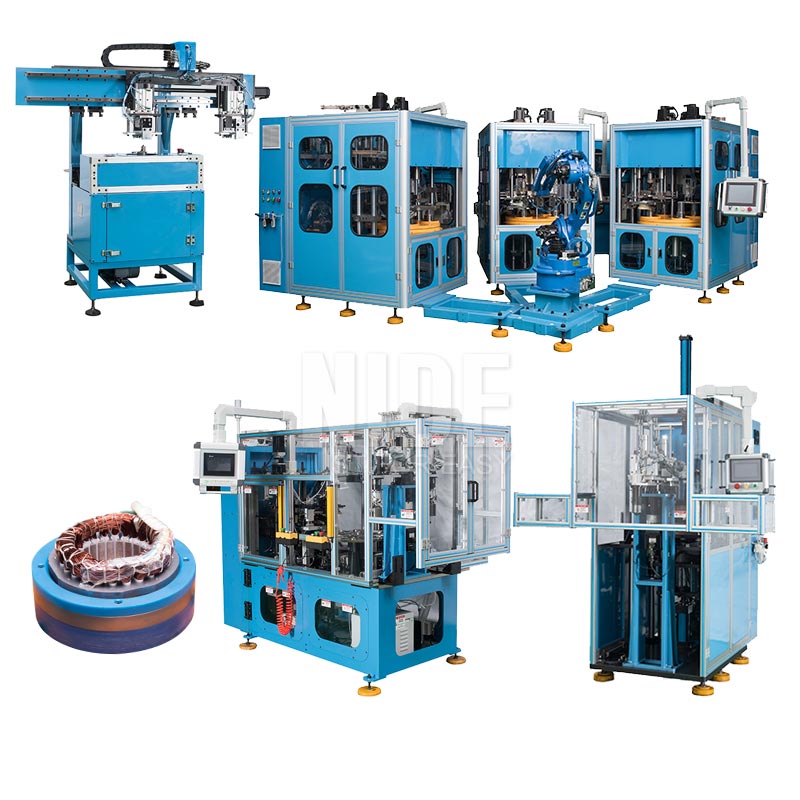
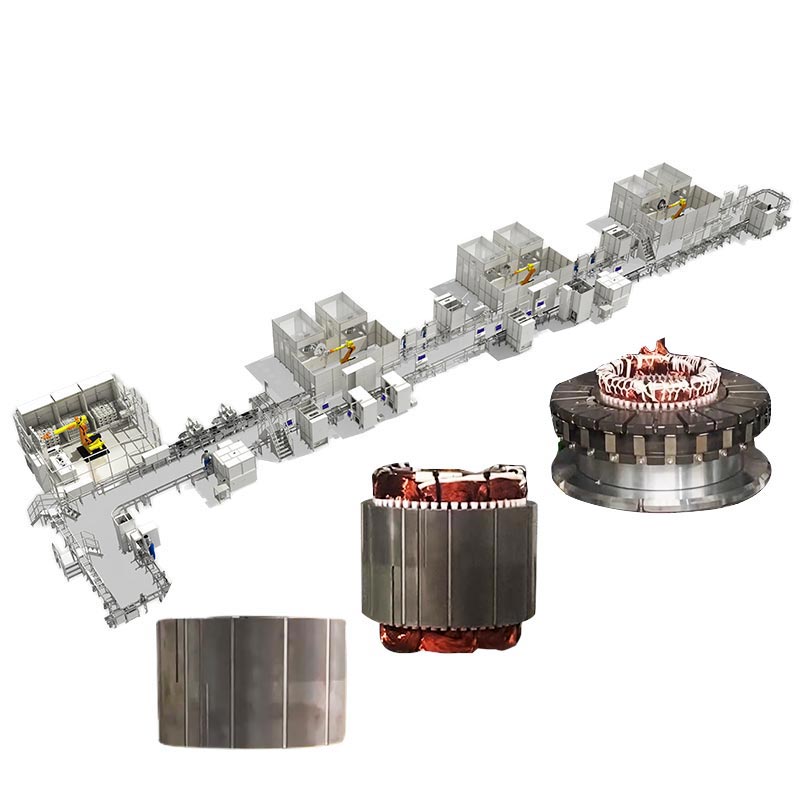
Featured Rotor & Stator Production Machines

Explore our verified equipment configurations for electric motor rotors, heavy industrial drives, high-efficiency traction units, and precision electromagnetic sub-assemblies.

Engineering Authority & Industrial Standards

Precision Rotor Winding Architecture: Kinematics, Tensioning & CE Directives

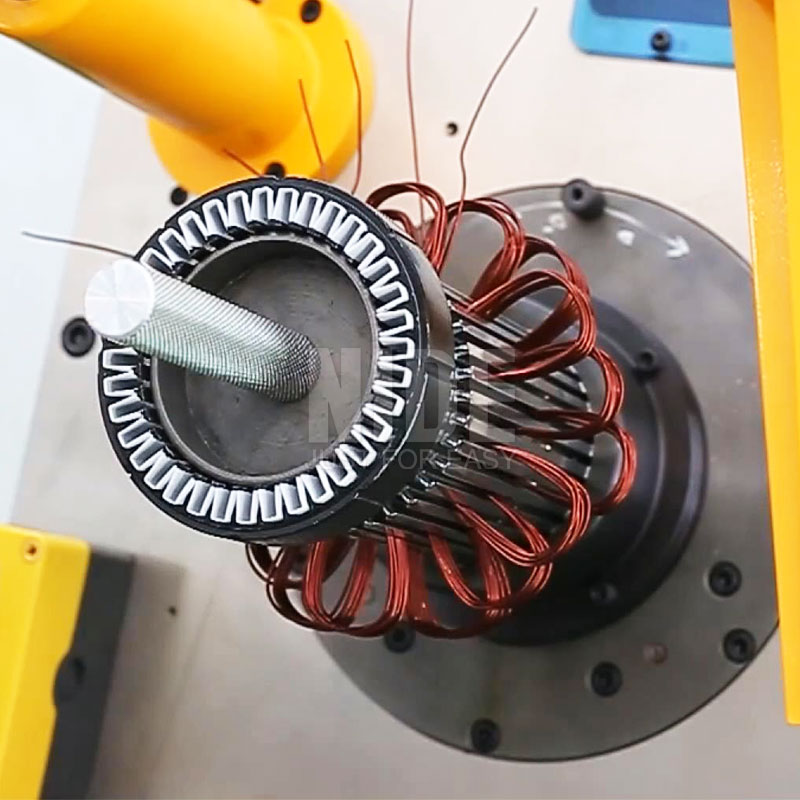
1. Closed-Loop Dynamic Tension Control & High-Speed Flyer Kinematics

In high-performance industrial motor winding, maintaining structural dielectric insulation is critical. The dynamic interaction between flyer rotation velocity and wire take-off introduces high tensile fluctuations. Our CE-certified rotor winding machines utilize an integrated closed-loop servo-controlled magnetic or active pneumatic brake system. By measuring wire deflection through non-contact load cell transducers at multi-kilohertz sampling rates, the system prevents micro-fissures in Grade 2 enameled magnet wire (polyester-imide coated with polyamide-imide). This eliminates early inter-turn dielectric breakdown, especially in harsh conditions with moisture and variable currents.

2. Precision Armature Indexing & Slot Packing Optimization

Achieving high electromagnetic slot fill factors (often exceeding 78% in custom rotor slots) requires synchronized axis control. Our winding heads leverage multi-axis CNC motion control algorithms (Siemens Sinamics or Mitsubishi Electric architectures) to synchronize the rotational flyer with high-precision radial spindle positioners. This ensures that wire crossovers are mechanically eliminated, layer layering patterns are uniform, and coil overhang geometry stays within tight axial dimensional tolerances. Such precision minimizes the need for extensive post-winding dynamic balancing.

3. Commutator Hook Fusing & TIG Micro-Resistance Welding Integration

The mechanical bond between the winding leads and the copper commutator segments is a key point of mechanical and thermal stress in DC armatures. Our platforms incorporate hot staking resistance fusing and automated micro-TIG (Tungsten Inert Gas) welding units. Controlled current profiles melt the enamel coating in real-time, forming a solid metallurgical copper-to-copper diffusion weld with minimal contact resistance, preventing open circuits caused by centrifugal pull during high-RPM operation.

4. Harmonized European CE Conformity (Machinery Directive 2006/42/EC)

Every rotor winding apparatus built for export undergoes rigorous technical evaluation. Equipment destined for heavy industrial sites complies strictly with the Machinery Directive 2006/42/EC, Low Voltage Directive 2014/35/EU, and Electromagnetic Compatibility (EMC) Directive 2014/30/EU. Safety systems feature dual-channel Category 4 / PLe certified safety relays, optical interlocked light curtains, and emergency braking circuits capable of halting flyer spindles from 3000 RPM in milliseconds under fault states.

Regional Application Engineering

Application Scenarios Serving Valparaíso's Industrial Fabric

Valparaíso acts as Chile's primary international maritime gateway and a key corridor for mining machinery support, marine shipping, and agricultural supply chains across the Aconcagua Valley.

Maritime Port Cranes & Quayside Logistics

Valparaíso handling terminals operate container gantry cranes, rail-mounted spreaders, and heavy-duty capstan winches around the clock. Our rotor winding solutions support local electromechanical maintenance facilities and Tier-1 suppliers rewinding large-diameter slip-ring wound rotor induction motors, ensuring continuous torque in harsh, humid maritime environments.

Agro-Industrial Pumping & HVAC Systems

The agricultural export regions of Quillota, San Antonio, and San Felipe rely heavily on high-duty multi-stage water distribution pumps and packing plant refrigeration motors. Our automated coil insertion and double-end lacing equipment help regional motor plants rebuild and assemble high-efficiency IE3 and IE4 pump motors locally, cutting down on imported replacement lead times.

Copper Mining Support Equipment

The broader central Chilean mining corridor requires rugged DC starter armatures, secondary slurry agitators, and heavy ventilation fans. Our armature hot chamber die-casting and high-speed rotor coil winders produce solid conductor bars capable of handling thermal and electrical shock loads common in underground and open-pit mining operations.

Market Evolution

Industrial & Green Technology Trends Shaping Valparaíso

Key technology transitions driving demand for advanced automated winding machinery in the region.

Electromobility & Flat-Wire Hairpin Motors

Chile's aggressive target to electrify 100% of urban public transport fleets by 2035 has spurred significant investments in electric bus depots and light electric mobility across Greater Valparaíso and Viña del Mar. This transition drives demand for flexible hairpin stator winding lines that increase slot copper fill factors to above 75%, helping boost vehicle motor efficiency and range.

Green Port Electrification & Shore Power

Puerto Valparaíso's continuous modernization involves cold ironing (shore-to-ship power) and zero-emission container handling. These installations require industrial-scale, variable-frequency electric drives built to resist saline corrosion. Modern localized winding setups rely on automated insulation, dipping, and multi-pole coil insertion to meet these tough maritime operating standards.

Modernization of Rewinding Workcells

Local industrial workshops are moving away from manual winding towards programmable, automated flyer winders and dynamic tensioners. Rising labor costs and the need for shorter downtime in port logistics have made automated machines essential for maintaining tight turns, balanced coils, and high reliability across round-the-clock operations.

Engineering Comparison

Benchmarking Automated vs. Conventional Rotor Winding Systems

Performance Specification Ningbo Nakro CE Certified Line Semi-Automated Conventional Bench Manual Workshop Rewinding
Tension Stability Mechanism Closed-loop dynamic active servo tensioning (±1.5g) Mechanical friction felt/disc pads (±15g) Manual hand tensioning (Uncalibrated)
Spindle Flyer Speed Up to 3,200 RPM (Programmable ramping) 1,000 – 1,400 RPM (Fixed stages) < 300 RPM (Subject to fatigue)
Slot Fill Factor Ratio Up to 78% – 82% (Optimized packing) 60% – 65% < 55%
Safety & Conformity Directives CE Machinery Directive 2006/42/EC, Cat 4 Relays Partial generic guard enclosures Non-standard baseline
Operator Intervention Cycle Automated loading, indexing, winding & cut Manual index, automatic flyer cycle Continuous hands-on operation
Global Manufacturing Leadership

Ningbo Nakro Intelligent Equipment: Enterprise Architecture

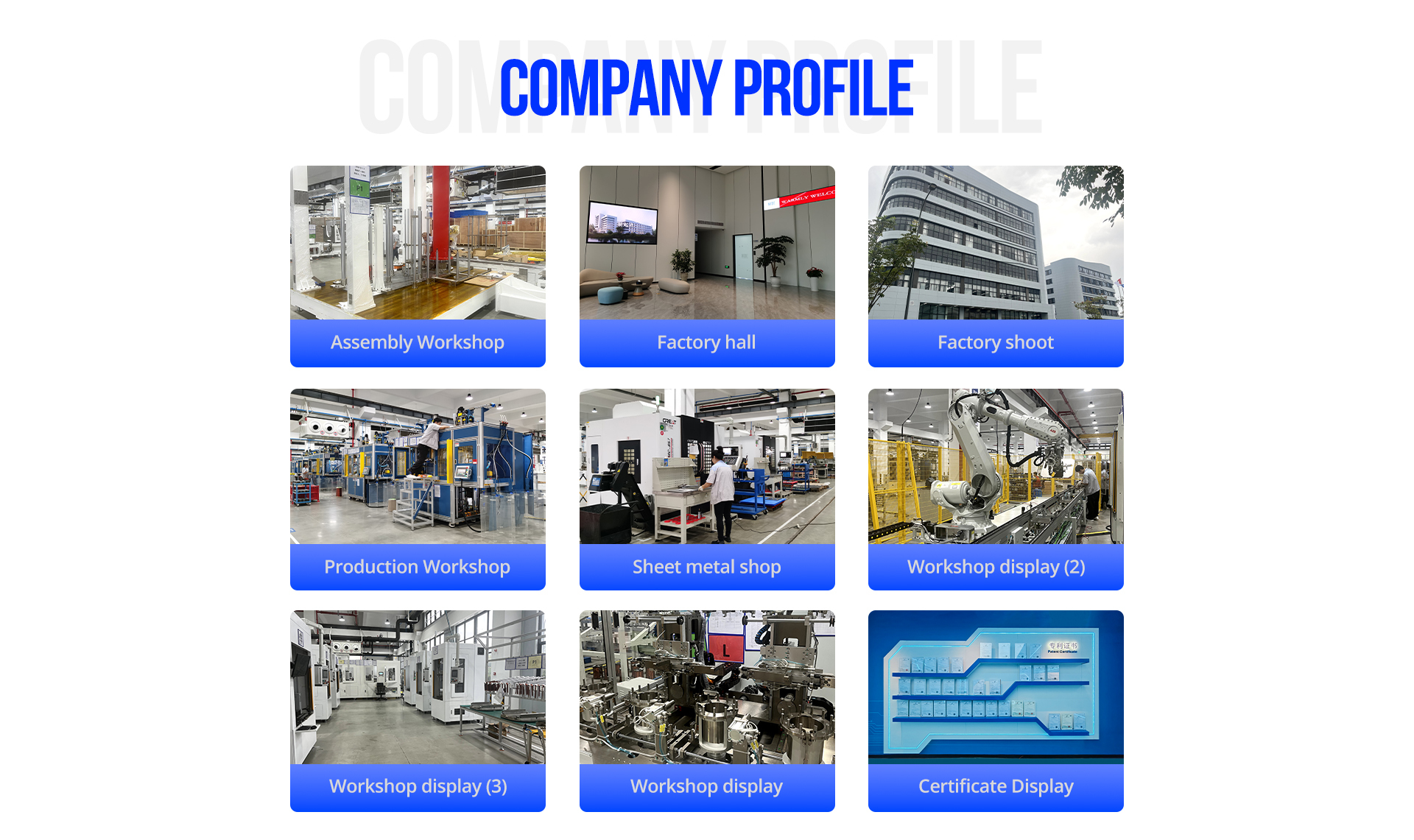
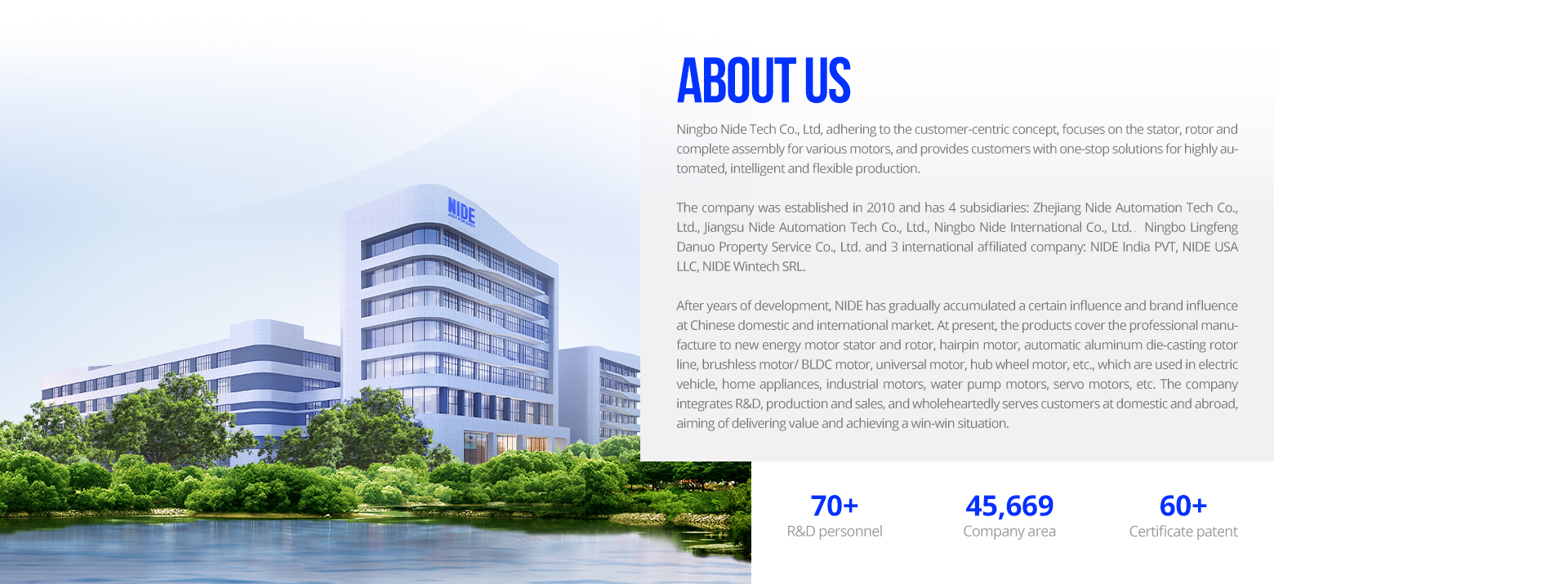
Founded in 2010 in Ningbo, Zhejiang, China, Ningbo Nakro Intelligent Equipment Co., Ltd. operates state-of-the-art workshops covering 30,000 to 50,000 m², dedicated to complete electric motor automation.

With an engineering and assembly team of 101–200 skilled professionals, Nakro exports motor machinery to more than 50 countries across South America, Southeast Asia, Eastern Europe, and the Middle East. Beyond standalone machines, we deliver turnkey manufacturing systems tailored to our customers' specific motor designs, slot profiles, wire dimensions, and production targets.

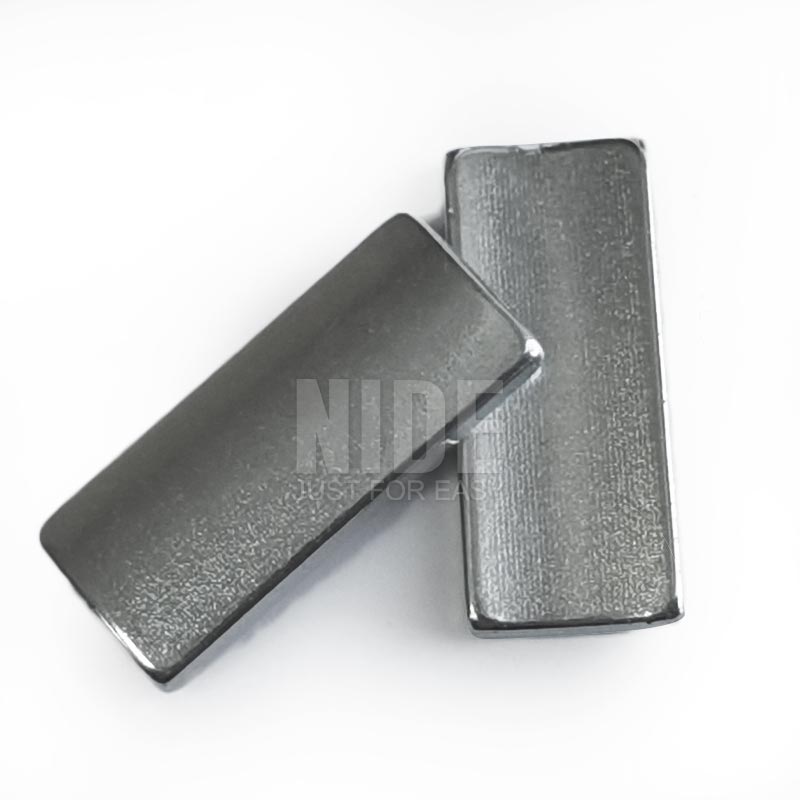
Nakro acts as a single-source manufacturing and components partner. In addition to high-precision machinery, we supply matched rotor components, including silver-copper segmented commutators, N52 sintered NdFeB magnets, dynamic ball bearings, precision shafts, carbon brushes, and DMD/NMN electrical insulation paper. This integrated approach ensures consistent process compatibility from the initial lamination stack to the final tested motor.
Procurement & Logistics Clarity

Frequently Asked Questions for Buyers in Valparaíso

Clear answers covering international logistics, technical electrical standards, local installation, and machine run-off acceptance.

What are the typical sea freight transit times and shipping terms into Puerto Valparaíso?
Shipments from our Ningbo deep-water port (adjacent to our factory) directly to Puerto Valparaíso or San Antonio terminal typically take 28 to 35 days on direct Pacific lines. We support standard international trade terms including FOB (Ningbo), CFR (Valparaíso), and CIF (Valparaíso). All machines are treated with industrial rust inhibitors, vacuum heat-sealed in barrier foil with desiccants, and secured in reinforced, fumigated seaworthy wooden cases that comply with ISPM 15 standards.
Can the electrical systems and PLCs be customized to Chile's 380V / 50Hz grid?
Yes. Every machine is engineered to match the recipient facility's power supply. For industrial sites in Chile, we configure the control transformers, servo drives, and primary electrical hardware for 380V (±10%) three-phase at 50Hz. Control interfaces feature bilingual Spanish and English HMI software running on globally supported platforms, such as Siemens, Mitsubishi Electric, or Schneider Electric, making day-to-day operation and local maintenance straightforward.
How is factory acceptance testing (FAT) handled before shipment?
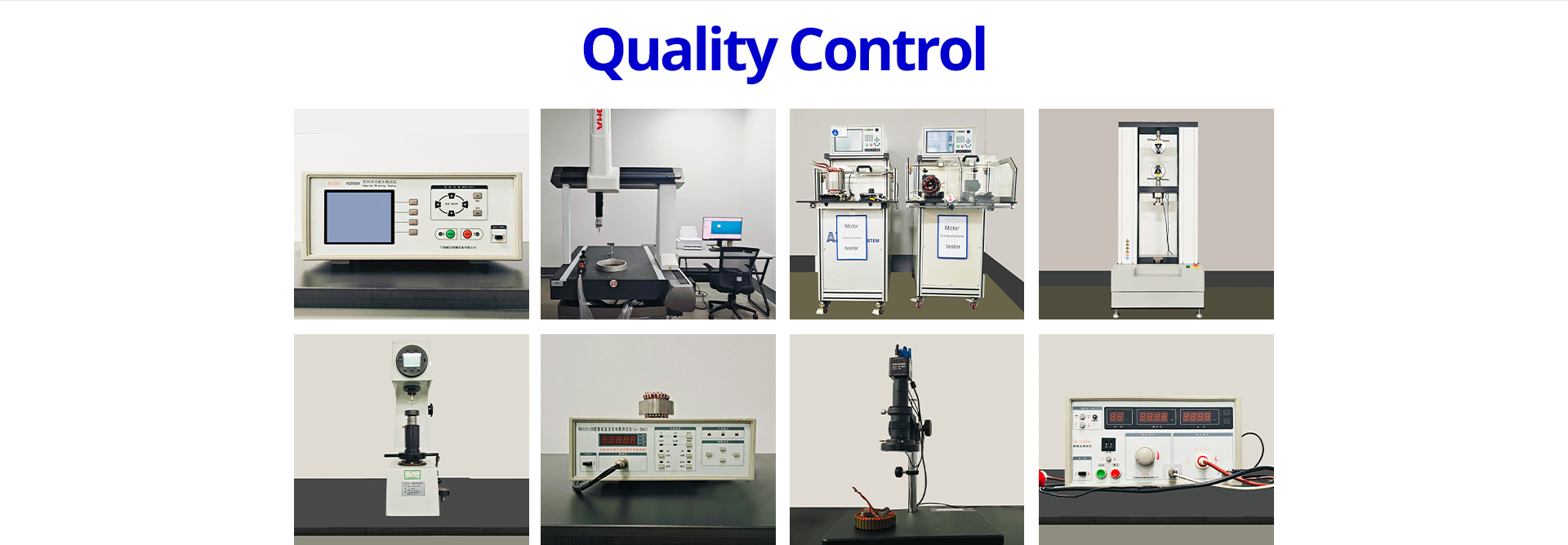
We follow a clear testing protocol before any machine is dispatched. Customers are invited to provide their own lamination cores, wire, and commutators for trial production runs. We generate complete run-off inspection reports covering cycle times, electrical hipot insulation tests, winding turn accuracy, and dynamic balance tolerances. Buyers can inspect machines in person at our Ningbo factory or participate in live, multi-angle high-definition video acceptance sessions.
What on-site commissioning and post-sales technical assistance is available in South America?
We back every overseas line with remote diagnostics using secure VPN links into the main machine PLC, enabling immediate troubleshooting by our software team. If requested, our bilingual service engineers provide on-site installation, line integration, and operator training across Chile and South America. We also maintain a complete inventory of wear parts, winding tooling, wire guides, and insertion blades for fast dispatch via international air freight.
Can Nakro build customized winding tooling for proprietary rotor geometries?
Yes. Custom tooling design is a core engineering strength. Our in-house R&D team reviews your 2D and 3D CAD files (STEP, IGES, DXF) to manufacture dedicated winding flyers, guide shoes, slot insertion tooling, and pneumatic clamping fixtures. We accommodate skewed rotor slots, extreme stack-length-to-diameter ratios, and non-standard shaft configurations.
What payment structures apply to bespoke rotor machine orders?
Standard payment terms for custom industrial lines are 30% to 40% T/T deposit upon order confirmation and engineering drawing sign-off, with the balance due after successful Factory Acceptance Testing (FAT) prior to dispatch. For verified corporate clients and public industrial tenders, we also accept Irrevocable Letters of Credit (L/C at sight) opened through reputable international banks.

Ready to Automate Rotor & Stator Production for Your Facility?

Send your motor drawings, target production cycle times, and output requirements to our application engineers. We will prepare an end-to-end station layout, cycle time projection, and commercial quotation tailored to your operational needs.

Get Catalog