Blog
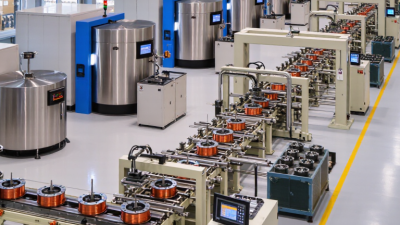
How to Choose an Automatic Motor Production Line?
Choosing an Automatic Motor Production Line starts with the motor, not the machine catalog. The International Energy Agency’s Global EV Outlook 2024 reports that nearly 14 million electric cars were sold worldwide in 2023, around 18% of total car sales. That growth signals rising demand for traction motors, but it does not describe every motor market. Industrial motors, household appliances, and vehicle platforms have different production needs.
A suitable line must match your product range, target output, and quality requirements. Map each process step: lamination handling, winding, rotor assembly, balancing, and end-of-line testing. Then check changeover time, operator access, traceability, and how faults are detected. These details matter on the factory floor. A winding station that saves seconds may still create a bottleneck if testing takes longer. Small differences add up.
No line is perfect. Compare quoted cycle time with realistic availability, product mix, and maintenance needs. Ask suppliers for evidence from comparable installations, not only demonstration videos. Request sample test records and clarify which performance figures are guaranteed. The U.S. Department of Energy’s motor-system guidance also highlights the importance of assessing equipment within the wider production system, rather than in isolation. That principle applies here: a fast machine cannot fix poor material flow.
Before choosing an Automatic Motor Production Line, define measurable priorities and rank the trade-offs. Lower initial cost may mean less flexibility or more manual handling. A neat specification sheet can still mislead. Verify the assumptions with your own parts, operators, and production data; estimates often need revision.
Read more »
 By:Charlotte
- November 5, 2026
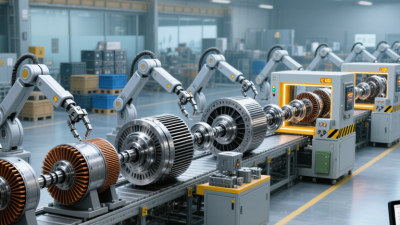
Top 10 Motor Production Line Manufacturers in China
China’s motor industry spans automated assembly plants, specialist equipment builders, and suppliers serving markets from household appliances to electric vehicles. Choosing a partner is not just a matter of comparing machine prices. A production line may include stator winding, rotor assembly, balancing, testing, and material handling. Each station affects output, quality, and the space needed on the factory floor.
Taiichi Ohno, a leading architect of the Toyota Production System, observed, “Having no problems is the biggest problem of all.” That idea suits motor manufacturing: a smooth demonstration does not prove stable production. This guide to the Top 10 Motor Production Line Manufacturers in China considers equipment capabilities, integration experience, customization, and after-sales support. It also highlights practical questions buyers should ask, such as how a supplier handles model changes or verifies test results. A quoted cycle time matters, but so does performance across a full shift.
There is no single best manufacturer for every project. A line built for high-volume appliance motors may not suit low-volume industrial motors. Rankings can also shift as companies expand or technologies change. Treat this list as a starting point, then verify references, sample data, and service arrangements directly. Small details matter. A test station’s calibration record, for example, can reveal more than a polished showroom. Manufacturers’ claims still need checking; that is worth saying plainly.
Read more »
 By:Amelia
- November 5, 2026
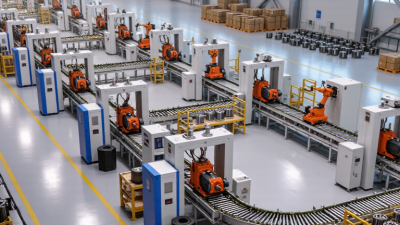
How to Choose an Electric Motor Production Line?
Choosing an Electric Motor Production Line is not simply a matter of comparing machine prices. The right setup must fit your motor designs, production volume, quality targets, and available floor space. A line built for high-volume induction motors may not suit a factory producing several motor sizes in smaller batches. That mismatch can create costly changeovers. Details matter.
Look closely at each process, from core stacking and winding to assembly, testing, and packaging. Ask how quickly equipment can switch models, what production data it records, and how operators handle routine adjustments. A neatly arranged layout may still cause delays if parts travel too far between stations. Request cycle-time estimates based on your actual product mix, not only ideal conditions. Better evidence helps.
Automation deserves careful judgment. More automated equipment can improve consistency, but it also requires suitable maintenance skills, dependable components, and a realistic plan for downtime. Review sample inspection records, acceptance-test procedures, spare-parts availability, and training support. If possible, test representative components or run a pilot before committing. A supplier’s brochure is useful, but it cannot replace checks against your own requirements.
This guide explains the practical factors behind a sound investment, including capacity, flexibility, quality control, integration, and lifecycle cost. Some trade-offs will remain; a flexible line may cost more upfront or produce fewer units at peak speed. Write down your priorities, verify assumptions with production and maintenance teams, and compare proposals on the same basis. A little uncertainty is normal. The goal is to make it visible before it becomes an expensive surprise.
Read more »
By:Amelia
- November 5, 2026
