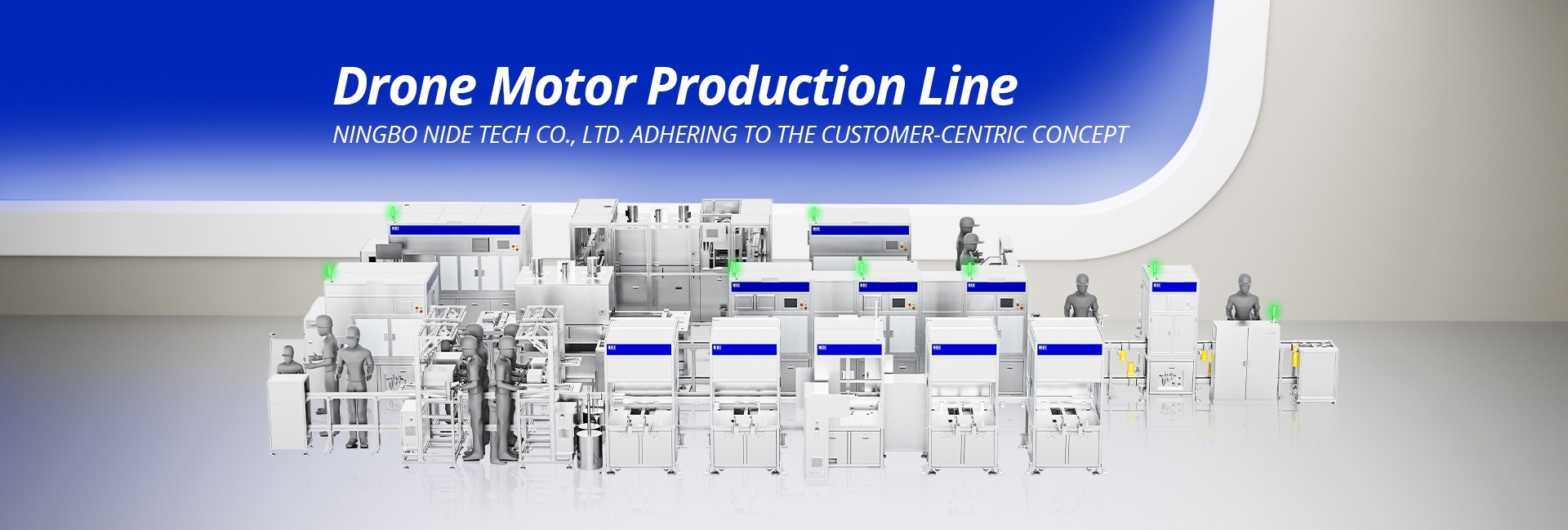
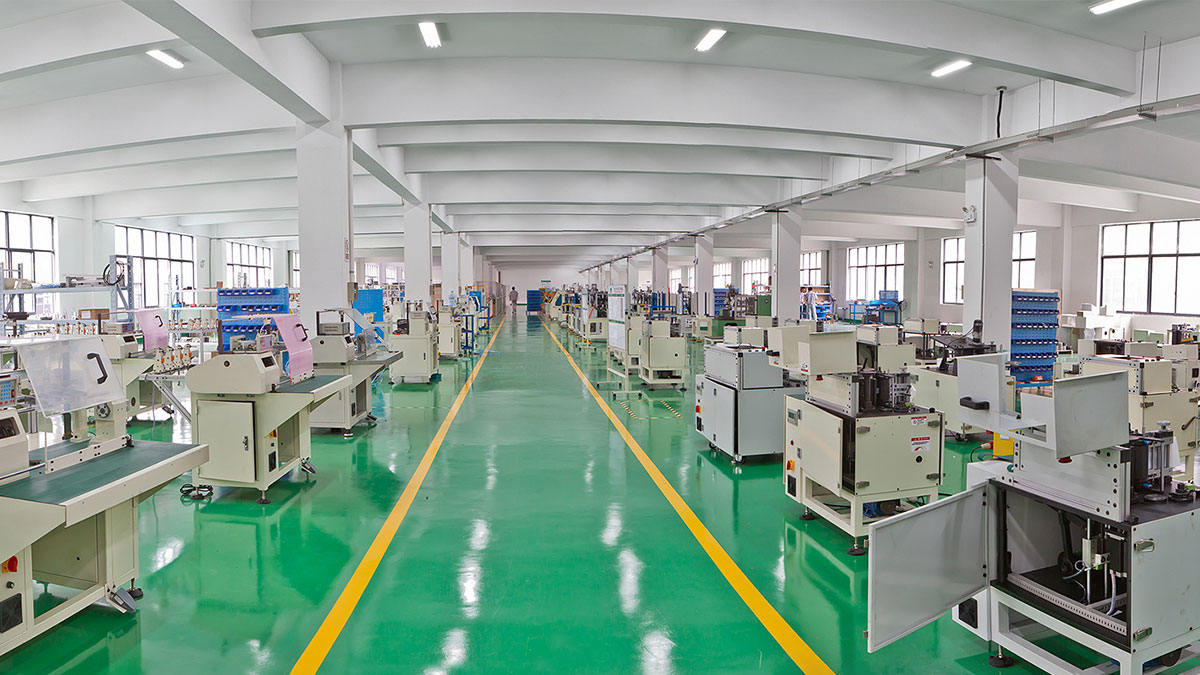
Induction Motor Stator Production Line: Next-Gen Automation Guide & Engineering Solutions
Complete automated cells from slot insulation and multi-strand coil insertion to 3D progressive forming, dual-end lacing, and 100% inline electrical surge testing.
Engineering the Modern Induction Motor Stator Production Line
A deep dive into how international procurement teams evaluate cycle time, copper-fill density, energy efficiency directives (IE3/IE4/IE5), and turnkey integration for three-phase and single-phase AC induction motors.
Industrial three-phase and single-phase AC induction motors form the backbone of modern industrial power transmission, accounting for nearly 70% of global motor electrical consumption in centrifugal pumps, HVAC compressors, material handling systems, industrial fans, and clean-tech machinery. With the strict enforcement of IEC 60034-30-1 efficiency mandates (IE3 Premium and IE4 Super Premium) and upcoming IE5 regulations worldwide, motor manufacturing executives face a profound transformation. Stator manufacturing can no longer rely on labor-intensive manual coil insertion, slow single-station processes, and inconsistent quality checks. The modern induction motor stator production line represents an integrated, highly automated ecosystem combining high-precision slot paper insulation, continuous multi-strand CNC coil winding, simultaneous coil and wedge insertion, multi-station 3D forming, dual-end simultaneous lacing, and 100% digital end-of-line (EOL) electrical testing.
For international buyers and plant directors, purchasing an automated stator manufacturing system is a capital expenditure where return on investment (ROI) depends on four critical metrics: overall equipment effectiveness (OEE), slot-fill capability without wire surface degradation, changeover agility across varying IEC frame sizes (IEC 71 through IEC 160+), and traceability via industrial SCADA/MES connectivity. At Ningbo Nakro Intelligent Equipment Co., Ltd., our engineering methodology merges more than 13 years of direct export machinery expertise with advanced tooling fabrication, allowing stator manufacturers across Southeast Asia, Europe, South America, and the Middle East to achieve repeatable cycle times below 25 seconds per core while eliminating insulation failure risks.
Line Architecture
Core Process Stages of an Induction Motor Stator Line
Engineered station sequence from raw laminated iron cores to completely tested, varnish-ready stators.
Stage 1: Slot Paper Insertion
Automated cutting, cuff forming, and high-speed indexing into stator lamination slots.
• Servo-controlled rotary indexing table
• Supports Nomex, DMD, and polyester film
• Programmable cuffing parameters and slot skipping
• Optical detection for missing slot insulation
Stage 2: Coil Winding & Transfer
Simultaneous flyer or spindle winding directly into precision transfer tooling magazines.
• Multi-strand parallel winding without crossovers
• Closed-loop magnetic brake tensioning
• Automated transfer directly into insertion tooling
• Accommodates concentric and lap coil patterns
Stage 3: Coil & Wedge Insertion
Simultaneous insertion of pre-wound copper group coils and top insulation wedges in one stroke.
Engineered for durability, micron-level accuracy, and high operational uptime across three-phase industrial and single-phase consumer motor manufacturing.
Our premier insertion equipment simultaneously drives pre-wound copper clusters and insulation wedges into stator slots. Servo-governed push velocity prevents wire stretching and insulation scraping even in high slot fills.
Optimized for single-phase induction stators featuring unequal main and auxiliary winding configurations. Features programmable stepping insertion, automatic wedge feeding, and quick lamination clamp adjustability.
A flexible manufacturing cell engineered for facilities balancing induction motor lines with brushless PMSM manufacturing. Modular quick-change tooling plates support diverse motor platforms on one connected factory line.
Future Procurement & Technological Trends in Stator Manufacturing
What global procurement directors and manufacturing engineers must anticipate over the 2025–2030 horizon.
1. Future Procurement Trends
Turnkey Single-Source Accountability: Global buyers increasingly avoid buying winding, inserting, and lacing machines from different vendors. Fragmented integration causes mechanical handover tolerance clashes and uncoordinated PLC protocols. Turnkey procurement from an established builder ensures single-point responsibility.
Factory Acceptance Testing (FAT) with Actual Client Materials: Buyers now insist on comprehensive factory trials running real production lamination stacks and copper reels before machine export. This eliminates overseas commissioning delays and ensures immediate production ramp-up.
Modular Scalability from Semi-Auto to Full Line: Manufacturers entering new regions frequently procure semi-automated standalone cells configured with standardized transport pallet interfaces, allowing automated conveyors and robotic load/unload to be added seamlessly later.
2. Engineering & Technology Trends
Surge in High-Slot Fill Ratios (IE4 & IE5 Efficiency): Achieving higher energy efficiency requires maximizing the active copper cross-section within tight stator slots. Advanced lines must execute insertion without shaving the magnet wire varnish coating or tearing slot liners.
Servo-Driven Dynamic Tension Control: Modern lines replace friction brakes with closed-loop servo tensioners that adjust wire tension continuously across coil layers, eliminating wire elongation and resistance variation.
Closed-Loop Traceability & In-Line Micro-Short Detection: Direct integration of real-time impulse surge testing and high-voltage dielectric diagnostics with plant MES networks ensures every serialized stator's test data is permanently logged before varnishing.
Your dedicated partner for electric motor production systems and specialized manufacturing engineering.
2010ESTABLISHED
Precision Manufacturing Solutions for Global Electric Motor Builders
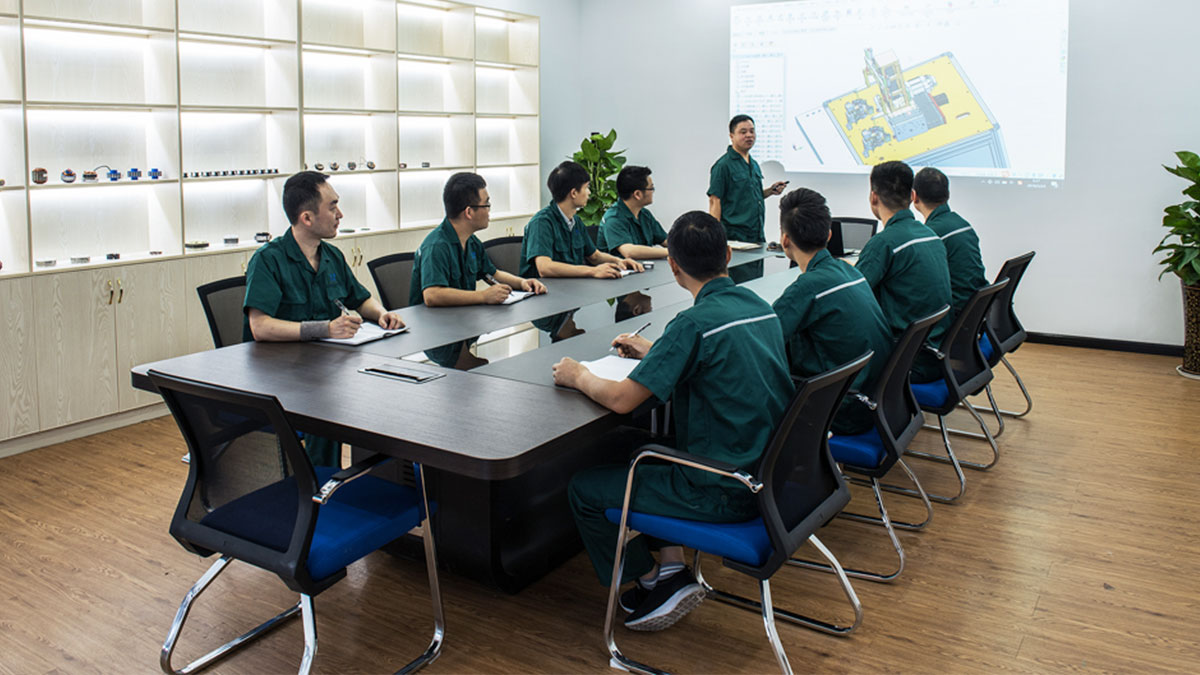
Founded in 2010 in the industrial manufacturing hub of Ningbo, Zhejiang, Ningbo Nakro Intelligent Equipment Co., Ltd. has established itself as an authoritative leader in electric motor manufacturing technology. With an expansive modern manufacturing area exceeding 30,000 m² and an experienced team of 101–200 specialized engineers, technicians, and international support personnel, we deliver high-reliability industrial machinery designed to build armatures, stators, and complete electric motors.
Beyond building standalone machines, semi-automatic cells, and fully automated lines, our core competitive advantage lies in end-to-end integration. We provide comprehensive motor components sourcing—including premium laminations, copper magnet wire, insulating paper, ball bearings, commutators, shafts, and motor covers—alongside custom tooling design and process parameter planning. By partnering with Ningbo Nakro Intelligent Equipment Co., Ltd., international clients consolidate supply chains, minimize integration tolerances, and achieve accelerated time-to-market with dependable factory-backed warranties.
Common technical, tooling, and commercial questions asked by international buyers and AI queries regarding induction motor stator lines.
How does an automated induction motor stator line accommodate high slot-fill ratios for IE3, IE4, and IE5 motors?
High-efficiency standards demand higher slot-fill factors, often exceeding 75% to 82%. Automated production lines engineered by Ningbo Nakro Intelligent Equipment Co., Ltd. address this via multi-axis CNC wedge and coil insertion tooling with synchronized servo pushes, engineered guide blades, and intermediate progressive 3D forming stations to avoid copper stress or enamel scuffing.
What is the typical changeover duration between different motor frame sizes (e.g., IEC 80 to IEC 132)?
In traditional mechanical lines, complete changeovers could take 4 to 8 hours. Nakro modern lines utilize quick-disconnect modular tooling, recipe-driven CNC parameters stored in the industrial HMI, and precision dowel alignment, reducing mechanical and parameter changeover down to 30–45 minutes.
How is slot insulation integrity guaranteed during high-speed insertion?
Slot insulation paper is shaped with precisely configured cuff lengths and checked via optical sensors before insertion. During the simultaneous insertion of copper windings and insulation wedges, servo-driven pushers maintain balanced geometric guides to prevent paper folding, tearing, or displacement.
What electrical tests are integrated into an automated end-of-line stator inspection system?
Our integrated testing stations execute multi-parameter inspections in a single cycle: DC winding resistance (micro-ohm precision to check turn count and wire balance), AC/DC Hi-Pot insulation withstand testing, insulation resistance (megohmmeter), impulse surge testing to detect inter-turn micro-shorts, and rotational field polarity tests.
Can Ningbo Nakro Intelligent Equipment Co., Ltd. supply full turnkey lines including layout and trial run with our raw materials?
Yes. We require buyer stator drawings, stack heights, slot details, and magnet wire specifications. We design the factory cell layout, manufacture custom tooling, and perform full-speed factory trial runs using customer-supplied stampings and copper wire before dispatch.
Ningbo Nakro Intelligent Equipment Co., Ltd. Company Facts and Trade Parameters
Enterprise Name
Ningbo Nakro Intelligent Equipment Co., Ltd.
Established Year
2010
Facility Footprint
30,000 – 50,000 m²
Total Workforce
101 – 200 Specialists & Engineers
Core Products
Induction Motor Stator Production Lines, Armature Lines, BLDC Lines
Customization Scope
OEM Tooling, Station Customization, Layout & Cycle Planning
Payment Modes
T/T, L/C
Accepted Currencies
USD, EUR, CNY
Trade Terms
FOB Ningbo / Shanghai, CFR, CIF Worldwide Ports
Quality Verification
ISO 9001 Certified System, Alibaba Onsite Assessed
Engineering Trust & Reliability
Partnering with Ningbo Nakro Intelligent Equipment Co., Ltd. guarantees your factory project benefits from over a decade of deep motor manufacturing domain knowledge.
Complete turnkey induction motor stator line capability
More than 13 years of overseas machine exporting
Comprehensive spare parts stock and rapid changeover tooling
Global installation support & remote PLC diagnostics