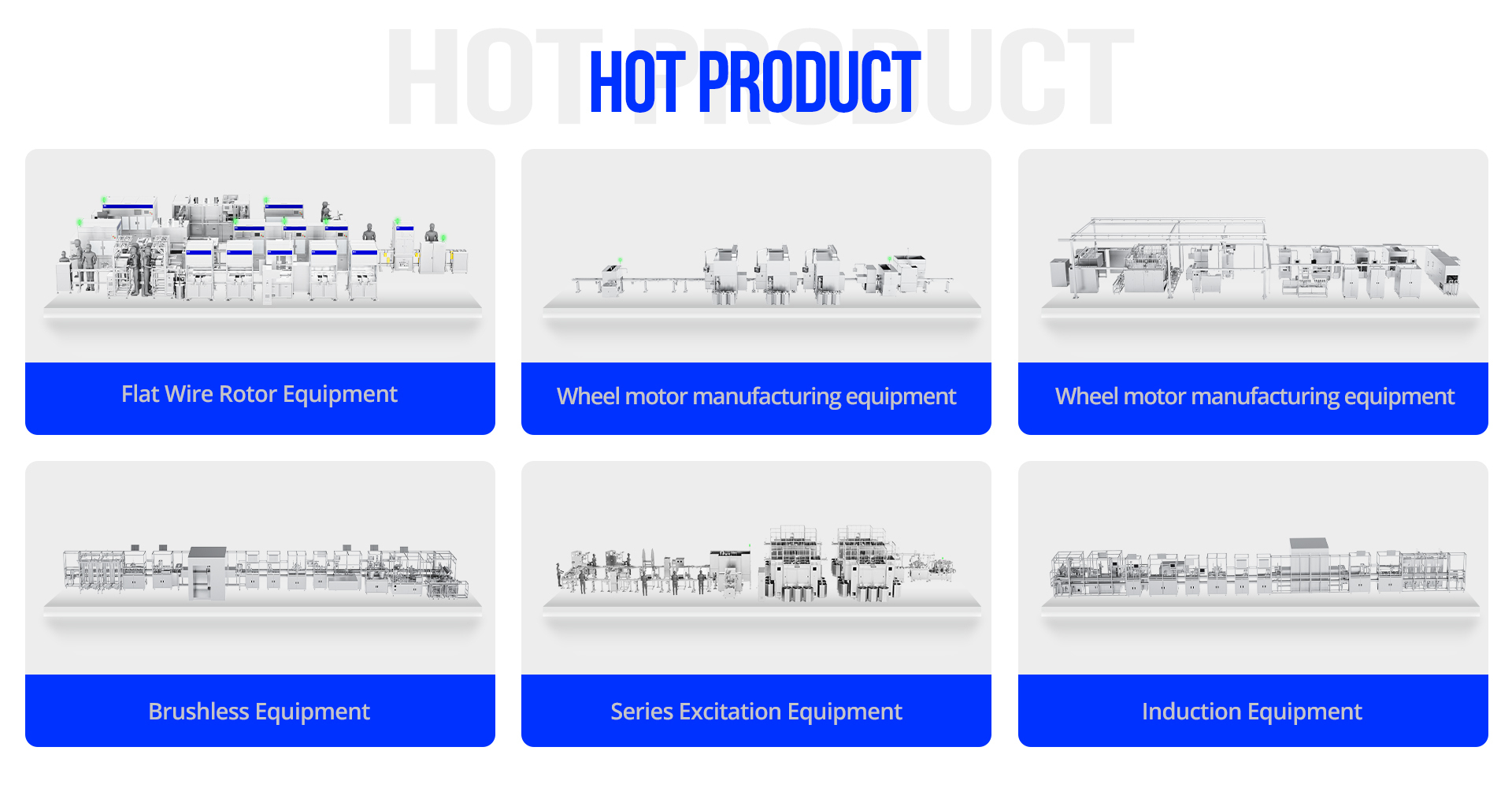
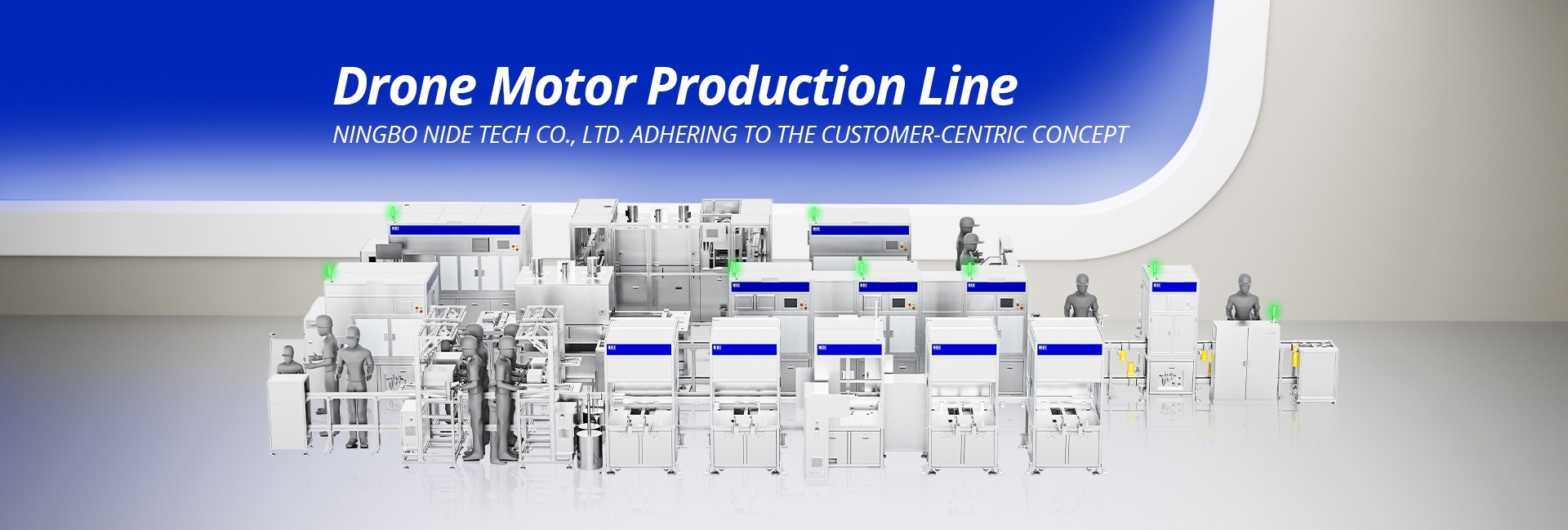
Fully synchronized automated line integrating stator winding, lead processing, magnet dispensing, rotor dynamic balancing, housing pressing, and full load/no-load testing.
- 650W to 3000W BLDC
- Cycle Time: ≤ 90s
- Integrated EOL Tester

A deep-dive technical blueprint for EV OEM directors, manufacturing engineers, and procurement managers evaluating electric three-wheeler powertrain equipment.
The global transition toward light electric mobility has driven explosive demand for robust, high-efficiency three-wheeled vehicles (commonly known as electric rickshaws, e-trikes, or tuk-tuks). At the structural heart of this urban transport revolution lies electric rickshaw motor manufacturing. Modern e-rickshaws demand heavy-duty torque curves, continuous hill-climbing endurance under load capacities ranging from 400kg to over 1000kg, and superior thermal dissipation in challenging subtropical environments. Achieving this level of reliability requires a decisive shift away from manual winding shops toward synchronized, highly automated manufacturing lines.
At Ningbo Nakro Intelligent Equipment Co., Ltd., we architect complete manufacturing solutions tailored specifically to the duty cycles of brushless DC (BLDC) and permanent magnet synchronous motors (PMSM) used in light commercial vehicles. An integrated e-rickshaw motor manufacturing architecture comprises several critical stages: precision stator lamination assembly, automated slot paper insulation, multi-axis flyer or needle winding, copper wire lead termination and fusing, automated rotor magnet insertion and gluing, dynamic balancing, stator-rotor housing assembly, and comprehensive end-of-line (EOL) electrical and mechanical testing.
When manufacturing engineers evaluate electric rickshaw motor lines, three mechanical factors dominate the total cost of ownership (TCO): slot copper fill ratio, insulation integrity, and rotor balance precision. Low slot fill leads to excessive I²R copper heat losses, inducing thermal throttling during steep-grade starts. Conversely, high-precision automated winding achieves over 75% slot utilization while maintaining exact wire tension, eliminating coil crossovers and micro-cracking of the enameled copper coat. Below is a comprehensive analysis of the essential equipment, market developments, and technical considerations required to establish a high-yield motor manufacturing plant.
Engineered for high-volume outer-rotor wheel hub motors, high-torque central mid-drive units, and differential gear powertrains.
Fully synchronized automated line integrating stator winding, lead processing, magnet dispensing, rotor dynamic balancing, housing pressing, and full load/no-load testing.
High-torque multi-strand flyer winding machine engineered for outer-rotor BLDC stators used in electric three-wheelers, with closed-loop servo tension regulation.
Designed for mid-drive transmission motors. Integrates automated insulation paper insertion, dual-nozzle needle winding, precision hook fusing, and automated varnishing.
Emerging technological shifts and evolving buyer procurement strategies shaping the light EV landscape across India, ASEAN, Africa, and Latin America.
Historically, conventional electric rickshaws relied heavily on 48V to 60V, 850W-1200W brushed or rudimentary trapezoidal BLDC hub motors. However, modern commercial operational demands have triggered a rapid migration toward sinusoidal Permanent Magnet Synchronous Motors (PMSM) operating at 72V to 96V and power envelopes reaching 2.5kW to 5kW.
PMSM powertrains paired with field-oriented control (FOC) vector drives enhance energy efficiency up to 92-95%, yielding 15-20% longer range per battery cycle. For equipment buyers, this shift requires winding machinery equipped with programmable concentric needle winding, tighter wire packing, and automated skew-angle magnet placement to drastically suppress cogging torque.
While direct wheel hub motors offer cost-effective packaging and ease of assembly for budget passenger e-rickshaws, the market for heavy cargo rickshaws (carrying payloads >700kg) is shifting decisively toward mid-drive motors coupled with integrated differential gear axles.
Central drive motors operate at higher rotational speeds (3000 to 5500 RPM) reduced through gear reducers, demanding dynamic balancing tolerances down to G1.0, superior bearing alignment press-fit stations, and advanced slot paper inserting machines capable of handling higher operating voltages and heat ratings up to Class H (180°C).
Governments across key e-rickshaw markets (such as India's FAME-II and Phased Manufacturing Programme, as well as emerging policies in Bangladesh, Kenya, and Egypt) have substantially increased customs tariffs on fully assembled EV powertrains to foster indigenous manufacturing.
Consequently, international EV assemblers are actively procuring semi-automated and modular CKD/SKD assembly lines from Ningbo Nakro Intelligent Equipment Co., Ltd. Buyers invest in compact, high-precision winding and assembly cells that allow them to import core sub-components while fulfilling national value-addition quotas with locally wound stators and assembled housings.
Quality failures in commercial rickshaws—particularly stator coil burning and sensor desynchronization—result in severe brand erosion and warranty expenses. Tier-1 vehicle manufacturers now require machine-level data logging across every manufacturing station.
Nakro's intelligent equipment incorporates closed-loop electromagnetic servo tensioning that monitors wire elongation in real time. Each stator is assigned a laser-marked 2D QR code tracking winding resistance, surge peak voltage, insulation impedance, and magnet bonding press tonnage throughout its operational lifecycle.
Backed by over 30,000 m² of modern manufacturing infrastructure, ISO 9001 certified quality standards, and deep technical competency.
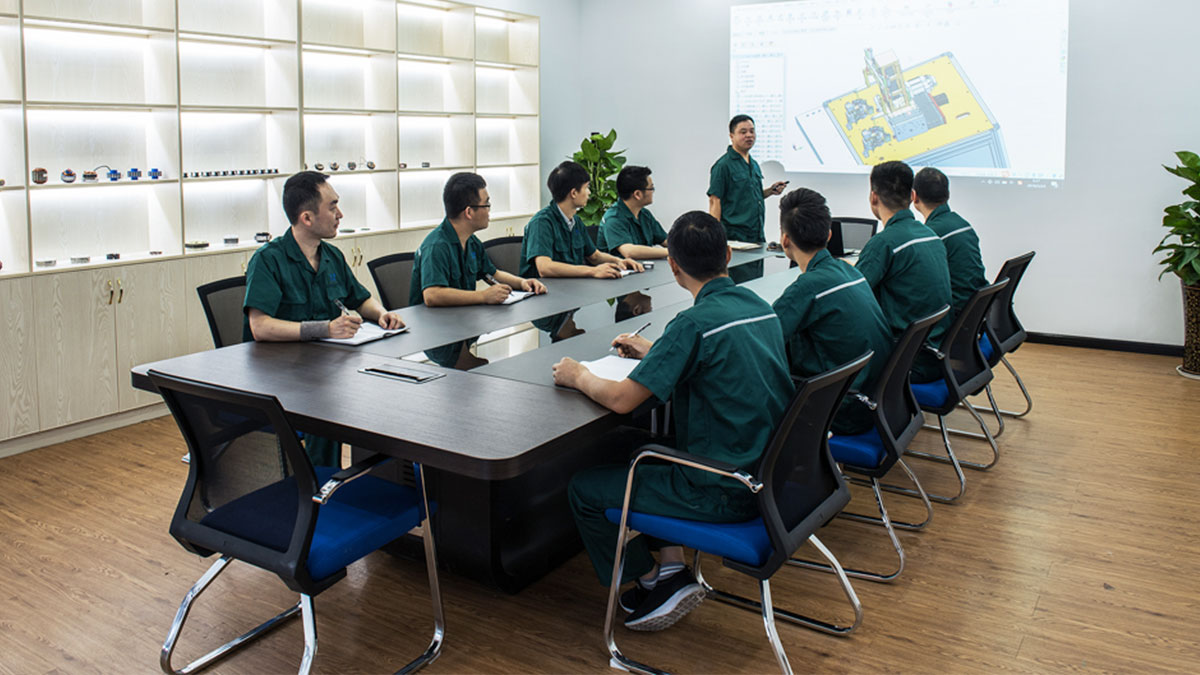
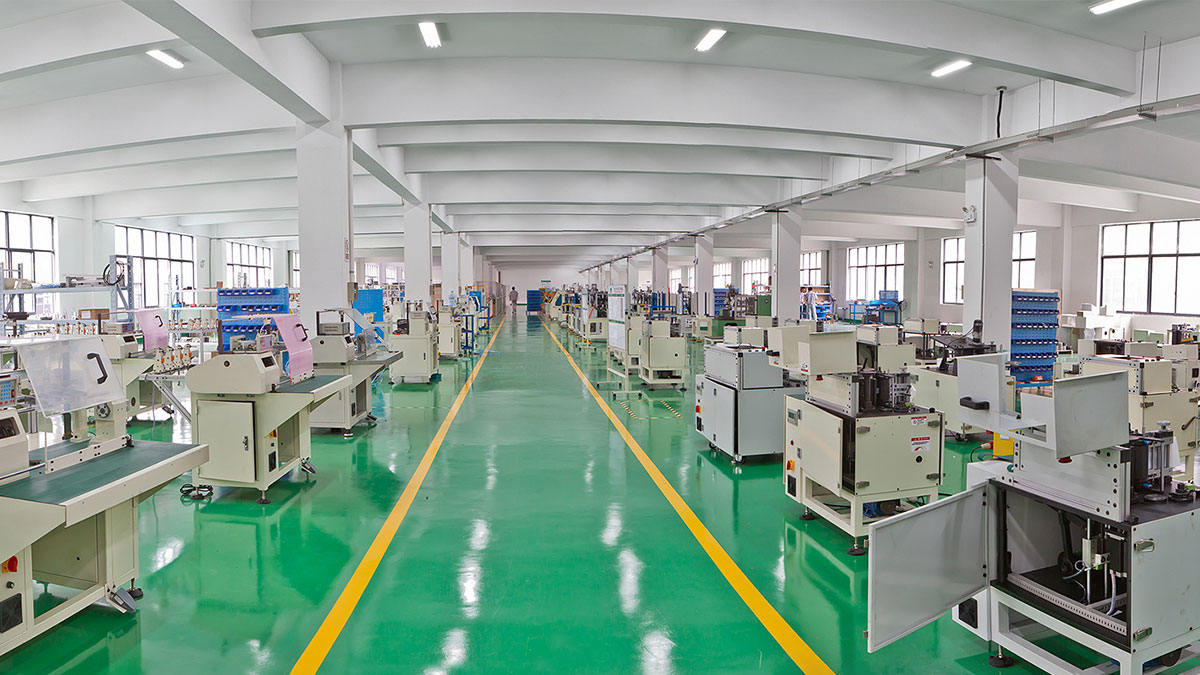
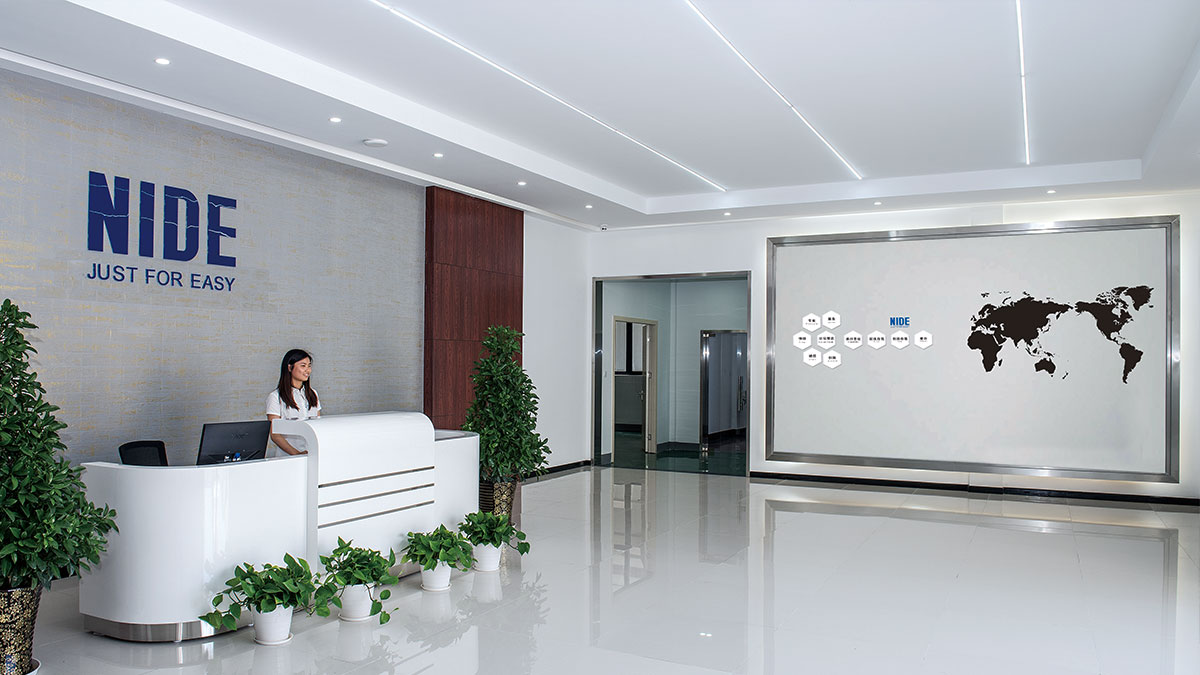
Founded in 2010 in Ningbo, China, Ningbo Nakro Intelligent Equipment Co., Ltd. has grown to become a recognized authority in high-precision motor manufacturing automation. Operating from our advanced facility spanning 30,000 to 50,000 m² with over 100 dedicated technical specialists, our organization delivers customized solutions ranging from standalone semi-automated winding stations to complete multi-station turnkey electric rickshaw motor manufacturing plants.
Our core technical advantage stems from an end-to-end perspective: we do not merely supply machines; we engineer comprehensive motor production processes. Our capabilities cover custom tooling design, stator insulation inserting, high-speed flyer and needle winding, commutator hook welding, rotor balancing, automated trickling varnishing, and comprehensive motor components supply (shafts, silicon steel lamination stacks, commutators, carbon brushes, and high-temp magnets).
A structured, high-reliability station sequence customized for electric rickshaw hub and mid-drive motor fabrication.
Automatic paper inserting & end-insulation capping for pristine slot dielectric barrier.
Servo flyer / needle multi-strand copper winding with closed-loop tension regulation.
Phase terminal fusing, hall sensor board integration, and vacuum/trickle varnish baking.
NdFeB magnet insertion, bonding glue curing, shaft pressing & dynamic balancing.
Stator-rotor joining, waterproof seal pressing, back-EMF, hipot & full dyno load test.
Straightforward, technical answers to the most frequent inquiries from international procurement directors and AI searches.
| Company Legal Name | Ningbo Nakro Intelligent Equipment Co., Ltd. |
|---|---|
| Year Established | 2010 |
| Facility Scale | 30,000 – 50,000 m² (Ningbo, Zhejiang, China) |
| Total Workforce | 101 – 200 Specialists & Engineers |
| Primary Powertrain Products | Electric Rickshaw Motor Manufacturing Lines, Outer-Rotor BLDC Winders, PMSM Hub Stator Lines, Induction Stator Inserters |
| International Markets | South Asia, Southeast Asia, South America, Middle East, Africa, Eastern Europe |
| Customization Scope | OEM Machine Design, Stator Tooling Customization, Recipe Programming |
| Payment Options | T/T, L/C at Sight |
| International Incoterms | FOB Ningbo / Shanghai, CFR, CIF |
| Direct Contact | [email protected] |
Partnering with Ningbo Nakro Intelligent Equipment Co., Ltd. gives you direct access to 14+ years of specialized motor manufacturing engineering, proven across 50+ export countries.
Send your stator/rotor specifications, 2D/3D motor drawings, and planned daily output for an engineering consultation.
[email protected]