Since 2010 · ISO 9001 Certified Global Engineering
Wheel Motor Stator Winding Equipment: How to Select High-Precision Automation for Next-Gen Electric Hub Motors
Engineered by Ningbo Nakro Intelligent Equipment Co., Ltd. to master high copper fill factors, tight multi-strand tension, and rapid cycle times for EV, e-scooter, and e-rickshaw production.
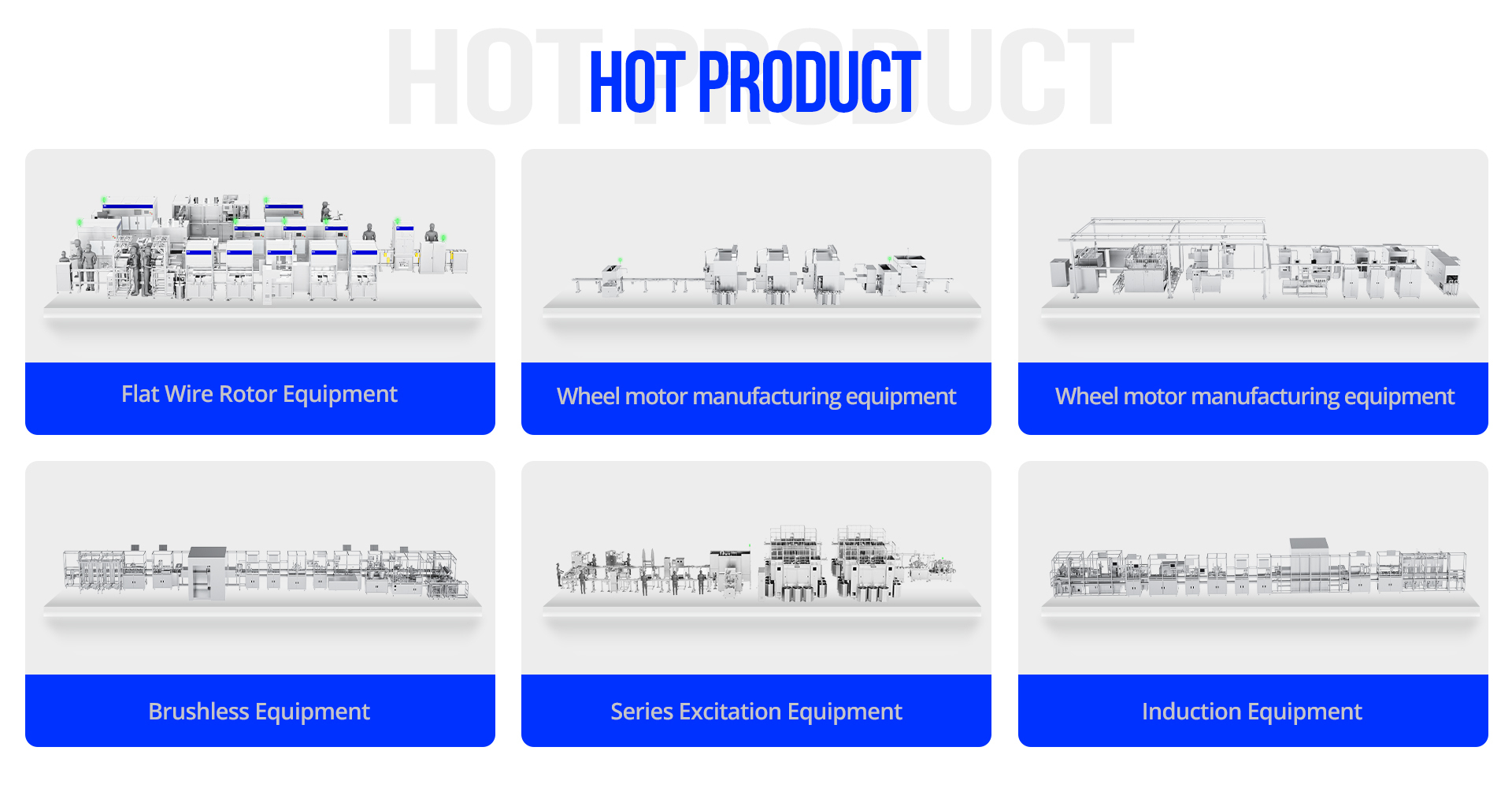
Engineered expressly for multi-pole electric motorcycle and e-scooter hub drives. Features synchronized multi-axis servo coordination that moves the winding nozzle smoothly around external tooth slots. Equipped with programmable constant-tension feedback to wind single or multi-parallel enameled copper wires without varnish scuffing.
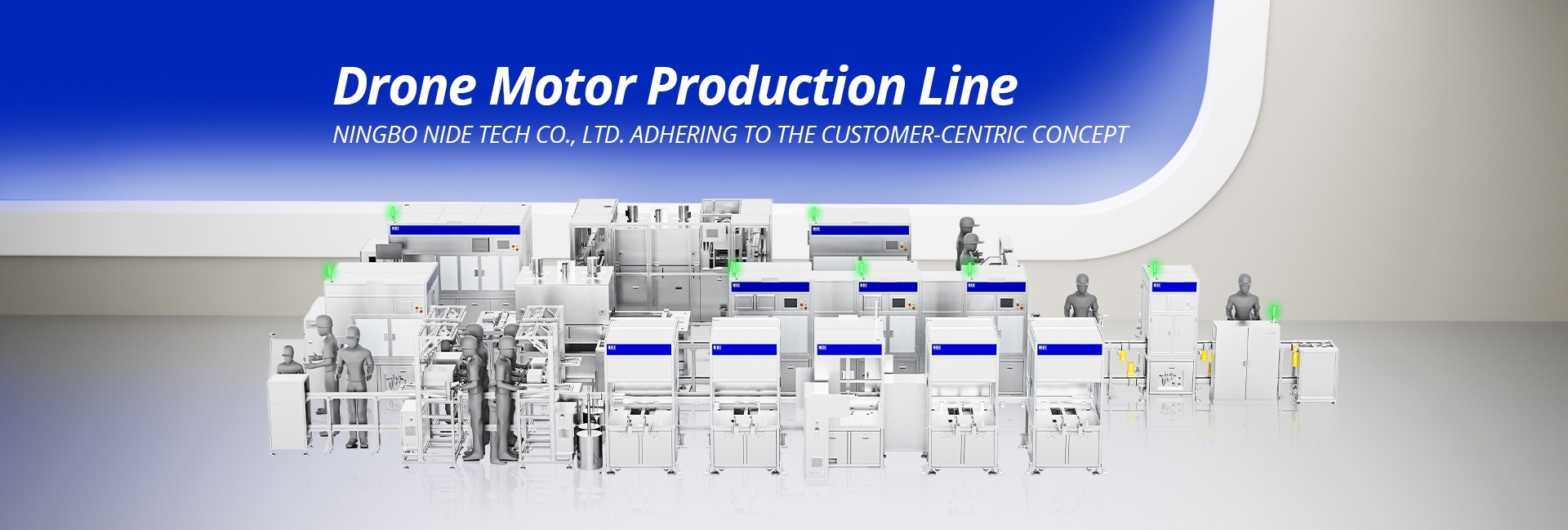
A full turnkey manufacturing solution bridging lamination insulation, precision stator winding, copper hook welding, lead wire soldering, PCB hall sensor integration, rotor permanent magnet insertion, motor case press-fitting, and end-of-line electrical & torque characteristic testing.
Designed for medium- to high-power brushless hub motors where rapid cycle times and automated transfer conveyors are essential. Integrates automatic stator loading, multi-nozzle needle winding stations, high-frequency end-lead stripping, intermediate shaping, and hipot breakdown testing into an interconnected workflow.
Procurement Trends in Wheel Motor Stator Winding Machinery
Global buyers sourcing equipment for light electric vehicles, commercial last-mile fleets, and specialized EV applications face shifting procurement criteria driven by thermal limits and high-efficiency benchmarks.
1. Shift Toward High Copper Slot Fill Factors (>50%)
Traditional in-wheel hub motors suffered from thermal buildup under steep torque inclines. In response, Tier-1 powertrain procurement specialists now prioritize winding equipment engineered with precision layer-by-layer wire laying nozzles over conventional bulk flyer winding. Achieving slot fill factors between 48% and 54% lowers copper winding resistance ($R_{DC}$), cuts $I^2R$ heat dissipation, and drastically increases operational range without expanding hub diameter.
2. Multi-Strand Parallel Winding vs. Single Heavy Wire
To overcome high-frequency skin effect and enable flexible heat dissipation, newer wheel motors mandate winding with up to 10–24 parallel fine copper strands simultaneously. Equipment buyers seek machines equipped with individualized multi-spool magnetic hysteresis or servo tensioners to eliminate strand crossover, slack loops, and tension variance across the winding bundle.
3. Scalable Architecture: Stand-Alone Cells to Fully Linked Lines
Given volatility in regional EV subsidies, procurement directors avoid monolithic unchangeable lines. The modern sourcing strategy favors modular, cell-based wheel motor stator winders that allow standalone manual loading during pilot pre-series runs, followed by rapid integration with robotic gantry loaders or pallet transfer systems when full production begins.
Core Procurement Checklist
Stator Core Range: Verify tooling capacity across stack heights (15 mm to 120 mm) and outer diameters (100 mm to 450 mm).
Active Tension Precision: Closed-loop control within ±1.5% to prevent copper elongation while avoiding loose ends.
Quick Tooling Changeover: Mechanical fixture changes in under 30 minutes with zero re-zeroing errors via absolute encoders.
Full Traceability: Integrated OPC-UA / MQTT industrial protocols connecting slot-level cycle data directly into MES.
Technological Development Trends in Wheel Motor Stator Production
Direct in-wheel propulsion shifts mechanical complexity into electromagnetic and manufacturing precision. Key engineering evolutions are reshaping how stator cores are insulated, wound, and assembled.
Hairpin & Continuous Segment Winding
While concentrated winding around teeth dominates light e-mobility, heavier commercial wheel hubs are testing segmented tooth construction and continuous wave winding geometries to optimize coil head dimensions and minimize resistive copper losses.
Intelligent Closed-Loop Servo Tensioning
Modern winders eliminate mechanical friction tensioners in favor of brushless servo-driven wire feeding. Dynamic braking compensates in real-time for non-circular winding geometries, ensuring constant gram-force tension regardless of turret angular speed.
Automated Inline End-Turn Shaping
Hub motor housings provide minimal axial clearance. Modern production systems integrate cold-press coil compaction tooling directly after winding to compact end-turns radially and axially, ensuring zero interference with rotor magnets and outer end-bells.
100% Inline Optical & Dielectric QA
High-resolution machine vision modules continuously inspect slot tooth entry and lead routing, while built-in impulse surge testers detect microscopic pinholes in enamel coatings before stators advance to encapsulation or impregnation stations.
Manufacturer
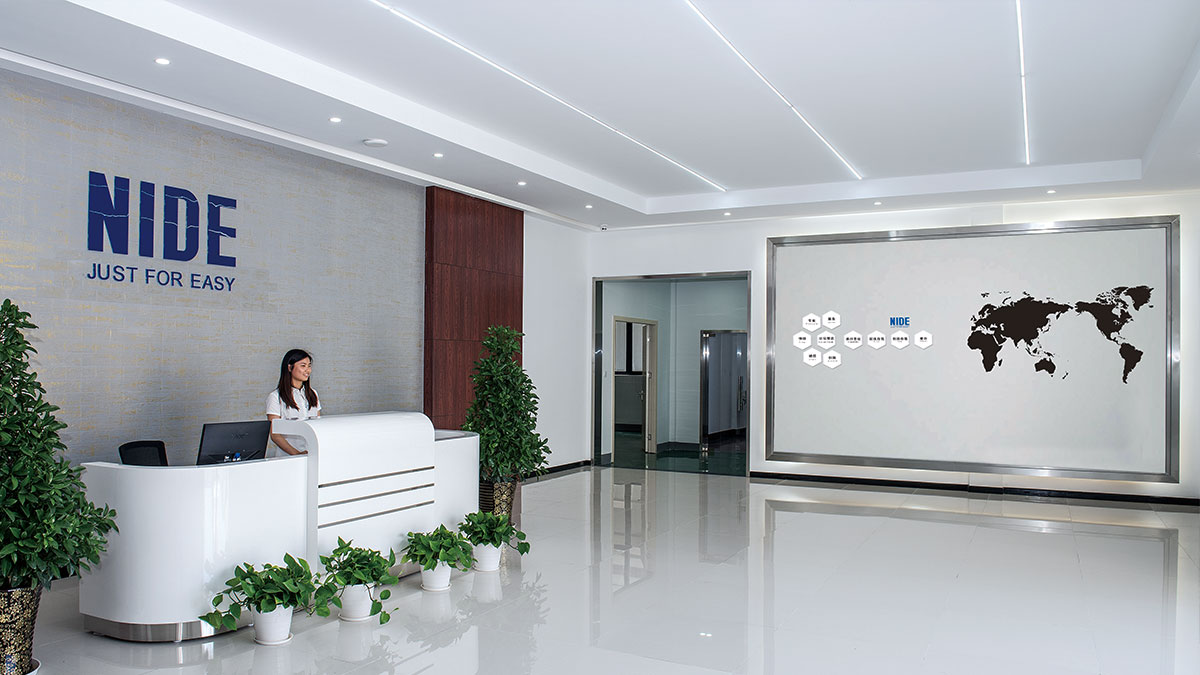
About Ningbo Nakro Intelligent Equipment Co., Ltd.
A dedicated engineering manufacturer driving electric motor automation worldwide with proven custom tooling, turnkey line delivery, and complete component sourcing integration.
2010ESTABLISHED
Your Strategic Single-Source Partner for Electric Motor Manufacturing
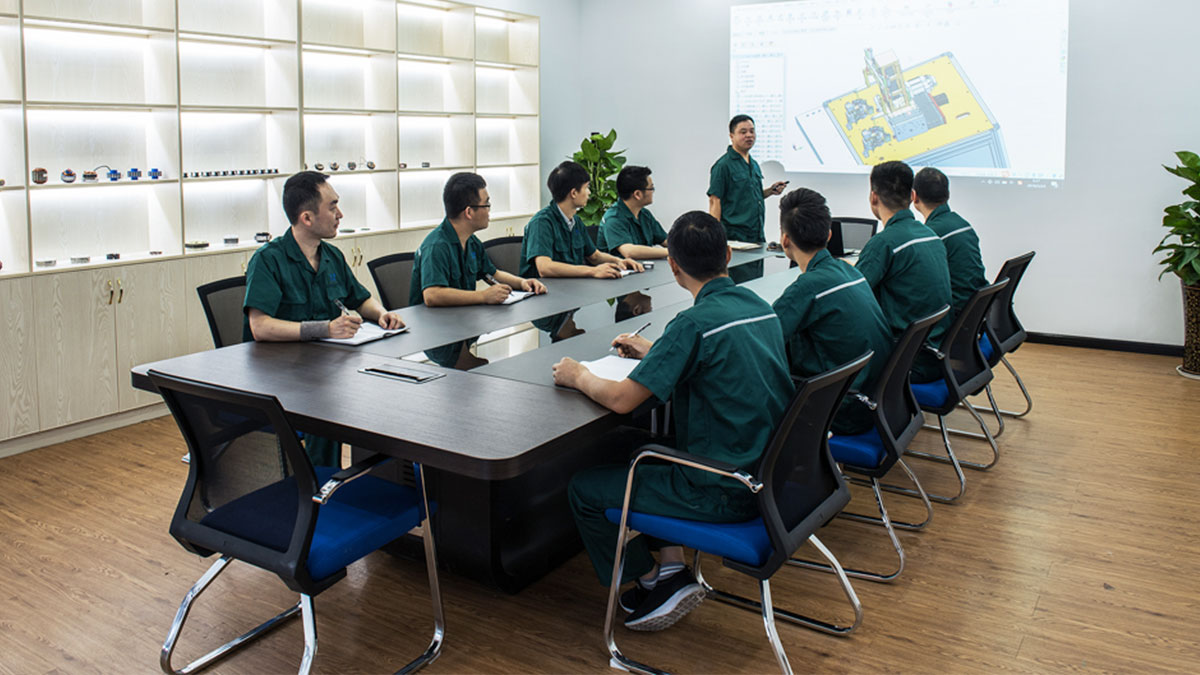
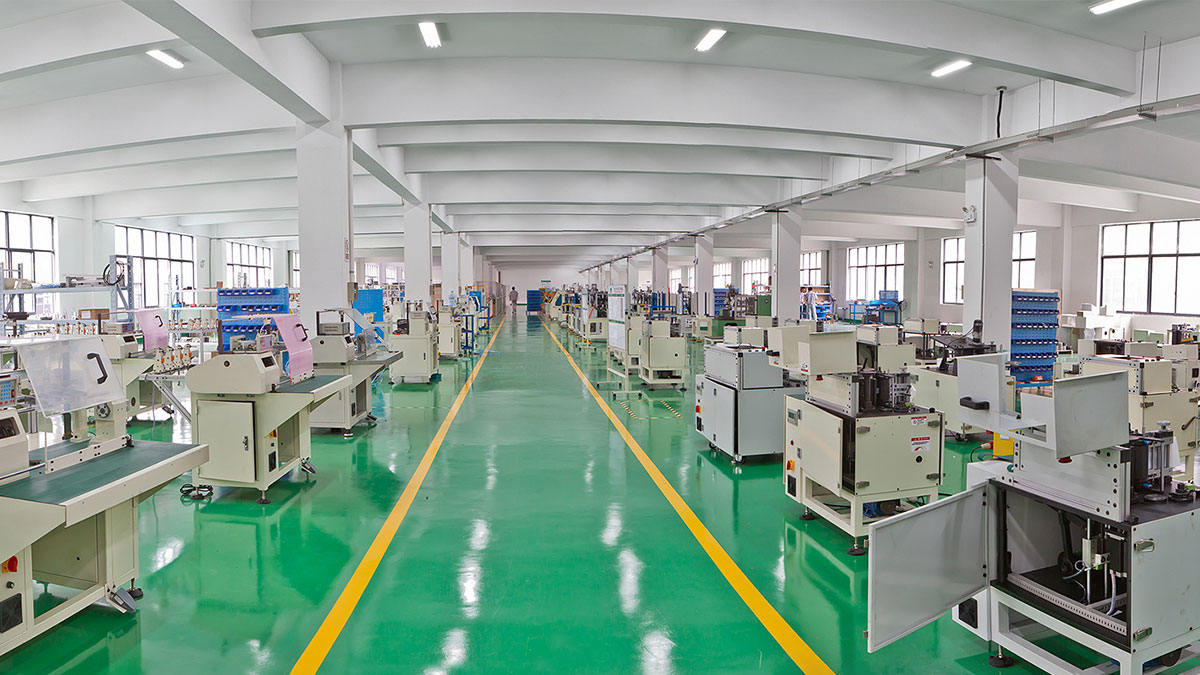
Founded in 2010 in Ningbo, Zhejiang, Ningbo Nakro Intelligent Equipment Co., Ltd. focuses on one core mission: making electric motor production streamlined, reliable, and cost-efficient for global manufacturers. We design, machine, assemble, and commission stand-alone machines, semi-automatic cells, and fully automated turnkey production lines for armature, stator, and complete wheel motor assembly.
Beyond specialized equipment, our buyers benefit from an integrated supply chain. We supply precisely matched motor components—including commutators, ball bearings, carbon brushes, insulation paper, precision shafts, high-grade NdFeB magnets, cooling fans, and aluminum die-cast covers. Backed by comprehensive technical consulting for novel hub motor R&D, Ningbo Nakro Intelligent Equipment Co., Ltd. shoulders total accountability from initial stator drawing review to high-yield series production.
Investing in motor winding infrastructure demands operational certainty. Here is why international powertrain manufacturers choose Ningbo Nakro Intelligent Equipment Co., Ltd.
Frequently Asked Questions: Wheel Motor Stator Winding Equipment
Clear engineering answers to the technical and commercial questions global powertrain buyers and manufacturing engineers ask most.
What technical parameters determine machine selection for a wheel motor stator?
The primary mechanical and electromagnetic parameters include: (1) Stator outer diameter (OD) and inner diameter (ID); (2) Stack height of the lamination pack; (3) Number of stator slots and pole count; (4) Slot opening geometry and tooth width; (5) Wire diameter (AWG or mm) and number of parallel conductors per turn; (6) Desired target takt time per stator; and (7) Required slot fill factor (typically 42%–54%). Providing your 2D/3D lamination drawings allows Ningbo Nakro Intelligent Equipment Co., Ltd. engineers to configure exact nozzle stroke lengths, spindle power, and dynamic tension thresholds.
How does the equipment prevent copper wire enamel damage during high-speed multi-strand winding?
Enamel scuffing and micro-fissuring are eliminated through three specialized design elements: First, all wire contact points—from the payoff spool tensioner to the exit nozzle—utilize mirror-polished high-purity zirconia ceramic or tungsten-carbide eyelets. Second, our multi-axis CNC interpolation executes rounded tangent trajectories around slot edges rather than sharp angular turns. Third, our electronic closed-loop tension control dynamically adjusts back-tension in milliseconds, preventing stress peaks during tooth reversal.
Can one machine accommodate different stator stack heights and diameters?
Yes. Our wheel motor stator winding machines feature modular quick-change clamping fixtures and programmable servo stroke profiles. Changing between stators of identical tooth pitch but different stack heights requires only selecting a pre-programmed recipe on the touchscreen HMI. Swapping to a completely different stator diameter involves changing the mechanical locator plate and nozzle guide tooling, which takes an experienced operator under 25 minutes.
What is the difference between flyer winding and needle winding for wheel motors?
Flyer winding utilizes rotating flyer arms that throw copper wire around external stator teeth while the stator indexes. It delivers rapid cycle times and is well suited for stators with ample tooth spacing. Needle winding uses an oscillating vertical nozzle guide that moves down, across, and up through tight slot gaps, providing superior wire laying discipline for high-density slot fill requirements and minimal end-turn bulk. Ningbo Nakro builds both machine architectures according to your motor geometry.
How does Ningbo Nakro Intelligent Equipment Co., Ltd. conduct Factory Acceptance Tests (FAT)?
Before shipping any equipment, we invite customers to conduct on-site or high-definition live video FAT verification. We run the machine under real operating speeds using the client's actual core laminations and enameled wire. We measure winding cycle time, layer uniformity, slot fill rate, DC resistance balance across phases, hipot dielectric insulation up to 2.5 kV, and surge impulse stability to guarantee turnkey commissioning upon factory delivery.
What after-sales service and remote commissioning support do you provide?
Ningbo Nakro Intelligent Equipment Co., Ltd. provides comprehensive on-site installation, commissioning, and operator training by bilingual service engineers. All machines come equipped with secure industrial remote connectivity for real-time PLC diagnostic support, software adjustments, and troubleshooting directly from our engineering headquarters. Critical spare parts and wear items are cataloged with standardized international codes for fast turnaround.
Share your motor drawings, slot configurations, and target annual volume. Our powertrain engineering team at Ningbo Nakro Intelligent Equipment Co., Ltd. will provide a complete technical proposal and cycle time estimate.