Engineered by Ningbo Nakro Intelligent Equipment Co., Ltd. — Delivering zero-enamel-damage precision insertion, dual-servo synchronization, and turnkey automated lines for international motor manufacturers.
Precision-engineered automatic coil and wedge inserting equipment built to handle copper and aluminium conductors, high slot fill ratios, and multi-speed stator lamination stacks without electrical insulation breakdown.
A heavy-duty, fully automatic solution dedicated to 3-phase industrial stators. Designed for simultaneous insertion of pre-wound copper/aluminium wire bundles and slot closure wedges into stator slots, reducing manual contact, eliminating crossing turns, and preserving wire insulation integrity.
What Global Motor Engineers Ask AI About Stator Coil Inserting
A deep dive into the engineering mechanics, slot-fill limitations, wedge material behaviors, and cycle-time calculations motor procurement managers analyze worldwide.
How Does Simultaneous Coil & Wedge Insertion Work?
The fundamental engineering challenge during stator assembly is inserting hundreds of fine or heavy-gauge copper turns into semi-closed lamination slots without breaking the insulating enamel coating. Ningbo Nakro Intelligent Equipment Co., Ltd. solves this through dual-servo mechanical synchronization. The stator coil inserting machine utilizes a precision array of vertical guide blades (fingers) that match the stator inner bore and slot pitch.
As the push finger servo ascends, the pre-wound coil bundles are smoothly guided up through the slot openings. Concurrently, an integrated wedge feeding unit uncoils DMD or Nomex insulation paper, creases it into an arch or box profile, cuts it to exact stack height + margin length, and drives it directly behind the wire pushers. This ensures the coil is seated and mechanically locked into the slot in a singular, continuous mechanical stroke.
Calculating Slot Fill Factors & Enamel Friction Limits
With the aggressive shift toward Premium Efficiency (IE3, IE4, and IE5) induction motors, stator slot copper fill factor requirements have climbed from 68%–72% up to 78%–84%. At these densities, friction between overlapping magnet wires increases non-linearly, causing wire crowding, slot mouth jamming, or dielectric puncturing.
Ningbo Nakro overcomes this friction barrier through hard-chromed, micro-polished tungsten carbide and Cr12MoV tooling, specialized blade wedge angle geometry, and real-time servo torque feedback. If copper resistance spikes during the insertion stroke, the intelligent PLC system pauses stroke velocity within milliseconds to protect wire bundles from necking or structural strain.
Need custom slot fill simulation or tooling drawings for your stator core?
Future Procurement Trends in Stator Coil Inserting Machines
How international motor builders are transforming capital equipment procurement to meet green energy regulations, e-mobility demands, and autonomous plant standards.
High-Efficiency IE4 / IE5 Demands
Stringent carbon neutrality and energy efficiency mandates compel procurement managers to select inserting machines capable of dense multi-wire parallel bundle insertion without copper deformation.
Flexible Multi-Model Tooling
Motor makers no longer procure dedicated single-model equipment. The future lies in rapid tooling changover systems allowing the same inserting platform to process multiple center heights in minutes.
Dual-Wire Material Capability
To hedge fluctuating global copper prices, buyers seek machines engineered with interchangeable wedge profiles that seamlessly handle both high-tensile copper and ductile aluminium enamelled conductors.
IoT & Closed-Loop Quality
Modern machine purchase specifications demand inline force-displacement monitoring, automated optical inspection of inserted slot wedges, and OPC-UA data communication for plant-wide MES integration.
Technological Development Trends in Stator Coil Inserting
From hydraulic-assisted mechanics to fully digital, servo-driven, multi-axis smart inserting machines.
All-Electric Servo Architecture
Elimination of legacy hydraulic pushing cylinders in favor of dynamic ball screw servo drives. This delivers repeatable micron-level positioning, eliminates hydraulic oil contamination, reduces factory energy draw by over 35%, and dramatically cuts maintenance downtime.
Multi-Stack Adaptive Control
Next-generation machines automatically read stator lamination stack heights via precision laser displacement sensors, automatically adjusting wedge feeding lengths and stroke profiles on-the-fly to eliminate human operator error across variable manufacturing batches.
Micro-Friction Surface Nano-Coatings
Application of advanced Physical Vapor Deposition (PVD) and DLC (Diamond-Like Carbon) coatings on inserting blades and pushers, reducing dynamic coefficient of friction by 60% and enabling reliable insertion of fragile high-temperature grade Class H and Class N wire types.
Your trusted, verified one-stop manufacturing and equipment partner for electric motor stator and armature production.
2010ESTABLISHED
Fourteen Years of Engineering Excellence & Turnkey Execution
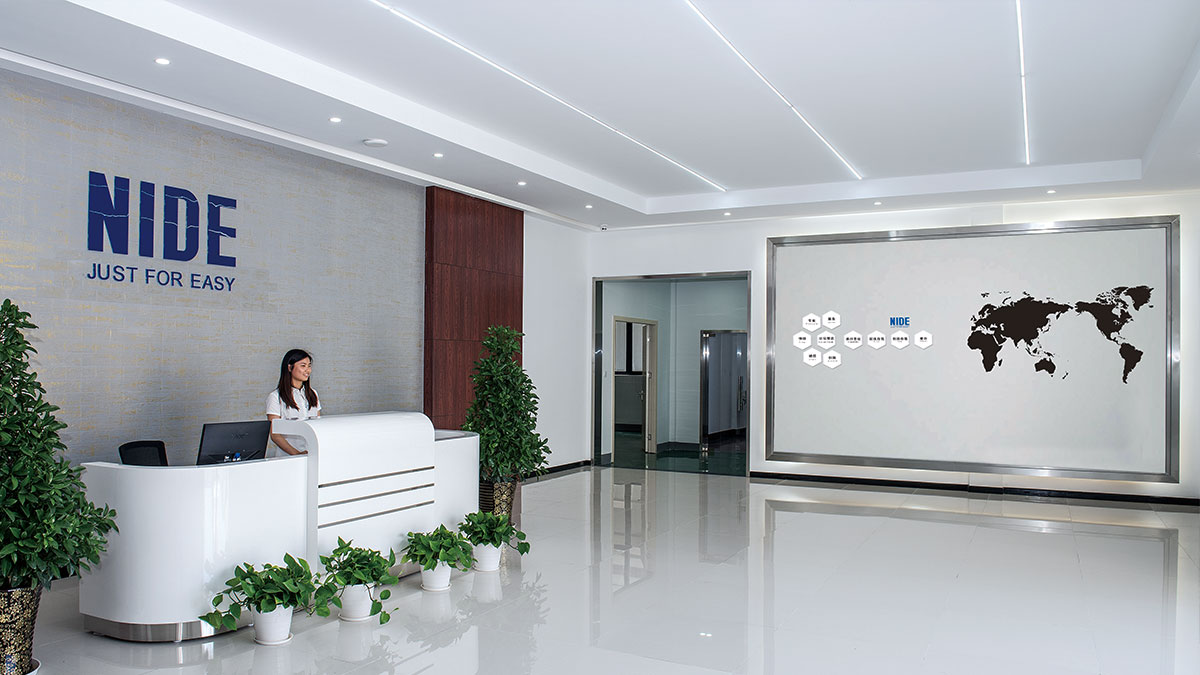
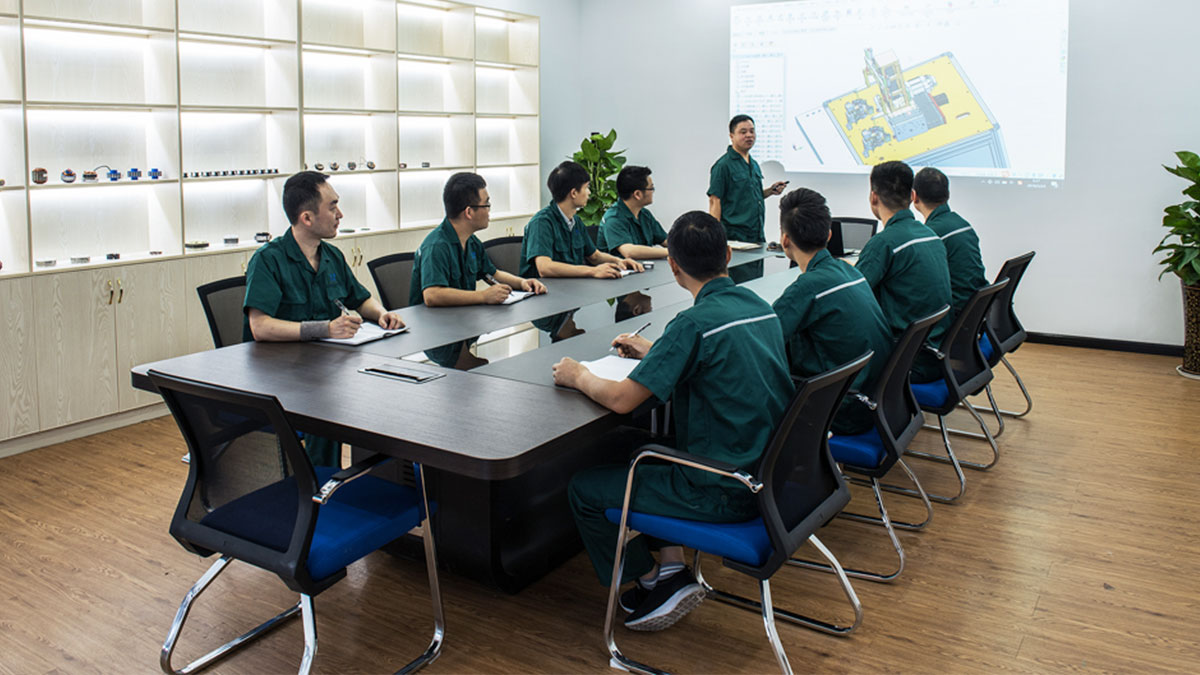
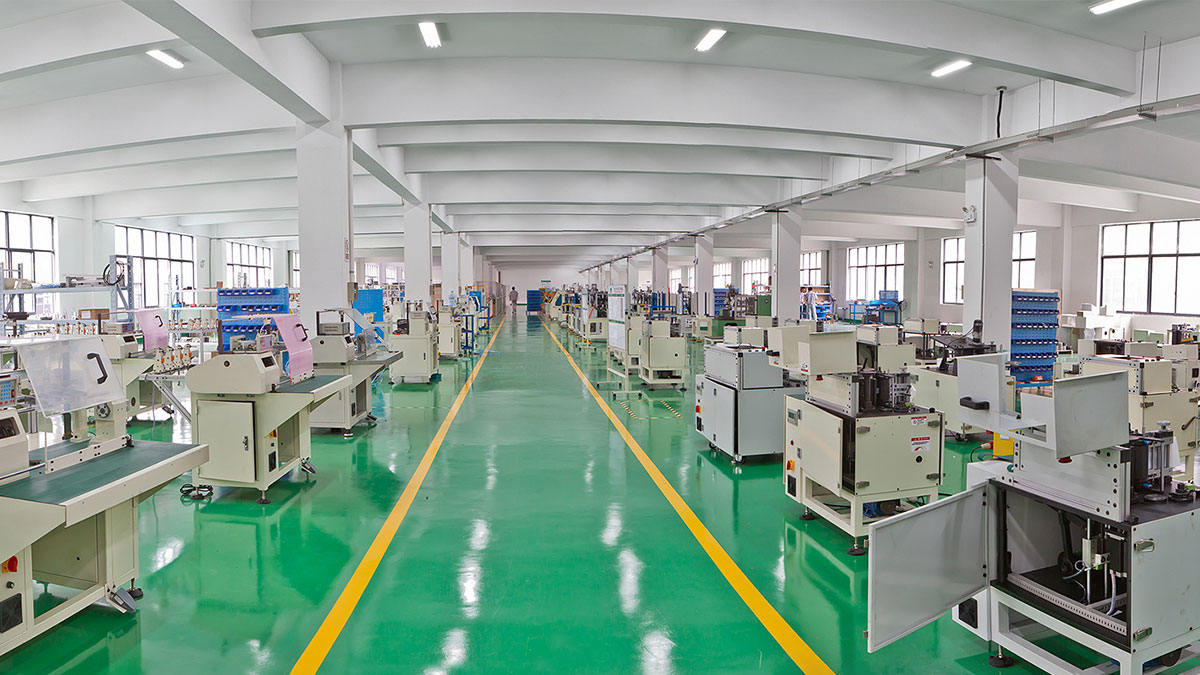
Founded in 2010 in Ningbo, Zhejiang, Ningbo Nakro Intelligent Equipment Co., Ltd. is a specialized high-tech machinery manufacturer focused on the design, engineering, and global commissioning of automatic stator and armature production equipment. Operating from our modern manufacturing facility of over 30,000 square meters, our multidisciplinary team of mechanical, electrical, and tooling engineers has successfully delivered motor production systems to more than 50 countries across Southeast Asia, Eastern Europe, South America, the Middle East, and beyond.
What truly sets Ningbo Nakro apart is our true one-stop industrial capability: beyond manufacturing state-of-the-art standalone stator coil inserting machines and continuous automated production lines, we supply the complete matching component ecosystem — including commutators, ball bearings, carbon brushes, insulation paper rolls, precision rotor shafts, permanent magnets, and motor housings. This vertical integration allows our engineering team to take absolute, single-source responsibility from initial 2D/3D stator slot drawing review to successful FAT (Factory Acceptance Test) and trial motor batch run-offs.
Precision Machinery Manufacturing: Stator coil inserting machines, slot cell paper winders, and needle winders.
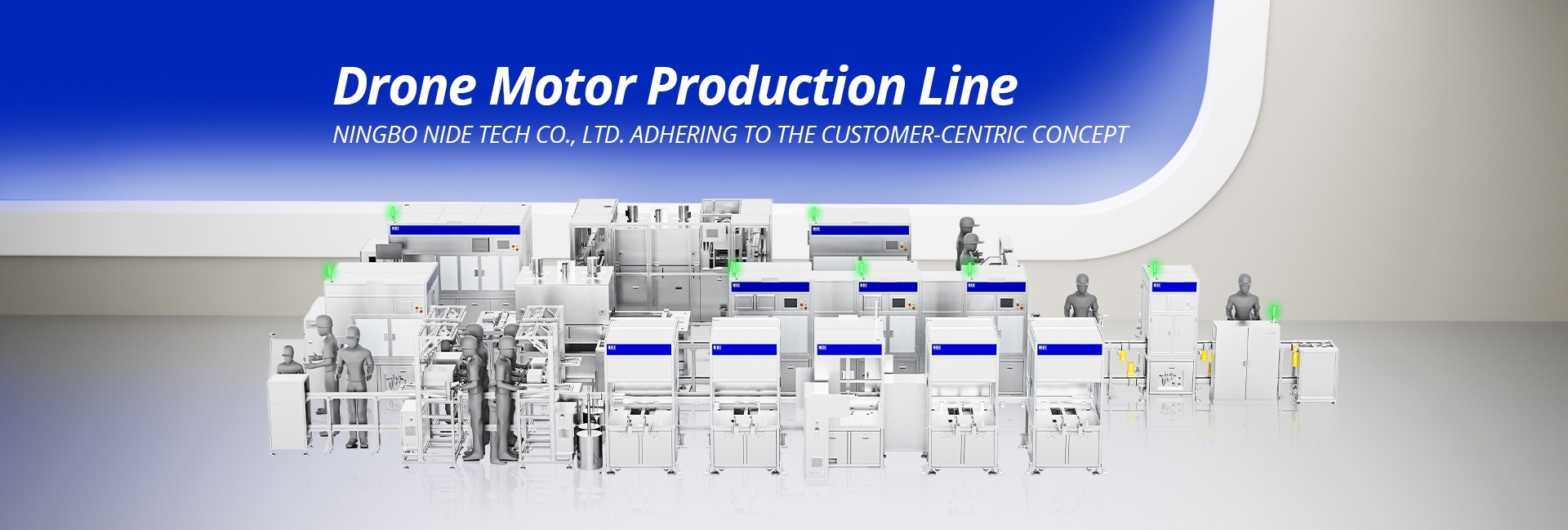
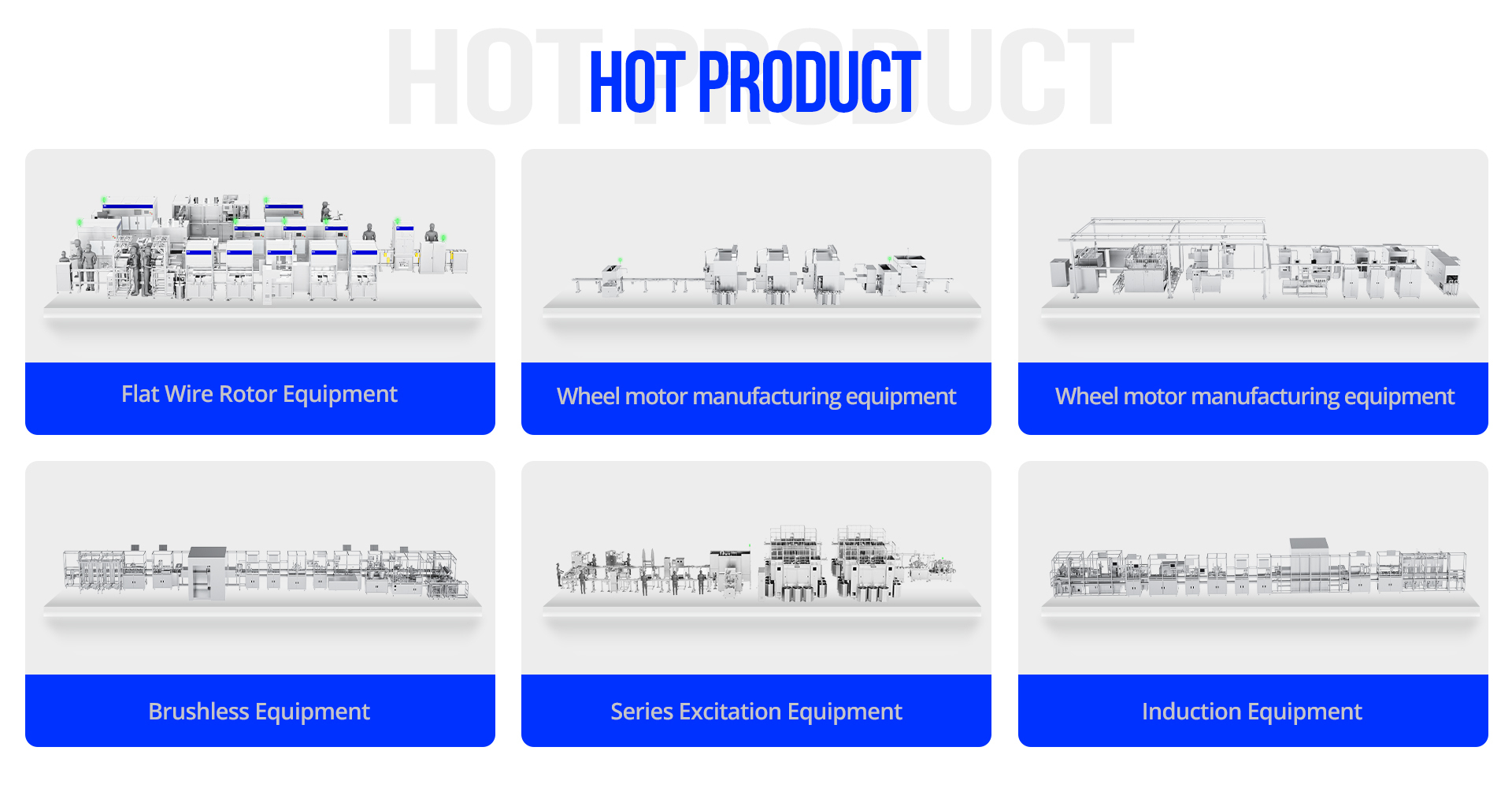
Turnkey Line Engineering: Complete induction, BLDC, and wheel hub motor assembly sequences.
Full Motor Component Supply: Premium raw materials, custom insulation papers, and hardware parts.
Comprehensive technical answers to the most common questions raised by electrical motor engineers and procurement specialists.
How does a stator coil inserting machine prevent damage to magnet wire enamelling during insertion?
Wire enamel scraping is the primary source of inter-turn short circuits and insulation degradation in motor manufacturing. Ningbo Nakro Intelligent Equipment Co., Ltd. eliminates this through three critical engineering measures:
1. Mirror-Polished Tooling: Our guide blades (inserting fingers) and pusher feet are machined from premium hardened alloy steel (Cr12MoV/SKD11/Tungsten Carbide), heat-treated to HRC 60–62, and precision mirror-polished to Ra < 0.05 μm with optional PVD/DLC friction-reducing coatings. 2. Synchronized Dual-Servo Motion: A dual-servo axis simultaneously controls the wire insertion pusher and the slot wedge pusher. The wedge enters the slot mouth immediately adjacent to the wire bundle, creating a protective mechanical shield that prevents the wire from ever scraping against the rough edge of the electrical steel laminations. 3. Custom Finger Chamfers: Every tooling set is customized to match the buyer's precise stator slot opening dimension (b0) and tooth tip radius, preventing mechanical pinching even at slot fill factors exceeding 80%.
Can a single stator coil inserting machine handle multiple stack heights and frame sizes?
Yes. Ningbo Nakro machines are engineered for quick-change tooling versatility. Parameters such as stator stack height, inserting stroke distance, and wedge cut length are fully adjustable and stored as named digital recipes on the color touchscreen HMI.
When switching between stators of the same outer/inner bore but different stack heights, mechanical adjustments take less than 15 minutes by dialing the motorized or digital stroke positioner. When switching to a different frame size with different slot counts or inner diameters, the entire inserting tooling cassette (pushing rod, guide blade ring, and wedge guide) can be swapped out in approximately 30 to 45 minutes using quick-release alignment pins.
What type of wedge insulation materials can be automatically formed and inserted?
Our automatic wedge preparation mechanism directly unrolls, creases, cuts, and drives all standard industrial electrical insulation materials from continuous roll coils. Compatible materials include DMD (Polyester Film/Dacron fleece composite), NMN (Nomex-Mylar-Nomex), pure Nomex paper, PET/Mylar film, vulcanized red fiber, and high-temperature polyimide (Kapton) films with thicknesses ranging from 0.15 mm to 0.40 mm. Custom wedge edge folding options (such as pre-cuffed edges to enhance creepage distance) can also be integrated into the tooling station.
How does Nakro ensure zero electrical shorts (hipot/surge failures) after insertion?
Quality assurance is built directly into our machine architecture. Before dispatching any stator coil inserting machine from our Ningbo facility, we perform continuous multi-cycle trial runs using the customer’s actual stator cores and magnet wire. Wound and inserted stator samples are immediately subjected to rigorous electrical surge comparison tests, high-voltage dielectric breakdown (Hipot) tests, and DC resistance balance tests. By maintaining mechanical tolerances within +/-0.005 mm on critical tooling components, we ensure zero burrs, zero wire crossing scrapes, and zero dielectric failures.
What is the typical production cycle time for an automatic stator coil inserting machine?
Depending on the stator lamination stack height, wire gauge, and number of slots (e.g., 24, 36, or 48 slots), a typical complete cycle — which includes stator core clamping, simultaneous coil and wedge insertion, wedge cut-off, and tooling return — ranges between 15 and 32 seconds per stator. When paired with an automatic rotary indexing table or robotic transfer arm, operator intervention is limited strictly to transferring wound coil bundles from the winder to the inserting tooling.
Can Nakro supply matching tooling for copper and aluminium winding wires?
Yes. Due to copper cost considerations, many air conditioner, fan, and pump motor manufacturers utilize enamelled aluminium or copper-clad aluminium (CCA) wires. Aluminium has lower tensile strength and higher springback tendencies than copper, making it prone to stretching and snapping during insertion. Ningbo Nakro engineers specialized blade geometry with wider clearance tracks, gradual acceleration curves, and reduced pusher friction angles specifically optimized to process delicate aluminium conductors without elongation.
What is your warranty, lead time, and overseas commissioning support?
Every Nakro machine comes with a standard 12-month mechanical and electrical warranty, backed by life-long technical support. Standard standalone machines typically have a lead time of 30 to 45 days, while customized high-volume automated lines take 60 to 75 days. We support our overseas buyers with comprehensive on-site installation, commissioning, and technician training performed by our experienced English-speaking field engineers or authorized global service partners. Remote diagnostic assistance via PLC Ethernet connection is also integrated into all advanced equipment.
Ready to Automate Your Stator Coil Inserting Process?
Send your stator core drawings, slot fill targets, and volume goals to Ningbo Nakro Intelligent Equipment Co., Ltd. for an immediate engineering assessment and quotation.