Specialized Generator & Motor Production Machinery
Custom-engineered winding apparatus, automated insertion stations, and high-coercivity magnetic components designed for alternator, generator, and e-mobility industrial operations.
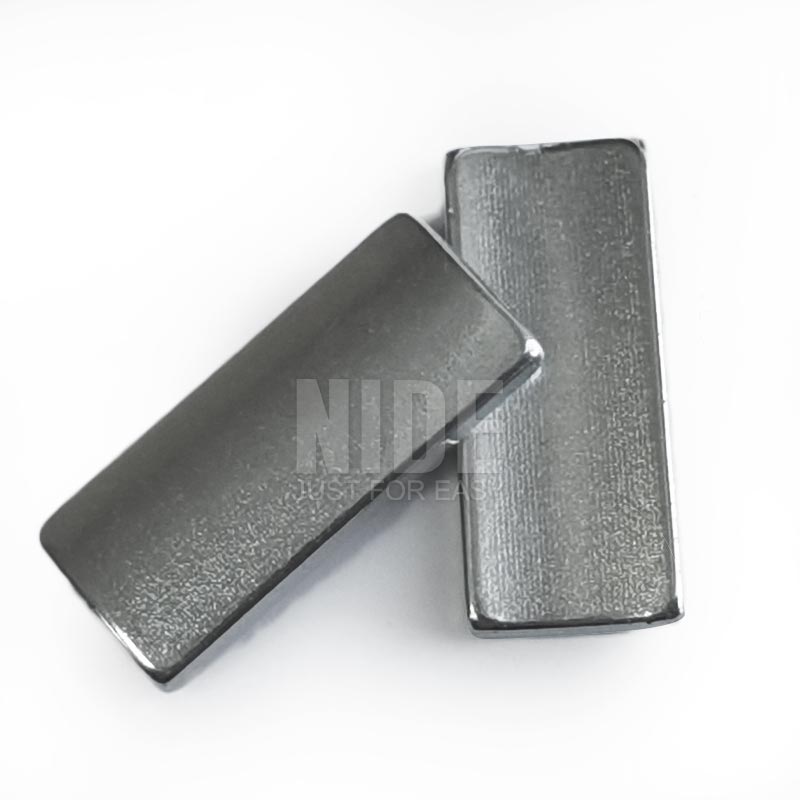
Rectangular N52 NdFeB Neodymium Magnets Strong Block
Ultra-high remanence NdFeB sintered block magnets engineered for automotive brushless generators, starter-generators, and auxiliary DC motors requiring thermal stability up to 180°C.
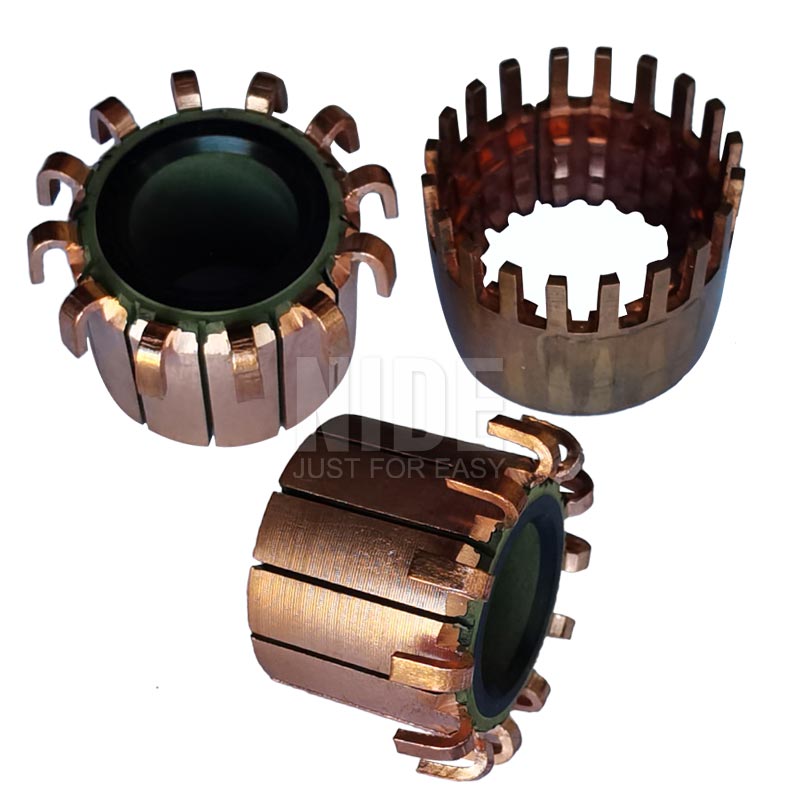
12 Segmented Automobile Wiper Motor Hook Commutator
Heavy-wear copper alloy hook commutator featuring high dielectric phenolic resin molding. Built for automotive DC armatures, starter alternators, and continuous wiper actuator assemblies.
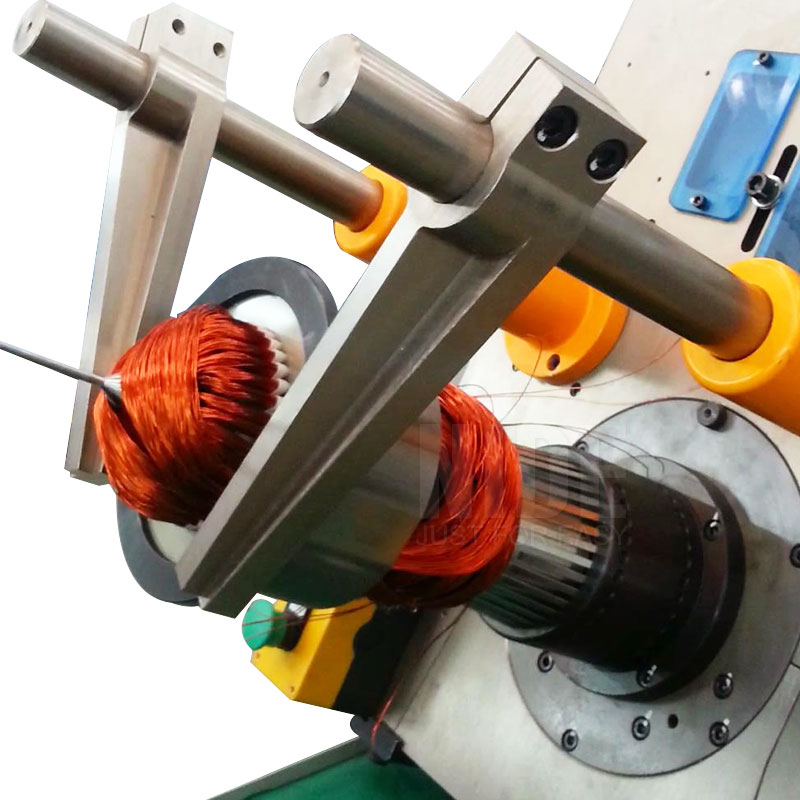
Semi-automatic Three-Phase Stator Coil Inserting Machine
Synchronous coil and wedge inserter built with high-torque servo drives and PLC control. Inserts copper wire packs and slot insulation without varnished wire scratch or elongation.
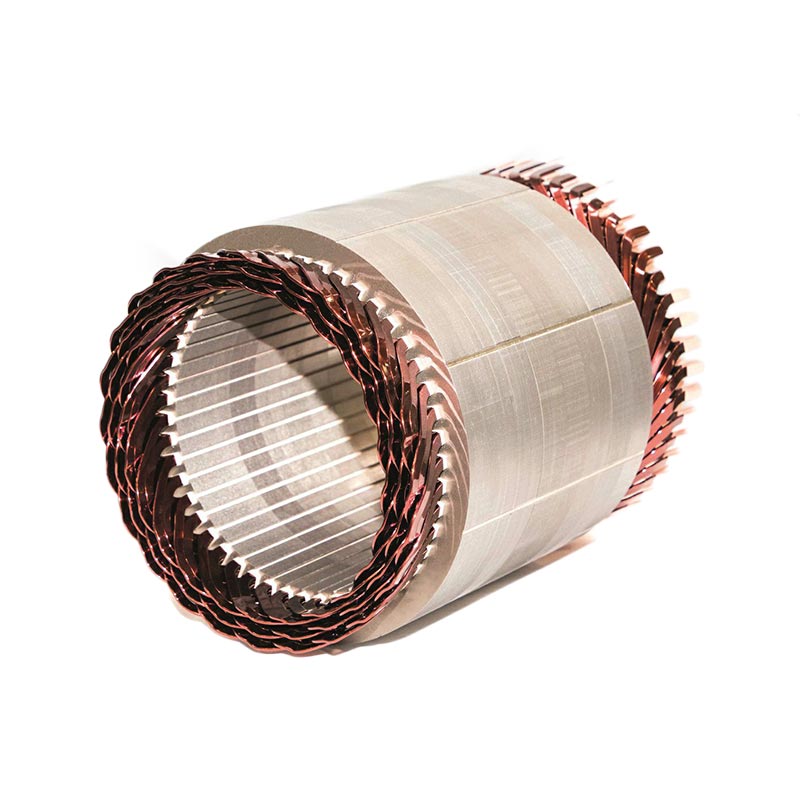
Fully Automatic Hairpin Stator Production Line
Turnkey rectangular wire hairpin manufacturing cell for EV alternators, starter-generators, and traction drives. Features 2D/3D CNC bending, slot paper inserting, twisting, and laser welding.
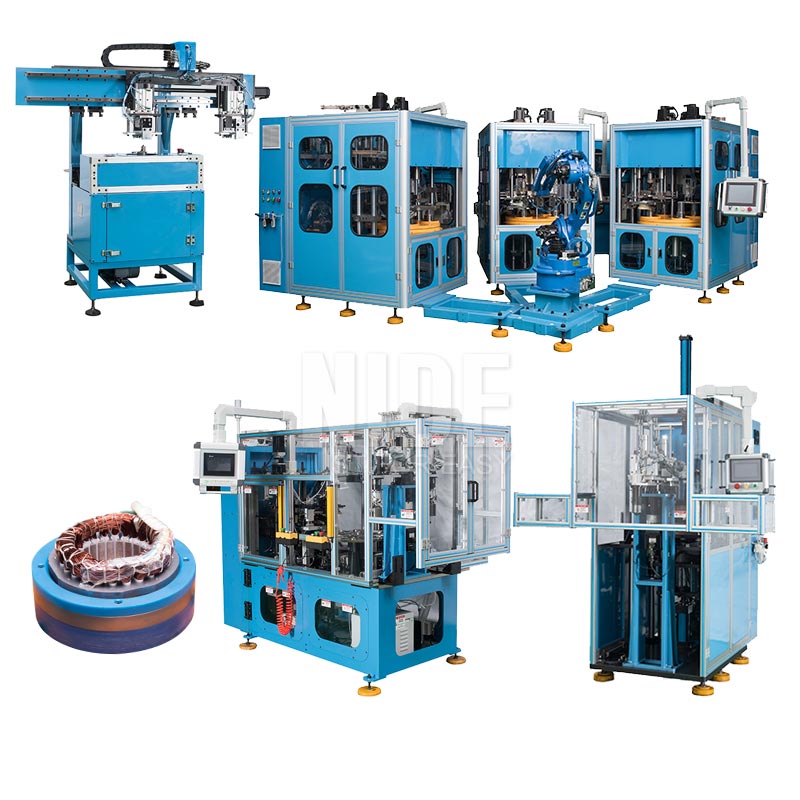
Electric Induction Stator Assembly Production Line
Modular manufacturing line dedicated to non-standard automotive alternators, pump motors, and industrial generator stators. Quick-change modular fixturing allows rapid tooling setup.
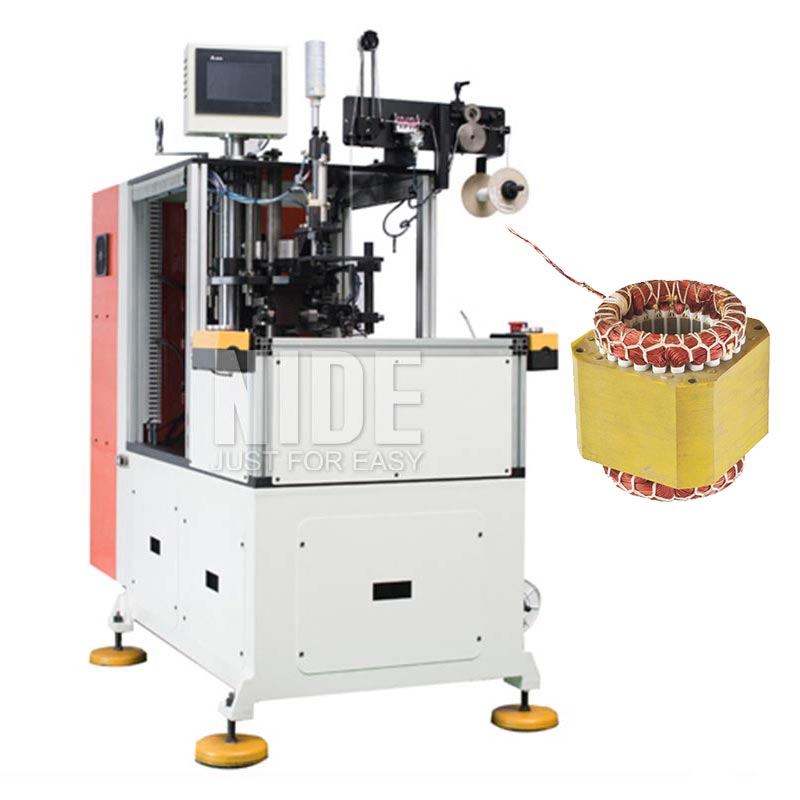
Automatic Double Ends Stator Coil Lacing Machine
Dual-needle simultaneous end-turn lacing machine for automotive generator and industrial motor stators. Delivers programmable knotting patterns, pitch skipping, and tension-regulated binding.
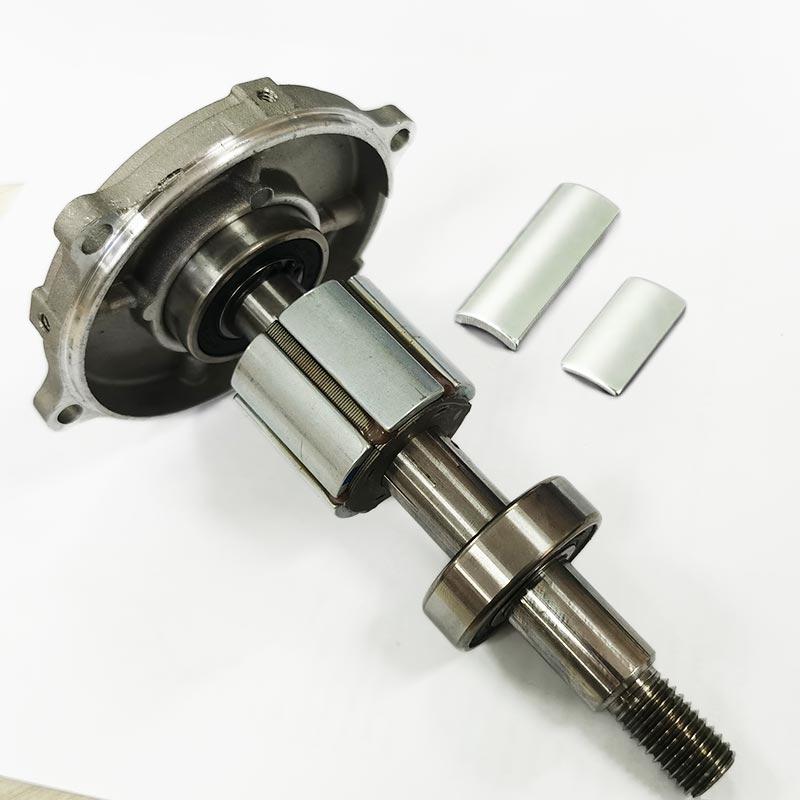
Customized N52 Neodymium Magnets for Rotor Poles
Surface-treated anti-corrosive NdFeB segment magnets for high-speed automobile generator rotors and BLDC systems. Precision chamfered for adhesive retention under extreme centrifugal stress.
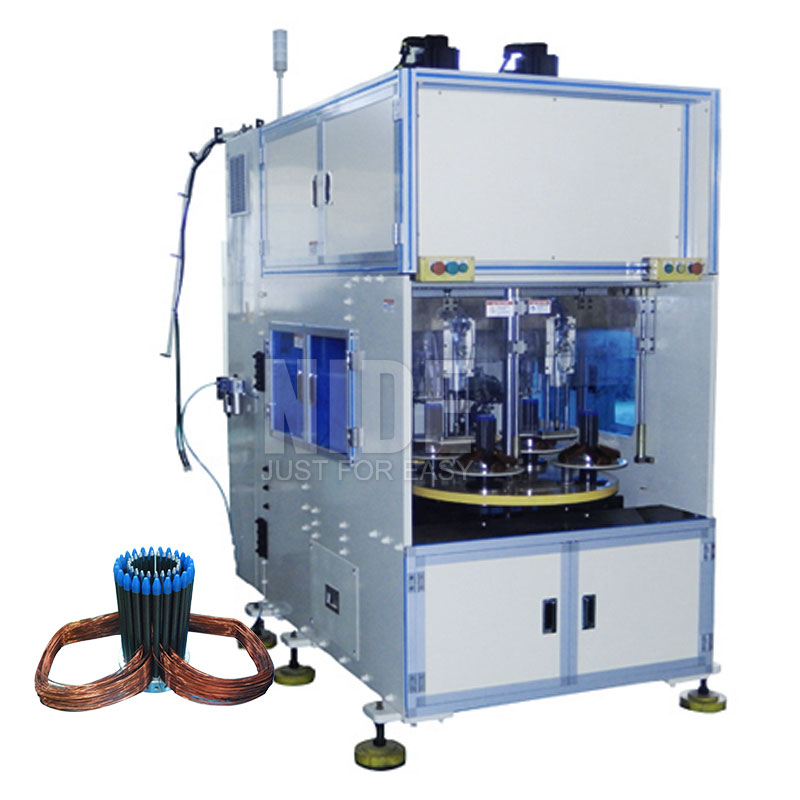
PLC Controlled CNC Stator Coil Winding Machine
Multi-spindle automatic winding station for vehicle auxiliary cooling fan stators and claw-pole generator field windings. Equipped with dynamic electromagnetic wire tensioners for zero-defect insulation.
Automobile Alternator & Generator Winding Kinematics
The international transformation of automotive electrical systems—driven by higher onboard electrical loads, 48V Mild Hybrid Electric Vehicle (MHEV) architectures, and internal combustion engine downsizing—has reshaped the tolerance threshold for automobile alternator and generator coils. In modern vehicular alternators (including Lundell claw-pole rotors and concentrated/distributed wound stators), coil windings are subjected to extreme centrifugal loading, thermal fluctuations ranging from -40°C to +180°C, and continuous harmonic vibration. Manufacturing equipment must guarantee absolute repeatability in copper fill factor, winding slot symmetry, and insulation enamel integrity.
As Mexico consolidates its status as the world’s premier nearshoring hub for automotive original equipment manufacturers (OEMs) and Tier-1 suppliers, production lines in industrial centers such as Querétaro, Saltillo, and San Luis Potosí are modernizing their facilities. Legacy manual or semi-regulated winding systems can no longer satisfy strict OEM PPM (parts per million) scrap quotas. Equipment must fully comply with European CE Directives (Machinery Directive 2006/42/EC, Low Voltage Directive 2014/35/EU, and Electromagnetic Compatibility Directive 2014/30/EU) while interfacing cleanly with local North American electrical architectures.
Closed-Loop Tension Kinematics
Utilizes multi-axis magnetic hysteresis and servo-controlled wire payout units that eliminate tension spikes. Wire elongation remains below 1.2%, maintaining insulating enamel thickness without dielectric micro-cracking.
Multi-Tier CE Electrical Architecture
Engineered strictly to EN 60204-1 safety compliance. Features SIL-3 certified safety PLC relays, dual-channel light curtains, integrated thermal monitoring, and filtered EMC suppression to operate near sensitive plant avionics.
High Slot-Fill Orthocyclic Tooling
Precision-hardened tungsten-carbide winding nozzles and guides ensure dense orthocyclic layer winding. Delivers up to 78% stator/rotor slot fill ratio, improving generator thermodynamic and electromagnetic output.
Dual-Grid Mexican Electrical Integration
Configured natively for Mexico's Comisión Federal de Electricidad (CFE) grid specifications: 440V / 220V, 3-phase, 60Hz. Standardized with dual-language (Spanish/English) Allen-Bradley and Siemens controls.
Automotive Generator Coil Winder Technical Specifications
| Operational Parameter | Claw-Pole Alternator Rotor Cell | Stator Needle / Flyer Winder | Hairpin E-Generator Production Cell |
|---|---|---|---|
| Wire Diameter Range (mm) | Ø 0.45 mm – Ø 1.80 mm (Enamelled round) | Ø 0.28 mm – Ø 1.50 mm (Single/Multi-strand) | Flat Wire: 1.5–3.5 mm width / 1.0–2.5 mm thick |
| Spindle Max Speed | Up to 3,500 RPM (Servo-driven dynamic balance) | Up to 2,800 RPM (Continuous flyer indexing) | Continuous CNC form/twist: 60 ppm |
| Tension Accuracy | ± 0.5% Full Scale closed-loop feedback | ± 0.8% Full Scale electronic brake control | Servo clamp linear profiling: < 0.2 mm deviation |
| Core Stack Outer Diameter | Ø 50 mm – Ø 160 mm | Ø 60 mm – Ø 280 mm | Ø 100 mm – Ø 380 mm |
| CE / Safety Certification | EN ISO 12100:2010, EN 60204-1:2018 | EN ISO 12100:2010, EN 60204-1:2018 | Machinery Directive 2006/42/EC Annex I |
| Nominal Power Supply | AC 440V / 220V ±10%, 60Hz (3-Phase) | AC 440V / 220V ±10%, 60Hz (3-Phase) | AC 480V / 440V ±10%, 60Hz (3-Phase) |
| Typical Cycle Time (Tact) | 18 – 28 seconds / finished rotor | 25 – 45 seconds / stator assembly | 45 – 70 seconds / full hairpin stator |
Industrial Deployment Across Mexico’s Automotive Corridors
Mexico’s automotive industry is structured around specialized regional clusters, each demanding specific equipment parameters. Our CE-certified coil winding equipment and complete stator production cells are optimized for rapid deployment into Tier-1 and Tier-2 component facilities across these distinct production hubs:
El Bajío (Guanajuato, Querétaro, Aguascalientes, SLP)
Home to premier OEM assembly facilities and electrical component sub-tiers. Machinery operating here requires high-speed automated data tracking (MES/SCADA integration via OPC-UA/EtherNet/IP) for continuous output auditing, high thermal-duty cycle resilience, and quick-change tooling to support varied light-vehicle generator models.
Northern Corridor (Monterrey, Saltillo, Ciudad Juárez)
The epicenter of commercial vehicle, heavy-duty alternator, and high-volume export manufacturing for the North American market. Equipment deployed in Nuevo León and Coahuila is engineered with heavy-duty cast bases to withstand continuous 24/7 operating cycles with multi-spindle flyer mechanisms capable of processing heavy-gauge magnet wire.
Puebla & Central Industrial Zone (Toluca, Tlaxcala)
Rooted in precision European powertrain and alternator assembly traditions. Facilities in this corridor prioritize CE-marked equipment with stringent German-standard safeguarding, precision slot insulation inserting, and high-accuracy post-winding varnishing and intermediate coil forming capabilities.
Market Drivers: Nearshoring, USMCA Rules of Origin, and Electrification (2025–2030)
Under the United States-Mexico-Canada Agreement (USMCA / T-MEC), the Regional Value Content (RVC) requirement for core automotive passenger vehicle parts has escalated to 75%. This legal framework mandates that automotive alternators, starter-generators, and auxiliary motors cannot merely be assembled via completely knocked-down (CKD) kits imported from third-party nations without substantive in-region manufacturing processes.
Consequently, Mexican Tier-1 manufacturers are localizing their copper winding, stator lamination processing, and rotor balancing operations. Investing in our automated CE-certified machinery enables Tier-1 plants to claim legitimate transformation value under USMCA origin rules while cutting trans-Pacific finished goods freight risks. Furthermore, with the ongoing rise of Belt-Starter Generators (BSG) and Integrated Starter-Generators (ISG) for hybrid vehicles, our multi-wire flyer and hairpin winding solutions provide a future-proof pathway to alternate between conventional internal combustion components and next-generation hybrid electric power units.
Ningbo Nakro Intelligent Equipment: Single-Source Responsibility
Established in 2010 in Ningbo, Zhejiang, Ningbo Nakro Intelligent Equipment Co., Ltd. has grown to operate over 30,000 m² of modern manufacturing workshops equipped with five-axis CNC machining centers, coordinate measuring machines (CMM), and specialized electrical testing laboratories. Unlike machinery integrators that act solely as brokers, Nakro provides end-to-end industrial sovereignty:
- In-House Tooling & Mold Production: Every inserting blade, winding needle, dynamic tension arm, and expander shoe is custom CNC-machined from hardened steel alloys to match your specific stator slot geometry and stack height.
- Unified Component & Machine Ecosystem: Through our comprehensive supply portfolio, we supply not only coil winding automation, but also the matching sub-components: precision commutators, N52 high-flux NdFeB magnets, dynamic carbon brush holders, and Class H insulation paper. This ensures friction-free compatibility between machines and production consumables.
- ISO 9001:2015 Quality Management: From incoming raw steel spectroscopic inspection to dynamic full-load spindle balancing and electrical surge testing, every apparatus undergoes rigorous quality control under ISO standards.
- Pre-Shipment Factory Acceptance Testing (FAT): Prior to shipping to Mexico (via the Port of Manzanillo, Lázaro Cárdenas, or Altamira), our technicians conduct a continuous trial run using your provided wire and lamination core samples. Video documentation, dimensional reports, and wound stator samples are submitted for formal engineering sign-off.
Procurement & Technical FAQ for Mexican Plant Directors
Ready to Upgrade Your Generator & Motor Production Capacity?
Partner with an established manufacturer trusted across 50+ countries. Submit your stator or rotor technical drawings, target tact time, and annual output goals. Our sales engineering department will deliver a comprehensive project proposal, cycle-time simulation, and complete machinery quotation tailored to your Mexican operations.
