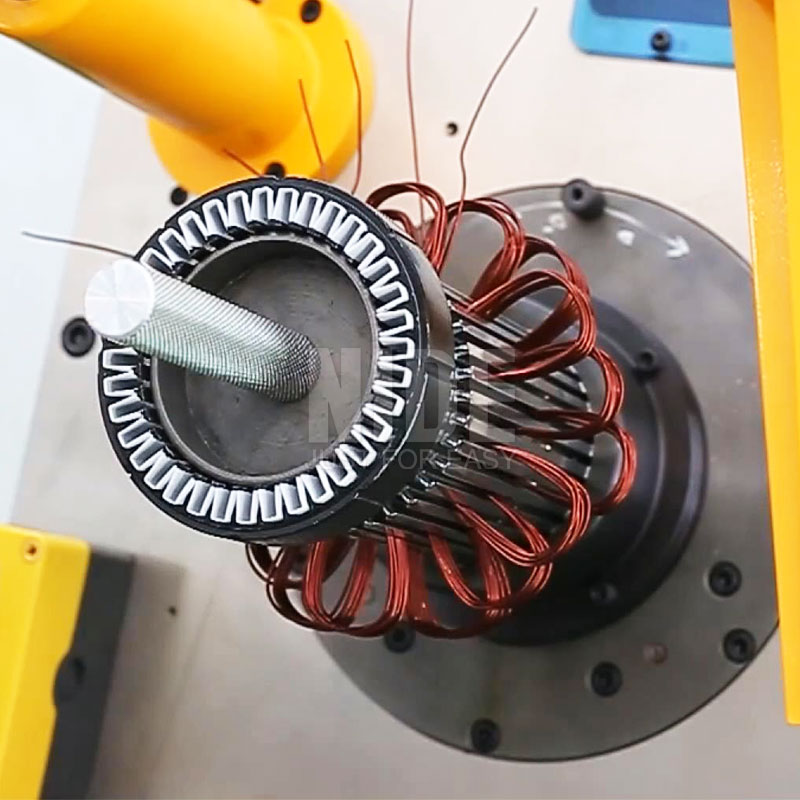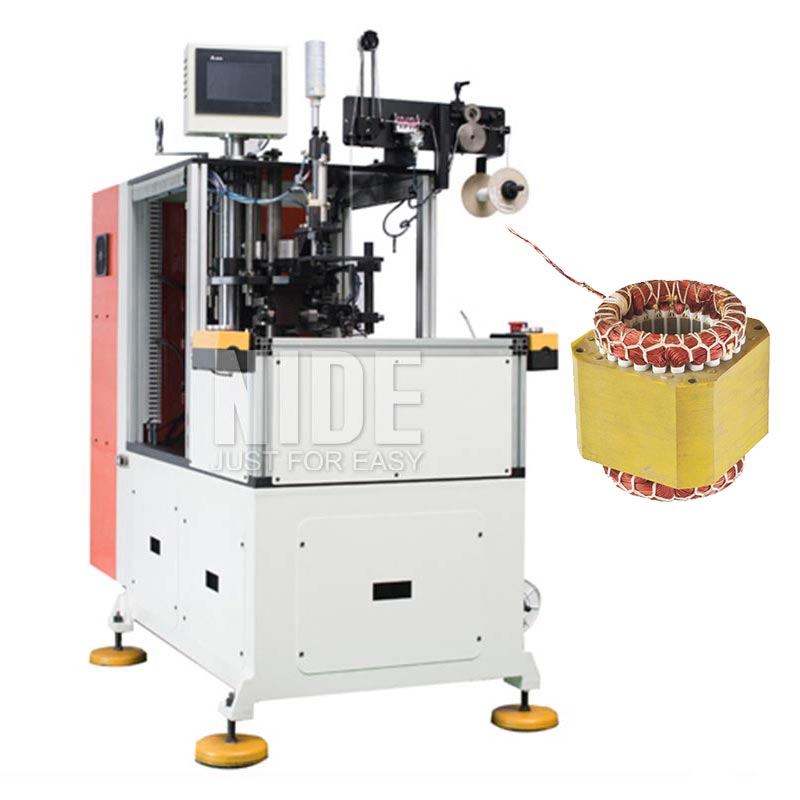
Automatic Double Ends Stator Coil Lacing Machine
Designed for pump induction electric motors with PLC logic, gearbox transmission, and heavy-duty 10kW 220V architecture for simultaneous dual-end binding.
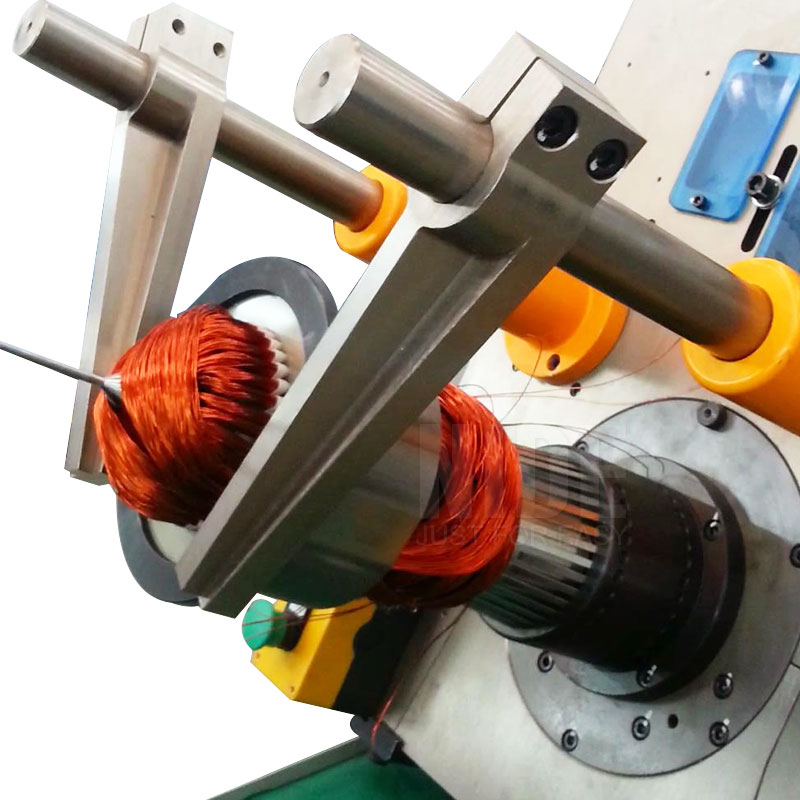
Engineered for slot insulation integrity, maximum copper fill factor, and reduced operator cycle times across induction, BLDC, and universal electric motor lines.
Designed for pump induction electric motors with PLC logic, gearbox transmission, and heavy-duty 10kW 220V architecture for simultaneous dual-end binding.
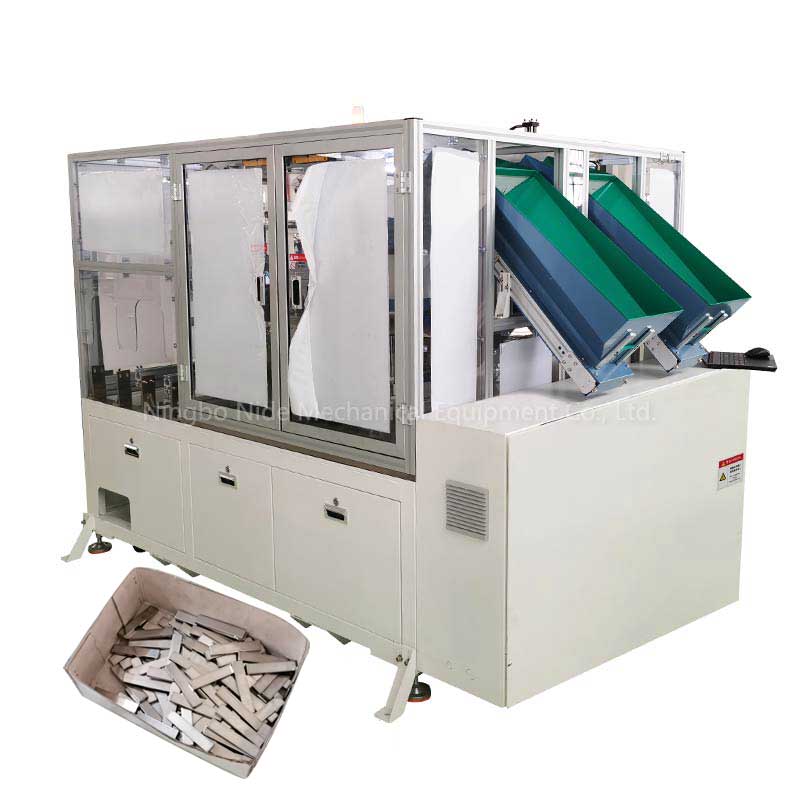
Semi-automatic system handling industrial motor stators. Features servo push blades, precision wedge feeding, CE certification, and durable mechanical tooling.
Industrial grade NDPJ-CW-61 rare-earth magnetic units providing high remanence and coercivity for brushless rotor assemblies and high-torque servomotors.
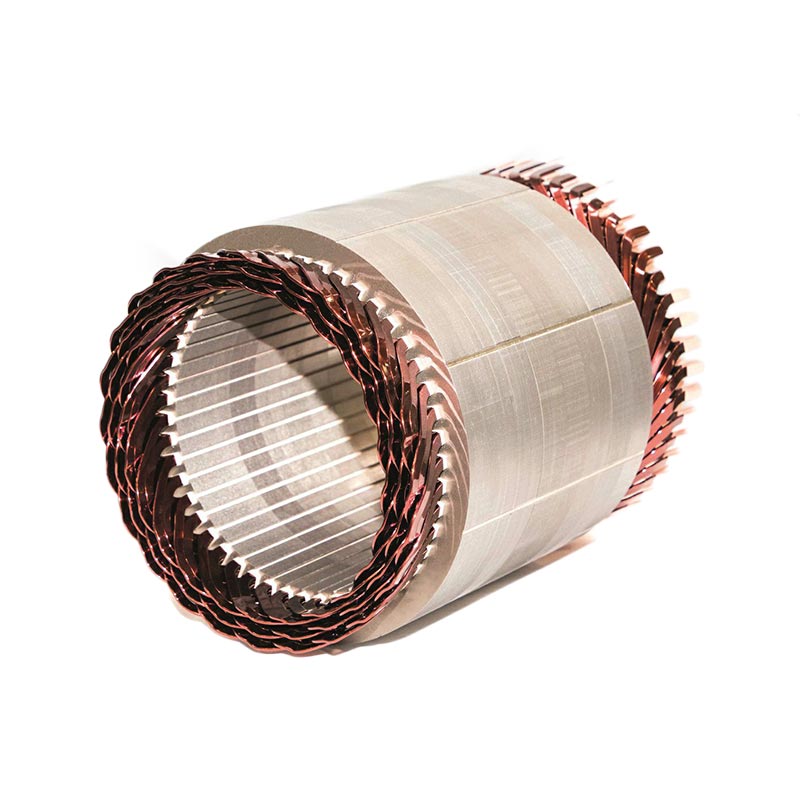
High-efficiency manufacturing line customized for electric mobility. Covers 2D/3D wire bending, slot insertion, laser welding, and inline dielectric tests.
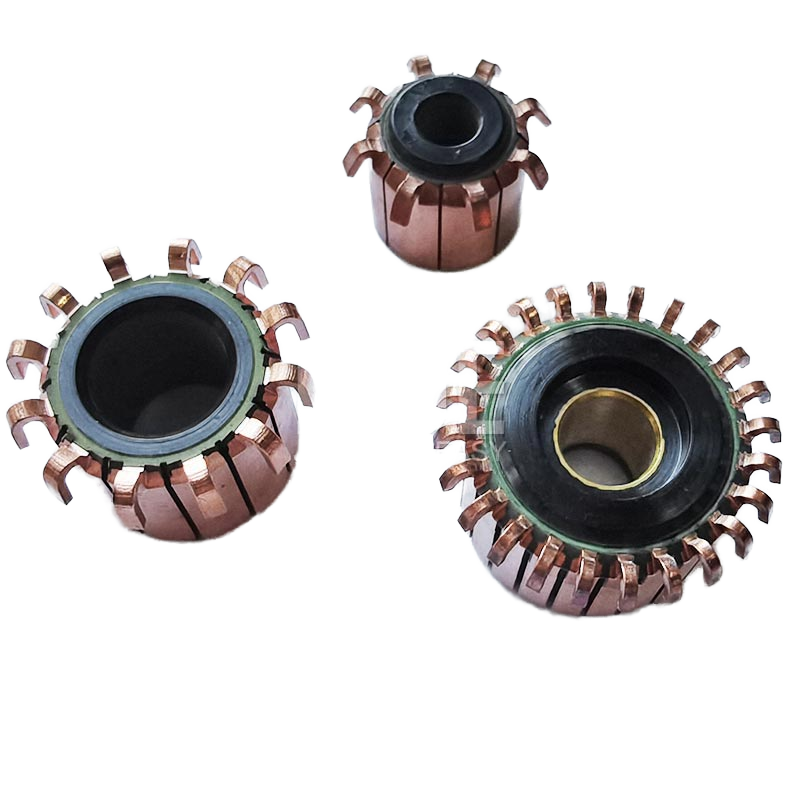
Model NDPJ-HXQ-183 high-precision stamping commutator engineered for universal appliance motors, offering superior contact resistance and balance.
Automated PLC-governed magnet positioning station guaranteeing strict adhesive dispensation, magnetic pole verification, and error-free insertion depth.
Flexible non-standard production assembly system designed for specialized batch configurations, prototyping, and modular expansion across small workshops.
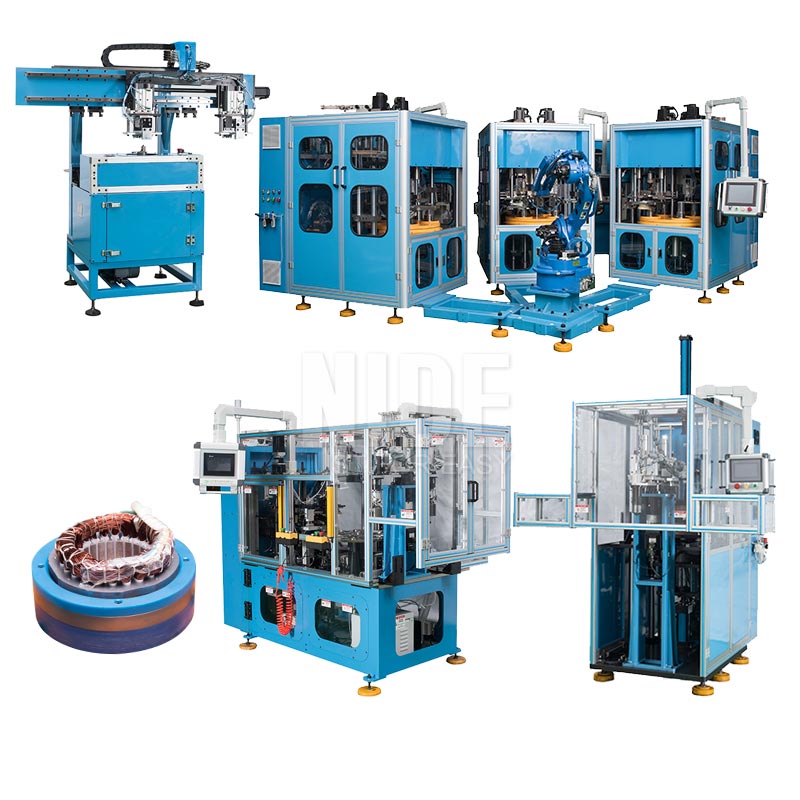
Industrial grade insertion cell capable of single-stroke coil winding and wedge pushing. Eliminates manual wire abrasion with high slot-fill performance.
Strategic technology alignment for manufacturing plants operating out of Metro Manila, Laguna Technopark, Cavite Economic Zones, and Batangas manufacturing clusters.
Makati serves as the central operational hub for commercial infrastructure procurement in the Philippines. Stator insertion units play a crucial role in building energy-efficient compressor units and multi-speed ventilation blower motors meeting DOE energy ratings.
Addressing the archipelagic water logistics of the Philippines, pump motor builders require rigorous double-varnished winding structures. Nakro's coil inserters configure tight copper wire formations that withstand thermal surges and high humidity levels.
The modernization of the Philippine public utility vehicle (PUV) and two/three-wheeler fleets requires localized motor assembly. Our specialized BLDC and outer-rotor hub winding platforms allow local producers to assemble high-torque electric powertrains cleanly.
Technical Consideration for Tropical Operation: Machine imports routed through Makati-based procurement channels must address the specific electrical and climate challenges of the Southeast Asian region. Typical industrial facilities in Luzon and neighboring export processing zones operate under conditions characterized by ambient humidity ranging between 75% and 90% and regular grid voltage fluctuations.
Nakro stator coil insertion machines solve these issues by integrating hermetically sealed PLC control cabinets, dual fan cooling modules, anti-static lamination guides, and stabilized servo motor drives that operate smoothly within a wide voltage fluctuation bandwidth (220V/380V ±10%). This guarantees uninterrupted assembly cycles, zero strand enamel abrasion, and low scrap rates during volume manufacturing runs.
Key drivers accelerating the migration from manual bench rewinding to automated stator insertion equipment across domestic and export fabrication plants.
| Trend Variable | Legacy Manual Practice | Automated Inserter Upgrade (Nakro Benchmark) | Impact on Production Line Efficiency |
|---|---|---|---|
| Cycle Duration | 12 to 25 minutes per stator core | 15 to 45 seconds per complete stack cycle | Up to 800% capacity boost across standard slot geometries |
| Winding Scrap & Enamel Wear | Frequent manual scratching against slot tooth edges | Simultaneous guide blade protective entry | Dielectric failure rates dropped to below 0.12% |
| Slot Wedge Uniformity | Manual cutting and individual wooden/fiber placement | Automatic roll feeding, creasing, cutting, and insertion | Eliminates wedge pop-up; stabilizes magnetic reluctance |
| Motor Energy Class Target | Standard IE1 or unrated efficiency | Compliance with IE3 and IE4 Super Premium classes | Higher copper slot fill factor (up to 78% achievable) |
Understanding the synchronization of servo pushers, magazine guide fingers, and wedge drive mechanisms.
The insertion tooling utilizes high-torque servo drives operating in tandem. The primary axis drives the winding insertion blades while the secondary axis pushes the pre-cut slot wedges, maintaining absolute positional coordination to prevent cross-phase insulation pinching.
Inserting blades and wedge guides are manufactured from imported high-chromium alloy tool steels (Cr12MoV / SKD11) subjected to vacuum heat treatment and precision wire EDM finishing, attaining a hardness rating exceeding HRC 60 for extended service life.
To meet IEC and NEMA test specifications, insertion tooling profiles are micro-polished to a mirror finish. This eliminates high-pressure friction spots on the wire varnish, guaranteeing pass rates in surge voltage and high-potential (hipot) testing.
Combining precision machine construction with component integration and after-sales service reliability.
We do not just build insertion machines; we supply full turnkey manufacturing lines. Clients can source matching motor parts—including armatures, commutators, ball bearings, shaft forgings, N52 magnets, and insulation paper—from a single verified engineering supplier.
With an established export presence spanning 13+ years and machines functioning across 50+ countries, Nakro ensures that customs compliance, seaworthy vacuum crate packing, technical English manuals, and overseas spare parts logistics are managed smoothly.
Every stator order is matched with custom CAD/CAM tooling shaped to the buyer's specific lamination geometry and stack height. Before shipment, Nakro conducts trial run-offs using the client's own copper wire and lamination samples, validated by clear acceptance videos.
Direct answers addressing freight logistics, technical compliance, tooling customization, and factory commissioning.
Machines are typically shipped via ocean freight from Ningbo Port directly to the Port of Manila (South Harbor or Manila International Container Terminal), which is roughly 10 kilometers from Makati's central commercial corridor. We arrange standard FOB, CFR, or CIF delivery with protective vacuum packaging, rust inhibitors, and fumigated seaworthy wooden crates.
Yes. Philippine facilities commonly use 220V 3-phase 60Hz or 440V 3-phase systems, contrasting with the 380V 50Hz standard in China and Europe. Nakro custom-configures electrical transformer modules, servo drives, and control circuit cabinets to function reliably on your local grid voltage and frequency.
Yes. While the stator slot profile and internal diameter define the insertion magazine tooling, the stack height is quickly adjusted via the digital HMI interface. When switching to stators with different internal diameters or slot numbers, modular replacement tooling can be swapped in under 30 minutes.
We offer both remote live-assisted commissioning via secure industrial routers and on-site dispatch of technical engineers to your manufacturing facility. Furthermore, Nakro provides complete sets of high-wear spare parts (such as push blades, guides, and wedge cutters) along with detailed documentation to ensure seamless maintenance.