Featured Stator & Armature Equipment and Subsystems
High-throughput machinery configured specifically to match tight slot geometries, low harmonic distortion requirements, and high copper fill factor demands across commercial, military, and utility sectors.


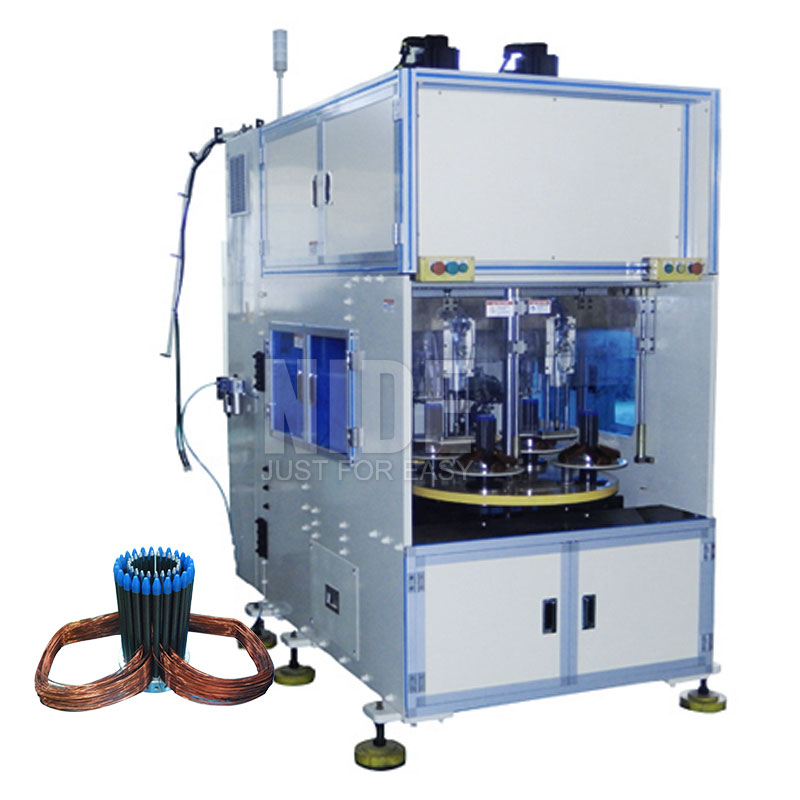
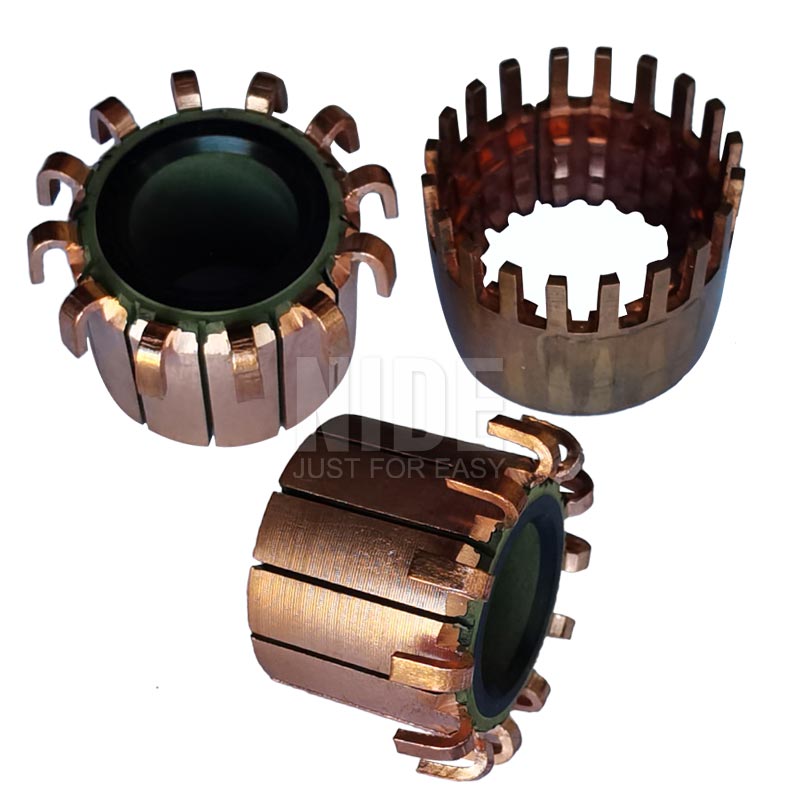
12-Segmented Automobile Wiper Motor Hook Commutator Component (Model NDPJ-HXQ-174)
Executive Whitepaper: Strategic Stator Manufacturing Infrastructure in the Washington DC Corridor
The Greater Washington DC metropolitan area—encompassing the District of Columbia, Northern Virginia (NOVA), and Suburban Maryland (the DMV region)—represents one of the most technologically demanding electromechanical procurement landscapes in North America. Unlike standard consumer goods markets, procurement teams throughout the Mid-Atlantic operate under stringent federal mandates, rigorous defense readiness requirements, and unprecedented data infrastructure expansion. Electromechanical drives, electromagnetic stators, and automated assembly cells are the foundational hardware supporting this economic engine.
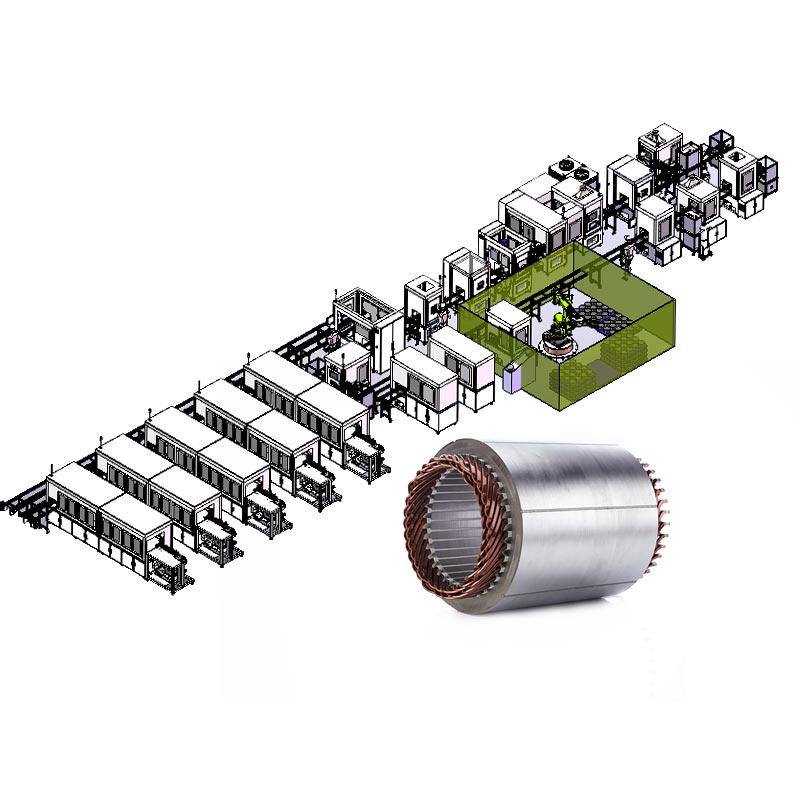
Historically dependent on fragmented domestic tooling rebuilders or cost-prohibitive Western European machine houses, regional engineering enterprises are systematically pivoting toward integrated turnkey suppliers from China. High-tier Chinese manufacturing suppliers like Ningbo Nakro Intelligent Equipment Co., Ltd. have bridged the historical capability gap by uniting custom electromagnetic design, precision CNC machining, and automated coil insertion architectures into complete turnkey stator manufacturing lines. These production lines comply directly with International Electrotechnical Commission (IEC) standards, National Electrical Manufacturers Association (NEMA) MG-1 requirements, and Underwriters Laboratories (UL 1004) protocols.
By shifting from manual or semi-automated benchtop winding to fully integrated closed-loop manufacturing lines, Mid-Atlantic manufacturing operations achieve repeatable phase resistance balances within ±0.8%, reduce slot insulation damage to zero during high-speed insertion, and secure traceable end-of-line (EOL) electrical metrics vital for mission-critical deployments.
Localized Application Scenarios Across the DMV Regional Ecosystem
The deployment of turnkey stator manufacturing lines within the Washington DC orbit is heavily concentrated across four strategic sectors:
Hyperscale Data Center HVAC & Pumps
Loudoun County, Virginia, handles over 70% of the world's internet traffic. The immense cooling load demanded by next-generation AI server racks has accelerated local demand for ultra-efficient permanent magnet synchronous motor (PMSM) and BLDC stators driving magnetic-bearing chillers, modular fan walls, and coolant pumps. Precision needle winding and segmented stator automated lines allow local Tier-1 pump and blower fabricators to achieve IE5 efficiency ratings while dampening high-frequency acoustic harmonics.
WMATA Fleet Modernization & Transit EVs
With the Washington Metropolitan Area Transit Authority (WMATA) committing to an entirely zero-emission bus fleet by 2042, regional bus retrofitting plants and component suppliers require automated hairpin flat-wire stator lines. Hairpin architecture increases the copper slot fill factor to beyond 75%, allowing transit motors to deliver the sustained torque needed for stop-and-go urban duty cycles across DC, Maryland, and Virginia without excessive thermal degradation.
Defense Robotics & Unmanned Systems
Suburban Maryland and Northern Virginia house the country's most dense concentration of naval research, autonomous defense robotics, and aerial drone integrators (servicing DARPA, NSWC Dahlgren, and military bases). These programs demand micro-BLDC stators with tight air gaps (<0.25 mm) and aerospace-grade Class H insulation. Custom CNC multi-axis needle winders ensure slot filling precision that prevents phase cross-overs under extreme G-force environments.
Municipal Water Infrastructure (DC Water)
The District of Columbia Water and Sewer Authority (DC Water) manages advanced wastewater and drinking systems requiring heavy-duty, submersible induction motors. Automatic stator coil inserting, wedge lacing, and automated trickle varnishing systems allow regional repair and motor manufacturing facilities to rebuild and manufacture medium-voltage induction stators that withstand aggressive corrosion, high humidity, and continuous hydraulic duty.
Stator Production Line Topology: Selecting the Right Architecture
Direct technical assessment comparing production methodologies, cycle times, slot fill efficiencies, and operational targets for Mid-Atlantic motor engineering projects.
| Architecture Type | Primary Application (DMV Market) | Winding / Insertion Mechanism | Slot Fill Factor | Cycle Time / Stator | Critical Process Control |
|---|---|---|---|---|---|
| Flat-Wire Hairpin Line | Electric Buses, Transit Vans, Class 4-8 Commercial EV Drives | CNC 2D/3D Wire Forming, Insertion, Twist Tooling, Laser Weld | 72% – 78% | 45 – 75 Seconds | Laser vision tracking; 3D weld seam profile analysis; slot varnish penetration |
| BLDC Needle Winding Line | Data Center Cooling Fans, Defense UAVs, Medical Robotics | Multi-axis servo-driven needle flyer traversing internal/external slots | 50% – 62% | 30 – 60 Seconds | Dynamic wire tension hysteresis; tooth tip clearance control; lead wire routing |
| Automated Coil Insertion Line | Industrial Pumps, HVAC Compressors, Induction Drives | Pre-wound bobbin transfer; dual hydraulic/servo simultaneous insertion | 42% – 52% | 20 – 40 Seconds | Wedge paper curling geometry; blade alignment tolerances; phase separator retention |
| Outer-Rotor Hub Motor Line | Last-Mile Delivery Vehicles, E-Bikes, Urban Mobility Platforms | Dedicated multi-station flyer winder for radial outer-core slots | 55% – 65% | 60 – 90 Seconds | Strand tension uniformity; automated Hall sensor potting; terminal lug soldering |
Washington DC Market Sourcing Trends & Compliance Standards
Procurement directors and system integrators across DC, Maryland, and Virginia navigate unique regulatory, technical, and supply chain constraints.
UL 1004 & NEMA MG-1 Compliance
Mid-Atlantic buyers must satisfy stringent National Fire Protection Association (NFPA) and municipal electrical codes. Motor stators destined for municipal installations in Washington DC or data server rooms in Northern Virginia require comprehensive dielectric insulation testing. Nakro production lines integrate automated surge testers (up to 5000V), high-potential (hipot) testers, and micro-ohm resistance meters directly into the assembly conveyor, logging individual serialization records to satisfy third-party certification audits.
Efficiency Mandates: Towards IE4 & IE5
Energy utility programs like Dominion Energy in Virginia and Pepco in Washington DC offer massive load-reduction rebates for facilities utilizing ultra-premium efficiency electric motors. Upgrading from legacy winding cells to high-precision CNC stator winding ensures higher slot fill factors and zero-crossing coil lacing. This drastically curtails copper losses ($I^2R$) and stray load losses, enabling local motor manufacturers to consistently achieve IE4 and IE5 performance thresholds.
Supply Chain Resiliency & Port Logistics
With the Port of Baltimore (Helen Delich Bentley Port) and the Port of Virginia (Norfolk) serving as primary container gateways into the Mid-Atlantic corridor, freight logistics are highly streamlined. Turnkey equipment shipments from Ningbo to Baltimore or Norfolk transit smoothly through established maritime lanes. Reliable Chinese manufacturing partners provide comprehensive CFR/CIF terms, seaworthy crating with active desiccants, and coordinated customs clearances to mitigate transit bottlenecks.
Why Global OEMs Partner with Ningbo Nakro Intelligent Equipment
Founded in 2010 in Ningbo, Zhejiang, Ningbo Nakro Intelligent Equipment Co., Ltd. has evolved into a premier engineering provider of comprehensive electric motor manufacturing systems. Operating across modern facilities spanning over 30,000 to 50,000 square meters and employing a dedicated multidisciplinary engineering team of 100 to 200 specialists, Nakro delivers high-precision turnkey manufacturing solutions to customers across more than 50 countries.
Unlike simple machine traders, Nakro operates full in-house R&D, tooling fabrication, CNC machining centers, and automated software engineering divisions. This internal integration allows complete line customization based strictly on the client’s custom stator lamination blueprints, wire specifications, target cycle times, and budget constraints.
Rigorous Factory Acceptance (FAT)
Before any equipment departs our facility, full trial runs are executed using the buyer's authentic laminations, enameled wire, and components. Clients receive live HD video telemetry, CMM inspection records of wound samples, and complete electrical test metrics for final run-off sign-off.
One-Stop Component Synergy
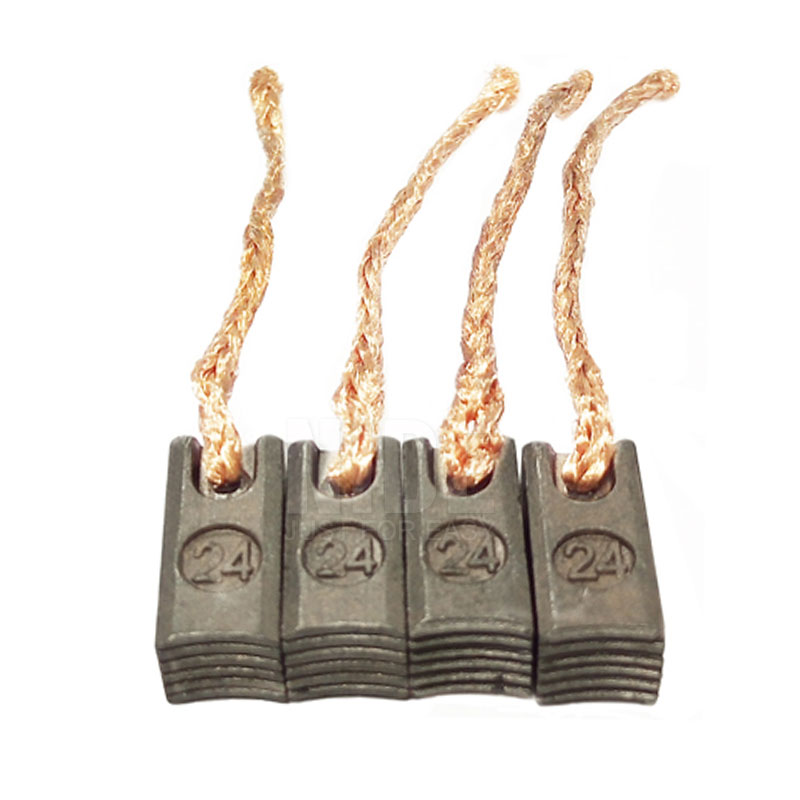
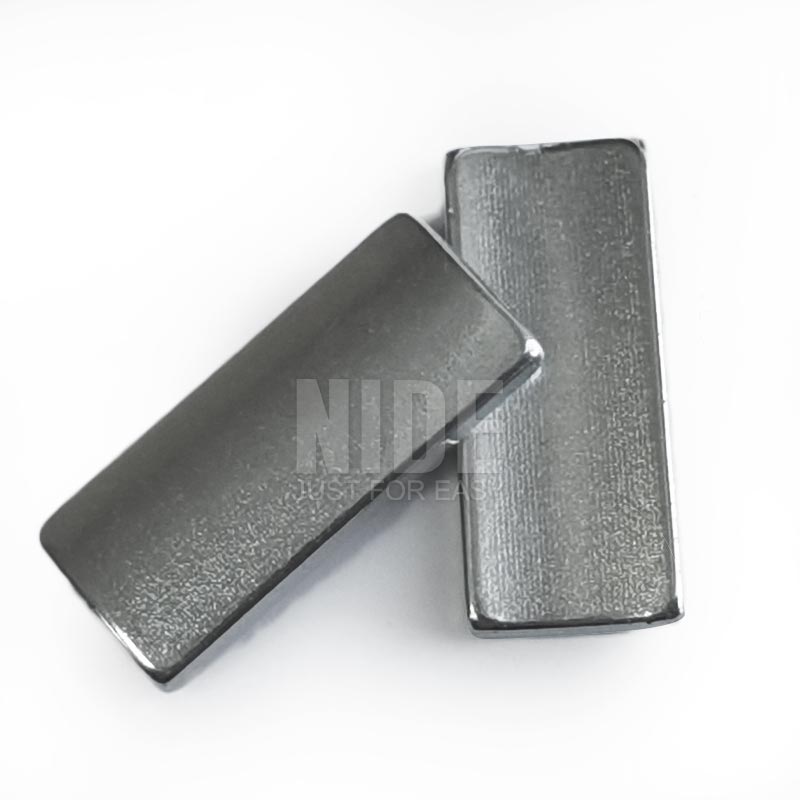
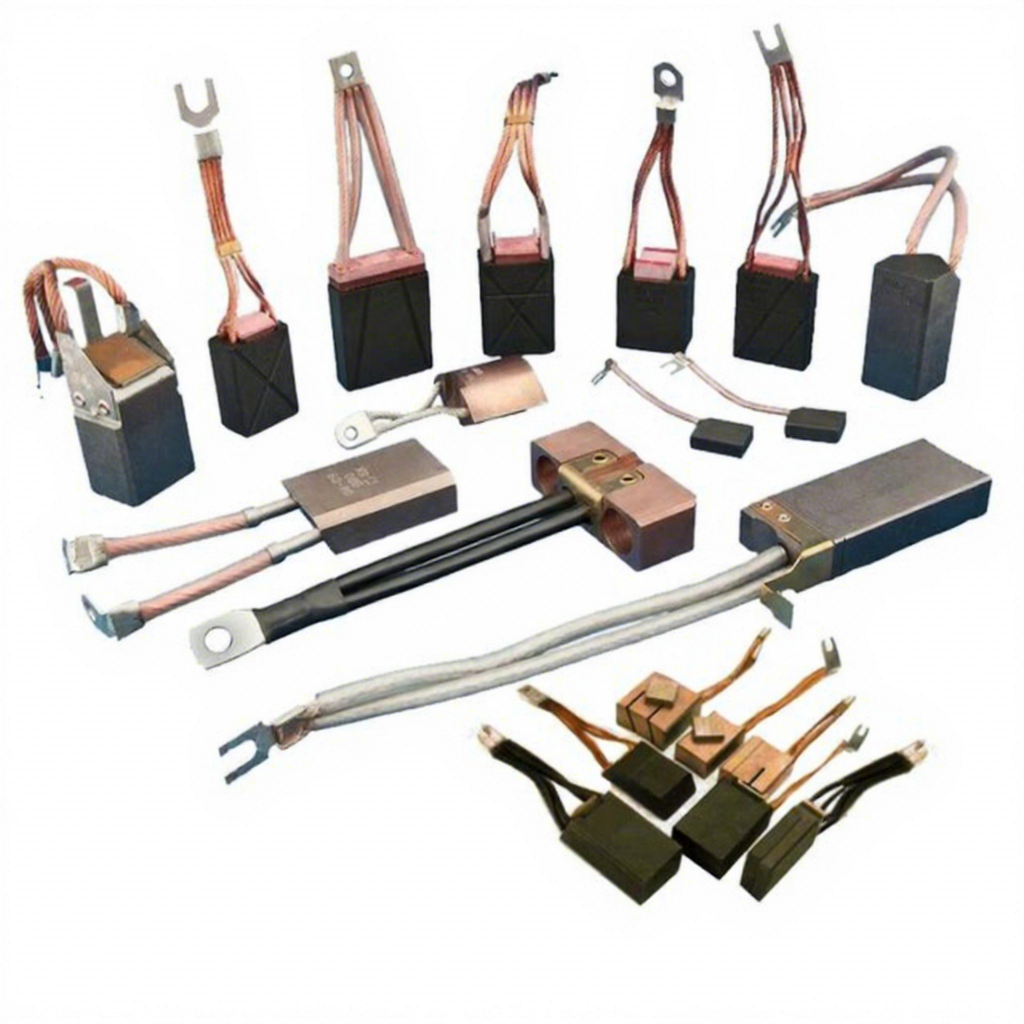
In addition to automated stator lines, Nakro provisions the complete supply chain: high-purity N52 NdFeB magnets, CE-certified carbon brushes, commutators, insulation paper, shafts, and die-casting moulds—ensuring total mechanical compatibility between machines and consumables.
Flexible Trade & Financial Terms
Nakro operates transparent commercial structures for US buyers: support for USD, EUR, and CNY currencies; secure T/T and documentary L/C financing; and complete export logistics handling FOB, CFR, or CIF delivery directly to the Port of Baltimore or Norfolk.
Full Lifecycle Engineering Support
With 13+ years of continuous machine export experience, we provide remote IoT diagnostics, comprehensive PLC source documentation (ladder logic in English), complete spare tooling packages, and on-site commissioning engineer dispatch across the United States.
Six Core Production Stages of a Turnkey Stator Assembly Line
How our synchronized manufacturing line ensures flawless insulation, accurate copper placement, and verified electrical integrity at every manufacturing station.
01. Slot Paper Insulation Inserting
Automated feeding, edge folding, heating, cutting, and insertion of Nomex, DMD, or Kapton insulation paper into the core slots. Mechanical indexing guarantees zero tearing and exact cuff dimensions, eliminating future dielectric breakdown hazards.
02. Automated CNC Coil Winding
High-speed flyer or multi-spindle winders wind copper or aluminum enameled wire onto transfer tooling or directly into internal stator teeth. Integrated closed-loop servo tension controllers ensure constant wire draw without stretching or micro-cracking the enamel coating.
03. Coil & Wedge Simo-Insertion
Pre-wound coils and insulating slot wedges are pushed concurrently into stator slots via precision guided blades. Servo-hydraulic drives maintain synchronous stroke velocities, guaranteeing that enameled wire enters the slot without scraping against lamination teeth.
04. Intermediate Coil Forming
A mechanical expansion mold forms both end-turns of the stator windings outward to clear the bore profile. This ensures sufficient clearance for rotor insertion and creates an orderly physical boundary for intermediate phase insulation sheets.
05. Dual-End Automatic Coil Lacing
High-speed dual needles simultaneously bind both sides of the stator overhang with polyester cord. Programmable pitch lacing (slot-by-slot or interval skipping) binds the winding cluster firmly, preventing electromagnetic coil vibration under dynamic inverter loads.
06. Final Forming & Electrical EOL Test
Final hydraulic die presses the coil end-turns into exact finished dimensional envelopes. The stator is then transferred directly to an integrated multi-function testing panel executing automated Hipot, Surge, IR, and Resistance checks before palletization.
Frequently Asked Questions: Sourcing Stator Lines in Washington DC
Direct technical guidance addressing common commercial, legal, and engineering considerations when procuring machinery from China for Mid-Atlantic facilities.
How do Nakro machines ensure compatibility with US electrical standards (480V / 60Hz)?
What are the logistics transit windows and customs procedures to the Port of Baltimore or Norfolk?
Can a single stator manufacturing line be retooled for multiple motor frame sizes?
How does Nakro support Factory Acceptance Testing (FAT) for US clients who cannot travel to Ningbo?
What on-site commissioning and after-sales support is provided in the Mid-Atlantic region?
How do automated hairpin manufacturing lines compare to traditional round-wire insertion lines for transit applications?
How are Intellectual Property (IP) and proprietary motor lamination geometries protected?
Accelerate Your Stator Manufacturing Automation Project
Whether you are engineering next-generation hairpin stators for transit electrification, establishing high-efficiency BLDC production for hyperscale data centers, or modernizing universal motor lines, our engineering team will evaluate your 2D/3D motor drawings and output targets to deliver a comprehensive layout and quotation.
