Flagship Machinery
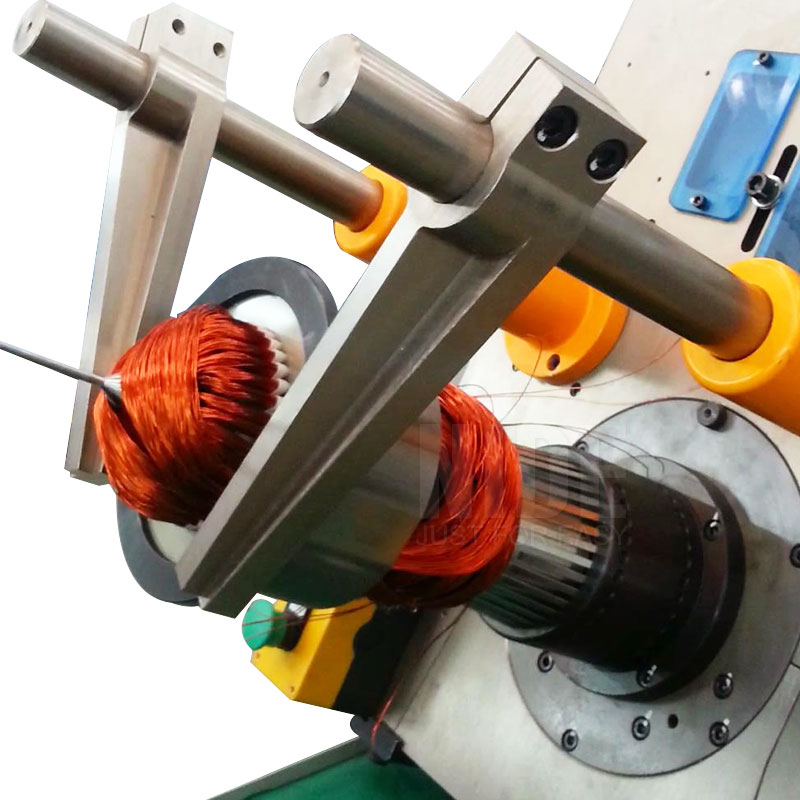
Semi-automatic Three-Phase Motor Stator Coil Inserting Machine
Simultaneous wedge and coil insertion with servo-driven tooling for premium motor efficiency and zero wire damage.
Explore our flagship, CE-certified coil inserting machines, automatic armature tooling, precision winders, and heavy-duty motor components designed for continuous industrial operation in tropical and developing power infrastructures.
Simultaneous wedge and coil insertion with servo-driven tooling for premium motor efficiency and zero wire damage.
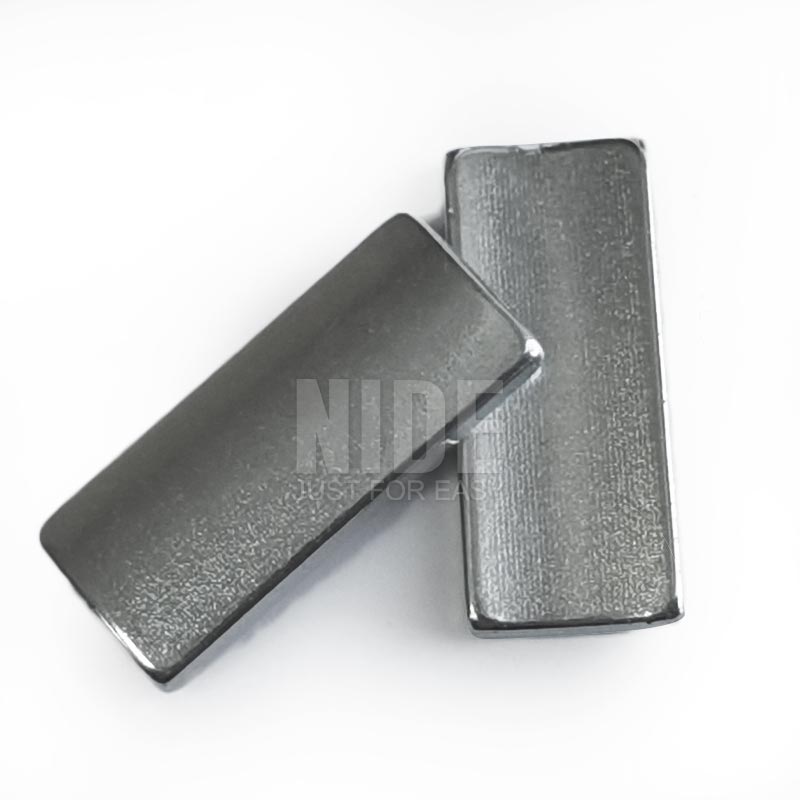
High-coercivity rare-earth neodymium blocks suited for rugged electric vehicle traction and permanent magnet alternators.
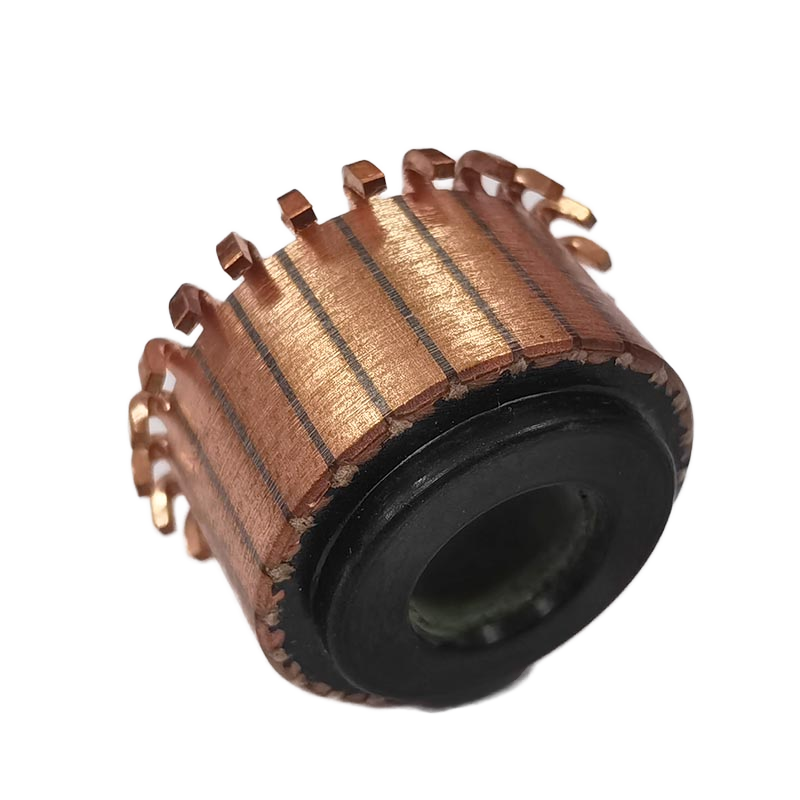
Heavy-duty copper-bar hook commutators delivering high rotational balance and arc resistance in industrial equipment.
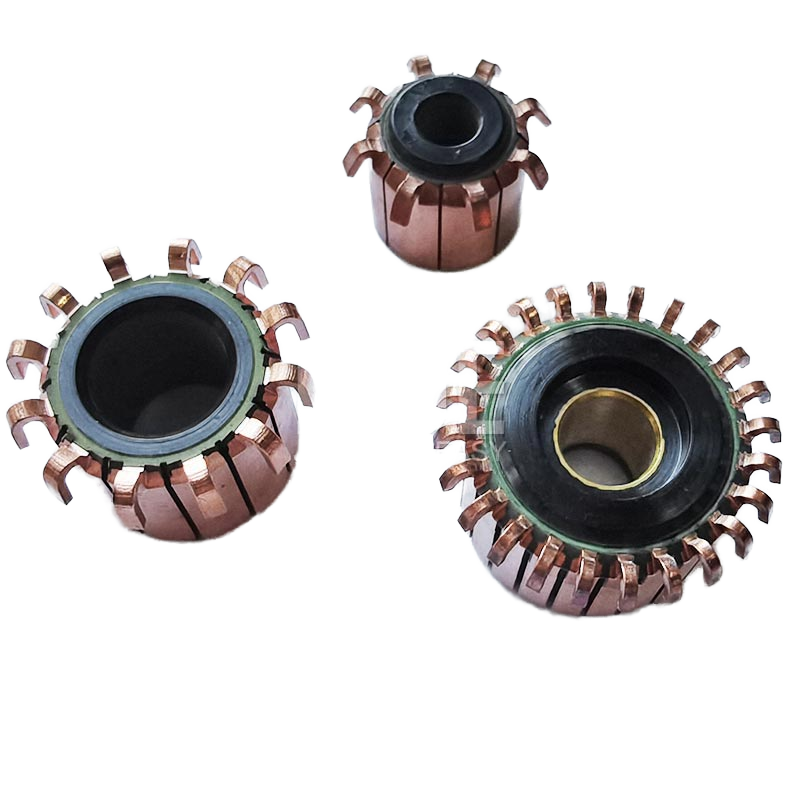
Cost-efficient, highly durable armature sub-assemblies built specifically for high-volume domestic consumer appliances.
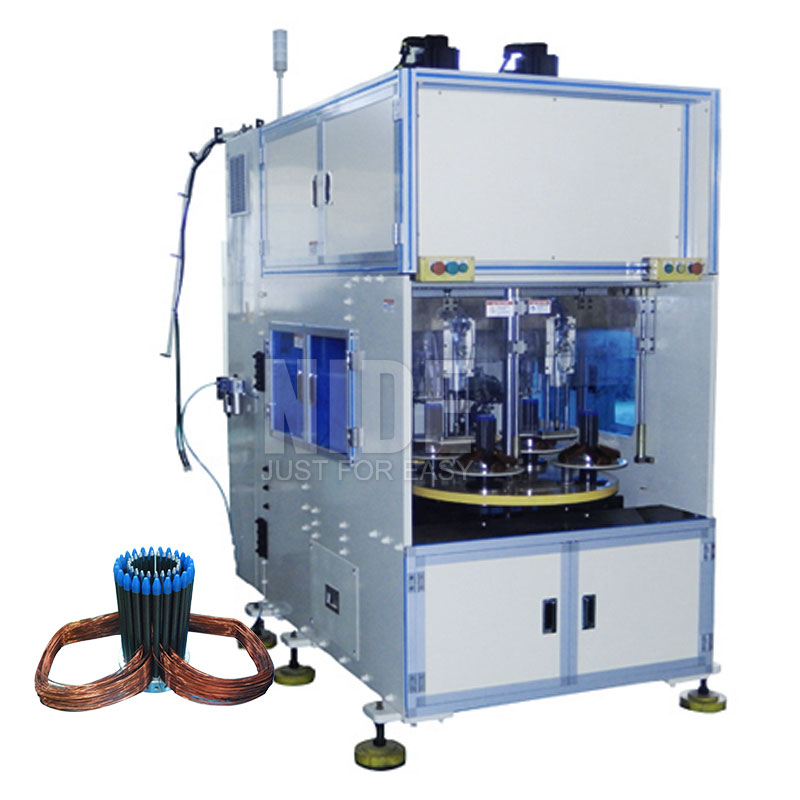
Automated coil winding with programmable turn accuracy and smooth transfer tooling matched for evaporative cooler stators.
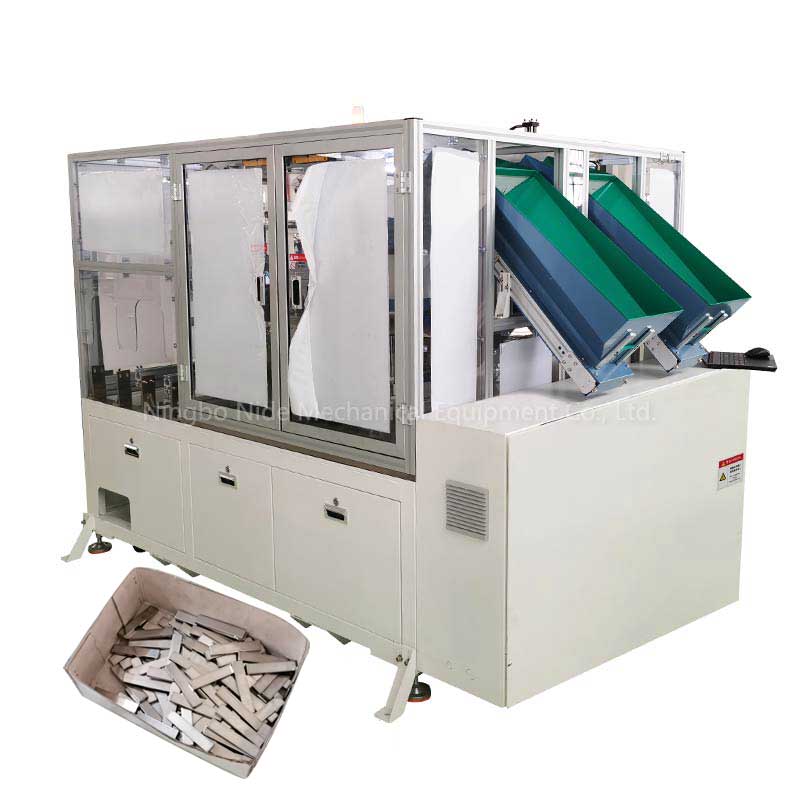
Rapid magnetic segment sorting, glue dispensing, and precision mechanical pressing for high-output brushless electric motors.
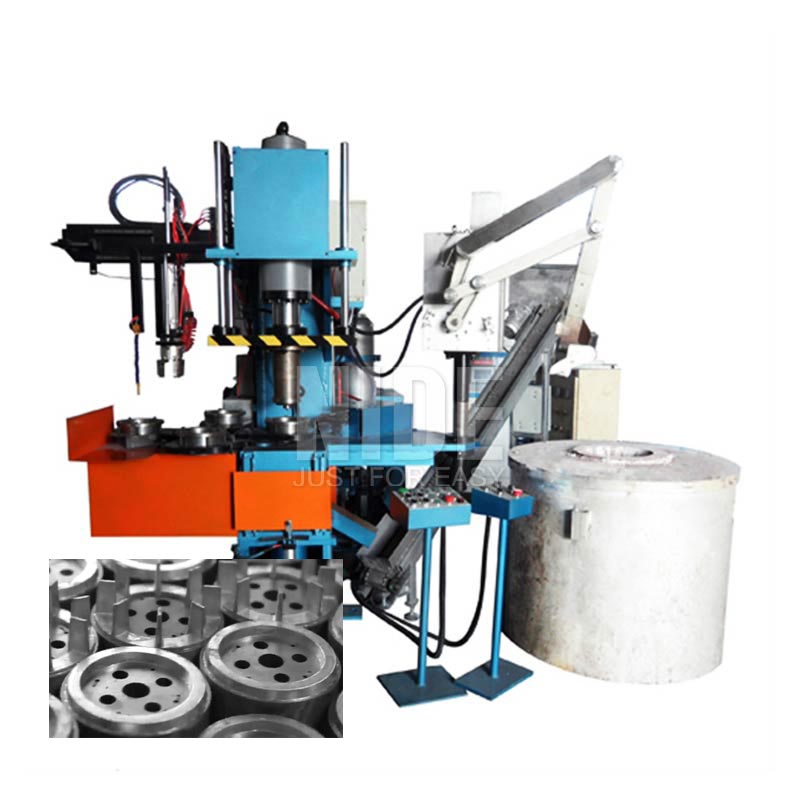
Engineered for high-integrity squirrel-cage induction rotor casting with zero porosity and balanced conductivity.
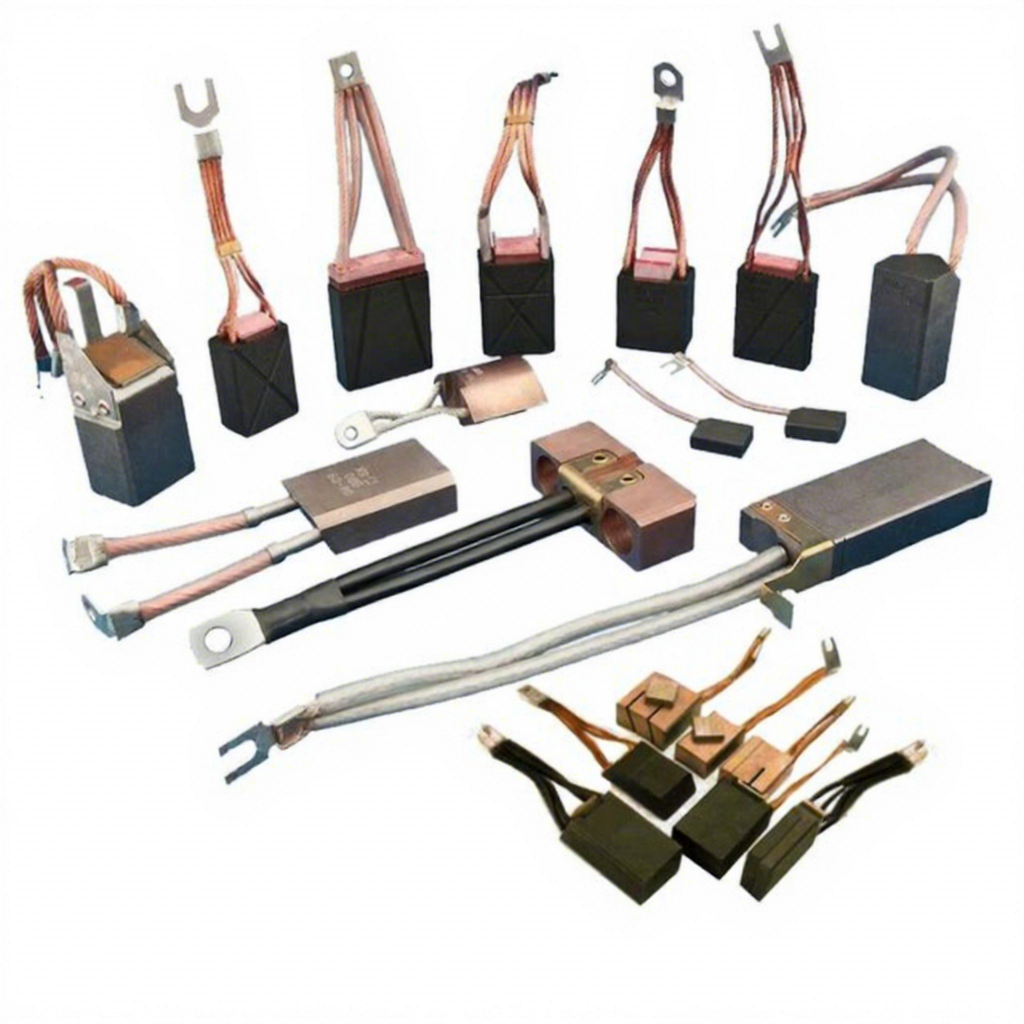
Self-lubricating graphite formulation ensuring optimal contact friction and minimal commutator wear under heavy load cycles.
The manufacturing of electric motor stators represents the single most critical juncture in determining overall electromagnetic efficiency, insulation lifespan, and operational reliability. Within three-phase induction, single-phase capacitor, and brushless permanent magnet (BLDC/PMSM) motors, the stator coil insertion line automates the transfer of pre-wound copper or aluminum wire clusters alongside slot insulation wedges directly into narrow lamination slots.
Manual insertion commonly results in enamel scraping, uneven wire distribution, high phase-to-phase short risk, and low slot-fill ratios that restrict electrical efficiency ratings (IE2/IE3/IE4). Our automated stator coil insertion machines employ combined push-in blades and custom-ground guiding fingers that seamlessly pull the enamelled wire bundles while folding and driving electrical insulating paper (Nomex, DMD, or PET) directly into the bottom of the slot in a single, synchronized mechanical motion. Driven by precision servo motors and supervised by industrial PLCs, this technique ensures the slot fill factor reaches over 75% to 80% with absolute mechanical consistency and zero dielectric damage.
Cambodia's industrial landscape is experiencing historic structural changes. Driven by the Cambodia Industrial Development Policy (IDP), the growth of Special Economic Zones (SEZs) in Phnom Penh, Sihanoukville, Bavet, and Poipet has fueled a surging demand for localized assembly and fabrication. Stator coil insertion machinery matches three distinct national sectors:
Three primary vectors define the evolution of electromagnetic manufacturing within the Cambodian industrial corridor:
First, the "China+1" Strategic Relocation Wave. Global original equipment manufacturers are actively establishing secondary manufacturing bases across Cambodia to capitalize on favorable trade access (GSP, RCEP) and low operating overheads. To maintain global supply chain parity, these factories require turnkey production equipment that matches Chinese domestic factory speeds and repeatability.
Second, Rural Grid Modernization & Green Energy Transition. Electricite du Cambodge (EDC) continues to expand grid reliability across rural provinces. With improved access to electricity, regional farmers and workshops are shifting away from small diesel generators toward high-efficiency electric motors. This transition has led to increased demand for locally wound induction motors designed to withstand regional voltage fluctuations.
Third, Transition from Manual Rewinding to Automated Manufacturing. Historically, Cambodia relied on labor-intensive manual rewinding shops in provincial markets. Rising labor costs and the need for precision-wound units have made automated stator coil insertion machinery an essential upgrade for growing industrial enterprises.
Proven engineering excellence rooted in 14+ years of specialized motor manufacturing, supported by end-to-end tooling, quality audits, and overseas service partners.
From stator stack stamping diagrams to final coil lacing and electrical surge testing, we supply the complete line tooling, cycle-time simulations, and line layouts configured to your specific shop footprint.
Every stator coil insertion machine undergoes continuous factory trial testing with your exact lamination stacks, copper wire gauges, and slot insulation papers before export packing approval.
Beyond capital machinery, we provide full supply chain access to high-grade silicon steel laminations, commutators, carbon brushes, N52 magnets, insulation papers, and enamelled copper wire.
A balanced machine sequence that optimizes cycle times and maintains insulation integrity across continuous production shifts.
High-speed automatic insulation paper inserting machines form, cut, and insert DMD or Nomex liners into stator slots without tearing.
CNC multi-spindle automatic winding machines wind concentric and distributed copper coil groups at controlled tensions.
Synchronous pushing of coil clusters and top slot wedges directly into the core laminations with zero insulation deformation.
Hydraulic mid-forming, automatic diamond/lace tying, final sizing, and computer-controlled hipot, surge, and resistance quality checks.
Direct technical and commercial answers addressing electrical grid compatibility, logistics routes, operational training, and spare tooling support in Cambodia.
