Industrial Stator & Rotor Production Solutions
Directly addressing high-speed coil insertion, automated end-lacing, flat-wire hairpin forming, and precision commutator systems engineered for micro, appliance, and e-mobility drive topologies.
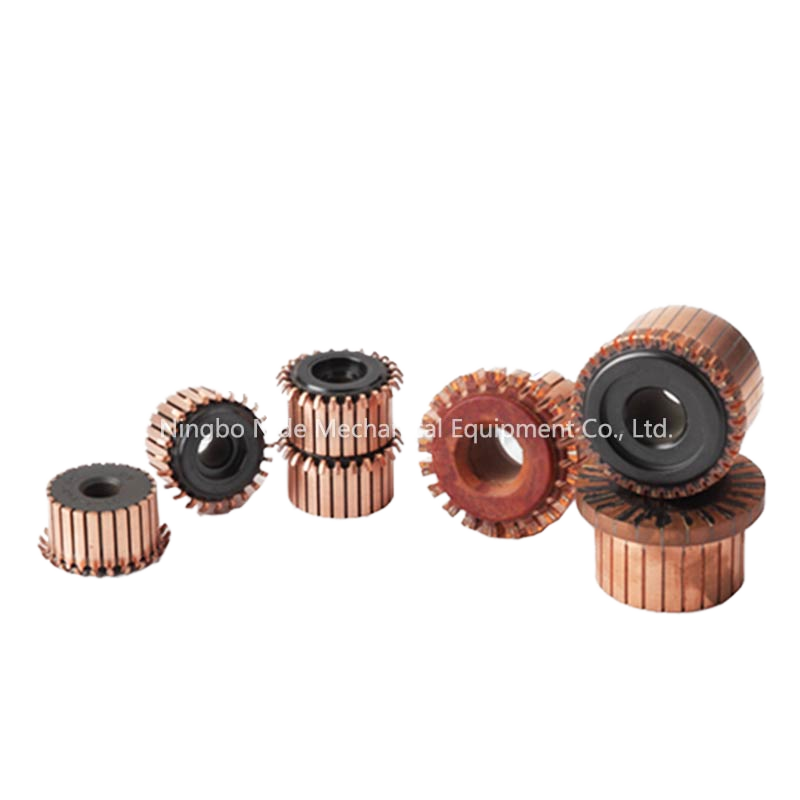
DC Motor Armature Collector Slip Ring Commutator
Precision-machined copper segmented slip ring assembly optimized for high-temperature DC and universal traction motors with CE conformity.
- Model: NDPJ-HXQ Series
- Low runout silver-copper profile
- High thermal dissipation threshold
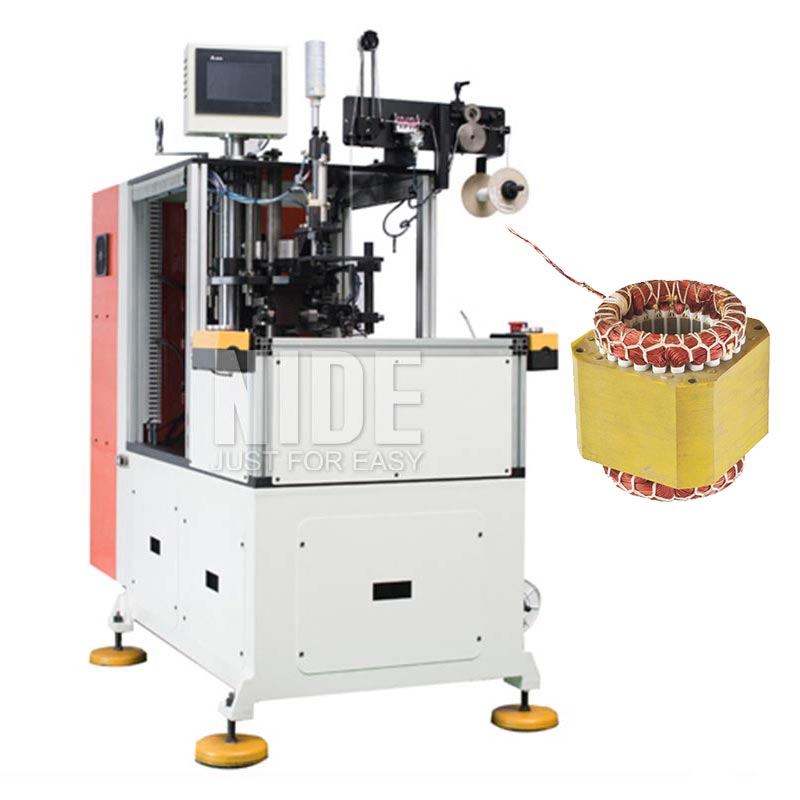
Automatic Double Ends Stator Coil Lacing Machine
Synchronous dual-needle strapping cell engineered for pump, HVAC, and induction motors. Eliminates overhang coil vibration and uneven tension.
- Power: 10kW 220V/380V Configuration
- PLC Servo Indexing Algorithm
- Slot-by-slot & interval tying modes
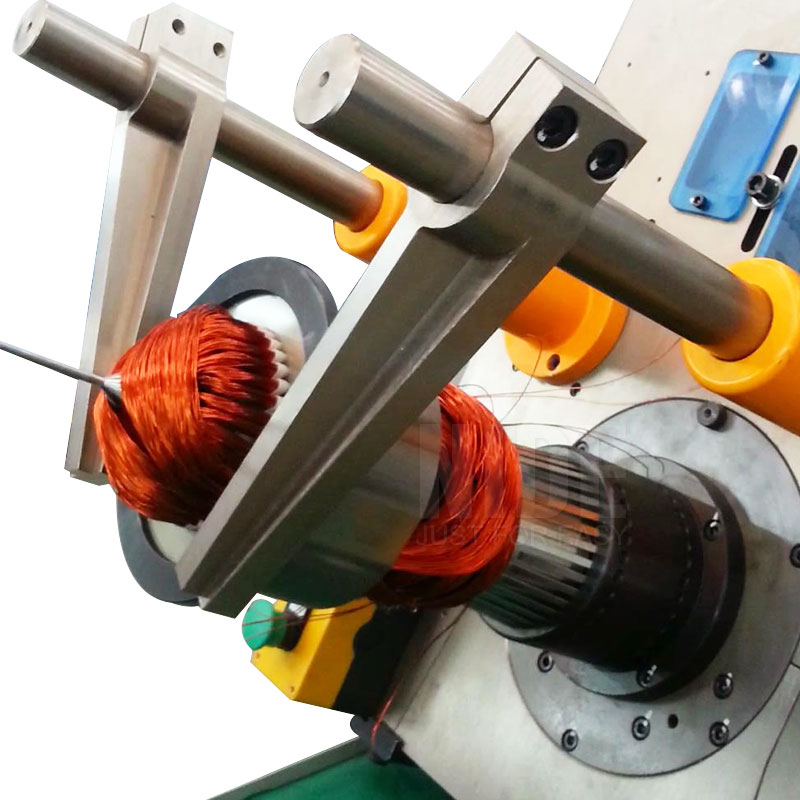
Three-Phase Stator Coil & Wedge Inserting Cell
Dual-action pneumatic-hydraulic mechanism simultaneously driving enamelled copper coils and slot wedge insulation without enamel scratching.
- Industrial PLC with Touch Screen
- Insulation Paper Feed & Push Integration
- 1 Year Factory Warranty & Tooling Set
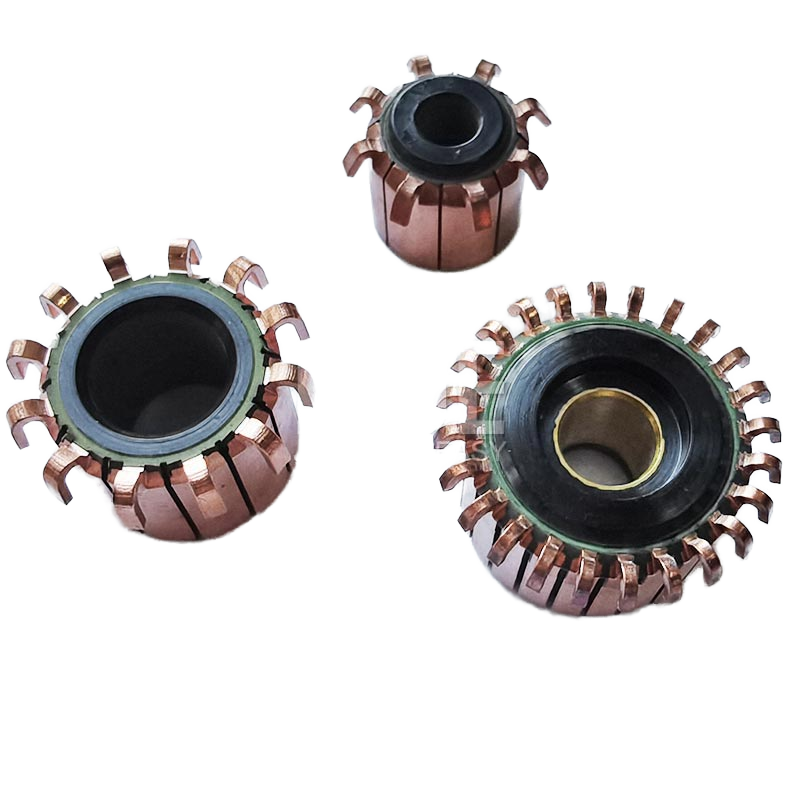
Household Appliance Armature Hook Commutator
Precision stamping rotor-stator component designed for high-RPM universal motors found in blenders, kitchen mixers, and power tools.
- Model: NDPJ-HXQ-183 Standard
- High dielectric backing resin
- Tang weld and hot-stacking durability
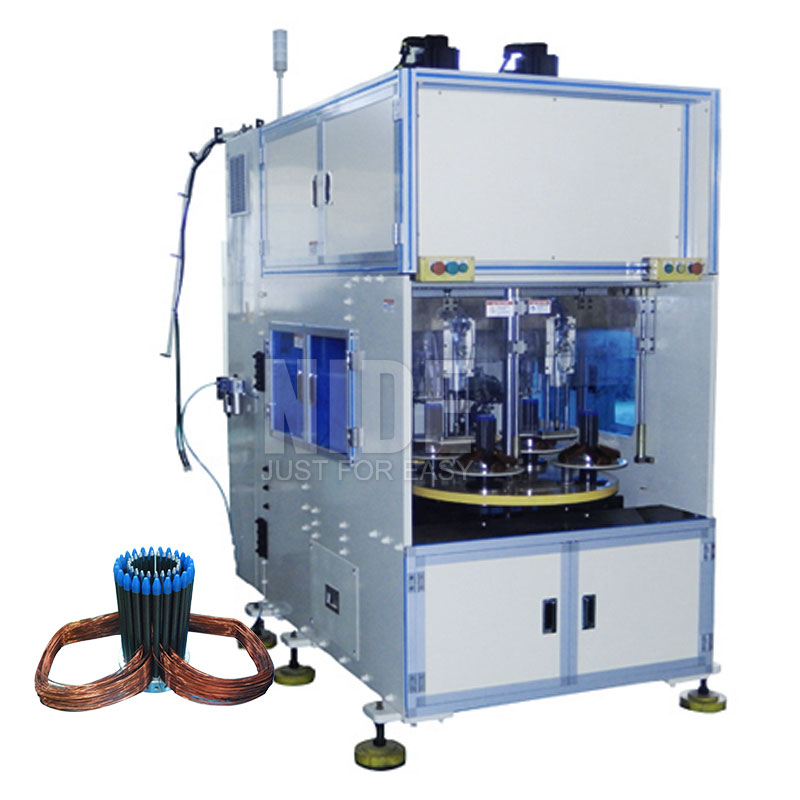
CNC Stator Coil Flyer Winding Machine
Multi-spindle programmable CNC winder for single/three-phase stators, air-cooler motors, and fan coils with continuous multi-wire parallel capabilities.
- Automatic wire arraying and trimming
- Real-time tension feedback damping
- CE Safety Enclosure & Light Curtains
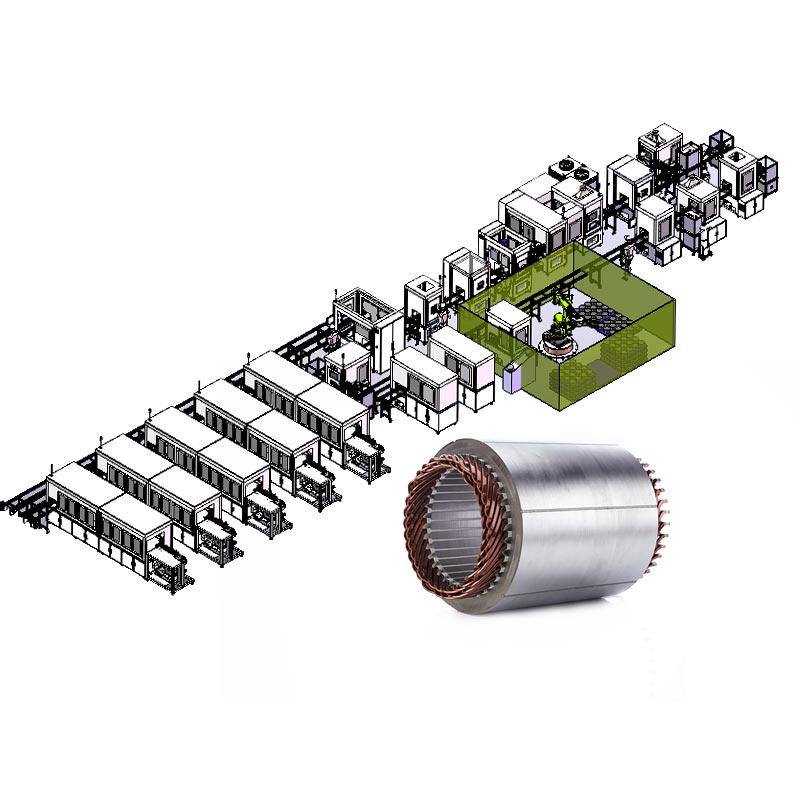
Fully Automatic EV Hairpin Stator Production Line
Turnkey high-volume flat-wire hairpin stator assembly integrating CNC wire straightening, 2D/3D bending, twist crown shaping, and laser welding.
- Slot Fill Factor: Up to 75%+
- Automated 3D Vision Tracking
- Full cycle MES integration & tracing
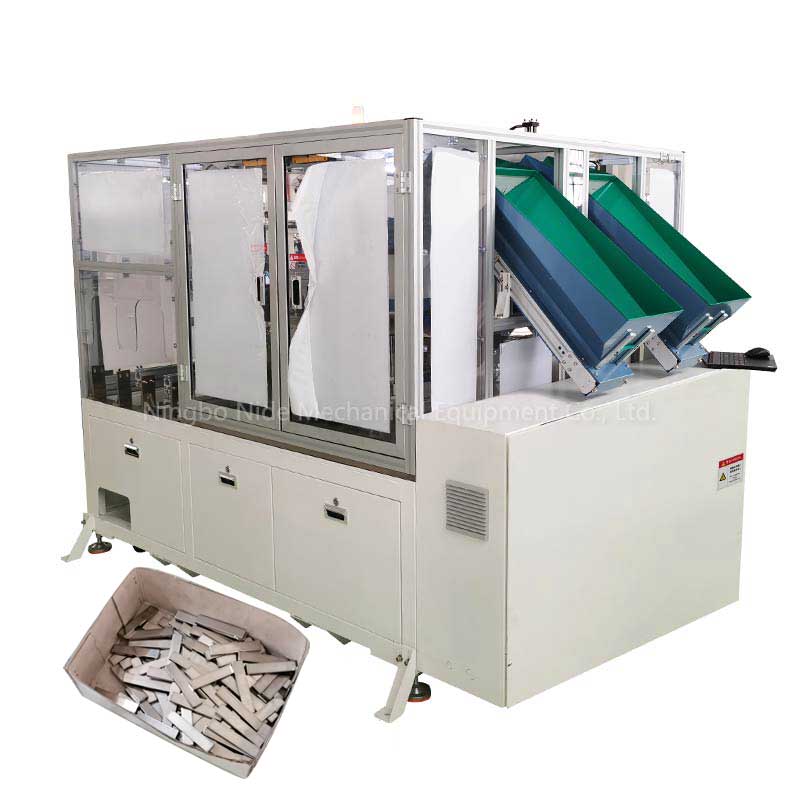
Automatic BLDC Rotor Magnet Inserting Machine
High-speed magnetic pole dispenser and adhesive insertion station for interior permanent magnet (IPM) and surface permanent magnet (SPM) brushless rotors.
- Multi-segment magnet feeding trays
- Dispensing volume precision ±0.01mg
- Polarity detection prevent misassembly
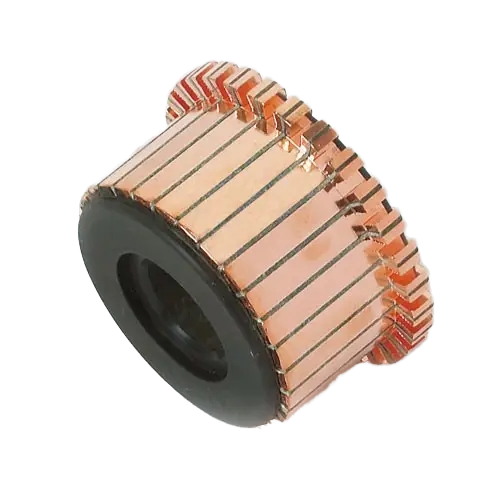
Segmented Copper Commutator for Heavy Drives
High duty-cycle mica/copper commutators engineered for treadmill motors, material handling winches, and variable-speed commercial drives.
- Model: NDPJ-HXQ-1005 CCC Certified
- Silver-bearing copper bar extrusion
- Centrifugal spin-tested at 18,000 RPM
System Architecture: Evaluating Global Stator Equipment Suppliers
When global engineering directors assess the Top 10 Stator Manufacturing Equipment Factories, technical evaluation shifts past base purchase cost directly into Overall Equipment Effectiveness (OEE), thermal stress margins, and wire insulation integrity. Precision automated stator assembly demands deterministic servo axes synchronized with sub-millisecond bus protocols such as EtherCAT or PROFINET.
A benchmark stator winding system must balance cycle rate against enamelled film thinning. In high-efficiency induction and high-pole-count BLDC configurations, needle nozzles and flyer guide surfaces must operate at surface roughness values below Ra 0.2µm to avoid microscopic varnish fractures that trigger premature corona degradation and line hipot failures.
Mechanical Kinematics & Slot Fill Optimization
Achieving premium efficiency standards (IE3, IE4, and Super Premium IE5) requires maximizing copper volumetric density within limited slot areas. Contemporary stator coil inserting equipment accomplishes this via synchronous wedge-pushing arrays that mechanically seat pre-formed round wire bundles without folding slot liners.
For segmented and open-slot topologies, multi-spindle needle winding platforms achieve slot fill ratios exceeding 60% with continuous tension control algorithms. Ningbo Nakro and associated engineering hubs utilize dual-cylinder intermediate forming stations that sculpt coil overhangs before final lace binding, ensuring absolute clearance from end-brackets and motor housings.
Supplier Capability & Technology Benchmark
Direct comparative metrics for plant managers sourcing stand-alone machinery versus complete automated turnkey stator assembly lines.
| Technology Sector | Conventional Tooling | Advanced Automation Cells | Nakro / Turnkey Line Standards |
|---|---|---|---|
| Wire Tension Control | Mechanical friction / spring brakes | Closed-loop pneumatic tensioners | Multi-axis electronic servo feedback with real-time deviation alarm |
| Slot Fill Capability | 35% - 48% (Standard round wire) | 50% - 62% (Multi-layer needle) | Up to 75%+ with specialized Hairpin / Flat-wire tooling modules |
| Changeover Architecture | 4 - 8 Hours manual fixture setup | 1 - 2 Hours with modular trays | <20 Minutes with pre-calibrated quick-change tooling & recipe recall |
| Quality Verification | Batch end-of-line manual bench check | Stationary hipot & resistance checking | 100% Inline surge, hipot, wire cross-over & laser weld visual checking |
| MES / SCADA Integration | None / Isolated PLC registers | Basic Ethernet CSV logging | Full Industry 4.0 OPC-UA, traceability tagging & predictive maintenance |
Global Stator Equipment Procurement Trends (2025–2030)
Emerging industrial transformations shaping equipment tenders, CAPEX commitments, and technical specifications across major automotive and industrial sectors.
1. Proliferation of 800V Hairpin Technology
Electric vehicle traction systems demand migration from 400V to 800V architectures. Equipment buyers are transitioning from standard flyer winders toward 6-layer to 10-layer flat-wire continuous wave and hairpin lines. Tooling requirements require sub-micron precision to avoid stripping PAI and PEEK insulation coatings during high-speed CNC twisting and wire-crown insertion.
2. Transition from Brushed to BLDC & PMSM
Consumer appliances, industrial HVAC, and micro-mobility platforms are phasing out legacy universal brushed motors. Factory managers are reallocating equipment budgets toward outer-rotor hub winding units and high-speed multi-pole needle winders. This shift reduces thermal loss, eliminates commutator wear, and increases operational lifetimes five-fold.
3. Autonomous Digital Twin Commissioning
Global procurement teams require suppliers to demonstrate complete virtual line commissioning prior to steel cutting. Kinematic simulations of needle trajectories, wedge insertion clearances, and robot transfer cycles minimize on-site installation intervals down to 14 days, reducing factory down-time and ramp-up risks significantly.
Engineering Trajectory: Sustainable Manufacturing & Copper Conservation
With raw copper and electrical steel representing over 65% of an electric motor's active bill of materials, machine builders must engineer systems that minimize end-turn overhangs. Extended coil heads add unwanted electrical resistance and thermal losses without generating magnetic flux.
Next-generation stator manufacturing cells employ intermediate shaping and lacing stations designed to reduce total end-turn envelope heights by 15% to 22%. By optimizing coil geometry directly on the lacing mandrel, motor factories conserve thousands of kilograms of high-grade enamelled copper annually, lowering unit costs while lifting overall electric machine efficiency into the IE4 and IE5 brackets.
Why Global Tier-1 Manufacturers Partner with Nakro
Combining fourteen years of specialised motor engineering, an integrated supply ecosystem, and direct manufacturing operations in Ningbo, China.
End-to-End Vertical Turnkey Ecosystem
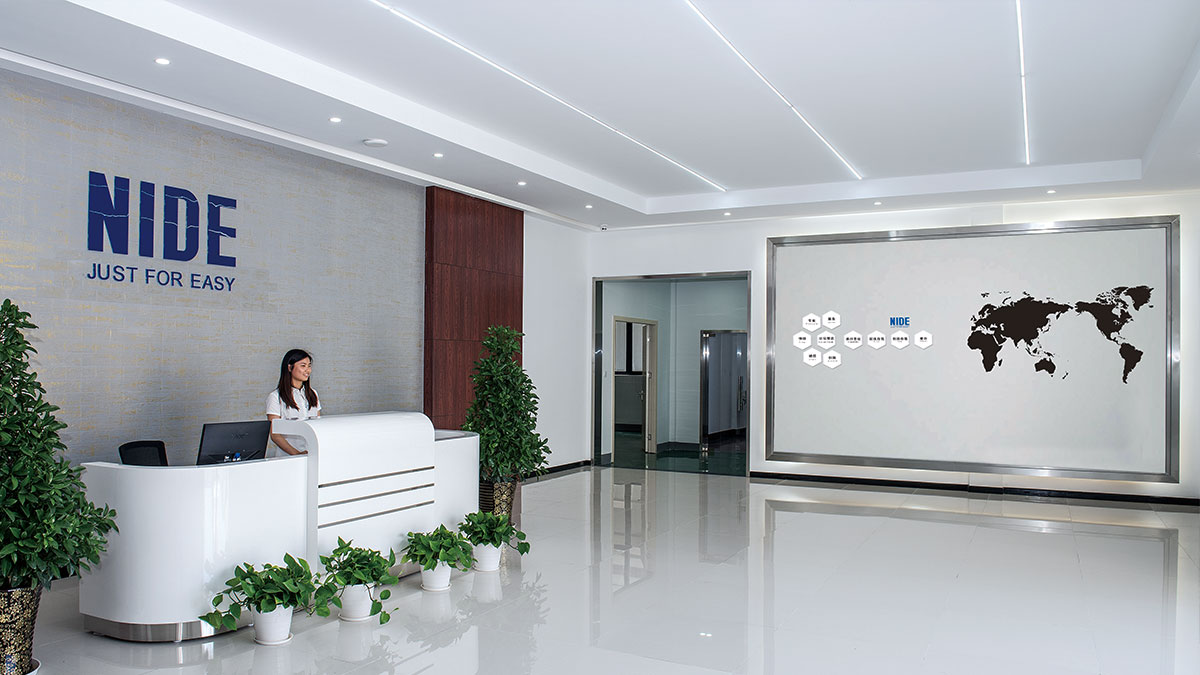
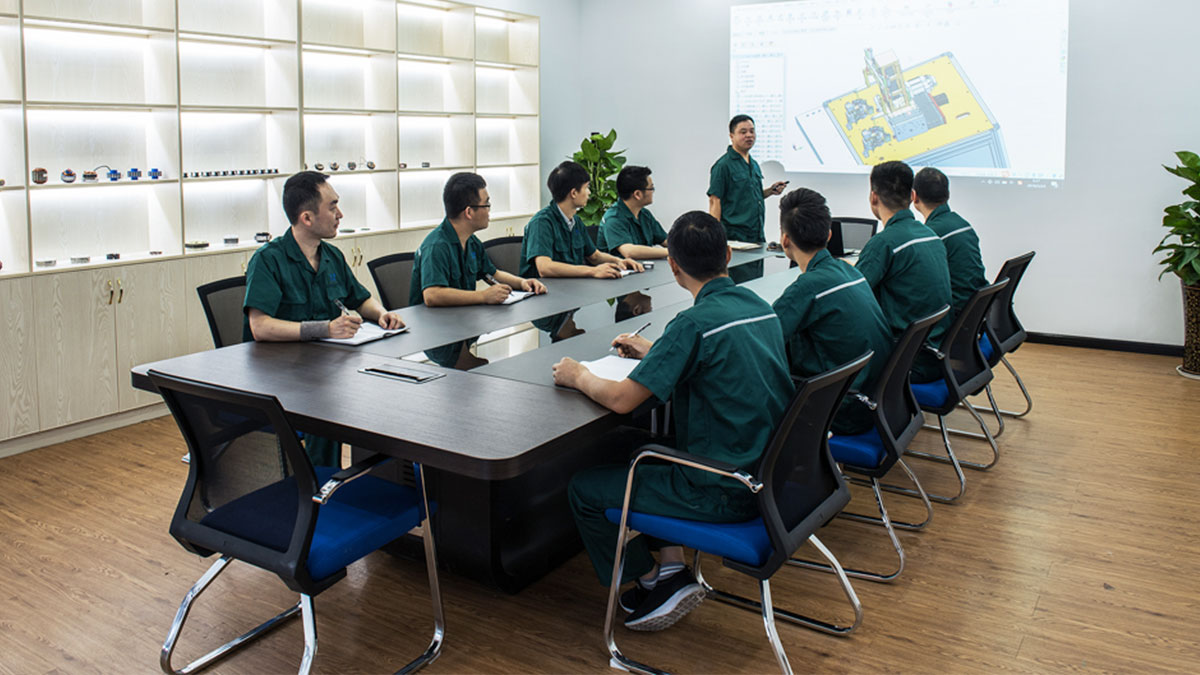
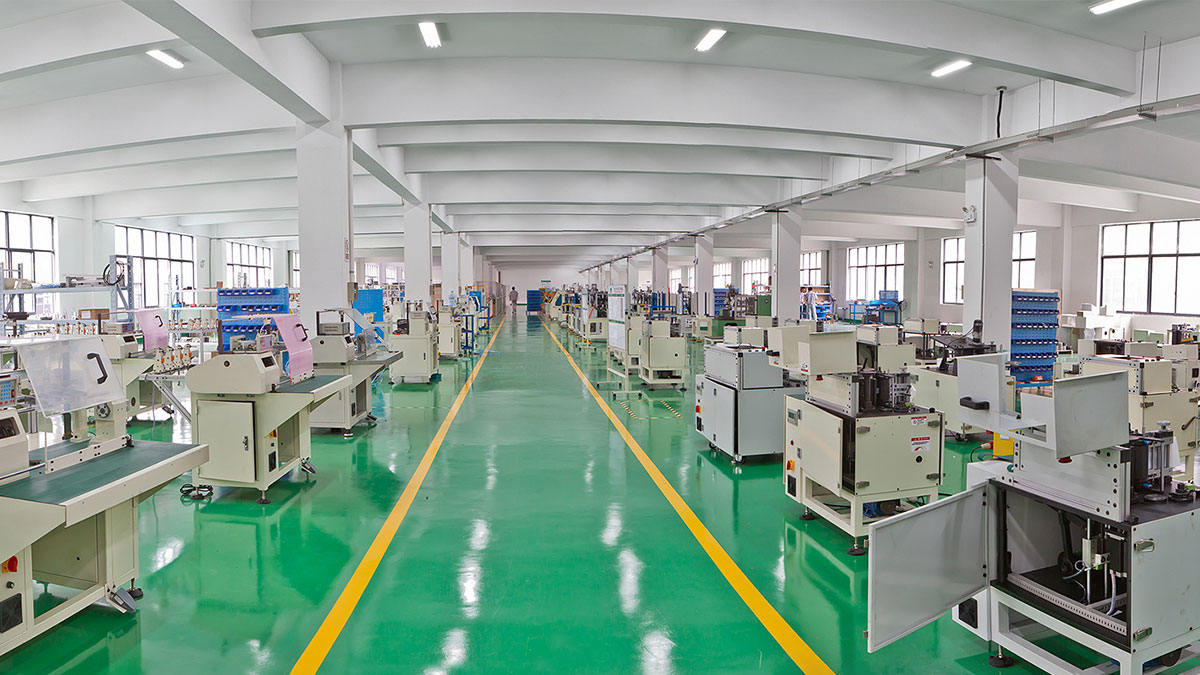
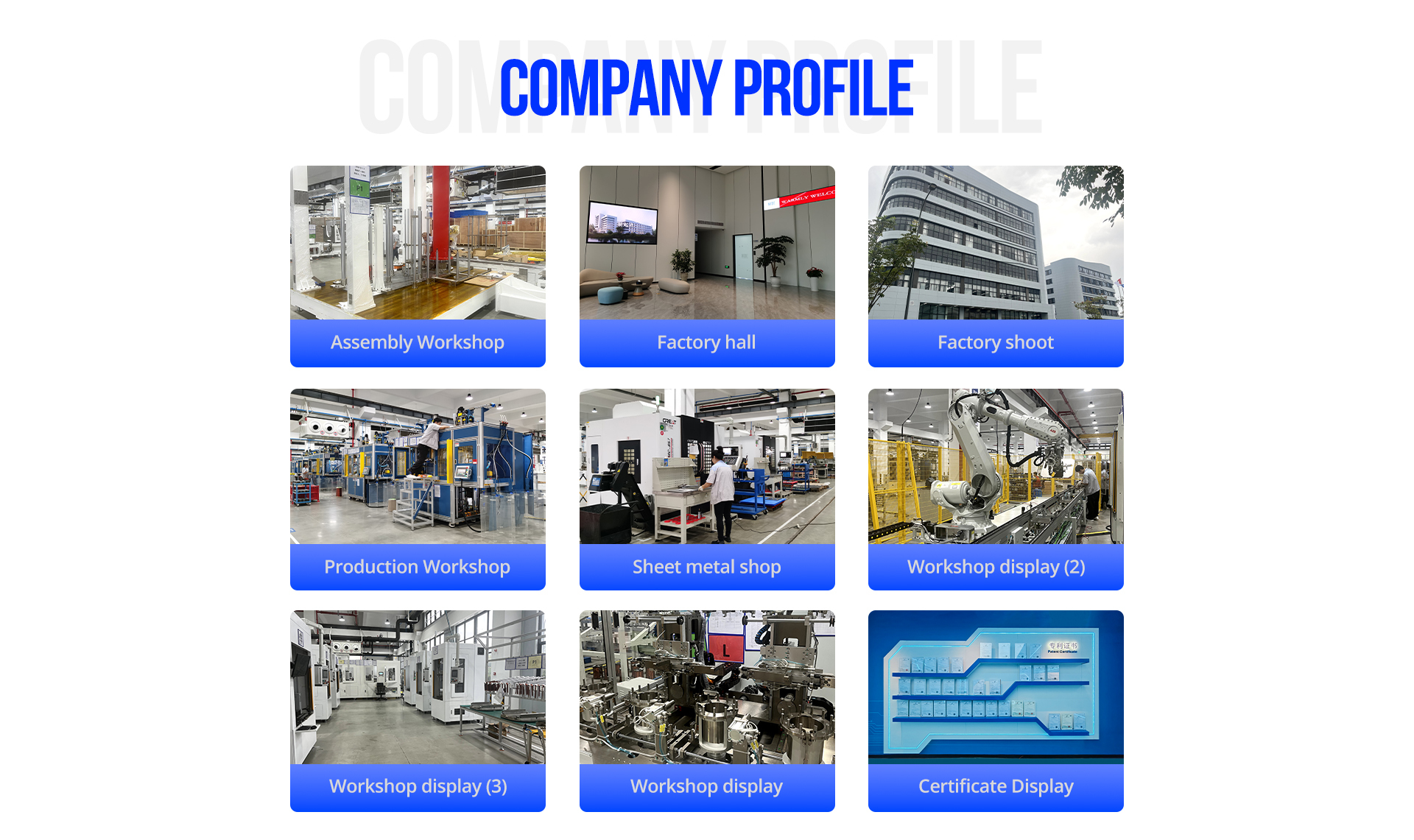
Founded in 2010, Ningbo Nakro Intelligent Equipment Co., Ltd. delivers far more than standalone mechanical hardware. We engineer integrated production systems encompassing the full motor assembly lifecycle: from shaft press-fitting and slot paper insulation insertion to high-speed CNC winding, commutator fusing, coil lacing, resin impregnation, and end-of-line electrical verification.
Additionally, Nakro supplies matching structural motor components—including silver-copper segmented commutators, carbon brush holders, deep-groove ball bearings, precision shafts, and stamped lamination cores. This unique capability enables engineering clients to qualify machines and input materials under one comprehensive manufacturing guarantee.
Frequently Asked Questions for Stator Equipment Buyers
Detailed technical and commercial answers addressing common risk factors encountered during overseas procurement and commissioning.
What specific stator and armature topologies can Nakro machinery accommodate?
How is factory acceptance testing (FAT) executed before shipping overseas?
Can Nakro supply a full turnkey automated line instead of standalone cells?
What mechanisms ensure enamelled copper wire is not damaged during insertion?
What are standard payment terms, delivery conditions, and spare parts policies?
How quickly can changeover tooling be delivered for newly developed motor models?
Modernize Your Stator Production Line with Nakro
Consult with our senior motor manufacturing engineers today. Submit your motor cross-section drawings, slot counts, wire diameters, and target output to receive an optimized line layout and firm price quote within 24 hours.
