China Best Motor Production System Factories & Factory

Precision Turnkey Automation, Intelligent Assembly Architectures, and Complete Manufacturing Systems Engineered for Global Motor Producers

Engineered Motor Production Machinery & Core Assemblies

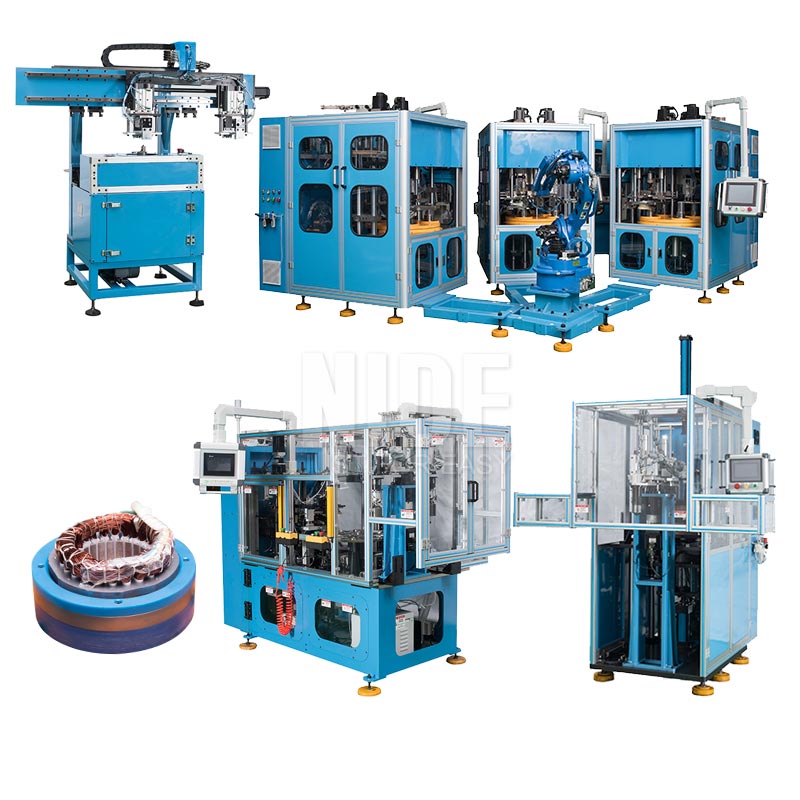
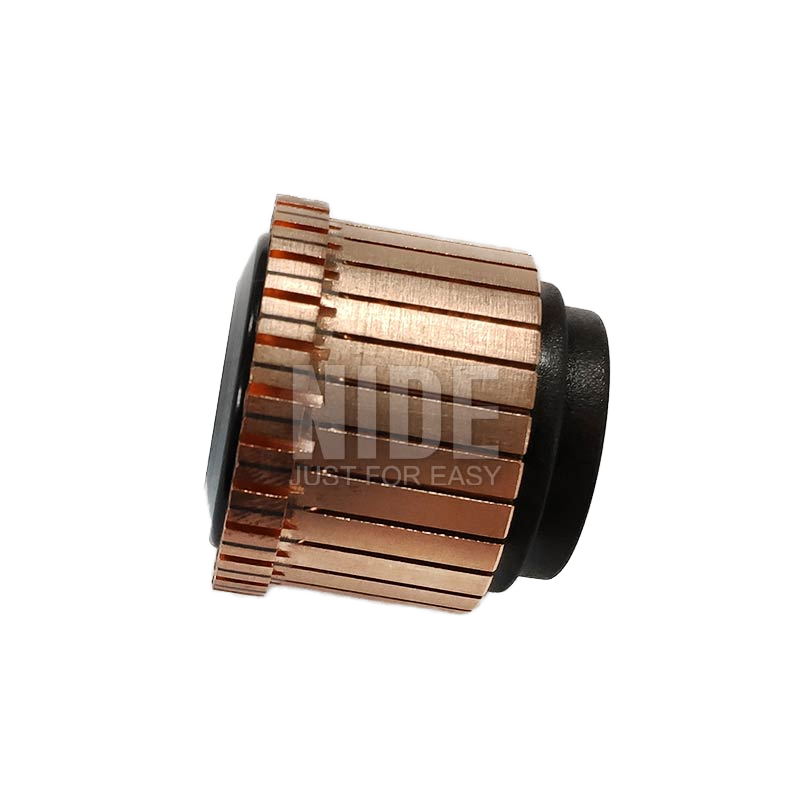
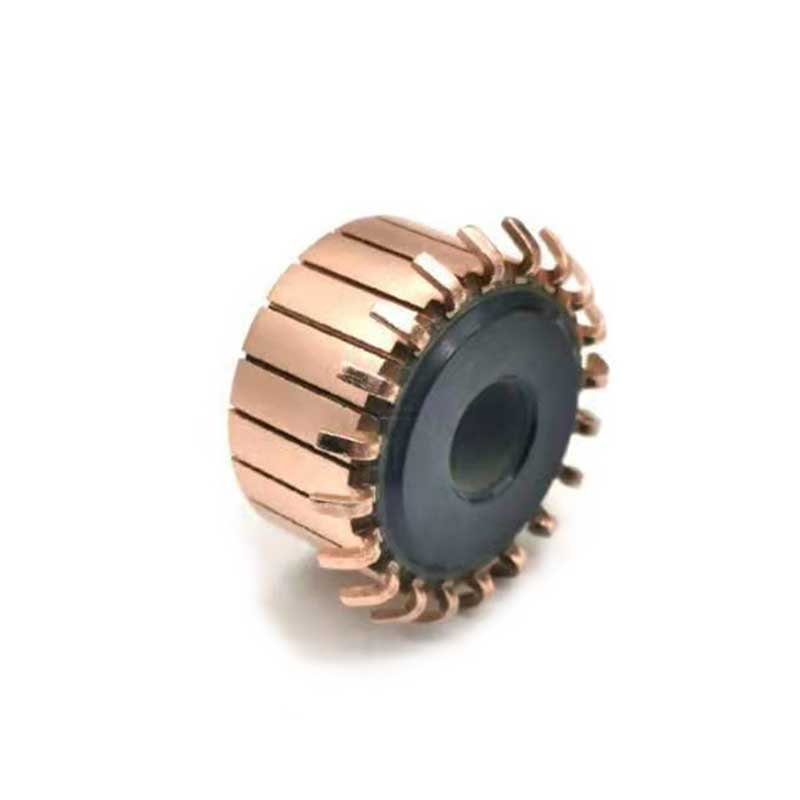
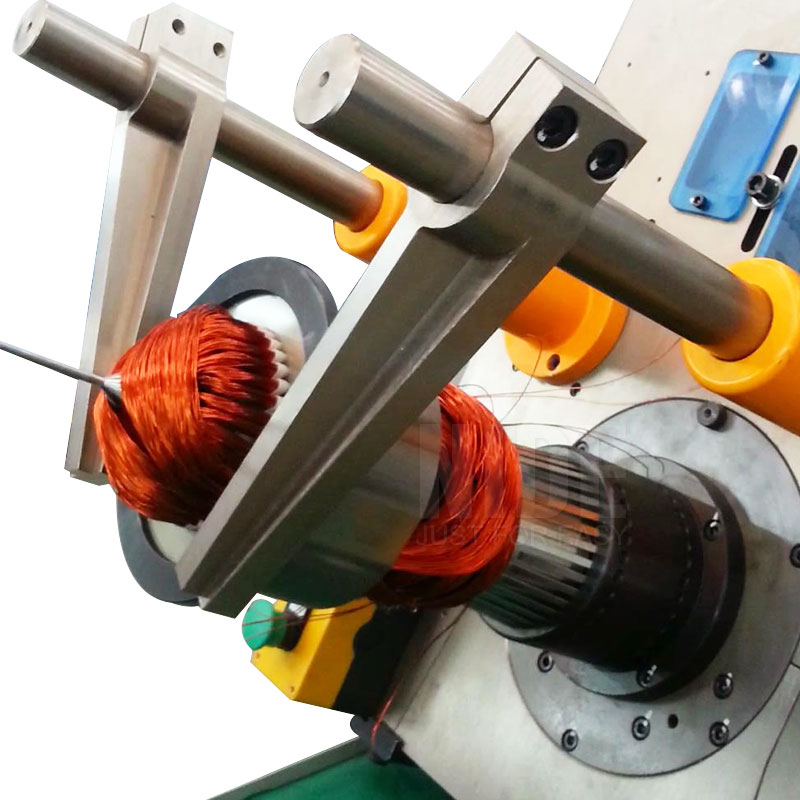
Explore high-speed coil winders, robotic flat-wire hairpin stator lines, automated wedge inserters, and sub-micron commutator assemblies engineered to reduce per-unit cycle time.

Industry Analysis: The Next Decade in Electric Motor Manufacturing

Insights into systemic transformation, capital allocation strategies, and advanced manufacturing shifts dominating the global motor equipment landscape.

The Hairpin (Flat Wire) Disruption

The transition from conventional round wire stators to flat copper wire hairpin winding represents the highest-growth capital investment in modern motor production. Hairpin stators increase copper slot fill factor from ~45% to over 73%, delivering superior thermal dissipation, higher continuous torque density, and lower active weight. Advanced factory tooling now requires CNC multi-axis wire forming, non-destructive laser insulation stripping, and automated 3D vision-guided laser welding cells with real-time melt pool defect monitoring.

IoT-Driven In-Line Metrology

Modern production facilities have shifted from traditional post-production batch inspection to comprehensive inline statistical process verification. Smart production machines integrate high-frequency acoustic emission monitoring during winding, dynamic tension load cell validation, and in-situ multi-angle optical cameras. Stators undergo surge tests, partial discharge (PD) measurements, dielectric strength verifications, and insulation resistance checks before advancing along pallet transfer conveyors, keeping scrap rates below 0.12%.

Agile Modular Tooling Systems

Product life cycles across automotive e-mobility, industrial pumps, and consumer smart home systems continue to compress. Leading engineering teams now prioritize modular manufacturing cells capable of changing over between frame sizes (e.g., IEC 71 to 132 or custom outer-rotor diameters) in under 45 minutes. Quick-change winding needles, servo-controlled magazine feeders, and standardized recipe storage within PLC interfaces protect production lines from rapid technological obsolescence.

Engineering Benchmark: Round Wire vs. Hairpin Flat Wire Motor Lines

Procuring automated motor lines requires evaluating production throughput, energy efficiency targets, capital expenditure limits, and end-use performance expectations. Below is an engineering comparison matrix defining operational parameters across legacy and next-generation motor manufacturing lines:

Technical Parameter Standard Automated Round Wire Line Next-Gen EV Flat Wire Hairpin Line Strategic Procurement Implication
Copper Slot Fill Factor 40% – 48% (Theoretical maximum) 70% – 76% (High-density) Substantially improves motor power density and thermal conductivity.
Typical Cycle Time (Per Stator) 45 – 90 seconds (Multi-spindle) 30 – 55 seconds (Synchronous cell) Essential for annual capacities exceeding 250,000 units.
Slot Insulation Integration Single/B-stage automated paper punch-and-insert Precision O/S-type individual slot liners Higher resistance against partial discharge in 800V silicon carbide systems.
Welding / Termination Resistance fusing / Flame soldering Laser welding with 3D vision guidance Eliminates terminal mechanical fatigue and contact resistance anomalies.
Initial Line Capex Low to Moderate (High versatility) Higher (Dedicated high-throughput tooling) Round wire remains optimal for diversified small-batch industrial SKUs.

Strategic Procurement Guide for Global Engineering Managers

A systematic framework for evaluating Chinese motor production equipment vendors, avoiding hidden commissioning delays, and guaranteeing operational lifecycle OEE.

1. Lamination Tolerance Mapping

Never commission automated winding or coil insertion tooling based purely on nominal 2D CAD files. Stamping burrs, lamination stacking skew angles, and thermal varnish variations across silicon steel grades alter slot aperture clearance. Advanced factories require physical testing with production-run iron cores.

2. Enamel Coating Integrity

High-speed flyer and needle winders exert multi-axis tension on magnet wire. Sourcing teams must demand automated closed-loop electronic tensioners paired with surface friction monitors. Even microscopic micro-cracking of wire enamel drastically compromises surge voltage ratings in variable-frequency motors.

3. Controller Interchangeability

Ensure equipment utilizes internationally supported PLC and motion control architectures (e.g., Siemens, Mitsubishi, Omron) rather than obscure, proprietary firmware. Standardized EtherCAT, Profinet, and OPC-UA connectivity ensures straightforward integration into corporate MES layers.

4. Factory Acceptance Testing (FAT)

Establish strict FAT parameters prior to container dispatch: mandate uninterrupted continuous production runs of 500-1,000 components using customer materials to verify Cp and Cpk values (minimum target Cpk ≥ 1.67 for critical dimensions) alongside electrical hipot and resistance validation.

Enterprise Strengths: Ningbo Nakro Intelligent Equipment

Combining deep motor engineering metallurgy, precision machine manufacturing, and overseas technical support to build reliable turnkey production solutions.

14+ Years of Dedicated Expertise

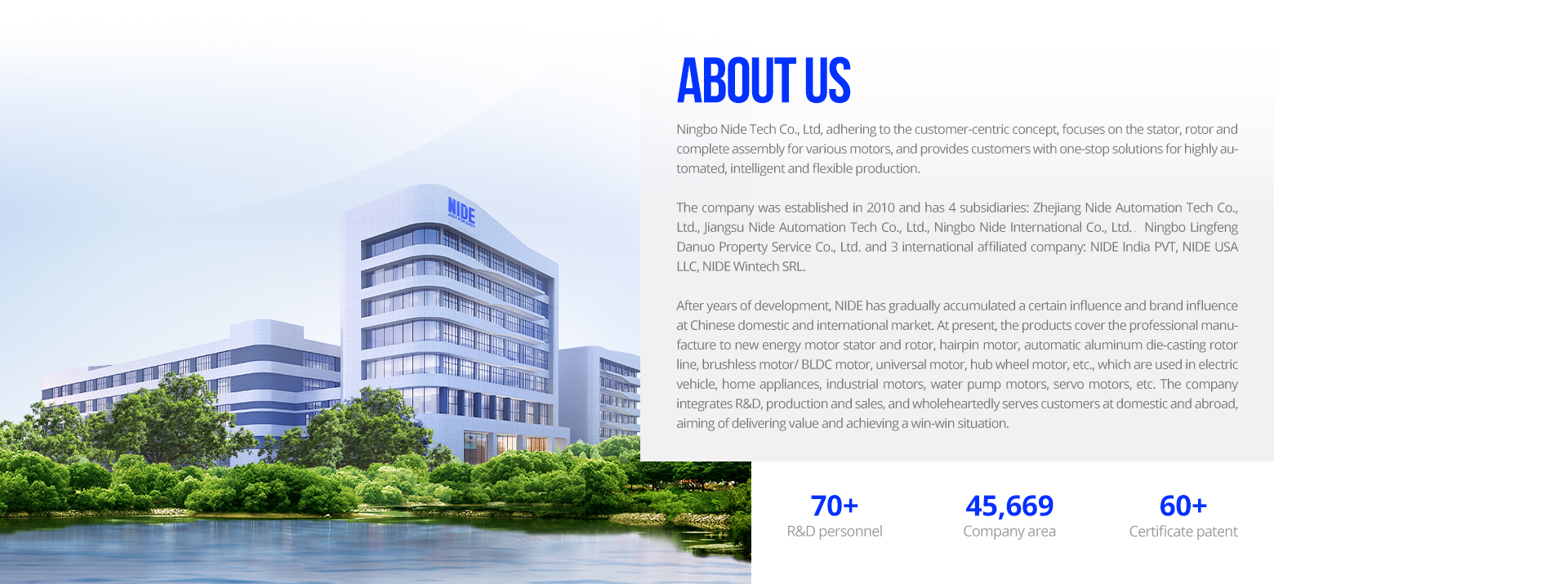
Established in 2010 in Ningbo, Zhejiang, Nakro specializes exclusively in automated electric motor manufacturing machines, winding equipment, and end-to-end assembly architectures tailored to international safety and efficiency standards.

Exporting to 50+ Global Markets

Over 13 years of direct machine export operations with production lines running in Southeast Asia, Eastern Europe, South America, the Middle East, and beyond. Supported by on-site field engineers and global service partners.

ISO 9001 Certified & On-Site Audited

Fully compliant with international quality management systems. Verified and inspected on-site by third-party authorities and global trade verification bodies for engineering integrity and production capability.

In-House Process & Tooling R&D

Our dedicated R&D engineering team designs custom winding needles, insertion tooling, forming dies, and automated grippers configured to your specific lamination stack geometries and enamel wire diameters.

Turnkey Component & Machine Sourcing

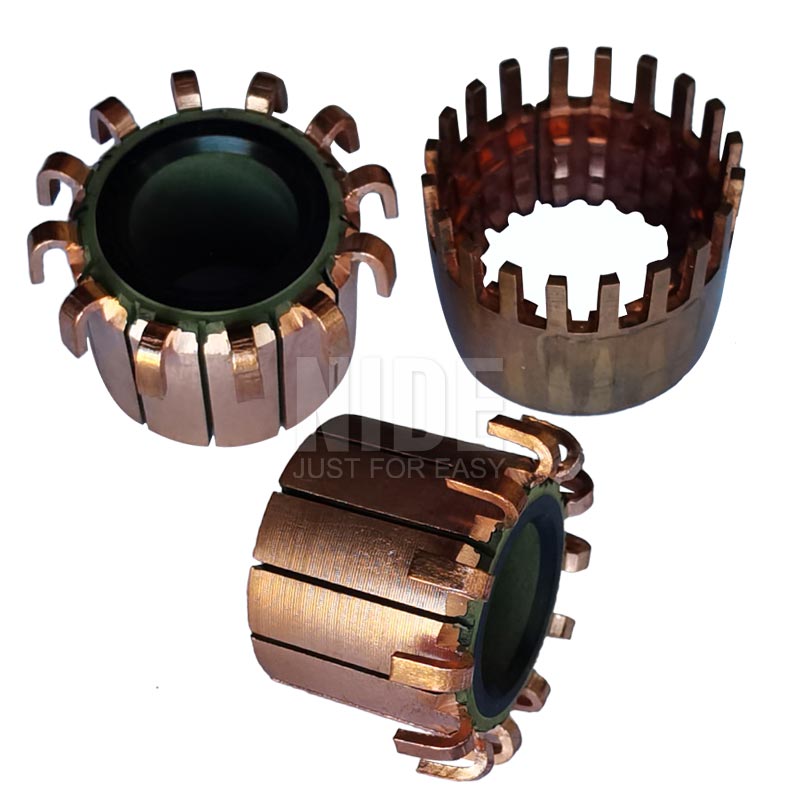
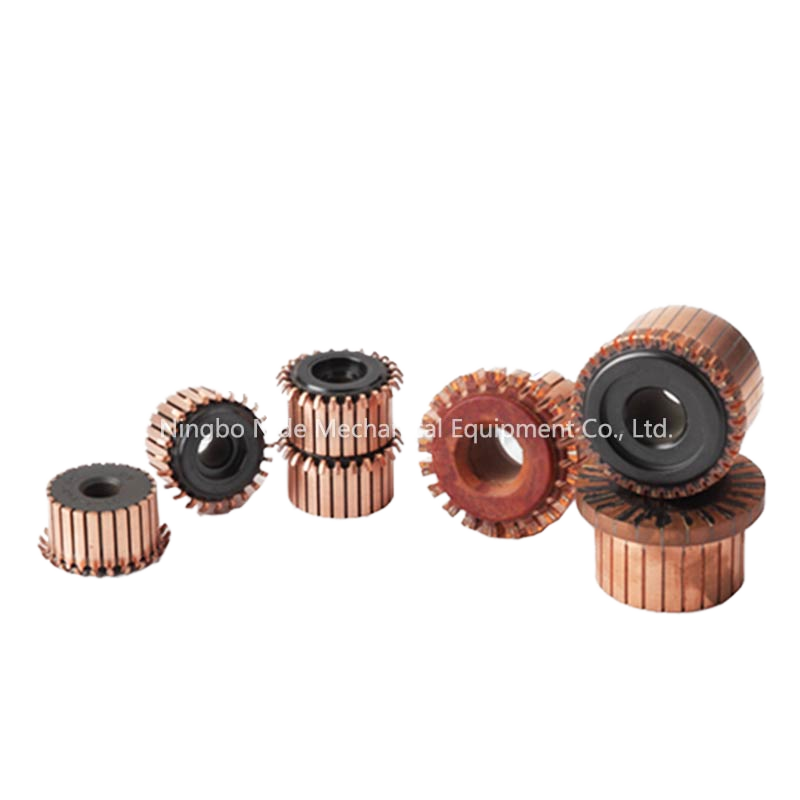
Beyond capital equipment, we supply matching precision motor components—including commutators, carbon brushes, precision shafts, magnets, end shields, and bearings—providing a single, accountable source from setup to production.

Complete Lifecycle Lifecycle Support

From initial design simulation, cycle time modeling, and Factory Acceptance Testing to on-site commissioning, electrical training, and fast-response tooling replacements, our engineers ensure high operational uptime.

2010
Year Established
50,000+ m²
Manufacturing & Assembly Area
50+
Countries Actively Served
13+ Years
Global Machine Export Experience

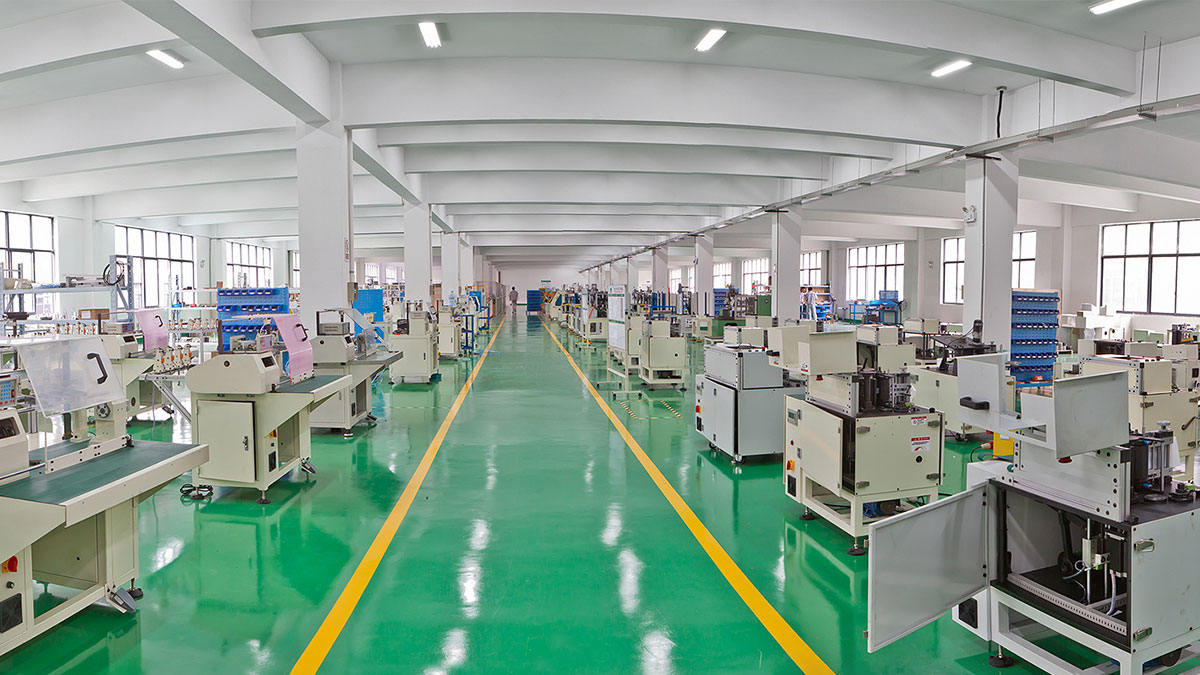
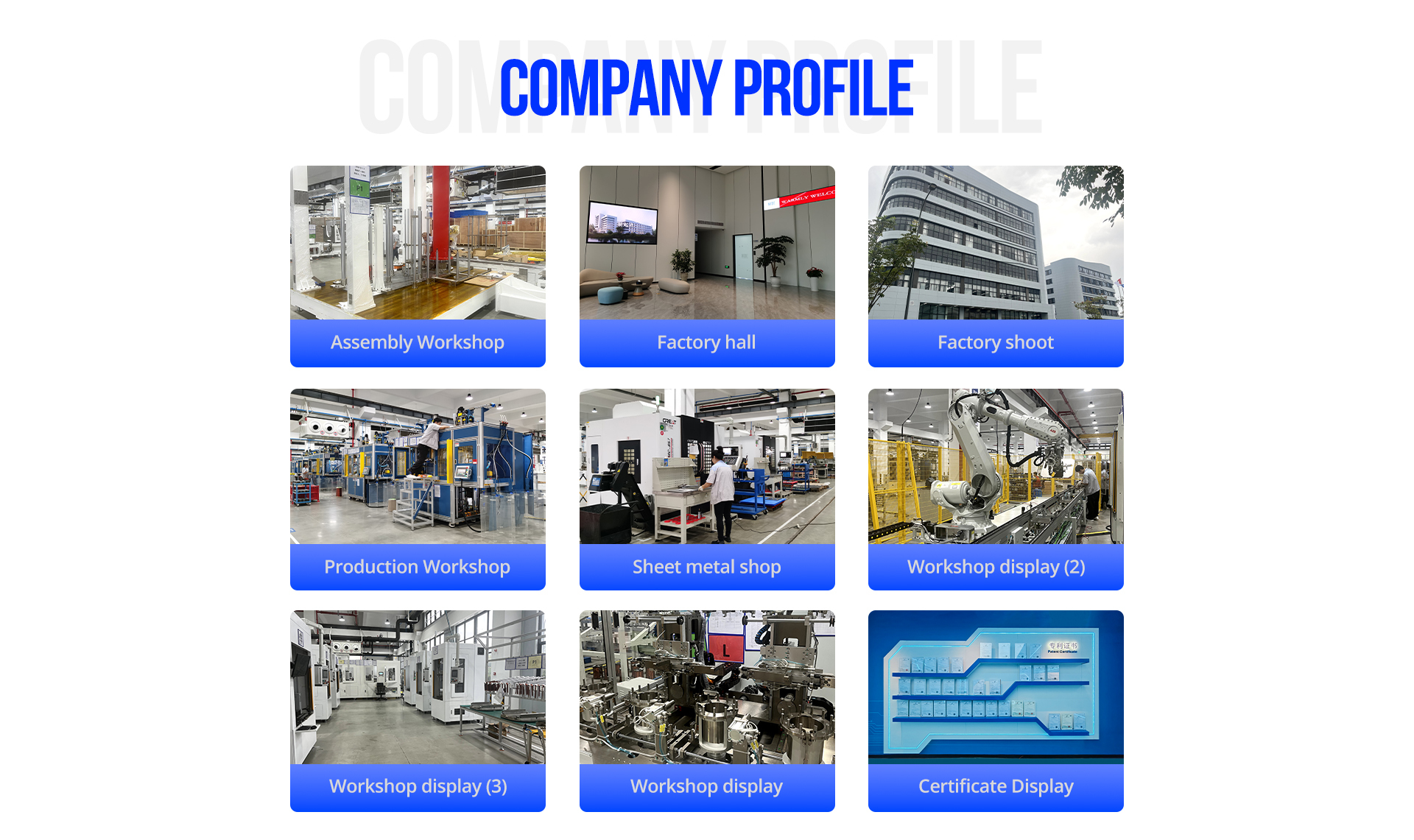
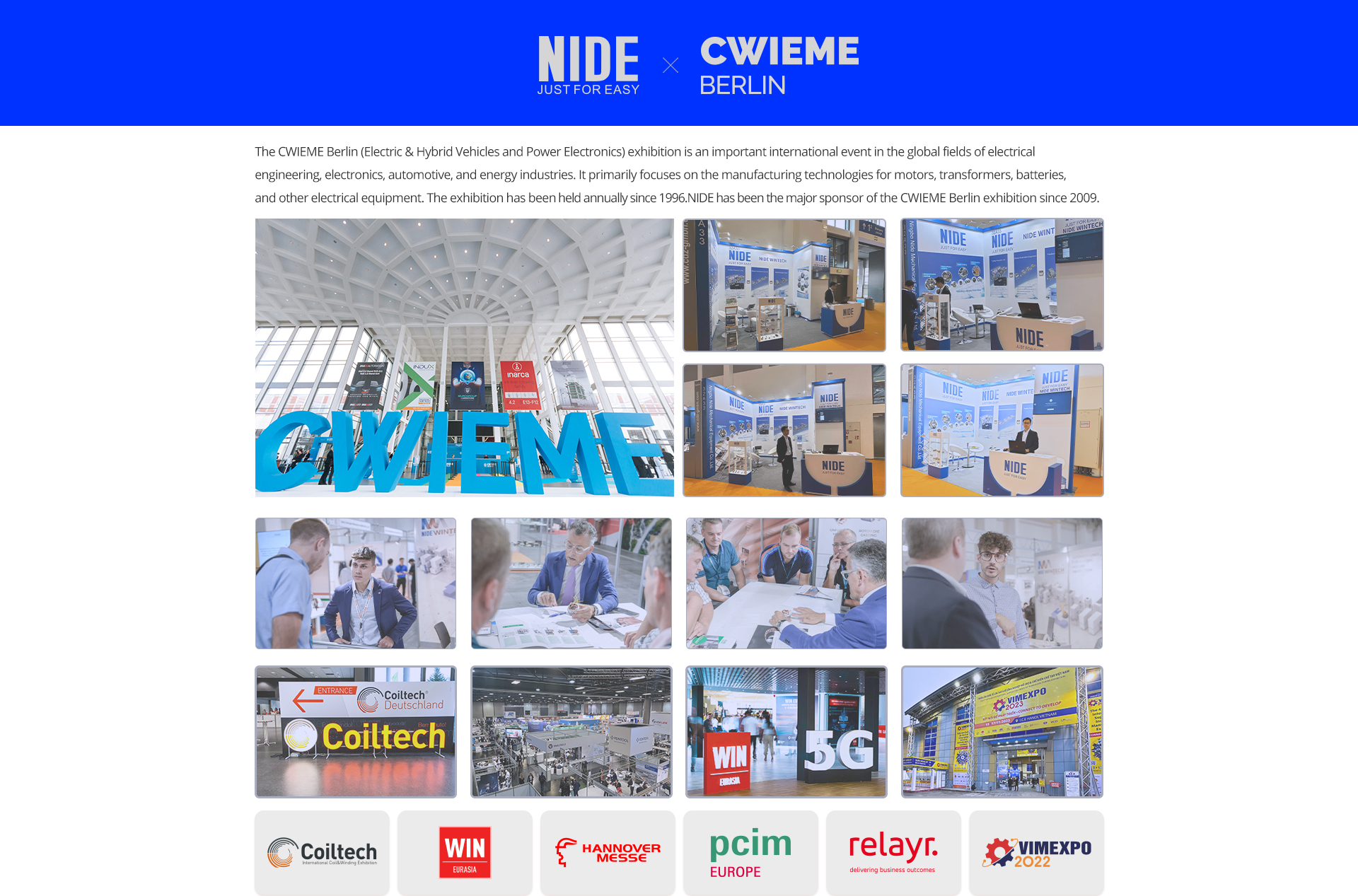
Manufacturing Infrastructure & Engineering Operations

Inside our production facilities, testing laboratories, precision assembly workshops, and automated validation cells in Ningbo.

Commercial Specifications & Procurement Terms

Operational data and commercial frameworks for international procurement teams.

Business Dimension Operational Parameter & Policy Details
Enterprise Classification Original Equipment Manufacturer (OEM) & Integrated Engineering Exporter
Workforce Profile 101 – 200 Highly Trained Employees (Including 35+ Dedicated Design & Control Engineers)
Operating Facility Size 30,000 – 50,000 m² Modern Standard Manufacturing Campus in Ningbo, China
Annual Commercial Output US$10 Million – US$50 Million Across Capital Machinery and Precision Assemblies
Supported Delivery Terms FOB Ningbo / Shanghai, CFR, CIF International Ports, DDU / DDP via Specialized Logistics
Standard Payment Terms T/T (Telegraphic Transfer), L/C (Irrevocable Letter of Credit at sight), Escrow Agreements
Accepted Currencies USD, EUR, CNY (RMB)
Customization Scope Complete Turnkey Layouts, Non-Standard Tooling Modules, Buyer Labeling, OEM System Integration

Frequently Asked Questions: Motor Line Procurement

Detailed engineering and commercial answers to frequent questions from global manufacturing directors and purchasing specialists.

What types of electric motors can be manufactured on your automated machinery?
Our automated equipment covers a wide range of motor topologies across both high-volume consumer and heavy industrial platforms. This includes universal motors and power tool armatures, three-phase and single-phase AC induction stators (IEC, NEMA, and custom frames), Brushless DC (BLDC) motors, Permanent Magnet Synchronous Motors (PMSM), electric vehicle flat-wire hairpin traction stators, outer-rotor wheel hub motors (for e-bikes, scooters, and light electric vehicles), and automotive alternator and starter assemblies.
Can Nakro design and deliver a complete turnkey automated production line?
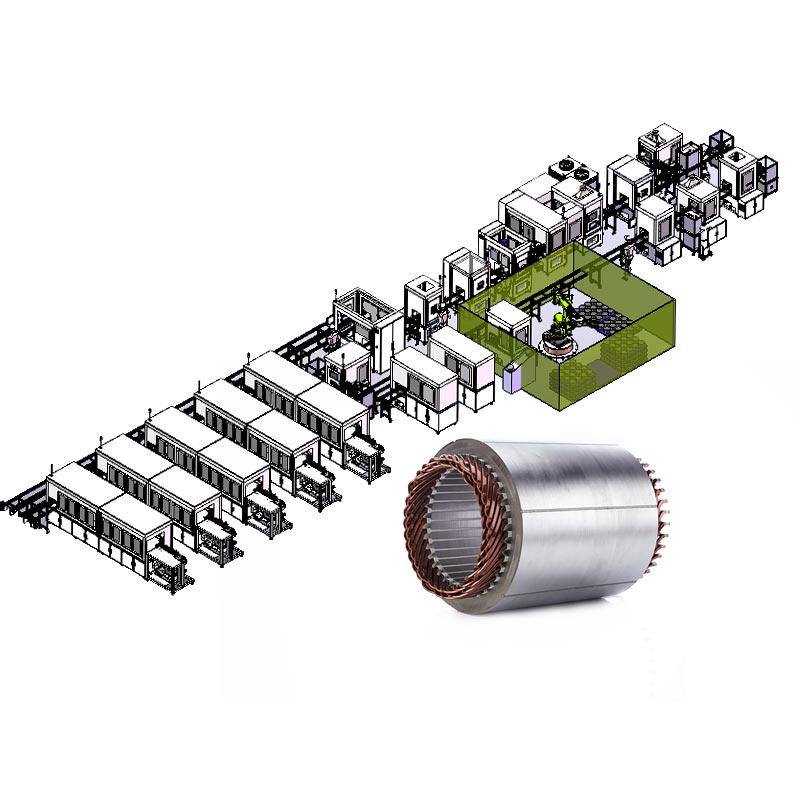
Yes. We deliver stand-alone semi-automatic machines, modular assembly cells, and fully automated lines. For complete turnkey projects, our engineering team reviews your CAD lamination models, winding schematics, and cycle time targets. We configure the floor layout, manufacture the handling stations, integrate PLC/MES communication layers, conduct in-house validation runs, and manage physical on-site installation and operator training.
How does the factory verify equipment quality and repeatability prior to international export?
Every machine is tested through a strict multi-point Factory Acceptance Test (FAT) governed by our ISO 9001 certified quality system. We run extensive trial cycles using the customer's actual lamination stacks, copper wire, and insulation paper. Critical parameters—including mechanical runout, slot insertion force, winding tension stability, and electrical surge/hipot/resistance values—are documented with calibrated instruments. Detailed run-off video recordings and inspection certificates are submitted for formal sign-off prior to crating.
What after-sales and commissioning support is provided for international buyers?
With more than 13 years of equipment export experience, we provide multi-tiered technical support. For new line installations, we dispatch senior mechanical and electrical engineers directly to your facility for hardware setup, line balancing, and operator training. Furthermore, every line is configured with secure remote industrial VPN gateways, enabling our software engineers in Ningbo to diagnose PLC, servo drive, or vision camera issues in real time. We also maintain strategic local service partnerships in several overseas territories.
Can tooling and winding nozzles be customized for proprietary stator and rotor dimensions?
Customization is core to our manufacturing capability. Our R&D engineering team designs winding needles, insertion tooling, lacing fixtures, and dynamic balancing mandrels around your exact slot dimensions, stack heights, and wire gauges. When you introduce new motor models in subsequent production years, Nakro supplies replacement tooling sets engineered to drop into your existing equipment without needing to replace core machines.
What are the standard delivery lead times for custom automated motor production equipment?
Standard stand-alone machinery (such as individual coil winders, paper inserters, or hook welding machines) typically has a lead time of 45 to 60 days following engineering drawing sign-off. Fully automated, customized turnkey lines (including multi-station BLDC or EV hairpin lines with automatic pallet transfer conveyors) require 90 to 150 days, depending on overall station count and process complexity. Expedited schedules can be coordinated upon request.

Accelerate Your Motor Manufacturing Capabilities

Contact our senior engineering team today. Send us your motor drawings, target cycle times, and annual output targets to receive a comprehensive technical proposal and competitive line quotation.

Inquire Now