Precision Stator Winding Machinery & Key Subcomponents
Browse our CE-certified automated stations, robotic coil insertion cells, and high-purity peripheral hardware engineered for zero-defect electromagnetic core manufacturing.


 One-Step Insertion
 Tooling Component
1. The Mechanical Science of Modern Automated Stator Winding Lines
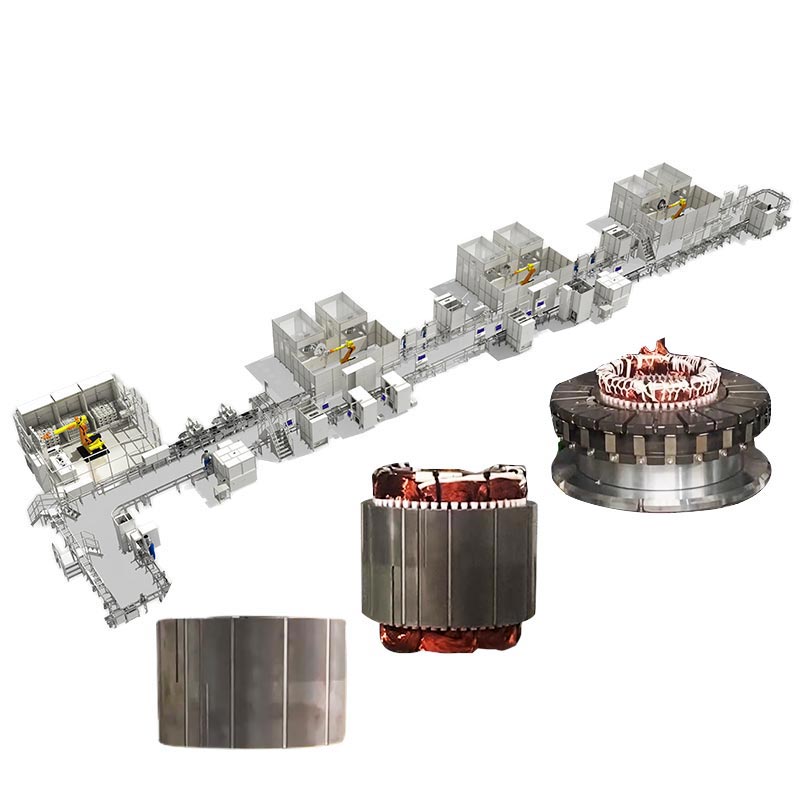
The manufacturing of stator cores for electric motors has transitioned from rudimentary semi-manual machinery into high-speed, synchronized, mechatronic cells. A state-of-the-art CE Certified Stator Winding Line represents an integration of kinematic precision, electromagnetic insulation preservation, and mathematical tension equilibrium. In traditional radial induction and modern fractional-slot concentrated winding (FSCW) brushless DC (BLDC) motors, electromagnetic performance—manifested as energy efficiency (IE3, IE4, and IE5 standards), torque density, and thermal dissipation—is dictated directly by the manufacturing integrity of the winding sequence.
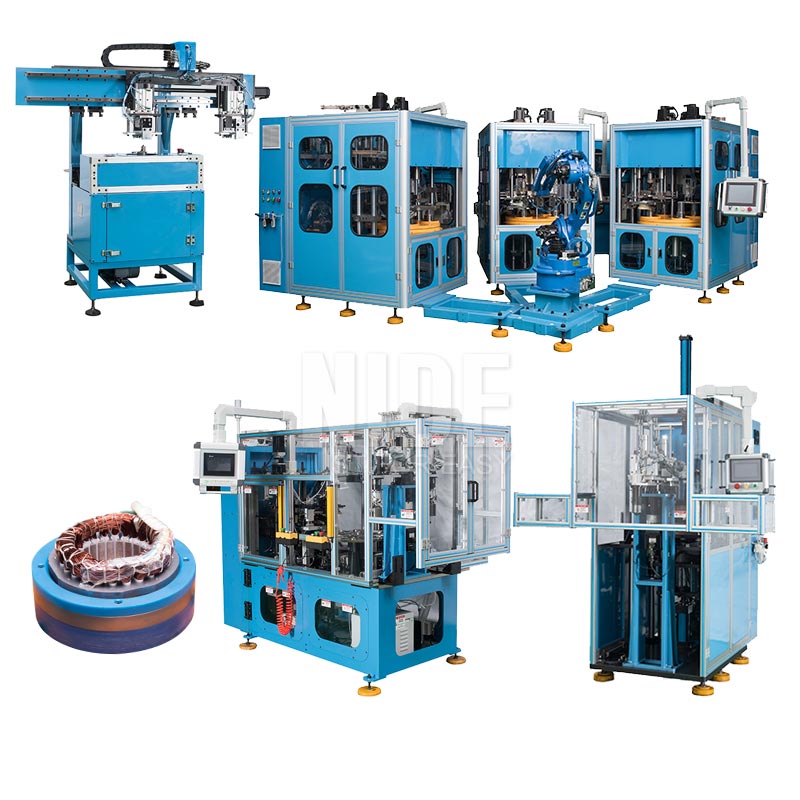
When specifying a turnkey production line, process engineers must look beyond nominal cycle times and analyze the exact mechanical execution of four interdependent phases: automated slot insulation paper inserting, high-speed precision flyer or needle coil winding, synchronized coil-and-slot-wedge simultaneous insertion, and progressive dimensional intermediate/final 3D forming. Each stage introduces physical stress upon both the silicon steel lamination stack (such as cold-rolled non-oriented steel sheets 50W800 to 35W270) and the polymer-enameled magnet wire (Class H, 180°C or Class C, 200°C polyimide/polyester-imide coatings). If mechanical tension spikes momentarily by even 5% during needle trajectory reversals, micro-fractures in the copper enamel can trigger catastrophic inter-turn short circuits during high-voltage surge or partial discharge validation.
Closed-Loop Digital Tension
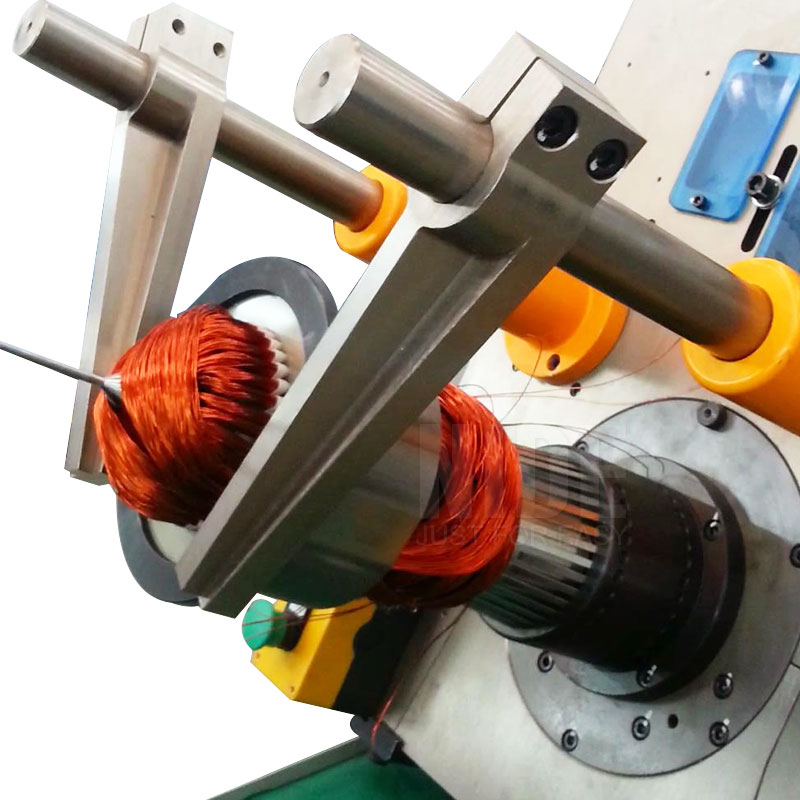
Multi-axis magnetic brake tensioners synchronized via servo feedback prevent wire stretch, maintaining uniform wire cross-sectional resistance throughout the entire slot cavity.
Simultaneous Wedge Insertion
Coil bundles and pre-formed Nomex or DMD composite wedges enter the lamination slots in an uninterrupted mechanical stroke, preventing slot-lip scraping and dielectric degradation.
Full CE Machinery Compliance
Equipped with dual-channel category 4 safety PLCs, optical light curtains, interlocked pneumatic dump valves, and EMC-shielded frequency inverters conforming to EN ISO 12100 & EN 60204-1.
2. Procurement Trends Reshaping Stator Automation (2025–2030)
Global industrial procurement for motor assembly equipment is undergoing an aggressive structural transformation driven by electrification in the automotive sector, severe industrial decarbonization mandates (EU Ecodesign 2019/1781), and the emergence of high-frequency variable speed drives (VFDs). Enterprise buyers must account for three structural shifts before signing procurement capital expenditure (CapEx) contracts:
1. Shift toward Modular Multi-Pole Hairpin Architecture: While continuous-strand distributed winding remains dominant for general pumps and HVAC induction motors, the electric mobility (EV/e-bike/hub motor) landscape is migrating rapidly toward rectangular wire flat-conductor "hairpin" stators. Hairpin technology drives the copper slot fill factor from traditional round-wire limits of 45%–50% up to 70%–75%, radically reducing Joule thermal losses ($I^2R$). Consequently, modern automated lines must support automated copper wire straightening, CNC diamond-blade stripping of insulation, precision bending into 2D/3D hairpins, robotic insertion through end-plates, complex crown twisting, and high-frequency fiber laser welding without causing localized copper recrystallization porosity.
2. Micro-Defect Traceability via In-Line Partial Discharge (PD) Testing: Traditional factory acceptance testing (FAT) historically relied upon simple direct-current (DC) winding resistance, high-voltage AC dielectric withstand (Hipot at 1500V–2500V), and insulation resistance measurements. However, under high-voltage silicon-carbide (SiC) inverters operating at high switching speeds ($dV/dt > 10\text{ kV}/\mu\text{s}$), micro-bubbles within winding varnishes suffer dielectric breakdown through partial discharge. Procurement directors now mandate inline non-destructive impulse surge and high-frequency partial discharge testing directly within the automated machine cycle, halting defective stators immediately prior to varnish impregnation.
3. Quick-Change Tooling (SMED) for Non-Standard Mixed-Model Assembly: High-volume single-model production lines are rapidly becoming financial liabilities. Forward-thinking procurement strategies demand universal stator manufacturing stations equipped with servo-programmable stack-height adjustment (spanning 15mm to 200mm) and modular inserting tooling that can be completely swapped within 25 minutes using quick-coupling pneumatic locks, directly accommodating multi-model contract manufacturing.
Comparative Technical Specifications of Stator Production Stations
| Station Operation | Kinematic Drive System | Dimensional Capacity | Cycle Time (Average) | Critical Quality Metric |
|---|---|---|---|---|
| Insulation Paper Inserting | Dual-Servo Driven Mechanical Mandrel | OD: 30–260mm | Stack: 10–250mm | 0.35 – 0.50 s / slot | Edge cuff fold integrity & 0% paper skew |
| Multi-Spindle Needle Winding | 4/6-Axis Interpolated Synchronous Servos | Wire dia: 0.15 – 1.60mm (single/multi-strand) | 1200 – 2500 RPM nozzle | Uniform tension < ±2.5cN variance |
| Coil & Wedge Insertion | Precision Hydraulic or High-Torque Servo Ram | Slot count: 8 to 72 slots | 18 – 35 s / stator complete | Zero enamel peeling; >2500V Hipot passing |
| 3D Coil Forming & Lacing | Pneumatic-Hydraulic Hybrid Mold Pushers | End-turn overhang custom programmable | 12 – 22 s / stator | Clearance distance to bearing bracket > 8mm |
| Integrated Surge & Hipot Testing | Solid-State Multi-Channel High Voltage Matrix | Up to 5000V Surge / 0.1μH sensitivity | 4 – 8 s total matrix test | Corona inception voltage (DIV/DEV) mapping |
3. Enterprise Manufacturing Strengths & Factory Infrastructure
Ningbo Nakro Intelligent Equipment Co., Ltd. (operating in technical cooperation with global automation supply networks including NIDE brand platforms) delivers an end-to-end motor manufacturing ecosystem. Founded in 2010 in Ningbo, Zhejiang—the global epicenter of precision electro-mechanical engineering—Nakro operates across a state-of-the-art facility spanning 30,000 to 50,000 square meters with a seasoned workforce of over 100 dedicated technical engineers, CNC machinists, and electrical automation specialists.
Full Machinery & Parts Integration
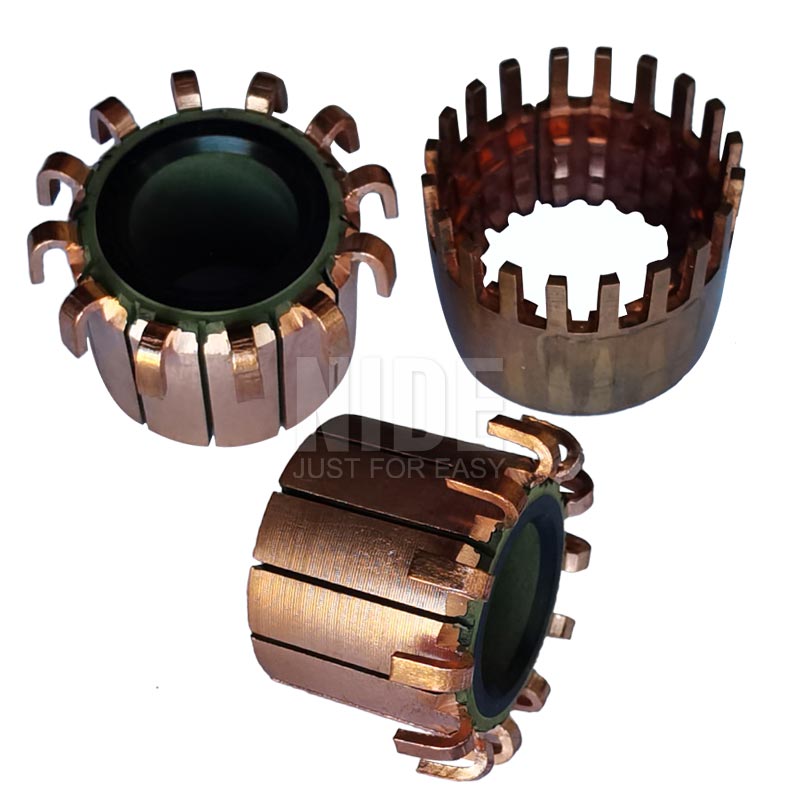
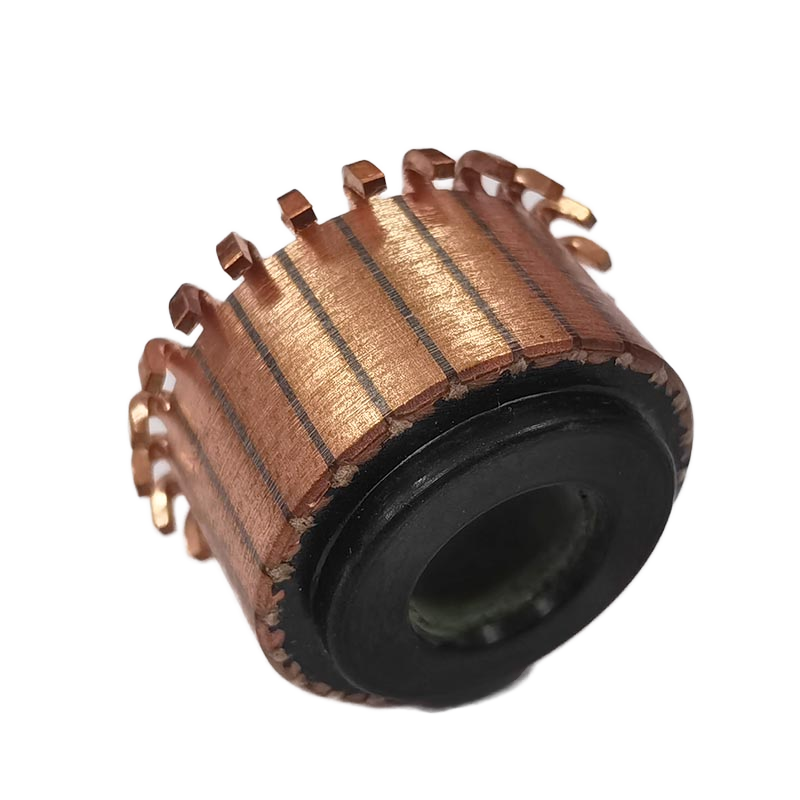
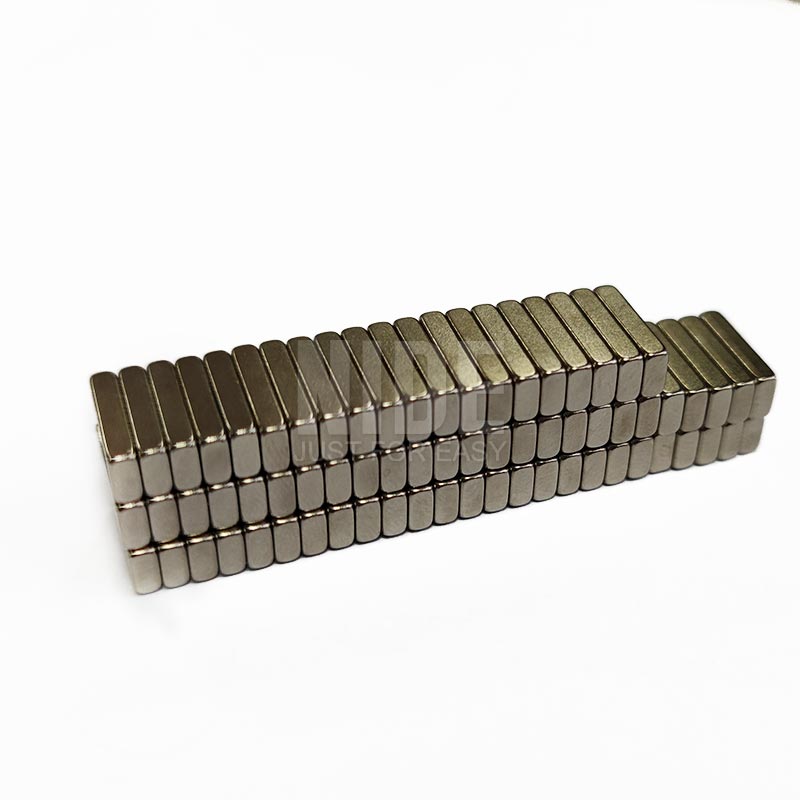
We do not just construct machines; we manufacture matching commutators, block magnets, copper wire fittings, and carbon brushes, ensuring single-vendor process accountability.
13+ Years Global Export Pedigree
Over 50 countries supplied across North America, Europe, Southeast Asia, and the Middle East with comprehensive turnkey line layout engineering and rapid overseas support.
Certified Rigorous Quality System
ISO 9001 certified plant operations with verified onsite audit credentials. Full compliance with European CE Directives (Machinery 2006/42/EC and Low Voltage 2014/35/EU).
High-Precision Tooling Fabrication
In-house CNC wire-EDM cutting, micro-mirror grinding, and custom tungsten-carbide inserting tooling ensures long production lifetimes exceeding 5,000,000 continuous cycles.
Unlike pure trading intermediaries, Nakro conducts every machine development cycle under stringent in-house metallurgical and electro-mechanical verification. Every inserting blade, winding finger, and transfer collet is precision-machined from heat-treated tool steels (such as Cr12MoV, DC53, or imported SKD11) subjected to cryogenic tempering to attain surface hardness ratings of HRC 58-62. This mechanical endurance completely prevents microscopic dimensional deformation after millions of punch cycles, guaranteeing your motor laminations remain strictly scratch-free, flat, and dimensionally stable.
