Engineered Hub Motor & Core Assembly Machinery
Precision-engineered production modules designed for low-inertia outer-rotor stators, segmented magnetic poles, and complete in-hub drive integration.
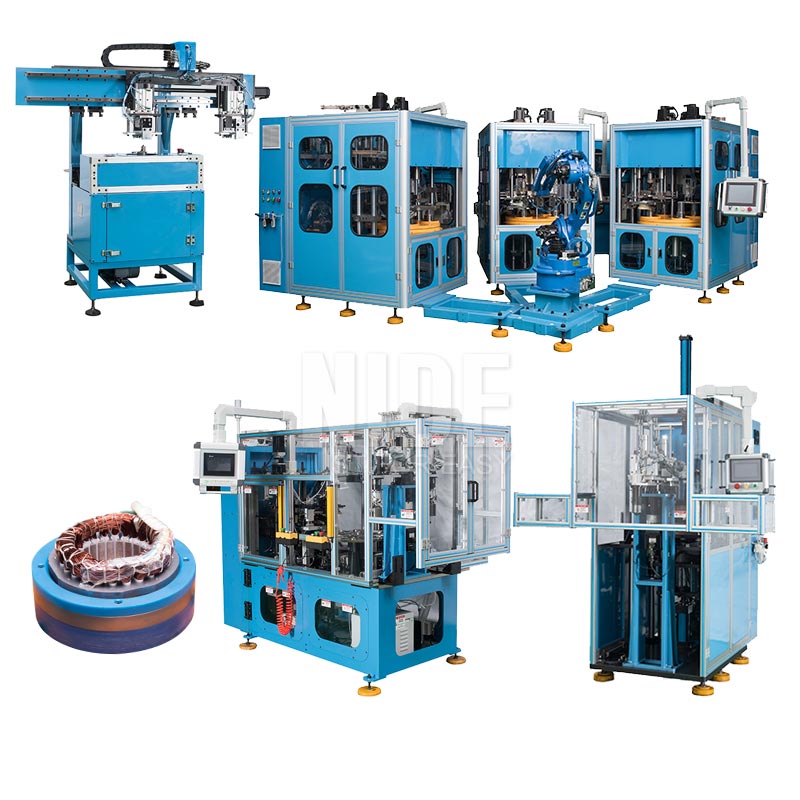 Assembly Line
New Small-scale Non-standard Electric Induction Motor Stator Manufacturing Line
- PLC Controlled
- Cycle: 15-20s
- Custom Slot Core
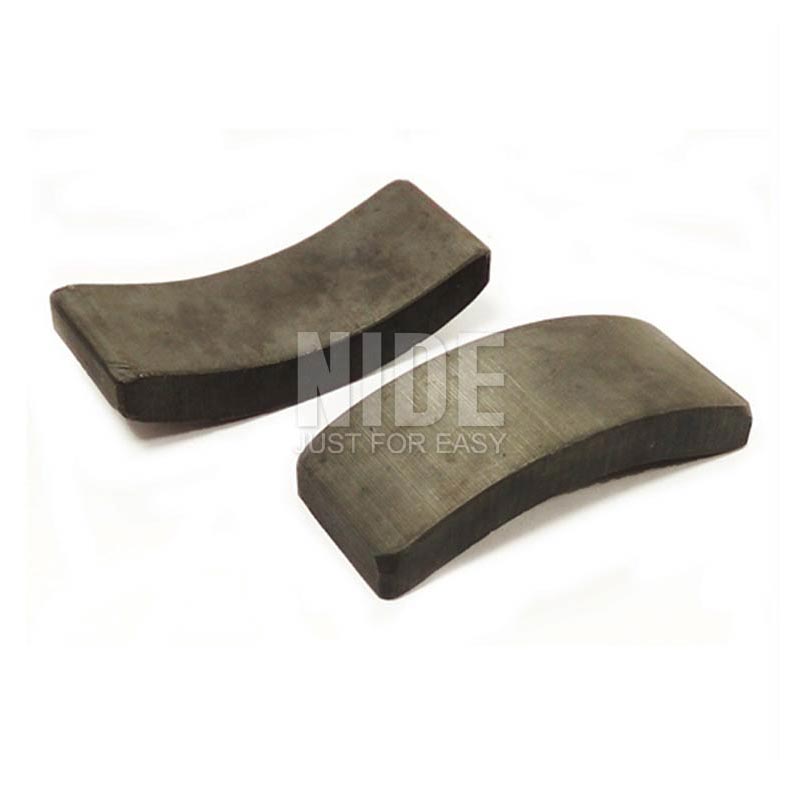 Magnetic Core
NIDE Brand 12-220V DC Segment Motor Ferrite Magnet Permanent Arc Shape
- High Remanence
- Arc Pole Profile
- Demag Resistant
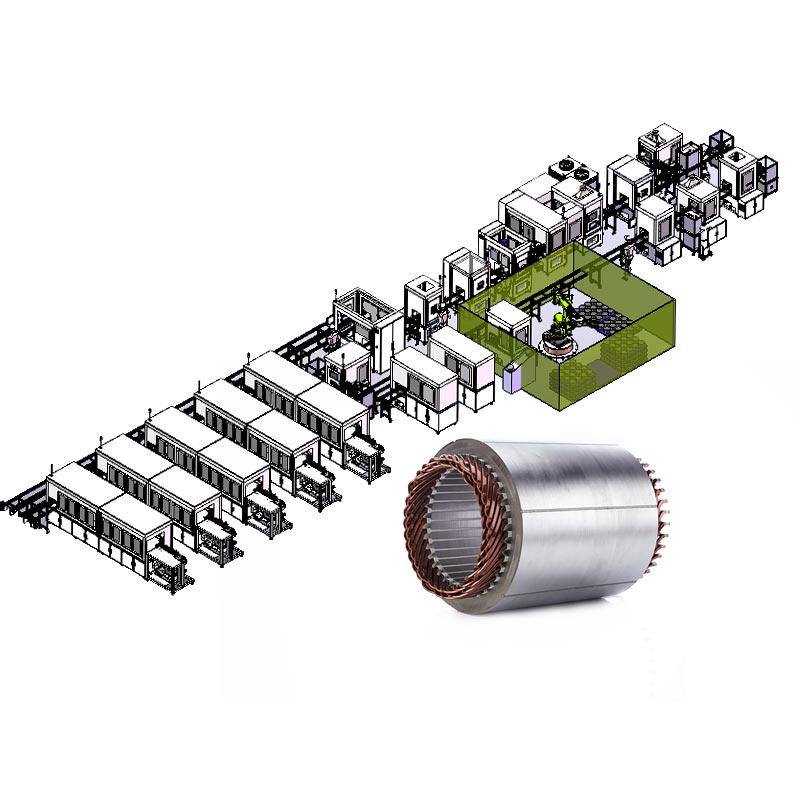 EV Hairpin
Fully Automatic EV Hairpin Motor Stator Production Line for New Energy Flat Wire
- High Slot Fill (>75%)
- Laser Stripping
- Auto Twisting
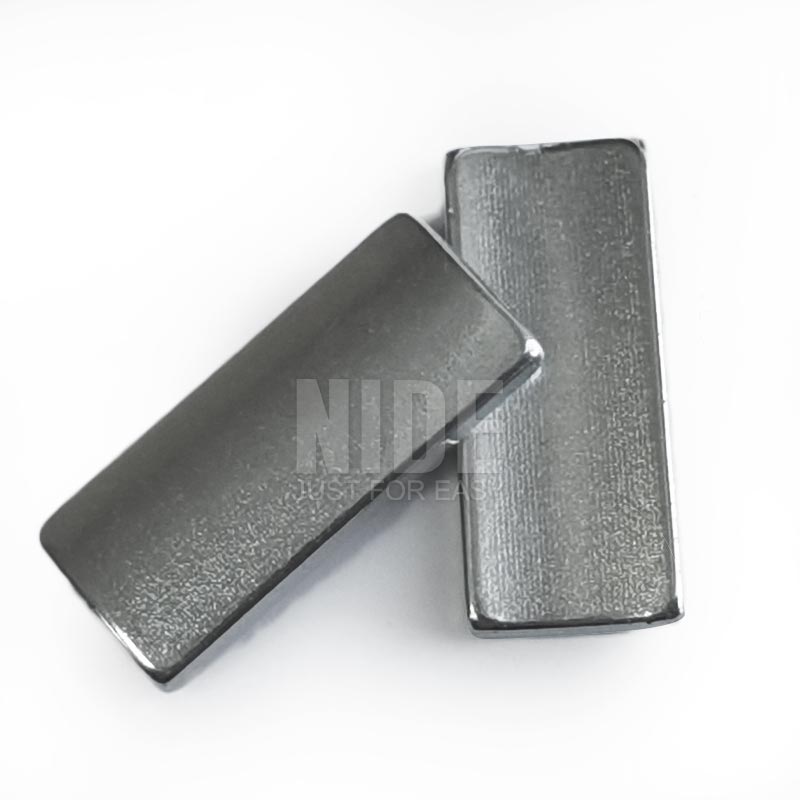 Neodymium
Rectangular N52 NdFeB Neodymium Magnets Strong Block for Motor NDPJ-CW-58
- N52 High Grade
- Triple Plating (NiCuNi)
- Flux Stability
 Armature Winder
Rotor Winding Equipment Engine Core Components PLC Controlled Armature Winder
- Multi-Axis Flyer
- Tension Feed Control
- Commutator Fusing
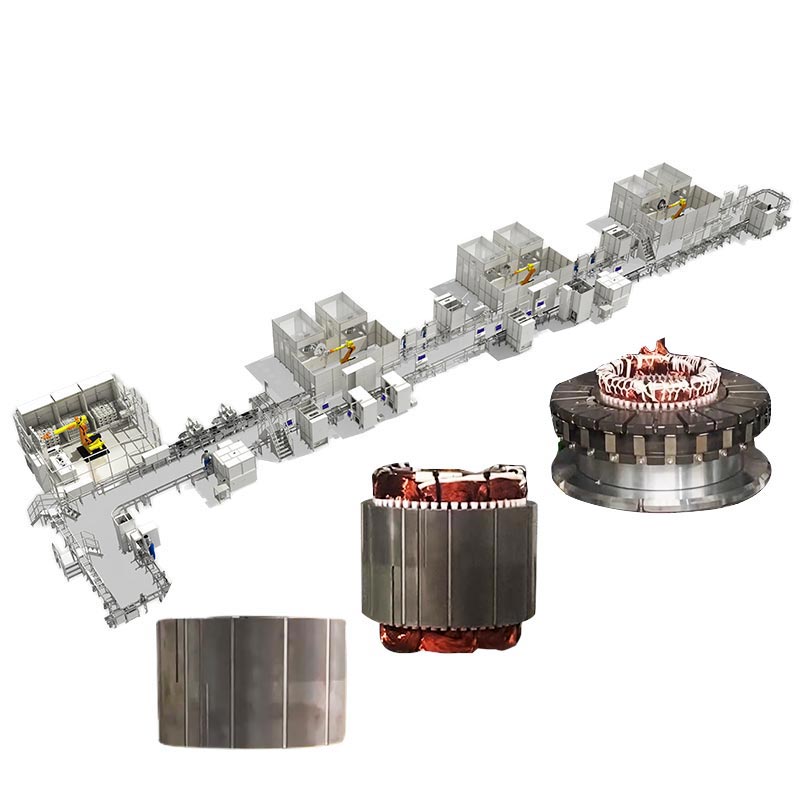 CE Certified
NIDE Automatic EV New Energy Motor Stator Production Line 220V/380V CE Certified
- End-of-Line Testing
- Servo Insertion
- Integrated IPC
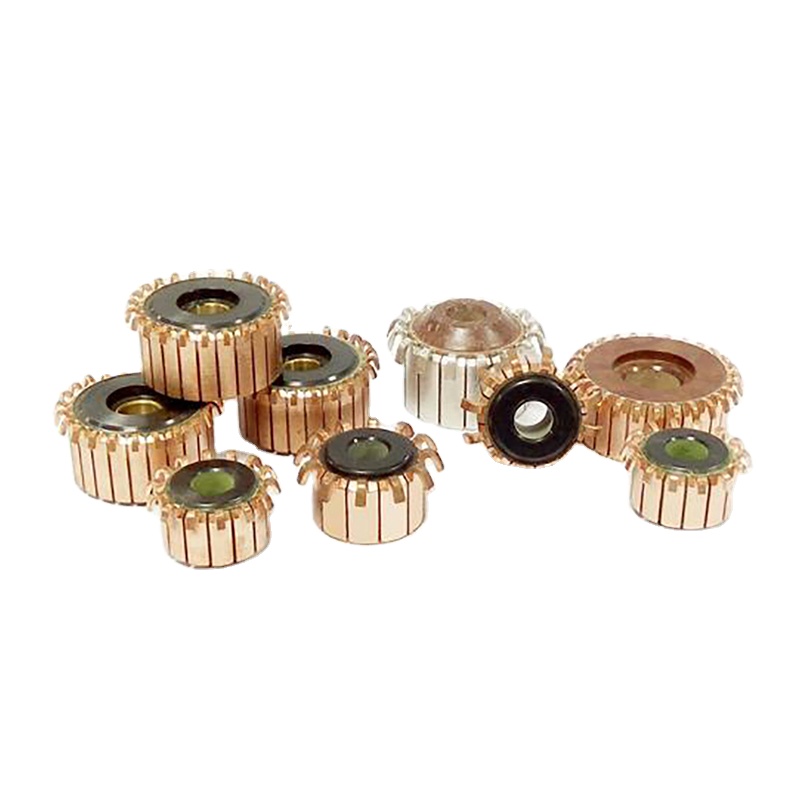 Components
Factory Wholesale NIDE Brand 12V Commutator Model NDPJ-HXQ-03007 CE
- Silver-Copper Alloy
- Dielectric Molded
- Dynamic Balance Tested
 Magnet Insertion
Automatic PLC Controlled BLDC Motor Rotor Magnet Inserting Machine System
- Pneumatic Pick & Place
- Adhesive Dispense
- Flux Polarity Check
Technical Blueprint: High-Torque Wheel Hub Motor Assembly Architecture
Direct-drive wheel hub motors (in-wheel motors) represent the pinnacle of modern mechanical integration by packaging electromagnetic propulsion, regenerative braking, planetary reduction gear sets (where applicable), and wheel rim mounting into an unsprung structural envelope. As manufacturing plants transition to direct motorization, building a versatile assembly line demands a comprehensive understanding of physical tolerances, thermal dissipation, magnetic balance, and automated mechanical joining.
Key Engineering Milestone: Transitioning from traditional internal-stator induction architectures to outer-rotor BLDC/PMSM configurations requires continuous magnetic air-gap monitoring under dynamic loads, where radial concentricity variations must remain under ±0.035 mm.
The manufacturing process begins at the stator core assembly. Utilizing cold-rolled non-oriented silicon steel laminations (typically 0.35 mm to 0.5 mm thickness), our high-speed needle winding machines execute distributed or concentrated fractional-slot windings. Servo-driven nozzle kinematics ensure uniform copper wire tension, preventing wire overlapping, micro-scratches on enamel insulation, or erratic phase resistances. End-turns are compacted using intermediate multi-direction forming dies before receiving a complete class-H insulation varnish bath and vacuum pressure impregnation (VPI).
Simultaneously, the outer rotor rim undergoes structural machining, adhesive dispensing, and automated permanent magnet (NdFeB or Ferrite) inserting. Our proprietary rotor stations implement automated dual-polarity verification sensors prior to ultraviolet or thermal adhesive curing. The critical bottleneck of magnetic assembly—combining an energized or un-energized high-flux permanent magnet rotor with the wound stator—is resolved using our servo-guided zero-cogging docking cell. Utilizing multi-axis load cells, the stator is drawn into the rotor envelope under programmable descent velocities, neutralizing uncontrolled lateral magnetic pull and protecting shaft bearing seats from brinelling.
Strategic Localization: Panama's High-Value Operational Scenarios
Leveraging the strategic position of the Colón Free Trade Zone and the Pacific-Atlantic multimodal trade corridor to spearhead Latin American electrification.
Colón Free Trade Zone Re-Export Assembly
Panama's free trade logistics hubs serve as ideal CKD (Completely Knocked Down) and SKD (Semi-Knocked Down) assembly centers. Manufacturing hub motors inside the zone allows tariff-optimized distribution into Central America, Colombia, and the Caribbean basin.
Panama Metro & Feeder Urban Micro-Mobility
Metropolitan Panama City faces complex urban topography. Municipal policies favor ultra-low-emission last-mile delivery trikes, electric scooters, and localized postal fleets, which utilize robust 500W to 3000W BLDC outer-rotor wheel hub motors built for tropical stop-and-go reliability.
Maritime Canal Towing & Port AGVs
The Panama Canal operating ecosystem relies heavily on electric heavy-duty vehicles, tug assist apparatus, and Automated Guided Vehicles (AGVs) across Balboa and Manzanillo terminals. Industrial hub motors eliminate mechanical gearboxes, enhancing corrosion survival in marine atmospheres.
Macro Trends: The Electrification Wave Across Panamanian Logistics
Panama is uniquely positioned to become Central America's foremost clean-energy hub. Under the framework of the National Electric Mobility Strategy (ENME - Estrategia Nacional de Movilidad Eléctrica), the Panamanian government has targeted aggressive reductions in transport emissions, mandating progressive electrification of public utility fleets, bus routes, and inner-city commercial transit.
The convergence of high humidity, coastal saline atmospheres, and year-round high ambient temperatures presents extreme operational demands on electric motors. Consequently, regional assemblers are shifting investments toward fully automated assembly lines capable of delivering IP67-rated potting, sealed rotor covers, automated epoxy stator coating, and hermetic electrical terminal crimping. By setting up decentralized assembly stations within Panama Pacífico or the Colón Free Trade Zone, capital equipment buyers drastically lower ocean freight overheads for finished vehicles, mitigate regional supply chain disruptions, and ensure swift maintenance access for fleets across both oceans.
Manufacturing Excellence & Turnkey Capabilities
Comprehensive vertical integration from custom tooling and CNC parts fabrication to complete factory run-off approval.
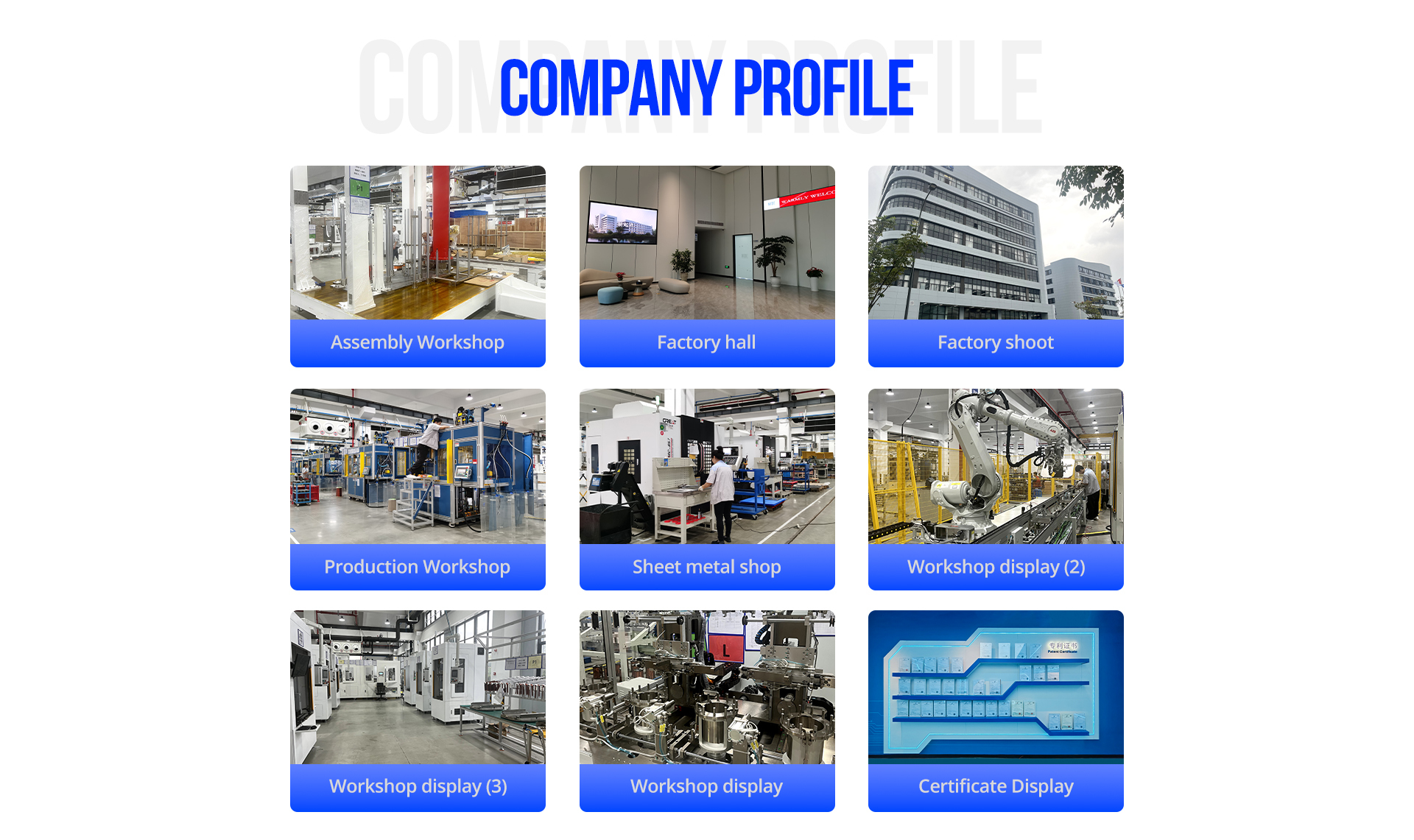

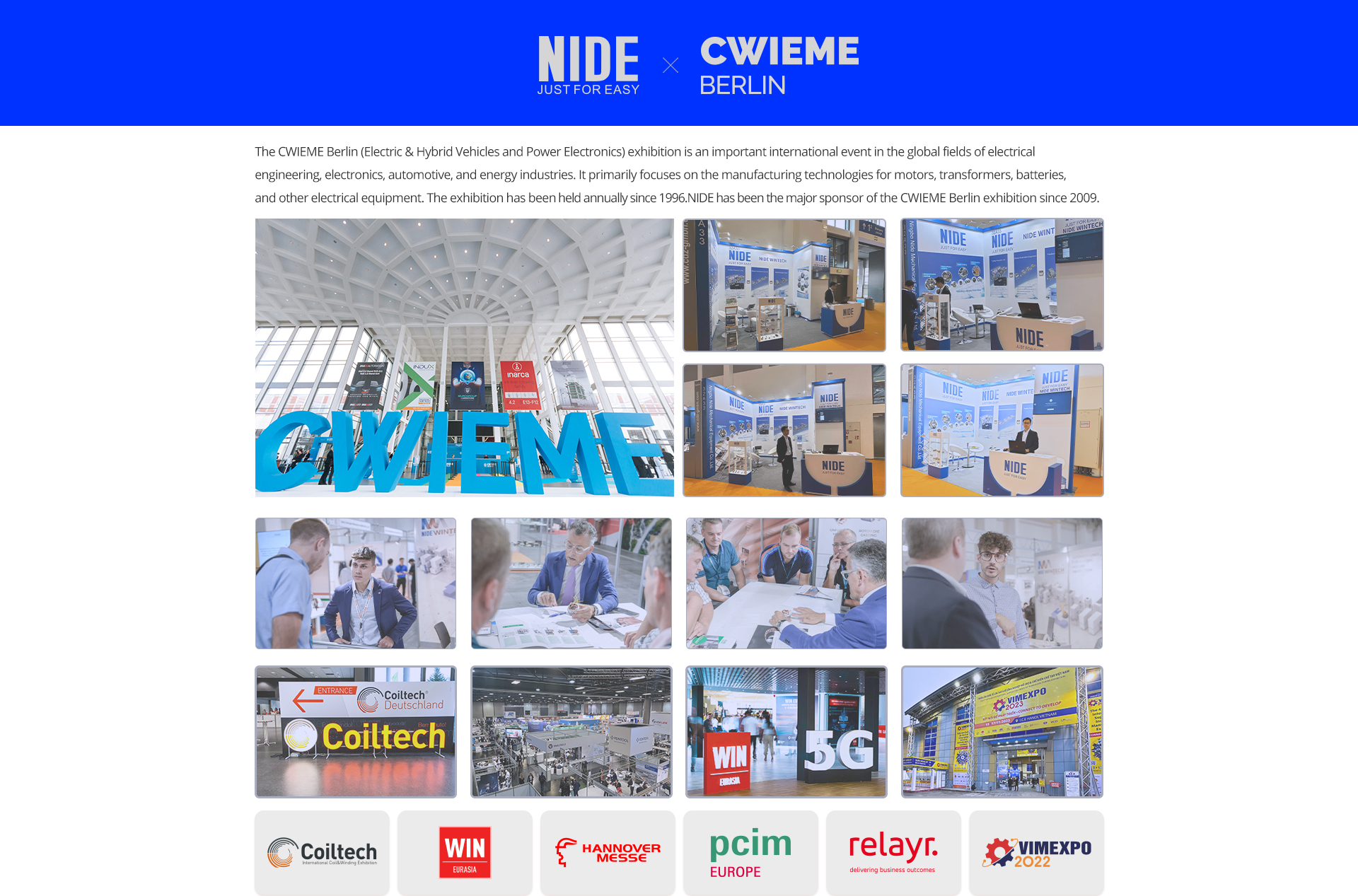
Why Global Sourcing Directors Partner with Ningbo Nakro
Decades of field experience translated into modular, high-uptime machinery designed for seamless international deployment.
Turnkey Component Synergy
Beyond capital machinery, we provide single-source supply of matched core components: permanent neodymium arc magnets, copper comms, insulation liners, dynamic-rated ball bearings, and specialized motor covers to validate processes immediately.
Rigorous Client Pre-Shipment Run-Off
Every hub motor assembly cell undergoes factory run-off using your real-world copper wire, laminations, and rotor shells. Full high-definition video documentation and electrical test certifications are approved before container sealing.
Adaptive Latin America Support
With established technical partners and remote VPN telemetry diagnostics across Latin America, our PLC architectures allow direct engineering interventions, live software updates, and rapid dispatch of precision tooling sets.
Frequently Asked Questions for Panamanian & Regional Buyers
Real-world insights on customs, voltages, plant compatibility, and localized procurement protocols.
How do Nakro motor machines accommodate Panama’s electrical grid standard? +
Panama operates primarily on 120V/240V split-phase for light commercial applications and 208V, 220V, or 480V 3-phase at 60 Hz for industrial manufacturing parks (such as Panama Pacífico or Colón). Nakro builds custom multi-tap transformer cabinets and programs all variable frequency drives (VFDs) and servo motors to match exact local 60 Hz plant inputs, preventing overheating and ensuring full cycle stability.
Can the assembly line handle varying hub motor sizes for e-scooters up to heavy cargo trikes? +
Yes. Our modular assembly lines feature quick-change tooling fixtures. A single line can accommodate stator outer diameters from 100 mm to 350 mm and stack heights from 15 mm to 65 mm. Parameter changeovers are accomplished within 15–30 minutes through recipe selection on the primary industrial touchscreen HMI.
What logistics routes and ports do you utilize for shipments into Panama? +
We export directly from Ningbo Port (one of the world's highest-volume container terminals) directly to Port of Balboa (Pacific side) or Port of Cristobal / Manzanillo International Terminal (Atlantic side). All machines are vacuum-sealed with anti-corrosion VCI films, heavy desiccant packs, and packed into ISPM 15 heat-treated fumigated solid wooden crates engineered for maritime transit.
Are your control systems compatible with international safety and communication protocols? +
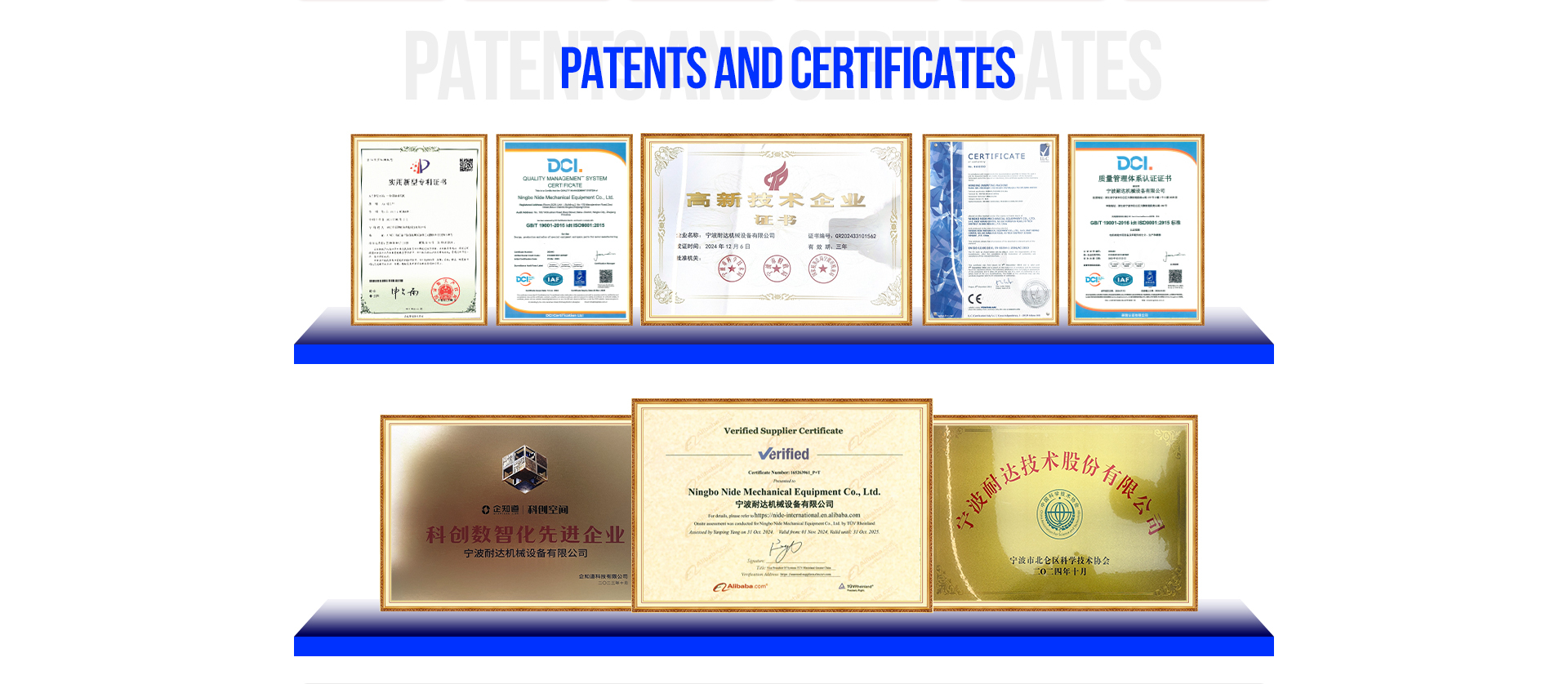
All Nakro production units comply with European CE safety directives, low-voltage regulations, and ISO 9001 quality systems. We utilize globally supported PLC brands (such as Omron, Siemens, or Mitsubishi) equipped with Ethernet/IP or Profinet fieldbus options, facilitating seamless integration into local ERP and SCADA factory platforms.
How is on-site installation, commissioning, and operator training managed in Panama? +
We offer a two-pronged commissioning pathway: either our senior mechanical and software field engineers deploy directly to your facility in Panama for turnkey anchoring, wiring, and operator training, or our technical team conducts an assisted digital commissioning process using direct industrial VPN links to the line’s PLC interface.
