High-Precision Motor Assembly Machinery & Core Components
Engineered for durability, high copper fill factors, and rapid cycle times. Each machine integrates industrial-grade PLC architectures, digital servo tension controls, and factory run-off verification.
Universal Motor Manufacturing Architecture for Severe Climates
Deep architectural engineering addressing thermal dissipation, airborne particulate contamination, and high-duty mechanical stress in the Antofagasta mineral basin.
1. Electromagnetic Core Stacking & High-Frequency Hot Chamber Casting
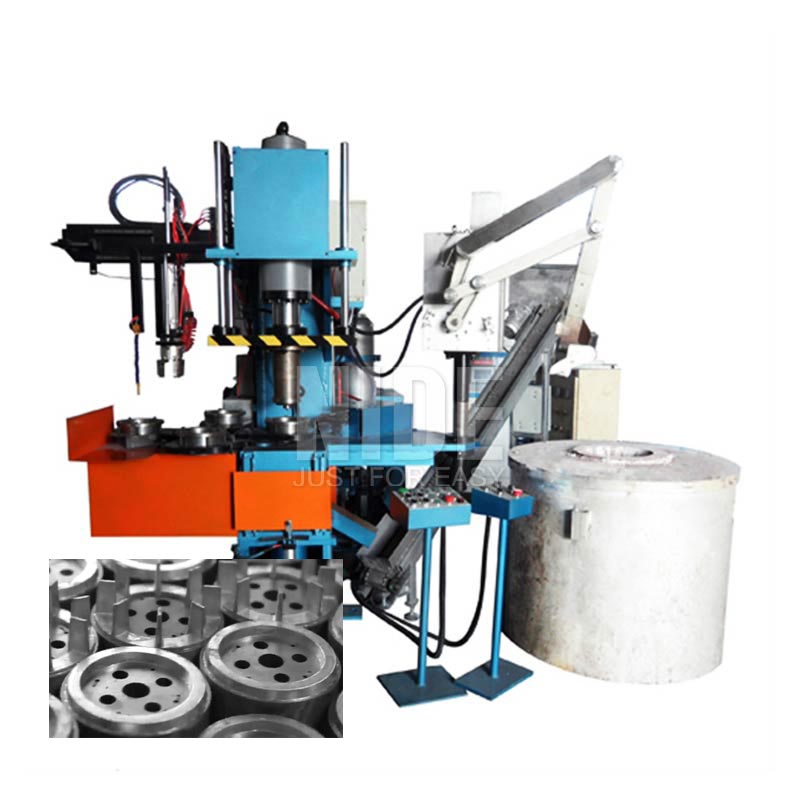
In high-torque universal motors and induction apparatus operating across northern Chile’s industrial zones, rotor integrity is governed by magnetic flux density uniformity and inter-lamination resistance. Our automated lines utilize pneumatically stabilized skew-stacking fixtures that align silicon steel sheets (0.35mm to 0.5mm grade) with tolerances under 0.02mm. For squirrel-cage configurations and heavy-duty armatures, the integrated hot chamber die-casting module injects molten aluminum or specialized alloys under variable closed-loop pressure curves, preventing subsurface microporosity that typically leads to high harmonic distortion and premature rotor bar fracturing under sudden load variations.
Furthermore, each stack undergoes computerized slot-skew detection. This mechanical geometry suppresses high-order cogging torque and magnetic noise—vital for compact power tools, mining ventilation actuators, and centrifugal sample-slurry pumps deployed across Antofagasta's mineral processing facilities.
2. Dual-Flyer Dynamic Balancing, Servo Tensioning, and Commutator Fusing
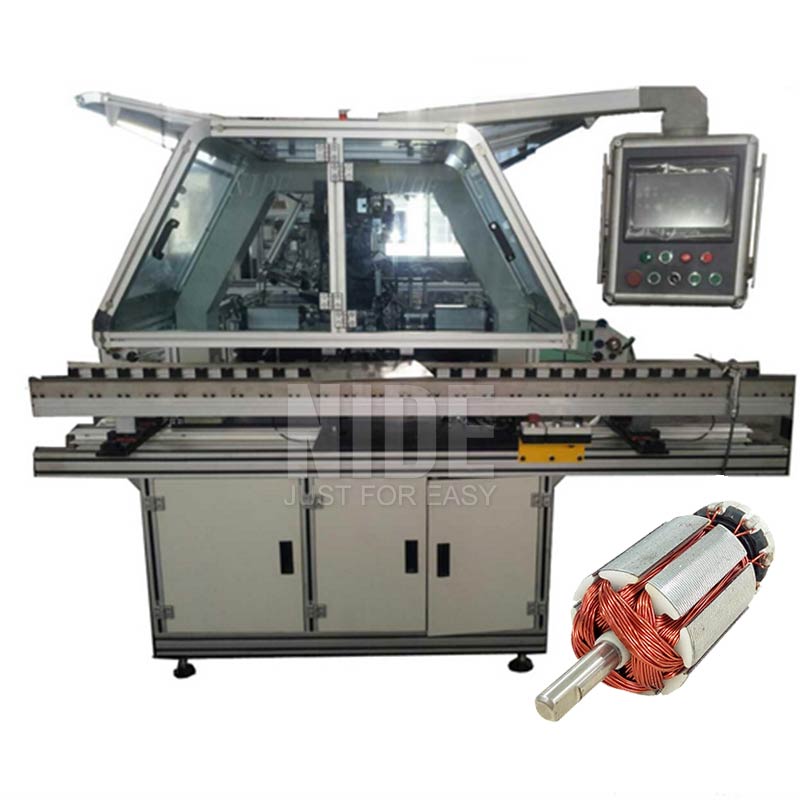
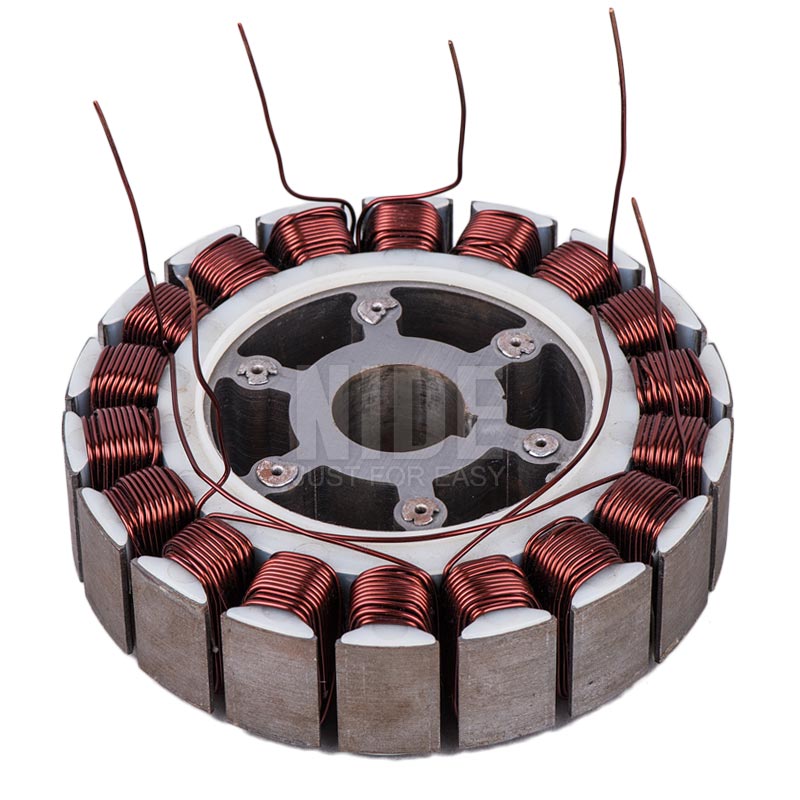
Universal motors operating in dust-heavy desert operations demand exceptionally stable winding execution. Our PLC-governed double-flyer armature winding machines implement multi-axis synchronous servo control with dynamic closed-loop wire tensioning. This design eliminates micro-abrasions on Grade-2 ester-imide enamelled copper wire, preventing phase-to-phase shorting during sustained high-RPM operation (18,000–28,000 RPM).
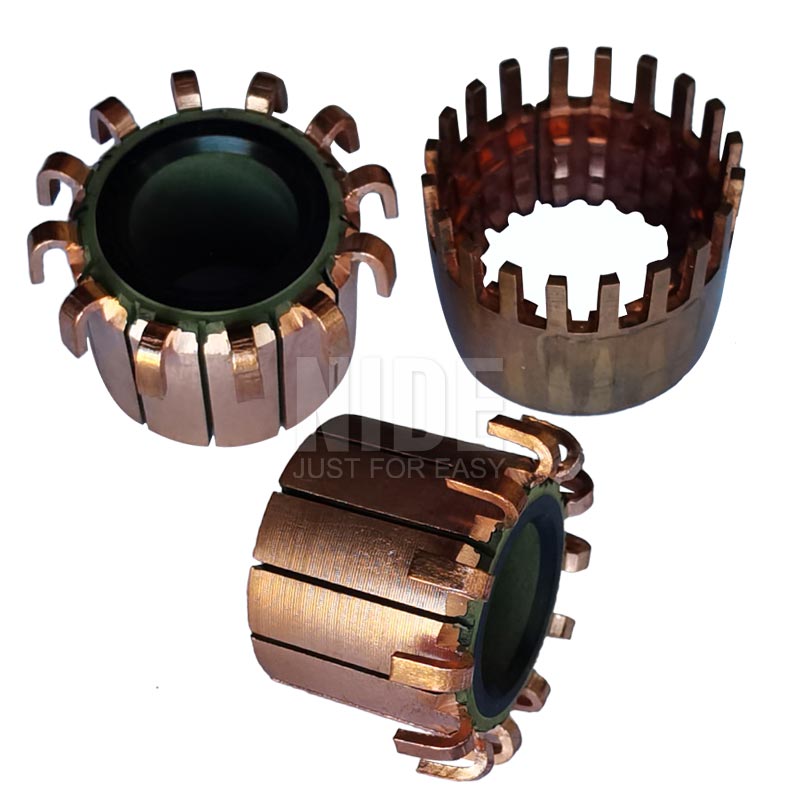
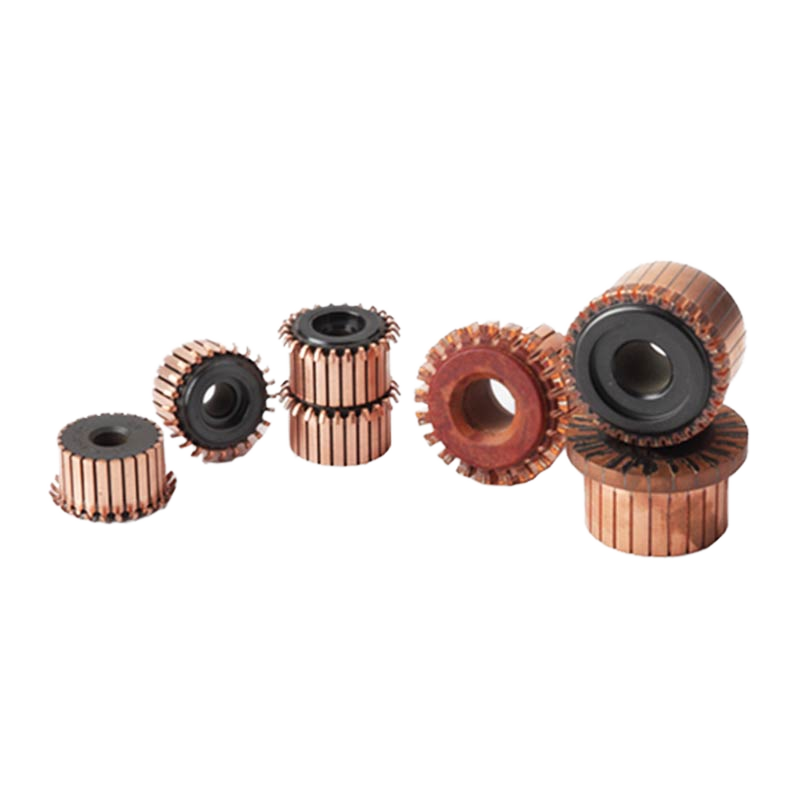
Following winding, wire leads are fused to the 12-segment or 24-segment copper hook commutators via high-precision inverter resistance hot staking. By tightly governing current rise time and electrode displacement, the line forms a homogenous molecular weld between the enamelled copper and commutator hook, yielding a contact resistance variance below 0.05 mΩ across all segments. The armature then transfers automatically to dual-plane dynamic balancing, which executes robotic V-milling to achieve ISO 1940 G2.5 balance quality.
3. Environmental Insulation, Trickle Varnishing, and End-of-Line (EOL) Diagnostics
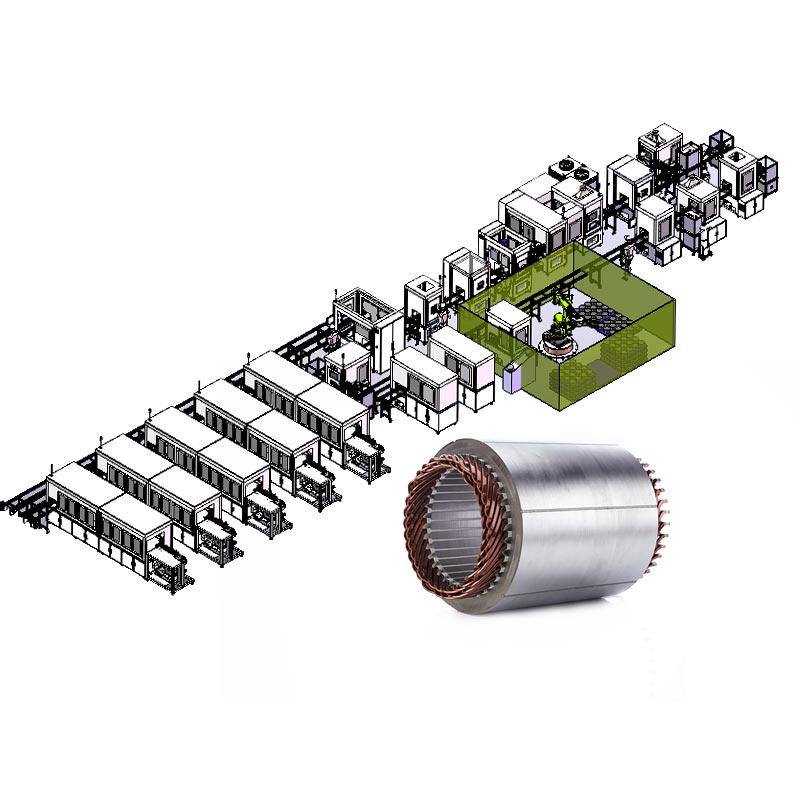
The hyper-arid climate of the Atacama plateau features intense solar radiation, extreme diurnal thermal cycling (from -5°C at dawn to +35°C at midday), and airborne airborne particulate silica. Our production assembly line features an enclosed Class H/C automated trickle varnishing station. By applying pre-heated infrared stator rotation followed by low-viscosity epoxy resin percolation, the assembly achieves complete void penetration inside the winding slot cavities.
Before release, every assembled motor unit or wound subassembly passes an automated multi-function testing bench. The system performs instantaneous Hipot insulation verification (up to 2,500V AC), inter-turn surge testing with impulse comparison waveform analysis, direct-current resistance balance checks, and running vibration signature capture via FFT spectrum analysis, guaranteeing full conformity with international IEC and NEMA guidelines.
Engineered for Antofagasta’s Demanding Operational Realities
Antofagasta is the hub of Chile's copper and lithium mining supply chains. Our assembly systems empower regional machine rebuilders, Tier-1 equipment contractors, and OEM component fabricators to achieve complete production sovereignty.
Heavy-Duty Mining Power Tools
Universal motors produced on our lines power high-torque heavy angle grinders, magnetic core drill units, demolition hammers, and impact drivers operating daily in severe dust environments at Escondida, Spence, and Chuquicamata. The high copper fill and resin encapsulation prevent particulate erosion.
Solvent Extraction & Chemical Dosing Pumps
Electrowinning (SX-EW) copper circuits and lithium brine processing around the Salar de Atacama require precise chemical metering pumps. Our assembly stations configure chemical-resistant universal and BLDC stators engineered for continuous modulating duty cycles under acidic atmosphere conditions.
Off-Highway Fleet Actuators & Auxiliary Units
Auxiliary HVAC blowers, windshield wiper systems, starter armatures, and hydraulic cooling blowers on ultra-class haul trucks require high thermal ratings. Our turnkey solutions deliver flexible tooling changes that allow manufacturers to produce both universal and permanent-magnet DC armatures on a single modular line.
Emerging Trends Across the Antofagasta Industrial Corridor
Chile’s national policies regarding green mining, carbon neutrality by 2050, and local value-added manufacturing are fundamentally changing procurement criteria for rotating electrical machinery.
Shift toward In-Region Motor Rebuilding & Remanufacturing
Supply chain disruptions along maritime routes to the Port of Antofagasta and Mejillones have prompted mining consortia to contract local maintenance providers capable of re-manufacturing armatures and stators in-region, driving capital investment into automated winding and testing machinery.
Electrification of Mining Light Vehicles & Auxiliary Gear
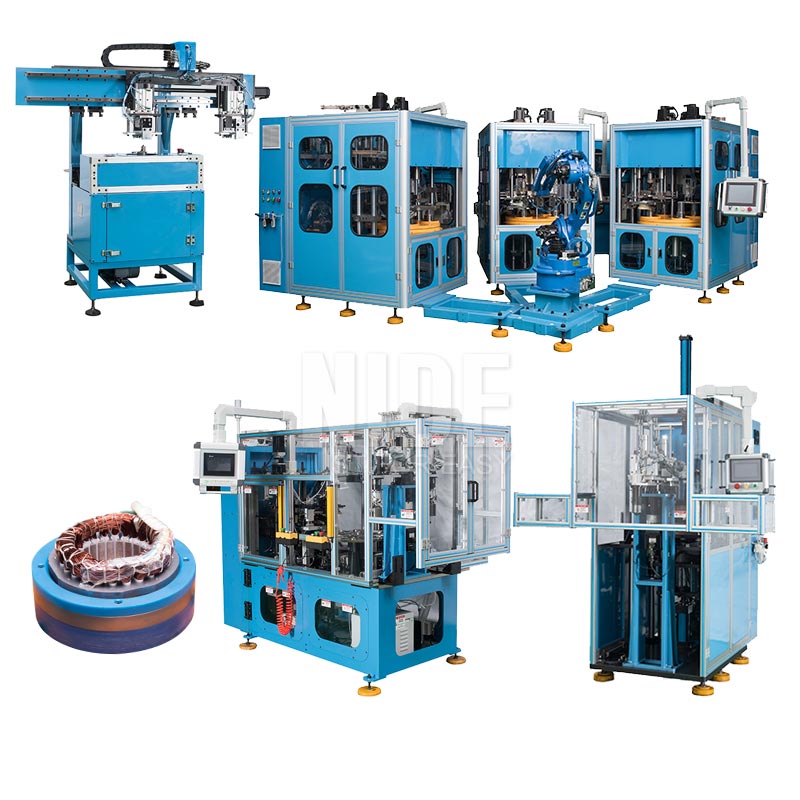
Underground operations in Calama and Antofagasta are progressively banning internal combustion support vehicles. The market is adopting flat-wire hairpin stators and BLDC wheel motors, making our modular EV hairpin and BLDC production cells critical infrastructure for forward-looking regional facilities.
Energy Efficiency Upgrades: NEMA Premium & IEC IE4/IE5
With industrial power tariffs reflecting high baseline transmission costs across the Norte Grande grid, regional processing plants demand ultra-efficient motors. Nakro lines integrate high slot-fill tooling (up to 78%), direct insertion blades, and low-loss varnishing to surpass baseline IE3/IE4 regulatory energy codes.
Ningbo Nakro Intelligent Equipment: Engineering Integrity Since 2010
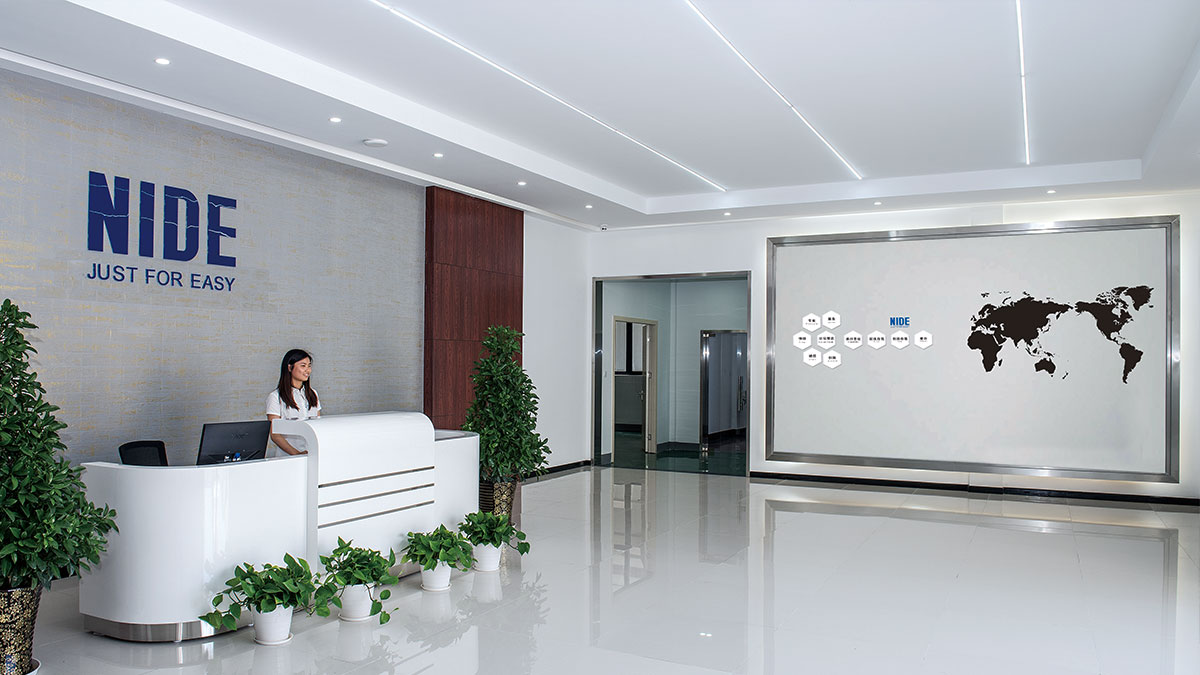
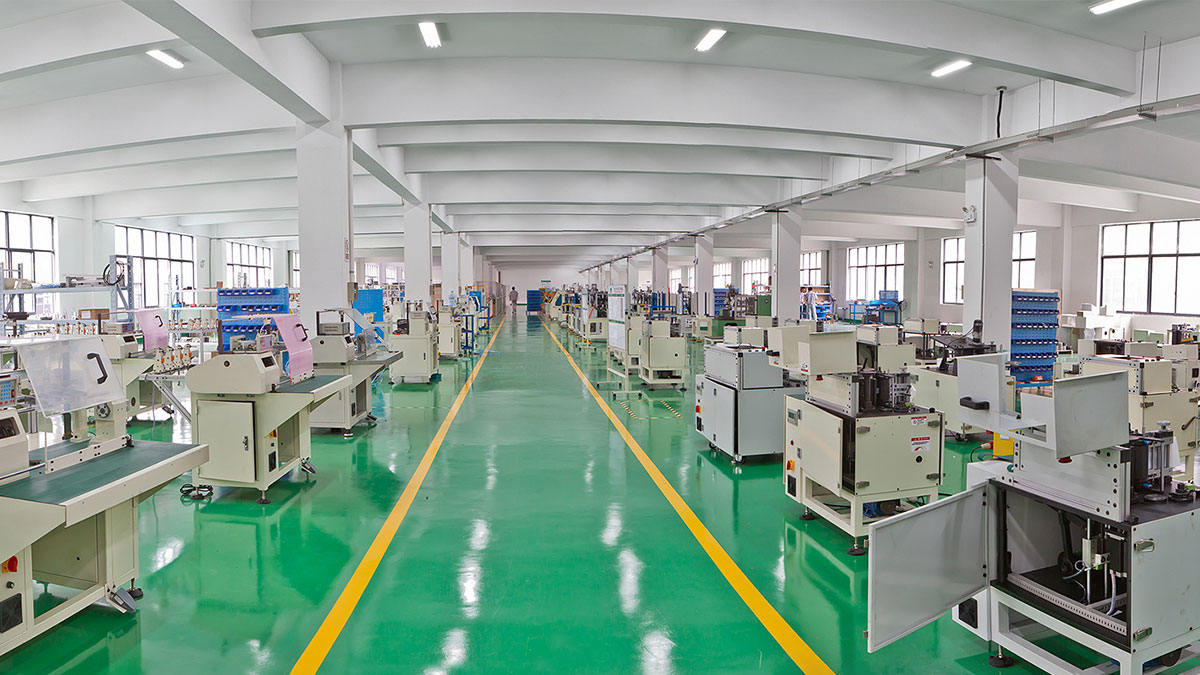
Operating from a 30,000+ m² modernized industrial complex in Ningbo, China, Nakro has established a global footprint as an ISO 9001 certified designer and exporter of motor manufacturing turnkey lines. We eliminate the gap between high-precision mechanical engineering and real-world industrial deployment.
Frequently Asked Questions for Antofagasta Procurement
Clear answers addressing shipping logistics to Northern Chile, local power compatibility, voltage requirements, and after-sales field support.
