Industrial Technical Whitepaper & Solutions

Stator Production Line Factories & Supplier in Nicaragua

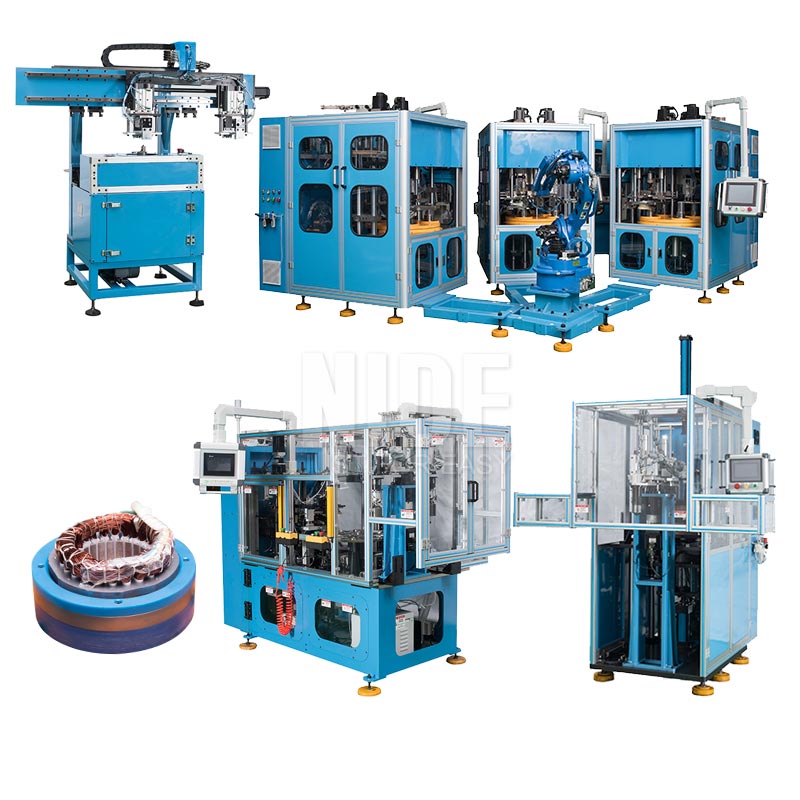
Engineering Turnkey Electric Motor Automation: High-Efficiency Stator Winding, Wedge Inserting, and Assembly Systems Adapted for Central American Industrial Expansion.

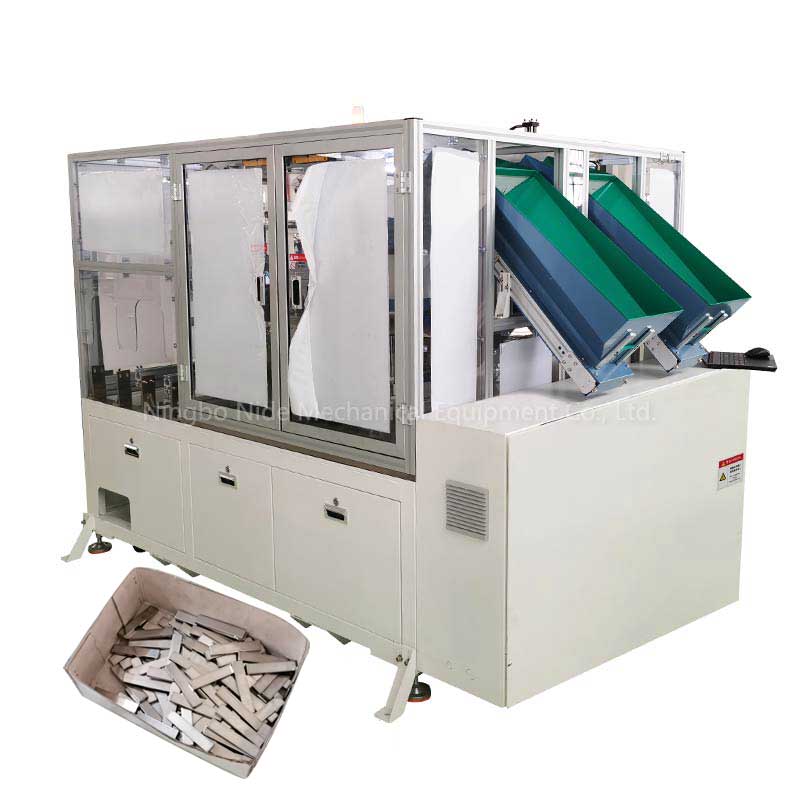
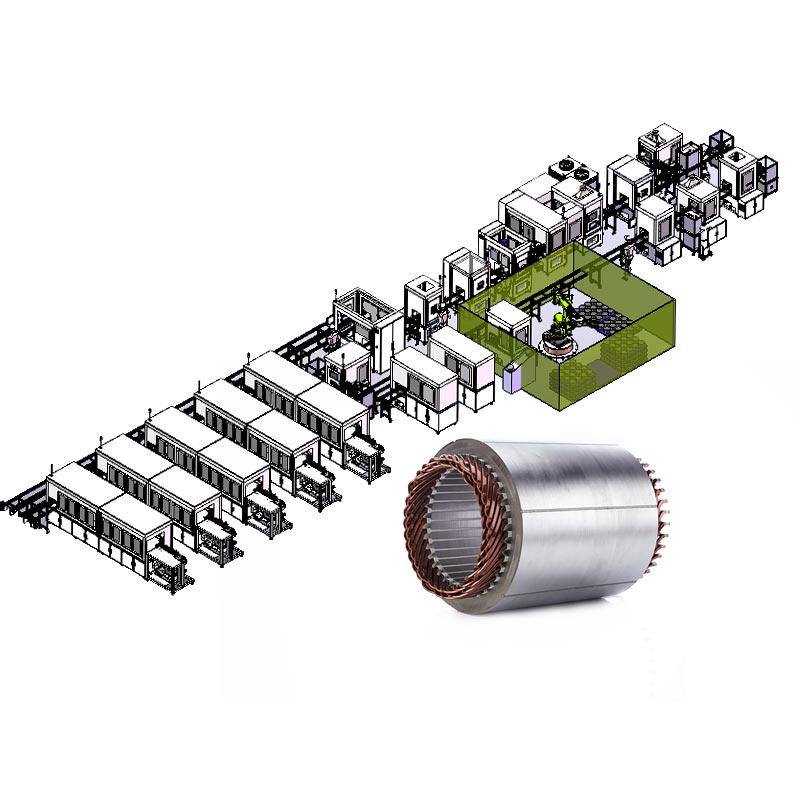
Engineered Stator Production Equipment & High-Grade Motor Components

Explore our integrated range of automatic stator coil winding machinery, hairpin production lines, precision DC armatures, and premium permanent magnetic assemblies. Built under rigid ISO 9001 standards to empower regional manufacturing productivity.

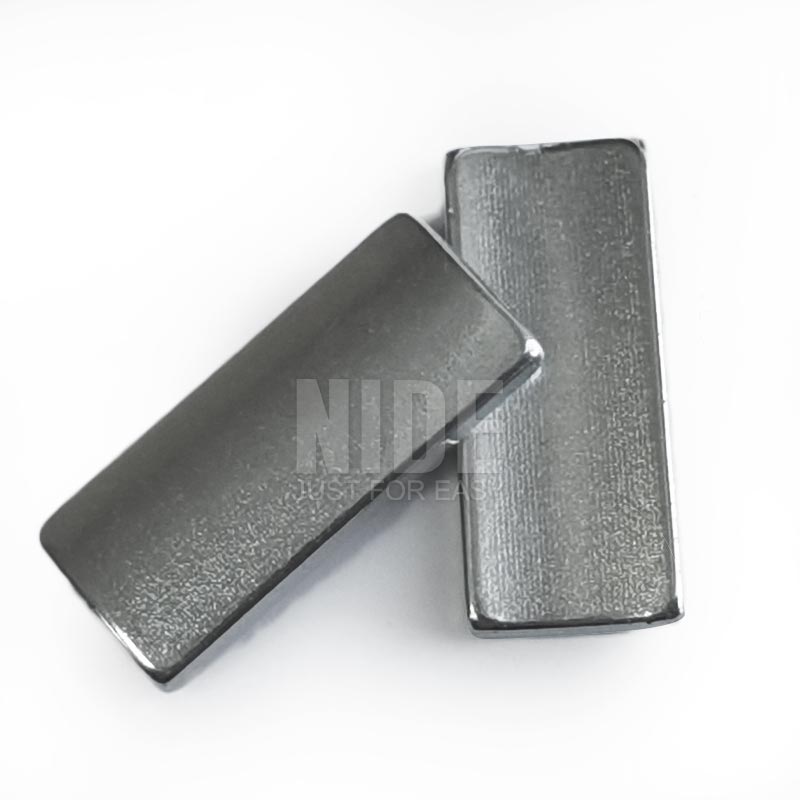
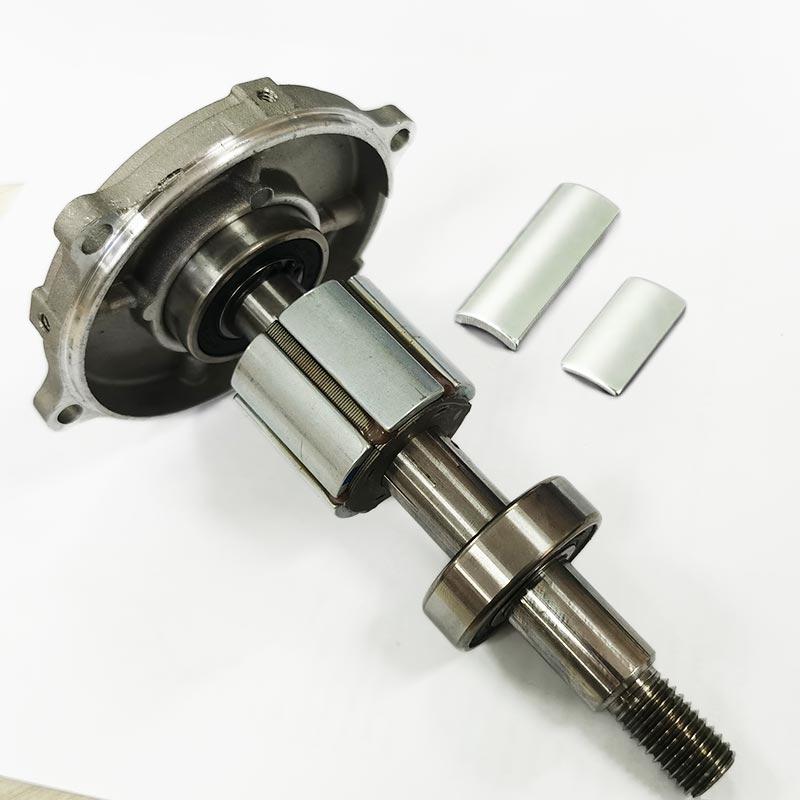
Components Customized N52 Neodymium Magnets for Electric Motor Rotor

Customized N52 Neodymium Rotor Magnets

High-permeability customized sintered NdFeB magnets (Model NDPJ-CW-62 3) delivering ultra-high remanence and thermal endurance for high-efficiency PM brushless and hub motor rotors.

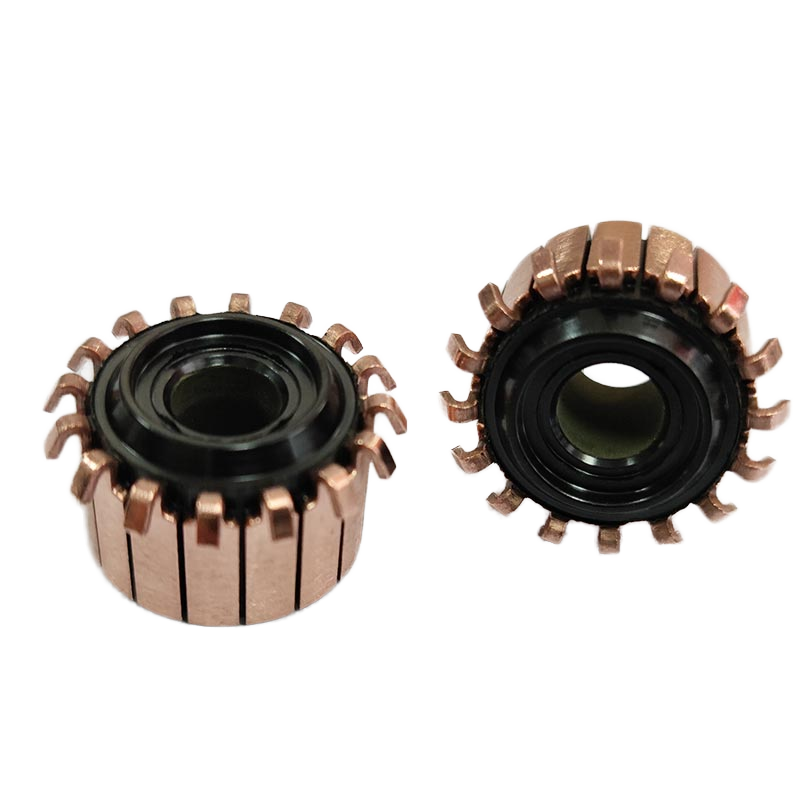
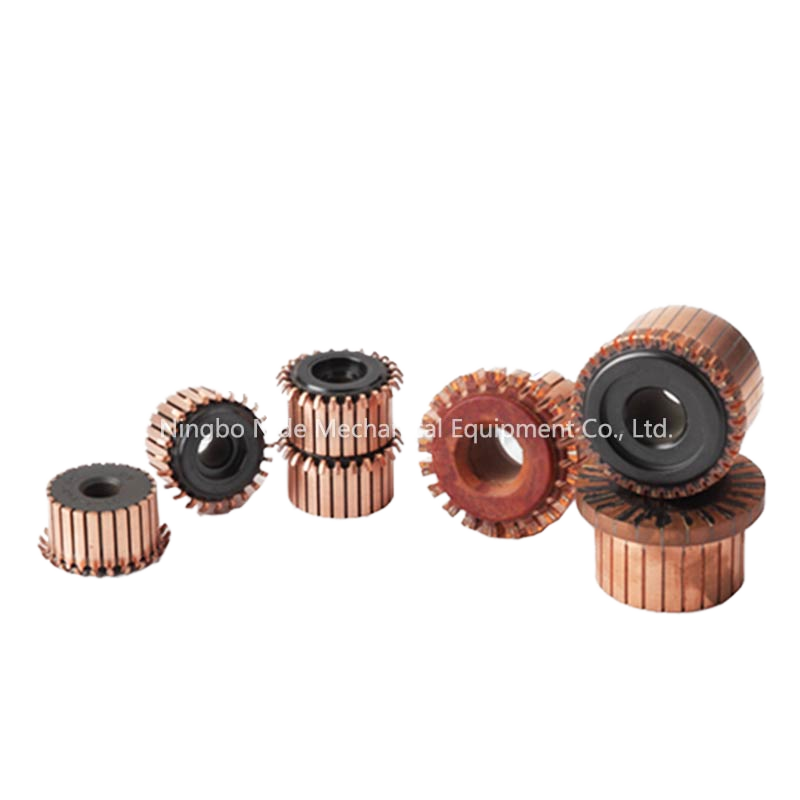
Precision High Precision DC Motor Armature Collector Slip Ring Commutator

DC Motor Armature Slip Ring Commutator

CE-certified high-precision slip ring commutators (Model NDPJ-HXQ) featuring mica insulation, silver-copper alloys, and integrated rotor-stator fan balance for minimal electrical noise.

2010
Foundation Year
50+
Countries Exported
30,000+
m² Workshop Facility
ISO 9001
Certified Quality Control

Strategic Stator Manufacturing Integration in Nicaragua

Addressing supply chain regionalization, high-efficiency electrical equipment replacement, and localized assembly lines across Managua, Tipitapa, and León industrial corridors.

As Central America accelerates infrastructure modernization and sustainable electrification, the demand for high-reliability rotating electrical equipment in Nicaragua has transitioned from relying entirely on finished imports toward developing local assembly, rewinding, and sub-tier manufacturing capabilities. The installation of modern stator production lines in Nicaragua addresses several foundational pillars of the national economy: agro-industrial irrigation pumping, municipal water processing, sugar cane processing facilities (ingenios), food processing packaging drives, and the rapid expansion of light electric mobility vehicles such as electric cargo tricycles and commuter motorcycles.

A critical technical challenge faced by Nicaraguan plant managers and mechanical engineers is the harsh environmental envelope characteristic of the Pacific and central regions. Tropical humidity, elevated ambient temperatures exceeding 35°C, volcanic ash presence, and localized electrical grid harmonic distortions demand motor stators with exceptional thermal endurance (Class H insulation compliance), void-free slot fill ratios, and flawless resin trickle impregnations. Operating automated production stations—spanning slot cell paper insertion, servo-driven needle or flyer winding, precision coil grouping, automatic wedge insertion, and CNC 3D coil forming—guarantees electrical insulation integrity that manual motor rewinding shops cannot reproduce.

Technical Whitepaper: Stator Core Geometry & Electromagnetic Optimization for Tropical Climates

In tropical environments such as those across the Department of Chinandega and Managua, motor operational efficiency hinges on controlling core losses (eddy current and hysteresis losses) alongside copper winding thermal dissipation. Our automated stator production systems process cold-rolled non-oriented electrical steel (CRNGO) laminations down to 0.35mm thickness with minimal punching burr (<0.02mm), ensuring optimal stack clamping pressure. Servo-controlled continuous tension winding ensures uniform enamelled copper wire elongation without dielectric coating micro-fractures, directly mitigating surge breakdown risks caused by voltage sags and line fluctuations typical of decentralized regional grids.

Agro-Industrial Water Pumps

Automated three-phase stator manufacturing cells for continuous-duty submersible deep-well and surface centrifugal pumps required in intensive rice, coffee, and sugarcane irrigation.

Light E-Mobility Assembly

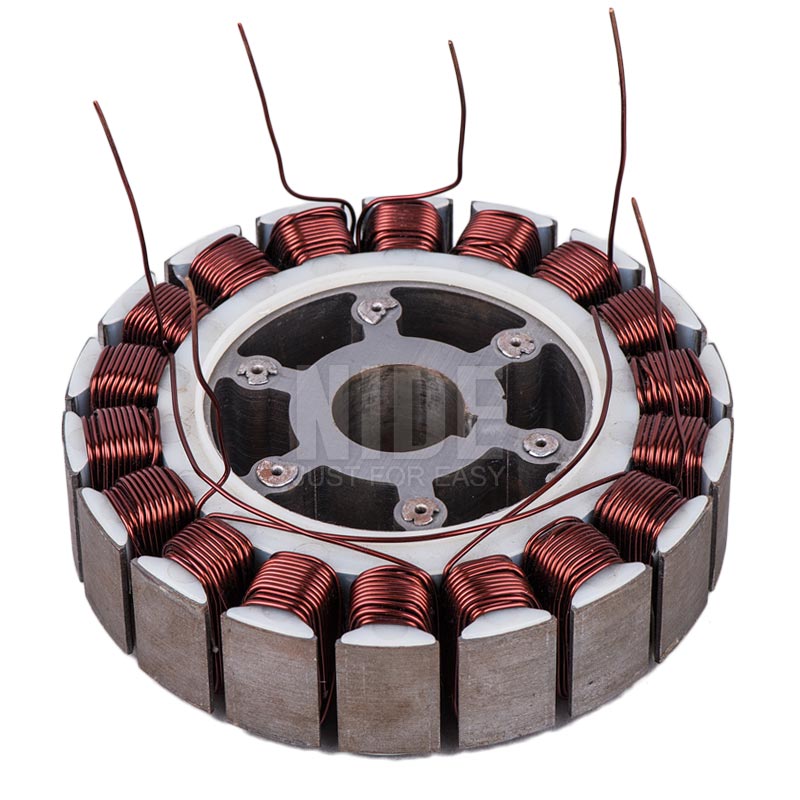
High-torque outer-rotor BLDC wheel hub motor stator winding lines catering to the burgeoning urban fleet of electric delivery bikes, rickshaws, and commuter scooters across Managua.

Free Trade Zone (Zona Franca) OEM

Custom semi-automatic cells for contract manufacturers assembling sub-fractional HP blower motors, appliance cooling fans, and export-grade industrial drive assemblies.
Industrial Trends Driving Automated Motor Assembly in Central America

The transition from manual artisan coil winding to automated CNC multi-station stator manufacturing represents a critical leap for Nicaraguan industrial engineers. The historical dependence on imported replacement stators leads to substantial lead times (often 8 to 16 weeks via maritime shipping) and unpredictable customs clearance costs at Puerto Corinto.

Furthermore, the regional policy shifts encouraging renewable mini-grids and high-efficiency standard compliance (IE3 and IE4 electric motor efficiency ratings) render legacy rewind procedures obsolete due to high internal resistive losses. Modern automated stator production plants allow manufacturers to:

  • Achieve slot copper fill factors exceeding 75% without mechanical damage to magnet wire insulation.
  • Integrate in-line automated end-of-line electrical testing (surge comparative, high-potential AC hipot, and micro-ohm winding resistance).
  • Reduce human labor variance while cycling batch product tooling in under 25 minutes for non-standard low-volume high-mix runs.
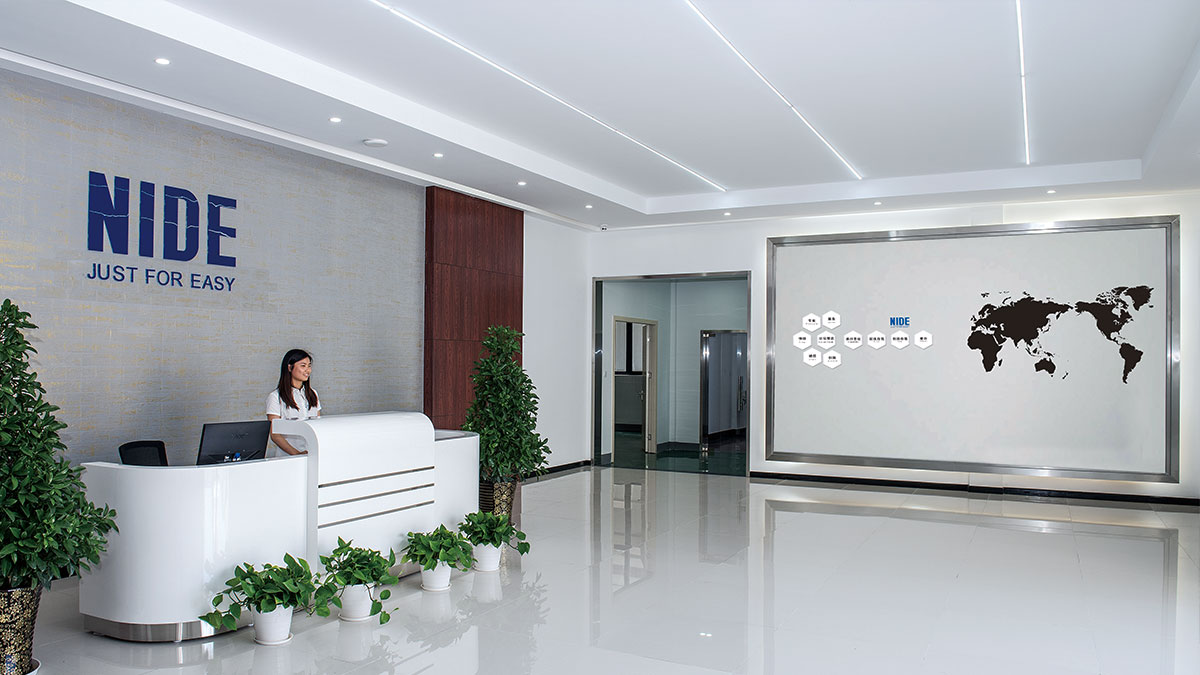
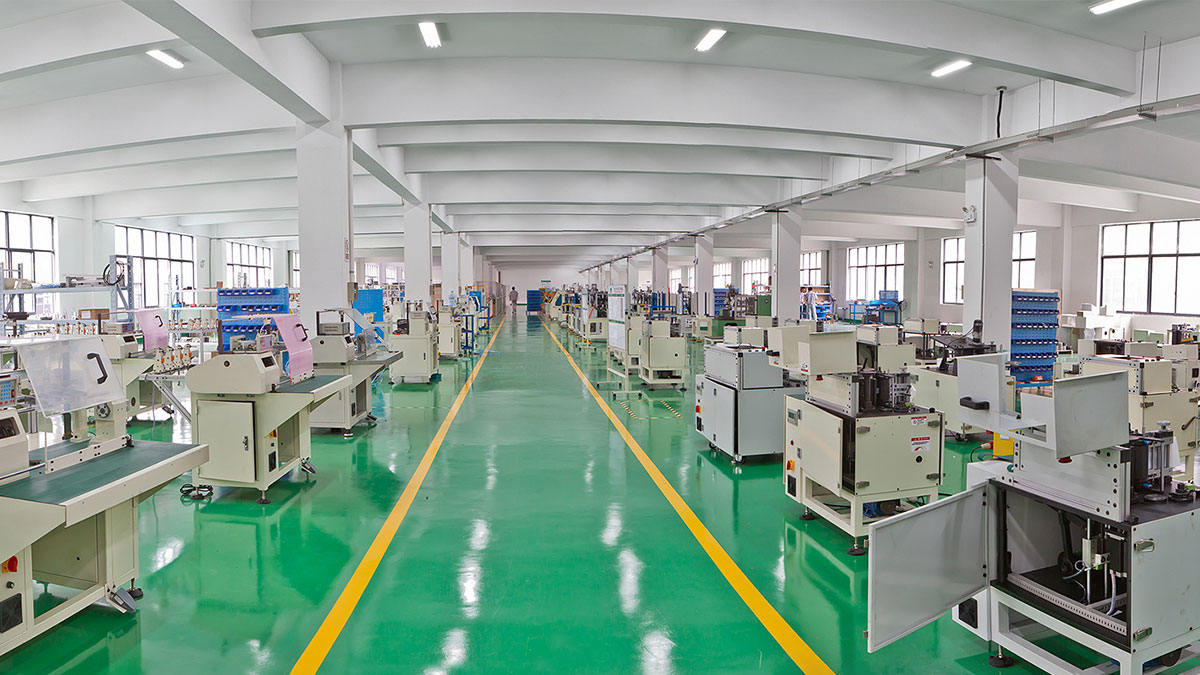
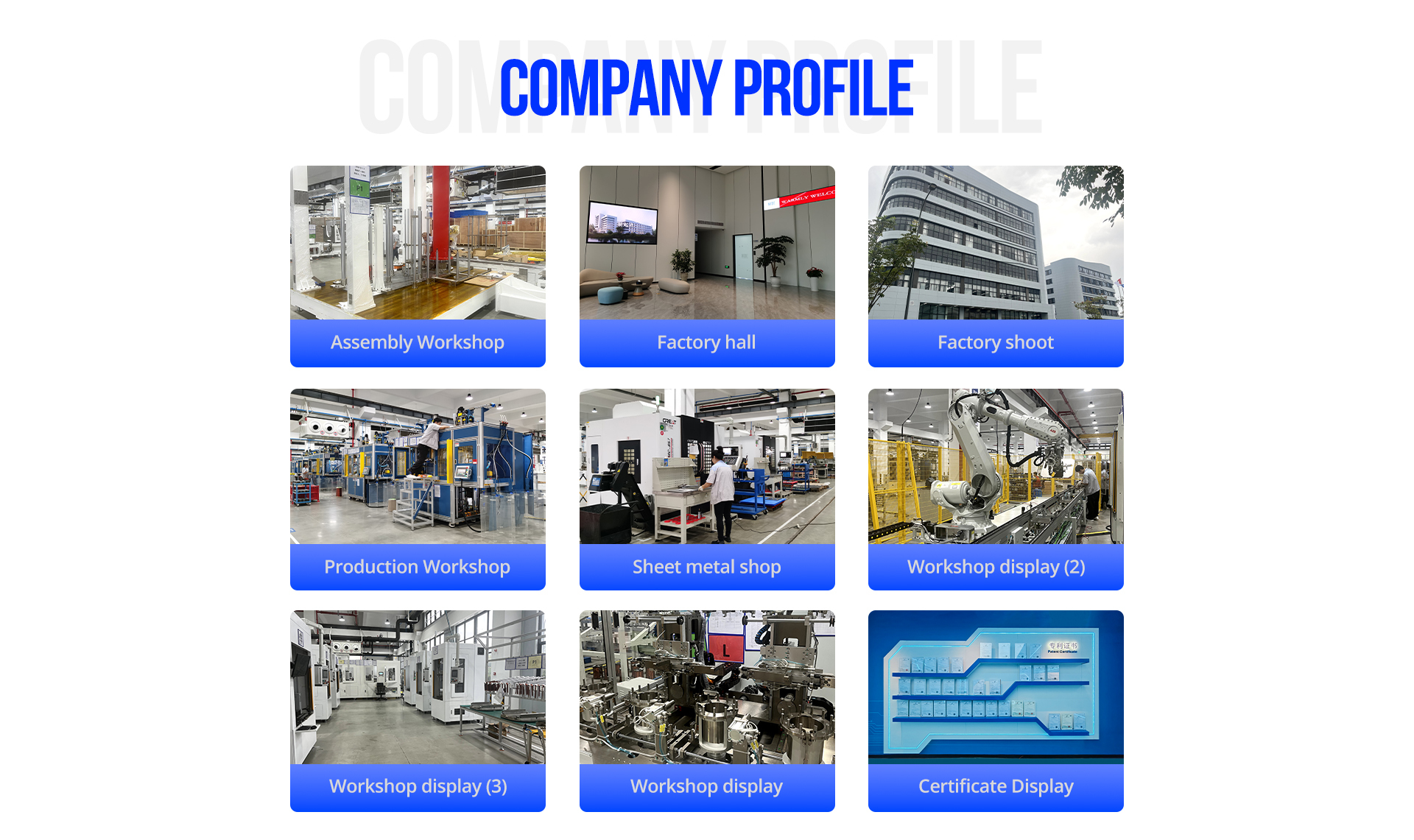
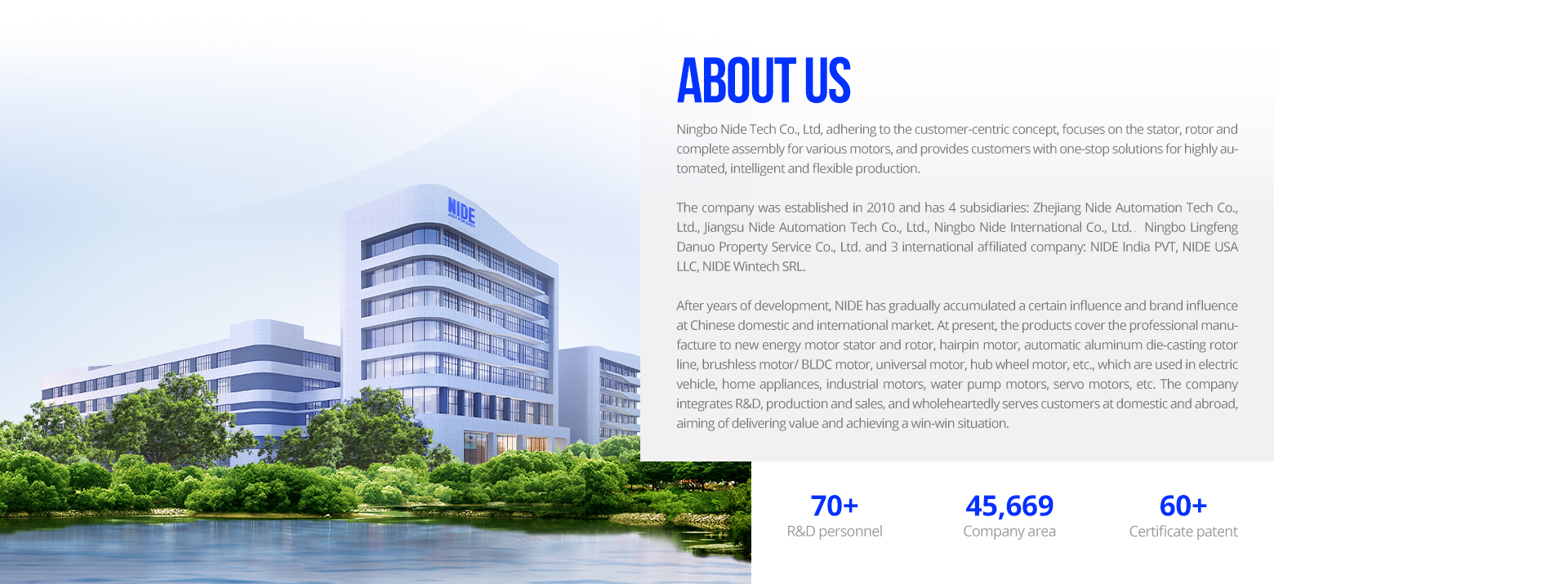
Ningbo Nakro manufacturing complex
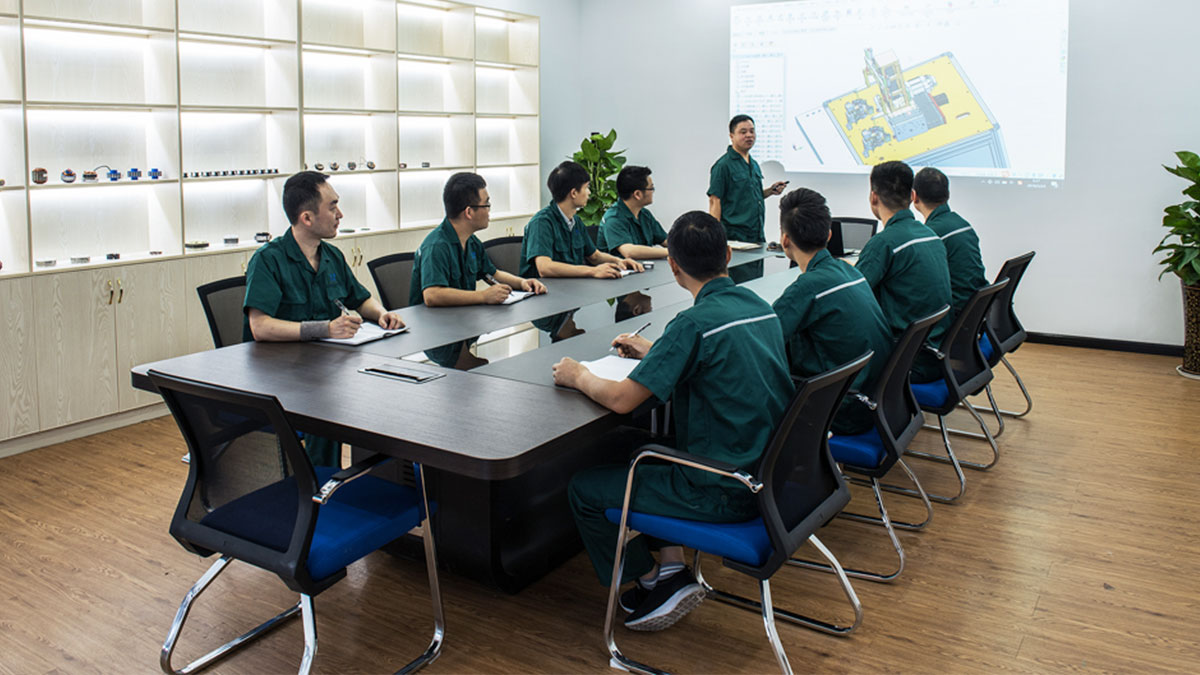
Stator assembly workshop
Automated machine trial run

Enterprise Strengths & Turnkey Supply Excellence

Ningbo Nakro Intelligent Equipment Co., Ltd. provides complete electromagnetic process engineering, from initial stack tooling to factory acceptance testing (FAT) and commissioning.

ISO 9001 Certified Manufacturing

Every stator winding machine and integrated line adheres to rigid ISO 9001 quality systems. Structural components undergo finite element stress relief, while drive trains utilize premium Omron, Mitsubishi, and Schneider automation backbones.

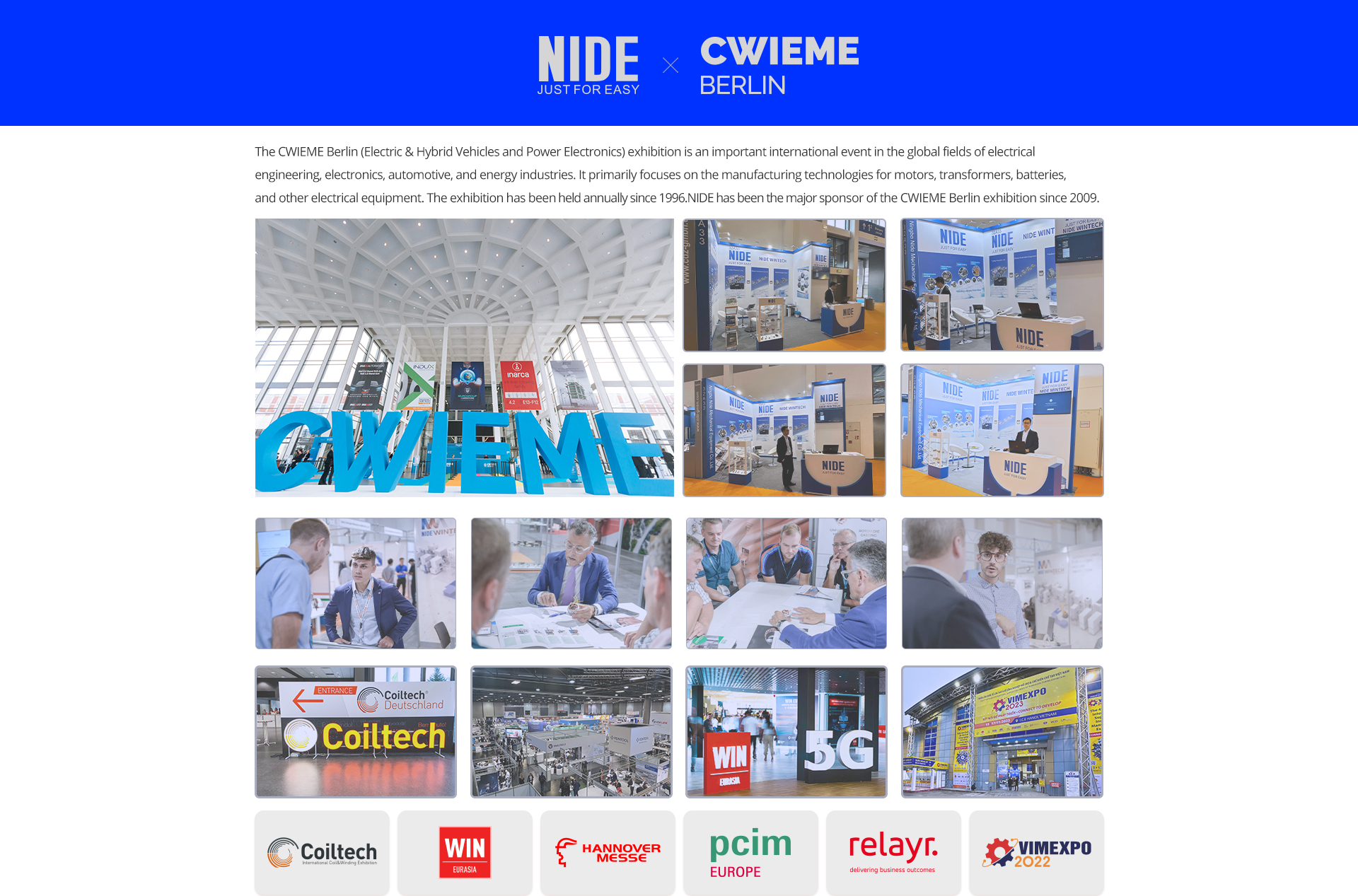
Global Export Experience (50+ Countries)

With over 13 years of overseas industrial trade history, our engineering team masters international maritime packaging protocols, multilingual HMI programming (English/Spanish), and resilient remote telemetry diagnostic systems.

End-to-End Component Sourcing

In addition to capital production machinery, we supply the complete matching ecosystem: cold-stamped lamination packs, N52 neodymium magnets, precision commutators, carbon brushes, insulation slots, and copper wire.

Verified Factory Production Facility & Machinery Portfolio

Frequently Asked Questions: Stator Production Lines in Nicaragua

Clear, practical engineering answers addressing logistical, technical, electrical, and commercial concerns for Central American industrial buyers.

How do Nakro stator production lines handle electrical voltage standards in Nicaragua?
Our export machinery control cabinets are custom-configured for Nicaraguan industrial utility feeds, accommodating both 220V 3-Phase 60Hz and 480V 3-Phase 60Hz power lines. High-grade line reactors, internal servo surge suppressors, and uninterruptible 24VDC control power supplies are integrated into every PLC electrical cabinet to safeguard against localized voltage spikes and brownouts common in rural and peripheral municipal grids.
Can one stator assembly line process both single-phase and three-phase motor stators?
Yes. Our flexible stator manufacturing cells are engineered with quick-change tooling modules. By replacing the coil inserting tool set, slot wedge guide shoes, and lacing horn fixtures, the same base machine line can alternate between single-phase residential pump/fan stators and heavy industrial three-phase induction stators. Tooling changeover takes between 20 to 45 minutes using standardized zero-point clamping systems.
What are the shipping routes, import ports, and transit times to Nicaragua?
Machinery shipments depart directly from Ningbo Port (China) and typically transit via standard transshipment routes arriving at Puerto Corinto on Nicaragua's Pacific Coast. Total ocean transit time averages 28 to 36 days. All export machinery is treated with rust-inhibitive VCI (Vapor Corrosion Inhibitor) wraps, vacuum-sealed with silica gel desiccant packs, and secured within fumigated ISPM-15 compliant solid seaworthy wooden crates to prevent moisture intrusion during sea transit.
How is technical commissioning, operator training, and spare parts handled locally?
We provide full on-site installation and commissioning engineering services. Our bilingual technical team conducts intensive 7-day to 14-day operator training covering HMI recipe configuration, servo calibration, mechanical maintenance, and safety protocols. Furthermore, machines feature industrial VPN IoT gateways for remote real-time PLC diagnostic troubleshooting. Core consumable parts (winding needles, insertion blades, cutter assemblies) are bundled with initial machinery delivery in standardized 2-year maintenance packages.
How do we verify production line performance before shipping from the factory?
Before shipment, each machine undergoes rigorous Factory Acceptance Testing (FAT). We request customers to send their specific lamination packs, slot insulation paper, and enamelled copper wire to our Ningbo plant. We run continuous batch production cycles under full target cycle-time speeds and generate high-definition video documentation, complete micro-ohmmeter insulation surge reports, and 3D CMM dimensional inspection logs for final customer sign-off prior to dispatch.

Accelerate Your Motor Stator Manufacturing Project

Send your stator core drawings, lamination stack heights, target daily production volume, and wire gauges to receive an engineered layout proposal, cycle-time analysis, and quotation within 24 hours.