Advanced Rotor & Stator Assembly Machinery
Precision-engineered automated assembly machines, turnkey line segments, and industrial electromagnetic components designed to eliminate mechanical run-out, accelerate cycle times, and guarantee maximum electromagnetic flux stability.
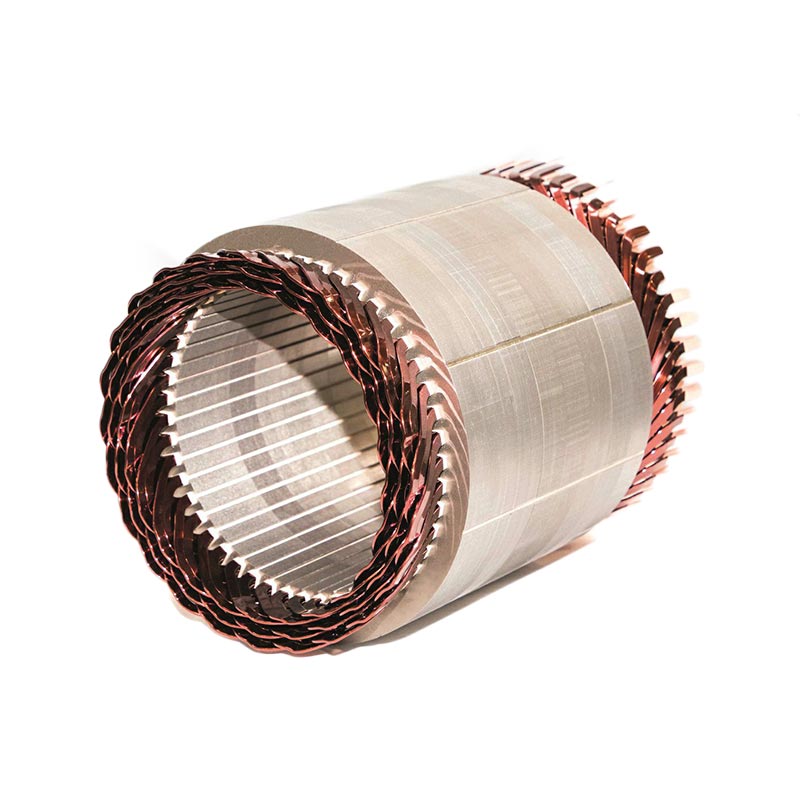 Hairpin Tech
Fully Automatic Hairpin Motor Stator Production Line
Engineered for e-mobility and advanced EV traction architectures. Integrates precision CNC wire pre-forming, 3D paper insertion, automated slot twist expanding, and dynamic laser welding arrays.
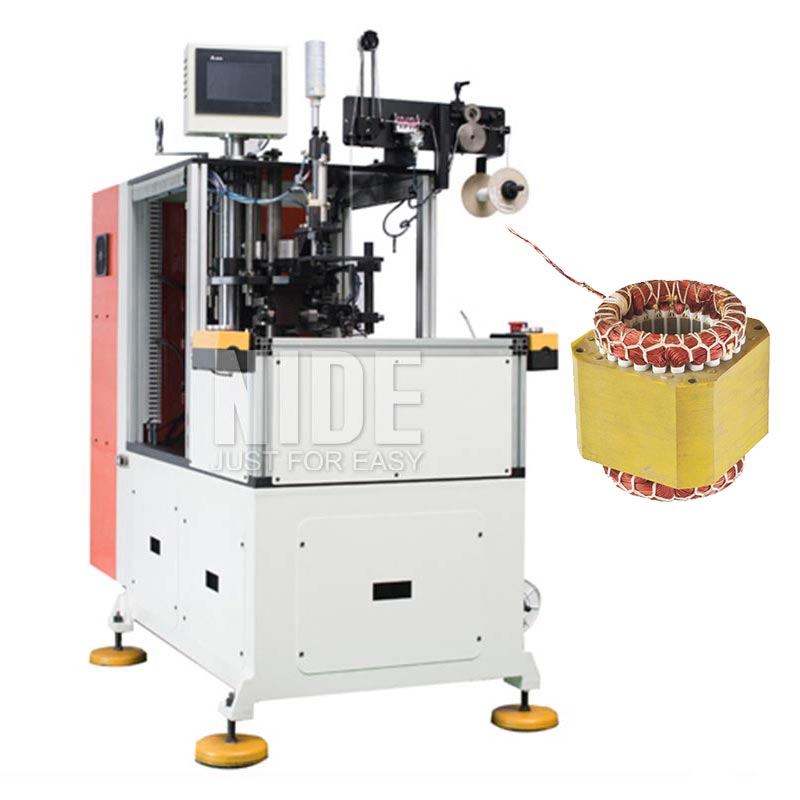 Induction Pumps
Automatic Double Ends Stator Coil Lacing Machine
Simultaneous dual-end servo tying system engineered for industrial pump and compressor stators. Governed by a robust 10kW 220V/380V multi-axis PLC interface for customized lace tension control.
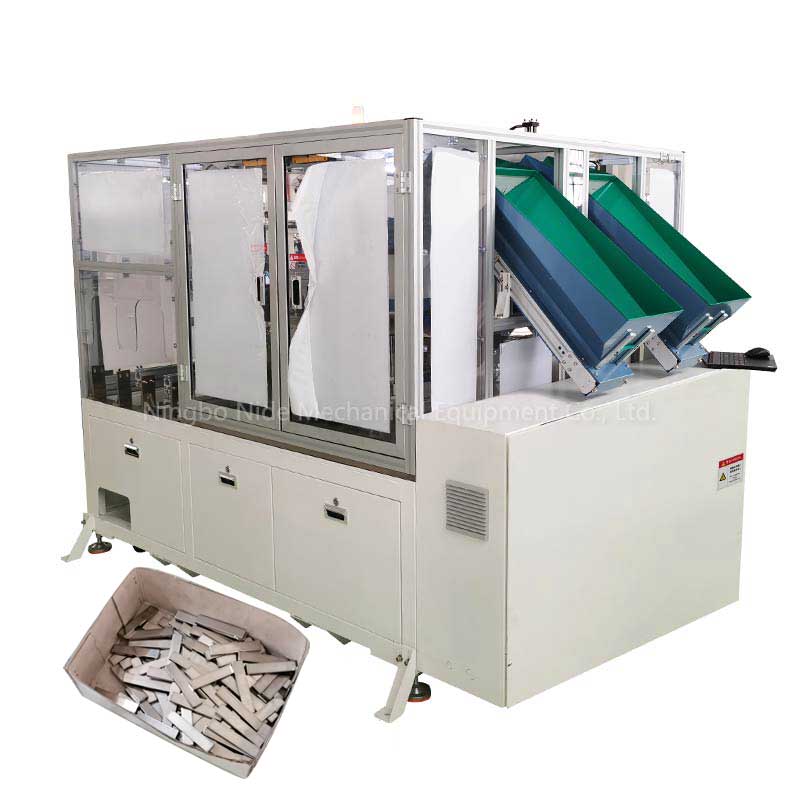 BLDC Assembly
Automatic BLDC Motor Rotor Magnet Inserting Machine
Automated robotic magnetic tile insertion for interior permanent magnet (IPM) and surface permanent magnet (SPM) rotors. Incorporates automated magazine dispensing and anti-chipping pneumatic rams.
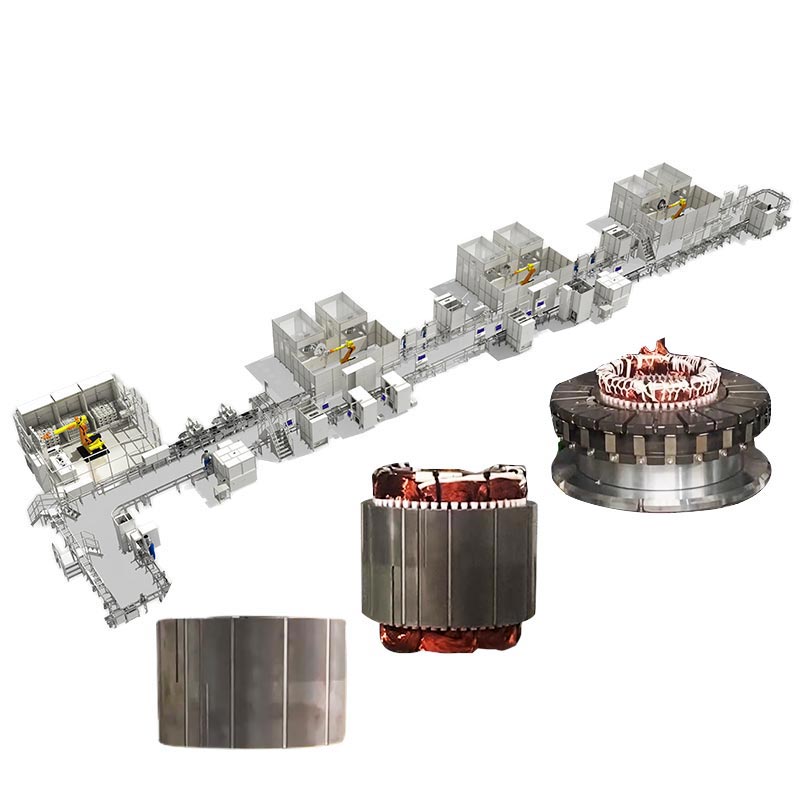 CE Certified
EV New Energy Motor Stator Production Line
CE-certified high-throughput manufacturing line delivering end-to-end processing: lamination stack sorting, insulation coating, automatic pin manipulation, and integrated electrical surge testing.
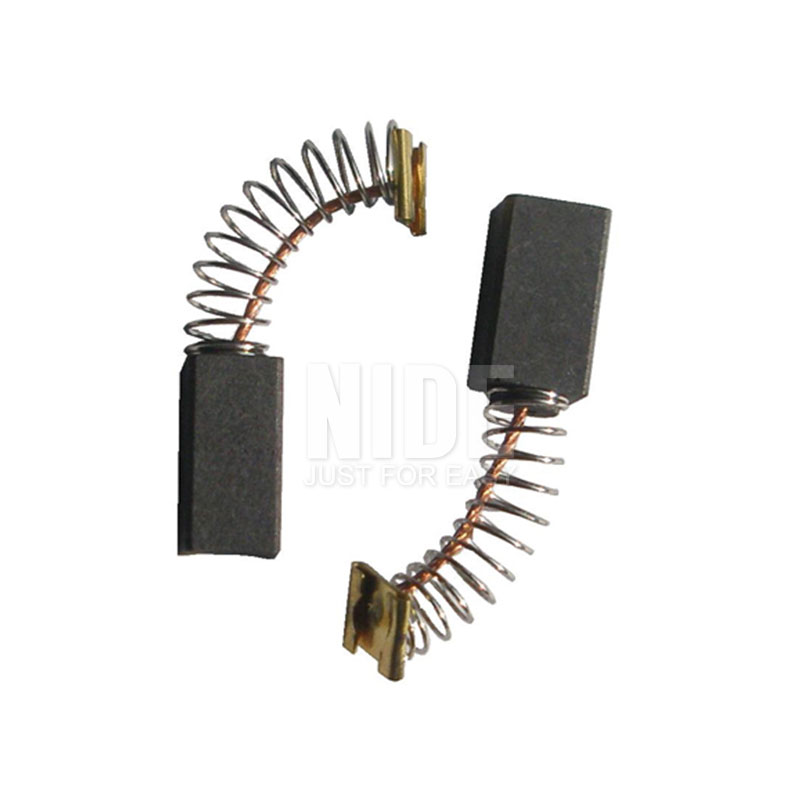 Wear Parts
High Precision DC Motor Alternator Carbon Brushes
Model NDPJ-TS-7 electro-graphitic and copper-graphite brush configurations. Engineered to maintain continuous electrical continuity across alternator slips and commutators while suppressing thermal arcing.
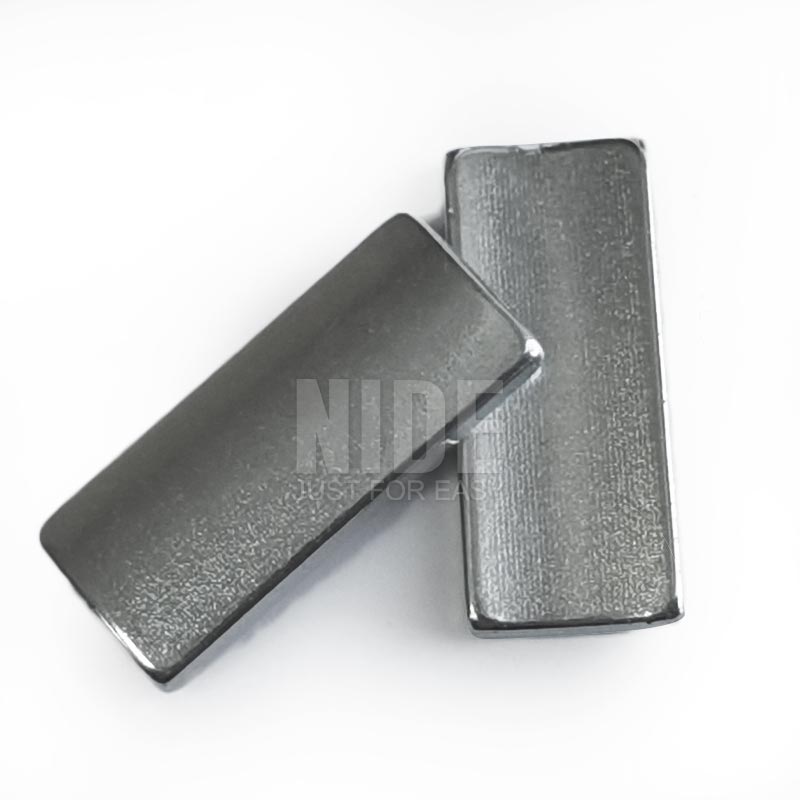 Sintered NdFeB
Rectangular N52 NdFeB Neodymium Magnets Block
Grade N52 sintered rare-earth magnetic blocks (Model NDPJ-CW-58). Delivers outstanding maximum energy product ((BH)max) and anti-demagnetization resilience within high-temperature permanent magnet rotor stacks.
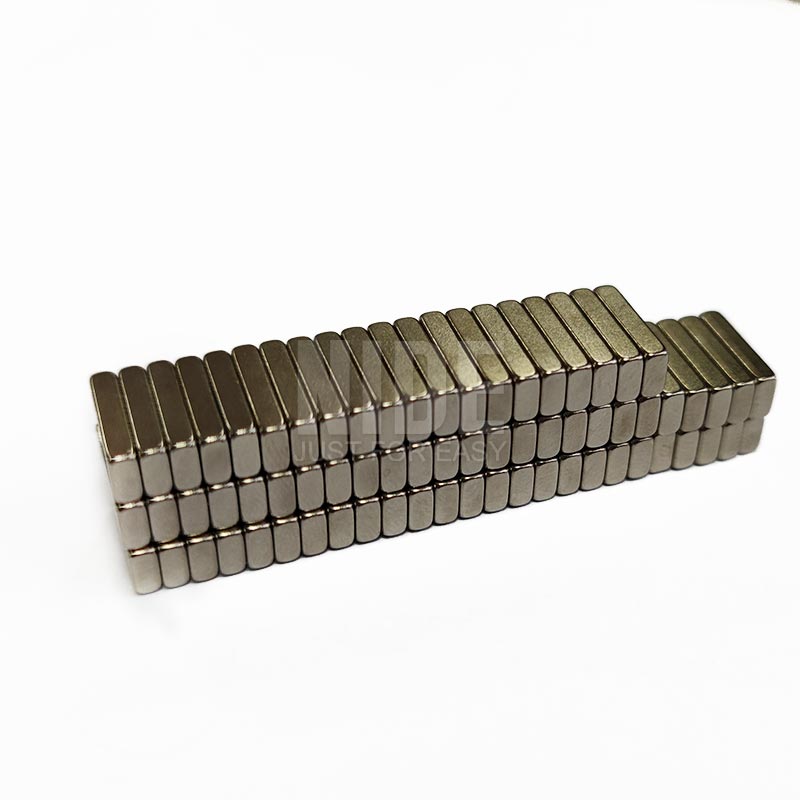 Precision Tolerances
N52 Rare Earth Block Magnet NDPJ-CW-61
Tight tolerance dimensional ground NdFeB blocks tailored for high-speed industrial servo and electric vehicle drivetrains. Multilayer Ni-Cu-Ni and epoxy coatings guard against corrosive environmental degradation.
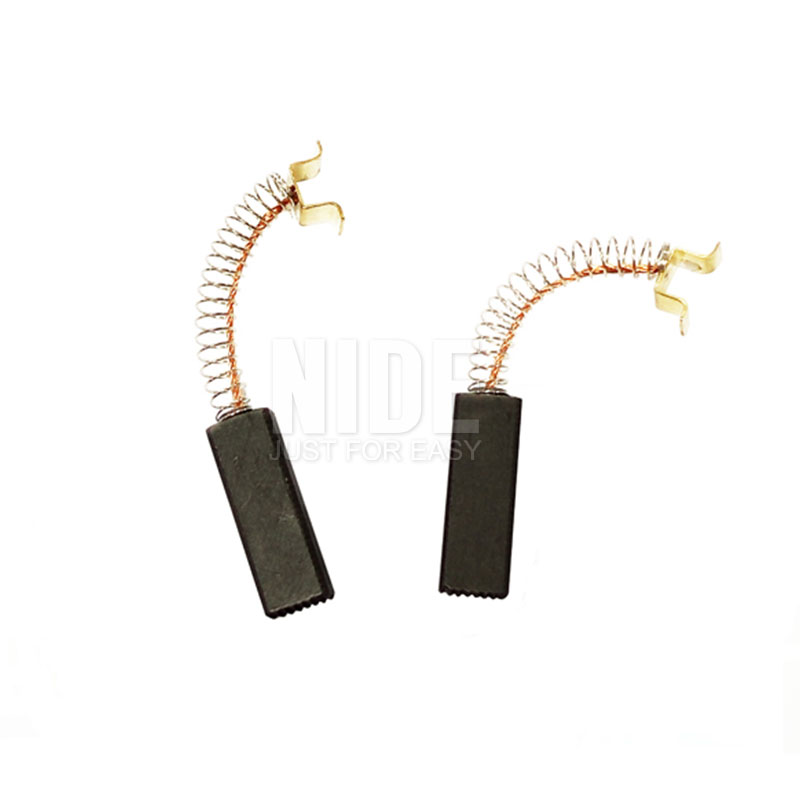 Automotive Grade
Automobile Electrical Carbon Brush Parts NDPJ-TS-1
Heavy-duty carbon brushes specifically rated for starter motors, cooling fan actuators, windshield wipers, and auxiliary DC motors. Maximizes mechanical life and ensures uniform commutator wear profiles.
Verified Manufacturing Infrastructure & Global Export Scale
Backed by over a decade of continuous precision automation engineering, serving major automotive suppliers, household appliance makers, and heavy motor operations across more than 50 countries.
Turnkey Custom Tooling & R&D
Our dedicated engineering department constructs customized winding fixtures, inserting fingers, and magnet insertion guides according to client-supplied lamination geometries, slot shapes, and conductor wire specifications.
Rigorous ISO 9001 Protocol
Every automated station operates under strict quality management workflows. Components undergo thorough incoming inspection, laser micrometer verification, electrical resistance profiling, and continuous multi-hour cycle trial runs prior to export.
End-to-End International Support
Providing seamless CIF/FOB delivery, localized on-site installation, programmable logic training, and life-cycle spare parts provisioning supported by seasoned technical teams conversant in global logistical channels.
Engineering Foundations of Automated Rotor Assembly in Modern Manufacturing
In modern electromechanical manufacturing, the physical rotor assembly process serves as the critical determinant of an electric motor's operational efficiency, acoustic noise footprint, power density, and continuous service lifespan. Whether dealing with Interior Permanent Magnet (IPM) systems, Surface Permanent Magnet (SPM) brushless architectures, or high-torque squirrel-cage induction configurations, manual intervention introduces micro-scale deviations that rapidly multiply into mechanical imbalance, high cogging torque, and premature bearing wear.
Precision rotor assembly equipment automates four vital mechanical procedures: core lamination stack alignment and hydraulic pressing, precision shaft insertion under closed-loop force-displacement monitoring, automatic magnetic tile loading with exact glue-dispensing volumes, and dynamic dynamic-balancing adjustments. Maintaining tight shaft concentricity (within 0.005mm) prevents dynamic air-gap eccentricities between the stator inner diameter and rotor outer diameter, mitigating destructive radial forces that destabilize motors operated under variable frequency control.
| Operational Parameter | Manual Assembly Benchmark | Nakro Automated Machine Performance | Technical Impact on Motor Output |
|---|---|---|---|
| Shaft-to-Stack Coaxiality | ±0.035 mm - ±0.050 mm | ≤ 0.005 mm (Servo Driven) | Eliminates harmonic vibration and acoustic resonance across all RPM spectra. |
| Magnet Insertion Accuracy | Manual Placement (Angle variance ±1.5°) | Robotic Positioning (±0.02 mm / ±0.1°) | Ensures symmetrical back-EMF waveform and suppresses cogging torque. |
| Residual Dynamic Imbalance | ≥ 15 mg·mm / kg | ≤ 1.5 mg·mm / kg (G1.0 Dynamic Standard) | Extends mechanical bearing operational life past 40,000 continuous hours. |
| Cycle Time (Complete Stack) | 120 - 240 Seconds | 18 - 35 Seconds (Continuous automation) | Expands factory daily output volume by over 400% with minimized labor. |
Moreover, the integration of automated rotor magnet inserting machinery solves the chronic problem of fragile sintered neodymium magnet fracture during assembly. NdFeB alloys, particularly high-flux grades like N52, exhibit extreme mechanical brittleness coupled with powerful attractive forces that pull unfinished components together violently. Automated equipment utilizes non-magnetic titanium guides and controlled pneumatic linear feeds to guide blocks into laminated slots smoothly, eliminating stress cracks that cause catastrophic in-service stator short circuits.
Localized Industrial Application Scenarios within the Soufrière Market
Deploying automated electromechanical equipment into regional production ecosystems—such as light industrial, utility, agricultural processing, and specialized vehicle operations across the Soufrière district and surrounding manufacturing territories—necessitates understanding local ambient challenges and electrical power dynamics. As local initiatives prioritize domestic production, renewable infrastructure maintenance, and processing autonomy, advanced rotor assembly and electric motor refurbishment capabilities become highly strategic assets.
Geothermal & High-Humidity Pumping Systems
Soufrière's unique volcanic landscape and active geothermal energy exploration generate severe atmospheric challenges, including hydrogen sulfide gases and coastal marine humidity. Industrial pump motors produced or rebuilt with automated rotor equipment utilize precise double-end lacing and specialized resin sealing systems to prevent corrosive premature failure.
Agro-Processing & Cold Chain Utilities
From centralized cocoa drying and processing factories to marine refrigeration compressors preserving fresh catch, rotor assembly machinery supports localized repair, re-winding, and manufacturing of severe-duty induction and BLDC refrigeration pump drivetrains capable of enduring erratic grid power.
Eco-Tourism Light E-Mobility Fleets
With Soufrière emerging as an epicenter of pristine eco-tourism, localized light EV assembly—including electric safari buggies, harbor support watercraft, and municipal e-transporters—relies directly on robust hub-motor stator winders and brushless rotor magnet manufacturing systems.
Industrial machinery deployed locally must also account for power grid fluctuations. Our machinery solutions are configured with wide-tolerance input power modules, high-surge industrial suppressors, and heavy-duty dust filters to ensure undisturbed PLC, servo drive, and robotic manipulator operation in tropical, seaside, or chemically active industrial settings.
Strategic Market Trends: Automation, Decarbonization & Decentralization
The manufacturing landscape across decentralized and emerging regional centers is experiencing rapid transformation driven by three converging factors:
1. Decentralization of Electromechanical Refurbishment: Global supply chain bottlenecks have exposed the risks of relying entirely on importing finished replacement motors. Industrial facilities in the Soufrière sector are increasingly adopting semi-automated modular rotor insertion and balancing machinery. This equipment enables local workshops to rewind, re-magnetize, and re-balance multi-kilowatt motors on-site, slashing downtime from months to hours.
2. Transition to High-Efficiency IE4 and IE5 Standards: International regulations governing energy efficiency are phasing out legacy, inefficient squirrel-cage designs. Synchronous Reluctance (SynRM) and Permanent Magnet Brushless (PMSM/BLDC) motors require extreme dimensional tolerances during rotor construction. Advanced rotor assembly machines make adhering to IE4/IE5 standards achievable even for smaller, localized production operations.
3. Circular Manufacturing and Remanufacturing Paradigms: Sustainable manufacturing frameworks reward facilities that remanufacture rather than scrap damaged electric motors. Automated rotor diagnostic systems can strip damaged shafts, extract spent magnets without fracturing, and re-stack lamination packs, returning high-value rare-earth components and structural steel into active production cycles.
Frequently Asked Questions for Industrial Procurement
Practical engineering, financial, and logistical insights addressing the standard concerns of factory managers, engineers, and plant procurement officers.
