Featured Production Lines & Core Motor Components
Engineered for direct deployment across Chuquisaca, Potosí, and broader Bolivian electric machinery sectors. Each system integrates CE-certified PLC architectures, programmable servo controls, and ruggedized tooling designed for high duty-cycle manufacturing.
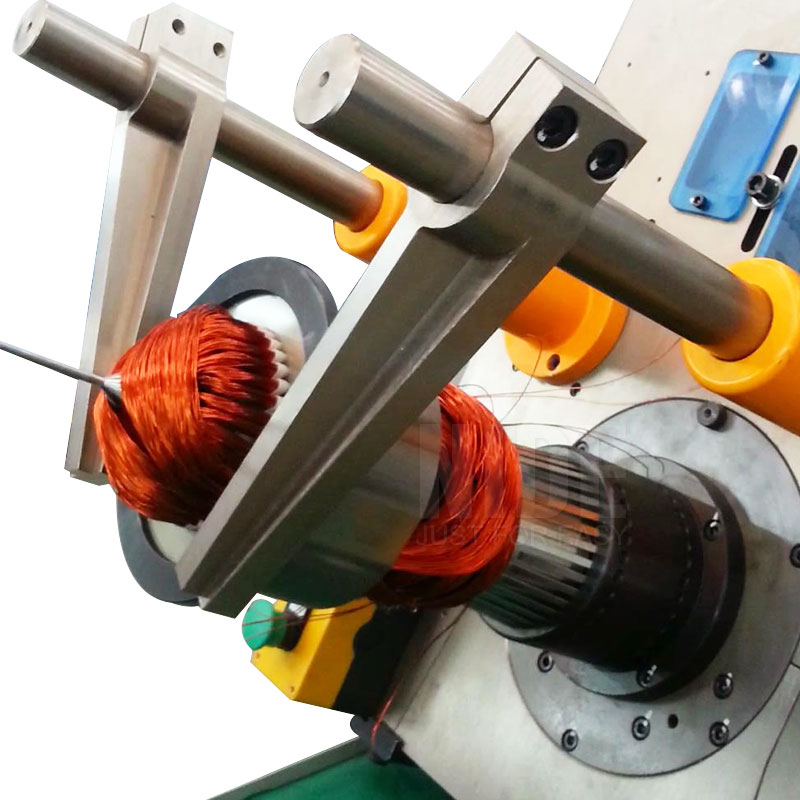
Semi-Automatic Three-Phase Motor Stator Coil Inserting Machine
- ✓ Mitsubishi / Omron PLC Control
- ✓ Simultaneous Wedge & Coil Insert
- ✓ 1-Year Global Factory Warranty
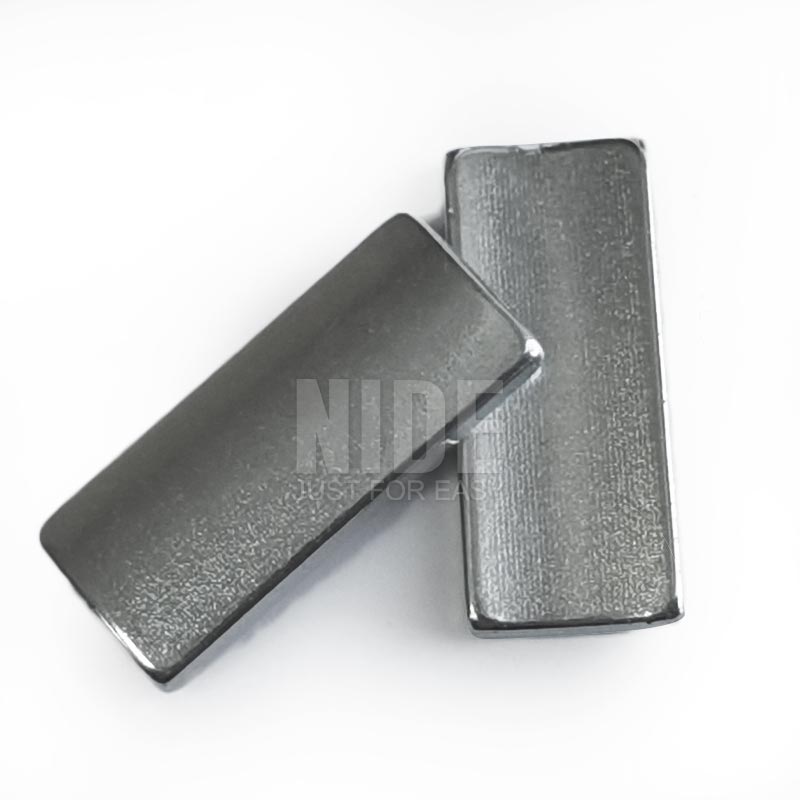
Rectangular N52 NdFeB Neodymium Magnets NDPJ-CW-58
- ✓ Ultra-High Remanence (Br > 1.44T)
- ✓ High Curie Thermal Demagnetization Threshold
- ✓ Triple Ni-Cu-Ni Anti-Corrosive Coating
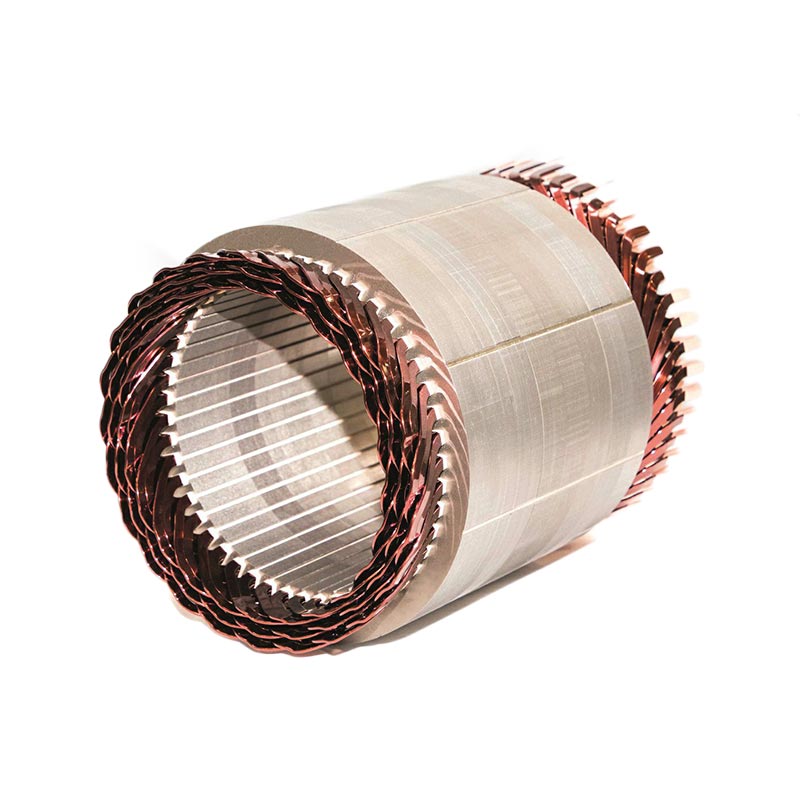
Fully Automatic Hairpin Motor Stator Production Line for E-Mobility
- ✓ 70%+ Slot Fill Factor Optimization
- ✓ 3D CNC Forming & Laser Stripping
- ✓ Integrated Vision Laser Welding Cell
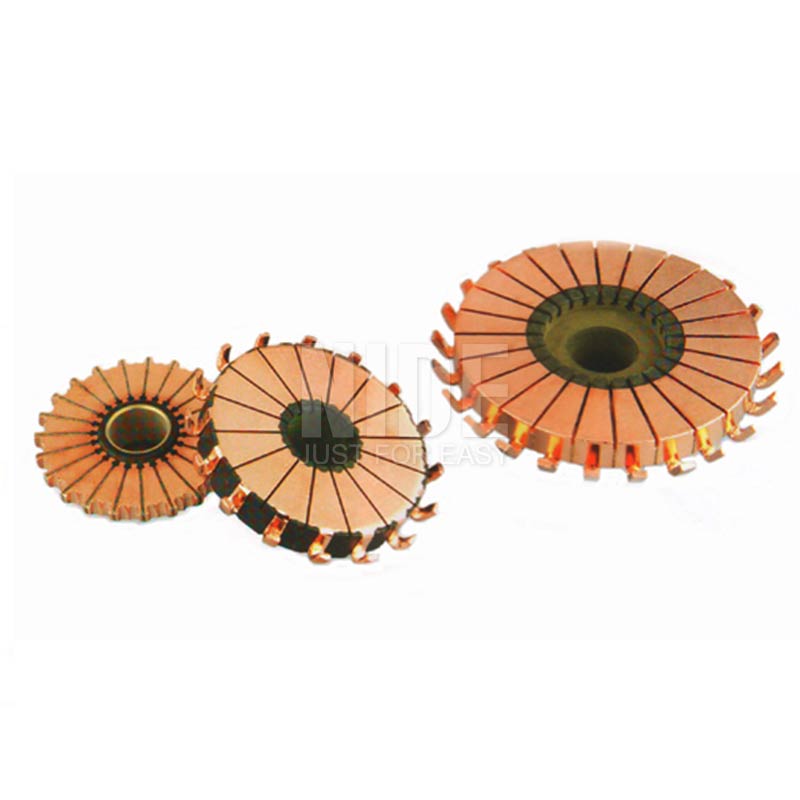
Planar Type Commutator NDPJ-HXQ-39 for DC Motor Stator/Rotor
- ✓ Oxygen-Free Silver Copper Profile
- ✓ High Dielectric Molded Resin Core
- ✓ CE & ISO Quality Verified Compliance
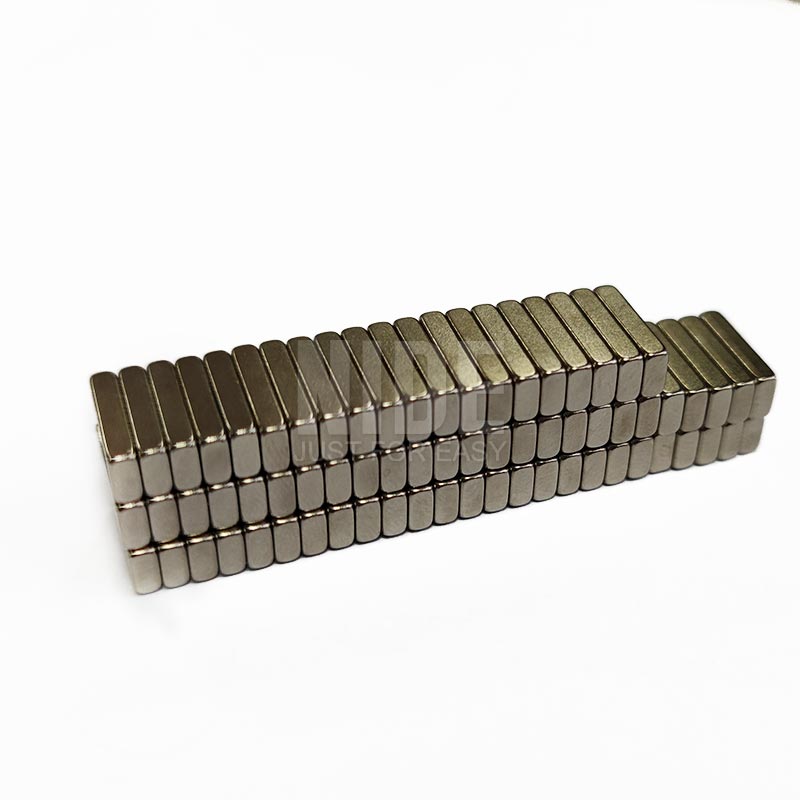
N52 Neodymium Block Magnet NDPJ-CW-61 Industrial Grade
- ✓ Sintered NdFeB Matrix for Traction Drives
- ✓ Precision Grinding: ±0.03mm Tolerance
- ✓ Superior Demagnetization Resistance
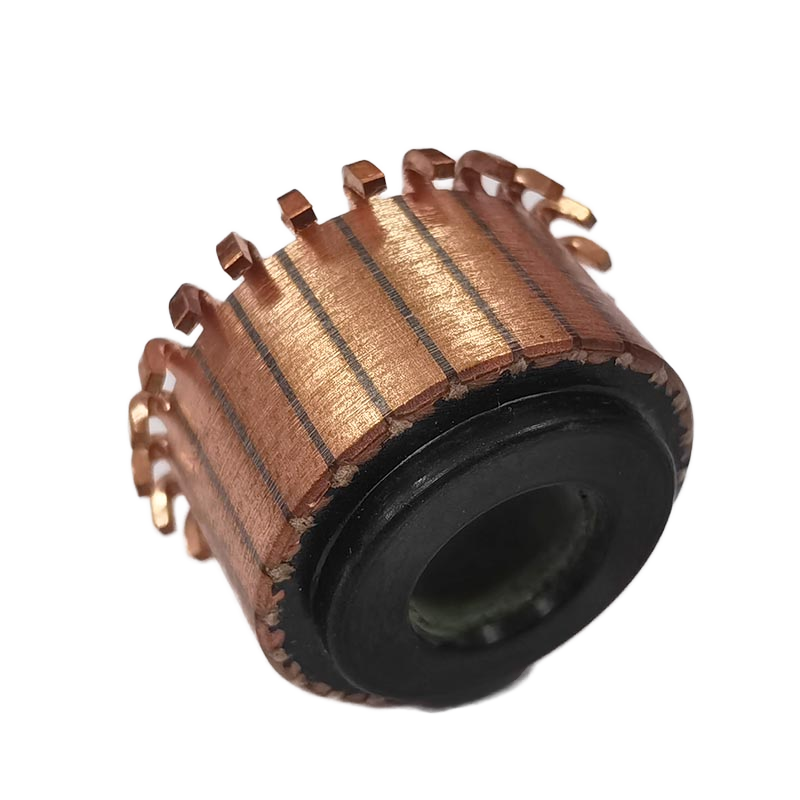
24 Segments Hook Type Commutator NDPJ-HXQ-640A
- ✓ 8.4*25*16 mm Standard Form Factor
- ✓ High Spin Burst Speed Rating (>35,000 RPM)
- ✓ Optimized for Extreme Industrial Duty Cycles
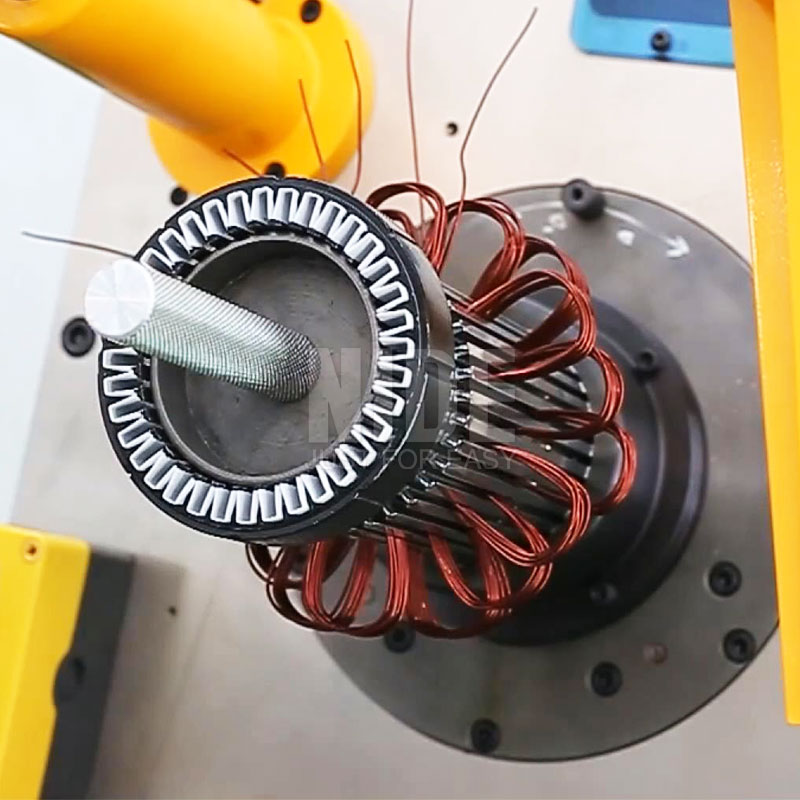
Automatic Single Phase Motor Stator Coil Insertion Machine
- ✓ Pump, Fan & Compressor Stator Tooling
- ✓ Enamel Scratch-Free Wire Guide Tech
- ✓ Intuitive Multi-Language Touch HMI
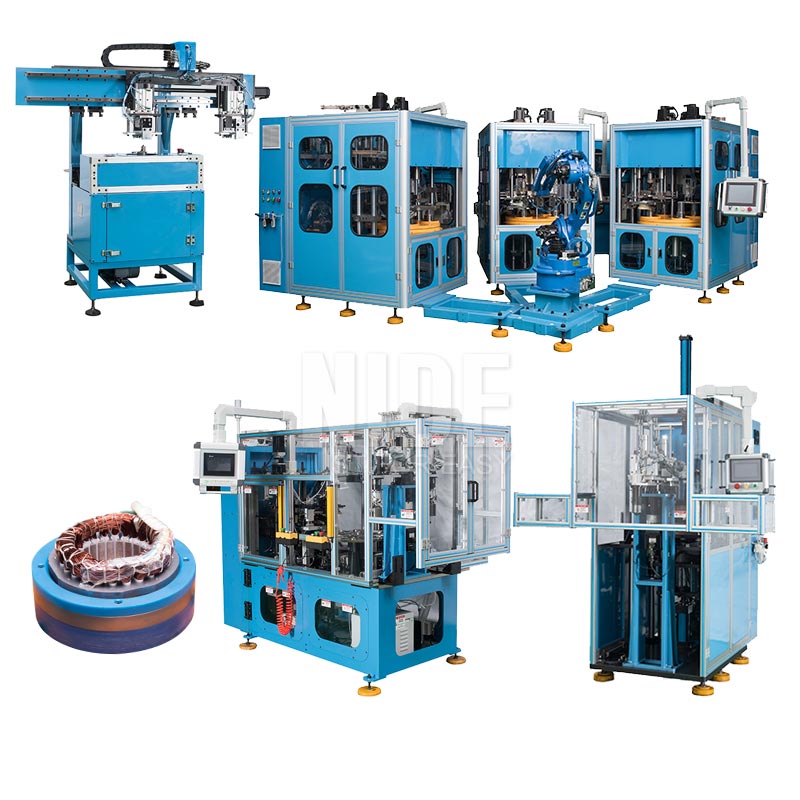
Electric Induction Motor Stator Manufacturing Assembly Line
- ✓ Custom Slot Matrix & Non-Standard Cores
- ✓ Integrated Intermediate & Final Forming
- ✓ Surge, Hipot & Resistance Inline EOL
Why Hairpin Flat-Wire Stator Winding Represents the Defining Technological Leap for the Sucre Market
Sucre, the historic constitutional capital of Bolivia, sits at an elevation of approximately 2,810 meters (9,220 feet) above sea level in the valleys of the Cordillera Central. For electrical machines and electromechanical powertrain engineers, high altitude introduces severe physical limitations: atmospheric barometric pressure drops to approximately 72.5 kPa (compared to 101.3 kPa at sea level), and air density drops by nearly 25%. This thin atmosphere impairs convective thermal heat dissipation and reduces the breakdown voltage of air, precipitating premature partial discharge (PD) and corona breakdown across traditional random-wound magnet wire bundles.
When operating conventional round-wire induction or permanent magnet motors under harsh Andean duty cycles—such as heavy mining logistics haulage across Potosí-Chuquisaca gradients, steep urban passenger routes, and continuous agricultural pumping—standard motors suffer an automatic 8% to 14% thermal derating factor. To extract nominal torque and efficiency without thermal runaway, industrial operators and equipment assemblers in Sucre are turning to rectangular flat-wire Hairpin Winding Technology.
⚡ 70%–75% Slot Fill Factor
Unlike random-wound round wire, which leaves substantial air voids in stator lamination slots resulting in a meager 40–45% copper fill factor, hairpin flat wire achieves regular stacking with fill rates exceeding 70%. This dramatically minimizes internal winding ohmic resistance ($I^2R$ losses) and enables ultra-compact active core volumes.
❄️ Superior Thermal Conduction
Flat copper conductors maximize surface-to-surface physical contact against slot insulation liners and magnetic steel laminations. Heat transfers directly to the motor’s outer water cooling jacket or aluminum housing without insulating air blankets, counteracting the thin convective cooling limits of 2,800m+ altitude.
🛡️ Corona Resistance & Insulation
Hairpin stators use precisely controlled, automated bending and automated B-stage DMD/Nomex/PEEK slot insulation. Conductors do not cross randomly over one another, systematically limiting inter-turn voltage potential differences and preventing insulation puncture from high-frequency VFD switching spikes.
The 9-Stage Turnkey Automated Hairpin Production Architecture
Ningbo Nakro Intelligent Equipment Co., Ltd. delivers high-precision, modular hairpin manufacturing cells that integrate wire forming, mechanical assembly, CNC manipulation, vision tracking, and automated non-destructive electrical validation into one contiguous flow:
Pay-off & Straightening
Continuous decoiling of rectangular copper wire with dual-axis multi-roller servo tensioning, preventing micro-stress fractures in the polyamide-imide (PAI) and polyimide (PI) enamel coats.
3D CNC Laser Stripping
High-power fiber or blue laser ablation removes enamel from copper hairpin lead tips cleanly without gouging the base copper matrix, ensuring pristine conductive bonding during subsequent welding.
Precision Bending & Cutting
High-speed servo-actuated forming dies bend the rectangular wire into distinct 2D "U" crowns, followed by 3D twist leg expansion calibrated to exact stator slot pitch coordinates.
Slot Insulation Insertion
Automatic cutting, forming, and insertion of high-grade slot cell paper (Nomex or PEEK) into the laminated iron stator core, ensuring full cuff projection to prevent dielectric flashover.
Hairpin Pre-Nest & Insertion
Hairpin pins are gathered in a multi-segmented tooling basket, indexed into geometric ring arrays, and pressed simultaneously into the stator core slots with servo-monitored axial thrust.
Expanding & Twisting
A multi-layer servo twisting ring grips pin protruding ends, expanding them radially and circumferentially in opposite directions to form the required continuous winding phase paths.
Leg Cutting & Vision TIG/Laser Weld
Protruding wire tips are cut to planar uniformity. A high-resolution 3D vision camera locates pin tip coordinates, directing a focused fiber/hybrid laser to create zero-porosity copper weld balls.
Trickle Impregnation / VPI
Automatic induction preheating followed by precision trickle varnishing or Vacuum Pressure Impregnation (VPI), ensuring 100% resin penetration between flat conductor faces.
Inline EOL Electrical Testing
Comprehensive electrical safety and quality verification: DC copper winding resistance balance, 5kV AC dielectric Hipot, high-frequency surge testing, and partial discharge inception voltage (PDIV).
Technical Comparison: Conventional Round Wire vs. Hairpin Stators
Quantifying thermal, electromagnetic, and manufacturing performance under Bolivian high-altitude conditions (2,500m – 4,000m ASL).
| Performance Metric | Conventional Round-Wire Winding | Nakro Automated Hairpin Line | Impact on Sucre / Andean Operations |
|---|---|---|---|
| Slot Copper Fill Factor | 40% – 48% (Air voids dominant) | 70% – 76% (Dense rectangular copper) | Significantly lower $I^2R$ copper losses; generates 18-25% more continuous torque per active kg. |
| Altitude Thermal Derating | -12% to -18% at 2,800m ASL | -3% to -5% (Direct conductive path) | Maintains sustained rated power in thin mountain air without requiring oversized motor frames. |
| End-Turn Overhang Height | Long, random flaring (high copper waste) | Compact, repeatable formed crown | Shortens overall axial motor length by 20–30mm; fits tight electric axle drive geometries. |
| Partial Discharge Inception (PDIV) | Uncontrolled conductor crossovers cause early PD | Predictable spacing, zero wire crossover | Survives modern SiC/GaN high-speed inverter VFD harmonics and high dV/dt switching transients. |
| Automation Production Takt Time | 60 – 180 sec (Multiple insertions & manual lacing) | 45 – 70 sec (Full turnkey automated cell) | Enables domestic Bolivian e-mobility and mining rewinding shops to achieve industrial scale. |
| Vibration & G-Force Ruggedness | Moderate (Prone to internal coil rubbing) | Extremely rigid structural cage | Immune to harsh unpaved Andean mountain terrain vibration and mining shaker loads. |
Localized Industrial Applications in Sucre & Regional Corridors
From municipal electric fleet modernization to heavy Andean mining drives, our hairpin winding and component lines solve critical regional engineering hurdles.
High-Torque Andean E-Mobility
Sucre's hilly topography demands electric vehicles with sustained gradeability. Hairpin stators provide maximum starting torque and continuous power density for electric minibuses, utility pickups, and e-tricycles operating on steep 15%+ road inclines.
Mining Machinery & Haulage Drives
Chuquisaca and neighboring Potosí mining operations require ruggedized, explosion-proof, high-efficiency traction drives for underground loaders, winches, and slurry pumps where motor failure halts multi-million dollar processing circuits.
Valley Agricultural Deep-Well Pumping
Intensive farming in the Chuquisaca river valleys relies on continuous submersible and surface irrigation pump motors. Highly efficient hairpin coils slash operational kWh consumption on rural off-grid solar-inverter microgrids.
Motor Remanufacturing & IE4 Upgrades
Sucre’s electromechanical workshops traditionally rewind burnt round-wire stators manually. Installing our semi-automatic and automated hairpin/inserting cells empowers regional workshops to manufacture premium IE4/IE5 industrial replacement cores.
Cement & Heavy Aggregates Processing
Sucre is home to Bolivia’s critical cement production infrastructure (e.g., FANCESA). Hairpin stators in raw mill drives, kiln blowers, and conveyor motors endure high ambient dust, thermal loads, and unyielding 24/7 duty cycles.
Microgrid Hydro & Wind Generators
Andean high-altitude renewable energy generation needs rugged alternators. Our specialized hairpin winding tooling automates the assembly of low-cogging permanent magnet alternators coupled with Pelton water wheels and mountain wind turbines.
Localization Trends: Bolivia’s Transition to Industrial Electrification
How regional sovereign lithium initiatives and supply chain localization are redefining the demand for automated motor manufacturing machinery in Chuquisaca.
1. Synergy with National Lithium Initiatives
With Bolivia actively developing its vast lithium reserves in Uyuni and Coipasa, downstream electrification is becoming a strategic sovereign priority. Developing domestic capacity to assemble EV traction motors, battery-pack drive systems, and electric utility transport vehicles creates massive industrial demand for automated hairpin stator winding equipment across the Chuquisaca-Potosí industrial belt.
2. Import Substitution & Supply Resilience
Relying on expensive, slow maritime imports of finished industrial motors from overseas exposes Bolivian manufacturing plants to currency fluctuations and prolonged logistics lead times. Establishing localized motor assembly lines allows regional manufacturers in Sucre to produce customized stators for regional replacement markets with unmatched responsiveness.
3. Transition to Ultra-Efficient IE4/IE5 Standards
Escalating industrial electrical tariffs and government efficiency mandates are forcing factories to retire inefficient IE1/IE2 motors. Rectangular copper hairpin technology is the single most economical pathway to achieve IE4 (Super Premium) and IE5 (Ultra Premium) efficiency standards within standard IEC frame envelopes without exotic core alloys.
Why Global Buyers & Regional Importers Rely on Nakro
Over 14 years of dedicated engineering in motor automation machinery, delivering turn-key accountability from initial stator slot geometry drawings to factory acceptance test (FAT) run-offs.
ISO 9001 & CE Certified
Rigorous quality management protocols applied to all CNC machining stages, servo calibration routines, and electrical safety cabinet assemblies.
50+ Export Destinations
Demonstrated operational track record exporting heavy automated machine lines throughout South America, Southeast Asia, Eastern Europe, and the Middle East.
Complete Motor Components
Full-spectrum supply chain offering: N52 NdFeB magnets, planar & hook commutators, carbon brushes, insulation papers, and precision shaft forgings.
Custom Tooling & R&D
In-house precision toolroom fabricating bespoke bending dies, insertion fingers, twisting matrices, and quick-change fixtures tailored to client laminations.
Frequently Asked Questions for Sucre & Bolivian Importers
Detailed answers addressing maritime logistics, altitude calibration, custom tooling lead times, and factory acceptance procedures.
What is the recommended shipping route and customs clearance protocol for machinery arriving in Sucre, Bolivia?
How does high altitude (2,800m ASL in Sucre) impact the electrical and pneumatic specification of your machines?
Can a single hairpin winding machine accommodate multiple stator stack heights and slot numbers?
How does Nakro perform the Factory Acceptance Test (FAT) prior to shipping overseas?
What laser welding technology is integrated into Nakro hairpin stator production lines?
What warranty, spare parts, and on-site commissioning services are provided for South American clients?
Can you supply raw materials and components such as N52 NdFeB magnets, commutators, and copper wire?
What payment terms and currencies do you support for international purchases?
Ready to Automate Your Stator & Motor Production in Sucre?
Send our senior engineering team your motor lamination drawings, active stack height, target annual output, and slot matrix. We will calculate your cycle time, slot fill factor, and present a complete turnkey hairpin line proposal within 48 hours.
