Frequently Asked Questions by Danish Procurement & Engineering Teams
Addressing the practical, regulatory, and mechanical questions asked by Aarhus factory managers, maintenance supervisors, and technical buyers.
How do Nakro motor assembly lines ensure full compliance with the EU Machinery Directive and Danish safety regulations?
+
Every assembly line shipped to Aarhus is engineered strictly in accordance with CE Machinery Directive 2006/42/EC, Low Voltage Directive 2014/35/EU, and Electromagnetic Compatibility (EMC) Directive 2014/30/EU. We utilize European-standard safety components, including dual-channel safety relays, certified optical light curtains, interlocked aluminum polycarbonate safety enclosures, and emergency stop topologies rated up to Performance Level d/e (ISO 13849-1). Full CE technical documentation, electrical schematics in EPLAN, and English user manuals are supplied as standard.
Can the machines accommodate frequent product changeovers for high-mix / low-volume Nordic production?
+
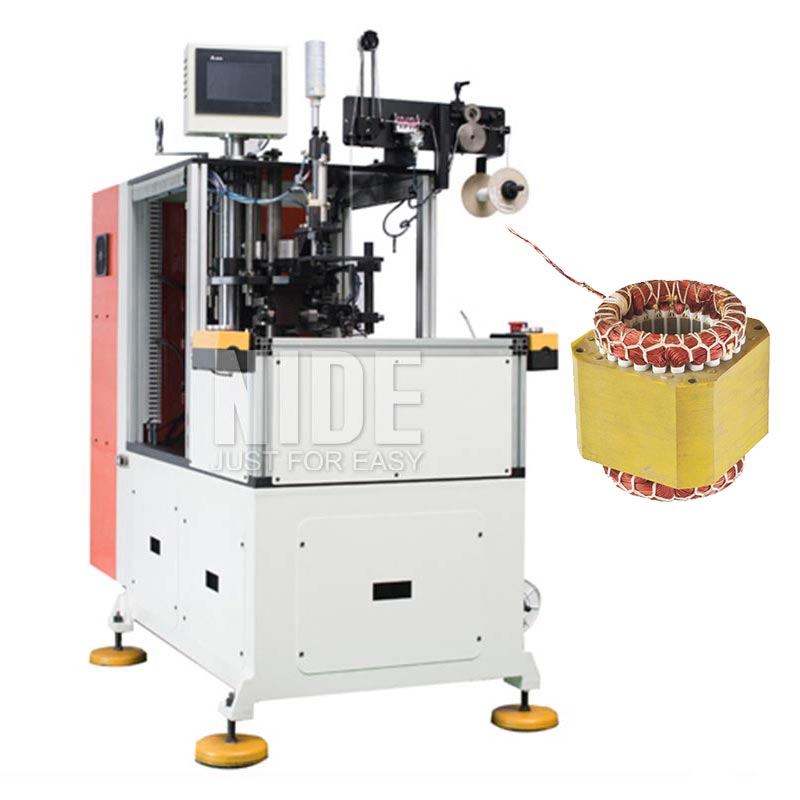
Yes. Danish manufacturers often produce diverse motor frame sizes on the same line. Our coil winding and inserting machines feature tool-less quick-change clamping fixtures, digital micrometer stack height adjustments, and an intuitive touchscreen HMI capable of storing over 100 recipe programs. Changing between stator stack heights or slot geometries typically takes under 15 to 20 minutes with zero mechanical machining required.
What are the standard shipping timelines from your Ningbo facilities to the Port of Aarhus?
+
Custom standalone machines typically require 45 to 60 days for precision fabrication, tooling heat treatment, and factory testing. Complete turnkey multi-station assembly lines require approximately 75 to 90 days. Ocean freight from Ningbo Port directly to Aarhus Port takes between 32 and 38 transit days. For urgent tooling replacements or spare parts, direct air freight to Billund Airport (BLL) or Copenhagen Airport (CPH) takes just 3 to 5 business days.
How is on-site installation, commissioning, and operator training managed in Denmark?
+
Upon ocean freight delivery at your facility in Midtjylland, we dispatch experienced field service automation engineers to handle mechanical positioning, electrical bus connection, and integration with your factory compressed air lines. Our engineers conduct systematic dry runs, calibrate servo tension limits, and lead comprehensive 3- to 5-day training modules for your maintenance technicians and plant operators covering program editing, troubleshooting, and scheduled preventive maintenance.
Can your equipment interface with our existing plant SCADA, Siemens MindSphere, or SAP MES systems?
+
Yes. Nakro machines utilize industrial-standard PLCs (Siemens S7-1200/1500, Mitsubishi, or Omron) configured with open Ethernet/IP, Profinet, and OPC UA communications. Operational telemetry—including unit cycle time, press load cells, welding millivolt profiles, dielectric breakdown values, and fault alarms—can be mapped directly into your existing enterprise SCADA or MES databases without custom middleware.
Are critical wear spare parts readily available to avoid costly unplanned factory downtime?
+
Yes. We provide a complete 2-year operational spare parts package with every machine purchase, including spare tungsten carbide winding nozzles, inserting guide blades, push rods, safety sensors, pneumatic solenoid valves, and fusing electrode tips. Furthermore, our standard pneumatic and mechanical components utilize internationally accessible brands such as SMC, Festo, THK, and Schneider Electric, ensuring standard components can be sourced locally in Denmark within hours if necessary.
Can we verify machine performance using our own proprietary copper wire and lamination grades before shipping?
+
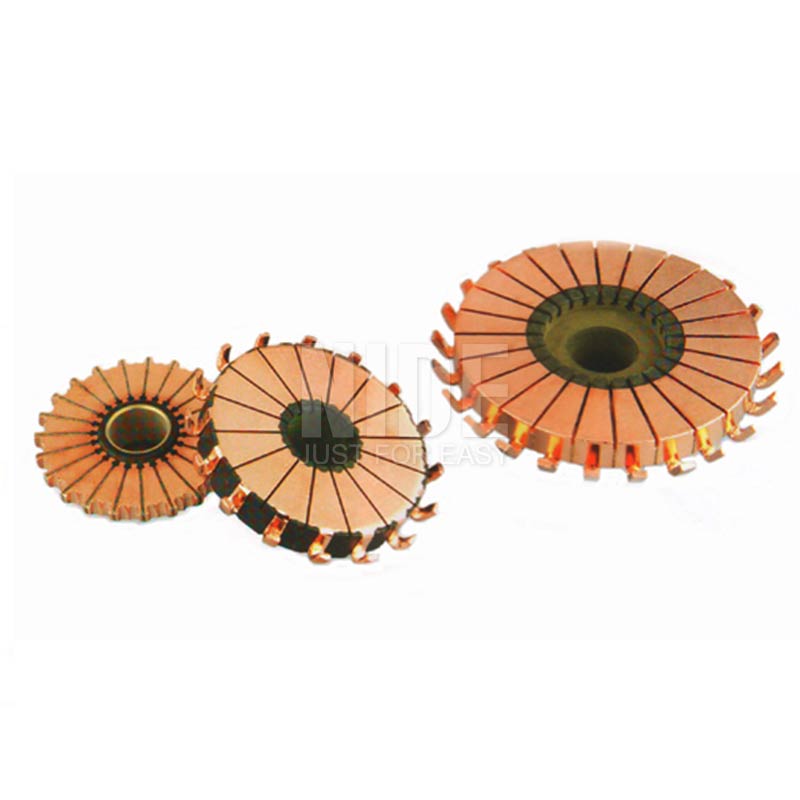
We strongly encourage it. During the Factory Acceptance Testing (FAT) stage, customers routinely ship sample batches of silicon steel laminations, slot insulation papers, commutators, and magnet wire directly to our Ningbo testing floor. We perform full continuous production runs at target cycle speed and compile comprehensive capability studies (Cpk ≥ 1.67) for your review prior to shipment.