Industrial Automation Whitepaper · Edmonton & Alberta Region

Hairpin Winding Line Suppliers & Exporter for Edmonton

High-Efficiency Stator Production Lines, Turnkey Hairpin Technology, and Custom Electric Drivetrain Automation Engineered for Western Canada's Energy Transition.

Precision Machinery Catalog

Engineered Motor Manufacturing Equipment & High-Grade Components

Explore our proven hairpin stator systems, magnet inserting lines, and high-performance motor assemblies configured to CSA/UL and CE industrial standards for Edmonton fabricators and motor rebuilders.

2010
Established Engineering Origin
50+
Countries Directly Supplied
30,000+
m² Specialized Factory Area
99.4%
First-Pass Hairpin Weld Yield
Application Engineering

Deploying Hairpin Stator Technology in Edmonton & Western Canada

Edmonton serves as the nexus of Canada's energy infrastructure and heavy industrial manufacturing. As Alberta transitions toward clean electrification, advanced motor winding architecture delivers immediate operational advantages.

Energy & Resources

Heavy-Duty Submersible Pumps & Downhole Motors

Oil sands and mineral extraction operations around the Athabasca basin and Nisku industrial corridor demand extreme power density. Hairpin winding lines allow manufacturers to achieve slot fill factors exceeding 70%—dramatically reducing the physical footprint of electrical submersible pumps (ESPs) while mitigating hot-spot thermal breakdown.

Commercial Transport

Commercial Fleet & Municipal Bus Electrification

The City of Edmonton and regional logistics operators are transitioning transit buses and class-7/8 freight haulers to zero-emission drivetrains. Flat-wire hairpin stators provide the high torque required for stop-and-go winter conditions down to -40°C, offering superior thermal conductivity compared to conventional random-wound round wire.

Decarbonization

Industrial Compressor & Hydrogen Infrastructure

Alberta's Industrial Heartland is leading North America in low-carbon hydrogen generation. Hairpin motor stator lines enable Edmonton-based skid builders to manufacture synchronous reluctance and permanent magnet motors that meet strict IE5 ultra-premium efficiency regulations for continuous hydrogen compression loops.

Strategic Industrial Analysis

Edmonton Electrification Dynamics & The Shift to Hairpin Tooling

Why Tier-1 suppliers, remanufacturers, and electric powertrain integrators across Alberta are transitioning from manual round-wire winding to turnkey automated hairpin assembly lines.

01

Thermal Performance at Arctic Extremes

Edmonton experiences severe thermal differentials. Hairpin coils utilize precision rectangular copper with uniform enamel layers, reducing air gaps inside the slot. This optimizes conductive heat transfer directly into the stator core lamination stack, keeping winding operating temperatures up to 15°C cooler under heavy winter load cycles.

02

Mitigating High-Frequency AC Losses

Silicon Carbide (SiC) 800V inverters are rapidly becoming standard in Canadian transport. However, high switching frequencies induce severe skin and proximity effects. Our multi-layer hairpin lines (4, 6, 8, and 10 layers) allow transposition engineering that suppresses harmonic copper losses, boosting electric vehicle range and battery efficiency.

03

Labor Optimization in Nisku & Acheson

Western Canada faces rising technical labor costs and a shortage of specialized motor rewinders. Turnkey hairpin automation replaces labor-intensive coil insertion, hand-forming, and brazing with CNC wire feed, robotic pin insertion, mechanical slot twisting, and continuous vision-guided laser welding systems.

04

Automated End-of-Line Quality Assurance

Our hairpin winding lines integrate full closed-loop diagnostics. Real-time optical monitoring inspects hairpin crowns prior to insertion, while dual-camera 3D machine vision aligns pin tips within 0.05 mm tolerances before laser fusion, ensuring near-zero defect rates in harsh field deployments.

Enterprise Credentials

Why Global & Canadian Fabricators Partner With Us

Over 14 years of dedicated manufacturing know-how, state-of-the-art production facilities, and an end-to-end turnkey machinery ecosystem designed for seamless overseas installation.

Turnkey Line Design & Integration

We do not just ship individual machines; we design complete stator lines tailored to your target cycle time, available factory footprint, and lamination geometries.

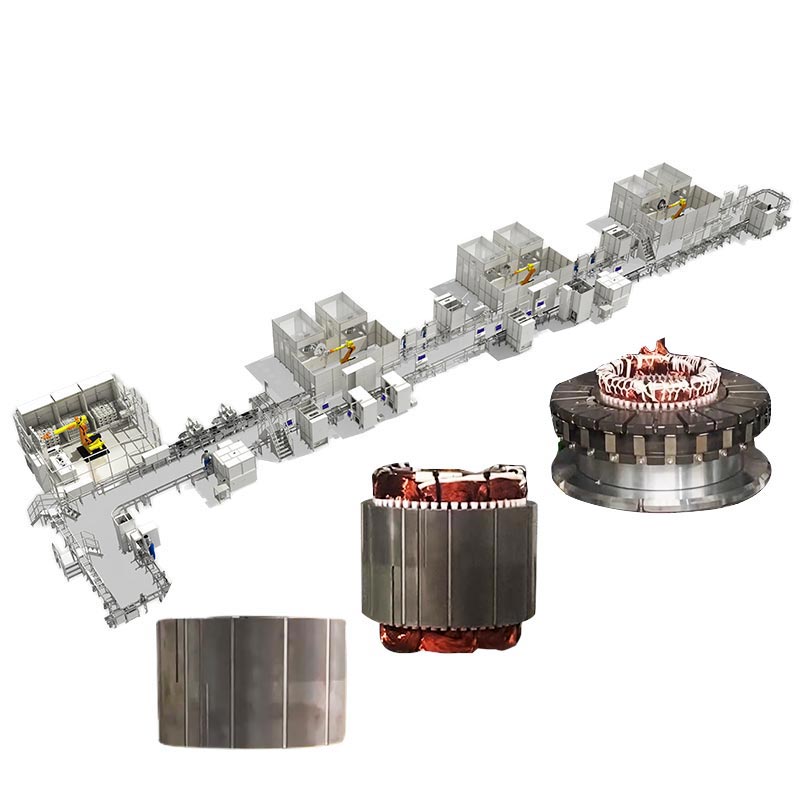
  • Complete lines from slot paper insertion to final electrical test
  • Customized CNC bending dies for rectangular copper wire
  • Direct integration with automated guided vehicles (AGVs)
  • Scalable tooling designs for future motor variants

Rigorous Quality & ISO 9001 Compliance

Every assembly line undergoes exhaustive factory acceptance testing (FAT) before export, utilizing client-supplied copper wire, laminations, and components.

  • Full multi-axis laser welding run-off recorded for approval
  • In-line hipot, surge, and 4-wire Kelvin micro-ohm testing
  • CE certified systems with CSA/UL electrical design readiness
  • Traceability data logging via industrial OPC-UA interfaces

Global Support & Turnkey Supply

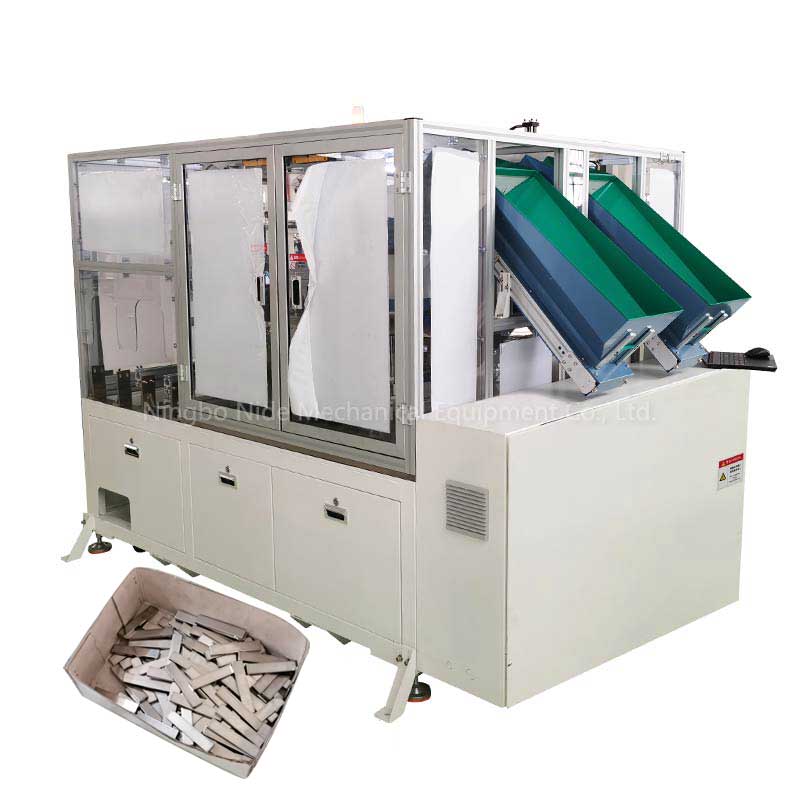
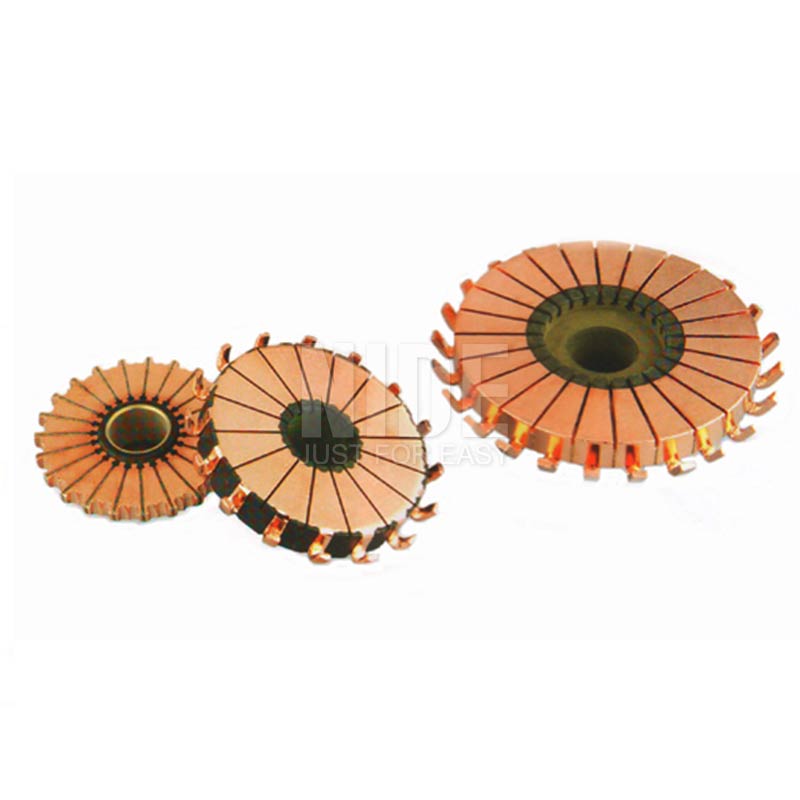
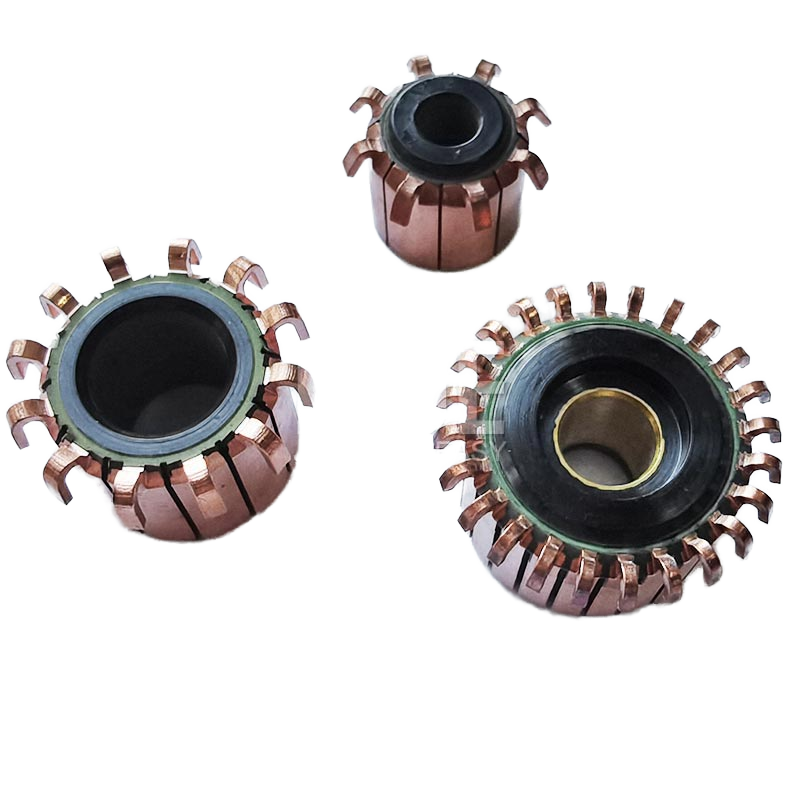
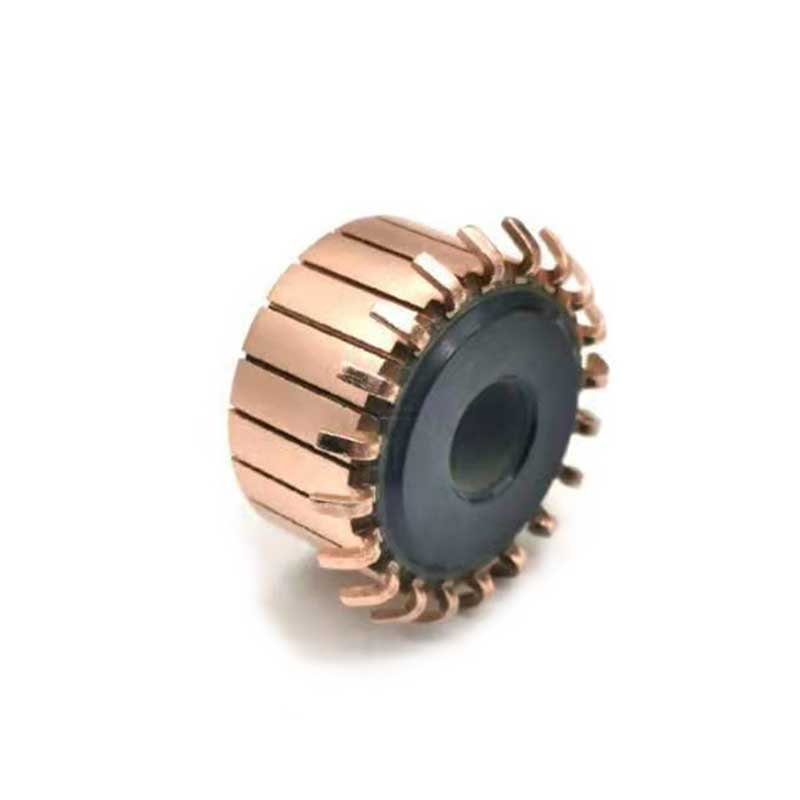
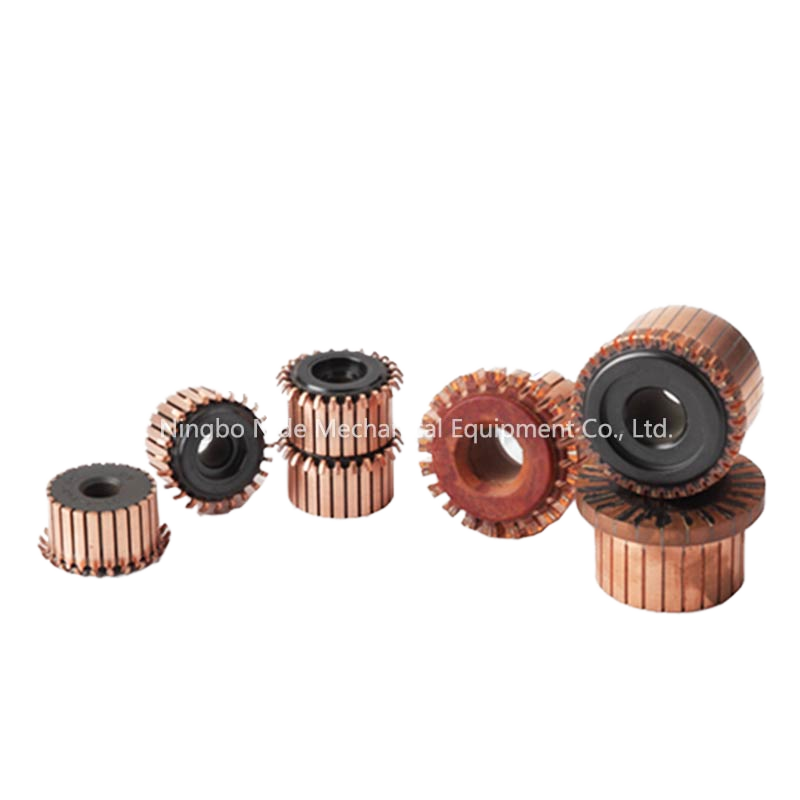
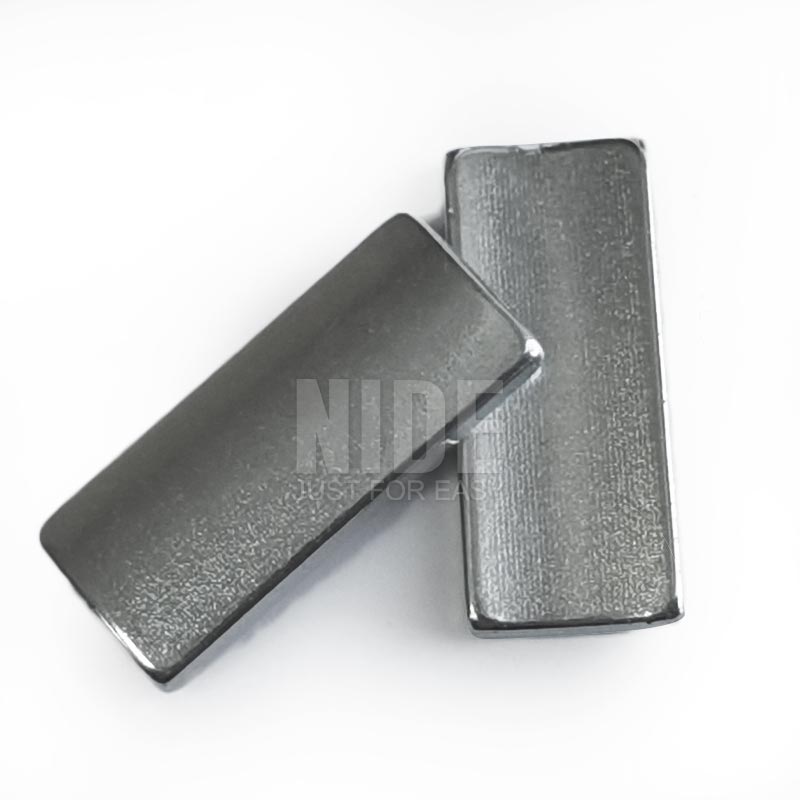
We combine heavy automation manufacturing with full raw material sourcing, from high-grade N52 neodymium magnets to precision commutators and slip rings.

  • Over 13 years of overseas industrial machinery export experience
  • Direct remote diagnostics support and modular sub-assemblies
  • Seaworthy moisture-barrier crate packaging for intermodal freight
  • Comprehensive operator training and tooling maintenance kits
Manufacturing Execution

Turnkey Hairpin Stator Production Sequence

From raw enamelled copper reel to precision-welded, resin-encapsulated stator assembly ready for drivetrain integration.

Step 1

Wire Straightening, Stripping & Forming

Rectangular enamelled copper wire is straightened, mechanically or laser stripped of insulation with micron accuracy, cut to length, and bent into precise 2D/3D hairpin pins with zero damage to the underlying dielectric coat.

Step 2

Paper Insertion & Pin Pre-Assembly

High-dielectric slot insulation paper (Nomex/Kapton/PET laminates) is folded and inserted into stator core slots. Pre-formed hairpins are automatically gathered into a circular nest and inserted into the core in a single coordinated stroke.

Step 3

Mechanical Twisting & Pin Trimming

Multi-layer servo twist heads capture the hairpin ends, twisting them in opposite directions to form the exact winding pitch. The open wire leads are trimmed to uniform height and aligned using automatic mechanical fixtures.

Step 4

Laser Welding & Trickle Impregnation

A galvanometer laser scanner or robotic fiber laser welds the hairpin tip pairs under inert shielding gas. The completed stator then enters vacuum pressure impregnation (VPI) or automated trickle varnishing, followed by full electrical EOL test.

Buyer Knowledge Base

Frequently Asked Questions for Edmonton Industrial Purchasers

Detailed answers addressing electrical compliance, cold-climate tooling durability, spare parts availability, and turnkey commissioning in Western Canada.

Are your hairpin stator lines compatible with Canadian electrical standards (CSA / ESA)? +
Yes. While all standard equipment carries CE certification, we regularly engineer and build electrical control cabinets specifically for export to Alberta and Canadian provinces. We integrate CSA- or cUL-approved core electrical components (such as Rockwell Allen-Bradley or Siemens PLCs, Schneider contactors, and SMC pneumatics). Equipment destined for Edmonton can be pre-configured for Canadian 480V/60Hz or 600V/60Hz 3-phase industrial power grids, facilitating swift Special Inspection field certification (such as SPE-1000) by certified bodies like CSA, Intertek, or QPS upon arrival.
How does hairpin stator architecture perform in Edmonton's extreme sub-zero environment? +
Sub-zero ambient conditions (-30°C to -40°C) introduce thermal shock and micro-cracking risks for conventional wire enamel and resin insulation. Hairpin stators provide a major mechanical advantage: the rigid, pre-formed rectangular copper wire eliminates random wire cross-overs and vibration-induced abrasion. When matched with our vacuum trickling resin systems and Class H/H+ insulation schemes, the consolidated copper-iron assembly provides outstanding mechanical rigidity and superior thermal dissipation, preventing hot spots and extending insulation lifespan in mining and heavy fleet applications.
Can a single hairpin winding line handle multiple stator stack heights and slot designs? +
Yes. Modern hairpin lines engineered by our R&D team utilize modular tooling nests. While wire cross-section alterations typically require dedicated forming dies, variable stator stack heights (e.g., from 50 mm up to 250 mm) are managed dynamically through programmable servo travel axes. Changing stator core diameters or slot counts is facilitated via quick-change insertion heads and motorized CNC twist tooling, allowing Edmonton manufacturers to produce multiple motor variants on a single production line with changeover times under two hours.
What laser welding technology is utilized for copper hairpin leads, and how is weld quality verified? +
Pure copper exhibits high reflectivity at standard infrared wavelengths, which can result in spatter and porous weld joints. We implement high-power fiber lasers with adjustable ring-mode (ARM) beam technology or specialized green/blue laser sources. This ensures stable melt pool formation with negligible spatter. Each weld station integrates high-speed visual positioning systems that verify hairpin alignment prior to firing, followed by post-weld optical height checks and 100% in-line electrical Kelvin resistance inspection to guarantee zero high-resistance welds.
What is the delivery timeline, shipping route, and support structure for Edmonton buyers? +
Standard stand-alone winding stations typically require 60 to 90 days for manufacturing, while complete turnkey hairpin production lines average 120 to 180 days, inclusive of Factory Acceptance Testing (FAT). Shipments to Alberta are routed via ocean freight to the Port of Vancouver or Prince Rupert, followed by direct CN or CP intermodal rail to Edmonton industrial yards. We provide comprehensive remote PLC diagnostics over encrypted industrial routers, complete English documentation, schematics, and send field commissioning engineers for on-site line setup and operator training.
Do you supply spare tooling, consumables, and complementary motor components? +
Yes. Alongside primary machine systems, we provide comprehensive tooling packages including precision wire stripping blades, bending mandrels, slot paper forming knives, and gripper fingers. Furthermore, as an integrated motor solutions provider, Edmonton clients can procure matched motor components—such as sintered N52 neodymium magnets, planar commutators, slip rings, bearings, and insulation paper—enabling single-source procurement and simplified vendor management.

Accelerate Your Motor Manufacturing Capabilities in Edmonton

Connect with our senior technical engineering team today. Send us your stator lamination drawings, wire dimensions, and production capacity targets for a comprehensive technical proposal, line layout, and turnkey quotation.

Get a Quote