Advanced Stator Manufacturing Equipment & Motor Components
Explore our export-grade stator assembly modules, high-speed CNC winders, and permanent magnet solutions engineered to optimize cycle times and slot fill factors for modern brushless, induction, and e-mobility drive systems.
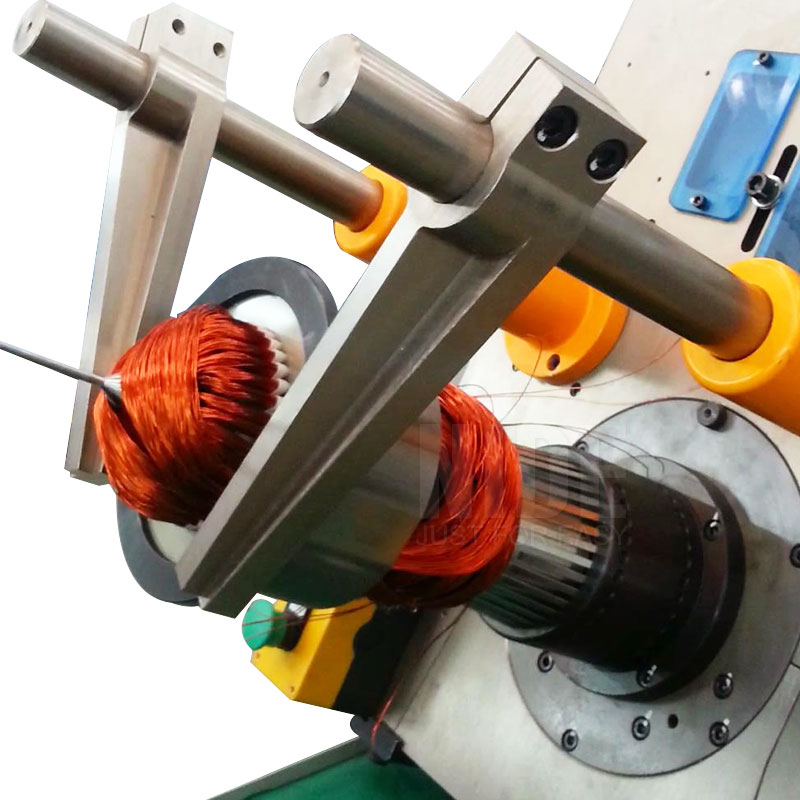
Three-Phase Stator Coil Inserting Machine
Semi-automatic insertion system for three-phase stators. Simultaneously inserts pre-wound copper coils and slot insulation paper wedges with servo-driven blade precision.
- PLC Controlled
- 1 Year Warranty
- Core Engine Drive
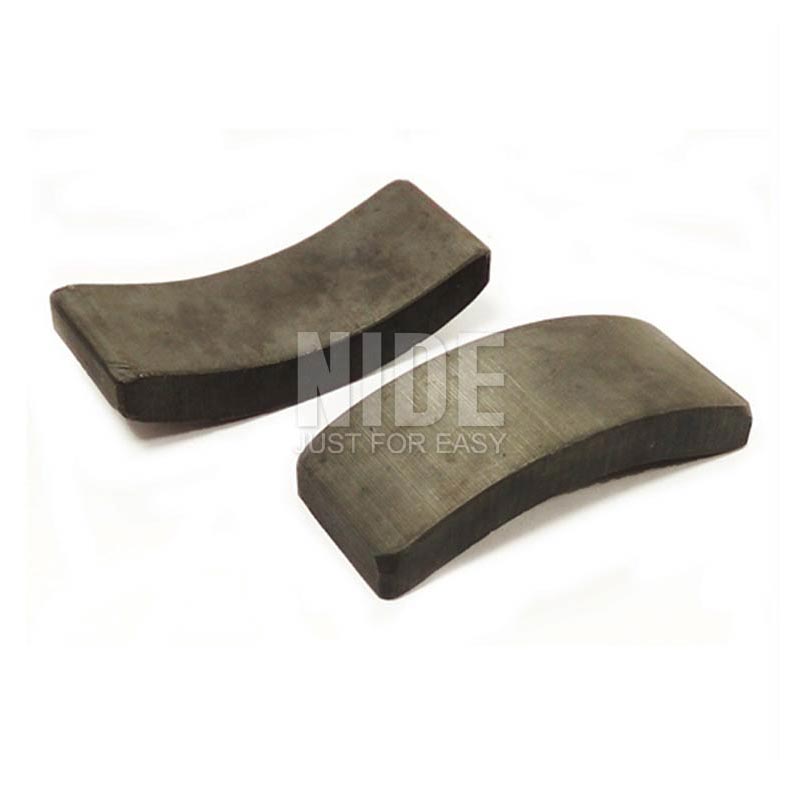
12-220V DC Permanent Ferrite Arc Magnets
Engineered permanent arc-shaped ferrite magnets designed for water pumps, automotive auxiliary motors, and DC industrial drives demanding stable coercivity.
- Permanent Arc
- Custom Curvature
- Pump & DC Motor

BLDC Motor Rotor Magnet Inserting Machine
Fully programmable PLC-driven insertion machine for high-speed placement of magnetic blocks into brushless rotor stacks with accurate glue dispensing and seating.
- High-Precision Index
- Damage-Free Feeding
- 1 Year Warranty
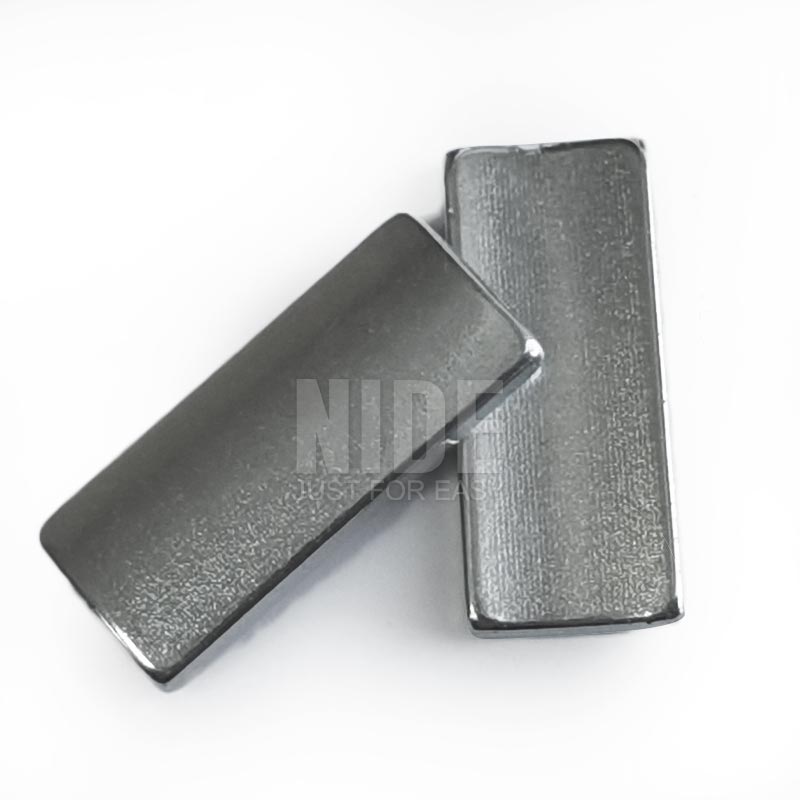
Rectangular N52 Neodymium Block Magnets
Ultra-high energy product N52 NdFeB sintered blocks. Engineered specifically for high-torque-density PMSM, drone propulsion, and industrial servo motor assemblies.
- Sintered NdFeB
- High BHmax
- Model NDPJ-CW-58
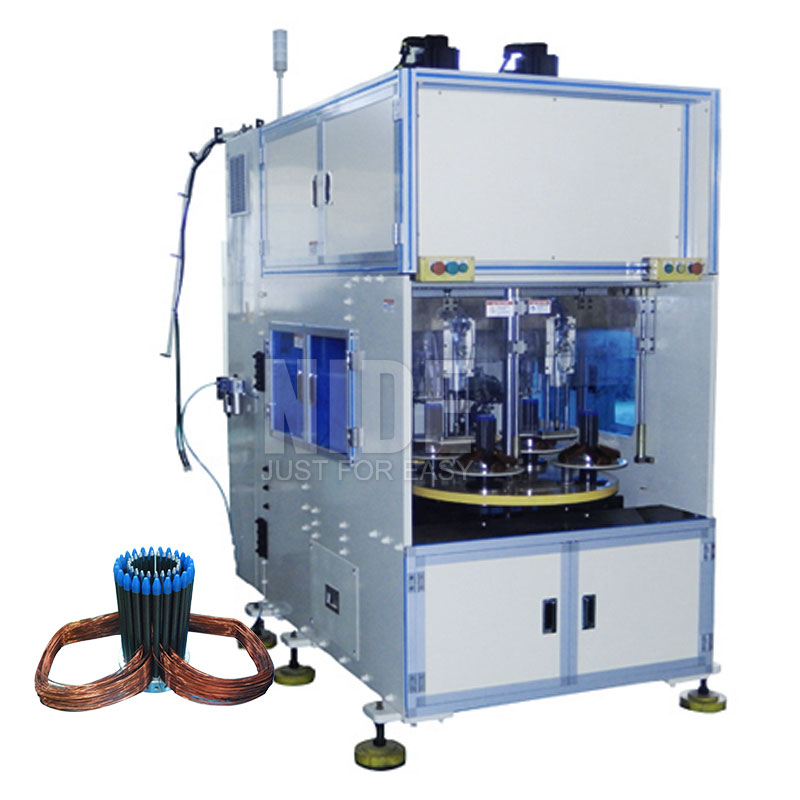
CNC Cooler Motor Stator Coil Winding Machine
Computer-controlled winder built for HVAC cooler and fan motor stators. Multi-head wire guiding guarantees uniform wire distribution and repeatable tension regulation.
- CE Certified
- Tension Control
- PLC Interfaced
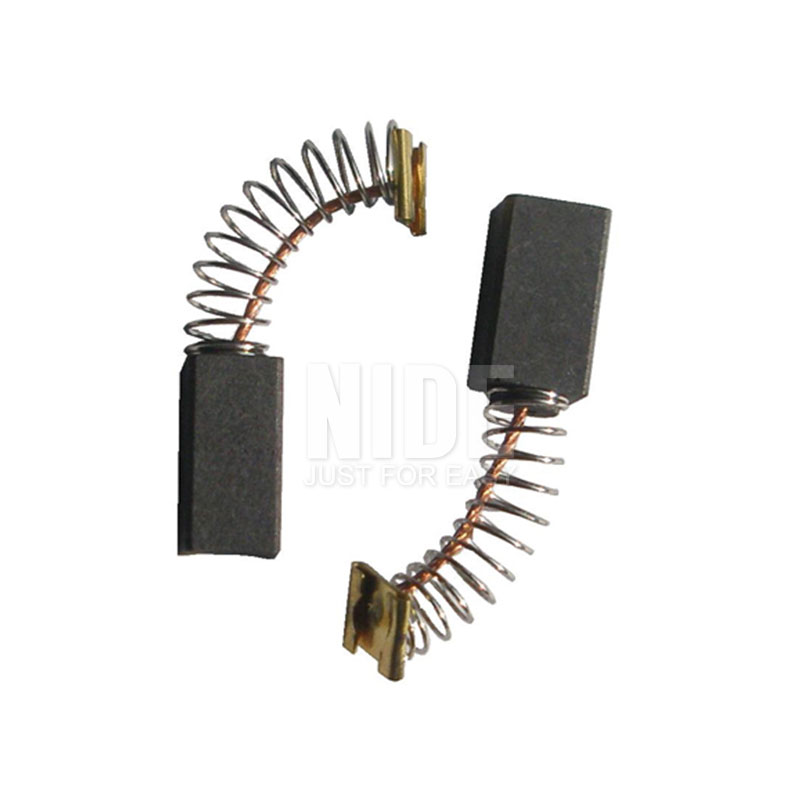
High-Precision DC Alternator Carbon Brushes
Low-spark, wear-resistant electro-graphite and copper-graphite brushes for automotive alternators, traction motors, and high-duty universal motor armatures.
- Model NDPJ-TS-7
- Low Wear Rate
- CE Certified
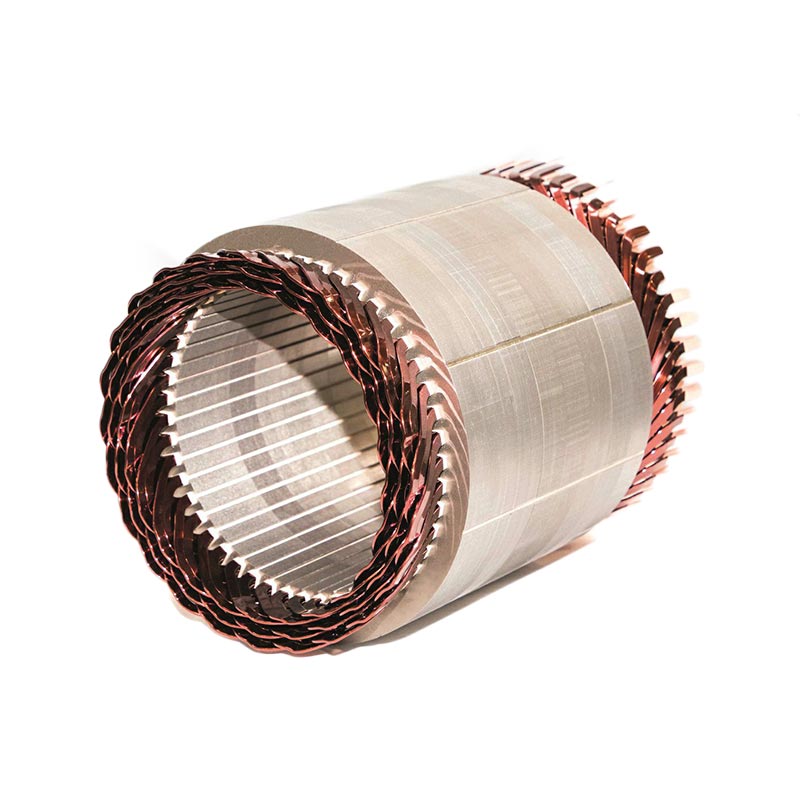
Fully Automatic Hairpin Stator Production Line
High-volume production line for e-mobility drive stators. Integrates 2D/3D wire forming, paper insertion, hairpin inserting, crown twisting, and laser welding with 3D vision.
- High Slot Fill (>70%)
- Laser Vision Guided
- EV Traction Motor
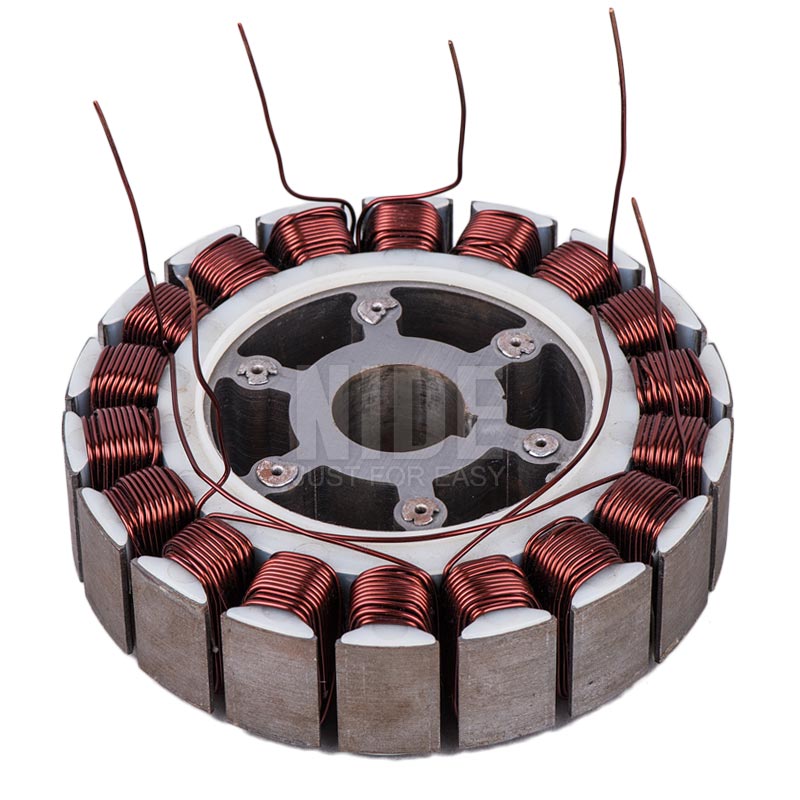
BLDC Wheel Motor Stator Needle Winder
CNC multi-axis needle winder for outer-rotor wheel hub motors. Perfect for light electric vehicle drives, precision robotics hubs, and multi-pole torque motors.
- Needle Nozzle Control
- Outer Rotor Capable
- PLC Interfaced
Stator Manufacturing for the Denver Front Range: Managing High-Altitude Derating & Dielectric Integrity
Manufacturing electric motor stators intended for deployment across Colorado's Front Range, Rocky Mountain mining zones, or aerospace test beds demands specialized manufacturing safeguards. Operating at an elevation of 5,280 feet (1,609 meters) and above decreases atmospheric pressure to approximately 84 kPa, fundamentally altering dielectric breakdown behavior and air cooling thermodynamics according to Paschen's Law.
At Mile High altitudes, the reduced breakdown threshold of ambient air significantly increases the risk of corona discharge and micro-arcing within stator end-windings, especially in variable frequency drive (VFD) fed systems experiencing fast-switching dV/dt transient spikes.
Our stator assembly solutions for Denver OEMs incorporate tight automated control over slot fill uniformity, automated phase-to-phase Nomex/DMD insulation insertion, and automated trickle or vacuum pressure impregnation (VPI) varnishing lines. By eliminating void pockets within slot cavities, the automated line ensures high corona extinction voltage (CEV) thresholds, mitigating high-altitude premature insulation failures.
| Process Parameter | Standard Sea-Level Spec | High-Altitude (Denver) Spec |
|---|---|---|
| Thermal Derating Factor | 1.0 (Baseline kVA) | 0.92 - 0.94 (Class H Insulated) |
| Dielectric Creepage Gap | 3.2 mm (Standard) | ≥ 4.5 mm (IEC 60664-1 Multiplier) |
| Surge / Hipot Voltage | 2.0 kV AC RMS | Up to 3.5 kV with PD Monitoring |
| Slot Fill Density | 48% - 55% (Flyer Winding) | 65% - 73% (Hairpin Flat Wire) |
| Varnish Impregnation | Dip / Roll Coating | VPI or Dual-Cycle Automated Trickle |
Turnkey Stator Assembly Line Architecture
From bare silicon steel laminations to 100% electrically validated stators, our automated production cells maximize output consistency while eliminating human handling errors.
Slot Cell Insulation
Continuous edge-crimping, cutting, and inserting of DMD, Nomex, or polyimide insulation paper into stator slots via servo-fed indexers with zero edge burr.
Precision CNC Winding
High-speed flyer or multi-axis needle winding matching targeted slot-pole topologies, maintaining tension control within ±1.5% to preserve enamelled wire coats.
Automated Wedge Insertion
Synchronous insertion of pre-formed slot wedges ensuring tight coil retention and preventing conductor migration during heavy vibration operating modes.
Multi-Step End Forming
Progressive hydraulic and servo-mechanical forming dies compress end-turns into exact clearance profiles to eliminate interference with end-bells and rotors.
Dual-Side Auto Lacing
Twin-needle automated stitching of end-windings utilizing polyester or aramid cords with programmable pitch and variable tension to secure phase leads.
Hairpin Laser Stripping & Weld
For rectangular wire stators: Laser stripping of enamel, CNC twist crowns, and 3D visual galvanometer fiber laser welding with real-time melt-pool tracking.
Varnish Impregnation
Infrared pre-heating, automated resin trickle or vacuum dipping, and temperature-controlled curing tunnels delivering void-free thermal dissipation paths.
Integrated EOL Testing
Automated inline testing station measuring DC winding resistance, surge waveforms, AC/DC Hipot leakage, inter-turn insulation, and rotor rotation resolver sync.
Localized Industrial Applications Across the Front Range Urban Corridor
Denver, Aurora, Lakewood, and Northern Colorado (Fort Collins, Loveland, Boulder) form one of the United States' premier high-technology, aerospace, and energy transition hubs. Nakro stator lines provide the high-reliability foundation these sectors demand.
Aerospace & Defense Propulsion
Serving defense contractors and space systems integrators in Arapahoe and Jefferson counties. Our ultra-precise needle winding equipment manufactures low-cogging BLDC stators for satellite reaction wheels, UAV primary propulsion, gimbal controls, and valve actuators certified for vacuum and stratosphere thermal extremes.
Mining & Extraction Pumping
Colorado's resource extraction and heavy engineering infrastructure requires severe-duty induction and permanent magnet stators. Our heavy-wire insertion machines handle thick gauge multi-strand wire for submersible slurry pumps, conveyor drive motors, and ventilation blowers engineered to withstand particulate infiltration and high shock loads.
Clean-Tech & Mountain E-Mobility
Supplying production cells to EV conversion shops, electric light vehicle builders, and mountain e-bike manufacturers along the I-25 corridor. Our hairpin lines and outer-rotor hub winding units produce high-torque-density electric motors engineered for prolonged grade climbing and regenerative braking across steep mountain passes.
Advanced Manufacturing Trends Transforming the Mountain West
Staying ahead of industry transitions requires smart automated machinery engineered for quick tool changeovers, Industry 4.0 connectivity, and tight energy-efficiency standards.
1. The Shift to High-Efficiency Flat Hairpin Stators
With the adoption of NEMA Super Premium (IE4) and Ultra-Premium (IE5) efficiency standards, industrial motor assemblers are moving away from traditional round enameled wire toward rectangular copper hairpin architectures. Flat wire eliminates voids within stator slots, elevating slot fill factor from under 50% to greater than 72%, significantly reducing Joule heat dissipation.
2. Edge-Computing IoT & Real-Time Weld Telemetry
Modern Denver manufacturing facilities increasingly enforce complete digital traceability across every subassembly. Nakro stator lines feature integrated OPC-UA industrial Ethernet protocols, transmitting winding tension profiles, laser welding penetration depths, and electrical hipot test curves straight to plant ERP/MES systems for permanent batch pedigree records.
3. Agile High-Mix, Low-Volume (HMLV) Tooling
Unlike massive single-model automotive plants, Front Range precision manufacturing relies on rapid tooling swaps between differing stack heights, lamination outer diameters, and pole counts. Our quick-disconnect forming tooling and modular magazine feeders slash line changeover times from full shifts down to under 45 minutes.
Why International Engineers Choose Our Stator Production Lines
Backed by over a decade of machine design, export logistics, and worldwide commissioning excellence, we bridge the gap between initial motor blueprints and full-scale factory commissioning.
14+ Years Specialization
Focusing exclusively on electric motor stator, armature, and rotor manufacturing machinery since 2010 with deep domain process mastery.
Complete Component Sourcing
Beyond capital machinery: One-stop supply of matching permanent magnets, commutators, ball bearings, carbon brushes, and insulation paper.
Pre-Shipment Trial Runs
Factory Acceptance Testing (FAT) performed utilizing the buyer's genuine laminations and wire gauges, verified by high-speed video and sample inspection.
Global Engineering Support
Dedicated remote diagnostic support and field service partners for on-site line integration, mechanical installation, and operator training.
Frequently Asked Questions for Denver Procurement & Engineering Teams
Technical, logistical, and compliance answers addressing common inquiries from North American engineering managers and purchasing directors.
What is the standard shipping lead time and intermodal transit route to Denver, Colorado?
Can electrical control cabinets be configured to meet US NFPA 79 and UL 508A specifications?
How do your assembly lines adjust for wire elongation and insulation coating stress?
What spare parts and ongoing maintenance are recommended for round-the-clock production?
Can one assembly line handle multiple stator sizes and stack heights?
Modernize Your Stator Manufacturing Cell Today
Whether you are expanding a defense-grade actuator line, establishing an e-mobility traction motor line, or automating manual coil insertion, our engineers are ready to evaluate your stator blueprints and deliver an optimized line proposal.
