Industrial Automation Catalog
High-Precision Motor Assembly Lines & Automated Processing Systems
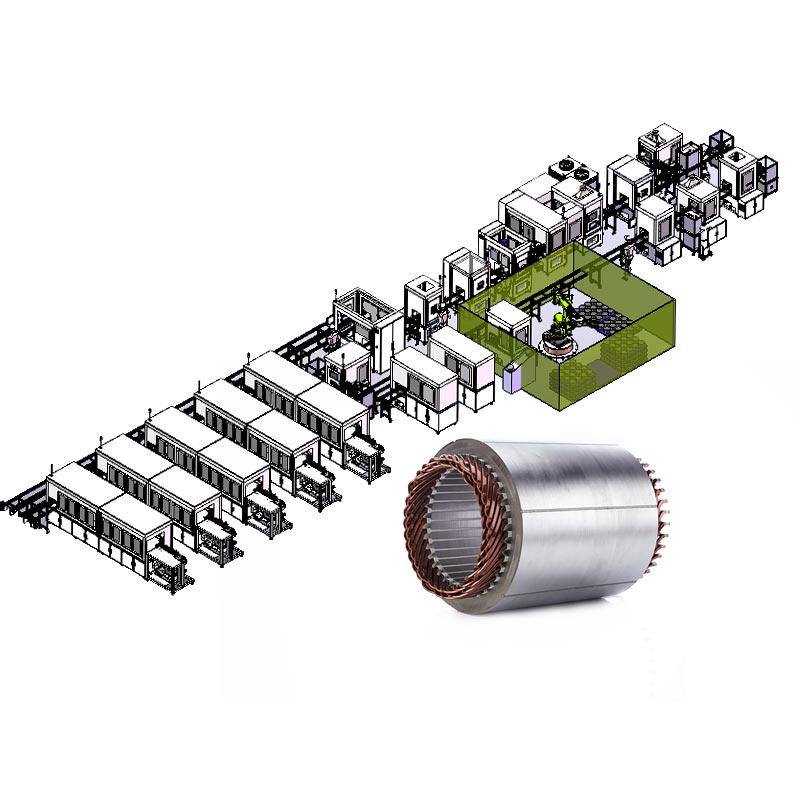
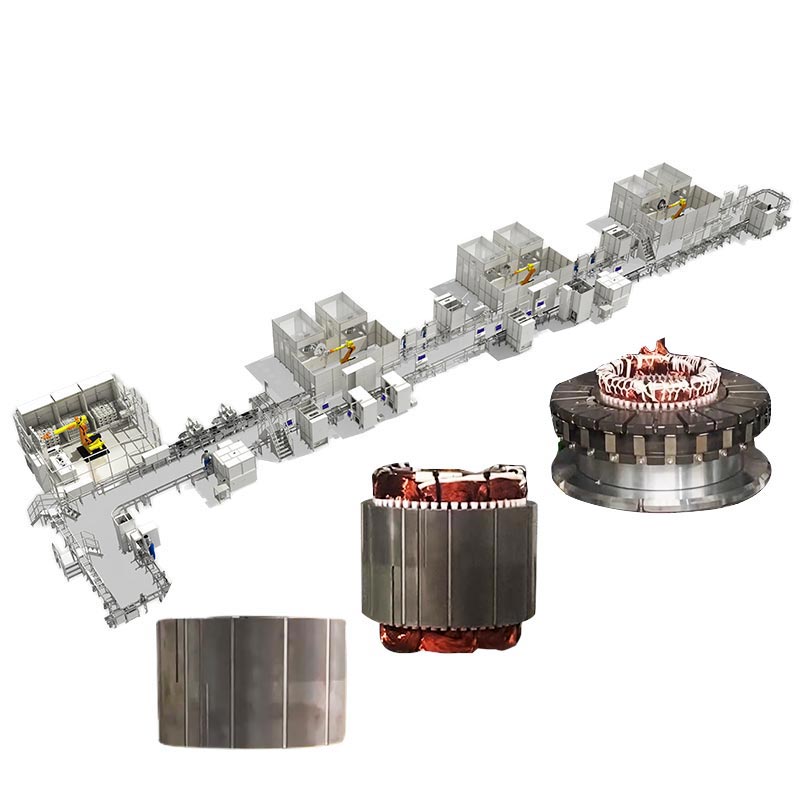
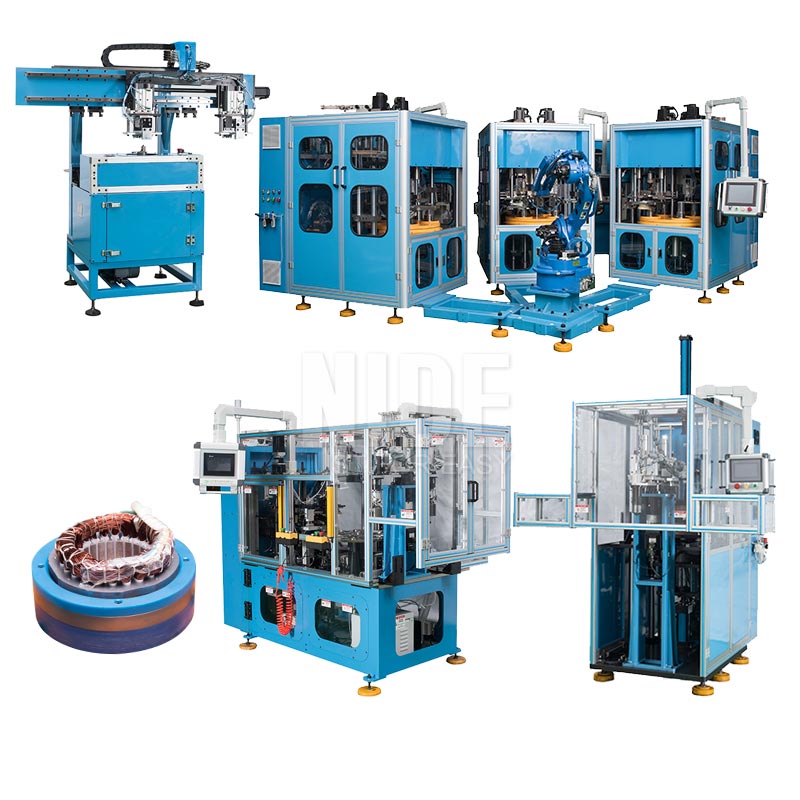
Engineered by Ningbo Nakro Intelligent Equipment Co., Ltd. (since 2010), our equipment powers heavy-duty EV conversions, commuter e-rickshaws, and specialized direct-drive machinery across global transit hubs.

Strategic Market Integration
Optimizing Wheel Hub Motor Automation for Panama City's Industrial Ecosystem
As the primary transshipment node between the Atlantic and Pacific oceans, the Panama City metropolitan area presents distinct geographic, climatic, and logistics operating parameters. Our production lines are specially configured to overcome tropical marine corrosion and fulfill growing urban electrification mandates.
Panama Canal & Colon Free Zone Logistics
The high-throughput logistics terminals flanking the Panama Canal—including Balboa, PSA Panama International, and neighboring Colón—depend continuously on Automated Guided Vehicles (AGVs), electric tow tractors, and port transfer carts.
- Outer-rotor direct-drive configurations eliminating mechanical reduction gear wear.
- Instantaneous low-speed high-torque curves critical for multi-ton container drayage.
- Seamless integration into 24/7 terminal autonomous distribution circuits.
Tropical Maritime Humidity & Salt Fog Sealing
Panama City’s ambient humidity continuously exceeds 85%, combined with coastal salt spray that accelerates galvanic corrosion and dielectric breakdown within unprotected motor armatures and stators.
- Automated vacuum pressure impregnation (VPI) and epoxy potting for stator end-windings.
- Laser-guided dispensing of robotic dual-lip silicone seals rated to IP67/IP69K enclosures.
- Salt-fog validated anti-corrosion coating stations for rotor hubs and dynamic axles.
Metropolitan Micro-Mobility & Transit Fleets
Under Panama’s National Electric Mobility Strategy (ENME), municipal corridors along Vía España and the Transístmica highway are accelerating the switch toward localized electric two-wheelers, delivery trikes, and e-rickshaws.
- Programmable multi-pole needle winders handling wire gauges from 0.4mm to 1.8mm.
- Integrated magnetic circuit balancing minimizing cogging torque for city stop-and-go.
- Scalable lines capable of rapid batch changeovers between 500W and 15kW architectures.
2010
Established in Ningbo, China
50+
Global Export Markets
30,000+
m² Production Facilities
ISO 9001
Certified Quality Management
Emerging Market Dynamics
Macro Trends Transforming Wheel Hub Motor Manufacturing in Central America
Industrial procurement in the Panama-Pacific Special Economic Area is undergoing a structural paradigm shift driven by nearshoring, clean energy subsidies, and intelligent manufacturing upgrades.
Nearshoring to Panama-Pacifico
Global OEMs are actively establishing localized sub-assembly facilities within free economic zones to bypass trans-Pacific freight disruptions, leveraging Panama’s multimodal logistics connectivity to supply both North and South American markets with zero tariff friction.
Flat-Wire Hairpin Evolution
While stranded-wire winding has dominated traditional e-scooter hub motors, high-speed regional commercial platforms are pivoting rapidly toward hairpin flat copper conductors, which increase slot fill factor from ~45% to over 72%, significantly reducing Joule thermal losses.
Traceability & SCADA / MES
Regional procurement contracts increasingly demand full component traceability. Our assembly lines incorporate integrated barcoding, laser serial marking, and automated database uploads tracking real-time torque, press-fit depth, and electrical test metrics for every serialized motor.
High-Grade Rare Earth Efficiency
With fluctuations in raw material pricing, advanced assembly lines require automated magnet dispensing systems that minimize adhesive volume variation and precisely seat NdFeB/SmCo permanent magnets into outer-rotor housings without micro-fracturing or chipping.
Turnkey Engineering Architecture
End-to-End Wheel Hub Motor Production Station Sequence
From bare silicon steel laminations to validated sealed drive wheels, our assembly solutions provide comprehensive turnkey automation engineered around exact slot geometry and magnetic pole counts.
| Station Phase | Core Operations Executed | Automation Level | Critical Quality Verification |
|---|---|---|---|
| Phase 01: Stator Core Preparation | Insulation paper insertion / End-insulation capping onto stacked silicon steel lamination packs. | Fully Automatic (Dual-station indexing) | Optical vision detection for folded edge defect and 100% paper presence check. |
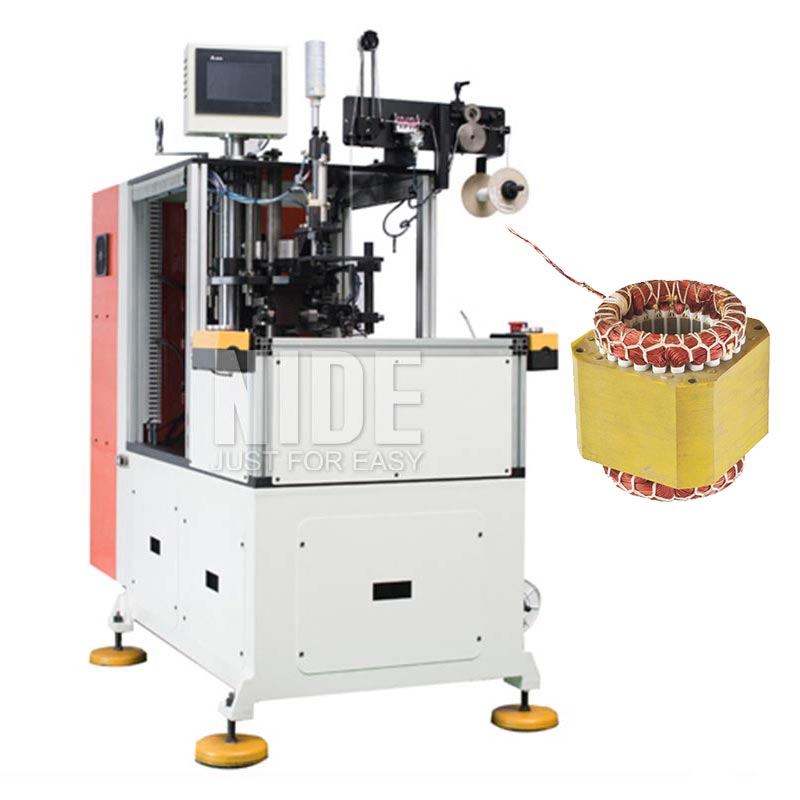
| Phase 02: Multi-Axis Needle Winding | High-speed multi-strand copper wire flyer / needle winding directly around outer-rotor or inner stator teeth. | CNC Multi-Axis Servo Synchronized | Closed-loop electronic tension control (±1.5g precision); continuous wire scrape monitoring. |
| Phase 03: Lead Wire & Hall Termination | Phase terminal crimping, commutator/hook micro-welding, precision PCB Hall-effect sensor soldering. | Semi-Automatic / Robotic Selective | Micro-ohmic Kelvin 4-wire resistance test; thermocouple thermal camera joint inspection. |
| Phase 04: Rotor Magnet Assembly | Robotic pneumatic picking, automated anaerobic structural adhesive dispensing, magnet polarity pairing. | Robotic Vision Guided | Magnetic flux density mapping; Gauss meter polarity confirmation (N/S orientation verification). |
| Phase 05: Rotor-Stator Marriage & Sealing | Anti-magnetic collision insertion press, dual high-precision bearing insertion, O-ring seal placement. | Servo Press-Fit with Load-Cell Monitoring | Real-time Force vs. Displacement profiling (0.01mm resolution); air-decay decay leak testing (IP67). |
| Phase 06: End-of-Line (EOL) Validation | Dynamic rotational balancing, Back-EMF measurement, Hi-Pot insulation breakdown, vibration NVH analysis. | Integrated Automated Test Bench | Computerized PASS/FAIL certificate generation tied directly to factory MES database. |
Manufacturer Credentials
Why Tier-1 Motor Builders Partner with Ningbo Nakro
Combining 14+ years of specialized motor manufacturing machinery expertise with complete motor components supply chain consolidation.
One-Stop Turnkey Ecosystem
Unlike standalone equipment suppliers, Nakro provides a unified engineering channel spanning machinery design, tooling fabrication, and the direct supply of matching premium motor components:
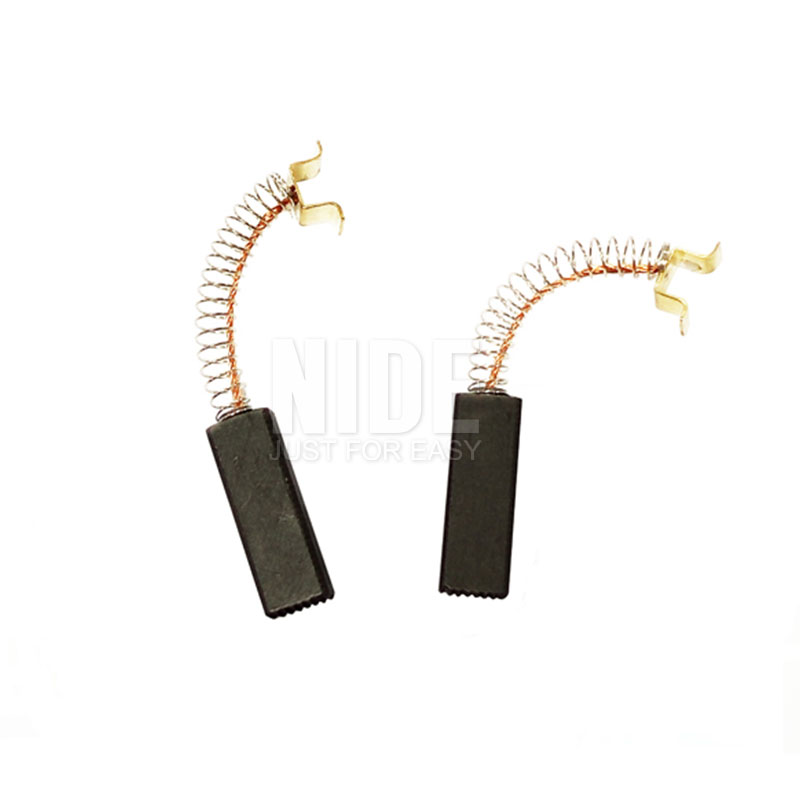
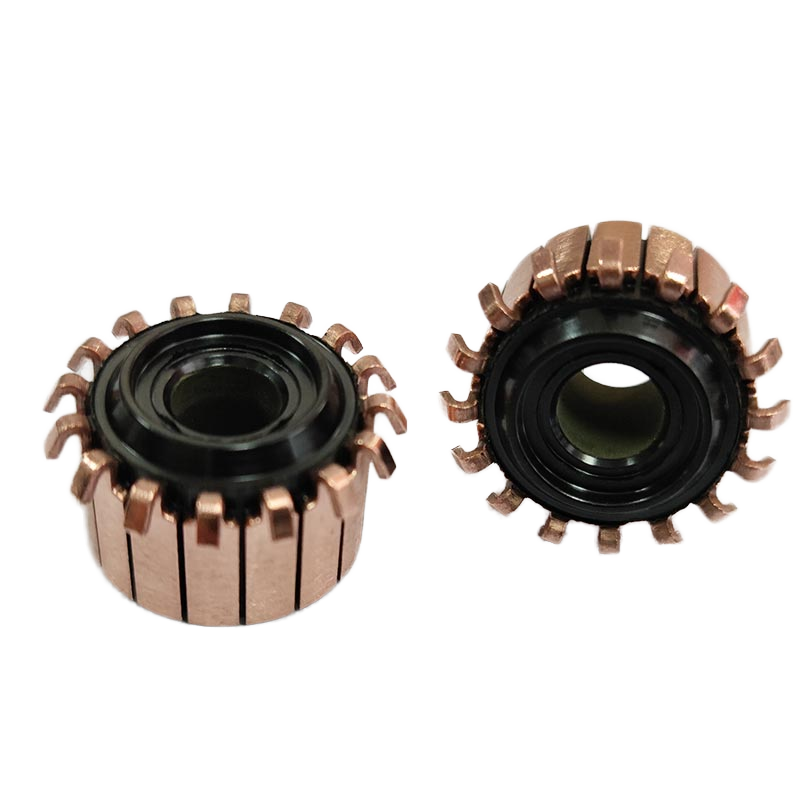
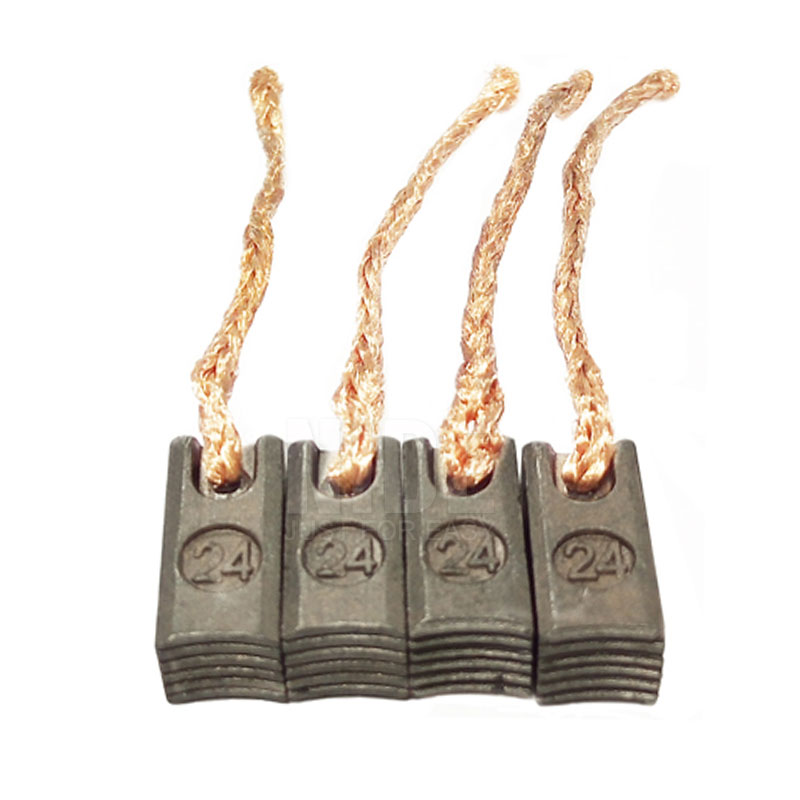
- Hook and grooved commutators, carbon brushes, and high-temp brush holders.
- Silicon steel stators, neodymium magnets, shafts, end covers, and sealed bearings.
- Eliminates multi-vendor accountability conflicts during pilot production runoff.
Custom R&D & Quick Tooling Adaptability
Our dedicated engineering department designs custom winding nozzles, inserter finger assemblies, and rotor clamping chucks matched strictly to client CAD drawings.
- Modular quick-changeover tooling sets swappable in under 35 minutes.
- Full support for non-standard stator core stack heights and complex winding patterns.
- Comprehensive OEM/ODM and buyer label integration services.
Robust Export & Field Service Network
With machinery exported to over 50 countries across Southeast Asia, Eastern Europe, the Middle East, and the Americas, Nakro possesses deep international trade maturity.
- Factory Acceptance Testing (FAT) conducted with your exact laminations and wire.
- Remote PLC telemetry diagnostics via secure encrypted VPN for real-time support.
- Flexible trade conditions: FOB Ningbo/Shanghai, CFR, CIF Panama City (Manzanillo/Balboa).
Frequently Answered Questions
Panama City Procurement & Operational FAQ
Essential answers regarding electrical compatibility, environmental resistance, logistical dispatch, and on-site engineering commissioning.
What power configuration do Nakro machines use, and are they compatible with Panama’s electrical grid?
▼
Panama standard industrial power operates on 220V, 240V, or 480V 3-Phase at 60Hz, differing from domestic Chinese 50Hz standards. Ningbo Nakro equips all export machines bound for Panama with custom-engineered power conditioning units, matching servo drives (such as Mitsubishi, Panasonic, or Delta), and UL/CE compliant transformers configured specifically for 60Hz operation.
This avoids high-frequency transformer overheating, eliminates phase sync issues, and ensures all motors, chillers, and PLC cabinets operate reliably within Panama’s grid tolerances.
Can one assembly line handle multiple wheel hub motor diameters and stack heights?
▼
Yes. Our assembly lines are built on modular, recipe-driven CNC platforms. By utilizing quick-release fixtures and programmable servo positioning, a single line can accommodate outer-rotor stator outer diameters ranging from 150mm to 380mm, and lamination stack heights from 20mm to 65mm.
Parameters for wire slot count, turns per pole, and rotor indexing angles are easily saved and recalled directly via the multilingual Siemens or Weinview industrial HMI touchscreen.
How does Nakro ensure machine longevity in high-humidity, marine-tropical climates?
▼
Machinery installed near coastal ports like Panama City or Colón requires active climate hardening. We build our electrical cabinets with integrated air-conditioning heat exchangers rather than simple ventilation grilles, preventing salty atmospheric air infiltration.
Mechanical guide rails and ball screws feature hard chrome plating or stainless steel protective bellows, pneumatic components utilize corrosion-resistant SMC or Festo series, and all structural frames undergo electro-deposition primer coating prior to industrial powder baking.
What is the standard shipping lead time to Panama City ports, and what trade terms are supported?
▼
Standard fabrication time ranges from 45 to 75 business days depending on automation complexity and custom tooling requirements. Ocean transport from Ningbo or Shanghai Port to Panama (Port of Balboa on the Pacific or Manzanillo International Terminal on the Atlantic side) typically requires 22 to 28 transit days.
We routinely execute shipments under FOB, CFR, and CIF terms, handling seaworthy heavy-duty vacuum-sealed timber crating with desiccant packs to ensure zero rust during transit across the ocean.
How is Factory Acceptance Testing (FAT) and subsequent commissioning conducted overseas?
▼
Prior to shipment, Nakro requests customers to courier sample stator stampings, magnets, and copper wire. We run continuous pilot runs, documenting cycle time, winding tension uniformity, and electrical Hipot test results on video. Customers are invited to participate in a live virtual run-off or visit our Ningbo factory in person.
Following delivery, our field engineers travel to Panama for on-site positioning, wiring validation, and personnel training. Alternatively, our robust remote commissioning packages utilize secure remote PLC connection modules to guide your local electrical teams step-by-step.
Modernize Your Motor Production Infrastructure Today
Whether you are setting up an e-mobility manufacturing base in the Panama-Pacifico trade zone or automating manual stator assembly for specialized logistics vehicles, our technical team provides detailed line layout designs, cycle time simulations, and cost projections.
