Universal & DC
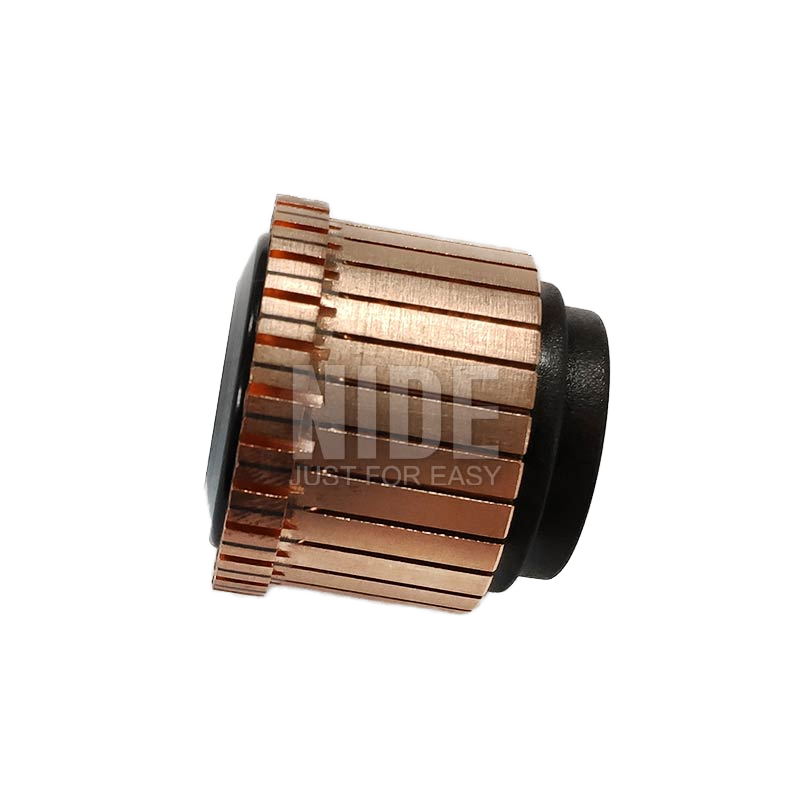
AC Motor Mica Commutator Armature Collector Segment
Model NDPJ-HXQ-101
CCC Certified
Silver Copper
Configured specifically to meet the high slot-fill ratios, rapid cycle expectations, and rigorous quality standards demanded by industrial and tier-1 motor manufacturers in Mexico.

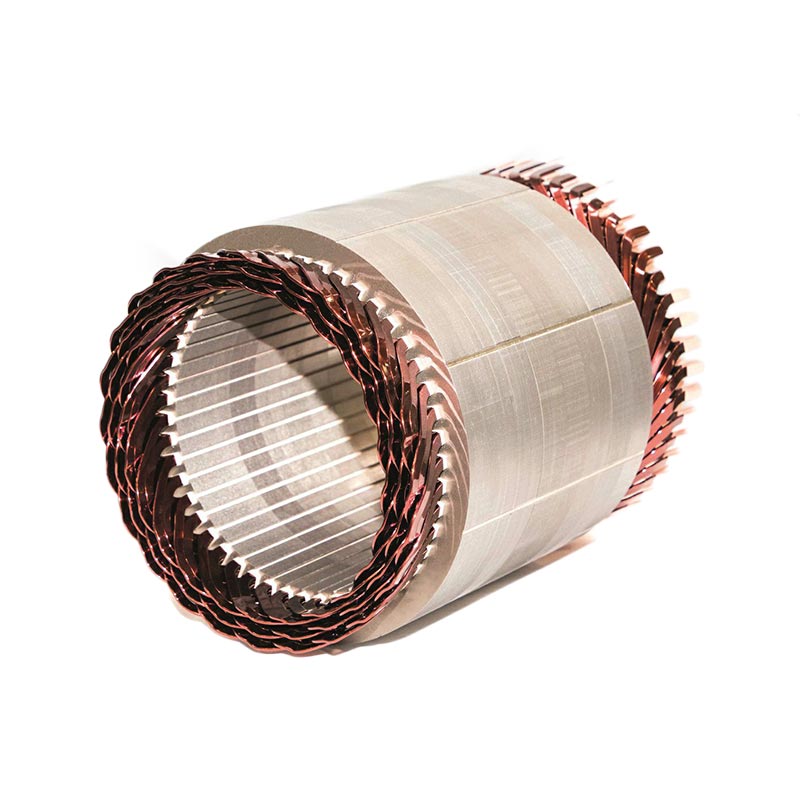
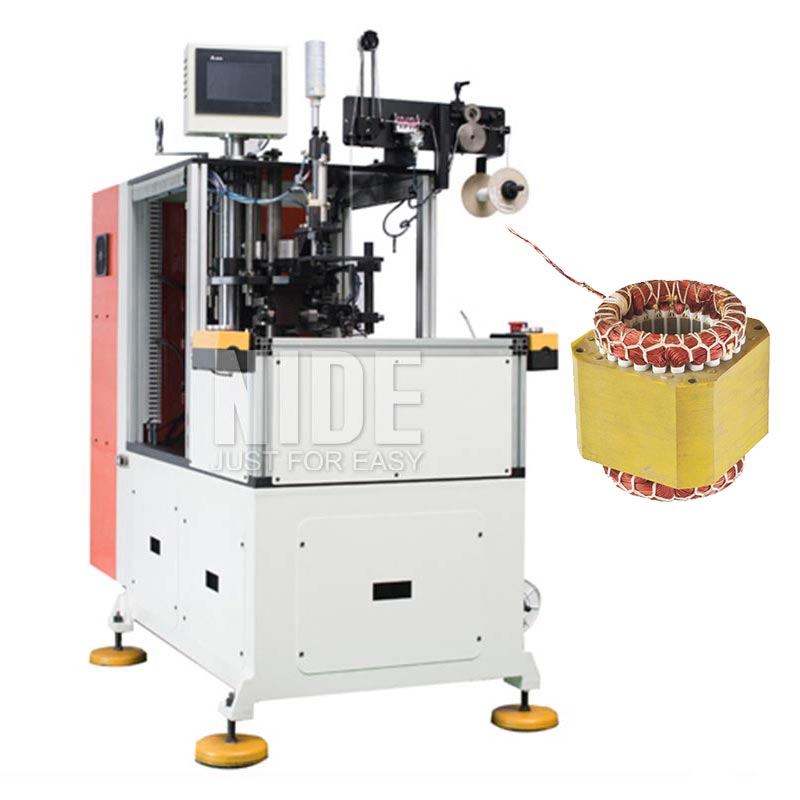

Factory Floor & CNC Facilities
Insertion Cycle per Stator
Maximum Slot Fill Capability
Global Export Track Record
As Mexico solidifies its position as the premier nearshoring nexus for North America under the USMCA (T-MEC) trade framework, the state of Jalisco—anchored by Guadalajara, El Salto, and Zapopan—has evolved far beyond electronics into a heavy-duty electromechanical and automotive manufacturing powerhouse. Electric motor manufacturing plants producing compressor drives, water pump units, automotive cooling blowers, and e-mobility traction stators face unprecedented competitive pressures. Modern manufacturing demands not only lower cycle times but also zero tolerance for insulation breakdown, higher copper slot-fill densities, and strict conformance to high-efficiency standards like NOM-014-ENER and NOM-016-ENER.
In electric motor assembly, the stator coil insertion process is universally recognized as the single most critical and mechanically demanding operation. Manual or semi-automated coil lacing and slot feeding are notoriously vulnerable to operator fatigue, non-uniform tensioning, and microscopic wire enamel abrasions that manifest as early ground faults or inter-turn dielectric failures during surge and hipot testing.
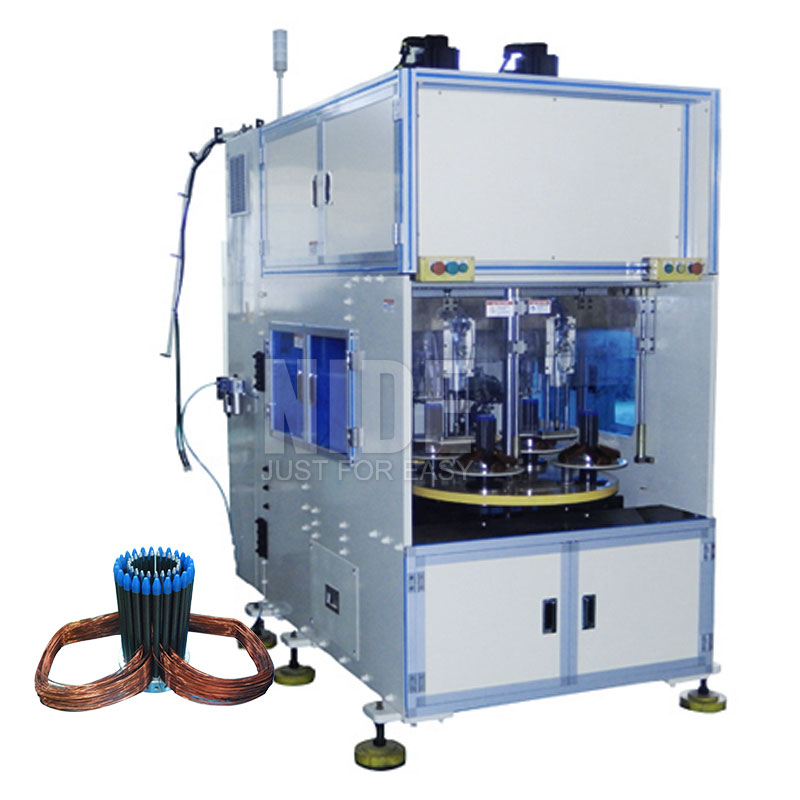
Our automated CNC stator coil inserting machines solve this by executing the simultaneous insertion of pre-wound enameled copper coils and slot insulating wedges in a single coordinated stroke. Utilizing advanced multi-axis AC servo systems synchronized via an industrial PLC (Programmable Logic Controller), the machine drives high-precision guide blades and pushing fingers through the stator core bore. The precision-engineered tooling guides the delicate magnet wire bundles through narrow stator slot openings without scuffing the primary insulation layer, while simultaneously shearing, creasing, and driving the slot insulation wedges (Nomex, DMD, or polyester film) from integrated continuous magazine rolls.
Key Engineering Value: Simultaneous insertion eliminates secondary mechanical stresses on wire loops. Our tooling leaves maintain absolute clearance tolerances within ±0.015 mm, preventing wire crossover friction and enabling slot fill factors exceeding 78% without compromising slot liner integrity.
With global efficiency regulations enforcing IE3 and IE4 standards across industrial pump, fan, and compressor lines manufactured in Guadalajara, motor designers are required to pack more copper mass into smaller lamination slots. Achieving high slot fill factors with thick wire diameters (0.8 mm up to 1.6 mm) or multi-strand parallel winding poses severe insertion resistance.
Our heavy-duty stator insertion models incorporate high-torque electric servo ram drives backed by variable speed stroke profiles. Rather than applying a single, unyielding hydraulic thrust, our servo profile controls the initial entry velocity, pauses fractionally at the point of maximum magnetic slot resistance, and completes the wedge cutoff stroke with controlled deceleration. This dynamic thrust curve eliminates mushrooming of the wedge tops and minimizes elongation stress on the magnet wire, resulting in a scrap rate of less than 0.05% across mass production runs.
| Performance Parameter | Nakro Industrial CNC Inserter | Conventional Hydraulic Inserter | Manual / Semi-Manual Method |
|---|---|---|---|
| Cycle Time (Stator Core) | 9 – 14 seconds (Single Cycle) | 22 – 35 seconds | 180 – 300 seconds |
| Usable Slot Fill Factor | Up to 78% – 82% | Up to 62% – 65% | < 55% (High Wire Variation) |
| Wedge Material Compatibility | Nomex, DMD, PET, Composite Film | Pre-formed Paper Only | Manual Pre-cut Strips |
| Insulation Enamel Scrap Rate | < 0.05% (Controlled Tooling Clearance) | 0.8% – 2.5% (High friction) | 3.0% – 6.0% (Frequent Hipot Failures) |
| Stack Height Flexibility | 15 mm – 260 mm (Digital Quick Set) | 50 mm – 150 mm (Manual Shims) | Unregulated |
| Local Mexican Grid Compatibility | 220V / 440V 60Hz Three-Phase Ready | Requires External Step Transformers | N/A |
The lifespan of a stator coil insertion machine is governed entirely by the metallurgy of its insertion blades, wedge guides, and pushing teeth. At Nakro Intelligent Equipment, our guide blades and pusher elements are forged from high-vanadium alloy tool steel (such as DC53 and powder metallurgy ASP-23), heat-treated through vacuum tempering to 60-62 HRC, and finished with mirror-grade PVD low-friction coatings.
This metallurgical precision prevents premature tool chipping, reduces copper dust build-up within the machine throat, and extends continuous tool life to over 1,200,000 insertion cycles before maintenance repolishing. For plant managers in Jalisco, this translates to minimal downtime during three-shift operations and significantly reduced total cost of ownership (TCO).
From the industrial clusters along the Carretera a Chapala to the tech parks of Zapopan, our stator coil insertion machinery and turnkey manufacturing cells power essential industrial lines.
Jalisco is Mexico’s agricultural heartland, driving enormous regional demand for submersible deep-well pumps, surface booster pumps, and centrifugal irrigation motors. Our insertion equipment effortlessly handles single-phase and three-phase induction stators with stack heights up to 260 mm, ensuring dense windings that resist the thermal spikes common in continuous pumping operations.
Guadalajara serves as a key sub-tier supplier hub for automotive assembly corridors across central and northern Mexico. Our machines handle high-precision 12V/24V/48V stators for electric power steering (EPS), high-volume radiator cooling fans, cabin HVAC blowers, and fuel delivery pumps requiring 100% trace-documented insertion repeatability and zero enamel damage.
Western Mexico's booming cold-chain, beverage dispensing, and food processing plants depend on domestic commercial compressor production. We engineer multi-pole stator insertion tooling that accommodates stepped-slot profiles and irregular slot geometries found in hermetic and semi-hermetic compressor stators with strict wedge retention specifications.
An in-depth analysis of regulatory shifts, technological transitions, and nearshoring imperatives influencing capital expenditure in Guadalajara's motor factories.
Historically, manufacturing facilities in Jalisco relied upon manual bench winding and hand-tucking insertion due to favorable labor costs. However, rising industrial wage rates, high turnover in competitive industrial zones like Tlaquepaque and Zapopan, and the stringent cycle-time expectations of North American end-buyers have rendered manual methods uncompetitive. Introducing fully automatic servo-controlled stator coil insertion reduces labor requirements from 6–8 manual technicians to a single operator managing a paired winding-inserting workcell, simultaneously lifting shift capacity from 300 to over 1,500 stators per 8-hour shift.
The Mexican Energy Regulatory Commission mandates rigorous efficiency thresholds for alternating current electric motors distributed domestically. Complying with NOM-014 (fractional horsepower) and NOM-016 (three-phase induction motors from 0.746 kW to 373 kW) demands maximizing the active electromagnetic core density while reducing stator copper losses (I²R loss). Our stator coil inserting machines provide the mechanical stability needed to insert high-slot-fill multi-turn bundles without damaging the wire's insulation varnish, directly allowing local manufacturers to achieve certified premium efficiency ratings.
Under the USMCA trade agreement, regional value content (RVC) dictates tax-free entry into the United States and Canada. Multinationals operating in Guadalajara are actively localizing sub-assembly processes such as stator winding, wedge insertion, and rotor die-casting rather than importing fully assembled motors from Asia. Sourcing machinery from China's premier manufacturer allows Mexican plants to deploy identical world-class automation equipment with custom Mexican voltage compliance at capital expenditure savings of 40%–60% compared to Western European alternatives.
Over 14 years of electromagnetic equipment engineering, supported by state-of-the-art production facilities and uncompromising factory acceptance protocols.
Every piece of insertion tooling and mechanical linkage undergoes coordinate-measuring machine (CMM) verification before assembly, guaranteeing strict adherence to ISO 9001 quality management procedures.
We do not approve machinery for sea freight until a full factory run-off is completed using the buyer’s actual stator lamination stacks, magnet wire samples, and wedge paper, fully documented on video.
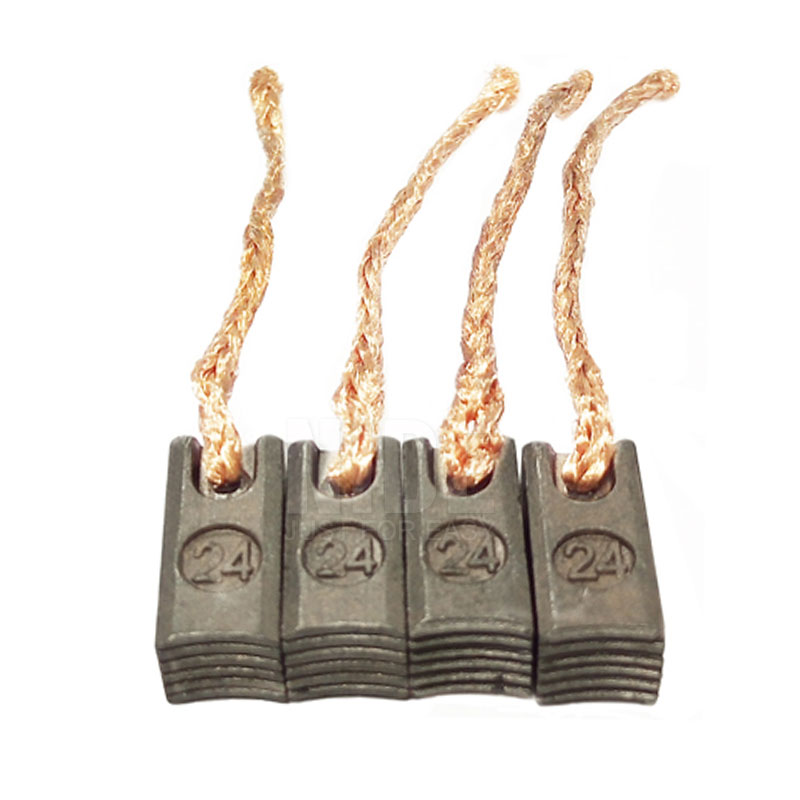
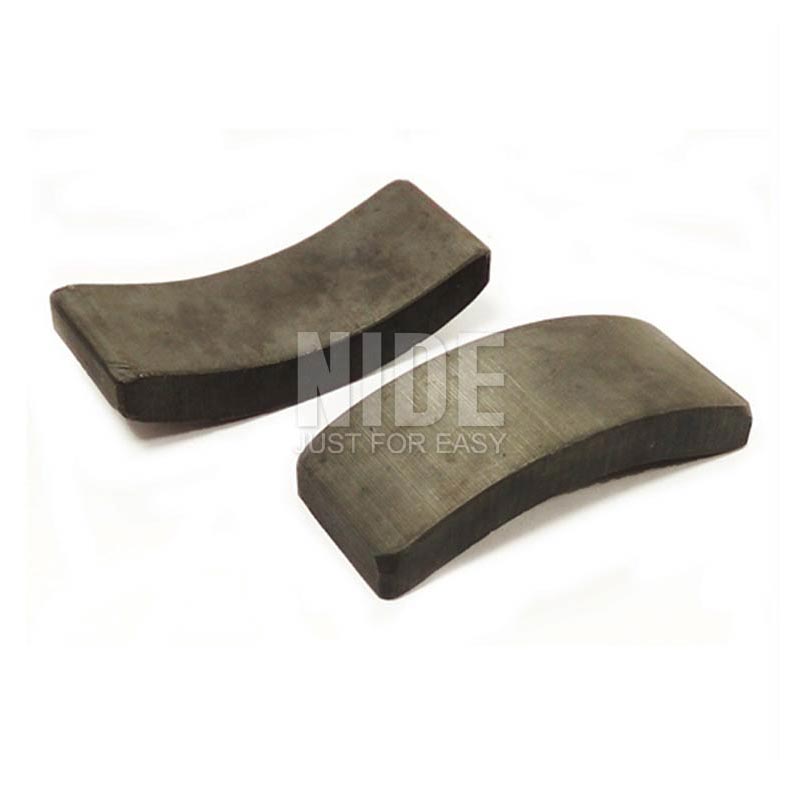
Beyond capital equipment, we supply matching motor components—commutators, carbon brushes, permanent ferrite arc magnets, ball bearings, and slot insulation—ensuring seamless single-source compatibility.
Our dedicated R&D engineering division designs modular tooling sets tailored to your custom stack diameters, allowing rapid product changeover in less than 20 minutes between motor families.
Direct technical and operational answers addressing the specific electrical, logistical, and maintenance queries raised by Mexican industrial plant managers.
