High-Efficiency Stator Production & Insertion Equipment
Explore our industrial solutions engineered for multi-pole electric motors, brushless DC drives, and high-volume armature lines, fully certified to CE and ISO 9001 standards.
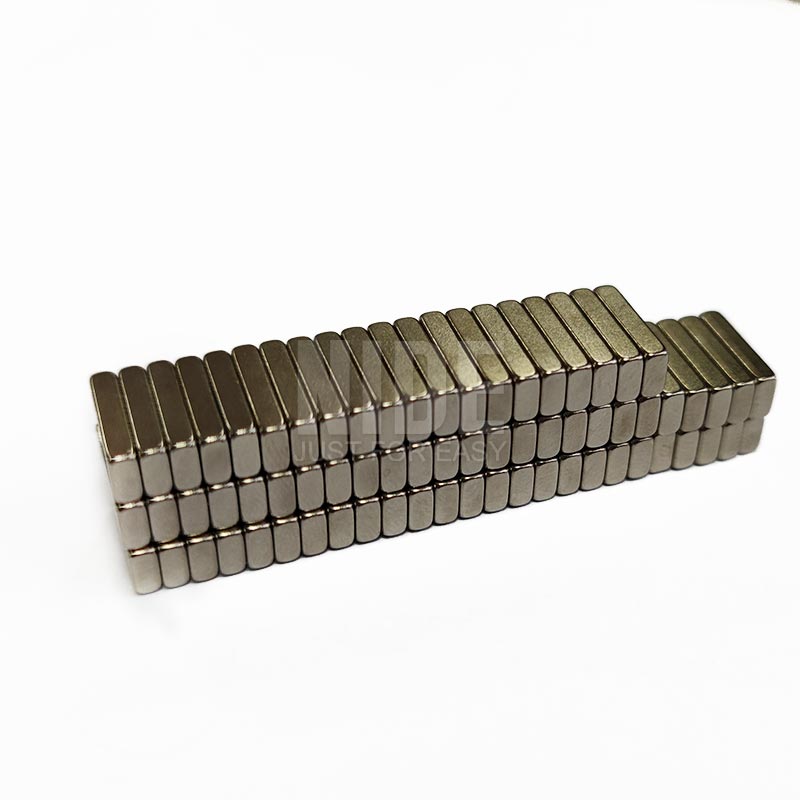
- Grade: N52 Sintered
- High Thermal Flux
- Rotor Assembly
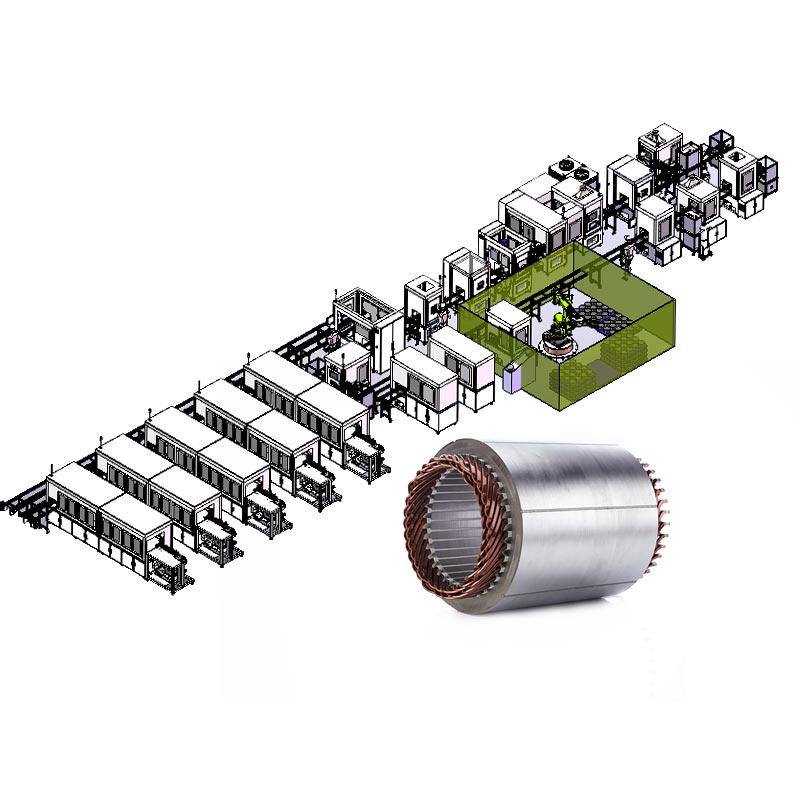
- Flat Wire Hairpin
- Robotic Welding
- E-Mobility Class
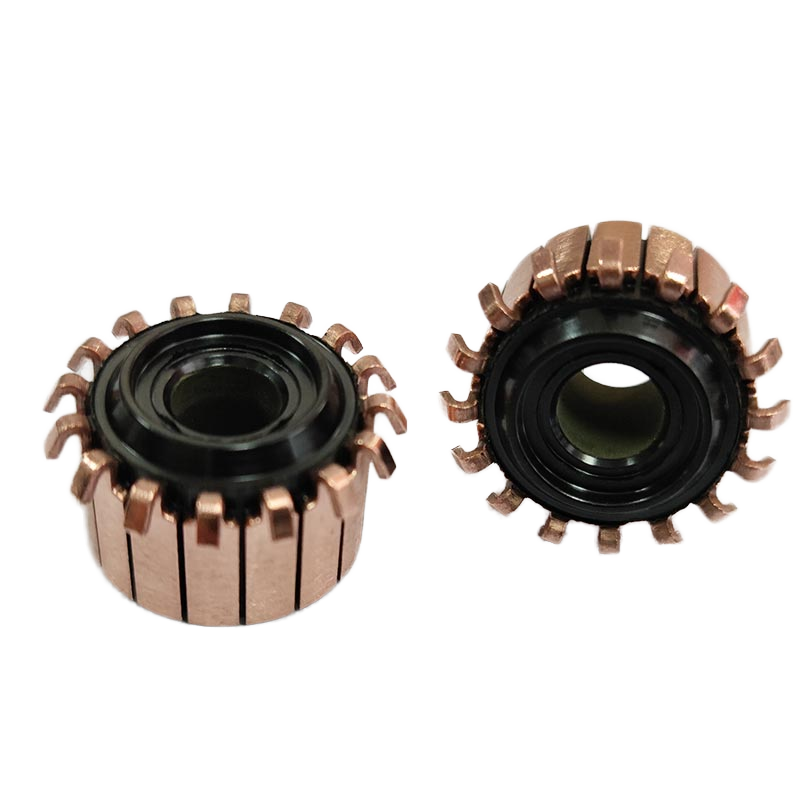
- Oxygen-Free Copper
- DC Motor Fans
- High Hardness
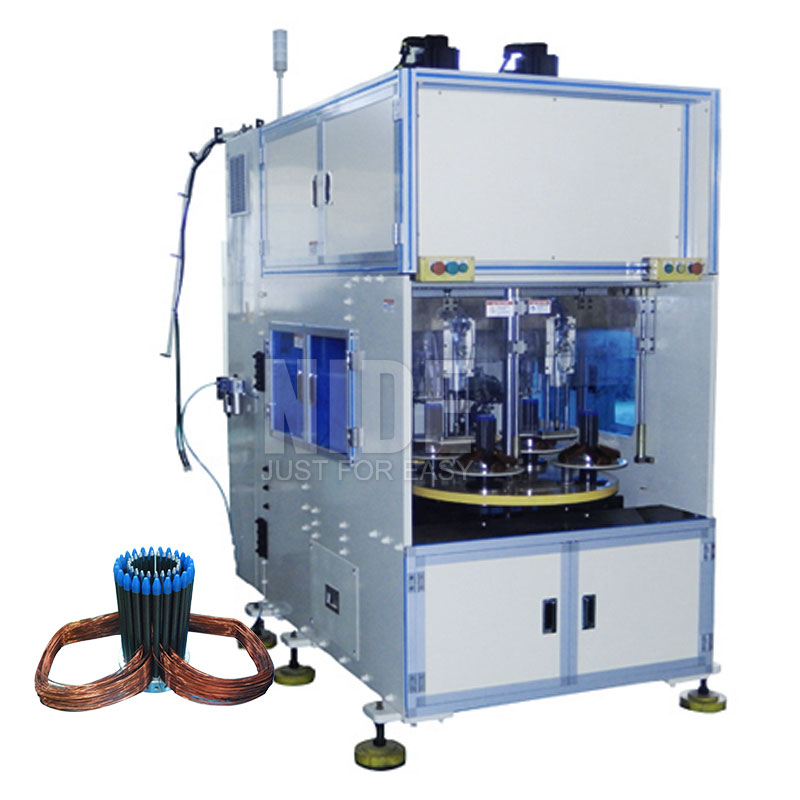
- CNC Multi-Axis
- Evaporative Coolers
- Servo Tensioner
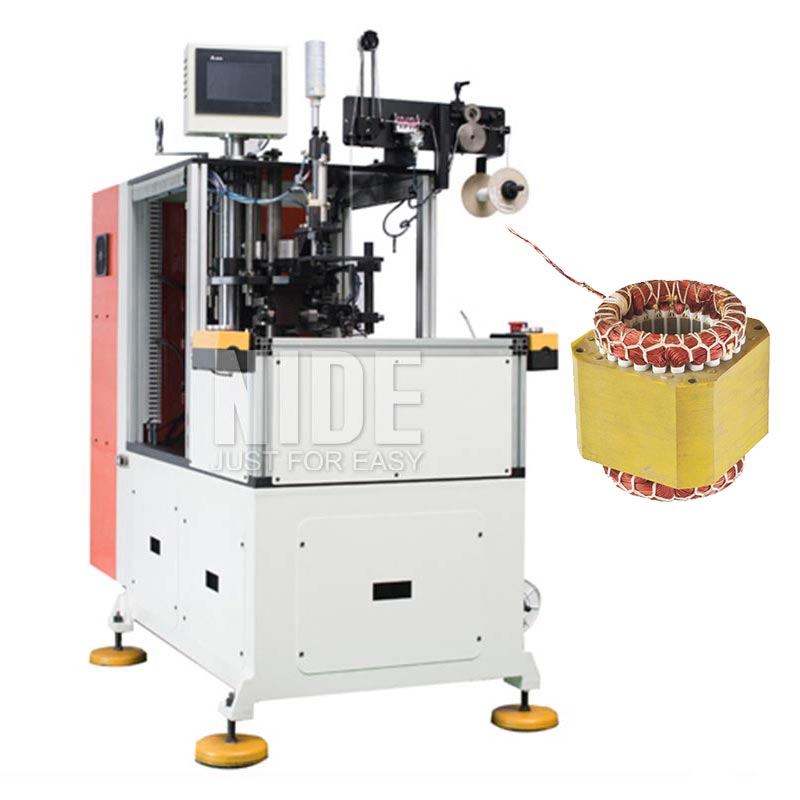
- Dual-End Lacing
- Pump & Inductors
- Fast Cycle Time
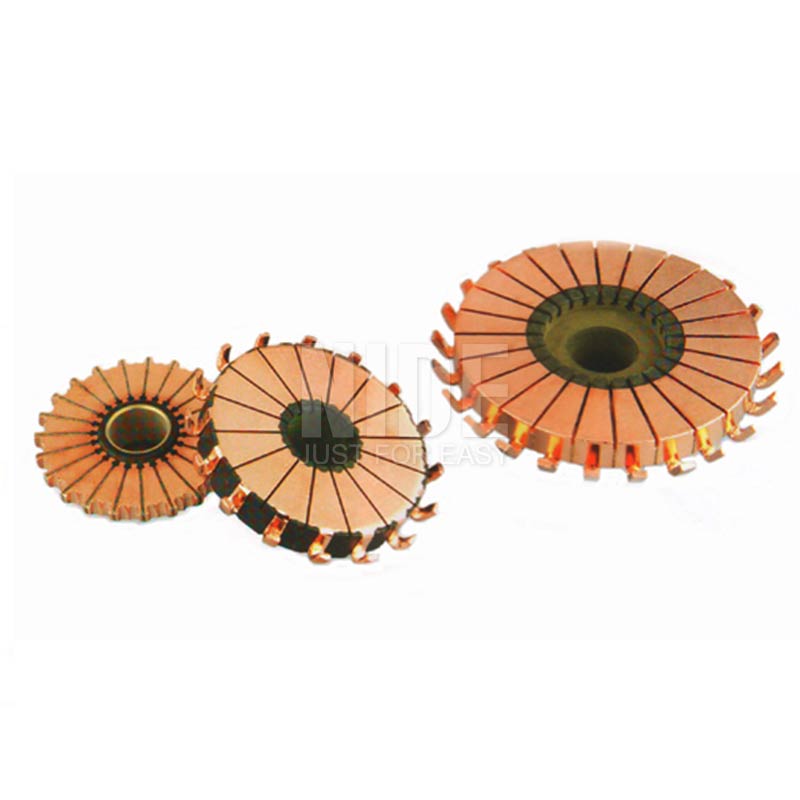
- DC Rotor Coupling
- Abrasion Resistant
- Automotive Aux
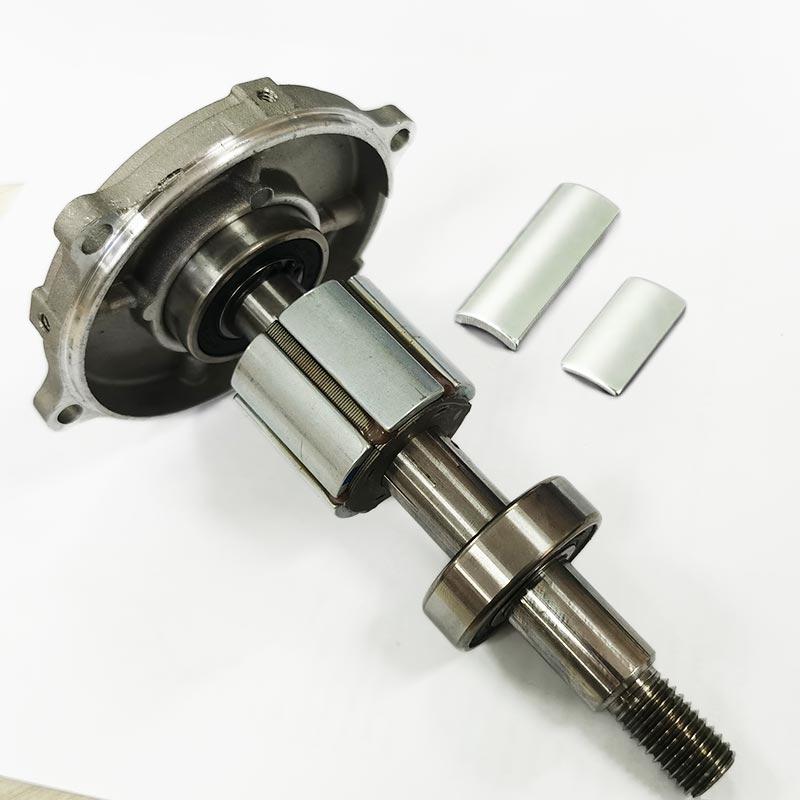
- High Remanence Br
- BLDC Rotor Core
- Anti-Demagnetizing

- Precision Insertion
- Multi-Slot Indexing
- Brushless Motors
Engineering Architecture of Automatic Stator Coil & Slot Wedge Insertion
In three-phase induction stators, hermetic compressor motors, and high-efficiency permanent magnet synchronous motors (PMSM), the insertion stage represents the most mechanically vulnerable phase of electro-mechanical assembly. An automatic coil insertion machine (frequently termed a stator coil and wedge shooting machine) performs the simultaneous axial propulsion of pre-wound copper or aluminum wire coils and insulated dielectric slot wedges into the semi-closed slots of laminated electrical steel stator stacks.
The core kinematic sequence relies on a synchronized interplay between hardened insertion pushers, profiled guide blades, and mechanical wedge cutting/forming magazines. Precision tooling fingers, precision-machined from ultra-wear-resistant alloys such as tungsten carbide and hardened Cr12MoV tool steel, form a circular cage matching the stator internal bore diameter (typically ranging from Φ30 mm to Φ280 mm). Coils wound on multi-step winding fixtures are positioned within these tooling blades. The stator core is hydraulically or pneumatically clamped in inverted alignment overhead.
When the servo drive cycle initiates, the pusher shaft accelerates through the center bore, pushing the copper coil bundles into the stator lamination slots. Simultaneously, the wedge feeding mechanism decoils electrical insulation roll material (such as DMD, Nomex, or polyester film), cuts exact segment lengths, creases them into profile shapes (B-shape or U-shape), and pushes the formed wedges directly behind the copper wires into the slot opening lips. This single-cycle insertion eliminates friction-induced scrape damage to the enamelled copper wire film (Grade 2, 200°C polyamide-imide overcoated), preventing inter-turn short circuits and corona breakdowns in low-voltage variable frequency drive (VFD) operations.
Servo-Driven Kinematics
Closed-loop AC servo control systems manage the insertion displacement curve with dynamic deceleration at the slot entry, limiting peak mechanical thrust while preventing tooth tipping or core flair in thin-lamination stacks.
Dual Wedge Inserter Feed
Integrated mechanical punch blocks shear, shape, and index insulation wedges from composite rolls. Independent wedge length adjustments accommodate skewed slots and stepped end-turn clearances.
Slot Fill Factor Enhancement
Engineered blade clearances allow tight copper packing geometries, increasing effective slot copper utilization from standard 65% up to 82%, critical for IE4 and IE5 super premium efficiency certifications.
Localized Cyprus Industrial Applications: Marine, Desalination, and Infrastructure
The Republic of Cyprus occupies a critical geographic and logistical crossroad in the Eastern Mediterranean. While large-scale automotive manufacturing is concentrated in Central Europe, the Cypriot industrial landscape features highly specialized, capital-intensive engineering sectors that depend directly on heavy-duty electric motor performance, custom stator fabrication, and mission-critical electromechanical rewinding.
1. Maritime Propulsion & Auxiliary Overhaul in Limassol & Larnaca Ports
Limassol constitutes one of the largest ship management and maritime commercial hubs in the European Union. Merchant fleets, container carriers, offshore support vessels, and private vessels docking at the DP World Limassol terminals and Vassiliko port require rapid, certified electromechanical maintenance. Marine propulsion bow thrusters, bilge drainage pumps, heavy deck winches, seawater cooling circulating pumps, and onboard ventilation fans operate under extreme saline, high-humidity, and vibrational environments.
When heavy marine induction motors suffer thermal burnout or stator winding flashovers, marine engineering workshops in Limassol cannot wait weeks for European replacement stators. Automated coil insertion machines deployed in Cypriot marine repair shipyards allow rapid rebuilding of multi-speed 400V/690V stators. The machinery precisely shoots pre-formed heavy wire bundles and marine-grade Nomex wedges into stators up to frame size 315, restoring class-approved motor reliability with zero core degradation.
2. Seawater Desalination Plants & High-Pressure Water Infrastructure
Due to Mediterranean semi-arid climatic conditions, Cyprus relies heavily on municipal seawater reverse osmosis (SWRO) desalination facilities to supply potable water and agricultural irrigation. Flagship desalination facilities—such as the Dhekelia, Larnaca, Episkopi, and Vasilikos plants—utilize massive high-pressure booster pumps driven by multi-megawatt electric induction motors.
These severe-duty motors operate 24 hours a day under rigorous backpressure loads. Stator reliability is non-negotiable. Municipal utility contractors and electro-repair enterprises servicing the Cyprus Water Development Department utilize Nakro automatic stator insertion systems to maintain uniform slot tension and avoid asymmetric coil expansion during heavy starting torques, preventing premature stator ground failures.
3. Commercial HVAC, Cold Storage & Tourism Infrastructure
Tourism and hospitality represent vital pillars of the Cyprus national economy, generating severe seasonal electrical loads across Limassol, Paphos, Ayia Napa, and Nicosia. Commercial chiller compressors, cooling tower fan motors, and industrial cold-chain refrigeration units experience sustained ambient operating temperatures exceeding 42°C throughout the Mediterranean summer.
Hermetic and semi-hermetic compressor stators demand rigorous dielectric insulation consistency. Automated coil insertion machines eliminate manual operator fatigue, ensuring that each slot wedge provides full mechanical retention against electromagnetic vibrations, preventing thermal runaway and insulation varnish erosion in heavy-load air conditioning stators.
Emerging Trends in Cyprus: Energy Transition, IE4 Standards, and Solar Pumping
Under the European Green Deal and the Cyprus National Energy and Climate Plan (NECP), the Cypriot industrial and commercial sectors face rigorous statutory mandates to reduce grid energy consumption. Electric motors account for over 65% of the island's industrial electrical energy consumption. This regulatory environment is driving three distinct transformation trends across the local motor sector:
1. Accelerated Adoption of IE4 & IE5 Efficiency Standards: Cypriot factories in light food processing, cement grinding (Vassiliko), pharmaceuticals, and plastics manufacturing are systematically decommissioning outdated IE1 and IE2 induction motors. Replacing them with IE4 Super Premium Efficiency and IE5 Ultra Premium synchronous reluctance/BLDC motors requires stators with higher slot fill densities and thinner, low-loss electrical steel laminations. Automated coil inserters provide the micrometer-level mechanical precision required to push dense copper wire configurations through narrow slot openings without buckling or scratching the laminations.
2. Solar-Direct Agricultural Irrigation Motors: With excessive sunlight throughout the year, the Cypriot agricultural interior (Mesaoria plain and rural Nicosia/Larnaca districts) is experiencing an exponential shift toward solar photovoltaic powered deep-well submersible pumps. Submersible pump stators feature exceptionally long stack lengths relative to their outer diameter. Inserting coils manually into deep submersible stators is labor-prohibitive and error-prone. Our specialized long-stroke automatic coil insertion machines accommodate stack heights up to 400 mm, ensuring uniform phase separation and wedge lock across deep-well motor geometries.
3. Transition from Manual Workshop Rewinding to Turnkey CNC Automation: The scarcity of certified, skilled winding artisans in Cyprus has created an acute labor bottleneck for electro-mechanical workshops. Commercial enterprises can no longer sustain manual lacing and coil stuffing. By integrating a Nakro automated coil inserting and lacing cell, a single machine operator can accomplish the daily output previously requiring six manual winders, transforming local service facilities into high-efficiency industrial production hubs.
Engineering Comparison: Manual vs. Nakro Automated Insertion
Evaluating production efficiency, insulation preservation, and mechanical parameters for Mediterranean industrial applications.
| Performance / Specification Vector | Traditional Manual Winding & Stuffing | Semi-Automatic Mechanical Inserters | Nakro CNC Servo Automatic Insertion Machine |
|---|---|---|---|
| Cycle Time (36-Slot Induction Stator) | 25 – 45 minutes / unit | 45 – 75 seconds / unit | 14 – 22 seconds / unit |
| Copper Slot Fill Factor Capability | 55% – 65% (inconsistent) | 65% – 72% | Up to 82% (IE4 / IE5 compliant) |
| Wire Insulation Enamel Integrity | High risk of scuffing against core teeth | Occasional scratching on slot corners | Zero scuff; precision blade shielding |
| Wedge Material Compatibility | Pre-cut manual wedges only | DMD, Polyester roll strips | Nomex, DMD, Mylar, Kapton composite rolls |
| Wedge Shearing & Shaping Accuracy | Manual cutting ±2.0 mm | Mechanical linkage ±0.8 mm | Servo indexing ±0.1 mm precision |
| Stack Height Adaptability | Operator dependent | Requires lengthy mechanical teardown | Rapid digital recipe changeover (HMI) |
| Quality Control & Testing Rejection Rate | 5.0% – 8.0% inter-turn defects | 1.5% – 2.5% failure rate | < 0.1% defect rate in automated cell |
Why Cypriot & Mediterranean Industrialists Partner with Nakro
Combining 14+ years of precision motor equipment engineering with full EU-compliant export infrastructure.
ISO 9001 & CE Certified
Full conformance to European Union Machinery Directive 2006/42/EC and Low Voltage Directive 2014/35/EU, ensuring rapid customs clearance and immediate compliance in Cyprus.
30,000+ m² Production Scale
Headquartered in Ningbo with heavy-duty machining centers, wire-EDM tooling facilities, and integrated electrical cleanrooms delivering turnkey armature and stator machinery.
Exported to 50+ Countries
Proven international delivery track record across Southern Europe, the Middle East, and Latin America with specialized maritime seaworthy wooden casing and anti-corrosion barrier packaging.
Custom Tooling & R&D
Our dedicated engineering design bureau tailors inserting blades, pushers, wedge guides, and lacing needles to your specific stator lamination CAD drawings and stack heights.
Frequently Asked Questions for Cyprus Buyers
Comprehensive engineering, operational, and commercial insights for importing automated motor equipment into Cyprus.
