Precision Motor Manufacturing & Rotor Casting Equipment
Engineered to conform with strict CE safety standards, ISO 9001 certified production lines, and high-duty cycle industrial reliability for electric vehicle, industrial pump, and appliance drivetrains.

New NIDE Automatic Armature Rotor Hot Chamber Die Casting Machine PLC Aluminum Core
Designed for high-speed aluminum induction rotor squirrel cage injection with integrated PLC closed-loop velocity controls.
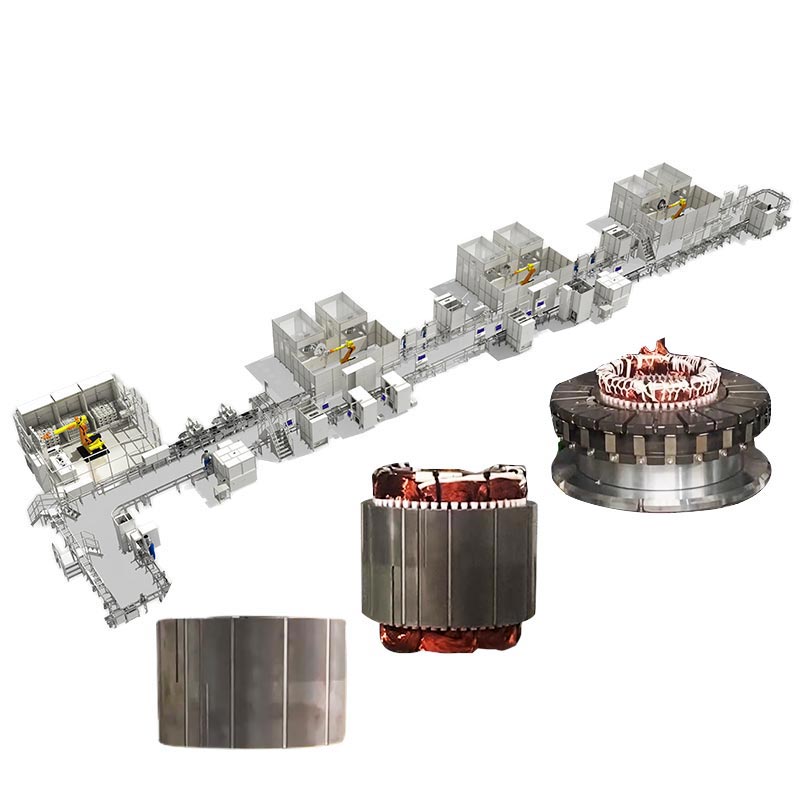
NIDE Automatic EV New Energy Motor Stator Production Line 220V/380V Hairpin
Automated CNC copper bar pre-forming, wire inserting, slot-twisting, and precision laser welding for high-torque EV drive units.
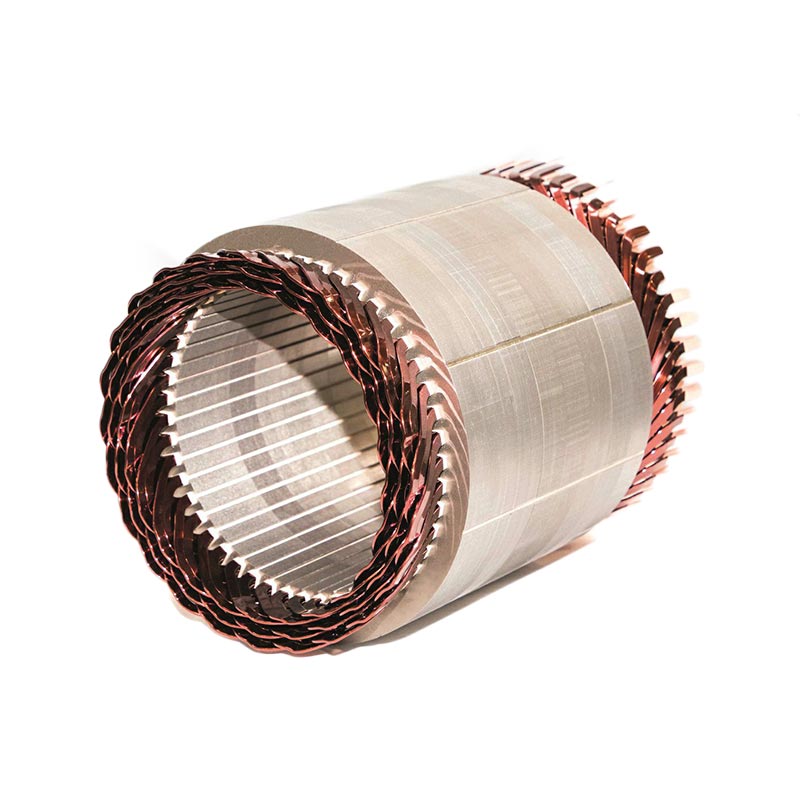
New Fully Automatic Hairpin Motor Stator Production Line for E-Mobility
End-to-end continuous line integrating 3D paper insertion, copper conductor benders, laser welding, and inline partial discharge testing.
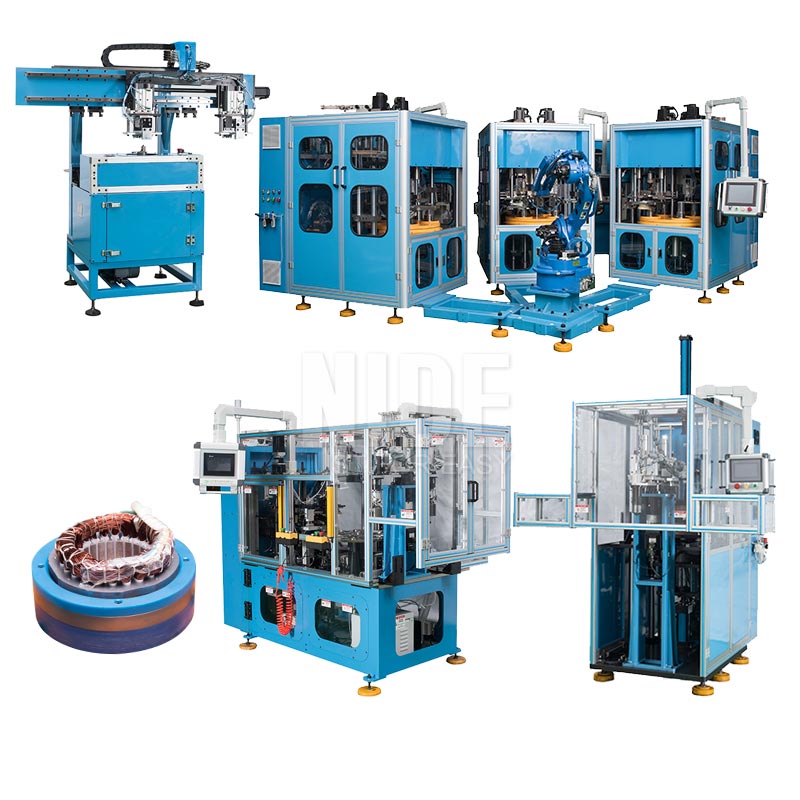
Electric Induction Motor Stator Manufacturing Assembly Line PLC Core
Scalable non-standard production line optimized for customized industrial pumps, compressors, and standard IEC/NEMA frame stators.
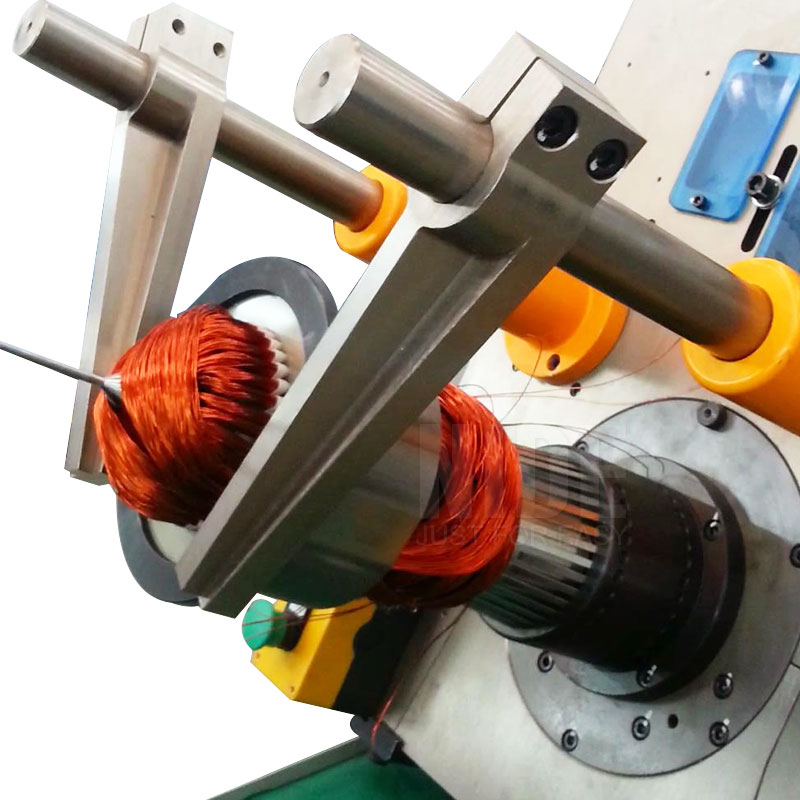
Semi-automatic Three-Phase Motor Stator Coil Inserting Machine PLC
Precision synchronous coil and slot wedge push-in mechanism engineered to prevent wire enamel abrasion and insulation rupture.
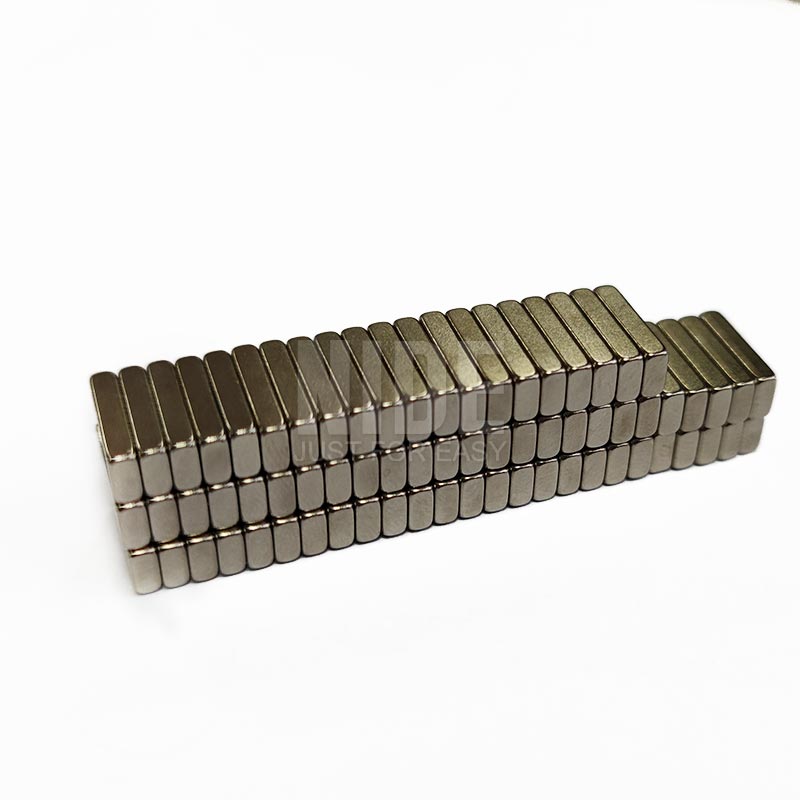
N52 Neodymium Rare Earth Block Magnet NDPJ-CW-61 Motor Accessories
High remanence (Br) and high coercive force (Hcj) sintered NdFeB permanent magnets for PMSM and BLDC industrial motor rotors.
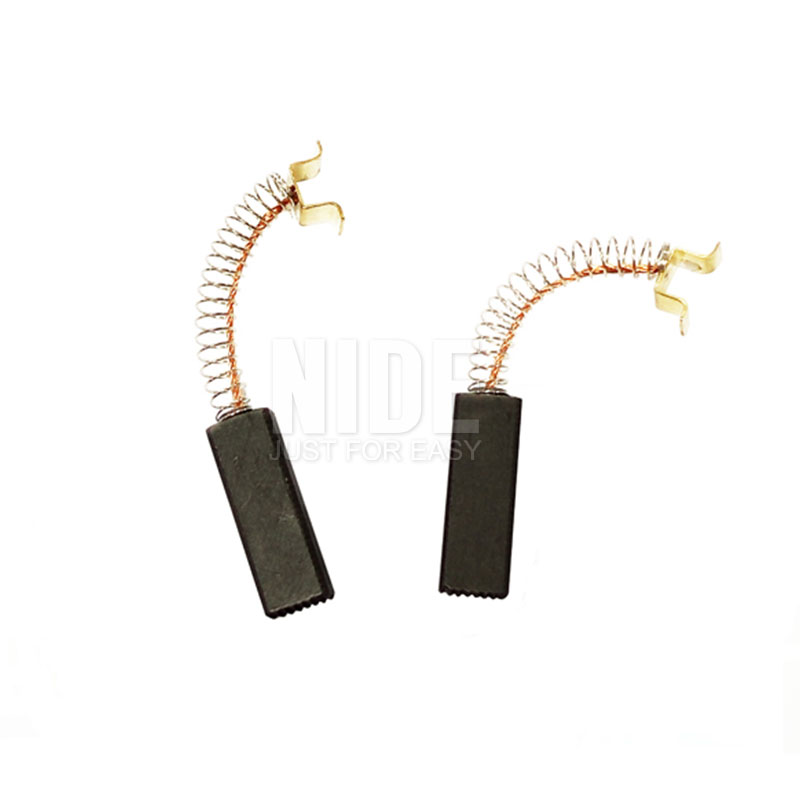
NDPJ-TS-1 Automobile Electrical Carbon Brush Long Lifetime DC Motor
High-density copper-graphite metallurgy delivering superior thermal conductivity, reduced brush sparking, and extended maintenance cycles.
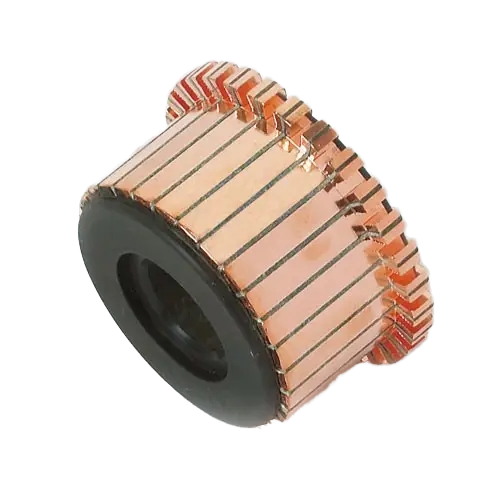
Customized DC/AC Motor Commutator Silver Copper NDPJ-HXQ-1005 CCC
Mica-insulated silver-copper segmented alloy commutators engineered for high RPM stability, treadmill drives, and universal motors.
Engineering Principles of Automated Induction Rotor Die Casting
An authoritative analysis of laminar flow dynamics, gas entrapment mitigation, and metallurgical density control in squirrel cage rotor casting.
The manufacturing of three-phase asynchronous motor rotors and high-efficiency permanent magnet assisted synchronous reluctance rotors relies critically on the structural integrity of the squirrel cage conductor bars and end-rings. As a premier China rotor die casting production line factory and exporter, Ningbo Nakro Intelligent Equipment Co., Ltd. (operating within the world-class NIDE industrial motor engineering network) has solved the fundamental challenge of electrical porosity in high-pressure aluminum and copper rotor die casting. The electrical resistance of an induction motor rotor is directly correlated with microscopic voids, cold shuts, and gas bubbles trapped within the closed rotor slots during the casting process. Under high operating torque, non-uniform conductivity causes localized thermal hot spots, harmonic distortion, magnetic asymmetry, and significant degradation of operational efficiency across IE3, IE4, and Super Premium IE5 ratings.
Traditional manual casting processes suffer from operator variance during ladle pouring, erratic shot temperatures, and uncontrolled air entrapment as molten aluminum alloy (typically 99.7% pure electrical grade Al or Al-Si alloys) travels down the shot sleeve. Nakro's automated rotor die-casting line integrates computer-controlled mechanical dosing ladles or enclosed dosing furnaces with ceramic dosing plungers. By maintaining molten aluminum within a tight thermal boundary of ±3°C (680°C to 710°C), viscosity fluctuations are eradicated. Simultaneously, nitrogen degassing units and automated rotary fluxing systems pre-cleanse the melt, eliminating oxide inclusions before the liquid metal ever touches the stacked electrical steel lamination core.
Process Methodology Matrix: HPDC vs. Centrifugal vs. Squeeze Casting
Benchmarking operational parameters, bar conductivity, scrap ratios, and capital expenditure for global motor OEMs.
| Performance / Parameter | High-Pressure Die Casting (HPDC) | Vertical Squeeze Die Casting | Centrifugal Rotor Casting |
|---|---|---|---|
| Cycle Time (Ø150mm Core) | 18 – 35 Seconds (High Output) | 45 – 70 Seconds (Controlled Freeze) | 90 – 180 Seconds (Slow Rotation) |
| Conductor Bar Density | 98.5% – 99.2% (Vacuum Assisted) | 99.6% – 99.9% (Ultra-Dense) | 96.0% – 98.0% (Risk of Segregation) |
| End-Ring Porosity Level | < 1.5% with Intensification | < 0.5% with Direct Pressurization | 3.0% – 6.0% (Machining required) |
| Lamination Skew Stability | ±0.15° (Hardened Mandrel Fixture) | ±0.10° (Axial Hydraulic Clamp) | ±0.50° (Rotational Drift Risk) |
| Automation Level Compatibility | Fully Automated 6-Axis Robot Cell | Automated Robot Arm Load/Unload | Predominantly Semi-Manual Cell |
| Recommended Motor Class | IE2, IE3, IE4 Industrial & EV Motors | IE4, IE5, Nuclear & Aerospace Drives | Niche Large Frame Low-Volume Drives |
Automated Turnkey Rotor Die Casting Line Architecture
Inside Nakro's integrated multi-station robotic manufacturing cell from raw lamination stacks to finished dynamic balanced rotors.
Core Weighing & Skewing
Lamination packs are weighed to ±0.2% accuracy. Skew mandrels insert with servo-driven rotational orientation to align conductor bar slots with mechanical perfection.
Induction Preheating
Electromagnetic tunnel preheaters raise stack temperatures to 250°C–320°C, preventing molten metal chilling, thermal shock, and stress wrinkling in the silicon steel sheets.
Precision Die Injection
The preheated stack is docked into hardened H13 die chambers. Real-time vacuum extraction draws cavity pressure down to <50 mbar right as the aluminum piston charges.
Automatic De-Gating
Integrated hydraulic trim presses or servo shear cutters sever the casting biscuit and runner gating while the alloy remains in the malleable hot stage, minimizing mechanical stress.
Controlled Quenching
Water mist or recirculating temperature-controlled baths quench the rotor at calibrated cooling rates, preserving the internal grain structure and preventing core warping.
Shaft Press Insertion
Servo-electric presses drive the motor shaft into the cast rotor core with real-time force-distance monitoring, eliminating keyway stress and shaft runout.
Outer Diameter Turning
CNC rotor lathes or cylindrical grinding machines skim the outer lamination diameter to achieve true circularity (concentricity within 0.008 mm) without shorting the laminations.
Dynamic Balancing & Test
High-speed two-plane balancing systems automatically mill balancing notches on end-rings, followed by electrical eddy-current conductivity bar-break verification.
Strategic Procurement Trends for Electric Motor Rotors (2025–2030)
Key technical transitions motor plant directors, procurement executives, and manufacturing engineers must anticipate.
Copper Rotor Casting for IE5 Efficiency
With global efficiency regulations tightening toward IE5 Ultra-Premium standards, Tier-1 motor makers are migrating from aluminum to pure copper rotor die casting. Copper boasts 60% higher electrical conductivity, cutting I²R rotor thermal losses by up to 40%. However, with melting temperatures surpassing 1,085°C, procurement teams must select die-casting lines outfitted with specialized nickel-based superalloy tooling, ceramic-lined injection sleeves, and ultra-high-pressure hydraulic clamping to withstand severe thermal fatigue.
IoT Closed-Loop Servo Hydraulic Architecture
Hydraulic pumps driven by constant-speed induction motors are being replaced by high-response servo-electric hydraulic systems. These reduce electrical idle power consumption by 45% while delivering microsecond closed-loop shot velocity control. Advanced procurement guidelines now mandate OPC-UA and MQTT communication protocols, allowing the casting machine to log real-time injection curves (P-Q diagrams), mold cavity temperatures, and vacuum draw levels directly to factory MES platforms.
Inline Non-Destructive Quality Verification
Traditional destructive break testing and batch X-ray inspection can no longer support high-speed EV and industrial motor ramp-ups. Modern procurement frameworks specify 100% inline non-destructive testing: automated eddy-current conductivity scanning stations detect broken, cracked, or high-resistance conductor bars instantly. Simultaneously, machine-vision cameras inspect end-ring geometry and balance weight positioning before parts advance to automated winding and motor assembly.
Technological Evolution: From Manual Squeeze to Smart Gigacasting-Class Precision
How rotor casting machinery has evolved across four design generations to meet severe e-mobility and industrial requirements.
The earliest motor workshops relied upon gravity-fed aluminum pouring and hand-operated horizontal toggle clamps. These primitive setups exhibited reject rates exceeding 12% due to uncontrolled cooling, core shifting, and extreme operator fatigue. The second generation introduced vertical pneumatic-assisted presses; while cycle times improved, lack of injection intensification still produced severe micro-porosity at the junction between the conductor bars and the cooling fins on the rotor end-rings.
Today, Nakro represents the vanguard of Generation 4 Intelligent Multi-Station Robotic Casting Cells. These systems feature fully synchronized robotic arms that transfer heated lamination packs from preheating ovens directly into the die cavity, trigger multi-stage vacuum draws, dose precise liquid alloy quantities, perform high-tonnage squeeze intensification (exceeding 120 MPa static pressure), and quench the cast assembly—all within a single self-contained perimeter envelope. For motor manufacturers exporting to European, North American, and East Asian markets, this level of process consistency guarantees compliance with IEC 60034-30-1 standards while minimizing total cost of ownership (TCO).
Why Leading Motor Manufacturers Partner with Nakro
Ningbo Nakro Intelligent Equipment Co., Ltd. (in strategic alliance with the NIDE machinery group) delivers unmatched technical synergy. We don't just supply standalone machinery; we design, build, and optimize complete motor manufacturing ecosystems from Ningbo, Zhejiang, China.
- Turnkey Process Accountability: From lamination tooling and rotor casting to stator winding, coil inserting, trickling, and testing.
- Decades of Export Mastery: More than 13 years of successful machine delivery to 50+ countries across Southeast Asia, Europe, South America, and the Middle East.
- Global Technical Support Network: Established service partners providing on-site installation, commissioning, tooling retrofits, and operator training worldwide.
- In-House Tooling & Mold Workshop: Custom CAD/CAM engineered H13 and DIEVAR die sets optimized for specific rotor slot counts and skew profiles.
- All-in-One Motor Spare Part Supply: Instant access to precision commutators, N52 magnets, carbon brushes, shafts, and motor covers.
Verified Factory Profile & Quality Metrics
Rotor Die Casting Procurement & Engineering FAQ
Direct technical responses addressing common engineering questions encountered by procurement managers and plant engineers.
How does the Nakro rotor die casting line eliminate electrical porosity in conductor bars?
Can a single rotor casting machine accommodate different stack heights and rotor diameters?
How do you prevent molten aluminum from leaking or flaring between the steel laminations?
What is the typical expected tool life for rotor die casting molds running pure aluminum?
Does Nakro support international factory commissioning, FAT run-offs, and spare parts delivery?
Can you supply copper rotor die casting machinery for high-efficiency IE4 and IE5 applications?
Ready to Modernize Your Motor Rotor Production Facility?
Consult with our senior motor manufacturing engineers today. Submit your rotor lamination blueprints, target daily capacity, and alloy requirements for a comprehensive technical layout, cycle-time simulation, and competitive commercial quotation.
