Choosing an Electric Motor Production Line is not simply a matter of comparing machine prices. The right setup must fit your motor designs, production volume, quality targets, and available floor space. A line built for high-volume induction motors may not suit a factory producing several motor sizes in smaller batches. That mismatch can create costly changeovers. Details matter.
Look closely at each process, from core stacking and winding to assembly, testing, and packaging. Ask how quickly equipment can switch models, what production data it records, and how operators handle routine adjustments. A neatly arranged layout may still cause delays if parts travel too far between stations. Request cycle-time estimates based on your actual product mix, not only ideal conditions. Better evidence helps.
Automation deserves careful judgment. More automated equipment can improve consistency, but it also requires suitable maintenance skills, dependable components, and a realistic plan for downtime. Review sample inspection records, acceptance-test procedures, spare-parts availability, and training support. If possible, test representative components or run a pilot before committing. A supplier’s brochure is useful, but it cannot replace checks against your own requirements.
This guide explains the practical factors behind a sound investment, including capacity, flexibility, quality control, integration, and lifecycle cost. Some trade-offs will remain; a flexible line may cost more upfront or produce fewer units at peak speed. Write down your priorities, verify assumptions with production and maintenance teams, and compare proposals on the same basis. A little uncertainty is normal. The goal is to make it visible before it becomes an expensive surprise.
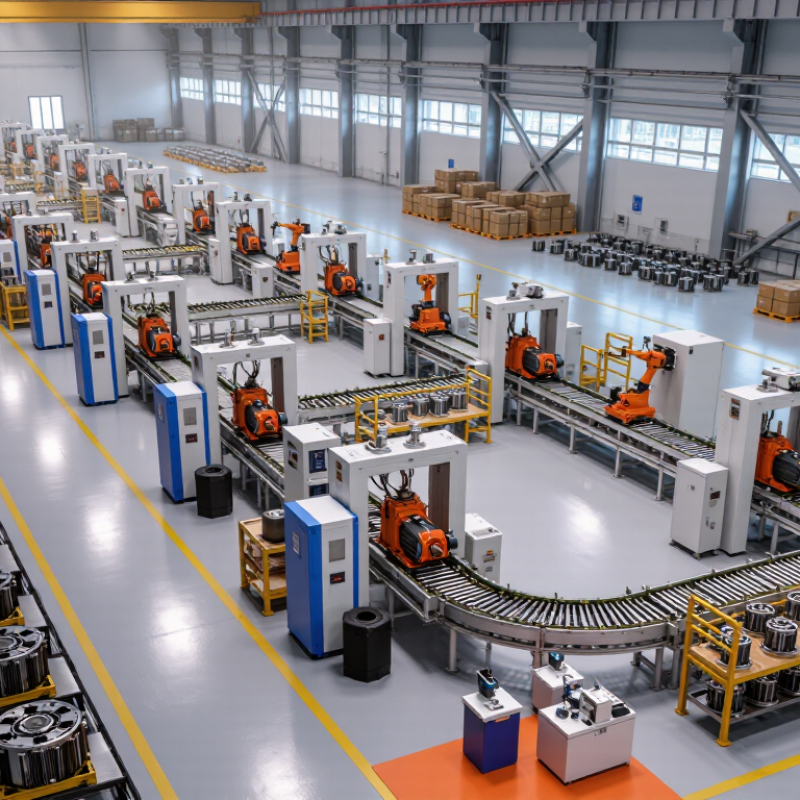
Before choosing an electric motor production line, define the work it must perform. Estimate annual output, shifts per day, product variations, and acceptable cycle time. Include changeover frequency, staffing, available floor space, and access to power and compressed air. A line designed around one peak-volume forecast may feel efficient now but struggle when product mix changes. Forecasts are imperfect. Leave room for adjustment.
Document motor specifications in measurable terms. Record rated power, voltage, speed, torque, frame size, and expected operating conditions. Specify stator and rotor dimensions, winding method, wire size, insulation requirements, and assembly tolerances. Then define inspection needs, such as winding resistance, insulation testing, vibration checks, and noise limits. Small differences matter: a tight shaft-fit tolerance can affect both assembly time and end-of-line test results. Confirm specifications with engineering and quality teams before requesting equipment proposals.
Tips: Bring sample components and a representative product drawing to supplier discussions. Ask for a trial run using your actual parts, not only demonstration samples. Check how the line handles model changeovers and records test results. If one requirement is still uncertain, label it clearly; assumptions can become expensive settings.
Start with the number of motors you expect to make per shift, not an ambitious annual target. Check actual orders, seasonal changes, and planned working days. Then estimate the required cycle time using available production hours and target output. Keep a margin for maintenance and normal stoppages. A spreadsheet estimate is only a starting point.
Product variety matters just as much. List each motor model and note differences in frame size, winding, shaft, and testing requirements. A line making three similar motors may need fewer changeovers than one switching between many configurations. Record changeover time at each station, especially winding and assembly, where tooling adjustments can interrupt flow. Small differences add up.
Look beyond the headline capacity. Ask whether the line can meet demand when one model becomes more popular, or when a component arrives late. Review expected batch sizes, operator skills, inspection steps, and space for work in progress. A forecast can appear precise while hiding uncertain demand; revisit the assumptions with sales and production teams. Try a pilot schedule using real changeover times before fixing the line layout. Some estimates will be wrong. That is useful to learn early.
Determine output volume and product variety
Illustrative planning estimates show typical trade-offs: dedicated automated lines can deliver higher throughput for a narrow product range, while flexible lines are better suited to frequent model changes. Actual capacity depends on motor size, process steps, staffing, and changeover time; validate estimates against your required cycle time.
Choosing an electric motor production line starts with the motor design and expected product mix. A dedicated line links winding, coil insertion, assembly, and testing in a fixed sequence. It can support steady, high-volume output, but a design change may require tooling updates and line adjustments. A modular layout uses separate work cells connected by manual transfer or conveyors. It may suit smaller batches and varied models, though extra handling can create bottlenecks. A neat layout is not always an efficient one.
Automation level matters just as much as line configuration. Automated winding and insertion can improve repeatability when parts are consistent and process settings are well controlled. Operators still need access for inspections, setup, and fault recovery. Semi-automatic stations may make sense when production volumes fluctuate or products need frequent adjustment. Compare cycle times at each station, not only the line’s advertised target. Look closely at test steps, too: insulation checks, electrical measurements, and rotor balancing need suitable fixtures and traceable results. Details matter.
Flexibility has a cost. Quick-change tooling, adjustable fixtures, and programmable controls can reduce changeover effort, but they add complexity and require trained support. Ask how long a real model change takes, including calibration and first-piece approval. Changeovers matter. Review floor space, utility needs, maintenance access, and plans for future capacity. A configuration that fits today may feel restrictive after a product revision. I would leave room for uncertainty in demand forecasts; they are often less reliable than the production plan suggests.
Before selecting an electric motor production line, check whether your facility can support its real operating needs. Measure clearances for assembly stations, material carts, and maintenance access—not just the machine footprint. A line may need stable power, compressed air, suitable floor loading, and room for safe movement. Check ventilation and temperature control too, especially where winding materials or curing processes are involved. Small details matter. A cable tray in the wrong place can obstruct a service panel.
Quality requirements should shape the equipment and inspection plan. Identify which motor characteristics need verification, such as winding resistance, insulation performance, vibration, and noise. Confirm that test equipment can record results consistently and link them to each motor’s production data. Ask how calibration is managed and what happens when a test fails. A clear rework area helps prevent questionable units from returning to the main flow. In practice, data systems can be harder to integrate than expected; allow time to test that connection.
Review applicable safety, environmental, and product requirements for the markets where the motors will be sold. Confirm that machine guarding, emergency stops, electrical protections, and operator training are addressed in the line design. Keep documented procedures, inspection records, and equipment maintenance logs. Requirements vary by location and product, so verify them with qualified compliance professionals before purchase. A supplier’s checklist is useful, but it should not replace your own review.
When comparing electric motor production lines, look beyond the purchase price. Include tooling, installation, operator training, utilities, maintenance, and expected downtime in your cost estimate. A line that uses less energy may still cost more if changeovers are slow or scrap rates rise. Ask suppliers to show how their quoted capacity was measured, including product mix, shift length, and quality assumptions. Small details matter. A fixture change that takes twenty minutes can affect a busy schedule.
Evaluate the supplier as carefully as the equipment. Request a breakdown of spare parts, service response times, software support, and warranty coverage. Ask for references from plants making similar motors, then confirm what performance those customers actually achieved. If possible, inspect a factory acceptance test using representative components, such as a rotor, stator, and winding wire. Check cycle time, yield, and operator access—not just the machine running smoothly for a short demonstration. That costs time. It may also reveal gaps in your own requirements. A spreadsheet can still miss the awkward issue: who supports the line when a specialist is unavailable? Compare total ownership costs over a realistic operating period, and keep assumptions visible. Some figures will be estimates; mark them clearly and revisit them before signing.
Set output per shift, cycle time, working hours, product variations, and staffing. Include changeovers and maintenance time. Forecasts miss things.
Record power, voltage, speed, torque, frame size, and operating conditions. Add winding method, wire size, insulation needs, and assembly tolerances. Small fits matter.
Use expected orders and available production hours, not only an annual target. Include normal stoppages and maintenance. Test the estimate with a pilot schedule.
Different frames, shafts, windings, and tests may require station adjustments. Record changeover times, especially at winding and assembly stations. Minutes add up.
Measure machine clearances, cart routes, and maintenance access. Confirm power, compressed air, floor loading, ventilation, and temperature control. Check that cable trays do not block service panels.
Depending on the motor, checks may include winding resistance, insulation performance, vibration, and noise. Confirm that test results are recorded for each motor.
Define a clear rework area and a process for reviewing failed tests. Check calibration and data links before production begins. Integration can take longer than expected.
Check guarding, emergency stops, electrical protection, operator training, and required records. Requirements vary by location and product, so seek qualified professional review. A checklist alone may not be enough.
Choosing an Electric Motor Production Line begins with clearly defining the motors to be manufactured, including their size, design, performance requirements, and key specifications. These details help determine the necessary processes, equipment, and quality checks. Consider expected production volume as well as product variety: a line designed for high-volume output may differ from one that needs frequent changeovers or supports multiple motor types.
Next, compare line configurations by their automation level, flexibility, and ability to fit your facility. Review available space, utilities, workflow, worker safety, quality-control needs, and applicable compliance requirements. Finally, evaluate the total cost of ownership, including installation, operation, maintenance, training, and future upgrades—not just the initial purchase price. A careful supplier assessment should consider technical capability, support, and customization options. By weighing these factors together, you can select a production line that meets current goals while remaining practical and adaptable as requirements change.