Featured Stator Automation Machinery & Core Assemblies
Standard-setting equipment, CNC winding stations, and electromagnetic materials engineered for outer-rotor wheel hub motors, vehicle starters, and industrial drivetrains.
Outer-Rotor Wheel Motor Stator Winding: Technical Whitepaper for New Amsterdam
In the regional commercial matrix of New Amsterdam and expanding East Berbice industrial corridors, direct-drive electric wheel hub motors are displacing conventional internal combustion gearboxes in cargo utility vehicles, municipal light transport, and coastal river craft. Manufacturing these brushless DC (BLDC) and Permanent Magnet Synchronous Motors (PMSM) requires high-precision wheel motor stator winding machinery capable of handling high copper slot fill factors, tight dimensional tolerances, and severe thermal dissipation constraints.
Electromagnetic Dynamics & High Slot Fill Architecture
Unlike traditional internal-rotor machines where the stator surrounds the armature, wheel hub motors feature an inverted geometry: an internal stationary core surrounded by an external rotating permanent magnet bell. This topological inversion forces the stator teeth outward, exposing individual slots to external centrifugal forces, moisture ingress, and thermal concentration inside the wheel rim.
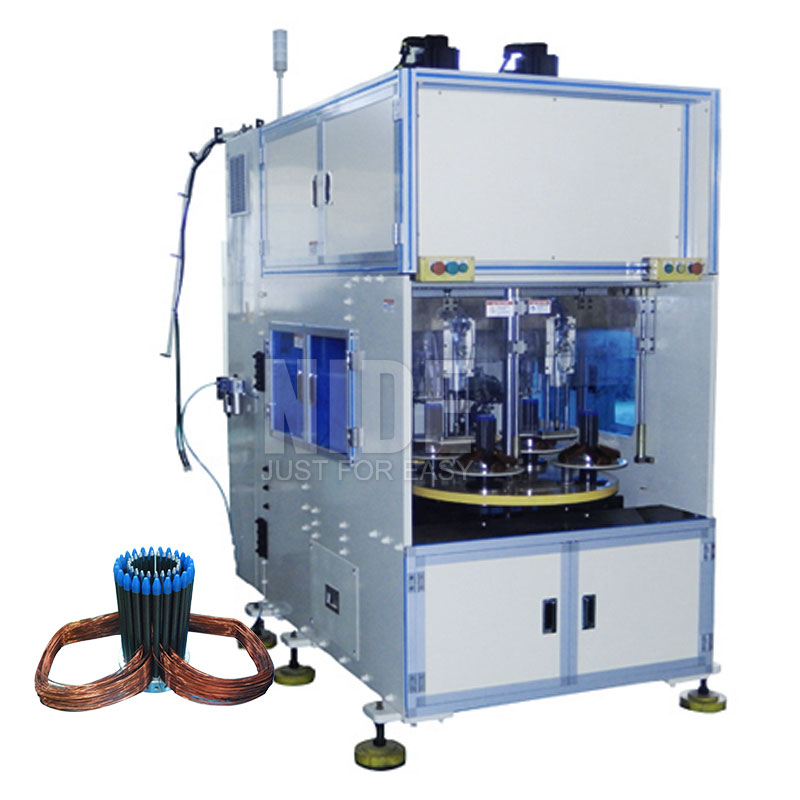
To deliver peak continuous torque across heavy load profiles without magnetic saturation, industrial manufacturing plants must maintain a copper slot fill factor exceeding 70% to 78%. Achieving this density demands multi-axis CNC needle winding equipment equipped with dynamic closed-loop servo tensioning. The machine's needle nozzle moves across complex Cartesian and polar trajectories, placing heavy-gauge enamelled copper wire (typically 0.8 mm to 1.6 mm diameter) or multi-stranded parallel bundles cleanly into narrow outer slots without scraping the delicate enamel insulation coating.
Closed-Loop Servo Tensioning
Real-time magnetic brake or dual-servo active tension control guarantees that copper elongation remains below 1.5%, maintaining wire diameter uniformity and preventing thermal hot spots.
Synchronous Multi-Needle Tooling
Dual or quadruple needle tooling assemblies wind multiple phases (U, V, W) simultaneously, shortening overall cycle time to under 90 seconds for large 48-slot wheel motor stators.
Programmable Layer Layering
Digital HMI recipes store slot geometry parameters, layer stepping, lead length trimming, and hook fusing positions, enabling rapid changeover between different wheel hub diameters.
Localized Application Scenarios in New Amsterdam and Surrounding Districts
New Amsterdam represents a pivotal logistics and commercial nexus along the Berbice River, characterized by intensive agricultural transit, waterborne freight, and expanding municipal utility grids. Deploying specialized wheel motor stator winding machinery directly addresses local operating challenges:
Agricultural Cargo Trikes & Haulage
Local sugar estates, rice operations, and smallholder cooperatives require low-speed, high-torque outer-rotor wheel motors (1.5 kW to 5 kW). Stators wound with high turn counts and dense multi-wire parallel windings prevent overload burnout under severe mud resistance and heavy crop payload conditions.
Riverine Pod Drives & Marine Outer-Rotors
Transitioning river taxis and coastal transport along the Berbice waterway to electric propulsion requires rim-driven and hub-integrated outboard motors. Automatic needle winding equipment supports customized potted stators sealed against high humidity, brackish water, and continuous duty cycles.
Urban Micro-Mobility & E-Delivery Fleets
Municipal distribution centers in New Amsterdam require compact, energy-efficient 250W to 1000W brushless hub motor stators. Automated manufacturing guarantees balanced coil resistance across all three phases (<0.5% variance), cutting battery consumption by up to 12%.
Technical Specification Matrix: Wheel Motor Automation Platforms
Comparing standard machine architectures deployed by manufacturing contractors for regional electric mobility factories:
| Equipment Specification | Single-Station CNC Needle Winder | Dual-Station High-Speed Hub Winder | Turnkey Automated Stator Cell |
|---|---|---|---|
| Stator Outer Diameter Range | Ø80 mm – Ø280 mm | Ø100 mm – Ø350 mm | Ø80 mm – Ø450 mm |
| Wire Diameter Capability | 0.25 mm – 1.20 mm | 0.35 mm – 1.60 mm (or multi-wire) | 0.20 mm – 2.0 mm multi-wire |
| Needle Stroke & Travel | Up to 120 mm stack height | Up to 160 mm stack height | Up to 220 mm stack height |
| Tension Control System | Electronic hysteresis brake | Active dynamic servo tensioning | Multi-channel closed-loop feedback |
| Cycle Time (48-slot Stator) | 140 – 180 seconds | 75 – 95 seconds | Fully continuous inline (<60 s index) |
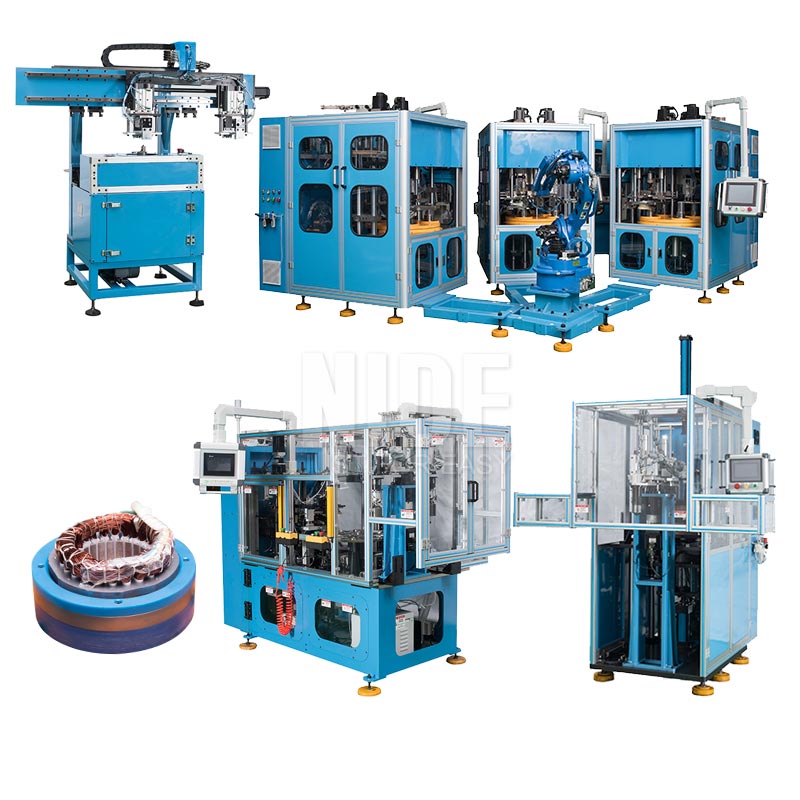
| Integration Scope | Manual load/unload | Dual shuttle indexing tables | Robotic handling + testing + VPI cell |
Key Technological Trends Driving Wheel Motor Manufacturing
Global electric drivetrain engineering is shifting away from low-efficiency manual winding towards high-precision automation. For procurement engineers and enterprise plant developers in New Amsterdam, five core technical trends dominate modern manufacturing lines:
1. Transition from Concentrated to Segmented Stator Tooth Assemblies
While direct outer-rotor needle winding remains the industry standard for single-piece lamination stacks, high-performance commercial vehicles are adopting segmented stator teeth. In this approach, individual teeth are wound independently on high-speed CNC spindle winders before being mechanically pressed into a circular yoke. This allows slot fill factors to reach near-solid copper limits (80%+), dramatically reducing end-turn overhang losses and lowering total copper mass by up to 15%.
2. In-Line High-Frequency Dielectric Testing
Modern stator winding lines incorporate automated inline electrical testing cells immediately following winding and lead trimming. Every stator undergoes automated testing for DC copper resistance, insulation resistance at 1000V DC, high-voltage AC hipot breakdown (up to 3 kV), and impulse surge analysis (to detect turn-to-turn micro-shorts before resin encapsulation).
3. Anti-Corrosion and Tropicalized Moisture Sealing
Operating near maritime estuaries and tropical rain belts requires specialized winding insulation. Modern automated machines seamlessly integrate stator end-turn lacing, automated slot closure wedge insertion, and automated connection to busbars with robotic brazing, readying the core for vacuum resin impregnation.
Engineering Capabilities: Ningbo Nakro & NIDE Synergies
Ningbo Nakro Intelligent Equipment Co., Ltd. (operating in direct synergy with NIDE group technologies) brings over 14 years of electric motor equipment manufacturing know-how. Founded in 2010 in Ningbo, Zhejiang, our engineering campus spans over 30,000 to 50,000 square meters of precision fabrication, CNC machining centers, and automated assembly test workshops, exporting to more than 50 countries worldwide.
Years Export Track Record
Extensive international experience delivering robust automated machinery to global OEMs across Latin America, Eastern Europe, Southeast Asia, and the Middle East.
Modern Manufacturing Base
Equipped with advanced five-axis machining centers, precision wire-EDM cutting, dynamic balancing bays, and certified ISO 9001 quality management systems.
Turnkey Plant Integration
From initial stator/armature design review and line simulation to full factory tooling, custom winding nozzles, coil inserters, and complete testing benches.
Component Supply Chain
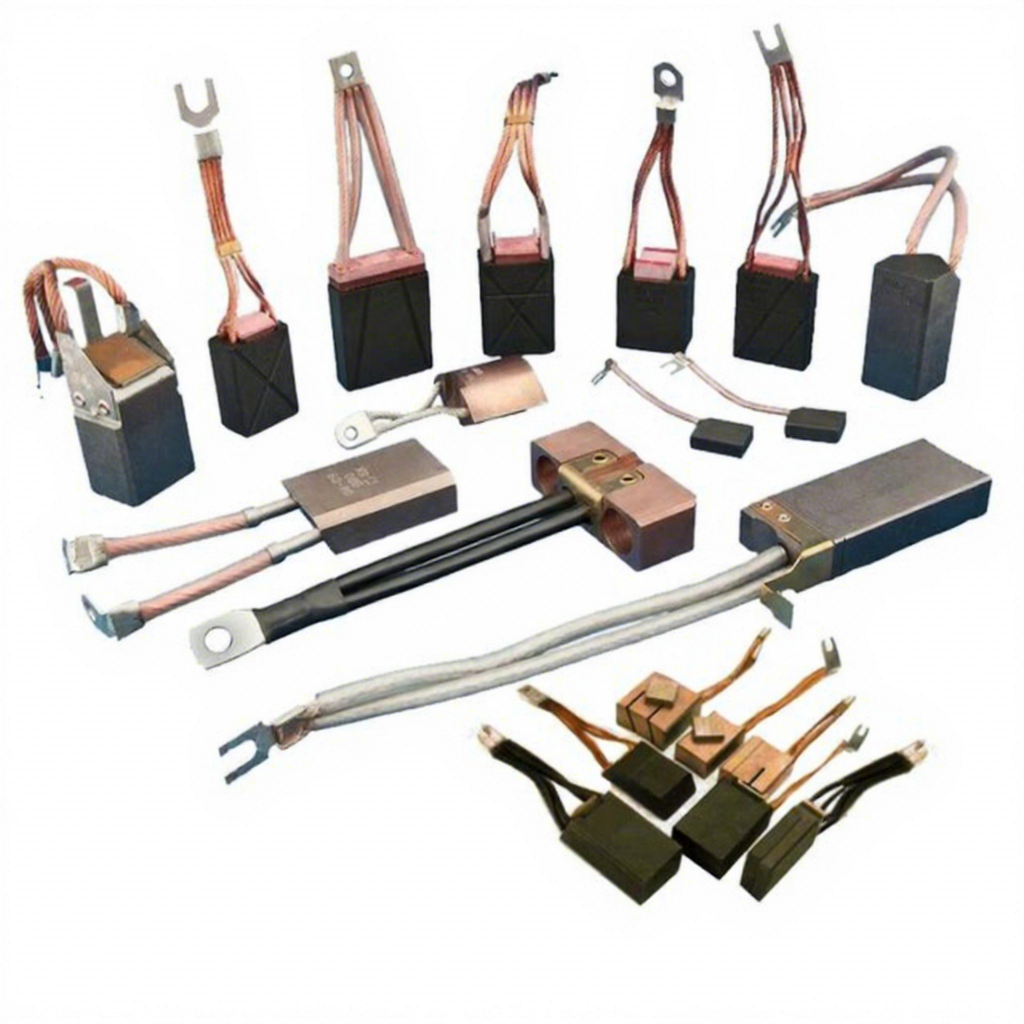
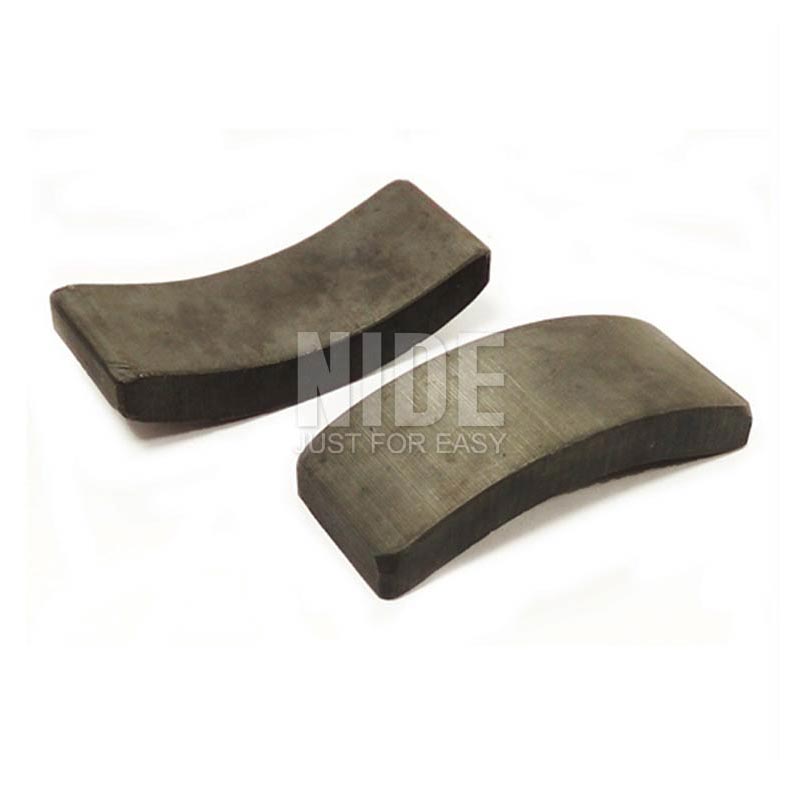
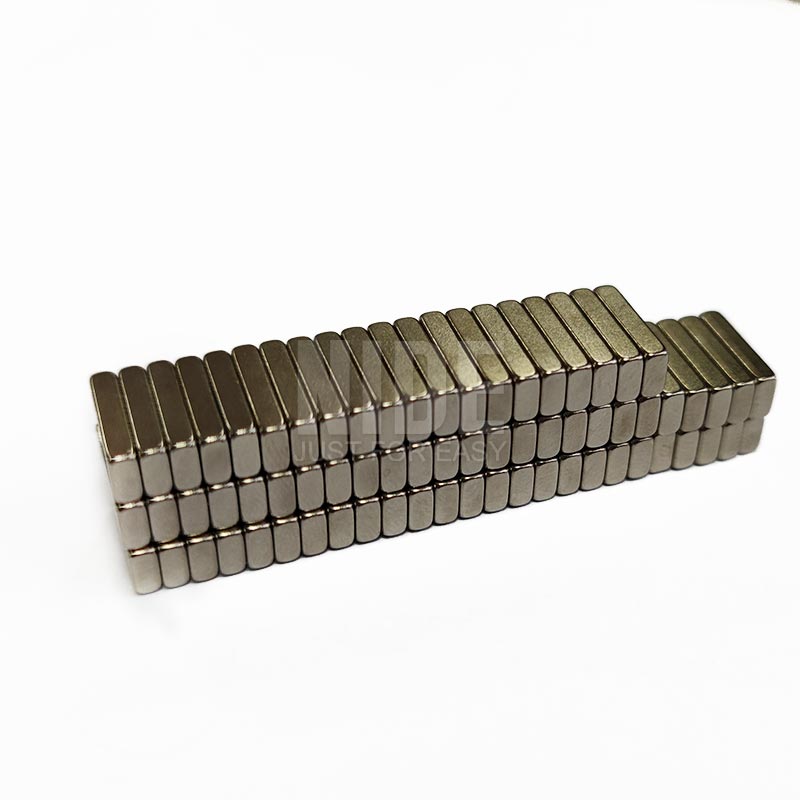
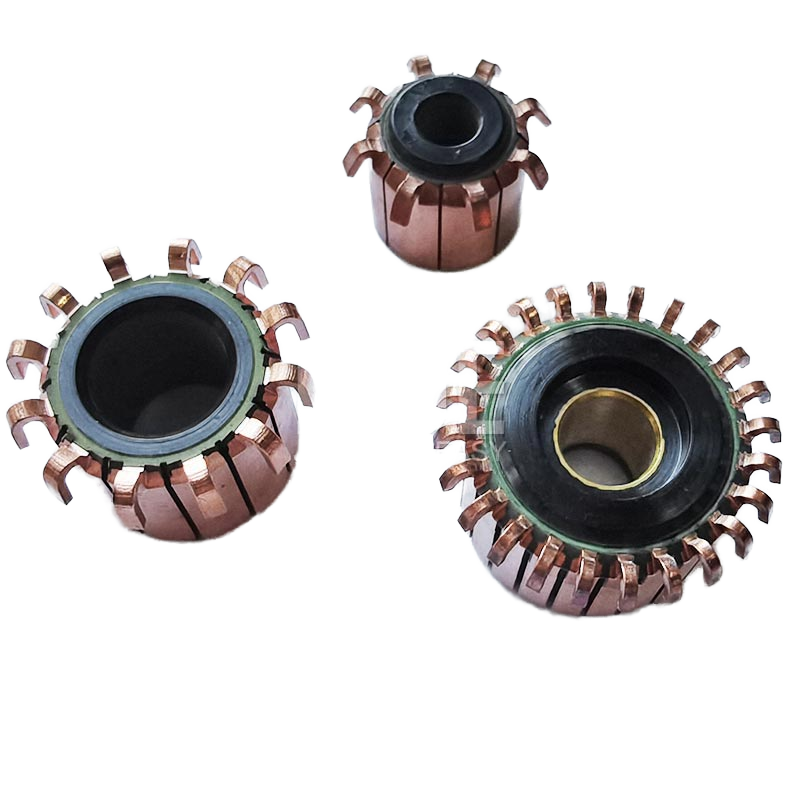
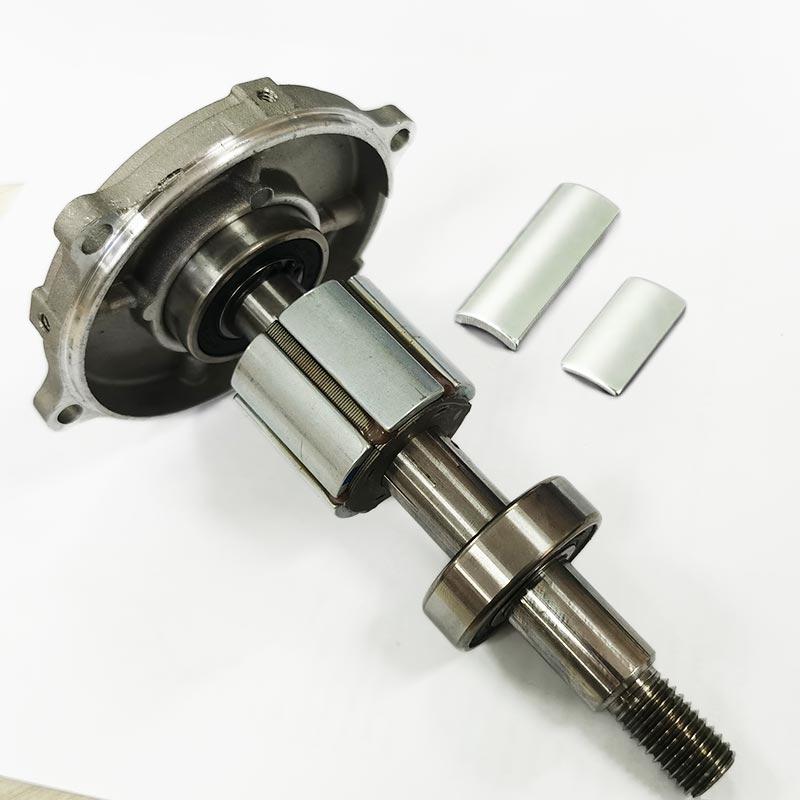
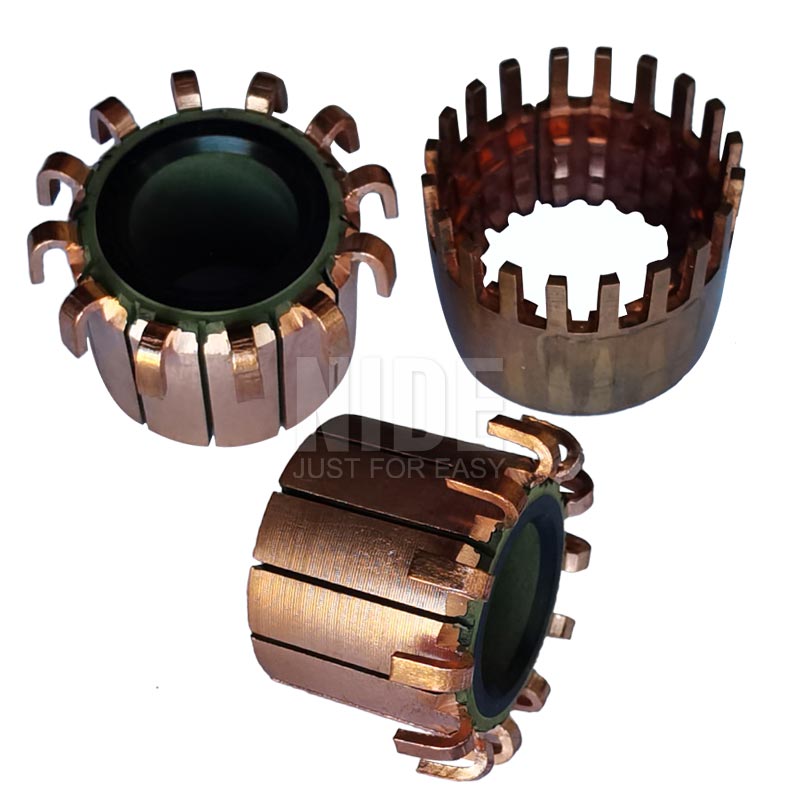
Direct supply of matching motor components: sintered N52 NdFeB magnets, hook and groove commutators, precision shafts, carbon brushes, and insulation papers.
Rigorous 6-Point Factory Quality Control System
Every machine shipped to our international project partners undergoes comprehensive validation before crating:
- Incoming Material Metrology: Japanese and European servo drives, pneumatic valves (SMC/Festo), and Schneider/Omron PLCs rigorously verified.
- Precision Tooling Verification: Winding needles, inserting blades, and wire forming dies inspected via optical coordinate measuring machines (CMM).
- Cabinet Pre-Wiring & Thermal Testing: 72-hour electrical cabinet burn-in testing under simulated load conditions.
- Trial Run with Client Core Samples: Trial winding using the customer's actual lamination stacks and copper wire, recorded via high-definition video.
- Full Electrical Parameter Audit: Verification of sample phase resistance balance, hipot dielectric strength, and impulse surge performance.
- Seaworthy Climate-Proof Packaging: Vacuum barrier wrapping with industrial desiccants, vibration dampening, and reinforced fumigated timber crating.
Frequently Asked Questions for New Amsterdam Motor Manufacturers
Critical answers for engineering teams and plant managers evaluating motor production lines and component sourcing.
Can one stator winding machine accommodate both e-rickshaw and electric motorcycle wheel motors?
How do you support machinery installation, commissioning, and staff training for overseas plants?
What are the recommended solutions to prevent coastal humidity and salt-fog corrosion in New Amsterdam?
Can your factory supply complete turnkey motor production lines including rotor magnet assembly?
What international trade, payment, and logistics terms are accepted for regional shipments?
Ready to Engineer Your Motor Manufacturing Facility?
Consult with our senior motor automation engineers today. Send your motor core drawings, target slot configurations, wire specifications, and planned production capacity for a customized line proposal and quotation.
