Core Equipment & High-Tolerance Components for Direct-Drive Hub Motor Production
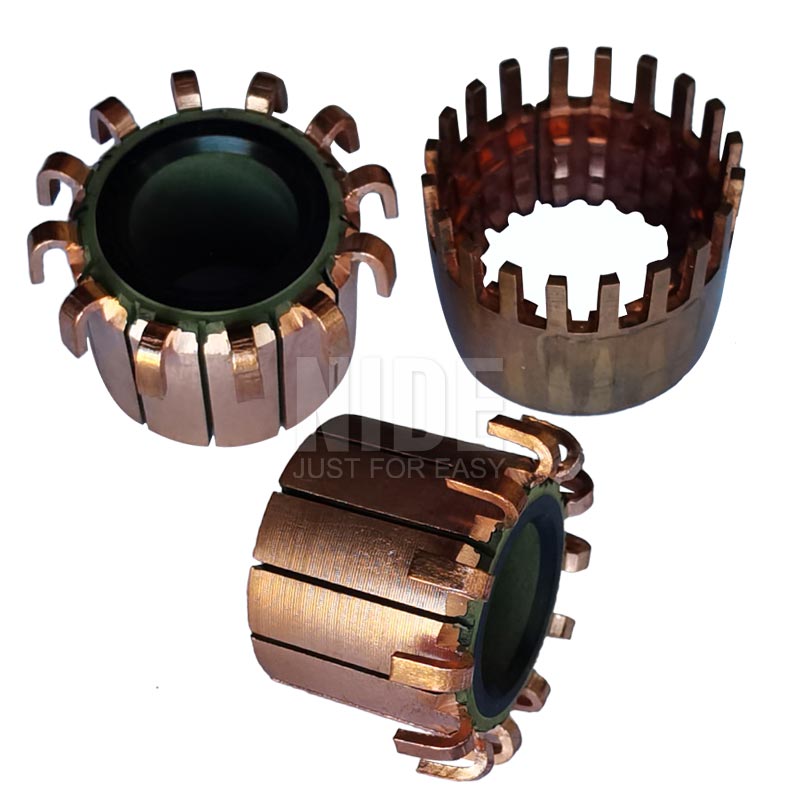
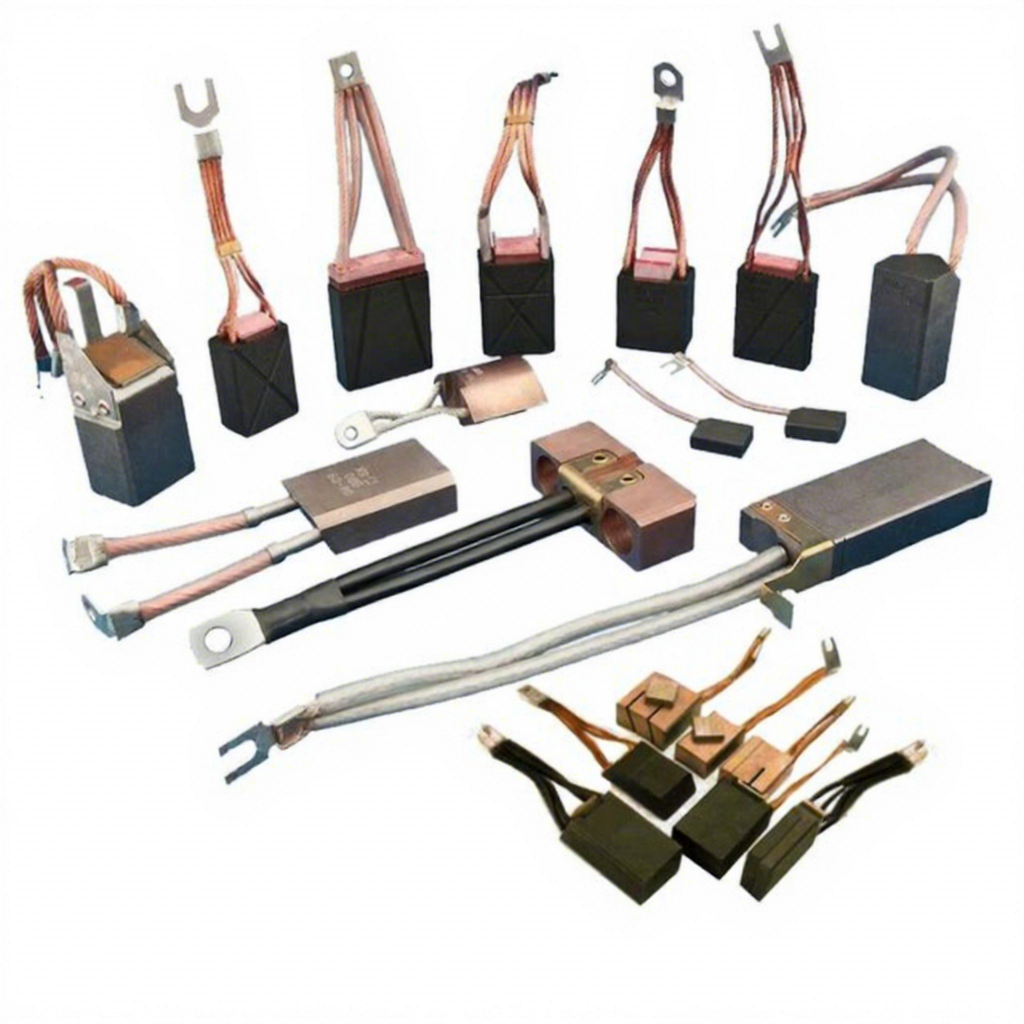
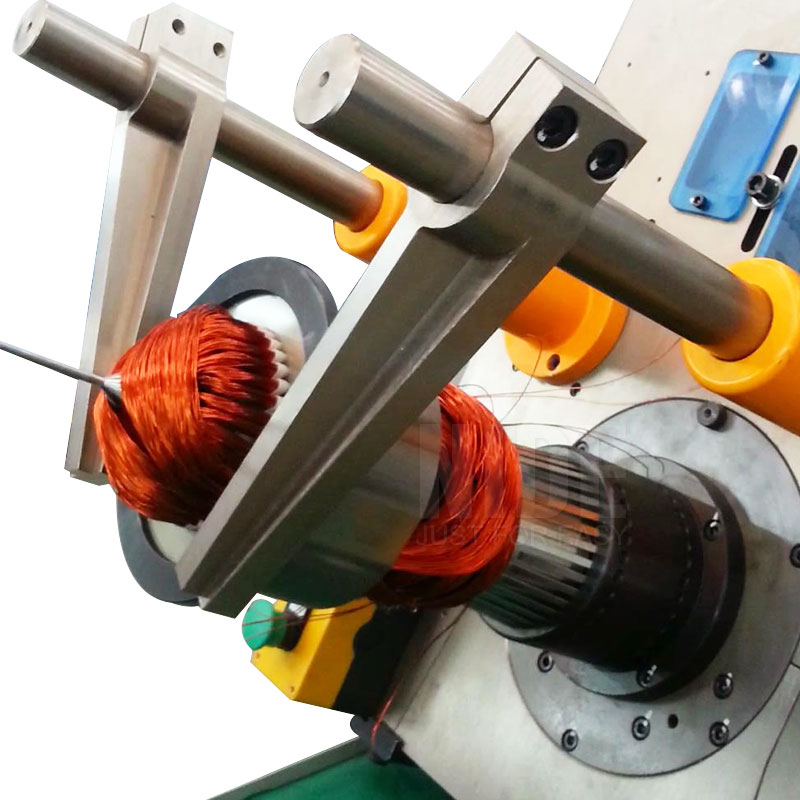
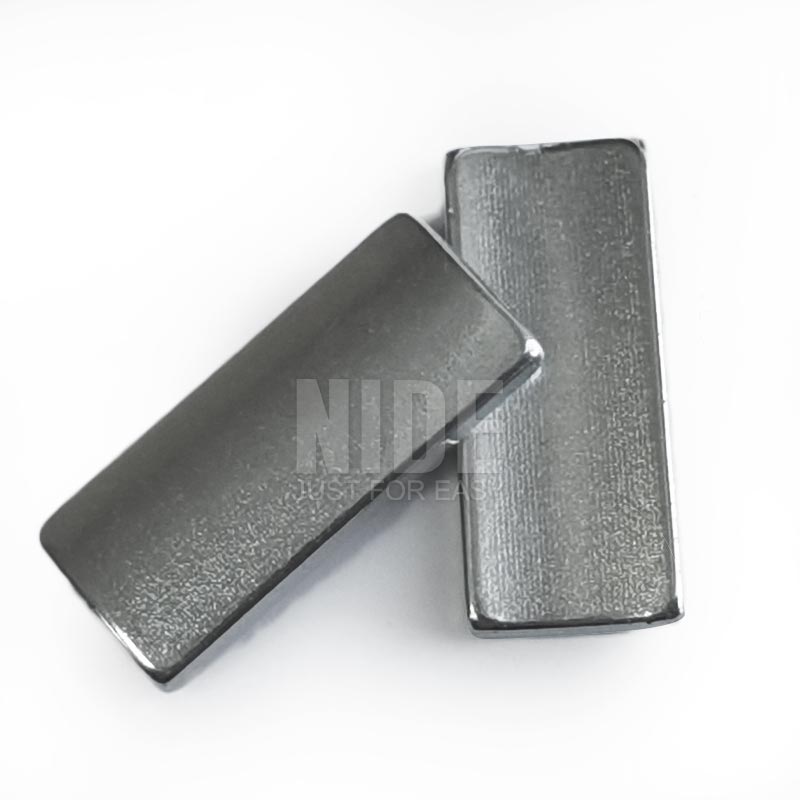
Explore our validated product series—from multi-axis stator coil insertion stations and precision neodymium magnets to high-conductivity commutator hooks and carbon contact interfaces.
Executive Engineering Summary: Wheel Hub Motor Assembly Automation in Fukuoka
The global transition toward decentralized electric powertrains has positioned in-wheel (hub) motor systems at the center of next-generation electric mobility architectures. In the Kyushu region of southwest Japan—long recognized as Japan’s "Automotive Island" (Car Island)—Fukuoka stands out as a strategic epicenter connecting advanced tier-1 automotive component vendors, precision semiconductor facilities, academic robotics laboratories, and international maritime corridors. Deploying a wheel hub motor assembly line within the Fukuoka market requires an intricate convergence of high-density electromagnetic design, high-speed multi-axis kinematic automation, rigorous thermal paste dispensing, and strict mechanical run-out tolerances that satisfy Japanese Industrial Standards (JIS).
Unlike conventional centralized traction motors coupled with transaxles and driveshafts, wheel hub motors operate directly inside the wheel rim, subjecting the motor directly to un-sprung mass dynamics, severe mechanical shock loads, moisture ingress, and thermal constraints from localized friction braking. Consequently, manufacturers supplying or operating within Fukuoka and the wider Kyushu automotive manufacturing belt must adopt fully synchronized, highly repeatable assembly systems. From automated slot insulation insertion and high-tension outer-rotor needle winding to vacuum potting, precision neodymium (NdFeB) magnet mounting, and dynamometric end-of-line (EOL) electrical testing, automated assembly lines must deliver complete process control with full traceability.
Technical Architecture: Stator & Outer-Rotor Assembly Workstations
A turnkey wheel hub motor assembly line engineered for the exacting standards of the Fukuoka industrial ecosystem comprises modular, interconnected robotic cells. Each cell addresses specific electromagnetic and mechanical tolerances necessary to mitigate cogging torque, minimize acoustic noise, and maximize power density across varying duty cycles.
1. Outer-Rotor Stator Needle Winding
Multi-axis CNC flyer and needle winding heads dynamically control wire tension up to 0.05 mm positional repeatability, enabling ultra-high copper slot-fill factors (exceeding 78%) in external-slot topologies typical of hub motors.
2. Magnet Insertion & Structural Bonding
Automated robotic pick-and-place indexing inserts curved N52/N48H sintered NdFeB magnets into the perimeter yoke. Dual-component epoxy micro-dispensing ensures bubble-free capillary coverage with thermal curing under induction heat.
3. Dynamic Balancing & Run-Out Correction
Two-plane high-precision balancing workstations analyze rotor eccentricity at operational RPMs. Automatic milling or corrective epoxy counterweights trim unbalance tolerances down to G1.0, eliminating high-frequency cabin vibration.
4. Lead Fusing & Hall Sensor Positioning
Automated micro-TIG or high-frequency resistance brazing joints phase terminals to copper collector bars. Optical machine vision validates Hall IC angular positioning down to arc-minute tolerances to guarantee flawless trapezoidal/FOC switching.
5. Stator-Rotor Magnetic Integration
Servo-press insertion overcomes massive radial electromagnetic attractive forces between stator cores and permanent magnet housings. Guided linear stages with force-displacement feedback prevent lamination shear and magnetic chipped fragments.
6. End-of-Line (EOL) Dynamometer Testing
Fully enclosed diagnostic stations perform 100% inline quality gates: back-EMF waveform mapping, Hi-Pot isolation checks (up to 3.5 kV), surge resistance testing, cogging torque profiling, and IP67 helium mass spectrometer leak verification.
Fukuoka & Northern Kyushu Application Scenarios: Where Hub Motors Drive Transformation
Fukuoka serves as the logistical and technological gateway to western Japan, hosting vibrant clusters of compact EV design, urban logistics innovation, and industrial automation development. The regional manufacturing initiatives driven by the Fukuoka Prefectural Government and Northern Kyushu industrial networks have accelerated demand for specialized wheel hub motor assembly lines across several distinct sectors:
Autonomous Factory AGVs & AMRs
Deployments across Kanda, Kitakyushu, and Hakata logistics zones require compact, low-profile hub motors that eliminate gearboxes, maximizing payload space for high-density warehouse robotics.
Last-Mile Micro-Mobility
Urban delivery trikes and compact quadricycles engineered for Fukuoka City’s congested urban centers utilize direct-drive hub motors to achieve silent, zero-emission urban freight distribution.
Agricultural & Forestry Robots
Autonomous fruit-harvesting platforms and hillside slope transporters across Kurume and Chikugo rely on high-torque, environmentally sealed hub motors capable of conquering rugged rural topography.
Smart Mobility Chairs & Care Vehicles
Japan’s progressive healthcare mobility sector leverages small-diameter in-wheel drivetrains with integrated electromagnetic fail-safe braking for elderly and personal assistive transport devices.
Regional Market Trends: Fukuoka’s Decarbonization Mandate & Lean Automation Standards
The manufacturing philosophy in Fukuoka and the broader Kyushu territory is shaped by two foundational pillars: Monozukuri (relentless craftsmanship and continuous process refinement) and aggressive zero-carbon emission targets established under the Kyushu Decarbonization Acceleration Roadmap. Sourcing automated assembly lines for this region involves strict architectural requirements:
1. High-Mix Low-Volume (HMLV) Adaptability: Japanese contract manufacturers and Tier-2 suppliers frequently build diverse motor SKUs on unified shop floors. Nakro’s assembly lines integrate automated tool changers, programmable servo-driven stack height adjustments, and rapid recipe loading via Siemens/Mitsubishi PLCs, reducing line changeover downtime to under 15 minutes.
2. Footprint Optimization for Clean Japanese Factory Floors: Floor space in Fukuoka’s specialized industrial estates (such as Island City Smart Logistics Hub or Kanda Automotive Park) commands a premium. Our modular linear and U-shaped cell configurations provide maximum linear throughput while fitting within standardized 2.4-meter ceiling height and restricted square-footage constraints.
3. Complete Digital Traceability for ISO/TS & IATF 16949: Every station incorporates barcode/RFID workpiece tracking. Screwdriver torque signatures, magnet curing thermal graphs, wire tension telemetry, and Hi-Pot leakage currents are automatically bound to each motor's unique serial number and uploaded directly to the plant's MES/SCADA infrastructure.
Ningbo Nakro Intelligent Equipment: OEM Engineering & Strategic Supplier Advantages
Backed by over a decade of dedicated engineering innovation since our founding in 2010, Ningbo Nakro Intelligent Equipment Co., Ltd. (in strategic technical alignment with NIDE motor technologies) represents a vertically integrated machinery and component powerhouse. Unlike basic machinery brokers, we design, machine, assemble, program, and validate our equipment across 30,000 to 50,000 square meters of specialized manufacturing facilities.
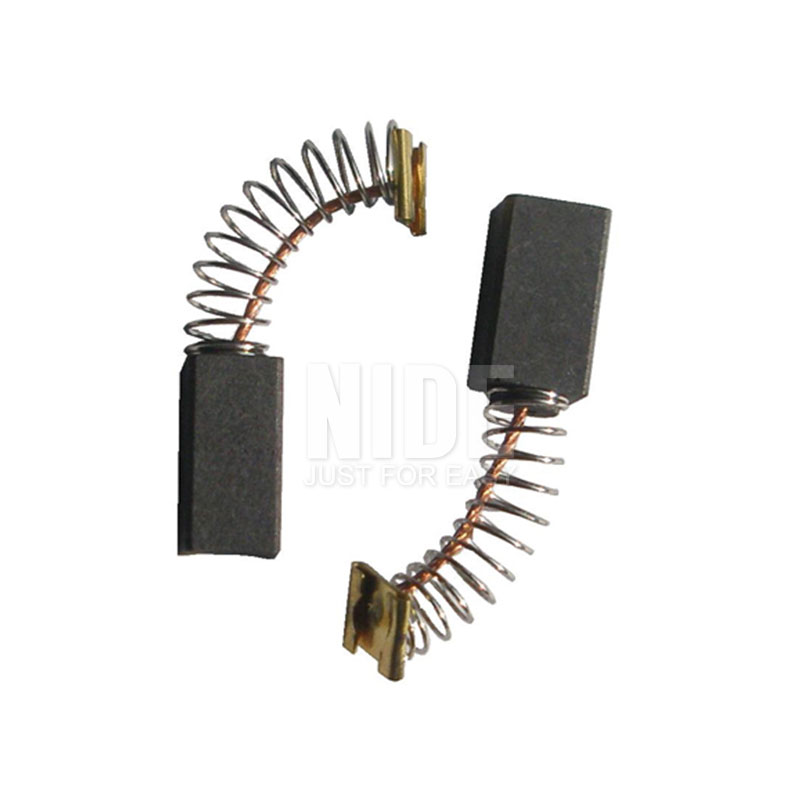
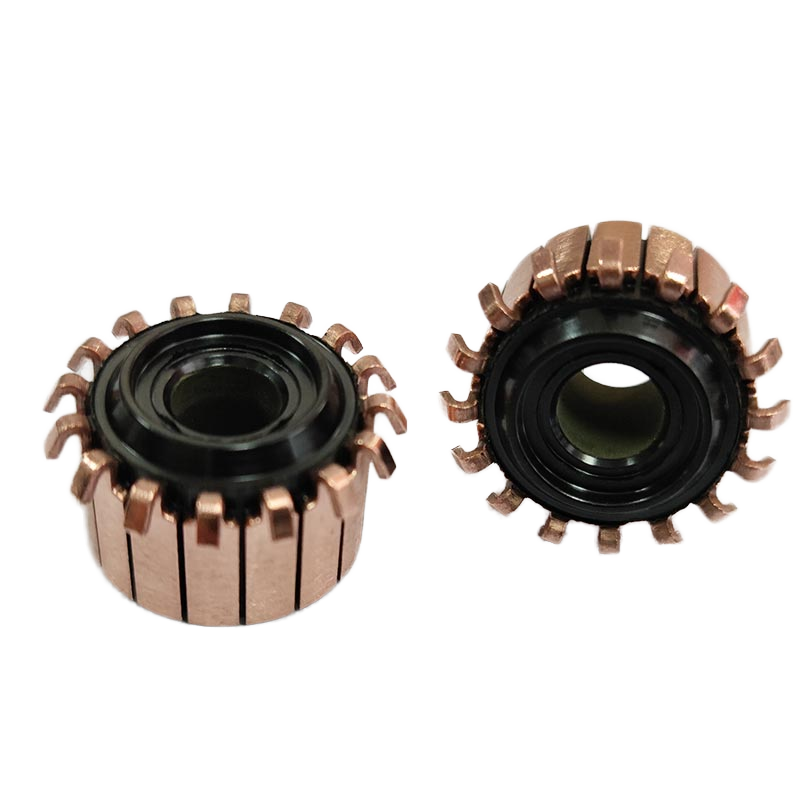
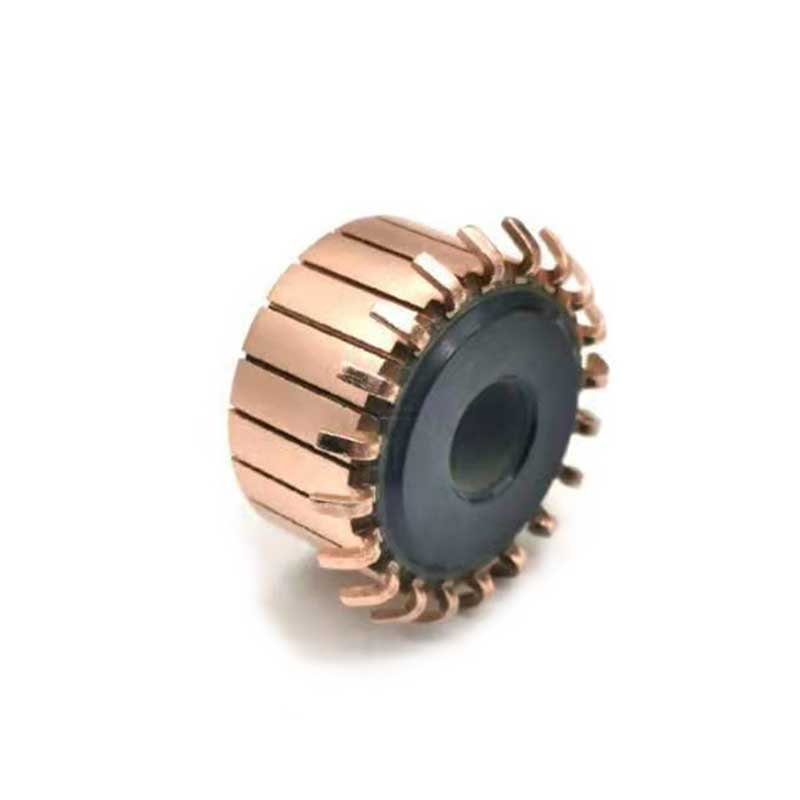
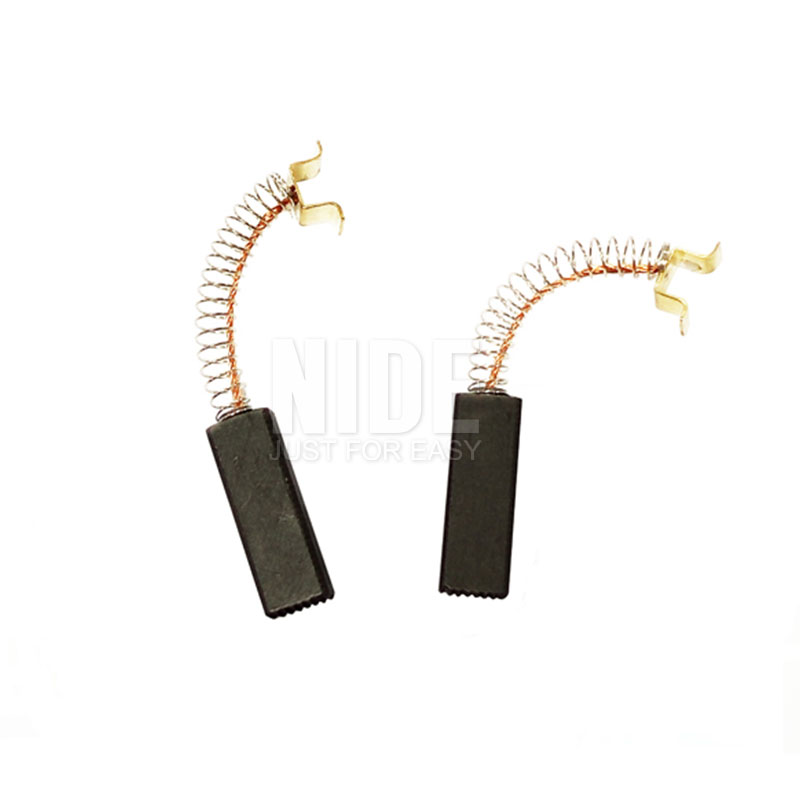
Our core mission is to provide turnkey certainty. From engineering custom winding flyers and hardened insertion blades to supplying matched motor sub-components—such as N52 NdFeB magnets, copper hook commutators, low-friction carbon brushes, and insulation papers—Nakro eliminates inter-vendor finger-pointing and guarantees cycle times before the machines depart our factory floor.
- Complete In-House Tooling: Precision EDM machining and cryogenic vacuum hardening of insertion tooling ensure extreme tooling durability over multi-million cycle runs.
- Factory Run-Off Guarantee: FAT (Factory Acceptance Test) conducted using the buyer’s actual stator laminations, magnet grades, and copper wire gauges.
- Proven Global Delivery: Export footprint spanning more than 50 countries across Southeast Asia, the Americas, Europe, and leading Asian industrial centers.
- Global Field Service Network: Rapid technical intervention via dedicated remote telemetry diagnostics combined with localized regional engineering support.
| Operational Metric | Nakro Engineering Specification |
|---|---|
| Cycle Time (Outer-Rotor Stator) | 45 – 90 seconds (topology dependent) |
| Applicable Wire Diameter | Φ0.15 mm – Φ1.8 mm (Single / Multi-strand) |
| Lamination Outer Diameter | Φ80 mm – Φ450 mm (Hub Motor Scalable) |
| Quality System Accreditation | ISO 9001:2015 / CE Machinery Directives |
| Control Systems Supported | Mitsubishi Electric / Omron / Siemens PLC |
| Primary Export Terms | FOB, CFR, CIF (Hakata / Moji / Kitakyushu Port) |
Frequently Asked Questions: Sourcing Hub Motor Lines for the Fukuoka Market
Detailed answers addressing technical integration, factory compliance, logistics, and quality assurance for engineering teams in Japan.
Can Nakro's wheel hub motor assembly lines integrate with existing Japanese MES and SCADA systems?
How does the automated line address cogging torque and acoustic noise (NVH) requirements common in Japanese e-mobility applications?
What are the freight routes and delivery schedules to Fukuoka/Kyushu ports?
How is the Factory Acceptance Test (FAT) and Site Acceptance Test (SAT) executed for Japanese clients?
Can the line handle both inner-rotor BLDC stators and outer-rotor wheel hub motor architectures?
Ready to Engineer Your Automated Hub Motor Line?
Connect with our senior automation specialists to submit your motor design drawings, target cycle times, and facility layout specifications for a detailed technical proposal and budgetary assessment.
Contact Us