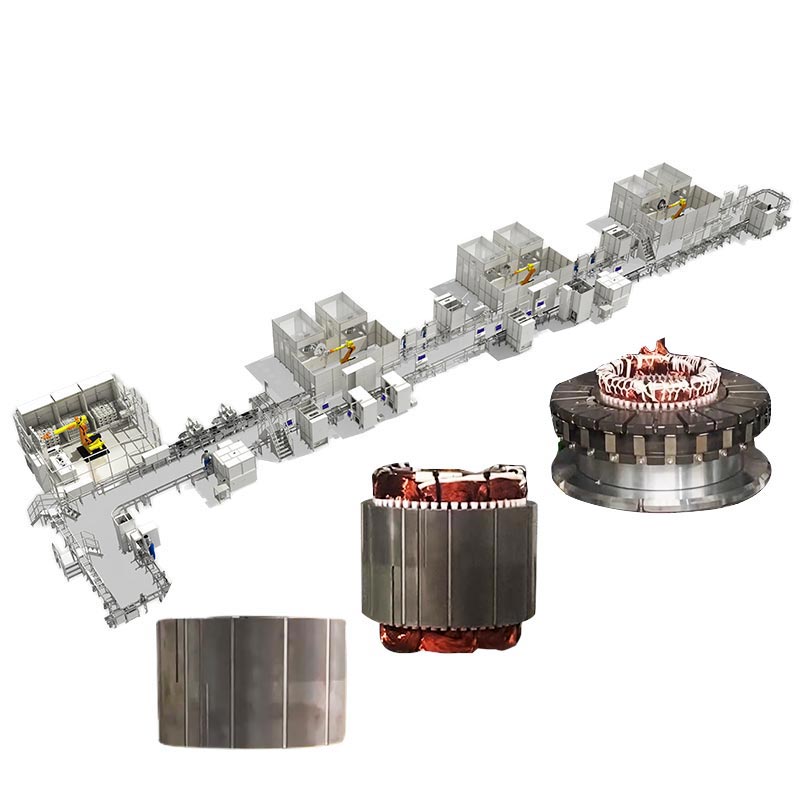
Automated Machinery & Core Assemblies
State-of-the-Art Electric Traction Motor Production Equipment
Explore our world-class stator lines, automated coil inserters, precision balancing apparatus, and high-coercivity motor components engineered specifically for clean light-electric commercial transit and harsh sub-Arctic duty cycles.


Nordic Technical Whitepaper
Engineering Electric Rickshaw Traction Motors for the Finnish Climate
Strategic analysis of low-temperature magnetic permanence, moisture condensation mitigation, and EU Machinery Directive compliance for Nordic OEM assembly facilities.
While conventional light electric vehicles such as electric three-wheelers, cargo e-trikes, and urban passenger rickshaws were historically conceived for temperate and tropical urban zones, the European green mobility transformation has rapidly extended their operational scope into Northern Europe. In Finland, where metropolitan centers like Helsinki, Espoo, Tampere, and Oulu prioritize carbon-neutral micro-logistics, electric rickshaws and heavy-duty three-wheeled utility trikes have become indispensable for last-mile intra-city parcel distribution, pedestrianized shopping zone transit, and maintenance fleets. However, sourcing manufacturing partner factories capable of producing traction motors capable of operating at sustained temperatures of -25°C to -30°C presents distinct engineering challenges.
1. Sub-Zero Metallurgy and Magnet Stability (Br & Hcj Optimization)
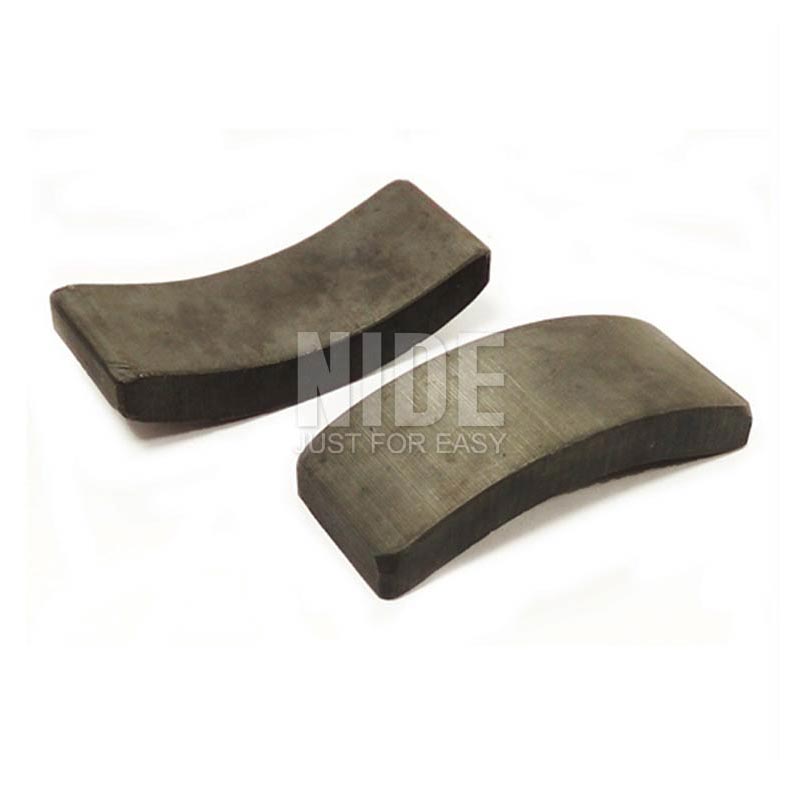
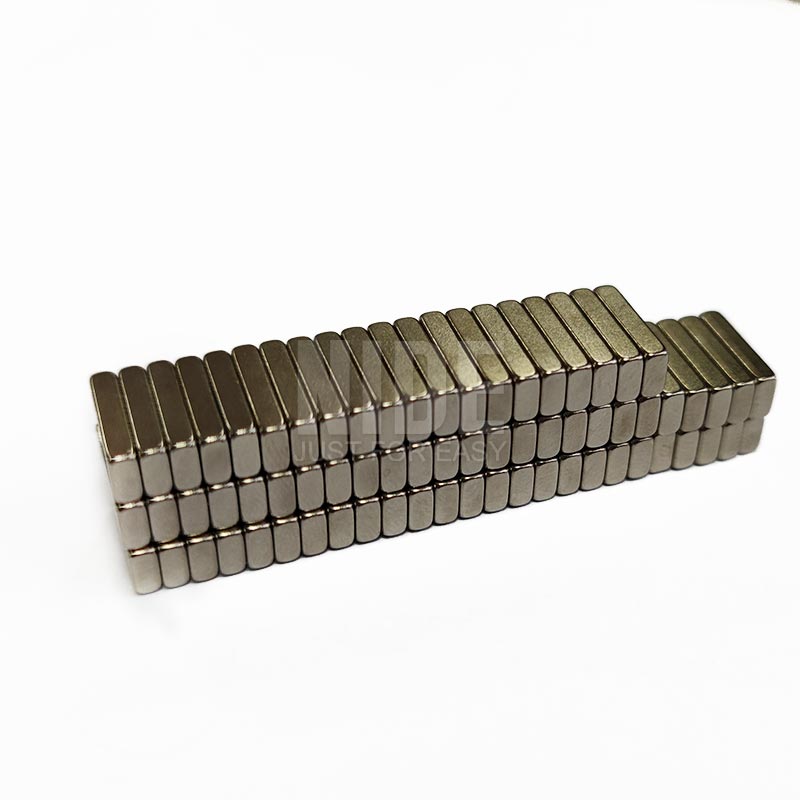
Standard commercial neodymium-iron-boron (NdFeB) magnetic materials commonly exhibit high remanence (Br) but can undergo severe brittle phase transitions and altered magnetic flux loops under Finnish winter conditions if grade selection is mishandled. Sourcing from our manufacturing lines ensures the integration of high-grade N52 and specialized SH/UH thermal-stability series rare-earth magnets. These formulations boast superior intrinsic coercivity (Hcj), ensuring that severe negative temperatures do not induce irreversible demagnetization during regenerative braking or high current shock loading. For cost-optimized utility variants, anisotropic ferrite arc magnets with tailored ceramic matrix density are dynamically precision-balanced to prevent micro-fracturing along sub-Arctic road vibrations.
2. Vacuum Pressure Impregnation (VPI) & Dielectric Anti-Condensation Insulation
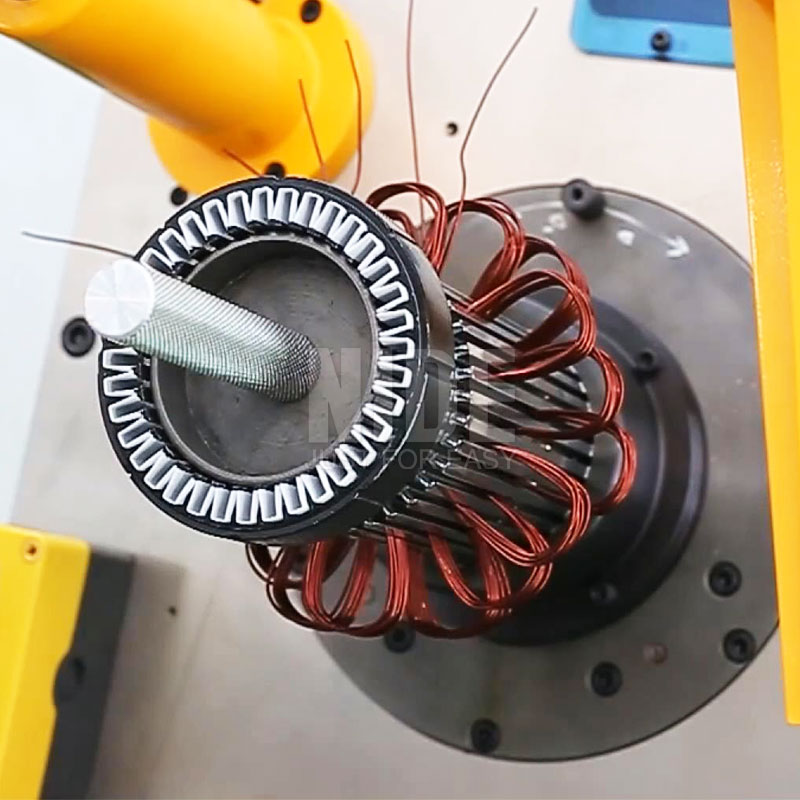
Finland's winter microclimate generates sudden thermal swings: vehicles transitioning from heated logistics docks (+18°C) directly into freezing outdoor routes (-20°C) immediately encounter rapid interior dew condensation. Unprotected motor stators face catastrophic inter-turn short circuits. To eliminate air voids and hygroscopic vulnerability, our automated motor manufacturing machinery implements multi-tier Vacuum Pressure Impregnation (VPI) using class H/C moisture-impervious epoxy varnishes. Coupled with slot-insulation insertion machinery executing automated Nomex-Kapton composite inter-layering, our stators achieve insulation resistance ratings exceeding 500 MΩ even under 95% relative humidity testing cycles.
| Engineering Attribute | Standard Tropical/Domestic Grade | Nordic Industrial Standard (Nakro Specification) |
|---|---|---|
| Operational Temperature Range | -5°C to +45°C | -35°C to +85°C (Validated for Finnish Winter Climes) |
| Stator Coil Winding Profile | Conventional Round Wire Needle Winding | Advanced Hairpin Continuous Copper / High-Fill Factor Needle |
| Slot Fill Factor | 38% – 44% | 58% – 72% (Significantly reduced Joule heat losses) |
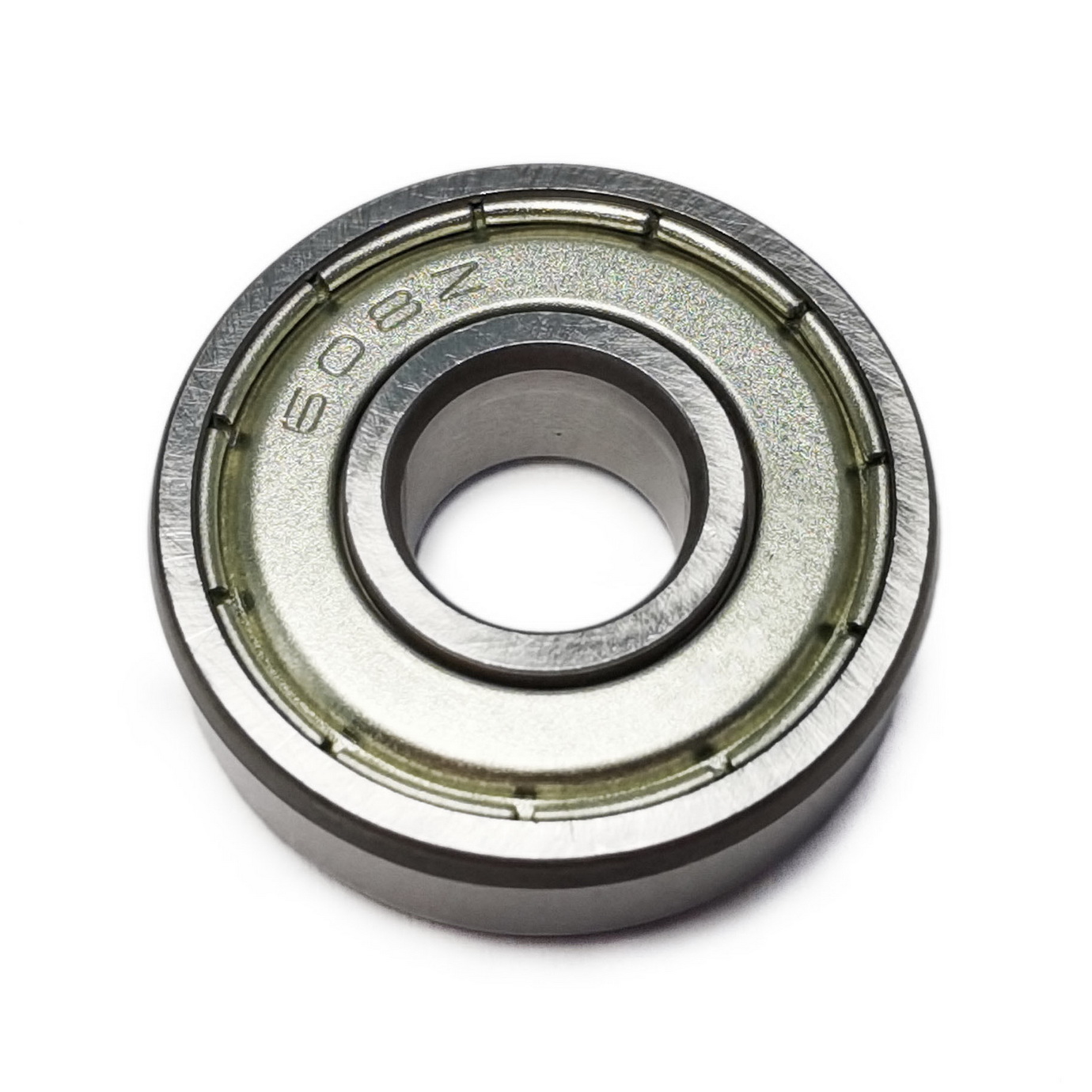
| Bearing & Lubrication Scheme | Standard Mineral Grease / Carbon Steel | Stainless Steel 608ZZ / Synthetic Low-Viscosity Polyalphaolefin Grease |
| Ingress Protection & Salt Spray | IP54, 48-Hour Salt Fog Resistance | IP67 Complete Hermetic Enclosure, 240-Hour ISO 9227 Salt Test |
| Certification & Documentation | Basic Factory QC Checklist | CE Directives (2006/42/EC, 2014/35/EU, 2014/30/EU) & ISO 9001:2015 |
3. Hairpin Stator Architectures: Maximizing Light Electric Transit Efficiency
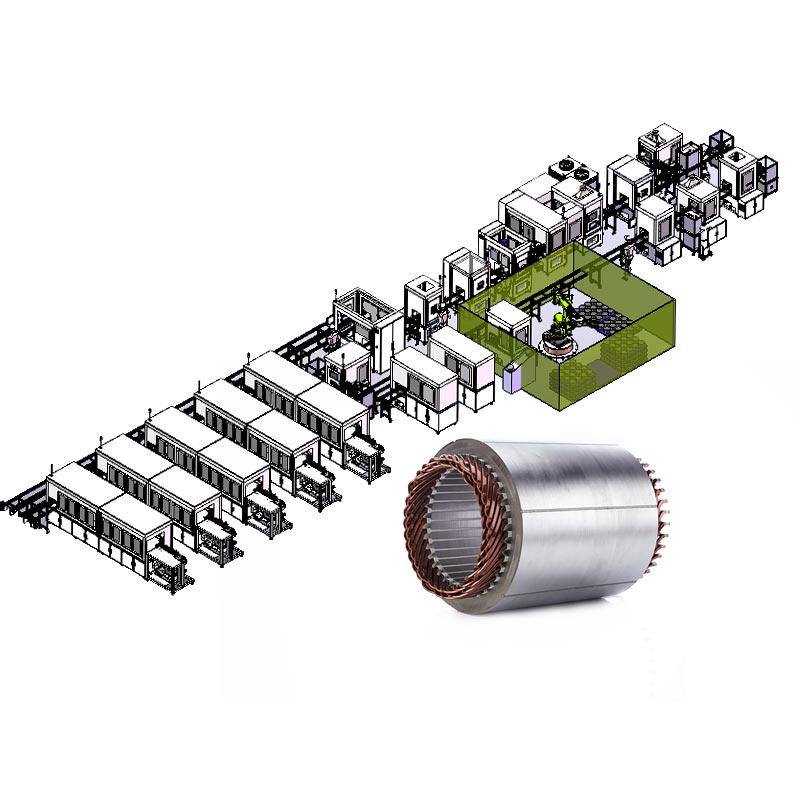
Energy density in light electric mobility is governed by battery weight versus torque generation. Traditional round-wire pull-in winding configurations limit slot copper fill factors to around 40%, generating excessive copper resistive heat when navigating snow-packed terrain or inclines. Our turnkey automated hairpin stator manufacturing lines insert rectangular flat-wire conductors, raising slot fill factors over 70%. The resulting reduction in DC copper resistance enhances overall drive-cycle battery efficiency by 8% to 12%—a crucial margin for Finnish fleet operators operating on constrained LiFePO4 battery pack discharge envelopes during sub-zero operational days.
Deployment Ecosystems
Localized Application Scenarios Across Finland
How our electric vehicle motor manufacturing equipment and core motor units integrate across commercial, logistical, and municipal transport sectors throughout Finnish regions.
Helsinki Urban Green Micro-Logistics
High-torque hub and mid-drive BLDC motors deployed in narrow zero-emission cargo trikes servicing the dense cobblestone streets and low-emission pedestrian plazas of Helsinki's central district without grid congestion.
Tampere & Turku Industrial Campuses
Heavy-load 48V-72V utility rickshaw transports engineered for enclosed shipyard facilities, manufacturing warehouses, and university campuses demanding non-polluting, silent, 24/7 continuous intra-facility transport.
Lapland Arctic Eco-Resort Shuttles
Enclosed, cold-insulated passenger rickshaws operating in Rovaniemi and Levi wilderness eco-lodges. Motors feature low-temperature stainless bearings and synthetic greases preventing internal freeze-locking down to -35°C.
Market Dynamics & Future Outlook
Emerging Trends Shaping Finland's Electric Rickshaw Supply Chain
Anticipating regulatory imperatives, technological migrations, and circular economy demands across the European Union.
Shift Towards Permanent Magnet BLDC & PMSM
Phase-out of legacy brushed DC powertrains in favor of brushless DC and permanent magnet synchronous motors that eliminate mechanical brush wear, arcing, and frequent servicing in snow conditions.
European Machinery Directive Harmonization
Rigorous enforcement of CE marking compliance across all automated motor assembly equipment, demanding Category 3 safety circuits, emergency stops, low-voltage directives, and electromagnetic compatibility (EMC).
On-Shoring Assembly via Turnkey Cells
Finnish industrial manufacturers increasingly avoid shipping heavy finished cast motors by procuring modular coil insertion and armature winding machinery to perform localized motor assembly in Finland.
Circular Life-Cycle & Recyclable Tooling
Adoption of stator lamination separation tooling and modular stator winding machinery that facilitate non-destructive disassembling, stator rewinding, and magnet recovery under EU battery and vehicle eco-directives.
Manufacturing Capabilities
Why Global Importers & Finnish OEMs Partner With Us
Combining over 14 years of electric motor machine construction, certified ISO 9001 quality systems, and turnkey tooling adaptability for European specifications.
14+ Years Export Experience
Over 13 years of specialized overseas machinery exportation across 50+ countries with established international logistics channels and complete DDP/CIF delivery management.
Turnkey Tooling & Custom R&D
Dedicated engineering team designing custom winding nozzles, coil inserters, and die molds matched exactly to your proprietary stator stack height, wire diameter, and lamination geometries.
Strict ISO 9001 Quality System
Rigid 6-point verification covering incoming raw materials, CNC machining tolerances, electrical cabinet logic, and a mandatory continuous factory test run using customer samples before dispatch.
Global After-Sales & Remote Telemetry
International engineering field service with remote PLC software diagnostics, on-site commissioning, operator training, and rapid dispatch of critical tooling wear components.
Procurement Guidance
Frequently Asked Questions for Finnish Importers & Manufacturers
Direct technical answers addressing CE conformity, lead times, sub-zero compatibility, custom tooling design, and factory trial verification.
Are your electric motor manufacturing machines fully compliant with EU Machinery and Low Voltage Directives?
Yes. Every machine shipped to the Finnish and European Economic Area is designed to satisfy European Directives including 2006/42/EC (Machinery Directive), 2014/35/EU (Low Voltage Directive), and 2014/30/EU (Electromagnetic Compatibility). Equipment includes CE-compliant Schneider/Siemens electrical safety circuits, dual-channel E-stop monitoring, interlocked optical light curtains, and complete technical construction files (TCF) accompanied by a Declaration of Conformity.
How do your motor stators and magnetic assemblies withstand severe Finnish winter conditions (-30°C)?
We specifically formulate motor components and recommend insulation processes engineered for sub-zero thermal cycling. Stators wound on our lines utilize Class H (180°C) double-insulated enameled copper wire embedded with multi-layer vacuum pressure impregnation (VPI) that prevents internal condensation and micro-void tracking. Neodymium magnets are selected with high intrinsic coercivity (such as 38SH or 42UH grades) to prevent cold-induced demagnetization, while deep groove bearings (such as our 608ZZ lines) feature synthetic low-temperature, water-resistant grease that prevents bearing drag.
Can we verify machine performance using our own motor laminations and wire before export?
Yes, this is an integral step of our ISO 9001 standard quality control protocol. Clients frequently send their custom stator lamination stacks, shafts, and copper wire to our facility. We carry out full run-off tests on your exact components, providing high-definition cycle-time videos, dielectric hipot test logs, and dimensional coordinate measurement (CMM) inspection data of wound assemblies for your formal technical sign-off prior to crating.
Can you provide complete turnkey electric rickshaw motor production lines rather than standalone units?
Yes. We engineer end-to-end semi-automated and fully automated turnkey lines for light electric vehicle motor production. This includes shaft and lamination stacking presses, automatic slot paper inserters, hairpin or needle winding stations, commutator hook welders, rotor hot-chamber die casting machines, trickle varnishing systems, dynamic balancing rigs, and complete end-of-line electrical testing cabinets measuring back-EMF, surge, hipot, and rotor resistance.
What are the standard shipping timelines and freight options to ports like Helsinki or Kotka?
Standard manufacturing cycle time for individual winding or insertion machines is 35 to 45 days; complete custom automated lines typically require 60 to 75 days depending on tooling complexity. Ocean freight from Ningbo Port to Helsinki or Kotka typically takes 32 to 40 days via major European liner routes. All equipment is secured inside vacuum barrier foil bags with desiccant and packed within robust, ISPM-15 heat-treated export fumigated wooden crates.
What technical support, spare parts, and commissioning assistance are offered to Finnish buyers?
We provide full lifecycle after-sales support. For on-site setup, our commissioning engineers can be deployed to your Finnish facility to oversee mechanical line placement, electrical hook-up, and operator programming training. Alternatively, our smart machines feature integrated Ethernet/VPN modules allowing our software engineers in Ningbo to perform real-time diagnostic checks and software tuning remotely. Critical wear tooling (blades, winding needles, guides) are available with rapid worldwide air dispatch.
