1. Executive Industry Overview: Rotor Die Casting Automation in the Manila Industrial Corridor
The manufacturing ecosystem of the Philippines, particularly across the Greater Manila Area, Laguna, Cavite, Batangas (CALABARZON), and Bulacan, is experiencing a decisive transition. Driven by government programs such as the Department of Transportation's (DOTr) Public Utility Vehicle Modernization Program (PUVMP), rising domestic demand for energy-efficient industrial water pumps, and local HVAC appliance assembly, manufacturing plants are moving away from imported pre-cast rotors toward on-site, precision high-pressure aluminum die casting cells.
Rotor die casting machines represent the core metallurgical and electro-mechanical nexus in squirrel-cage induction and permanent magnet assisted reluctance motor manufacturing. Unlike generic aluminum die casting, casting an electric motor rotor requires filling long, narrow, skewed lamination slots with molten aluminum (typically 99.7% pure electrical-grade A00 aluminum alloy) under extreme hydraulic pressures without generating gas porosity, cold shuts, or micro-cracks along the conductor bars and end rings. Chinese machine manufacturers, led by industry pioneers such as Ningbo Nakro Intelligent Equipment Co., Ltd., provide Manila-based electro-mechanical manufacturers with the complete technological, mechanical, and logistical apparatus required to achieve international efficiency standards (IEC 60034-30-1 IE3 and IE4 Super Premium Efficiency).
High-Fill Fluid Dynamics
Multi-stage injection curves prevent premature freezing within narrow lamination slots, ensuring end rings and conductor bars maintain uniform molecular density.
Porosity Reduction Valves
Integrated vacuum-assist systems evacuate trapped air from the laminated steel stack cavity within milliseconds before the intensification phase.
Cycle Time Optimization
Closed-loop servo-hydraulic architectures achieve cycle times under 25 seconds per shot, including automatic sleeve loading and pneumatic degating.
2. Engineering Metallurgy: Vertical vs. Horizontal Cold Chamber Rotor Die Casting
For Philippine manufacturing executives evaluating plant upgrades in Laguna Technopark or the Cavite Economic Zone (CEZ), selecting the correct casting kinematic is critical. Rotor casting demands specialized machine kinematics due to the presence of silicon steel sheet stacks acting as a thermal heatsink during molten metal flow.
Vertical Rotor Die Casting Machines (Preferred for Industrial Motors)
Vertical die casting machines utilize an upright injection shot sleeve positioned directly beneath the lower mold cavity. This architecture offers decisive metallurgical benefits for electric motor rotors:
- Symmetrical Molten Fill: Molten aluminum enters vertically through the bottom runner, rising evenly through all rotor bar slots simultaneously. This eliminates the gravity-induced wave formation and turbulence common in horizontal shot sleeves.
- Stack Alignment & Clamping: Hydraulic top-down clamping forces (ranging from 450 kN to 2,500 kN depending on frame size) tightly compress the silicon steel stack, preventing aluminum seepage (flashing) between adjacent lamination sheets. Flashing causes parasitic eddy currents and severe rotor heating.
- Automatic Deburring and Core Extraction: Vertical units naturally integrate with automatic degating shear blades, stripping the biscuit and runner while the casting remains in a semi-solid state.
Horizontal Cold Chamber Die Casting Machines (High-Volume Fractional HP Motors)
Horizontal machines are predominantly deployed for high-volume fractional horsepower (FHP) motors, such as ceiling fans, refrigeration compressors, and small water pumps manufactured in Manila industrial districts. While requiring complex multi-cavity tooling, modern horizontal cells integrate high-speed servo dosing furnaces and vacuum evacuation to minimize cold-flow defects across multiple small rotors per cycle.
| Casting Parameter / Metric | Vertical Rotor Die Casting Machine | Horizontal Cold Chamber Machine | Impact on Motor Efficiency (IE3/IE4) |
|---|---|---|---|
| Injection Velocity Profile | 0.08 – 0.35 m/s (Low speed), up to 5.5 m/s (Fast shot) | 0.15 – 0.40 m/s (Low speed), up to 7.0 m/s (Fast shot) | Prevents oxidation skin entrainment in conductor bars |
| Lamination Compression Force | Dedicated auxiliary hydraulic cylinder (200–600 kN) | Dependent on overall platen clamping toggle | Eliminates inter-laminar aluminum penetration & iron losses |
| Porosity Rate (End Rings) | < 0.8% with vacuum assist integration | 1.5% – 3.2% without high vacuum | Directly impacts electrical resistance and rotor I²R losses |
| Tooling Complexity & Cost | Moderate; simple vertical draw dies | Higher; multi-cavity slide split dies required | Lower maintenance overhead in humid Philippine environments |
| Suitability by Frame Size | IEC Frame 71 to 355 (0.37 kW to 315 kW) | IEC Frame 56 to 100 (FHP, fan motors, pumps) | Essential for industrial drive lines and EV traction |
3. Localized Operating Realities in the Manila & Greater Luzon Industrial Markets
Installing industrial die casting machinery in the Philippines requires overcoming unique local operational challenges. Sourcing managers and production directors must ensure that Chinese equipment builders calibrate their machinery to local environmental, electrical, and commercial parameters:
Electrical Grid Fluctuations & Energy Tariffs
Industrial power costs under Meralco (Manila Electric Company) and regional provincial utilities are among the highest in Southeast Asia, ranging between USD 0.16 and USD 0.22 per kWh. Furthermore, voltage spikes and brownouts within industrial estates outside Metro Manila require power train resilience. Chinese rotor die casting machines designed for the Philippine market feature:
- Servo-Driven Hydraulic Pumps: Replacing outdated continuous-displacement induction motors with variable-speed servo-hydraulic drives (Rexroth, Inovance, or Delta control systems) reduces idle power consumption by up to 55%.
- Voltage Fluctuation Tolerance: Systems pre-configured with 220V/230V 60Hz 3-phase transformers (or 440V 60Hz with robust line reactors) and wide-range switching power supplies to tolerate ±12% grid fluctuation without tripping delicate PLC logic or proportional valves.
Tropical Humidity & Tooling Thermal Management
Metro Manila's average relative humidity frequently exceeds 80%, accelerating atmospheric condensation on water-cooled steel die tooling (typically hot-work tool steels like H13 or DAC55). When molten aluminum at 680°C contacts condensation, severe steam explosions, hydrogen embrittlement, and internal void porosity occur. Turnkey suppliers integrate multi-circuit mold thermoregulation units (mold oil/pressurized water heaters) operating at 180°C–220°C to eliminate condensation and thermal shock micro-cracks on mold cores.
The DOTr PUVMP Electrification Transition
Under the Philippine Public Utility Vehicle Modernization Program, thousands of traditional diesel jeepneys are being phased out in favor of electric jeepneys (e-Jeepneys). This has catalyzed a localized demand for BLDC and AC induction traction motors built within PEZA zones. High-speed, vacuum-assisted rotor die casting machinery is essential to manufacture low-loss squirrel-cage rotors and internal permanent magnet rotor cores capable of withstanding the high torsional loads and stop-and-go duty cycles of Philippine urban transit.
Port of Manila (MICP) Logistics
Direct maritime shipping from Ningbo/Shanghai to Manila South Harbor or Batangas International Port in 4 to 7 days guarantees rapid delivery and duty savings under ACFTA (Form E).
Tooling Customization (OEM/ODM)
Machine shot sleeves, clamping collars, and rotor mandrel ejectors are custom-machined directly from your rotor lamination CAD DXF drawings and slot dimensions.
Turnkey Component Synergies
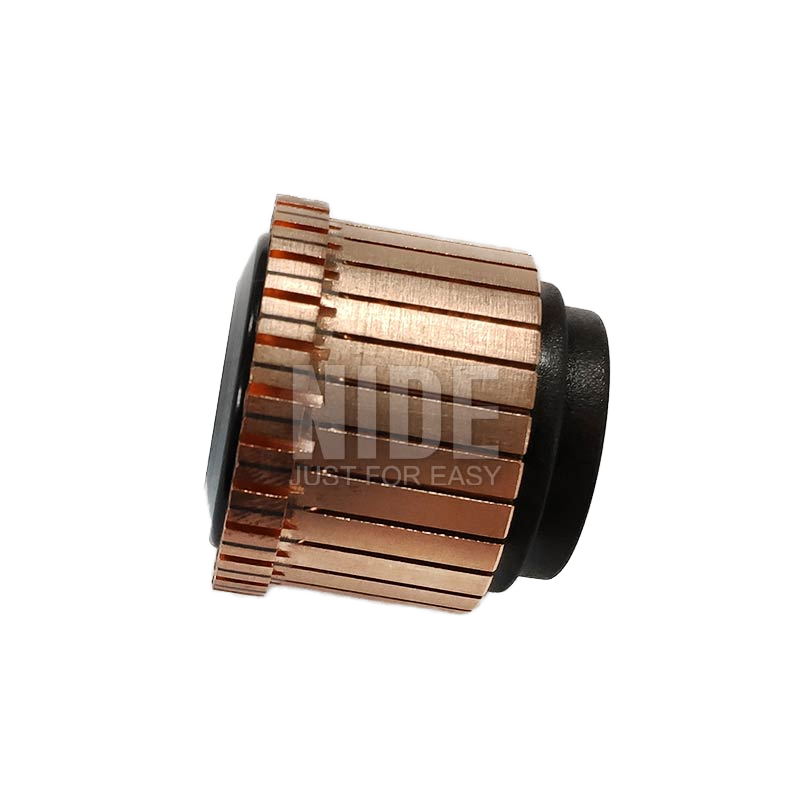
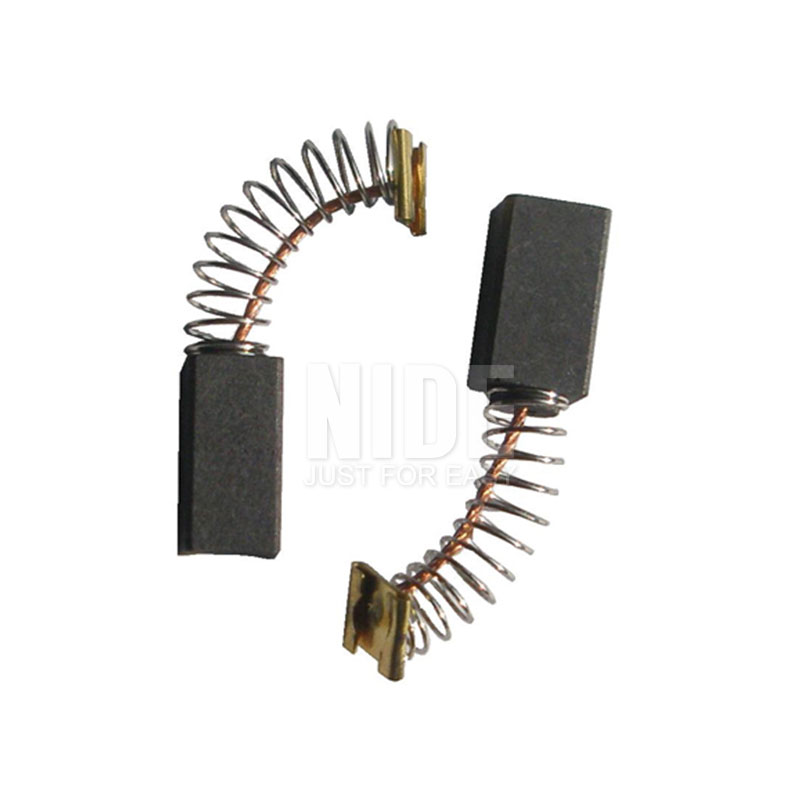
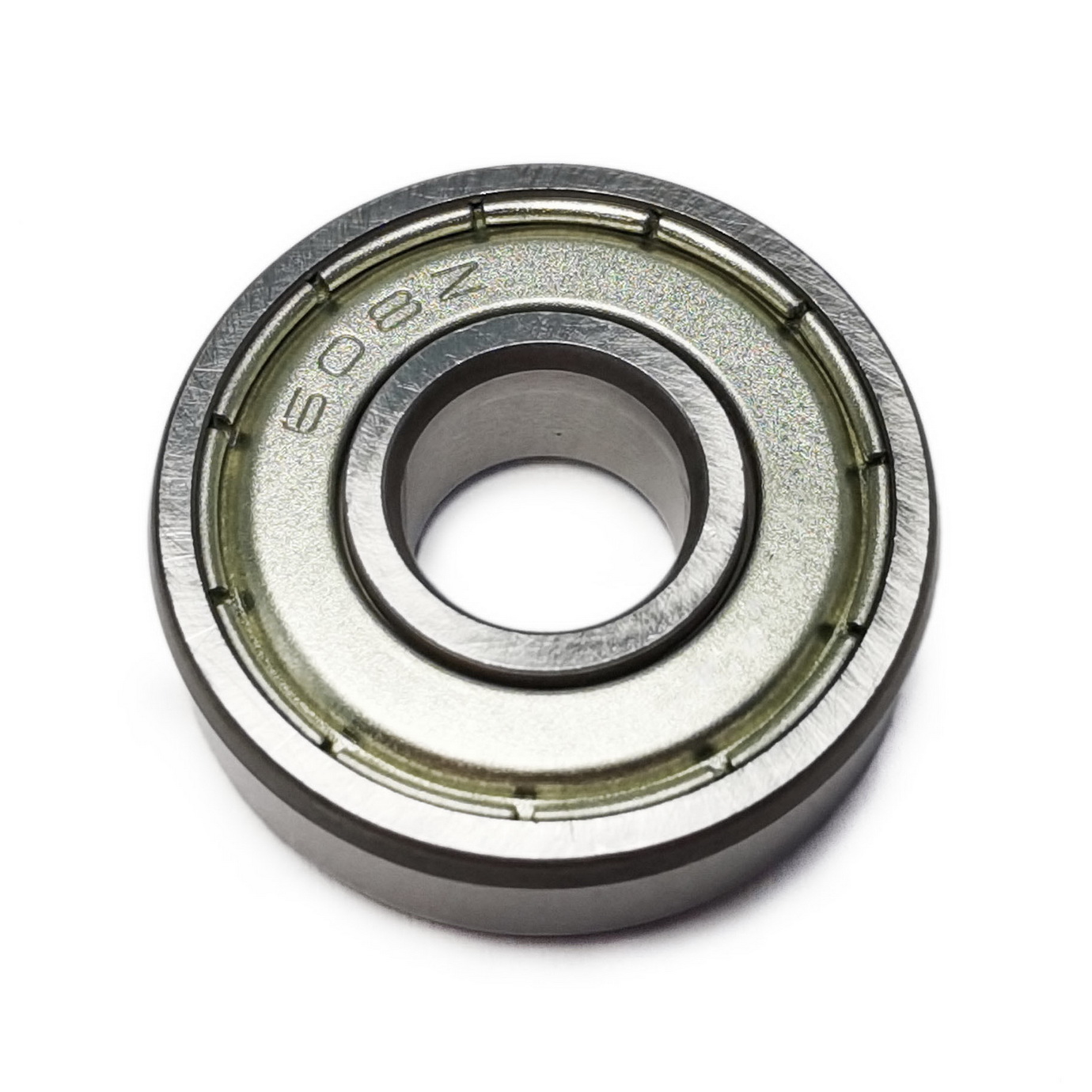
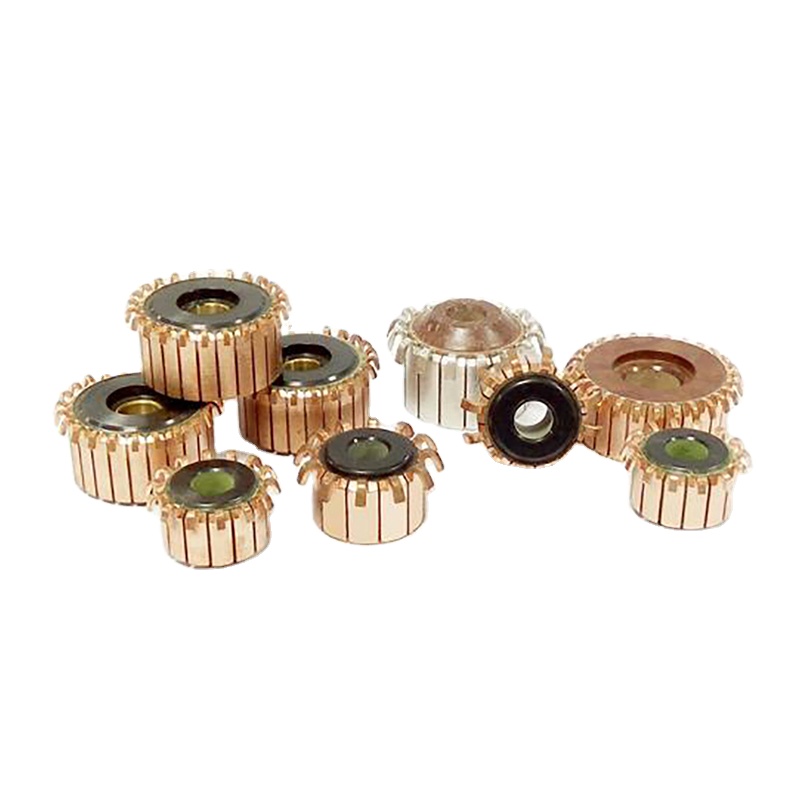
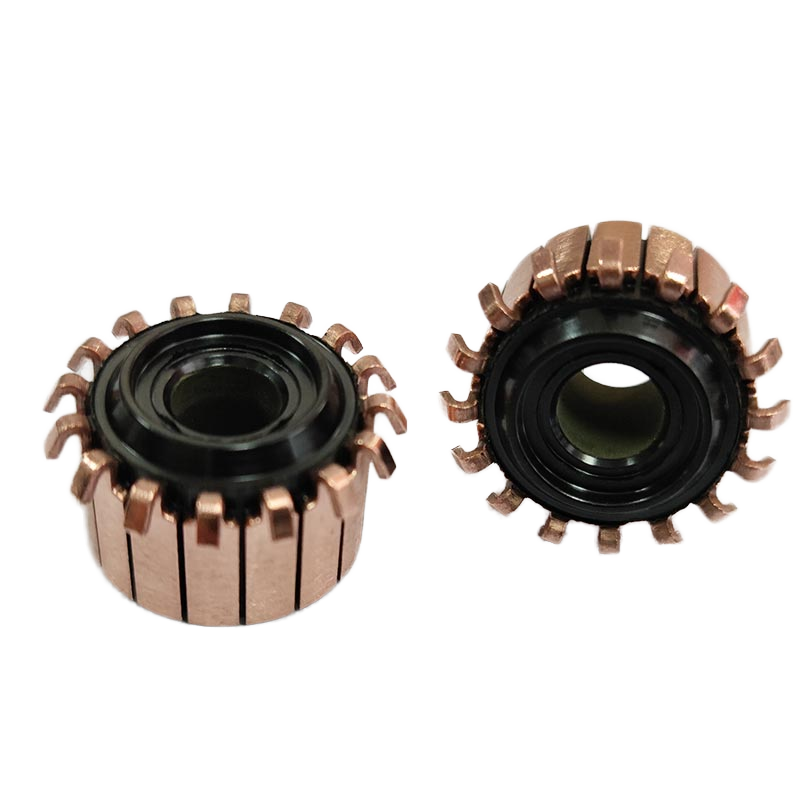
Coordinate machine procurement alongside high-spec motor parts: commutators, carbon brushes, 608ZZ bearings, and automated stator lacing systems from a single provider.
4. Total Cost of Ownership (TCO) & Procurement Strategy for Philippine Buyers
Investing in heavy motor manufacturing machinery involves more than the upfront equipment quotation. A comprehensive Total Cost of Ownership analysis must incorporate freight, PEZA fiscal incentives, energy mitigation, mold longevity, and preventative maintenance cycles.
PEZA Tax Exemptions and Import Tariffs
Manufacturers located within Philippine Economic Zone Authority (PEZA) areas (such as Laguna Technopark, Light Industry & Science Park, or First Philippine Industrial Park) enjoy 0% value-added tax (VAT) on local purchases, tax- and duty-free importation of capital equipment, and special corporate income tax regimes. For non-PEZA domestic enterprises, China-ASEAN Free Trade Agreement (ACFTA) certificates (Form E) reduce standard tariff rates on Chinese industrial die casting machinery from 5–15% down to 0%, provided the machine builder furnishes compliant documentation.
Hydraulic Fluid Selection in High Ambient Temperatures
Ambient shop-floor temperatures in Metro Manila can exceed 38°C during peak dry season (March to May). Machine hydraulic reservoirs must be specified with anti-wear hydraulic oil (ISO VG 46 or VG 68) and high-capacity dual-circuit water cooling heat exchangers. Premium Chinese builders specify Japanese or Taiwanese plate heat exchangers capable of maintaining hydraulic oil below 50°C using standard closed-circuit cooling towers.
5. Enterprise Manufacturing Strengths: Ningbo Nakro Intelligent Equipment Co., Ltd.
Ningbo Nakro Intelligent Equipment Co., Ltd. has established itself as an engineering partner for motor manufacturers worldwide since its founding in 2010 in Beilun District, Ningbo, China. With over 30,000 square meters of production facilities, Nakro bridges precision casting mechanics with fully automated downstream motor assembly.
Our core capabilities include:
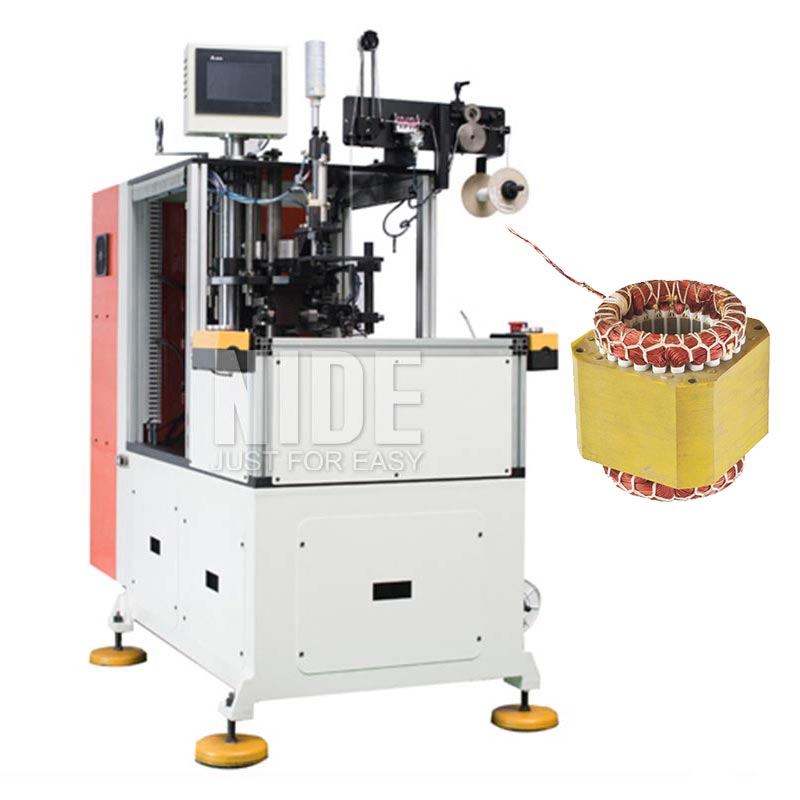
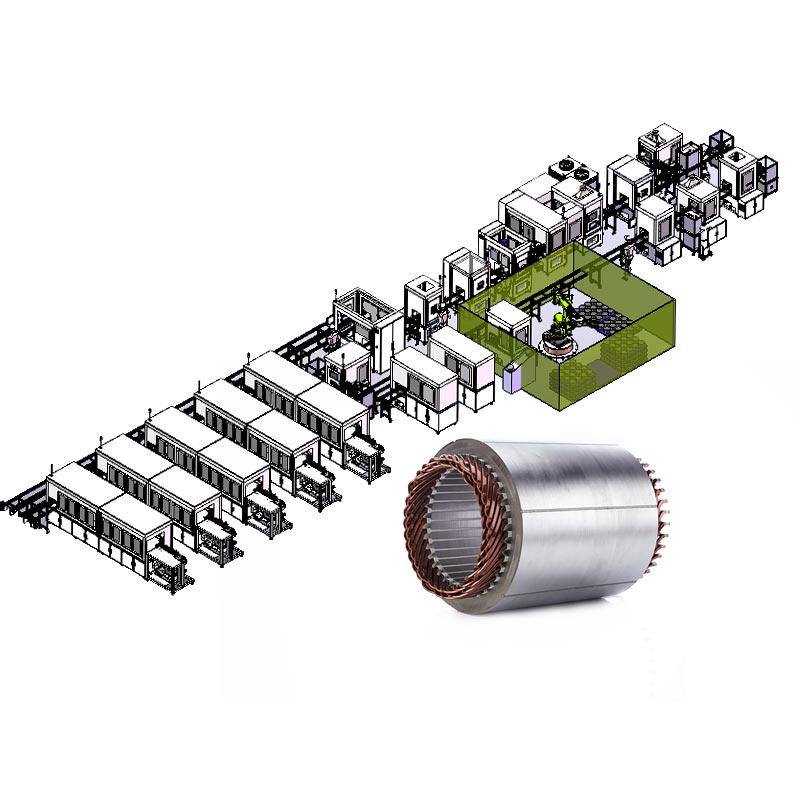
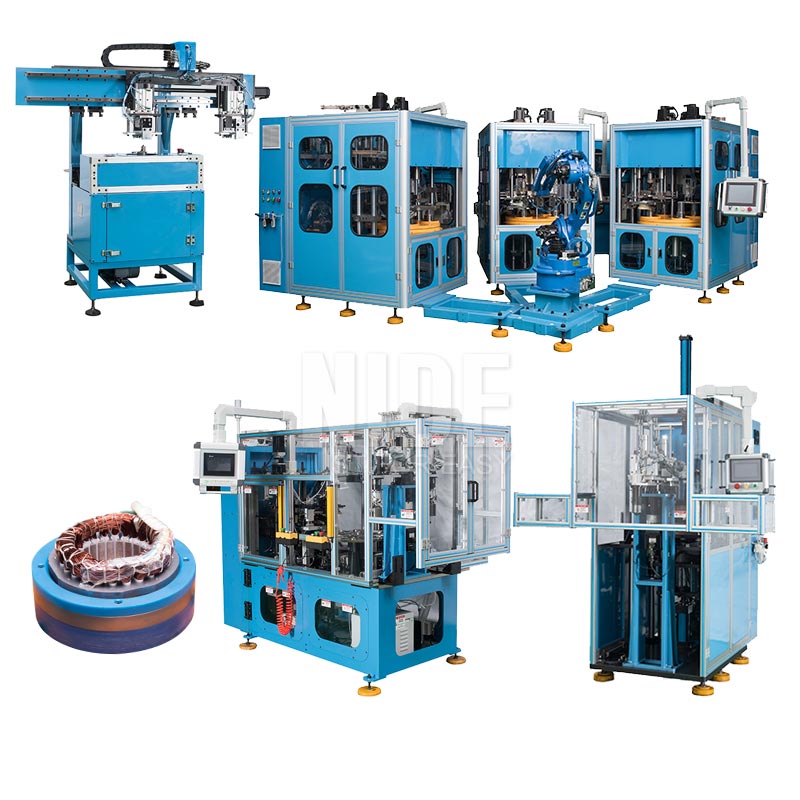
- Full Production Spectrum: We supply not only stand-alone vertical rotor die casting units, but turnkey production systems including automatic double-ended stator coil lacing machines, automated armature flyer winding lines, BLDC needle winders, and advanced EV hairpin flat-wire stator lines.
- Component Sourcing Integration: Mitigate supply chain friction by sourcing precision motor components—including CCC/CE certified mica commutators, electro-graphite carbon brushes, dustproof 608ZZ stainless steel bearings, and precision-stamped copper armatures—directly alongside capital machinery.
- Rigorous Run-Off Validation: Prior to ocean transit from the Port of Ningbo, each machine undergoes a rigorous trial run using the customer's actual lamination stacks and aluminum ingots. Real-time sensor logs, high-speed injection curves, electrical surge tests, and destructive cut-and-etch porosity cross-sections are documented for buyer sign-off.
- Global Lifecycle Support: Backed by more than 13 years of machinery export experience to over 50 countries, we provide remote telemetry diagnosis, on-site commissioning by field engineers across Southeast Asia, and stocked tooling wear parts for immediate dispatch.
