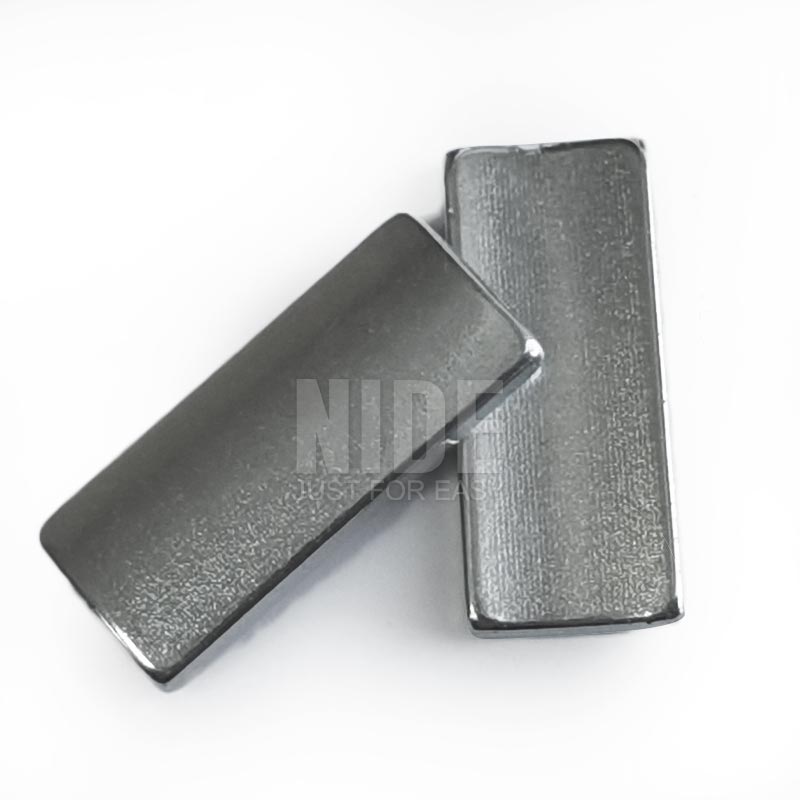
Rectangular N52 NdFeB Neodymium Magnets Block (NDPJ-CW-58)
Ultra-high remanence sintered rare-earth magnets engineered for surface-mounted and interior permanent magnet (IPM) rotors in high-torque traction assemblies.
Direct OEM-engineered machinery cells, high-coercivity permanent magnets, precision commutators, and automated wire winding equipment engineered to eliminate cycle bottlenecks in high-speed rotary manufacturing.
Ultra-high remanence sintered rare-earth magnets engineered for surface-mounted and interior permanent magnet (IPM) rotors in high-torque traction assemblies.
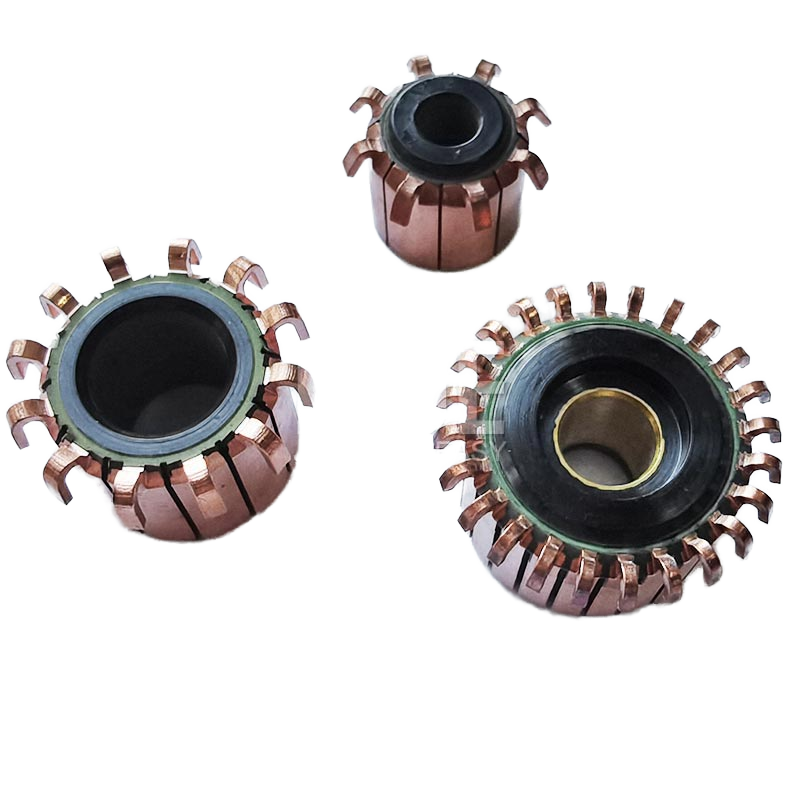
Precision-stamped rotor-stator subassembly with integrated tang-hook commutator for high-duty universal appliances and commercial DC actuators.
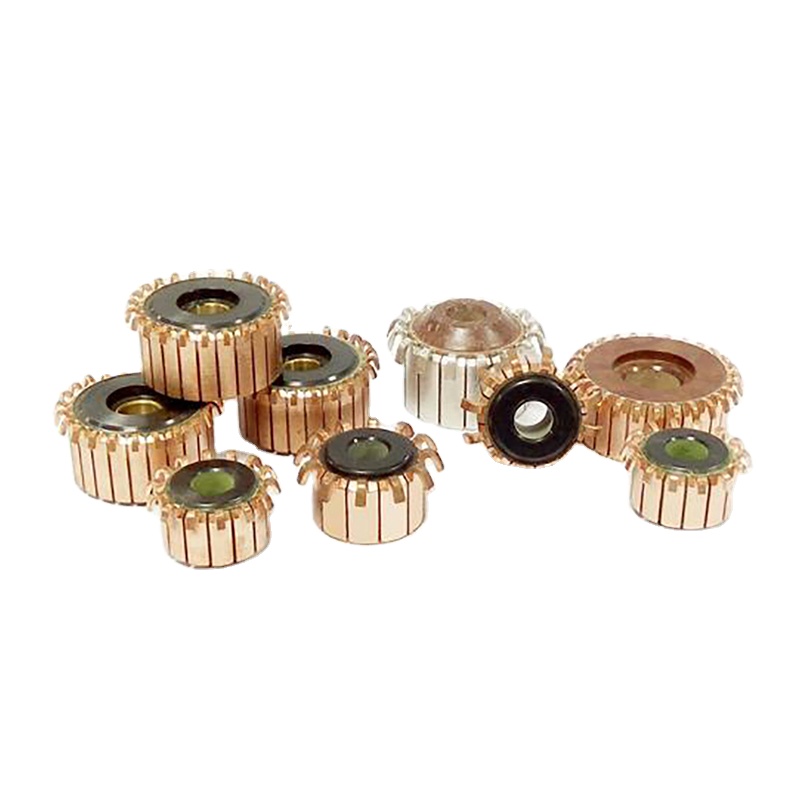
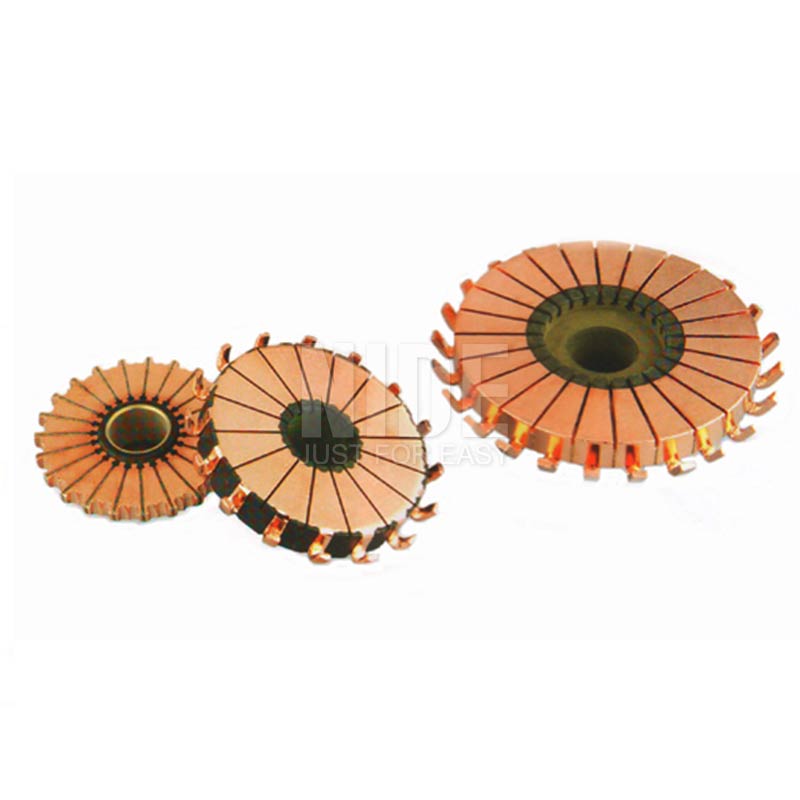
CE-certified commutator featuring high mica-dielectric resistance and heat-dissipating copper alloy segments for heavy-torque power tool rotors.
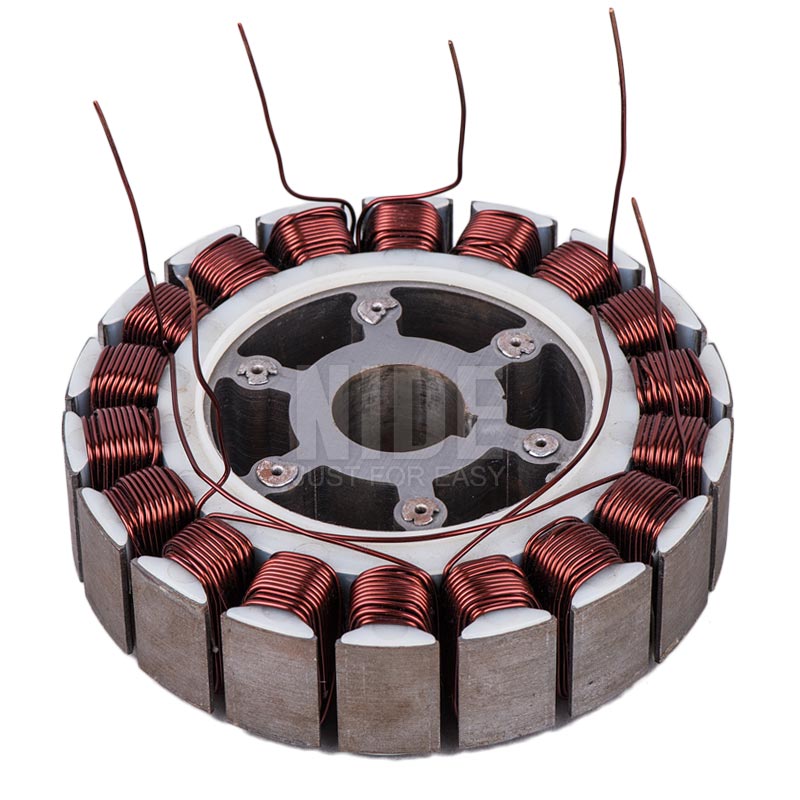
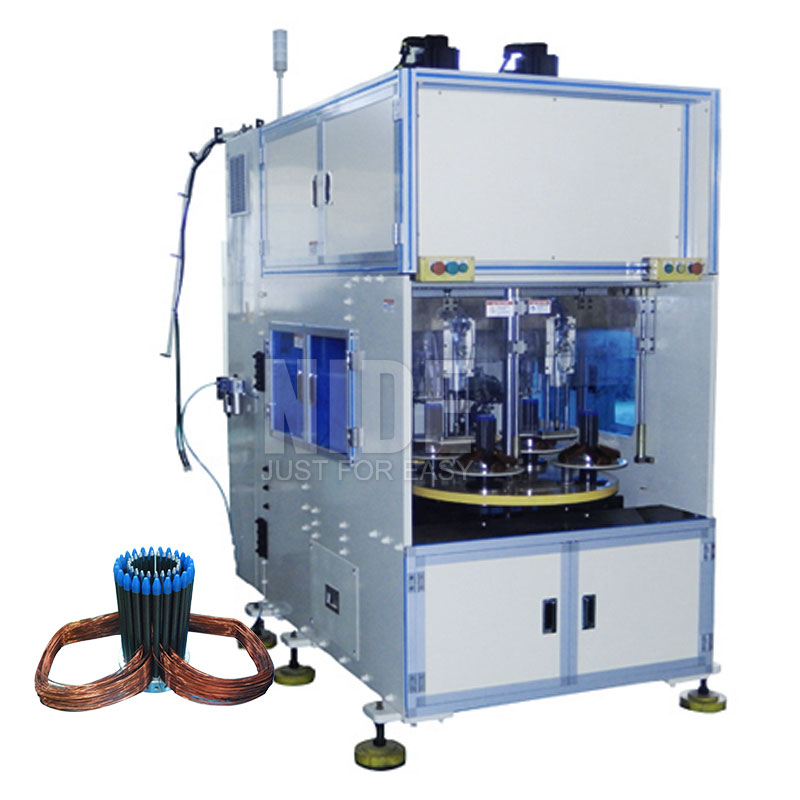
Multi-axis CNC flyer and needle winding station with integrated PLC tension control, engineered for e-mobility wheel hubs and internal BLDC armatures.
Compact axial-face planar commutator optimized for thin-profile automotive seat motors, fuel pumps, and aerospace low-profile DC servo armatures.
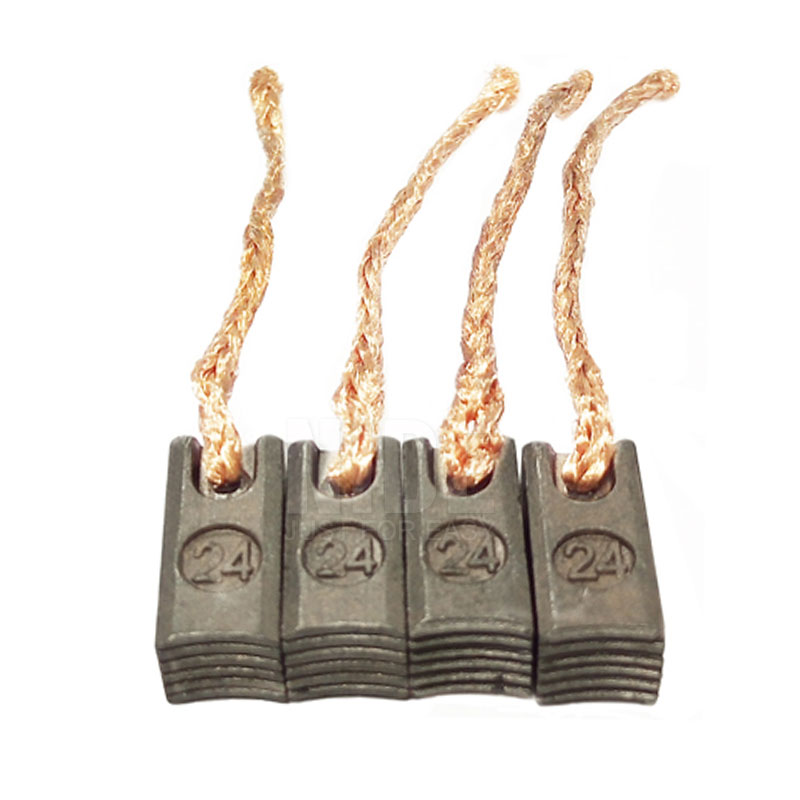
Electrographite and metal-graphite composite brush assemblies with low contact drop and minimal commutator segment wear in micro-motor armatures.
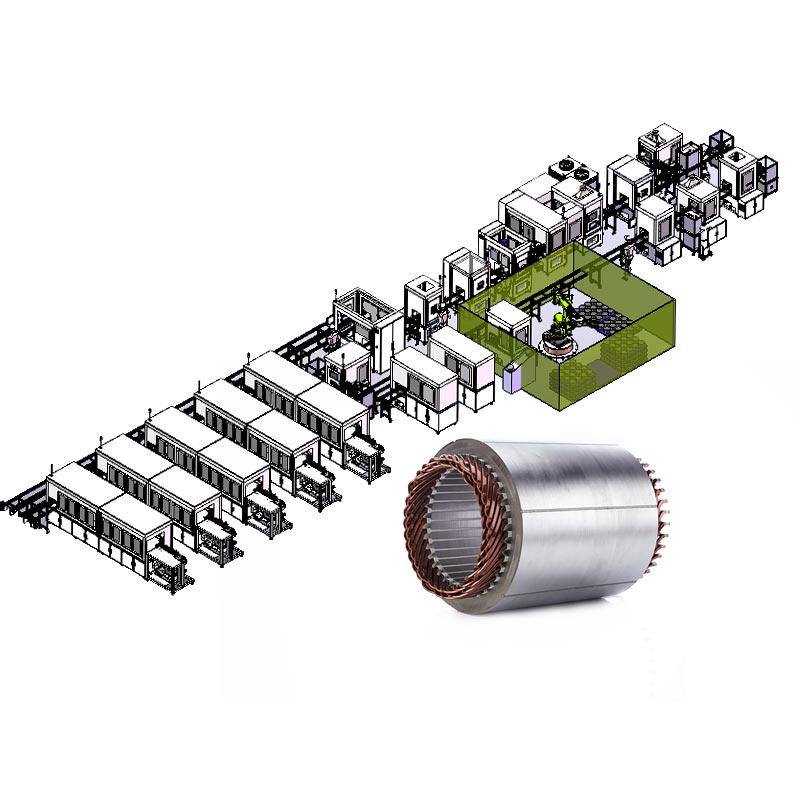
Turnkey high-voltage flat-wire assembly line featuring 3D CNC hairpin forming, robotic insertion, twist expanders, and laser welding modules.
High-speed dual-station CNC flyer coil winder designed for evaporative cooler stators, fan rotors, and single-phase industrial induction equipment.
A technical assessment of automation integrators and machine builders capable of fulfilling high-speed balancing, lamination stacking, magnet insertion, and turnkey assembly for the Dallas-Fort Worth industrial base.
Founded in 2010 and exporting to over 50 countries, Nakro stands out as an engineering powerhouse delivering both high-speed automated equipment and matching motor components. Their portfolio covers turnkey armature production lines, BLDC needle winders, hairpin stator cells, and automated balancing lines. With over 30,000 m² of manufacturing space, Nakro offers bespoke tooling designed directly around customer slot geometries, rapid North American shipping logistics, and factory acceptance test (FAT) verification using real client laminations.
Aumann is an established German machinery builder with significant integration footprint across North America. Renowned for their continuous linear winding technology and structural e-mobility traction motor assembly modules, they excel in ultra-high-volume automotive production lines where sub-second cycle time consistency is paramount.
Operating from Italy with strong export channels into Texas and the wider US manufacturing belts, Marsilli provides extreme-precision winding and assembly cells for small armatures, brushless motors, and precision resolver rotors used extensively in aerospace fly-by-wire and medical actuator systems.
BBS Automation provides tailor-made assembly systems for complex electromechanical components. Their rotor assembly solutions include robotic magnet insertion, vision-guided shaft press-fitting, and inline dynamic balancing units engineered for harsh industrial operating environments.
Headquartered in Canada with major US engineering operations, ATS delivers comprehensive manufacturing cells for high-output electric vehicle motor stators and rotors. They leverage standardized SuperTrak conveyance systems to link magnet gluing, balancing, curing, and testing stations.
Widely recognized for wire processing, Komax delivers automated hot-stacking, lead routing, and commutator resistance fusing equipment. Their systems ensure low electrical contact resistance across high-stress power tool and automotive starter armatures.
For rotor core production, Schuler delivers industry-standard progressive die presses and high-speed electrical steel interlock systems. They are the benchmark for rotor core stamping and interlocking stacks prior to automated winding or permanent magnet insertion.
A venerable Japanese machinery maker with an established North American presence, Odawara is celebrated for ultra-durable flyer armature winders, dynamic rotor balancers, and automated epoxy trickle impregnation lines for severe-duty fractional horsepower rotors.
Statomat specializes in heavy industrial three-phase induction motor manufacturing systems. Their engineering focus spans slot wedge insertion, coil shaping, and rotor shaft assembly for high-voltage industrial machinery and oilfield pumping applications.
Alliance Automation provides North American manufacturers with agile machine integration, custom vision inspection enclosures, and automated robotic gantry systems configured to link disparate motor subassembly stations into cohesive synchronous production flow lines.
The Dallas-Fort Worth-Arlington metroplex represents one of the most concentrated engineering and heavy manufacturing ecosystems in the southern United States. Automated rotor assembly equipment must meet distinct regional specifications.
Fort Worth's aerospace corridor (home to Lockheed Martin Aeronautics, Bell Flight, and specialized defense sub-tier suppliers) requires MIL-spec brushless DC (BLDC) rotor assemblies. These rotors demand ultra-precise dynamic balancing (ISO G1.0), class-H insulation resins, and carbon-fiber rotor sleeving to survive high-vibration supersonic flight regimes.
Anchored by AllianceTexas logistics infrastructure, North Texas is rapidly becoming an electrification testing hub for medium-duty trucks, delivery vans, and autonomous freight. Permanent magnet rotors for these duty cycles require automated magnet insertion, hot-pressing, and vacuum resin encapsulation to withstand continuous high-torque stop-and-go thermal cycles.
Serving the Barnett Shale and the broader Permian supply chain out of Fort Worth, electrical submersible pump (ESP) motors demand long-stack squirrel cage and induction rotors. Nakro's high-tonnage hydraulic shaft press-fitting and automated lamination stack alignment ensure zero runout over rotor lengths exceeding several meters.
With massive data center corridors expanding through North Texas, high-efficiency electronically commutated (EC) external-rotor fans are in continuous demand. Automated outer-rotor magnet bonding, multi-pole needle winding, and automated lead fusing ensure compliance with strict AMCA and ASHRAE energy performance guidelines.
A rigorous review of dynamic unbalance, thermal dissipation bottlenecks, and mechanical retention methods governing next-generation electric rotor manufacturing lines.
In high-speed electric motors—such as those operating above 15,000 RPM in defense drones and electric superchargers—residual mechanical imbalance produces excessive harmonic vibration, bearing fluting, and acoustic fatigue. Nakro’s integrated automated balancing cells incorporate dual-plane dynamic force transducers and automated CNC milling or drilling corrective heads. By maintaining balance quality grade ISO G1.0 or G2.5, residual centrifugal forces are suppressed by up to 94% compared to semi-manual manual balancing.
Shaft-to-lamination press-fit stations utilize closed-loop servo-electric ball screws with integrated load-cell force/displacement monitoring. This prevents micro-buckling of thin 0.2mm and 0.35mm silicon steel laminations while maintaining shaft total indicated runout (TIR) within <0.005 mm.
The deployment of N52-grade Neodymium Iron Boron (NdFeB) blocks presents distinct operational challenges due to their high magnetic attraction force during automated insertion and their vulnerability to thermal irreversible demagnetization at sustained temperatures above 80°C. In high-performance IPM rotors, Nakro employs pneumatic vacuum-assisted non-magnetic insertion fingers that isolate individual magnets, applying structural two-part epoxy with precision volumetric gear metering.
For surface-mounted permanent magnet (SPM) rotors common in aerospace flywheels, machines incorporate continuous carbon-fiber filament winding or automated Inconel retaining sleeve thermal expansion insertion, ensuring magnets remain mechanically locked against centrifugal forces reaching up to 100,000 G.
| Rotor Architecture | Core Tooling / Station | Key Tolerance / Quality Metric | Automation Cycle Time | Typical Industrial Deployment |
|---|---|---|---|---|
| Slotted DC Armature | Dual-Flyer Winder + Hot Fusing | Winding Tension ±1.5 cN; Commutator TIR <0.003mm | 8.0 – 14.0 sec / unit | Industrial Power Tools, Automotive Seat Actuators |
| Brushless Internal PM (IPM) | Automated Magnet Inserter + Epoxy Dispenser | Magnet Slot Clearance 0.03mm; Weight Balance G1.0 | 18.0 – 25.0 sec / unit | Commercial EV Powertrains, Flight Control Servos |
| External Rotor BLDC | Segmented Needle Winder + Stator Inserter | Slot Fill Factor up to 78%; Insulation Hipot 2.5 kV | 22.0 – 35.0 sec / unit | Cleanroom Fan Filter Units, Logistics Drones |
| Squirrel Cage Induction | High-Pressure Shaft Press + Balancing Mill | Shaft Push-Out Force >45 kN; Runout <0.008mm | 35.0 – 50.0 sec / unit | Oil & Gas Submersible Pumps, HVAC Chillers |
Understanding the macroeconomic and regulatory forces driving industrial modernization, automation reshoring, and high-efficiency motor mandates across the Texas manufacturing triangle.
Driven by federal initiatives such as the Inflation Reduction Act (IRA) and supply chain realignments, Texas has become a prime destination for domestic production relocations. Motor manufacturers in Fort Worth and Tarrant County are actively phasing out manual manual winding and balancing cells, transitioning toward turnkey automated cells to offset skilled labor premiums and guarantee defect-free six-sigma output.
With United States Department of Energy (DOE) regulations mandating IE4 (Super Premium) and IE5 (Ultra-Premium) efficiency thresholds for commercial and industrial electric motors, loose tolerances are no longer acceptable. Nakro's automated coil inserting and slot wedging equipment maximize slot fill factor while preserving primary wire enamel, preventing partial discharge losses.
Defense and tier-1 automotive suppliers in Fort Worth mandate end-to-end component traceability. Nakro assembly lines feature laser 2D DataMatrix marking at the initial shaft press station, binding lamination batch numbers, magnet flux densities, fusing millivolt drop measurements, and dynamic balance vectors directly to the plant MES over standard OPC UA industrial networks.
Consolidating your machine tooling, automation design, and critical motor component supply under a single ISO 9001 certified engineering partner.
Unlike standard machine builders who sell isolated machines, Nakro assumes end-to-end accountability from raw lamination stacking to the final tested rotor. We design, manufacture, and validate every intermediate transport, tooling fixture, and test algorithm.
We eliminate supplier finger-pointing. In addition to production equipment, Nakro supplies matching commutators, N52 magnets, carbon brushes, bearings, and insulation paper engineered precisely to the tooling tolerances of our automated winding and inserting lines.
Every rotor assembly machine undergoes rigorous multi-hour Factory Acceptance Testing (FAT) utilizing your actual production wire, shafts, and laminations before dispatch. Remote PLC diagnostics and international engineering field partners ensure seamless Site Acceptance Testing (SAT).
Critical answers addressing electrical standards, delivery schedules, factory testing, and tooling customization for North American operations.
Whether you are engineering high-reliability BLDC actuators for aerospace applications, scaling permanent magnet EV traction rotors, or upgrading severe-duty induction machinery, consult directly with Nakro's technical engineering team.