Stator Production Line Exporter & Exporters for Stuttgart

High-Precision Turnkey Automation, Hairpin & BLDC Stator Winding Systems, and Custom Core Components Tailored for Baden-Württemberg’s Automotive Hub

14+
Years Industrial Engineering & Export Excellence
50+
Global Export Destination Markets
30k+
Square Meters Modern Assembly Facility
ISO 9001
CE Certified Electrical Cabinet & Safe PLC Integration

Engineered Motor Machinery & Precision Components

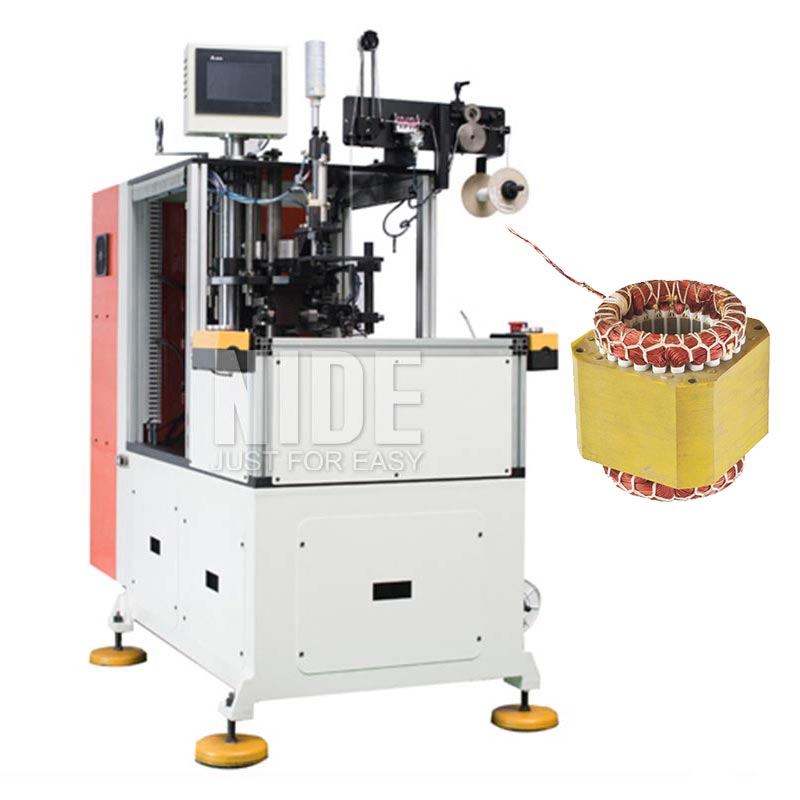
Explore our industrial-grade stator assembly lines, semi-automatic coil inserting systems, precision commutator hooks, and high-energy NdFeB motor accessories configured for scalable throughput.

Local Application Scenarios in the Stuttgart Industrial Cluster

Stuttgart represents the engineering heart of European mobility and precision machinery. Our stator manufacturing lines and armature cells are engineered specifically to comply with German automotive and industrial tier specifications.

For manufacturers across the Neckar valley and throughout Baden-Württemberg, transitioning from internal combustion platforms to electric traction architectures demands extraordinary reliability, high copper fill factors, and traceability down to the individual serial number. Our automated stator production lines are engineered to integrate seamlessly into this rigorous industrial landscape.

Tier-1 Automotive E-Mobility Sub-assemblies

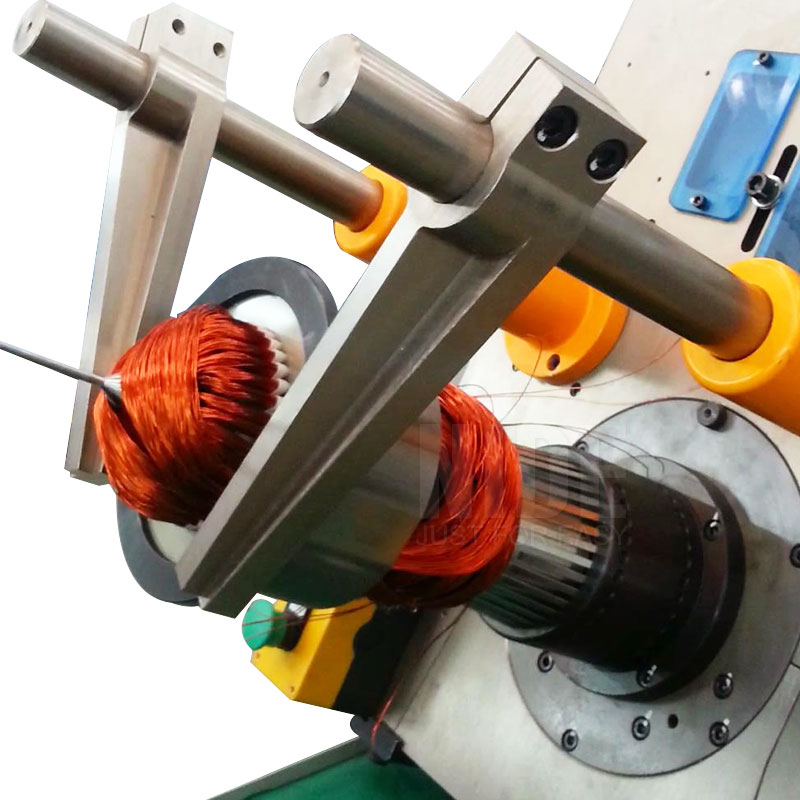
Automated needle winding, hairpin inserting, and trickle resin impregnation designed to feed powertrain sub-tier facilities across Sindelfingen, Zuffenhausen, and Untertürkheim. Ideal for auxiliary EPS drives, HVAC compressors, and 800V e-axle traction stators.

High-Precision Machine Tool Spindles

Baden-Württemberg is world-renowned for CNC centers and precision robotics. Our three-phase stator lacing and coil insertion machines build ultra-balanced, low-vibration induction and PMSM stators capable of exceeding 24,000 RPM continuous duty.

Smart Automation & Intralogistics Drives

Dedicated assembly lines for automated guided vehicle (AGV) hub motors and industrial warehouse conveyor drives. Stations support outer-rotor winding, hall sensor integration, and end-of-line electrical diagnostic validation.

Industrial Trends Shaping Stator Production in Southern Germany

Strategic engineering shifts: Navigating high copper slot fill factors, DIN EN ISO 50001 energy audits, and Industry 4.0 data exchange across German manufacturing operations.

As German engineering groups accelerate their electrification targets, procurement officers in Stuttgart face stringent demands. Manufacturing lines cannot merely function as standalone equipment; they must communicate via standardized industrial protocols like OPC UA and Profinet, synchronize with plant-wide MES systems, and provide complete lot traceability down to the specific lamination stack batch.

Furthermore, energy conservation regulations have forced motor manufacturers to shift from standard IE2/IE3 induction motors toward IE4 and IE5 ultra-premium efficiency brackets, as well as brushless permanent magnet synchronous motors (PMSM). Meeting these targets requires higher slot fill rates—often exceeding 78% in traditional round-wire inserting and upwards of 85% in advanced hairpin configurations. Nakro Intelligent Equipment delivers tool designs with micro-polished insertion blades and precision servo-driven wire dispensers that prevent micro-scratches on enamel insulation, keeping partial discharge rates at zero even under high-voltage inverter switching pulses.
Stator Technology Focus German Industry Benchmark Nakro Technical Specification Quality & Operational Benefit
Coil Slot Filling Factor > 75% for IE4 / IE5 Efficiency Up to 82% (Round Wire) / > 86% (Continuous Flat Wire) Reduced copper loss, compact thermal envelope
Control Architecture Siemens S7-1500 / Profinet / OPC UA Standardized Siemens / Beckhoff PLC Core Integration Seamless integration with Stuttgart MES architectures
End-of-Line Testing (EOL) VDE 0530 / DIN EN 60034 Standards Surge (5kV), Hipot (AC/DC), Insulation Resistance & DCR Immediate identification of inter-turn insulation weaknesses
Line Cycle Time (Taktzeit) Sub-30 seconds per station 18 – 28 seconds (Depending on slot & turn geometry) Maximized hourly output for high-volume Tier-1 programs

Why Stuttgart Procurement Teams Partner with Nakro

From initial lamination drawing analysis to factory runoff and onsite commissioning, our 14+ years of specialized motor machinery design guarantees turnkey reliability.

ISO 9001 Certified & CE Compliant

Our complete manufacturing operation in Ningbo operates under an audited ISO 9001 quality regime. All machinery cabinets, safety light curtains, pneumatic interlocks, and CE compliance documentation match European Machinery Directive 2006/42/EC.

Custom Tooling & R&D Mastery

Every stator lamination profile possesses unique geometric constraints. Our dedicated R&D engineering division custom-mills winding nozzles, forming dies, and inserting blades tailored to your exact stack height, wire diameter, and slot openings.

Complete Turnkey & Component Supply

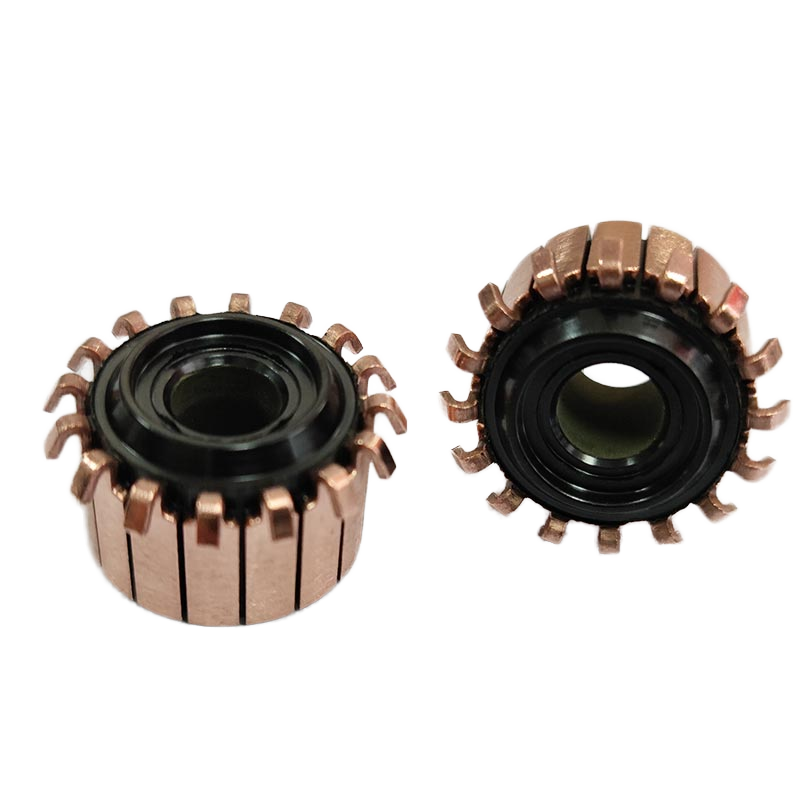
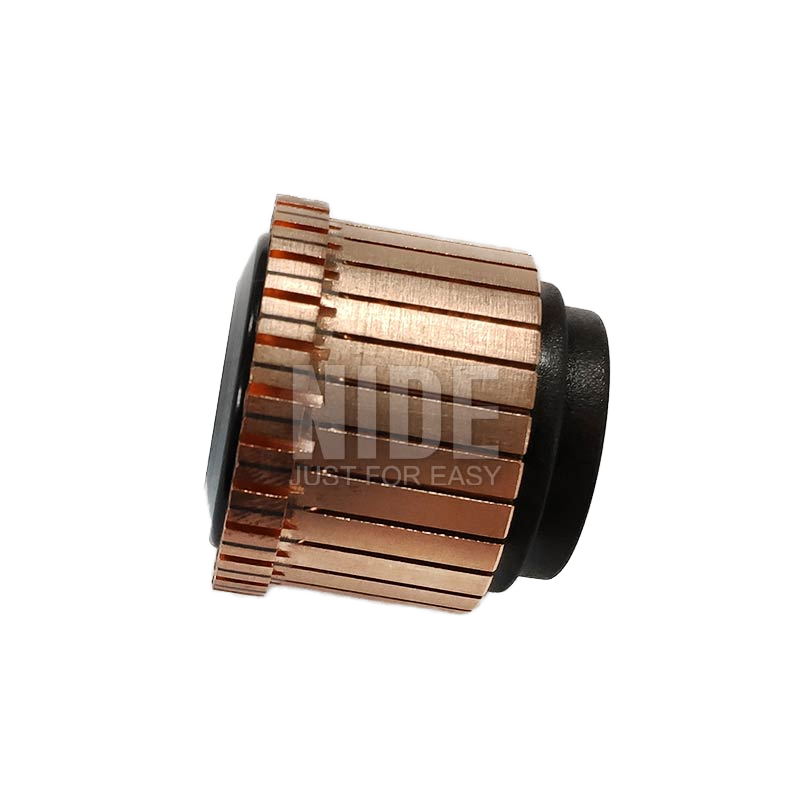
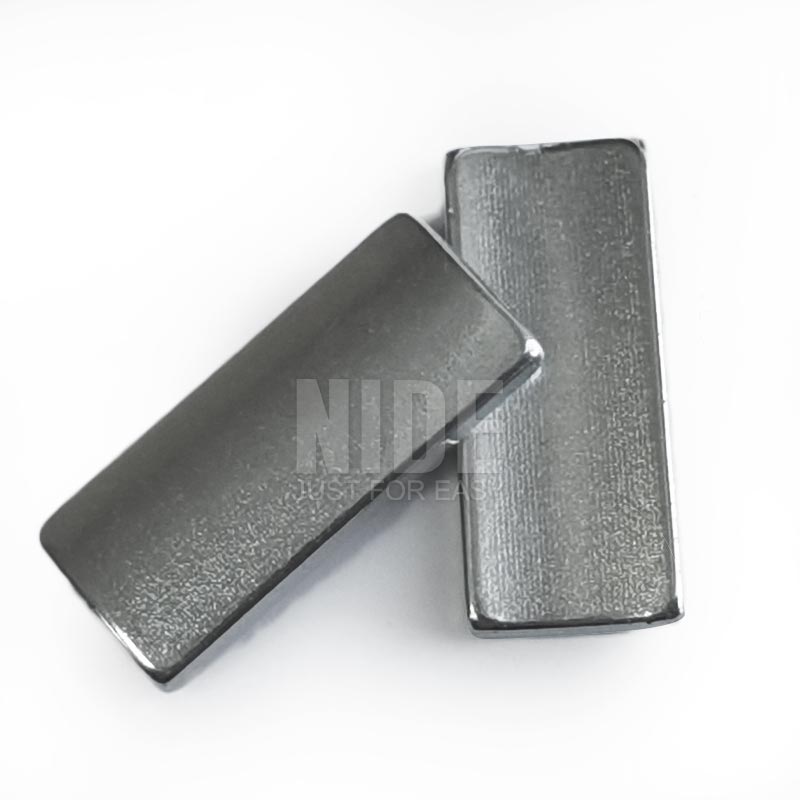
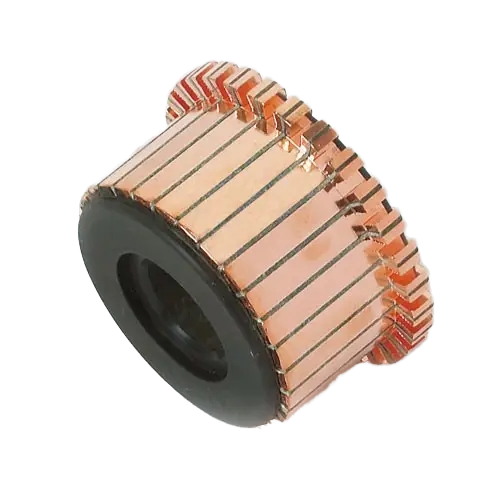
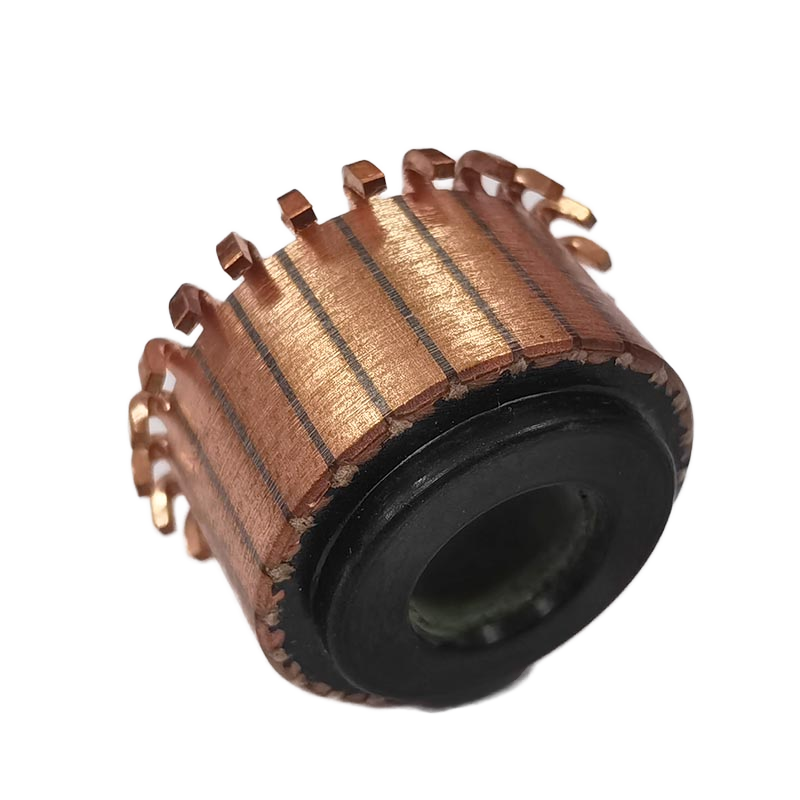
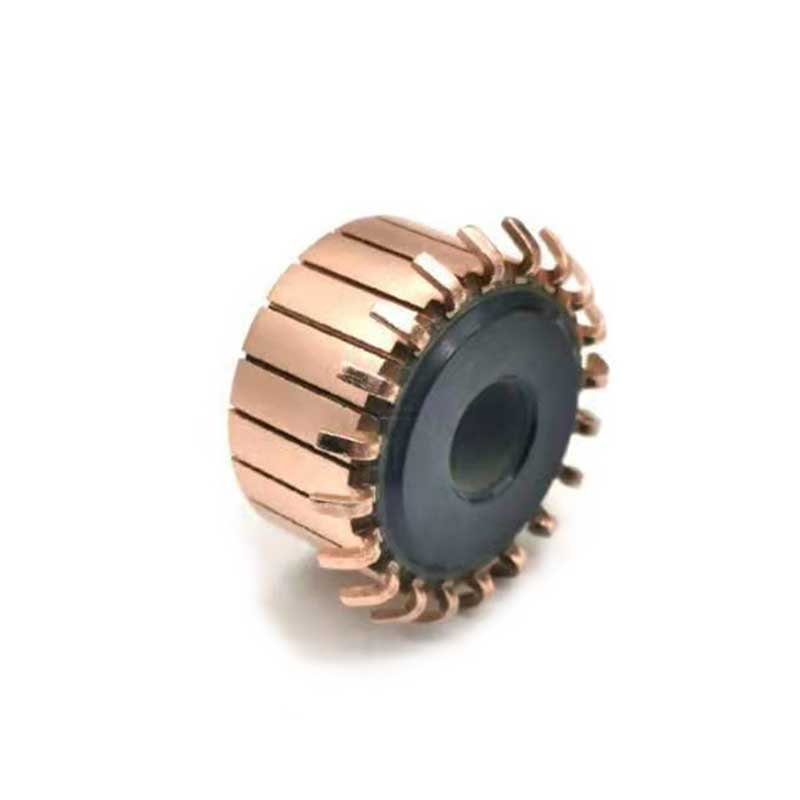
Beyond capital machinery, we act as a complete system partner. We deliver high-grade silver copper commutators, mica segments, N52 block magnets, and insulation components, providing single-source responsibility from tooling setup to trial production.

Frequently Asked Questions: Sourcing Stator Production Lines for Germany

Clear, direct answers regarding customs clearance, European machine conformity, Factory Acceptance Testing (FAT), and continuous after-sales technical support.

How do you guarantee that machines comply with German CE and safety regulations?
Every production cell delivered to German and European destinations is fully compliant with the European Machinery Directive 2006/42/EC, Low Voltage Directive 2014/35/EU, and EMC Directive 2014/30/EU. We utilize world-class components—including Siemens PLCs, Festo pneumatics, Schneider electrical hardware, and Sick safety light curtains. Full technical documentation, Declaration of Conformity, circuit schematics, and bilingual user operation manuals are included with the equipment.
What is the standard Factory Acceptance Testing (FAT) protocol before export?
Before packing and export dispatch, we conduct a comprehensive Factory Acceptance Test (FAT) inside our 30,000 m² facility. We ask clients to provide their actual stator laminations, copper wire, slot paper, and insulation wedges. We run dry-cycle speeds, continuous full-load production trials, and verify cycle time, slot insertion smoothness, and EOL electrical testing (resistance, surge, hipot). German clients may send engineers directly to our workshop or participate in a comprehensive multi-angle live video run-off.
How are installation, commissioning, and operator training managed in Stuttgart?
We provide both on-site mechanical and electrical commissioning across Baden-Württemberg as well as secure remote diagnostics. Our experienced field engineers assist with machine positioning, wiring hookups, tooling alignment, and recipe programming. Following mechanical installation, we provide extensive operator and maintenance technician training covering rapid tooling changeover, routine lubrication schedules, and HMI fault diagnosis.
Can your stator assembly lines be retrofitted for changing motor platforms?
Yes. Recognizing that automotive sub-suppliers frequently update motor profiles across platform generations, our lines are built with modular quick-change tooling. Winding heads, insertion guides, and lacing needles can be interchanged in under 45 minutes. Servo parameters and winding recipes for varying stack heights, slot counts, and wire gauges can be saved and recalled instantly via the multi-language touchscreen HMI.
What are the payment, delivery terms, and sea freight timelines to Germany?
We operate flexibly under FOB, CFR, CIF, and DDP terms, handling ocean freight shipments through major European ports like Hamburg or Rotterdam, followed by inland rail or direct truck freight into Stuttgart. Standard payment terms include T/T and Irrevocable Letters of Credit (L/C at sight) in EUR, USD, or CNY. Standard machine build time ranges between 45 and 90 calendar days depending on the degree of custom tooling required.

Accelerate Your Stator Manufacturing Capacity Today

Whether you require a single high-speed coil insertion machine, custom copper commutators, or a fully automated turnkey stator assembly line for your facility in Stuttgart, our engineering specialists are ready to review your CAD drawings and production targets.