2010
Engineering Since
50+
Countries Served
0.4 - 1.2s
Lacing Cycle / Slot
ISO 9001
Certified Precision
Engineered Motor Production Equipment
High-Efficiency Stator Machinery & Precision Components
Explore our certified automated manufacturing cells, high-torque rotor components, and modular tooling engineered to meet the industrial electrification standards of Siem Reap and regional manufacturers.
Engineering Whitepaper & Technical Analysis
High-Yield Stator Coil Lacing: Kinematics, Tension Control & Slot Dynamics
Understanding the critical role of servo-synchronized lacing needles, needle penetration depth, and tension mitigation in preventing inter-turn short circuits and insulation degradation.
Dual-End Simultaneous Lacing Kinematics
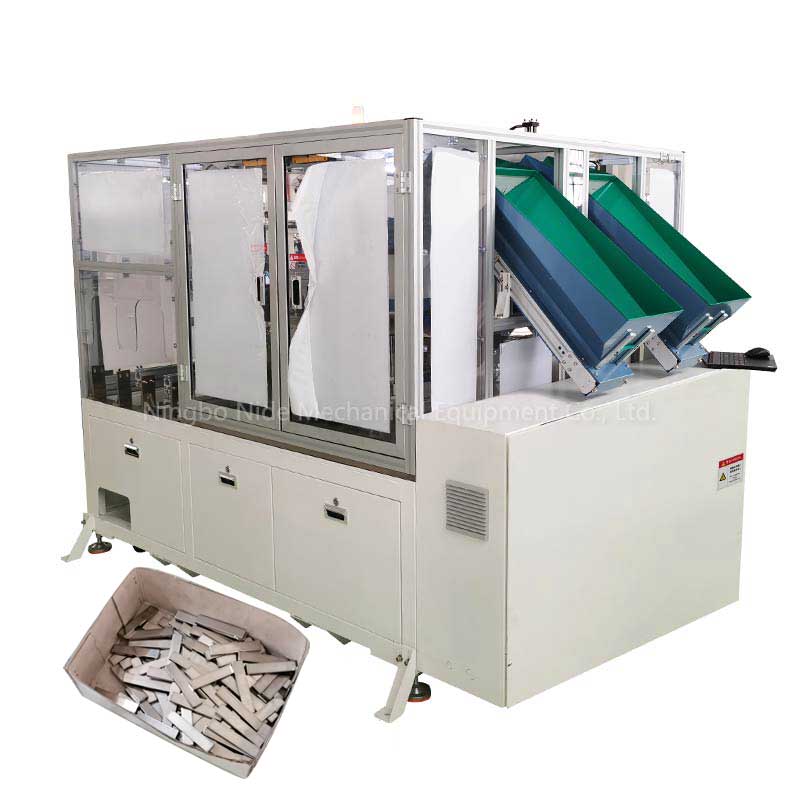
Traditional manual stator binding in emerging manufacturing zones relies on labor-intensive hand-tying, creating uneven tension across phase end-turns. Our automated stator lacing machinery utilizes synchronized upper and lower CNC hook-and-needle drives, binding both overhang ends simultaneously with sub-millimeter servo repeatability.
- Simultaneous upper & lower indexing
- Eliminates coil deformation during binding
- Adaptable needle strokes: 20mm – 160mm
Programmable Pitch & Variable Slot Stepping
Modern alternating-current induction and permanent magnet synchronous motors (PMSM) feature complex slot topologies. Our PLC systems support slot-by-slot lacing, interval-slot stepping, and fancy cross-lacing. Engineers can program customized tension parameters for high-fill slots to prevent enamelled wire scuffing.
- Slot-by-slot, skip-slot, and segment patterns
- Programmable digital tensioners (5N to 45N)
- Zero copper enamel abrasion guarantee
Structural Insulation & Vibration Resistance
In hot and humid sub-tropical operational environments like Siem Reap, loose stator overhang windings fail prematurely under thermal cycling and vibrational stresses. Consistent lacing consolidates end-turn windings into a rigid mechanical body prior to vacuum pressure impregnation (VPI) varnishing.
- Resists heavy magnetic deflection forces
- Prevents phase-to-phase dielectric breakdown
- Compliant with IEC 60034-1 thermal limits
| Machine Parameter | Semi-Automatic Single-End Lacer | Automatic Dual-End CNC Lacer | Turnkey Multi-Station Production Cell |
|---|---|---|---|
| Stator Stature O.D. Range | Φ40 mm – Φ160 mm | Φ50 mm – Φ250 mm | Φ30 mm – Φ320 mm (Custom Tooling) |
| Stack Height Capacity | 10 mm – 120 mm | 15 mm – 220 mm | Up to 300 mm Extended Stroke |
| Lacing Cycle Time (Per Slot) | 0.8 – 1.4 seconds | 0.45 – 0.75 seconds | Continuous Indexing Line Transfer |
| Lacing Mode Capabilities | Slot-by-slot, single skipped | Slot-by-slot, skip-slot, customized zone | Fully programmable via Touch HMI recipe |
| Drive Mechanism | Cam + Stepping Motor | Multi-Axis Absolute Bus Servo | Integrated High-Speed Servo Gantry |
| Suitability for Siem Reap | MRO & Repair Workshops | E-Mobility & Pump Assembly | SEZ OEM Industrial Plants |
Siem Reap Industrial Ecosystem
Localized Applications: Electrifying Tourism, Water & Rural Utilities
Siem Reap is experiencing an industrial transition driven by heritage conservation policies, green transport initiatives around the Angkor Archaeological Park, and intensified agricultural infrastructure across the Tonle Sap basin.
1. Clean-Energy E-Tuk-Tuks & Outer-Rotor Hub Motors
To reduce noise pollution and carbon emissions around the ancient temples of Angkor Wat, authorities in Siem Reap strongly encourage electric remorques (e-tuk-tuks), e-bikes, and light utility vehicles. Manufacturing and rewinding high-pole outer-rotor hub stators require uniform lacing tension to maintain compact geometries within constrained wheel hubs. Our machines ensure low-profile, tightly bound overhangs that prevent wheel rim rub and short-circuit faults under monsoon flooding.
2. Tonle Sap Agricultural Irrigation & Submersible Well Pumps
The farming plains surrounding Siem Reap rely heavily on deep-well and surface centrifugal water pumps for dry-season rice and aquaculture. Submersible pump stators (oil-filled and water-filled motors) operate under high hydrostatic pressures. Automated lacing eliminates coil movement during high-current starting surges, ensuring that insulation systems withstand intense vibration and continuous field operations without winding blowouts.
3. Hospitality HVAC, Chillers & Commercial Air Handling
Siem Reap hosts world-class luxury hotels and eco-resorts requiring 24/7 continuous climate control and water treatment. Local electro-mechanical repair facilities continuously overhaul and rewind commercial compressor and air-handler stators. Deploying standardized automatic lacing machinery allows local workshops to achieve factory-spec overhang compactness, maximizing airflow through end-shields and reducing thermal hot spots.
4. Solar-Powered Brushless DC (BLDC) Water Pumps
With Cambodia’s National Energy Efficiency Policy targeting decentralized solar adoption, solar-direct BLDC pumps are replacing diesel generators across rural Siem Reap districts like Chi Kraeng and Puok. Our automated BLDC stator lines integrate slot-wedge insertion, needle winding, and precise terminal lacing, helping domestic fabricators manufacture low-maintenance, brushless units resistant to rural grid fluctuations.
Technical Takeaway for Siem Reap Operations
In high-ambient conditions (Siem Reap regularly exceeds 38°C with >80% relative humidity during the wet season), poor end-turn binding traps hot air pockets and accelerates moisture ingress into winding voids. Standardized, high-density machine lacing prevents varnish drainage hollows and guarantees uniform thermal dissipation across all motor poles.
Strategic Market Evolution
Emerging Trends Driving Stator Machinery Adoption in Cambodia
How macroeconomic developments, regulatory standards, and supply chain shifts are reshaping motor assembly and repair capabilities across the Siem Reap corridor.
Transition from Manual Rewinding to CNC Precision
Historically, motor rebuilding in Northwestern Cambodia relied on manual thread winding and hand stitching. As local manufacturing parks expand near the Siem Reap-Angkor International Airport (SAI) economic zone, the shortage of seasoned technicians makes automated lacing vital for maintaining consistent phase separation and fast turnaround times.
Adoption of Premium Efficiency (IE3 / IE4) Standards
Industrial utilities and major commercial operators in Cambodia are modernizing their motor inventories to reduce severe electricity costs. Meeting IE3/IE4 standards requires higher slot-fill ratios and tighter stator end-turns. Automatic coil lacing compresses the coil head dimensions, allowing shorter mean turn lengths and significantly lower copper ($I^2R$) losses.
Decentralized MRO and Light Industrial Assembly Hubs
Rather than shipping damaged industrial stators to Phnom Penh or Bangkok for specialized repair, Siem Reap enterprises are investing in domestic electromechanical capital equipment. On-site stator coil insertion, intermediate forming, and automated lacing shorten plant downtime from weeks to hours.
Enterprise Strengths & Proven Authority
Why Motor Manufacturers Worldwide Rely on Ningbo Nakro
Combining 14+ years of specialized motor manufacturing machinery expertise with comprehensive component supply, custom tooling, and global after-sales engineering.
ISO 9001 Certified Quality Engineering
Every stator lacing machine, coil inserter, and assembly cell undergoes rigorous 6-step testing under our ISO 9001 quality framework, including material verification, PLC logic verification, and full-load factory runoff with customer-supplied parts.
Global Export Footprint: 50+ Countries
Since 2010, our equipment has powered stator lines across Southeast Asia, Eastern Europe, South America, and the Middle East. We provide international clients with seamless multi-currency trade terms (USD, EUR, CNY) and compliant FOB, CFR, and CIF shipping.
Precision Custom Tooling & R&D
From complex lacing needles and indexing jaws to custom inserting blades for unique slot topologies, our in-house machining center builds application-specific tooling matching your exact lamination drawings and wire diameters.
30,000 – 50,000 m² Modern Plant
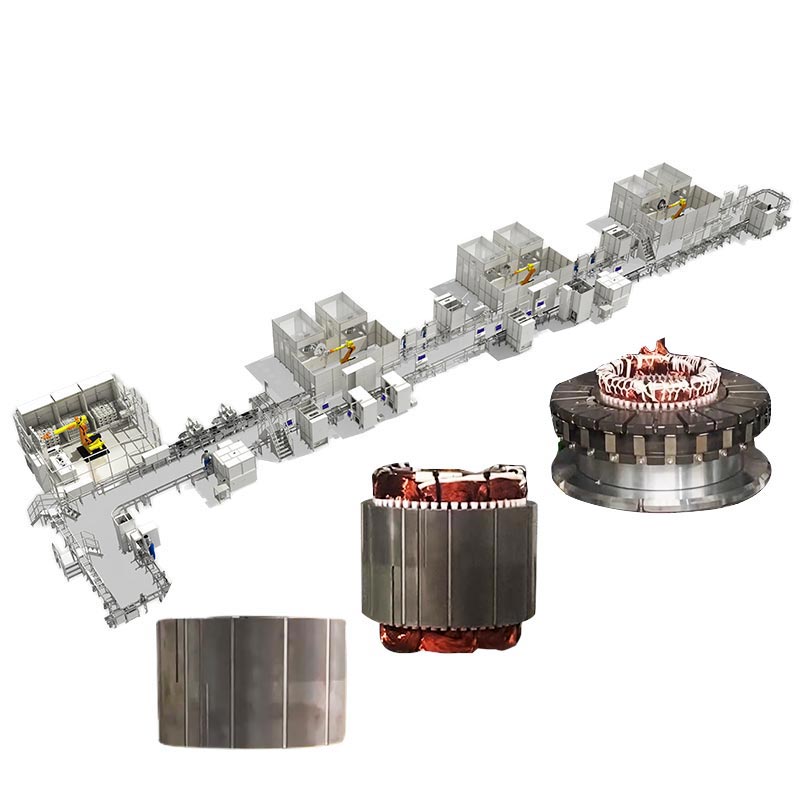
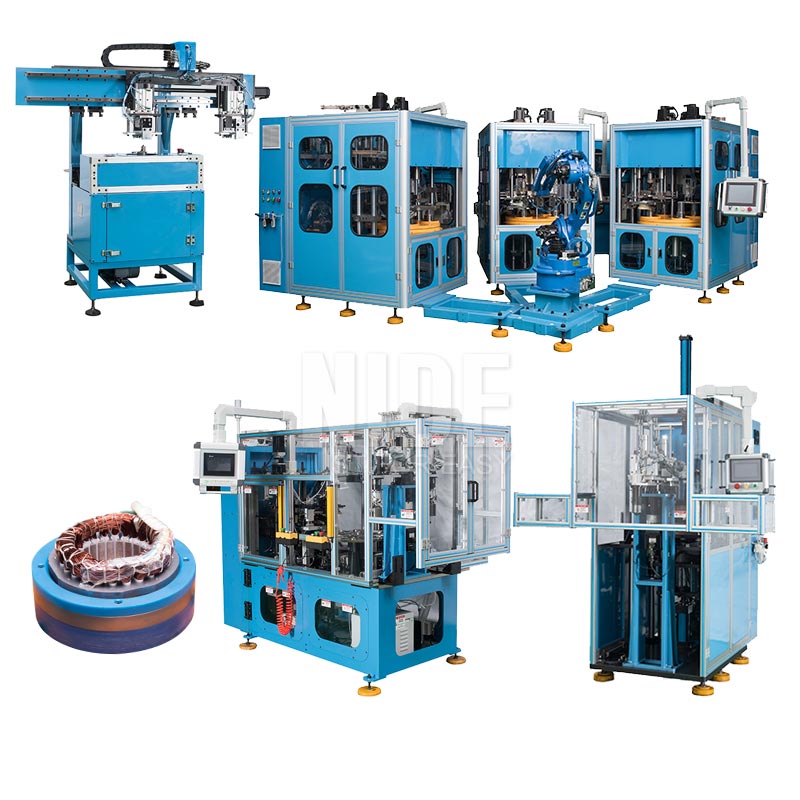
Backed by extensive manufacturing infrastructure in Ningbo, Zhejiang, we manage turnkey projects ranging from stand-alone semi-automatic stator lacers to fully automated, robot-integrated hairpin and BLDC motor assembly cells.
One-Stop Motor Components Supply
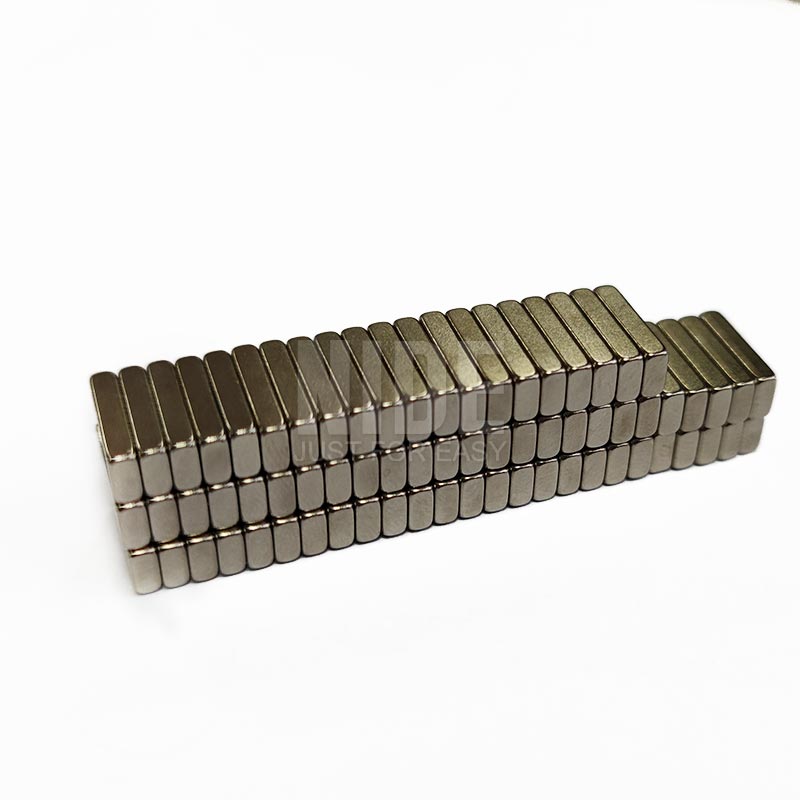
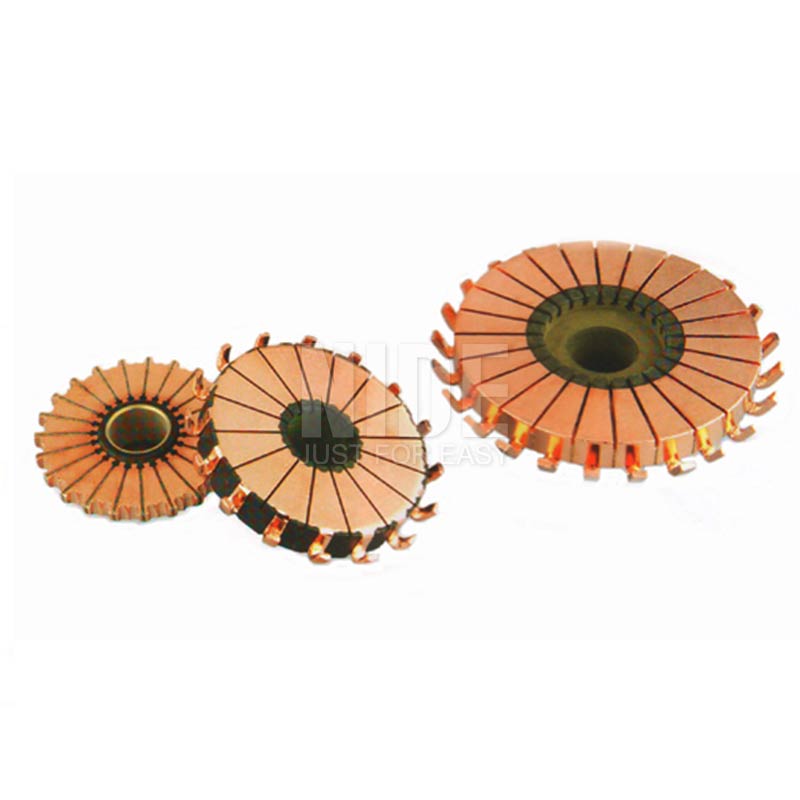
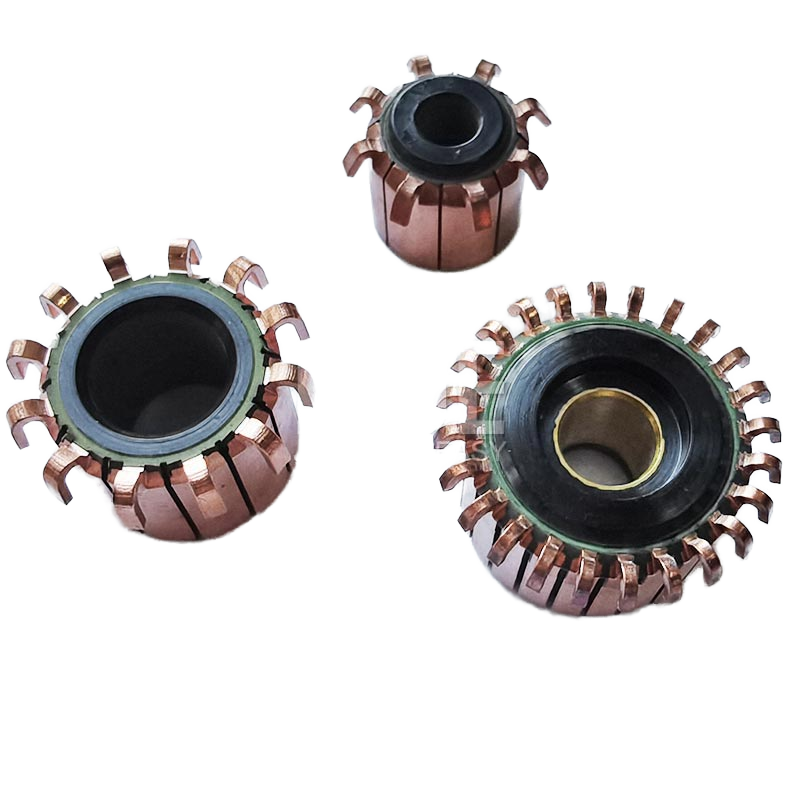
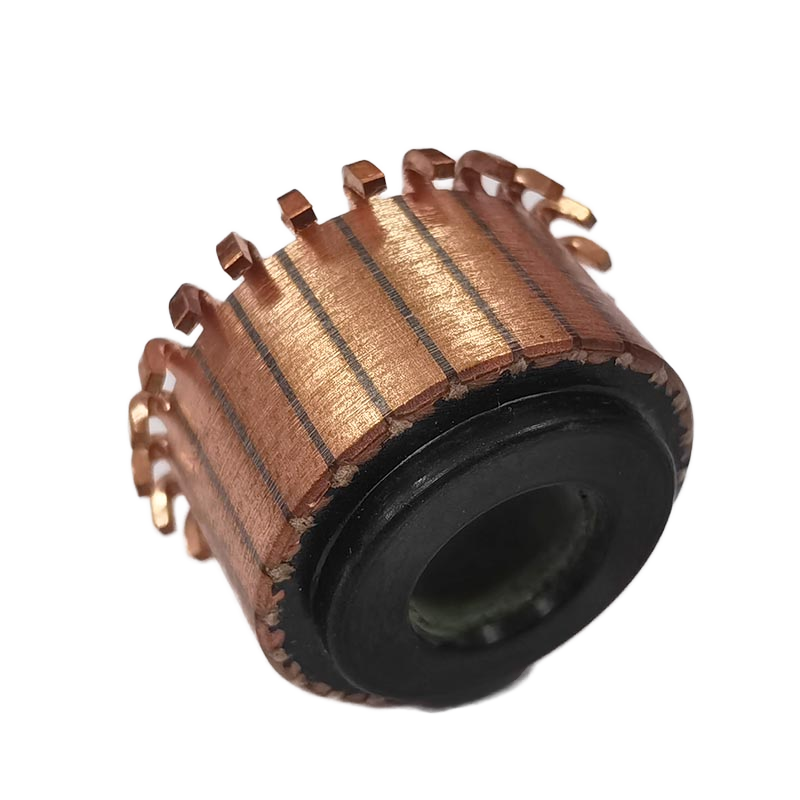
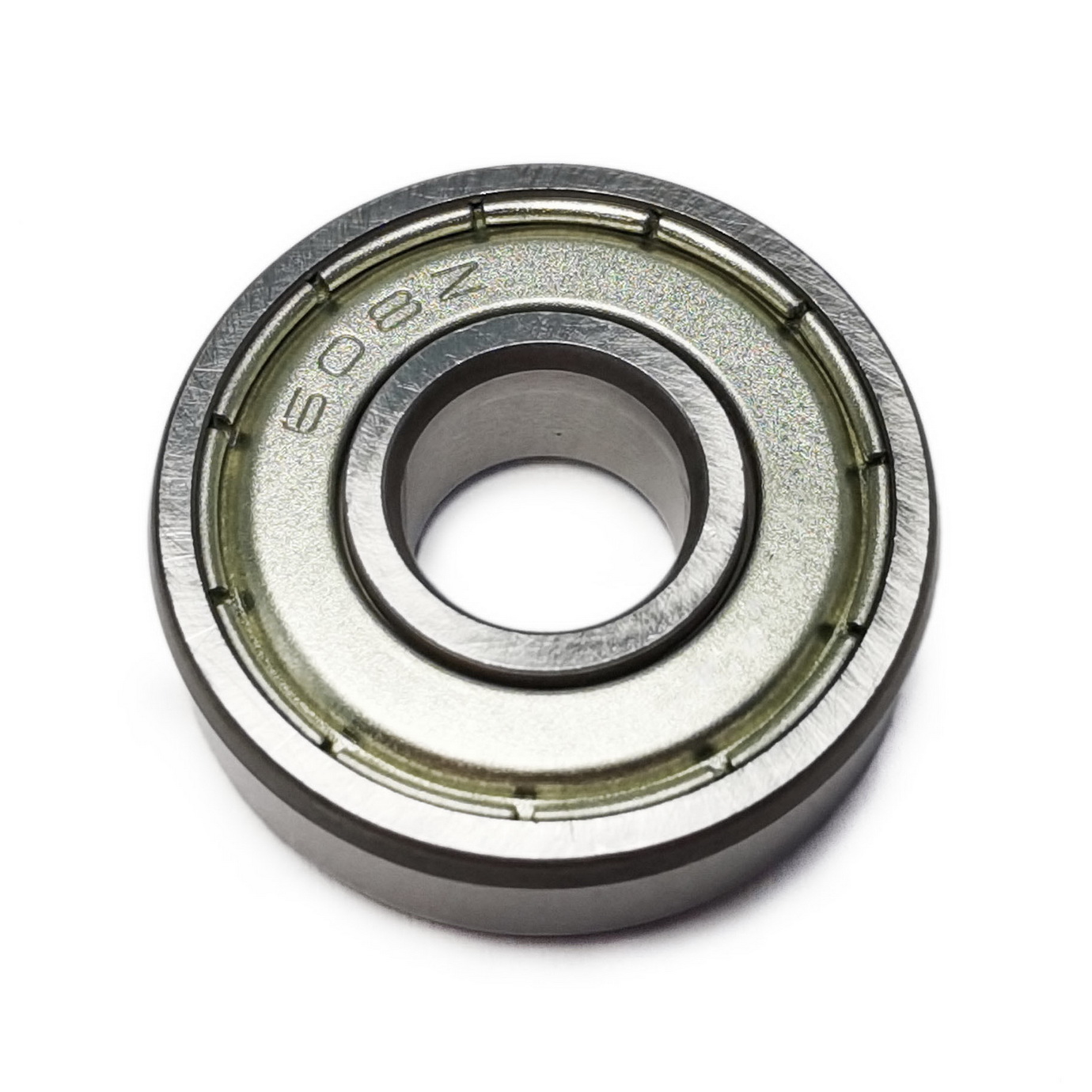
We supply not just machinery, but also the matching critical components: precision commutators, N52 neodymium magnets, CCC/CE-certified 608ZZ bearings, insulation papers, and motor shafts, saving buyers multi-vendor overhead.
Dedicated Global Support & Remote Diagnostics
Our sales and process engineering teams guide your purchase from technical drawings review through on-site installation, commissioning, and continuous operator training, backed by cloud-enabled remote PLC troubleshooting.
Procurement & Technical Support
Frequently Asked Questions: Sourcing Stator Machinery for Siem Reap
Straightforward answers covering grid compatibility, tropical environmental adaptation, tooling changes, shipping logistics, and commissioning in Cambodia.
Can your stator lacing machines operate reliably on Siem Reap's electrical grid?
Yes. In Cambodia, standard industrial three-phase power is 380V at 50Hz, while light commercial supply is 220V single-phase. Because voltage fluctuations and brownouts can occur in outlying districts of Siem Reap Province, our machines come standard with industrial-grade delta/star transformers, integrated surge protection, and high-tolerance Schneider/Siemens electrical control architectures capable of handling continuous ±10% voltage variance without control failure.
How do the machines withstand high humidity and tropical conditions in Cambodia?
Siem Reap experiences high ambient temperatures and heavy monsoon humidity. To prevent rust, condensation-induced short circuits, and mechanical binding, all mechanical sliding parts and indexing spindles receive high-grade hard chrome plating or black oxide surface treatments. Electrical enclosures are sealed to IP54 standards with built-in cabinet heat exchangers, preventing tropical condensation from damaging PLC processors and servo drives.
How easy is it to change tooling between different motor sizes and stack heights?
Tooling changeovers on our CNC dual-end lacing machines are engineered for minimal downtime. Adjusting stator stack height takes less than 10 minutes via calibrated digital handwheels and software parameter loading. Complete fixture changeovers for different stator outer diameters (such as transitioning from an e-tuk-tuk hub motor stator to a deep-well water pump stator) take approximately 25 to 40 minutes using our modular, quick-clamping tooling systems.
What is the typical shipping process and transit time to Siem Reap?
Machines are packaged in fumigated seaworthy wooden crates with vacuum moisture bags and anti-corrosion VCI wrapping. Shipments typically depart from Ningbo Port and arrive at Sihanoukville Port (PAS) via direct marine lines within 7 to 12 days. From Sihanoukville or dry ports in Phnom Penh, domestic trucking along National Road 4 and National Road 6 delivers equipment directly to your facility in Siem Reap within 2 to 3 days following customs clearance.
How is installation, commissioning, and staff training handled for Cambodian buyers?
We provide two flexible commissioning models. For turnkey plants and full lines, our field service engineers can travel to Siem Reap to handle mechanical anchoring, electrical hookup, and on-site operator training in parameter tuning and tooling replacement. For individual stand-alone machines, we offer comprehensive English/visual step-by-step video manuals and remote video-assisted commissioning, ensuring local technicians are fully self-sufficient within hours.
What types of lacing cords and consumables can be used with this machinery?
Our needle eyelets and tensioners accommodate all standard industry binding cords, including flat braided polyester (Dacron) cord, waxed nylon thread, and high-temperature Nomex lacing tape with tensile limits from 15kg to 45kg. We can supply bulk spools of heat-stabilized lacing cord alongside your initial machinery shipment to ensure immediate, zero-downtime production startup.
Ready to Modernize Your Stator Production or Rewinding Operations?
Whether you need a stand-alone dual-end stator lacing machine for your Siem Reap workshop or a fully automated motor assembly cell, our engineering team will review your drawings and provide an optimized process layout.
Get a Quote