Precision Equipment Catalog
High-Efficiency Coil Finishing, Tooling & Motor Accessories
Configured for harsh operating duty cycles, our automated coil lacing machines and electro-mechanical component assortments comply with strict ISO 9001 and CE tolerances.
2010
Established Engineering Hub
50+
Global Export Markets
30,000+
m² Specialized Plant Footprint
99.8%
First-Pass Coil Lacing Yield
Engineering Deep-Dive: Stator Coil Lacing Dynamics in Heavy Machinery
In modern alternating current (AC) induction motors, brushless direct current (BLDC) machines, and synchronous marine drive systems, the electromagnetic winding must withstand brutal continuous thermal, mechanical, and dynamic rotational stresses. The process of stator lacing—binding the end-turns (overhang) of insulated copper magnet wires tightly against slot liners and inter-phase insulation paper—is critical. Incomplete, loose, or manual binding invites high-amplitude coil vibration under starting currents, resulting in microscopic friction between enameled wire coatings, premature phase-to-phase breakdown, and catastrophic dielectric failure.
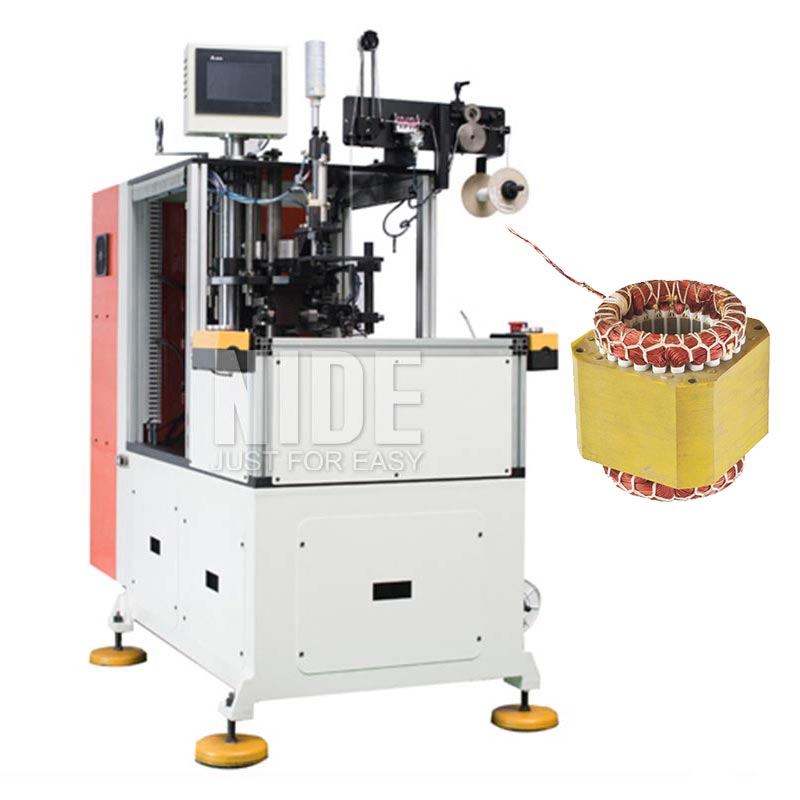
Our automated stator coil lacing systems, particularly the Automatic Double-Ends Stator Coil Lacing Machine, incorporate multi-axis CNC servo tensioning. By coordinating the mechanical needle indexing, vertical needle stroke, and stator rotational pitch via high-speed programmable logic controllers (PLCs), the machine delivers consistent tie tension regardless of slot counts or wire bundle densities. This prevents localized slackening of the lacing cord (such as high-tensile polyester or aramid thread), securing the coil overhang into a rigid, monolithic mass ready for secondary resin varnishing.
Simultaneous Double-End Binding
Binds both the drive-end (DE) and non-drive-end (NDE) coil heads synchronously, doubling line throughput and balancing physical pressure across stator teeth to eliminate winding deformation.
Programmable Lacing Patterns
HMI touchscreen support for slot-by-slot lacing, interval skipping, cross lacing, and fancy decorative lacing routines matched directly to motor phase geometry and lead positions.
Integrated Tension Clamping
Constant pneumatic damping and electronic wire loop sensors detect broken cords or missed hooks immediately, triggering instant interlocks before the stator indexes to next operations.
Localized Application Scenarios in Nampo's Heavy Industrial Landscape
Serving the port and manufacturing corridors of Nampo demands robust equipment capable of non-stop operation under rigorous ambient conditions. Situated along the Taedong River basin with access to the West Sea, Nampo stands as a pivotal hub for shipbuilding, marine dry-dock repairs, rolling stock assembly, metal refining, and coastal port handling operations. Electric drive machinery deployed in this maritime-industrial environment faces intense challenges: saline fog exposure, high humidity, coal and mineral dust, and intermittent shock loading.
Nampo Operational Deployment Matrix
1. Marine Propulsion & Deck Winches
Continuous duty three-phase stators designed for marine capstans, mooring windlasses, and ballast water pumps requiring IP56 moisture-sealed end turns and uniform high-tension lacing.
2. Heavy Mineral Slurry & Dewatering Pumps
Submersible induction motors handling abrasive tailings from regional mineral deposits, where tightly bound slot overhangs prevent winding shifting under aggressive water-hammer cycles.
3. Port Crane Gantry & Cargo Handling
Frequent start-stop and high-torque reversing applications on container and dry-bulk cranes demanding balanced coil ends to withstand severe electromagnetic transient shocks.
By eliminating uneven manual cord binding, automated lacing machines ensure that resin impregnating materials (VPI) penetrate deeply without voids or air pockets. In coastal environments like Nampo, air voids in the stator end turns create thermal hot spots and capillary paths for moisture ingress. Precision mechanical lacing acts as the initial structural defense against early winding failure.
Modernization Trends: Energy Efficiency Standards & Line Automation
Industrial motor users serving Nampo and surrounding manufacturing districts are accelerating the replacement of aging low-efficiency electric drives with IE3 and IE4 premium-efficiency units. Elevating motor efficiency necessitates altering the internal electromagnetic slot fill factor: stator designs utilize larger diameter enameled copper conductors and denser winding packs inside narrow magnetic laminations.
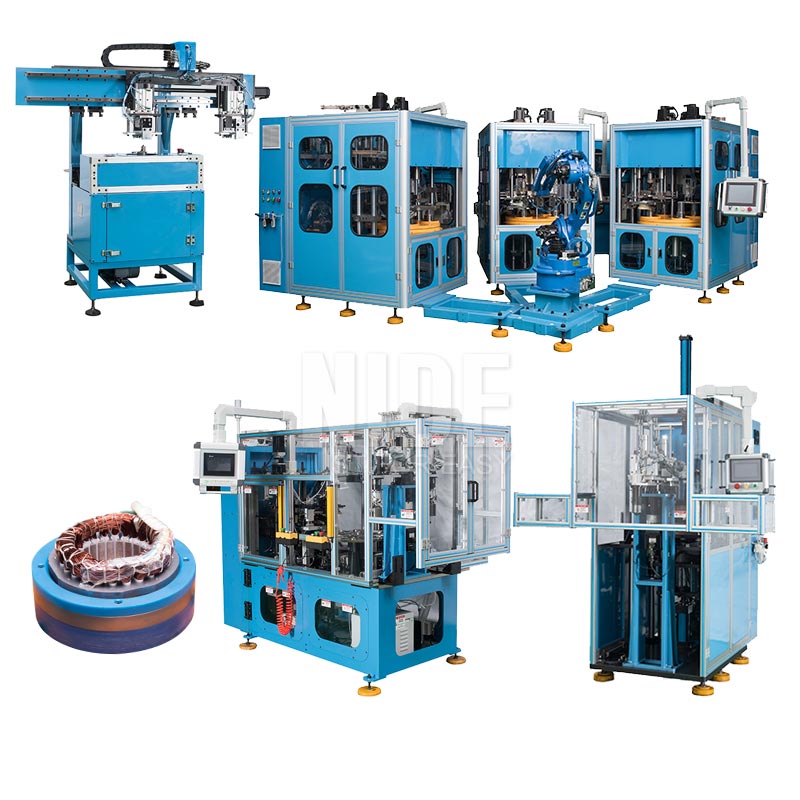
Manual lacing of thick wire bundles causes severe hand fatigue, inconsistent knotting, and accidental scratching of the outer enamel layer by metal lacing needles. Modern automated lines integrate slot insulation inserting, automatic coil winding and inserting, intermediate coil forming, dual-side CNC lacing, and final pressing into a coordinated manufacturing sequence. Digital closed-loop servo controls allow operators to adjust lacing needle depth, stitch density, and wire stack clamping parameters in seconds, accommodating both heavy frame sizes and high-density, multi-strand windings without tooling clashes.
Enterprise Capability & Credential Value
Why Procurement Engineers Choose Our Machinery Systems
Combining 14+ years of specialized motor manufacturing machinery engineering with single-source supply of matched electro-mechanical components.
ISO 9001 & CE Certified
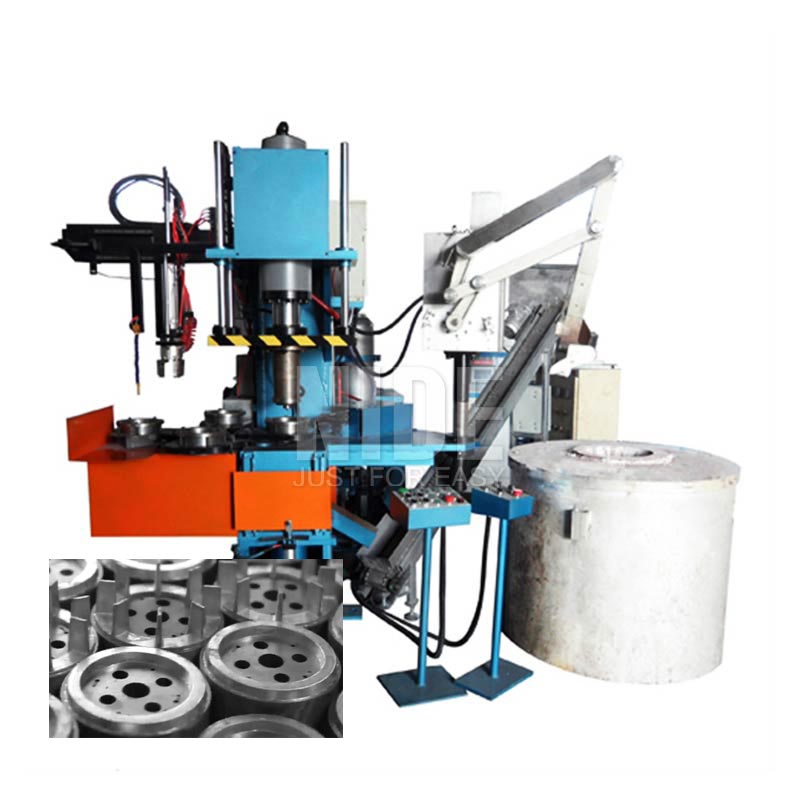
Every lacing station, inserter, and die-casting machine undergoes stringent factory trials and runs according to international electrical and safety directives.
Turnkey Tooling Engineering
Custom design of inserting blades, stator push rods, and needle assemblies tailored to your specific slot geometry, lamination stack height, and wire sizes.
Over 13 Years Export Expertise
Direct export capabilities across 50+ countries. Robust seaworthy crating, anti-corrosion barrier packaging, and reliable logistical fulfillment.
Total Component Co-Sourcing
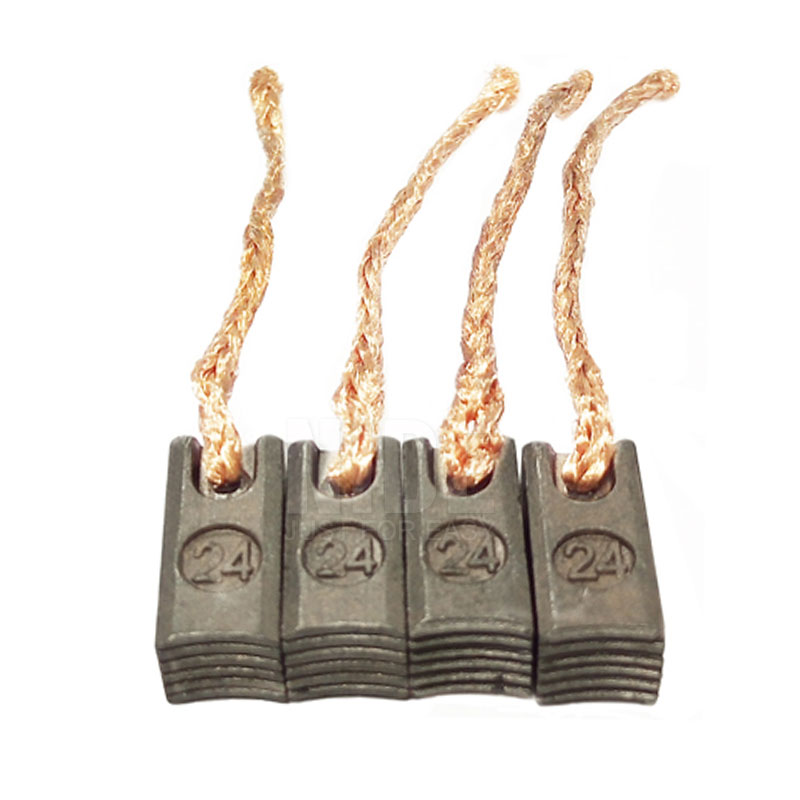
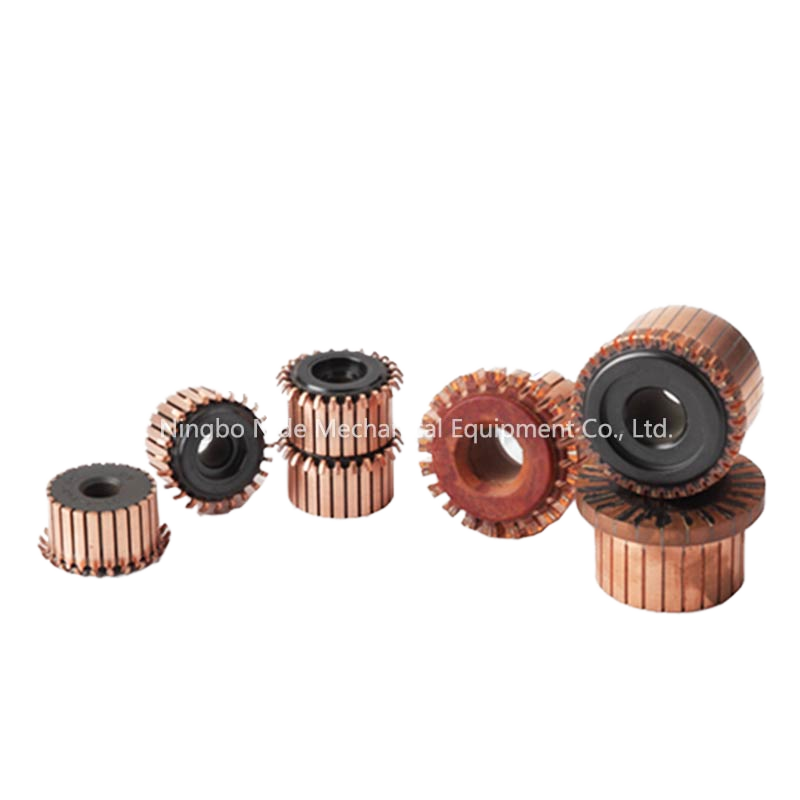
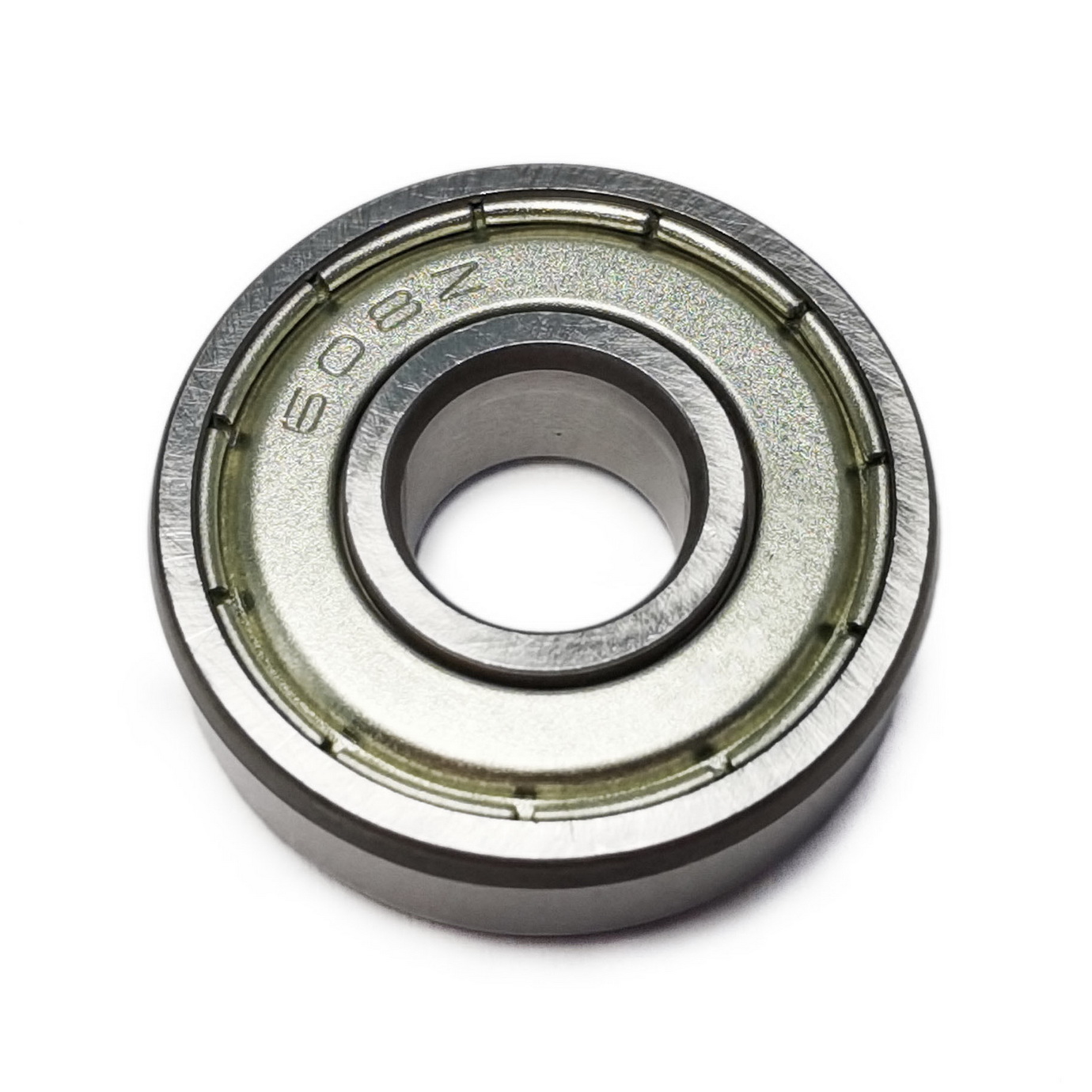
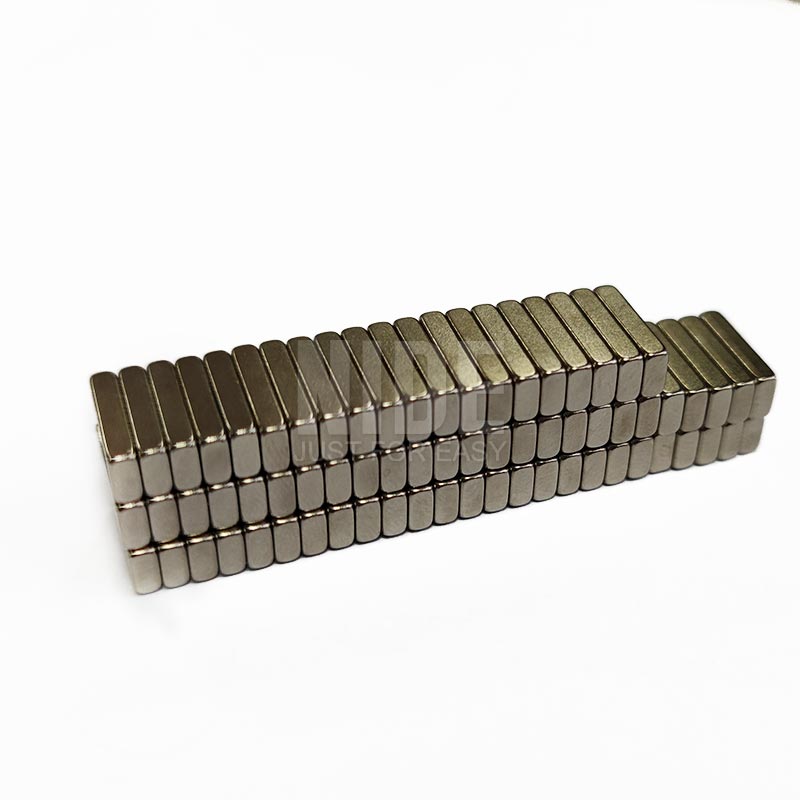
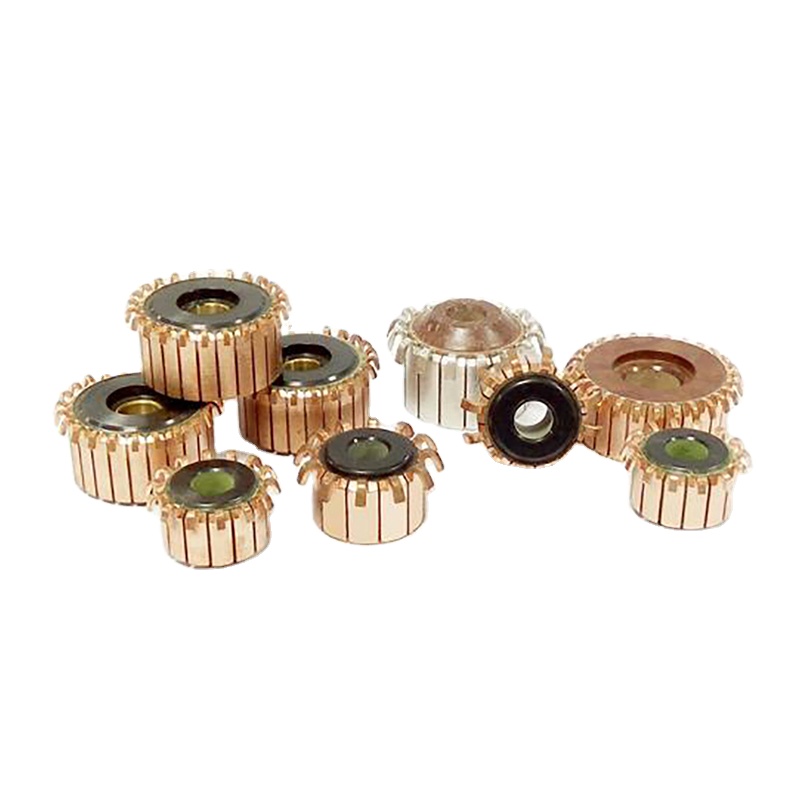
Access high-precision commutators, carbon brushes, 608ZZ bearings, N52 magnets, and end shields alongside capital equipment under a single purchase contract.
Procurement Clarity
Frequently Asked Questions: Stator Machinery Sourcing
Addressing the core operational, technical, and commercial considerations of regional plant managers and machine importers.
Can one automated stator lacing machine accommodate multiple motor frame sizes?
Yes. Our stator coil lacing machines feature adjustable tooling jigs and programmable vertical axis travel. Frame center heights, outer diameters, and stack heights within a shared frame family (e.g., standard IEC 80 through 132 or NEMA equivalent frames) can be adjusted using quick-change clamping fixtures. Operating parameters for slot pitch, indexing steps, and tension curves are saved in the PLC recipes, enabling setup changeovers in under 15 minutes.
How do you protect equipment and sensitive electronics during sea freight to Nampo?
All machines destined for maritime transit to Nampo undergo extensive rust-preventive treatments. Unpainted mechanical surfaces, sliding guideways, and servo shafts are coated with high-viscosity anti-corrosive grease. The entire machine frame is encased in heat-sealed vapor corrosion inhibitor (VCI) film, stocked with silica gel desiccant packs, and enclosed inside heavy-duty, fumigated IPPC-certified solid wooden cases to withstand ambient moisture and dock transshipment handling.
What type of lacing cord and thread tension profile is recommended for harsh industrial duty?
For heavy pumps, mining equipment, and marine electric drives, we recommend braided polyester or Nomex/aramid lacing cord with low elongation and high thermal class (Class F or H). Our machines utilize an adjustable pneumatic/magnetic tension brake that maintains consistent tension between 15 N and 45 N (depending on cord breaking strength), guaranteeing no slack formation while eliminating the risk of cutting into slot cell insulation papers.
How are machine trial runs and performance approvals conducted prior to dispatch?
Before release, each machine undergoes an extensive Factory Acceptance Test (FAT). We request clients to provide raw material specifications or send actual core stampings, magnet wires, and insulation samples. We test cycle speeds, verify thread tension stability, conduct 100% video documentation of the continuous run-off, and perform surge, hipot, and resistance checks on the finished stators to ensure total compliance before crate sealing.
Can your company provide replacement wearing parts such as lacing needles and hooking fingers?
Yes. Consumable tooling—including high-speed steel lacing needles, thread cutting blades, hook assemblies, and inserting blades—are manufactured in-house using vacuum-hardened tool steels. We provide complete maintenance backup kits with each shipment and maintain standardized inventory ready for expedited global dispatch.
Upgrade Your Motor Production Line Efficiency
Contact our senior automation engineering team for layout evaluations, tooling calculations, or complete project quotations serving Nampo. Download our full production catalog to review machine cycle times and custom station schematics.
