High-Precision Electric Motor Automation Systems
Engineered to Japanese industrial tolerances, offering seamless integration with CNC winding stations, servo-driven inserting blades, and end-of-line electrical diagnostic racks.
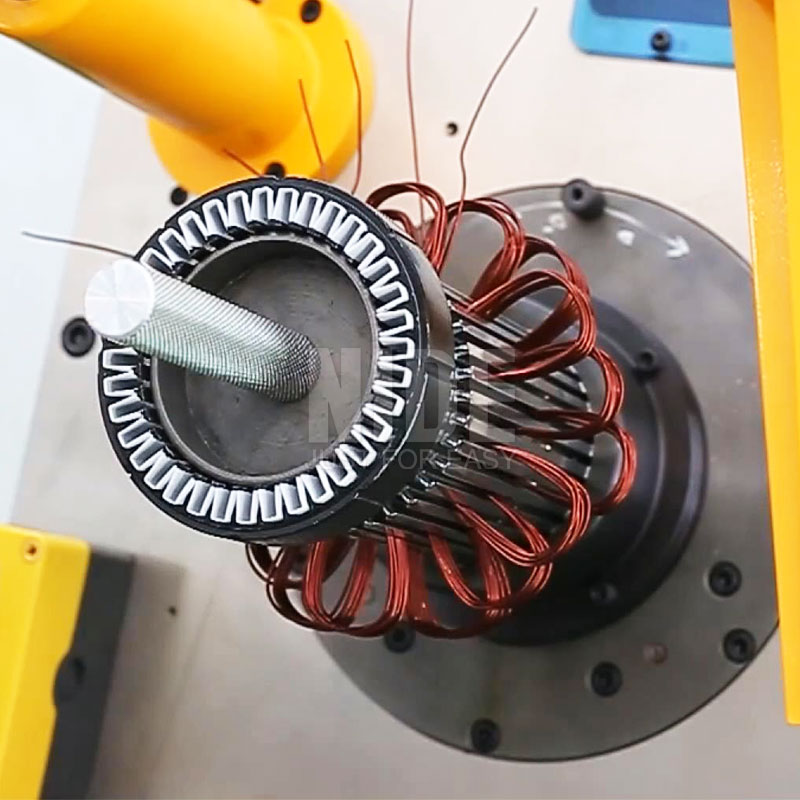
Automatic Single-Phase Motor Stator Coil Insertion Machine
Technical Parameters ›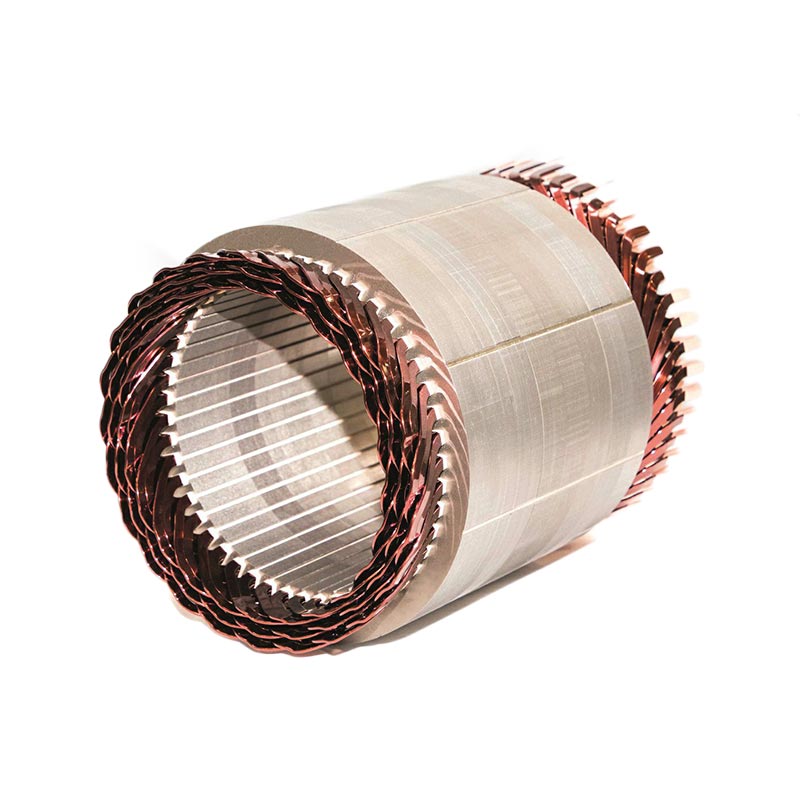
Fully Automatic Hairpin Stator Production Line for E-Mobility
Technical Parameters ›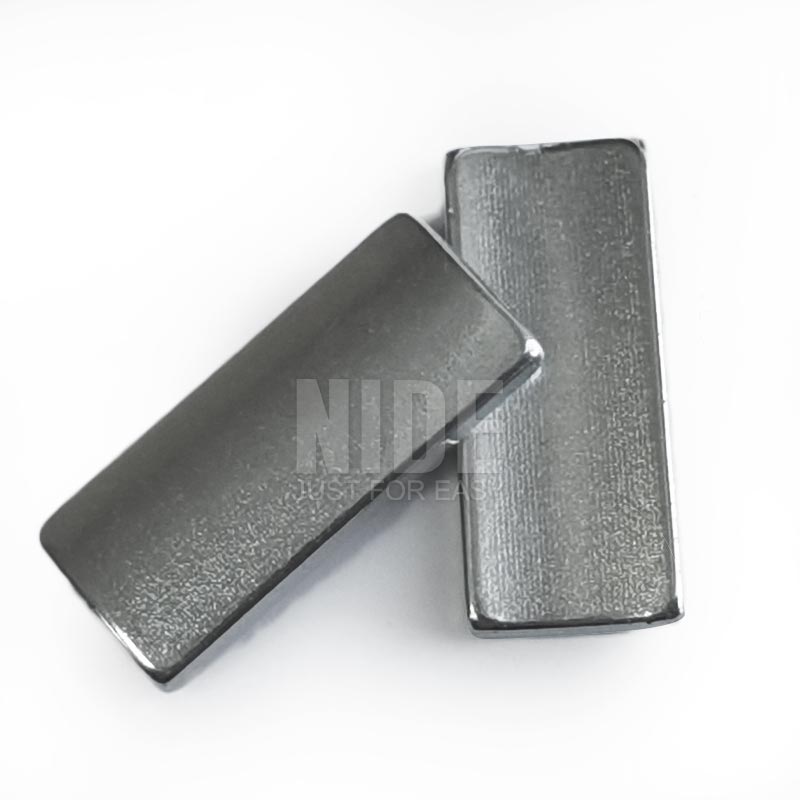

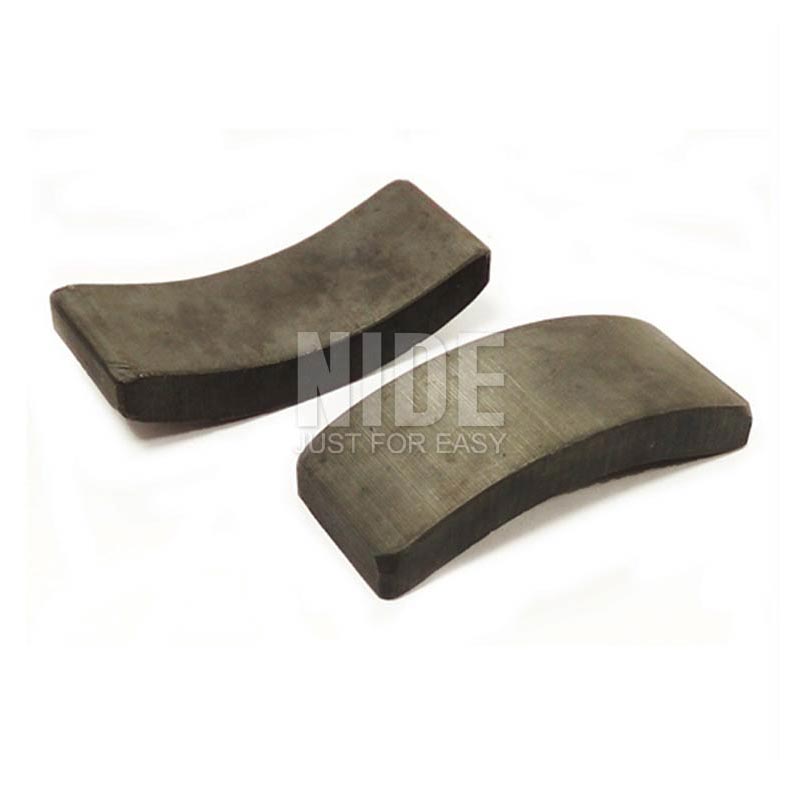

24-Segments Hook Type DC Electric Motor Starter Commutator
Technical Parameters ›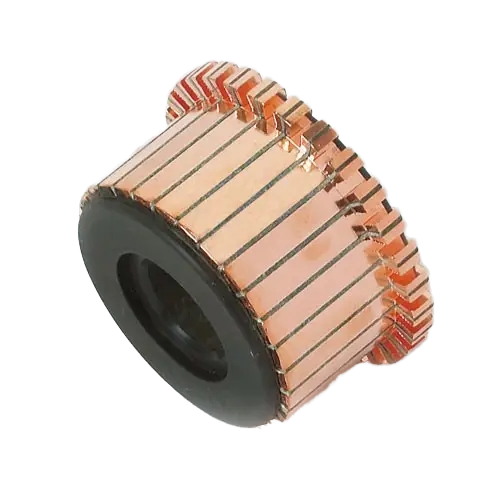
Next-Generation Stator Coil & Wedge Insertion for Osaka’s Monozukuri Ecosystem
The industrial corridor encompassing Osaka, Higashiosaka, Sakai, and Amagasaki stands as one of the world's most demanding arenas for electromechanical manufacturing. Driven by historic commitments to Monozukuri (匠の物作り)—the art and philosophy of engineering craftsmanship—local Tier-1 and Tier-2 manufacturers demand production machinery that unites raw cycle speed with sub-micron repeatable precision.
In modern induction motors, permanent magnet synchronous motors (PMSM), and brushless DC (BLDC) architectures, the stator coil insertion process represents the single most critical determinative stage for overall motor efficiency (IE3, IE4, and IE5 standards), thermal envelope dissipation, and acoustic resonance suppression. Conventional manual or semi-pneumatic insertion setups introduce excessive mechanical friction, risking micro-scratches on the enamelled copper wire (typically polyamide-imide overcoated with the ester-imide layer), which subsequently triggers premature insulation breakdown during high-frequency PWM switching from modern SiC and GaN inverters.
To serve the specialized supply chains across Osaka Prefecture—ranging from commercial Daikin-grade variable-refrigerant HVAC compressors to factory robotics and rail traction drives—our automated equipment incorporates dedicated push-cut wedge mechanisms (handling Nomex, DMD, polyester film, and aramid laminates) and integrated slot opening guide fingers that eliminate coil jamming during high-stack-height insertion cycles.
Tailored Application Scenarios Across Osaka’s Core Sectors
Our stator coil winding and insertion machinery is engineered to meet the exact operational profiles of industrial clusters across the Kansai economic zone.
HVAC & Refrigeration Compressor Stators
Osaka is global ground-zero for commercial air conditioning and inverter compressor R&D. Our machines accommodate deep-slot, high-stack-height lamination designs with complex non-symmetrical phase windings. Built-in servo-controlled wedge forming prevents thermal distortion under sustained R32/R410A refrigerant pressure.
Industrial Robotics & Ultra-Fast Servo Drives
Supporting servo motor manufacturers in Higashiosaka and Kadoma. Precision tooling ensures minimal end-turn extension heights, essential for compact robotic arm joints where radial space is severely restricted and electrical cogging torque must be virtually zero.
E-Mobility & Light Commercial EV Actuation
Providing custom multi-conductor parallel winding and insertion setups for hybrid components, electric auxiliary steering pumps, and light commercial delivery vehicles deployed across Osaka’s metropolitan transit and logistics hubs.
Emerging Manufacturing Dynamics in the Osaka-Kobe Industrial Belt
Addressing structural shifts in Japanese manufacturing through intelligent digital infrastructure and physical ergonomics.
Addressing the Skilled Labor Cliff
As veteran Shokunin (master technicians) retire across Kansai, Nakro insertion lines replace manual thumb-guiding and wedge tapping with fully recipe-driven digital adjustments, reducing machine changeover to under 15 minutes.
Transition to Super-Premium Efficiency (IE4/IE5)
Under Japan’s Top Runner Program and Ministry of Economy, Trade and Industry (METI) mandates, standard electric motors must reduce core and copper losses. Our lines pack up to 18% more copper without distorting laminations.
Hairpin & Segmented Stator Shift
High-voltage automotive applications demand transition from random-wound round wire to continuous hairpin and segmented stators. Our lines support modular upgrade paths from round-wire inserters to complete flat-wire cells.
Smart Factory & OPC UA / CC-Link IE
Seamless operational technology convergence. Nakro controllers support native CC-Link, MELSEC iQ-R, and Ethernet/IP protocols, providing real-time telemetry to Japanese SCADA, MES, and predictive maintenance cloud suites.
Standard Inserters vs. Nakro High-Precision Automated Lines
A granular side-by-side assessment of parameters critical to Japanese plant managers, quality assurance departments, and maintenance crews.
| Performance Specification | Legacy Hydraulic / Semi-Auto Inserters | Nakro Full-Servo Automated Line (Osaka Spec) | Engineering Value to Kansai Facilities |
|---|---|---|---|
| Insertion Drive Mechanism | Hydraulic cylinder with mechanical stop bars | Multi-axis AC Servo + Planetary Ball Screw | Eliminates hydraulic oil contamination; cleanroom-ready |
| Coil Slot Fill Ratio | Limited to 62% - 68% | Consistently reaches 78% - 82% | Essential for achieving IE4/IE5 Top Runner standards |
| Wedge Material Handling | Pre-cut manual feed or basic rotary paper feeder | Servo-driven push-cut from coil reel; multi-length | Reduces consumable scrap by 22%; zero edge tearing |
| Wire Insulation Stress | Moderate to severe abrasion risks on end slots | Zero-tension profile; mirror-polished inserting teeth | Drastically lowers partial discharge (PD) failure rates |
| Tooling Changeover Time | 120 - 180 minutes (heavy mechanical shimming) | 12 - 25 minutes (modular quick-disconnect dies) | Enables high-mix, low-volume (HMLV) lean schedules |
| PLC & HMI Architecture | Proprietary legacy boards with limited diagnostics | Mitsubishi Electric iQ-R / Keyence / Siemens S7-1500 | Immediate line acceptance by Japanese plant engineers |
End-to-End Motor Manufacturing Machinery & Turnkey Supply
Combining world-scale production capacity with precision engineering, proven across 50+ countries worldwide.
Massive Industrial Footprint
Operating a modernized 30,000 to 50,000 m² factory equipped with horizontal machining centers, 5-axis tool grinding, and CMM laser inspection bays. Over 100 dedicated technical specialists ensure quality control under ISO 9001 certified protocols.
Global Footprint with Local Support
Exporting advanced winding and assembly systems to over 50 countries for more than 13 years. We support overseas installations with localized field service, rapid-response tooling replacements, and dual-language technical engineering staff.
Total Component Ecosystem
More than just a machinery builder: Nakro supplies precision commutators, N52 block and arc magnets, rotor hot-chamber die casters, and balanced armature sub-components, providing single-source accountability for your complete production ecosystem.
Technical Questions Japanese Engineers & Buyers Frequently Ask
Comprehensive answers regarding compliance, control architectures, FAT testing, and tooling longevity.
1. Can Nakro stator insertion lines be configured with native Japanese PLC architectures like Mitsubishi Electric or Keyence?
Yes. While our standard baseline features industrial Siemens or Omron motion architectures, we regularly engineer lines for Osaka clients using Mitsubishi Electric MELSEC iQ-R or iQ-F series PLCs, coupled with MR-J4/MR-J5 servo drives and Keyence KV-8000 systems. All HMI screens feature fully native Japanese (日本語) interfaces with customizable multi-tier operator and supervisor access controls conforming to internal plant standards.
2. How do you verify performance and tolerance adherence before machines are crated for shipment to Kansai ports?
We execute rigorous Factory Acceptance Testing (FAT). Buyers ship their own production stator laminations, magnet wire, and slot insulation film to our Ningbo plant. We run full-speed trial lots (minimum 50 to 100 continuous cycles), recording real-time cycle times, checking insertion push-force curves, and conducting 100% post-insertion hipot (AC 1500V - 2500V), surge, and inter-turn resistance testing. High-definition runoff videos and CMM reports are delivered prior to authorization for shipping.
3. How does the insertion tooling resist premature wear when working with dense, high-silicon electrical steels?
All critical wear components—including guide blades, pushers, and wedge feed guides—are CNC ground from vacuum heat-treated AISI D2 / SKD11 tool steel or ultra-fine cobalt tungsten carbide (HRA 89-91). Surface finishes are mirror-polished to Ra ≤ 0.05 μm with physical vapor deposition (PVD) titanium aluminum nitride (TiAlN) coating, routinely exceeding 3,000,000 insertion strokes prior to regrinding.
4. What safety, electrical, and ergonomic standards do your production cells adhere to?
All machinery conforms strictly to CE Machinery Directive 2006/42/EC, Low Voltage Directive 2014/35/EU, and relevant JIS (Japanese Industrial Standards) electromechanical codes (including JIS B 9960-1 / IEC 60204-1 electrical safety). Optical safety light curtains (Category 4, PL e), dual-channel interlocked access gates, and low-noise electro-mechanical drives keep workplace sound pressure below 72 dB(A).
5. Can your systems manage stator stacks with varying skew angles and non-concentric outer diameters?
Absolutely. Our servo-driven indexing nests feature programmable rotary skew compensation. Whether your lamination design utilizes straight slots, helical progressive skewing (up to ±15°), or keyed outer-diameter notches for hermetic compressor shells, the machine’s rotary axis continuously synchronizes with the insertion stroke to eliminate blade binding and wire shear.
6. What are the typical lead times, shipping logistics, and customs routes to Osaka or Kobe?
Standard stand-alone coil insertion machines typically require 45 to 60 days for precision fabrication and FAT approval. Fully integrated turnkey lines (insulation insertion + CNC winding + coil insertion + intermediate forming + lacing + final forming) take approximately 90 to 120 days. Shipments from Ningbo Port (one of the world's most connected container terminals) reach Port of Osaka or Port of Kobe within 3 to 5 transit days.
Upgrade Your Motor Stator Manufacturing Operations in Osaka
Send your motor drawings, lamination stack dimensions, slot configuration, wire sizes, and targeted cycle times. Our senior mechanical and electrical application team will provide a comprehensive project proposal, cycle-time simulation, and tooling evaluation.
Inquire Now