Mining & Heavy Industry Electrification Hub

Stator Coil Insertion Line Manufacturers & Manufacturer in the Belo Horizonte Market

Precision-Engineered Automated Stator Winding, Coil Inserting, Wedge Forming, and Complete Turnkey Cell Manufacturing for Brazil's Leading Industrial Motors.

Engineered Production Lines & Core Assemblies

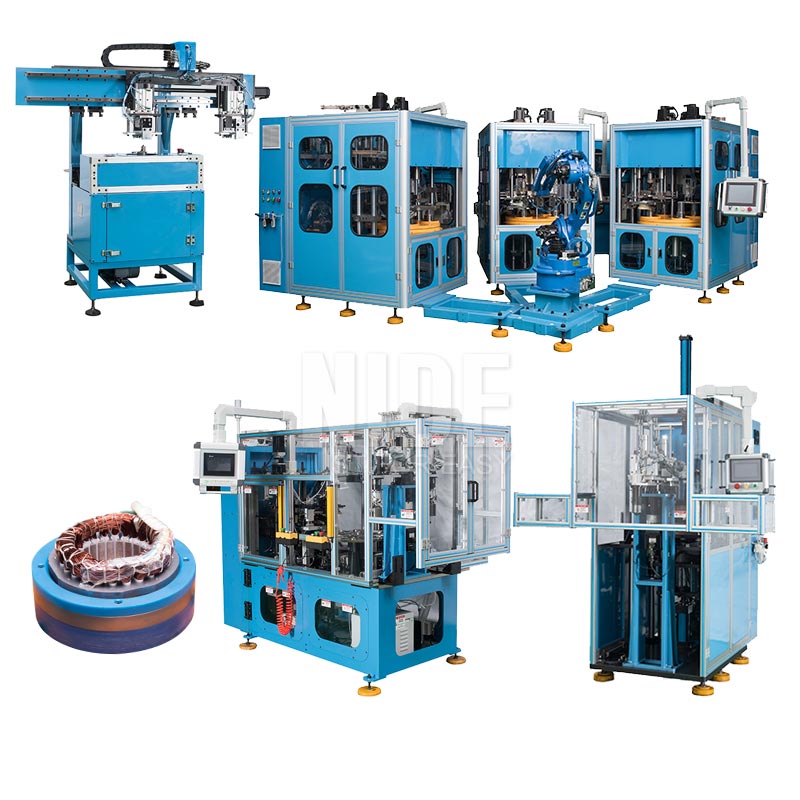
High-Efficiency Stator Insertion Machinery & Critical Components

Engineered for high slot fill factors, minimal wire stress, and continuous operation in demanding Latin American manufacturing environments. Verified under strict ISO 9001 quality protocols.

Engineering Benchmark: Coil Insertion Kinematics in High-Lamination Stacks

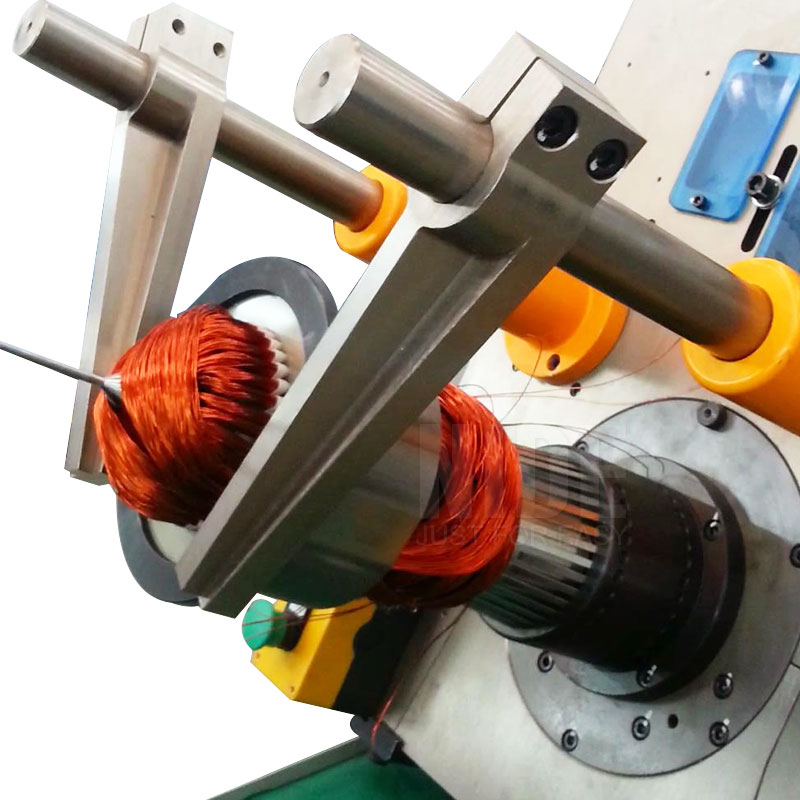
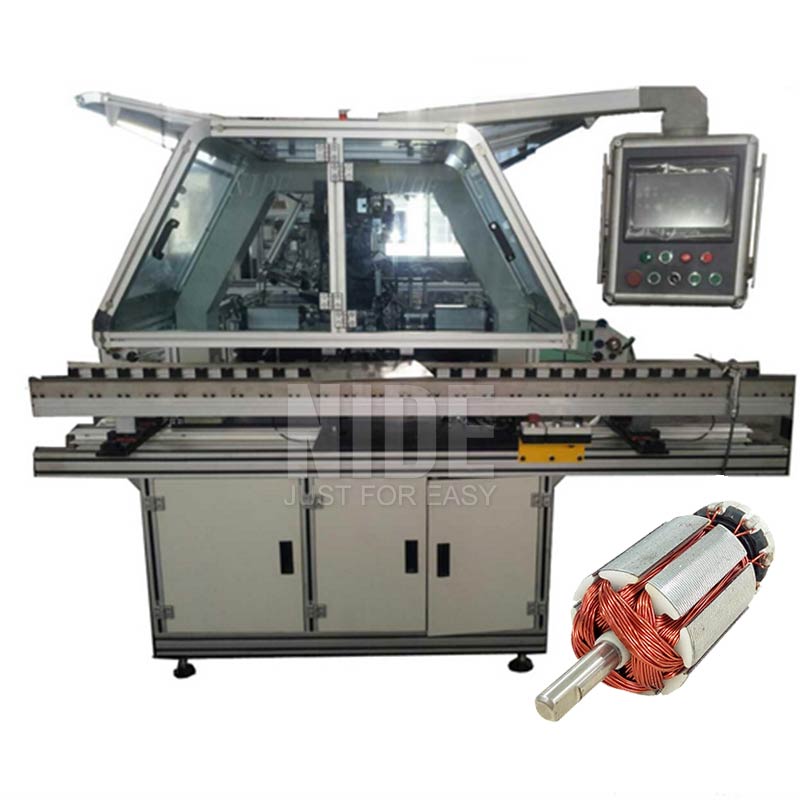
The core challenge in manufacturing induction and permanent magnet stators for the Minas Gerais industrial sector is avoiding copper enamel micro-abrasion while maximizing the slot fill factor beyond 78%. Modern semi-automatic and automatic insertion lines utilize hardened Cr12MoV/tungsten carbide inserting blades matched with hydraulic or servomotor push mechanisms. The dual-action cycle pushes both the pre-wound concentric coils and the pre-formed insulation wedges (DMD, Nomex, or polyester film) into the stator slots in a single stroke, neutralizing wire crossing and ensuring insulation integrity.

Machine Parameter Standard Industrial Spec Heavy-Frame Mine/Pumping Spec Optimization Benefit
Stator OD Range Ø 40 mm – 160 mm Ø 100 mm – 320 mm Accommodates large multi-pole industrial drive stators
Stack Height Capacity 20 mm – 200 mm Up to 450 mm Single-pass operation without multi-tier insertion damage
Wire Diameter Capability 0.18 mm – 1.20 mm 0.35 mm – 1.65 mm (multi-wire strands) Eliminates manual insertion bottlenecks in high-power windings
Wedge Material Handling Polyester (Mylar), DMD Nomex, Polyimide, Composite Rigids Guarantees Class F / Class H thermal insulation reliability
Cycle Time / Output 18 – 35 seconds / unit 35 – 65 seconds / unit Directly delivers 400% productivity gains over manual labor
Minas Gerais Industrial Ecosystem

Localized Applications in the Belo Horizonte Industrial Basin

From Contagem and Betim to the Iron Quadrangle (Quadrilátero Ferrífero), equipment demands uncompromising durability against dust, thermal cycling, and voltage fluctuations.

Heavy Mining Slurry Pumps & Flotation Drives

Processing iron ore requires high-torque three-phase induction motors with Class H insulation. Automatic coil insertion lines ensure zero wedge-shearing, eliminating short-to-ground risks caused by continuous mineral vibrations.

High Slot Fill Nomex Insulation Class H

Automotive Tier-1 Clusters (Betim Corridor)

The regional automotive supply chain demands rapid changeover stator equipment for radiator fans, ABS actuators, starter motors, and electric steering assemblies, achieving strict Cpk > 1.67 repeatability standards.

Servo Precision Quick Change Tooling IATF Compatible

Steel Mills & Continuous Casting Conveyors

Metallurgical handling facilities throughout Ipatinga and Greater Belo Horizonte depend on custom stator rewinding and volume manufacturing lines to supply heavy geared motors operating under radiant heat loads.

Heavy Stack Depths Reinforced Blades High Wire Gauge

Agricultural Processing & Irrigation Systems

Regional pump manufacturers producing single-phase and three-phase borehole motors use automated insertion cells to replace manual winding shops, cutting delivery lead times from weeks to hours.

High Output PLC Controlled Low Maintenance
Strategic Market Evolution

Emerging Trends Shaping Stator Production in Minas Gerais

Understanding regional procurement shifts enables manufacturing plants to future-proof their capital investments.

01

Adoption of IE4 and IE5 Super-Premium Efficiency Standards

With Brazilian energy tariffs pushing commercial consumers toward high-efficiency equipment, electric motor manufacturers are redesigning stators with narrower slot openings and higher copper packing factors. Traditional manual coil stuffing causes wire bruising; automated insertion lines are becoming non-negotiable for compliance with national energy efficiency regulations.

Narrower slot tooth geometries require sub-millimeter positioning precision from insertion blade sets.
02

Nearshoring & Modernization of Motor Maintenance Depots

To eliminate extended marine freight delays for replacement mining drives, major industrial conglomerates in Contagem are transitioning from decentralized rewinding toward centralized, automated stator remanufacturing cells capable of fast tool changes between diverse frame sizes (IEC 80 to 280).

Modular tooling kits allow rapid changeover across varied stack heights in under 20 minutes.
03

Electrification of Heavy Fleet & Off-Highway Equipment

The push for zero-emission underground mining across the Quadrilátero Ferrífero is generating strong demand for high-torque permanent magnet synchronous motors (PMSM) and BLDC stators. Production facilities are integrating combined winding-inserting cells tailored for hairpin or distributed windings.

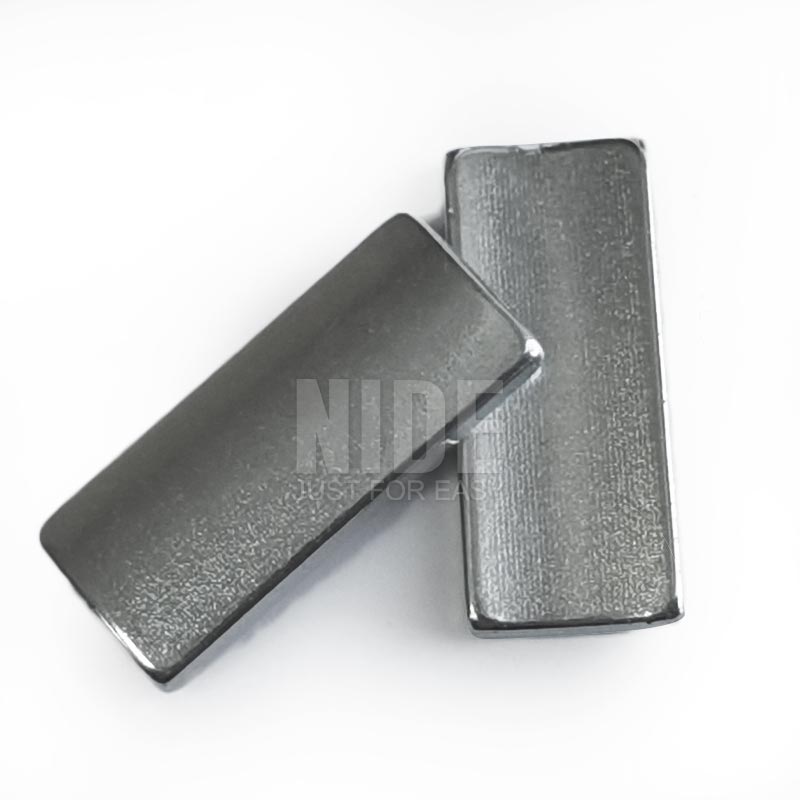
Integration of rare-earth permanent magnets (N52 NdFeB) paired with high-precision stator architectures.
Enterprise Authority & Reliability

Why Tier-1 Motor Manufacturers Partner With Our Engineering Team

Over a decade of dedicated motor manufacturing machinery innovation, exporting turnkey automation lines to more than 50 countries worldwide.

2010
Year Established
50+
Countries Supplied
30,000m²
Modern Manufacturing Facility
13+
Years Machine Export Experience

Custom Tooling R&D

Every stator tooth and slot profile is unique. Our engineering team designs custom inserting shoes, guide blades, and wedge pushers tailored specifically to your lamination drawings.

Full Pre-Shipment Run-Off

We test equipment using your actual stator laminations, magnet wire, and wedge papers prior to export, delivering verified cycle-time video records and measured sample parts.

Total Turnkey Solutions

From stand-alone coil inserters to complete automated lines integrating paper insertion, coil winding, lacing, expanding, and surge/hipot electrical testing.

Global Technical Assistance

Our multilingual service engineers provide comprehensive international installation, remote telemetry diagnostics, and swift spare parts dispatch across Latin America.

Direct Clarifications for Sourcing Teams

Frequently Asked Questions: Purchasing Stator Lines in Belo Horizonte

Detailed technical, regulatory, and logistics answers for engineering directors and procurement specialists.

How does the machine prevent enamel scratches on multi-wire stator windings?
Our inserting blades and pushers undergo precision CNC grinding and mirror-surface micro-polishing (Ra ≤ 0.05 μm) followed by specialized vacuum hardening. The synchronized insertion motion holds the wedge and coils in strict parallel alignment, ensuring wire bundles enter the slot through the narrow opening without rubbing across raw stamped lamination edges.
Can our engineering team inspect machine run-off before customs dispatch to Brazil?
Yes. We strongly encourage pre-shipment Factory Acceptance Testing (FAT). You can send your proprietary stator cores and magnet wire to our facility. We will run continuous batch validation, record multi-angle high-speed footage, perform high-voltage surge and insulation resistance tests, and provide comprehensive dimensional inspection reports.
Are electrical and control components compliant with Brazilian industrial standards (NR-10 and NR-12)?
Yes. For machinery destined for Brazilian industrial plants, our systems can be configured with premium components from Schneider Electric, Siemens, or Omron, including dual safety interlocks, physical safety barriers, light curtains, emergency stop monitoring, and complete Portuguese-language HMI interfaces compliant with NR-12 safety norms.
What international delivery terms and sea freight support do you offer for Minas Gerais?
We regularly quote FOB Chinese ports, CFR, or CIF to major Brazilian seaports such as Santos (SP) or Rio de Janeiro (RJ), with full export crating including heavy moisture barrier vacuum-sealed foil packing. In addition, we coordinate with your chosen freight forwarding and customs broker partners to support smooth customs clearance into the Belo Horizonte dry port (Porto Seco de Betim).
What is the typical tooling changeover time when shifting between different stator frame models?
For stators sharing the same internal lamination profile but different stack heights, adjustments are motorized and take under 5 minutes via HMI recipe selection. For full tooling changes between different stator diameters and slot counts, the complete modular blade and wedge magazine assembly can be swapped and aligned in approximately 20 to 30 minutes.

Upgrade Your Stator Production Line Today

Send your stator core drawings, wire specifications, and daily volume targets. Our senior automation engineers will evaluate your layout and provide a complete proposal within 24 hours.