Precision Rotor Fabrication, Dynamic Testing & Motor Hardware
Essential machinery, balanced sub-assemblies, and precision electromagnetic components engineered for high-volume automotive powertrain lines and industrial e-motor integration.
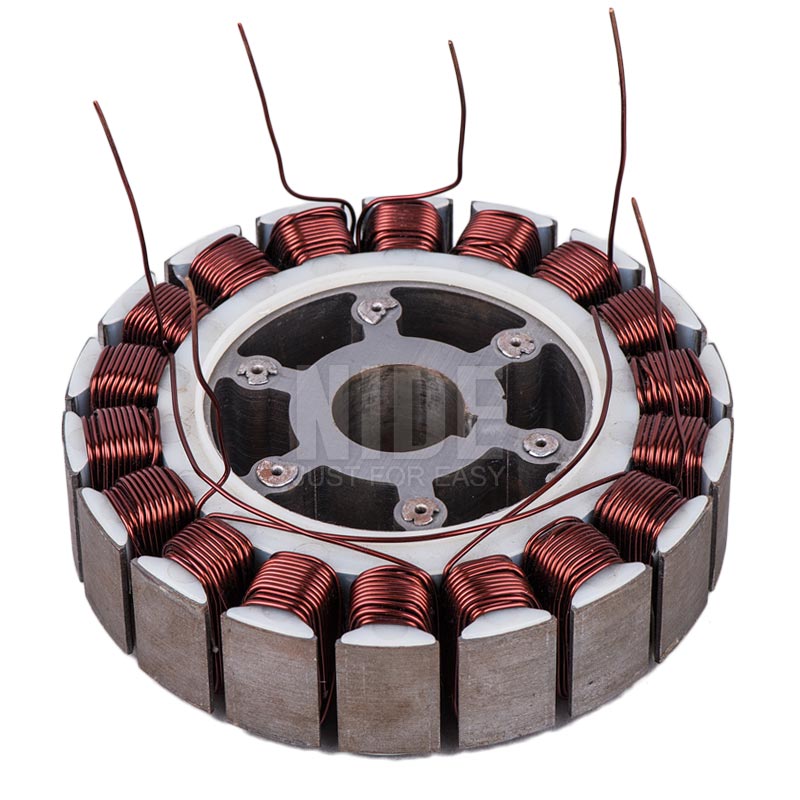
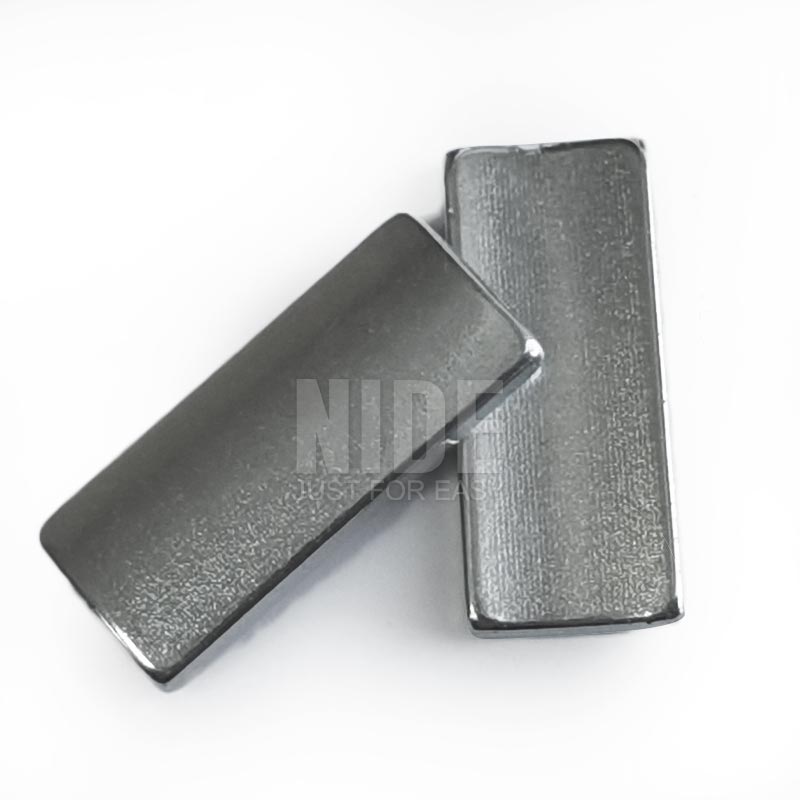
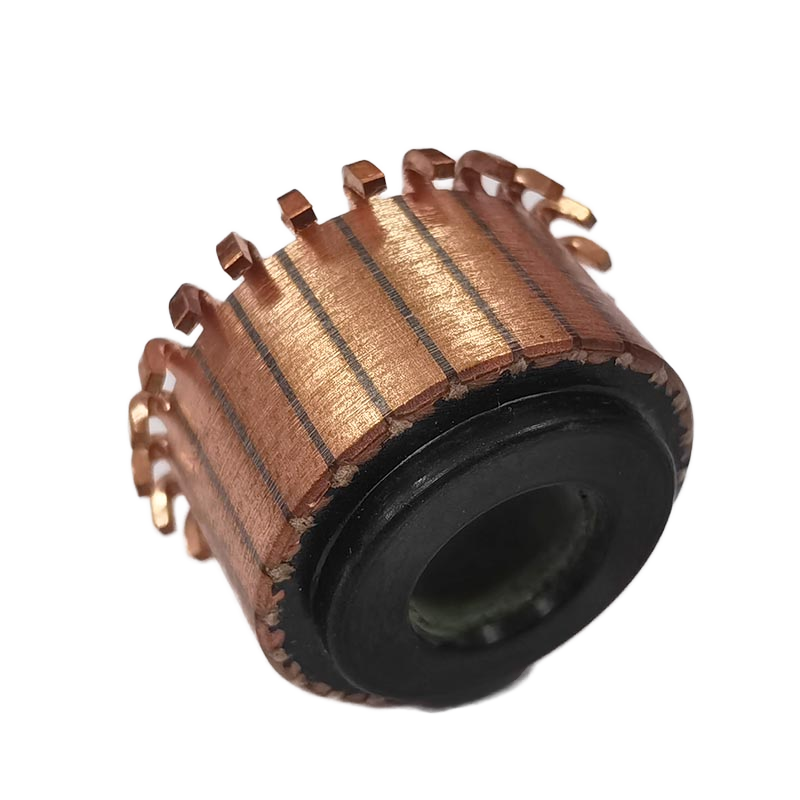



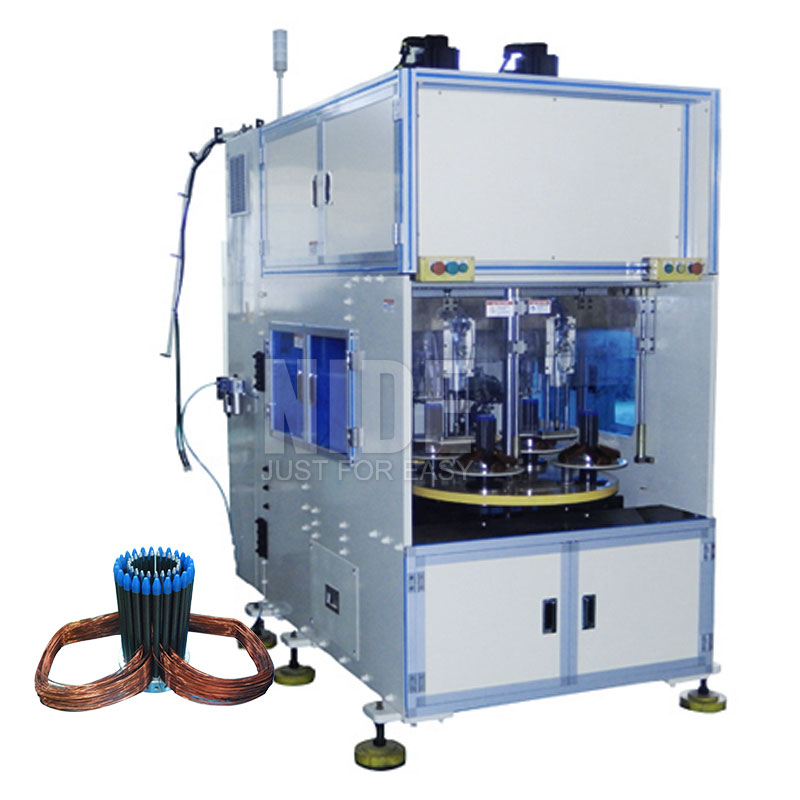
Whitepaper: High-Volume Rotor Testing Methodologies in the Greater Detroit Automotive Corridor
As the global automotive epicenter transitions toward multi-megawatt battery electric vehicle (BEV) architectures, hybrid transmissions, and commercial electrification, Detroit motor manufacturing plants face stringent tolerances for rotor durability, noise-vibration-harshness (NVH), and high-frequency insulation integrity. In modern electric drive units (EDUs) operating beyond 18,000 to 22,000 RPM, standard static or low-speed balancing is no longer sufficient. Production plants across Auburn Hills, Warren, Dearborn, Livonia, and Sterling Heights demand multi-station, inline automated rotor testing systems that integrate dynamic balancing, electrical runout (ERO) elimination, turn-to-turn impulse surge qualification, and rotor cage defect detection directly inside continuous cycle-time cells.
The physical layout of traction motor manufacturing demands that rotor testing equipment operate not as isolated metrology islands, but as integrated automated cells operating under strict AIAG (Automotive Industry Action Group) standards. Rotor dynamic imbalance induces radial forces that scale with the square of the rotational speed ($\omega^2$). At 20,000 RPM, an unbalance of merely 2 grams at a 50 mm radius produces an oscillatory centrifugal force exceeding 4,300 Newtons, leading to premature bearing degradation, gear mesh misalignment in planetary gearboxes, high audible cabin whine (1 kHz to 4 kHz range), and eventual fatigue rupture of carbon fiber or stainless steel magnet retention sleeves.
Consequently, selecting a robust rotor testing equipment supplier serving the Detroit market requires a thorough understanding of dual-plane hard-bearing suspension systems, non-contact Eddy-Current sensor calibration for ferromagnetic rotor cores, back-EMF waveform phase symmetry analysis for internal permanent magnet (IPM) rotors, and bar-to-bar AC impedance analysis for induction squirrel cages.
Dual-Plane Dynamic Balancing
Automated hard-bearing dynamic balancing utilizing piezoelectric quartz force transducers. Measures both static and couple unbalance vectors at sub-micron resolutions, delivering closed-loop feedback to integrated CNC axial drilling or radial milling material-removal stations to achieve ISO 1940 / ISO 21940-11 Grade G1.0 or G0.4 standards.
Electrical Runout (ERO) & Total Runout (TIR)
Distinguishes physical shaft eccentricities from metallurgical variations. Simultaneous optical triangulation and non-contact eddy current probes detect residual magnetization, local permeability anomalies, and surface finish irregularities in critical journal bearing surfaces and sensor track regions in accordance with API 670 and SAE standards.
Squirrel Cage Aluminum & Copper Integrity
High-frequency rotary transformer electromagnetic induction testing maps bar-to-bar conductivity in die-cast or fabricated induction motor rotors. Instantly identifies air pockets, porosity, broken rotor bars, and ring cold shuts that degrade starting torque and generate excessive thermal slip losses during vehicle acceleration.
Localized Application Scenarios in Southeast Michigan
Tailored engineering deployments addressing specific manufacturing realities across the tri-county automotive manufacturing territory (Wayne, Oakland, and Macomb).
High-Volume EV Traction Rotors (Auburn Hills & Troy)
Configured for high-throughput Tier-1 EDU programs. Rotor inspection cells interface with overhead gantry robots and AGVs via Profinet/EtherNet/IP. Tests surface magnet retention, resolver tooth concentricity, multi-plane unbalance, and back-EMF phase angle within strict takt times ranging from 28 to 45 seconds per assembly.
Commercial Fleet & Heavy-Duty Drives (Dearborn & Livonia)
Built for heavy commercial vehicle axles and high-torque hybrid electric commercial powertrains. Test beds handle rotor stack weights up to 450 kg, testing high-mass induction and magnet-assisted reluctance rotors under extreme centrifugal containment stresses and thermal shock conditions.
Auxiliary Actuators & Starter Generators (Warren & Sterling Heights)
High-precision automated armatures and wound-rotor validation for steering columns (EPS), electric brake boosters (EBB), and active suspension brushless rotors. Includes bar-to-bar commutator resistance mapping, 5 kV impulse surge, and high-precision sleeve concentricity monitoring.
Rotor Testing Equipment: Diagnostic Matrix & Technical Capabilities
Benchmarking essential testing modules against automotive engineering criteria, cycle time budgets, and defect coverage requirements.
| Testing Module | Primary Defects Screened | Diagnostic Technology | Automotive Industry Standard | Detroit Line Integration |
|---|---|---|---|---|
| High-Speed Dynamic Balancing | Mass asymmetry, shaft deflection, unbalance vibration | Piezoelectric force transducers, laser optical tachometer | ISO 21940-11 (G1.0 / G0.4), SAE J1455 | Inline Automated / CNC Milling |
| Electrical & Mechanical Runout (ERO/TIR) | Shaft eccentricity, residual magnetism, journal ovality | Simultaneous non-contact eddy current & laser triangulation | API 670, AIAG CQI-15, OEM Powertrain Spec | Pre-Assembly Gating Cell |
| Impulse Surge & Hi-Pot Insulation | Turn-to-turn shorts, partial discharge, ground breakdown | High-voltage arbitrary waveform generator (up to 5kV) | IEEE 522, IEC 60034-18-41, UL 1004 | 100% End-of-Line Validation |
| Induction Rotor Bar Diagnostic | Cast porosity, broken bars, ring micro-fractures | Rotary AC magnetic leakage & impedance mapping | NEMA MG 1, IEEE 112 Standard | Post-Casting / Machining Station |
| Magnetic Field Profile & Back-EMF | Magnet demagnetization, incorrect polarity, flux unbalance | Multi-channel Hall effect sensor ring array | VDI/VDE 2640, SAE J2907 EV Motor Test | Robotic Magnet Assembly Line |
Automotive Electrification Trends Reshaping Michigan's Rotor Production
How technical advancements in high-voltage e-powertrains drive the next generation of rotor metrology equipment.
800V SiC Inverter Compatibility & Partial Discharge
Silicon Carbide (SiC) fast-switching inverters cause ultra-steep voltage rise times ($du/dt > 10\,\text{kV}/\mu\text{s}$) that induce extreme dielectric stress in wound rotors and auxiliary motors. Detroit manufacturers require impulse surge testing combined with high-frequency Partial Discharge (PD) detection to prevent premature insulation failure.
24,000+ RPM Spin Containment & Dynamic Shifting
Next-generation hairpin motor architectures achieve unprecedented volumetric power density by spinning past 20,000 RPM. Rotor testing benches must integrate certified blast-proof containment enclosures while monitoring real-time balance state shifts caused by magnet shifting, sleeve creep, or thermal expansion.
Industry 4.0 MES & Digital Thread Traceability
Under OEM warranty compliance rules, every individual rotor must record a permanent digital birth certificate. Our testing equipment natively integrates OPC UA, MQTT, and Ford/GM/Stellantis MES communication protocols to upload complete dynamic unbalance curves, high-voltage leakage logs, and dimensional profiles linked directly to 2D DataMatrix serial codes.

Why Detroit Tier-1 Manufacturers Partner with Nakro
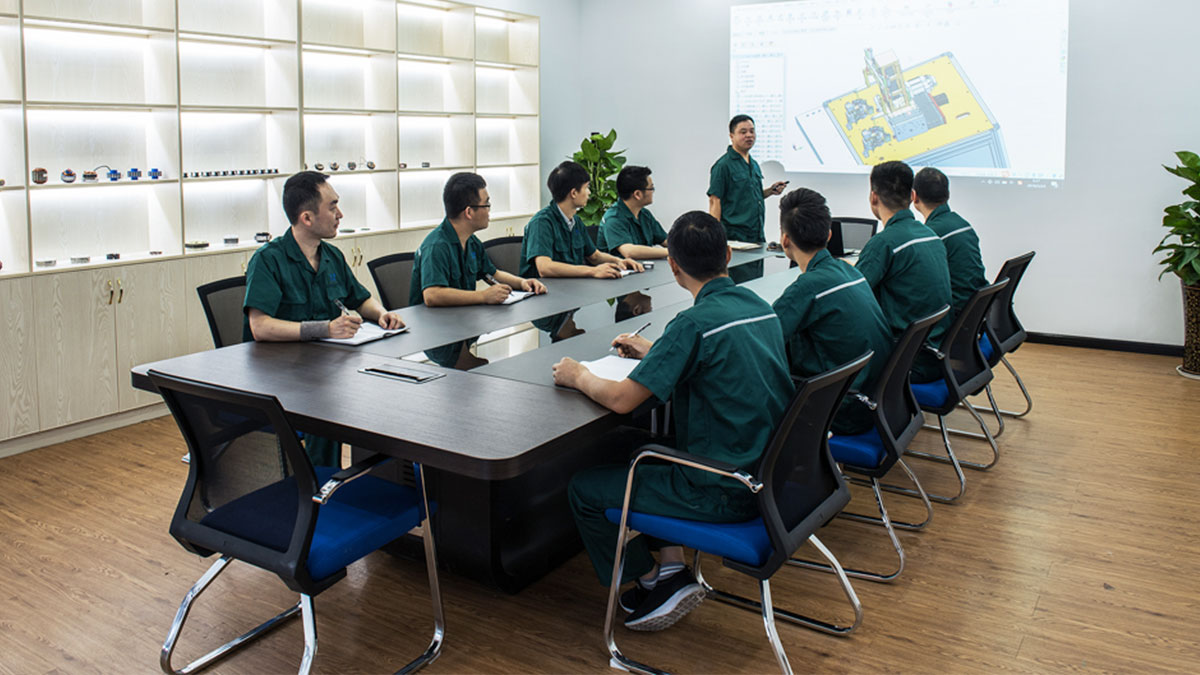
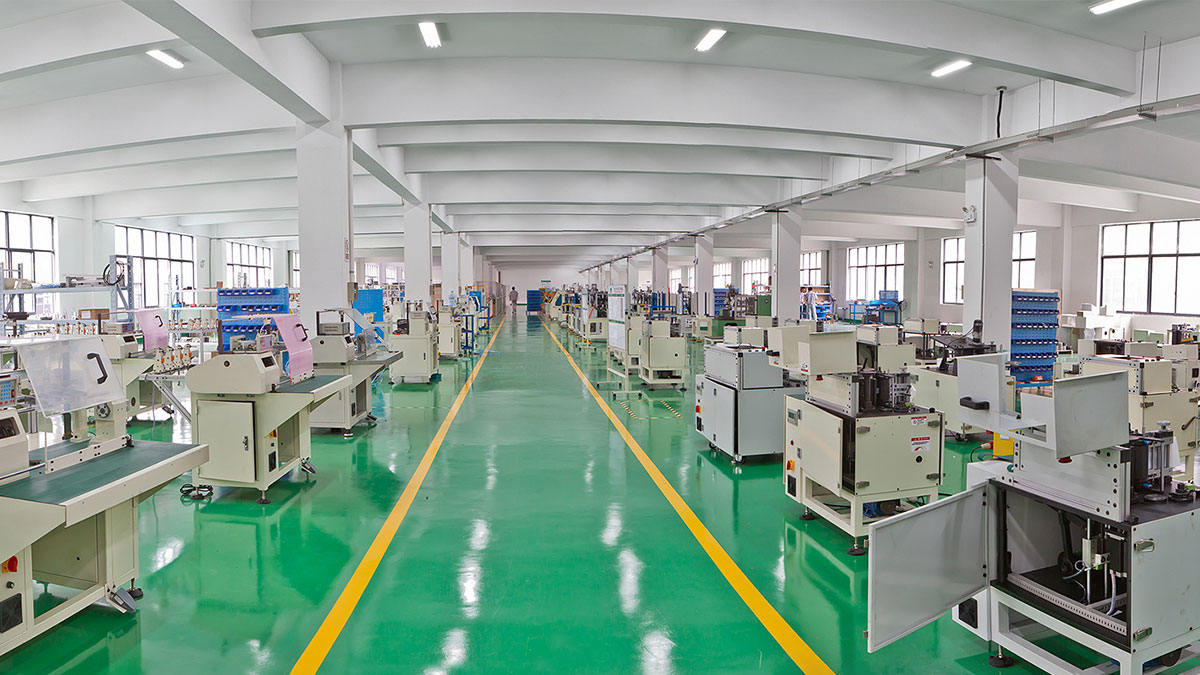
Established in 2010, Ningbo Nakro Intelligent Equipment Co., Ltd. operates over 30,000+ square meters of advanced manufacturing facilities. With more than 13 years of specialized machinery export experience, Nakro combines deep electromechanical process know-how with turnkey automation delivery for customers across 50+ countries.
Unlike fragmented vendors who supply isolated test instruments, Nakro is a complete industrial equipment and hardware partner. We provide end-to-end motor manufacturing cells—from slot paper inserting, flyer and needle winding, hot chamber die-casting, and commutator fusing, to high-speed dynamic balancing, impulse surge qualification, and end-of-line electrical testing benches.
- ISO 9001:2015 Certified Manufacturing & Global CE Compliance
- Complete System Integration: Machines, Tooling & Motor Hardware Components
- Automated Material Removal Balancing (Axial Drilling & Radial Milling)
- Dedicated Engineering Support: Run-Off Trials with Customer Laminations & Rotors
Detroit Market Procurement FAQ: Rotor Testing Systems
Technical and commercial answers addressing common engineering queries, equipment integration challenges, and qualification standards.
How does the equipment comply with automotive AIAG and Tier-1 PPAP requirements in Detroit?
Can Nakro's rotor testing equipment be integrated into existing automated lines with Fanuc or Kuka robotics?
What is the typical cycle time for an automated dual-plane rotor balancing and electrical test station?
How do you verify rotor balancing and electrical testing performance prior to transoceanic shipment?
What after-sales service, spare parts availability, and commissioning support are available in the Michigan region?
How does the system distinguish between mechanical runout (MRO) and electrical runout (ERO)?
Ready to Modernize Your Detroit Rotor Production & Testing Lines?
Send your motor engineering drawings, rotor stack specifications, target cycle times, and balancing standards. Our automation and testing engineering team will deliver a comprehensive proposal with station footprints, cycle-time simulations, and pricing.
