Featured Rotor & Stator Production Equipment for Japanese Manufacturers
Engineered for tight electrical tolerances, high slot fill ratios, and high-repeatability cycle times demanded by automotive Tier-1, industrial automation, and robotic drive assemblers across Tokyo, Kanagawa, and Saitama.
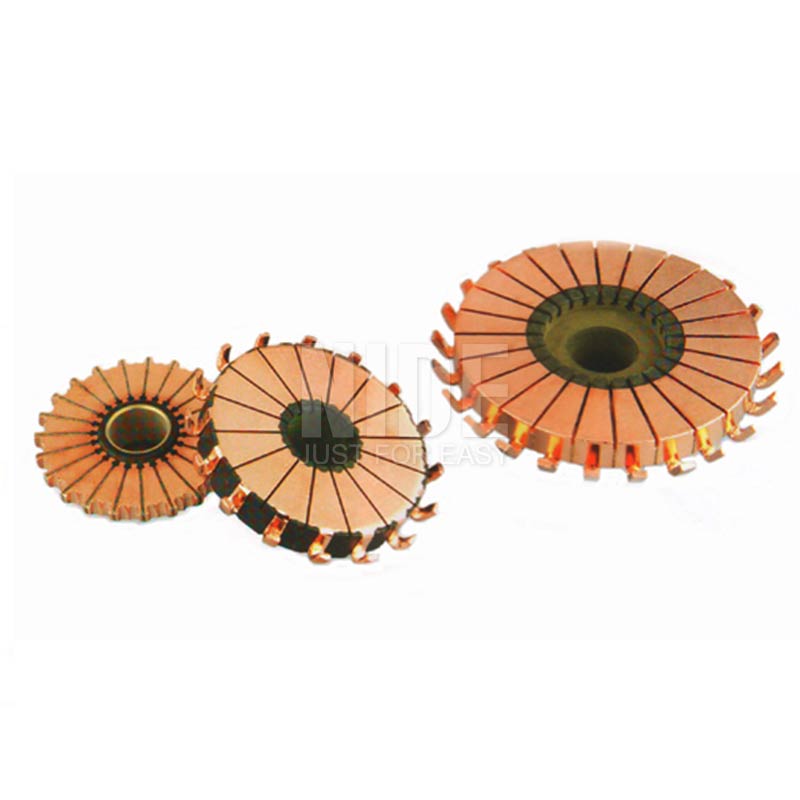
New Condition Nide Brand Planar Type Commutator Motor Component (NDPJ-HXQ-39)
- Planar Architecture
- CE Certified
- Low Wear Formula
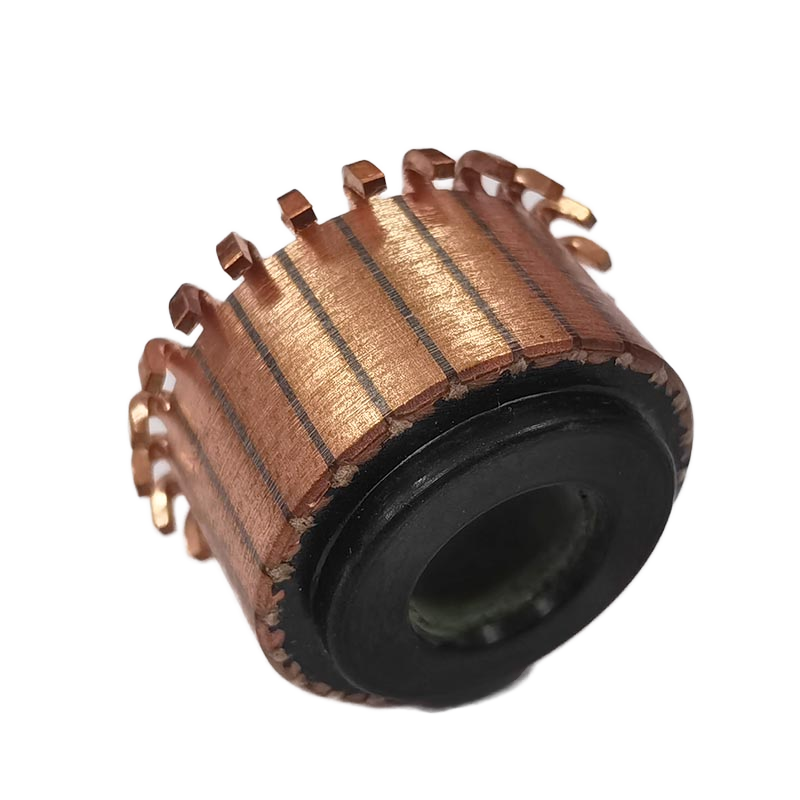
Wholesale NIDE Brand 24 Segments Hook Type Commutator Model NDPJ-HXQ-640A
- 24 Segments
- Hook Profile
- High Heat Tolerance
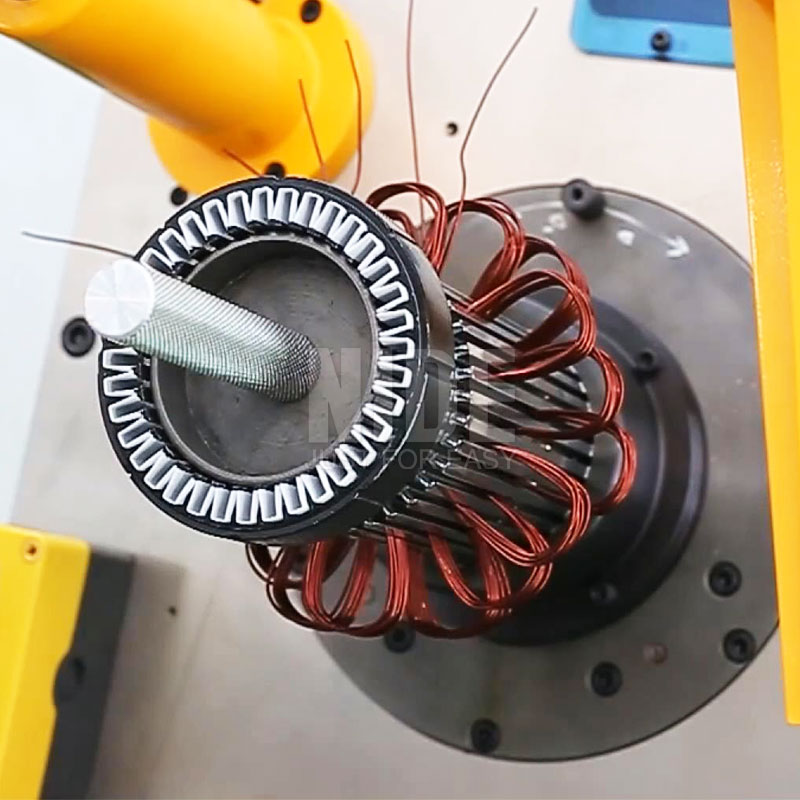
Automatic Single Phase Motor Stator Coil Insertion Machine with PLC Core
- PLC Interlock
- One-Stroke Wedge
- Zero Enamel Scratch
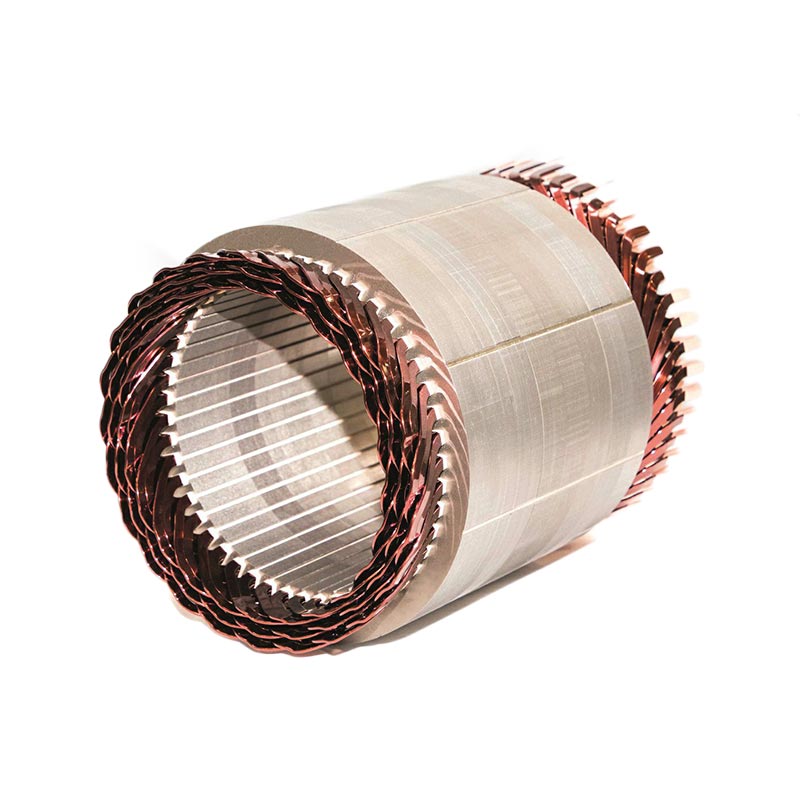
Fully Automatic Hairpin Motor Stator Production Line for E-Mobility
- Flat Wire Hairpin
- Laser Welding
- Automotive Grade
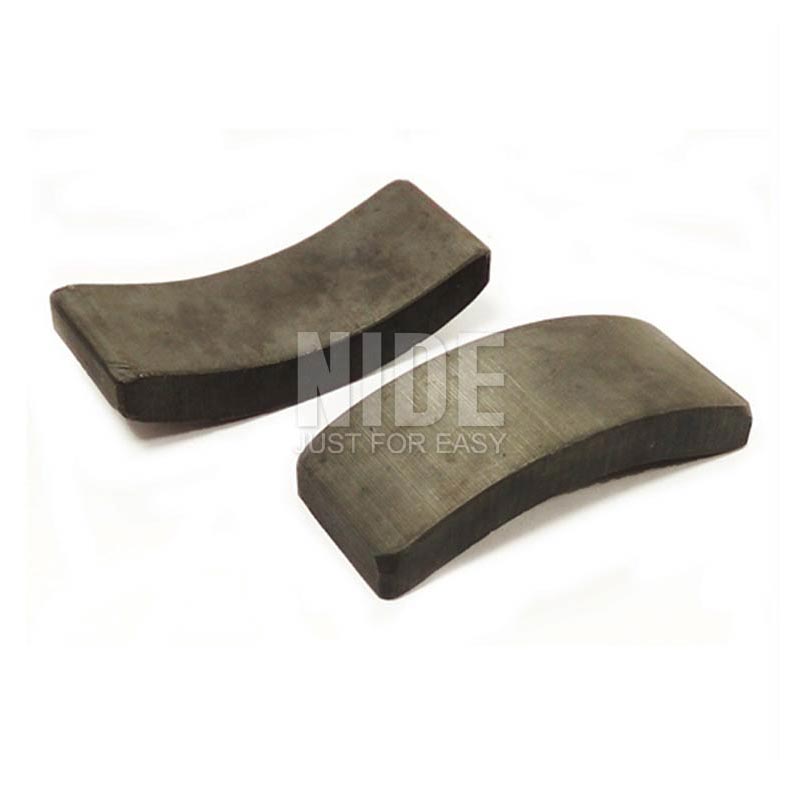
NIDE Brand 12-220V DC Segment Motor Permanent Arc Ferrite Magnet
- High Remanence
- Precision Arc Cut
- Demag Resistant
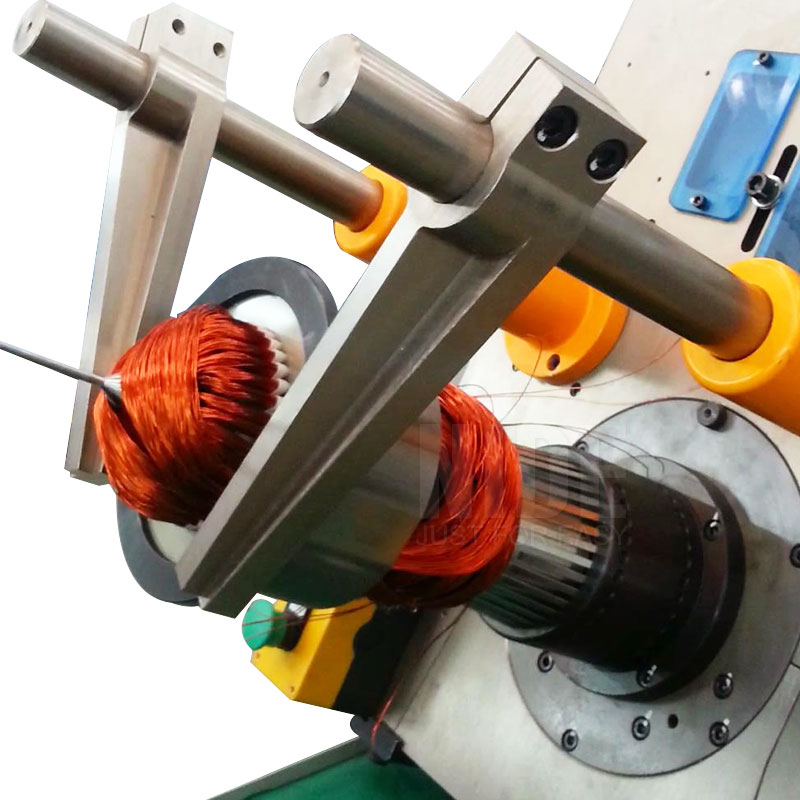
Semi-Automatic Three-Phase Motor Stator Coil Inserting Machine
- Modular Tooling
- Servo Controlled
- 1 Year Warranty
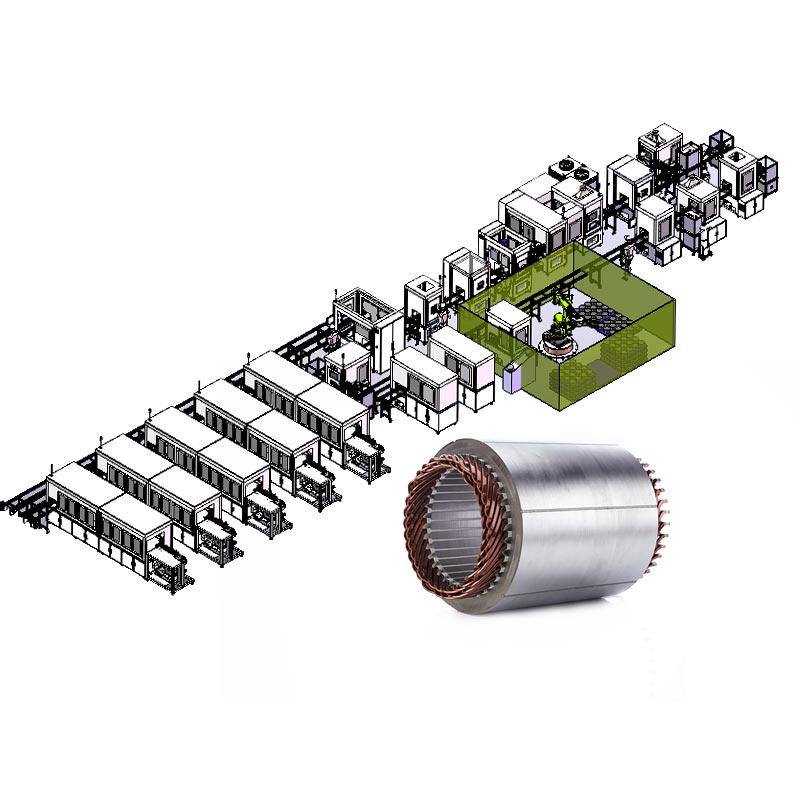
Fully Automatic EV Flat Wire Hairpin Motor Stator Assembly Line
- High Slot Fill >75%
- In-Line 3D Inspection
- Traceability Ready
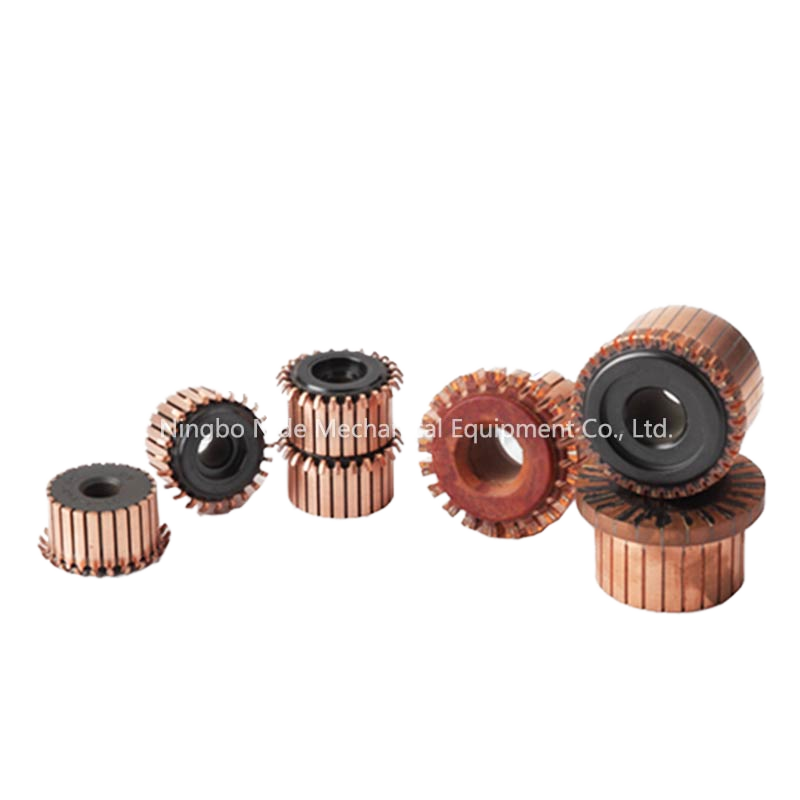
High Precision Armature Collector Slip Ring Commutator Model NDPJ-HXQ
- Low Contact Jitter
- High Dielectric
- CE Inspected
Engineering Turnkey Rotor Production Lines for the Greater Tokyo Industrial Corridor
As the international manufacturing arena converges toward zero-defect production, hyper-efficient electrical drivetrains, and Industry 5.0 smart automation, manufacturing plants across Tokyo, Kanagawa, Chiba, and northern Kanto face intense pressure to balance extreme output precision with capital cost efficiency. Ningbo Nakro Intelligent Equipment Co., Ltd. (operating through our premier manufacturing brand ecosystems and turnkey facilities since 2010) serves Japanese original equipment manufacturers (OEMs), Tier-1 automotive powertrain suppliers, and micro-motor producers with high-capability rotor manufacturing lines, high-speed flyer winding machinery, precision hairpin stator cells, and turnkey electric motor assembly equipment.
Modern electric motor performance is heavily governed by the dynamic balance, electromagnetic symmetry, copper winding density, and structural concentricity of the rotating assembly. Whether engineering an internal permanent magnet (IPM) rotor for hybrid-electric vehicles (HEVs), an ultra-high-speed universal motor armature for commercial tooling, or an outer-rotor direct-drive wheel hub motor for urban light electric vehicles, microscopic deviations in manufacturing tolerances cascade into thermal runaway, acoustic harmonics, parasitic eddy currents, and premature bearing failure. Nakro directly addresses these stringent engineering requirements by synthesizing high-speed servo synchronization, closed-loop tension regulation, in-line vision metrology, and automated dynamic balancing into integrated, turnkey production lines configured specifically to meet Japanese Industrial Standards (JIS B series) and METI energy mandates.
By delivering equipment directly backed by ISO 9001 certifications, CE compliance, third-party onsite verifications, and comprehensive component integration (commutators, permanent magnets, precision shafts, carbon brush systems, and slotted lamination stacks), Nakro operates as a comprehensive single-source engineering partner. Overseas procurement teams serving Japanese facilities benefit from streamlined factory acceptance testing (FAT), rapid tooling design adjustments for unique slot geometries, and turnkey commissioning assistance designed to integrate seamlessly into existing lean manufacturing cells.
Localized Industrial Application Scenarios Across the Tokyo & Kanto Region
The Tokyo Metropolitan and surrounding Greater Kanto manufacturing ecosystem represents one of the most technologically demanding industrial corridors in the world. Rather than mass-commodity low-grade assembly, manufacturers operating within Tokyo's Ota Ward, Yokohama, Kawasaki, Saitama, and Tochigi automotive clusters focus on high-mix low-to-medium volume, ultra-high-efficiency powertrains, and specialized mechatronics. Nakro rotor production lines are specifically configured to fulfill key localized application domains:
xEV Traction & Auxiliary Motors
Automated manufacturing of high-torque-density IPM and flat-wire hairpin rotors for next-generation hybrid drivetrains, EPS (electric power steering), electronic brake boosters, and thermal coolant pumps serving major Kanto automotive supply chains.
Robotics & Harmonic Servomotors
Precision brushless DC (BLDC) and PMSM rotor production cells configured for multi-axis industrial articulated arms, collaborative SCARA robots, and precision medical manipulators manufactured throughout the Tokyo-Kanagawa tech corridor.
Top-Runner Industrial Pumps & Blowers
Turnkey rotor inserting, skew lamination stacking, copper-bar induction die-casting post-processing, and high-precision dynamic balancing stations built to ensure compliance with Japan's rigorous METI Top Runner energy efficiency standards.
High-Performance Power Tools
Universal armature winding lines featuring multi-spindle flyer winders, automated commutator tang hook hot-streak fusing, resin trickle impregnation, and diamond-tool diamond commutating turning stations designed for commercial woodworking and metalworking machinery.
Light E-Mobility & Last-Mile Delivery
Specialized outer-rotor wheel hub motor assembly systems integrating automated high-pole neodymium arc magnet insertion, glue dispensing, infrared curing, and automated hall-sensor alignment for Tokyo electric delivery bikes and logistics AGVs.
HVAC Inverter Compressors
Single-phase and three-phase rotor skewing, shaft shrink-fitting, and electrical run-out validation equipment engineered for whisper-quiet, low-vibration split-system air conditioning compressors operating across metropolitan Tokyo commercial complexes.
Technical Architecture of Nakro Automated Rotor Production Lines
A high-performance rotor production line must eliminate human variability at every critical metallurgical, mechanical, and electrical juncture. Nakro engineers lines around modular, servo-actuated stations linked by precision magnetic pallets, walking beams, or multi-axis robotic pick-and-place gantry units. The table below outlines the core station architecture, cycle times, and operational benchmarks engineered into our automated lines serving international markets.
| Station Phase | Operation Description | Core Tooling / Automation Mechanism | Target Cycle Time | Quality & Defect Metric |
|---|---|---|---|---|
| 01. Lamination Stacking | Automated skewing, height gauging, and hydraulic press-fit onto knurled or stepped rotor shafts. | Dual-cylinder servo press with load-cell feedback; micron optical height sensor. | 4.5 – 8.0 sec | Perpendicularity < 0.02 mm; Force-displacement curve logging. |
| 02. Insulation Inserting | Cold-forming and insertion of DMD, Nomex, or composite slot liners into armature rotor slots. | Rotary indexer with mechanical cam knife and pneumatic guide fingers. | 0.35 sec / slot | Zero lining tear; slot edge overhang uniform ± 0.15 mm. |
| 03. Commutator Press-Fit | Pressing planar or hook-type commutators to precise axial positions on the rotor shaft. | Servo-electric press unit with laser displacement feedback and angle orientation camera. | 5.0 – 7.5 sec | Axial location tolerance ± 0.03 mm; bar-to-slot alignment ± 0.1°. |
| 04. Precision Coil Winding | Dual-flyer high-speed winding or specialized multi-axis needle winding for BLDC inner/outer rotors. | Dual synchronized AC servomotors up to 3,500 RPM; closed-loop magnetic tensioners. | 12 – 22 sec / rotor | Turn count 100% verified; zero stretch-induced enamel thinning. |
| 05. Hook Hot-Streak Fusing | Thermo-compression welding of magnet wire into commutator tangs or riser slots. | Inverter DC / Medium-frequency resistance welder with displacement tracking. | 0.45 sec / hook | Hook deformation controlled < 8%; contact resistance < 0.5 mΩ. |
| 06. Resin Impregnation | Trickle varnishing or vacuum-pressure impregnation (VPI) with controlled inductive pre-heating. | Precision peristaltic metering pumps with continuous rotational infrared cure tunnels. | Continuous Flow | 100% void-free slot penetration; zero varnish accumulation on journals. |
| 07. Commutator Turning | High-precision diamond tool micro-lathe skim of commutator copper face to ensure zero brush bounce. | Air-bearing or ultra-precision hydrostatic spindle with diamond PCD insert. | 6.0 – 9.0 sec | Surface finish Ra < 0.2 μm; total runout < 0.003 mm. |
| 08. Dynamic Balancing | Two-plane dynamic balance measurement followed by automated dual-side milling or drilling correction. | Piezoelectric vibration transducers with automated dual carbide milling spindles. | 10 – 14 sec | Residual unbalance ISO 1940 Grade G1.0 or G0.4 compliant. |
| 09. End-of-Line (EOL) Testing | Automated electrical surge, bar-to-bar resistance, hipot (dielectric), and ground insulation testing. | Integrated multi-channel electrical testing console with automated probe fixture. | 4.0 – 6.0 sec | 100% database archiving for full batch serial traceability. |
Industry Trends Shaping Motor Line Procurement in Tokyo and Japan
Japanese electrical engineering firms are globally recognized for pioneering lean manufacturing (Kaizen) and uncompromising attention to detail (Monozukuri). When sourcing capital machinery and automated production cells from international manufacturers, technical directors across Kanto look for equipment that accommodates several rapid structural shifts taking place in the electric machine industry:
Hairpin & Flat Wire Proliferation
Shift from conventional round wire to continuous or segmented rectangular flat wire hairpin windings in both stators and specialized rotors, driving copper slot fill factors beyond 75% for dramatic volumetric efficiency gains in EV traction drivetrains.
Lights-Out Unmanned Cell Operation
With demographic constraints affecting technical workshop labor in Japan, machinery must support 24/7 unassisted production through automatic magazine loading, robotic AGV material handling interfaces, and continuous chip removal systems.
Comprehensive Digital Traceability
Full SCADA, OPC-UA, and MES connectivity. Every rotor produced on a Nakro line is barcoded or QR marked, linking press forces, winding tensions, welding joules, and residual dynamic balance data directly to enterprise cloud repositories.
Enterprise Strengths & Factory Engineering Credentials of Ningbo Nakro
Ningbo Nakro Intelligent Equipment Co., Ltd. has specialized since 2010 in the research, design, precision machining, and worldwide exportation of automated armature, stator, and rotor manufacturing systems. Operating out of our modern facility exceeding 30,000 m² in Ningbo, Zhejiang—just minutes away from deepwater container ports offering direct rapid sea transit to the Port of Tokyo and Port of Yokohama—Nakro bridges world-class build quality with decisive cost-performance advantages.
ISO 9001 Certified Quality Ecosystem
Our complete manufacturing operation is governed by verified ISO 9001 quality management protocols. Every mechanical component, precision flyer spindle, and inserting blade undergoes coordinate measuring machine (CMM) inspection before line integration.
Complete Component & Tooling Supply
Unlike standard machine builders, Nakro supplies matching motor components including planar and hook commutators, permanent arc ferrite magnets, ball bearings, carbon brushes, and insulation papers, ensuring complete mechanical compatibility.
Over 13 Years of Global Export Pedigree
With operational lines running in over 50 countries, our engineering sales and after-sales support teams understand the rigorous documentation, electrical safety standards, and seaworthy barrier packaging required for seamless customs clearance into Japan.
Before any machinery departs our factory floor, it undergoes a multi-day factory acceptance test (FAT) utilizing the customer's actual lamination steel stacks, magnet wire diameters, and commutator components. Run-off videos, cycle time studies, and CMM dimension reports are submitted for formal engineering sign-off, ensuring that equipment arriving at Kanto industrial facilities can be wired, leveled, and commissioned into live production with minimal ramp-up latency.
Frequently Asked Questions: Sourcing Rotor Equipment for the Tokyo Market
Key technical, legal, and operational considerations Japanese engineering managers and purchasing directors evaluate when selecting Nakro manufacturing machinery:
