Featured Rotating Component Balancing & Motor Production Machinery
Engineered in our 30,000 m² smart production center and proven across 50+ export jurisdictions, these precision stations and motor components meet the exacting dimensional and electrical standards of the Salzburg and Upper Austrian industrial corridors.
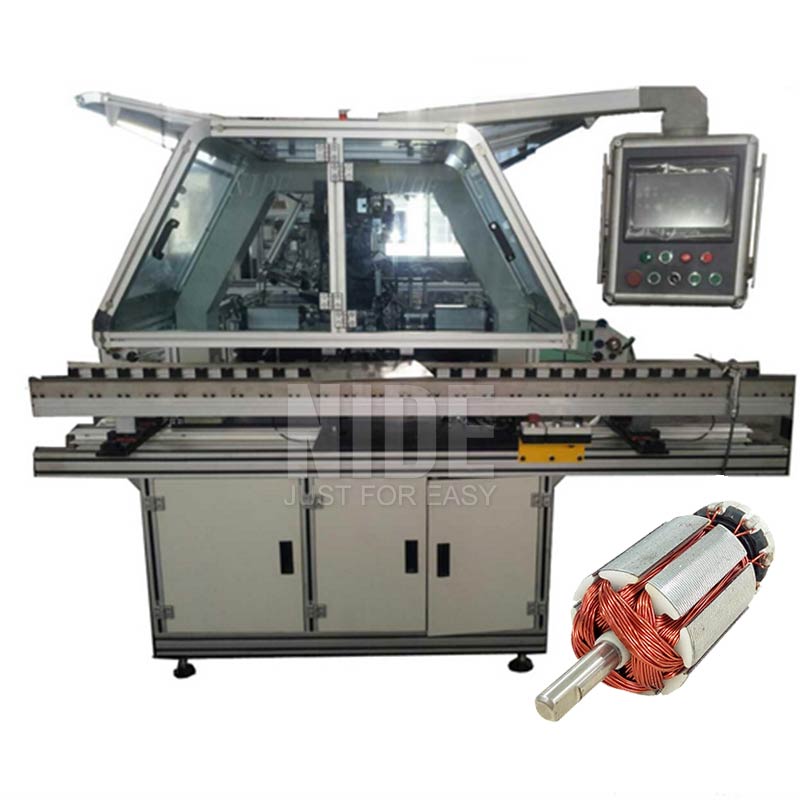
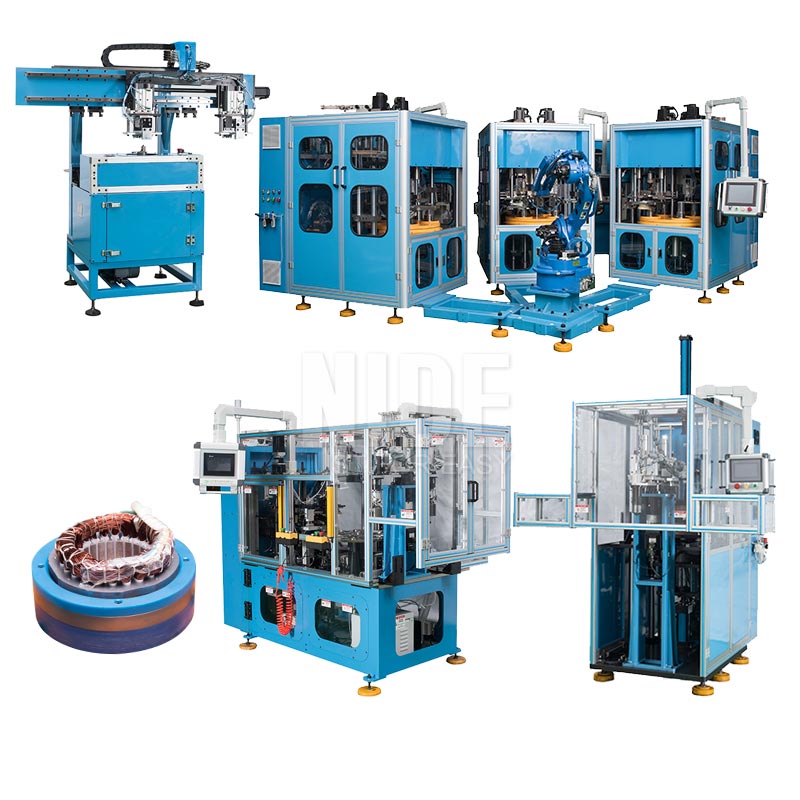
Technical Architecture of Rotor Dynamic Balancing in Modern Austrian Manufacturing
In high-speed electric motor production, mechanical unbalance ($U$) creates centrifugal forces proportional to the square of angular velocity ($F = U \cdot \omega^2$). For tier-1 automotive suppliers in Salzburg-Umgebung and specialized engineering firms throughout the Hallein and Seekirchen industrial belts, achieving precise dynamic equilibrium is not merely an NVH (Noise, Vibration, Harshness) criterion—it is vital for long-term bearing fatigue mitigation under ISO 21940-11:2016 balancing standards.
Rotor balancing equipment supplied into the Austrian market must account for specific physical phenomena: asymmetric distribution of winding copper in high-density armatures, slight dimensional skewing during commutator press-fit, and structural porosity in cast-aluminum induction rotor cages. Our dynamic balancing machine portfolio provides dual-plane hard-bearing suspension systems, calibrated laser optical phase pickups, and micro-milling or automated weight-removal stations capable of achieving G 1.0 or G 0.4 balance quality grades at cycle times tailored for volume automation.
| Application Category | Typical Speed Range (RPM) | Target Balance Grade (ISO 21940) | Correction Methodology | Austrian Industrial Target |
|---|---|---|---|---|
| Automotive HVAC & Radiator Cooling | 2,500 – 4,500 | G 2.5 | Automated V-milling / drilling on core | Engine thermal management systems (Salzburg Tier 1) |
| EV Hairpin Traction Rotors | 12,000 – 20,000 | G 1.0 | Multi-plane servo axial-radial drilling | Alpine e-mobility powertrains & light commercial vehicles |
| High-Speed Spindle Drives | 24,000 – 60,000 | G 0.4 | Dual-plane micro-milling with pneumatic clamp | Precision CNC machine tool spindles & dental tooling |
| Industrial Pump & Fan Induction Rotors | 1,500 – 3,000 | G 6.3 / G 2.5 | Epoxy putty or manual balancing tab fixation | Alpine municipal fluid handling & HVAC systems |
Our control architecture combines industrial Beckhoff or Siemens S7-1500 PLCs with dedicated real-time DSP (Digital Signal Processing) measurement boards. By utilizing dual piezoelectric force transducers mounted rigidly on cast-iron pedestal supports, Nakro balancing machines decouple the structural resonance of the machine bed from the minute force signals generated by rotor eccentricity. This achieves dynamic resolution down to fractions of a milligram-millimeter ($0.01\text{ mg}\cdot\text{mm}$), preventing false readings caused by environmental floor vibration common to brownfield Austrian manufacturing facilities.
Localized Industrial Integration Across the Alpine Corridor
The Federal State of Salzburg and its bordering industrial corridors—connecting to Linz, Steyr, and Upper Bavaria—demand machinery tailored to specific alpine operational stresses, high power densities, and uncompromising reliability.
Automotive Powertrain & Auxiliary Actuation
Salzburg’s automotive supply base engineers auxiliary drives for premium European vehicle platforms. Our balancing systems precisely eliminate 2nd-order harmonics in variable-speed radiator fans, electronic water pumps (EWPs), and starter-alternator rotors, ensuring compliant acoustic emissions under strict OEM psychoacoustic specifications.
Cableway Drives & Heavy Alpine Infrastructure
From passenger ropeway drive motors to high-altitude snowmaking pump stations, rotating machinery installed in alpine topographies undergoes severe cyclic thermal shock. Nakro's heavy rotor balancing machinery guarantees dynamic balance integrity for induction motors operating up to 3,000 meters above sea level.
High-Efficiency HVAC & Cleanroom Blower Systems
Precision air management systems for surgical centers, semiconductor packaging, and green building developments in Central Europe require fan motors operating at G 1.0 balance grades. Our balancing stations incorporate automated pitch compensation to balance both external and internal permanent magnet rotor configurations.
Technological Drivers Shaping Rotor Procurement in Salzburg
Procurement executives and production planners across Austria operate within a rapidly shifting legislative and technological landscape defined by the EU Machinery Regulation and Industry 4.0 data exchange mandates.
1. Strict Adoption of EU Machinery Regulation (2023/1230)
Replacing Directive 2006/42/EC, the new European Machinery Regulation imposes rigorous obligations regarding cybersecurity on automated lines, physical safety interlocks, and digital documentation. Nakro machines supplied to Salzburg incorporate Pilz safety relays, Category 4 / PL e dual-channel emergency stop circuits, laser scanner light curtains, and tamper-proof machine firmware.
Furthermore, complete documentation packages are compiled in German, featuring detailed pneumatic schematics, terminal connection logs, and functional safety assessments compliant with Austrian Arbeitehmerschutzgesetz (ASchG) workplace standards.
2. OPC UA & TwinCAT Native Connectivity
Austrian manufacturing facilities feature high MES (Manufacturing Execution System) density. nakro machines do not operate as isolated hardware islands; our systems support OPC UA server architecture directly from the IPC, transmitting real-time unbalance vectors, angle coordinates, tool wear statistics, and OEE parameters directly to plant-wide supervisory clouds.
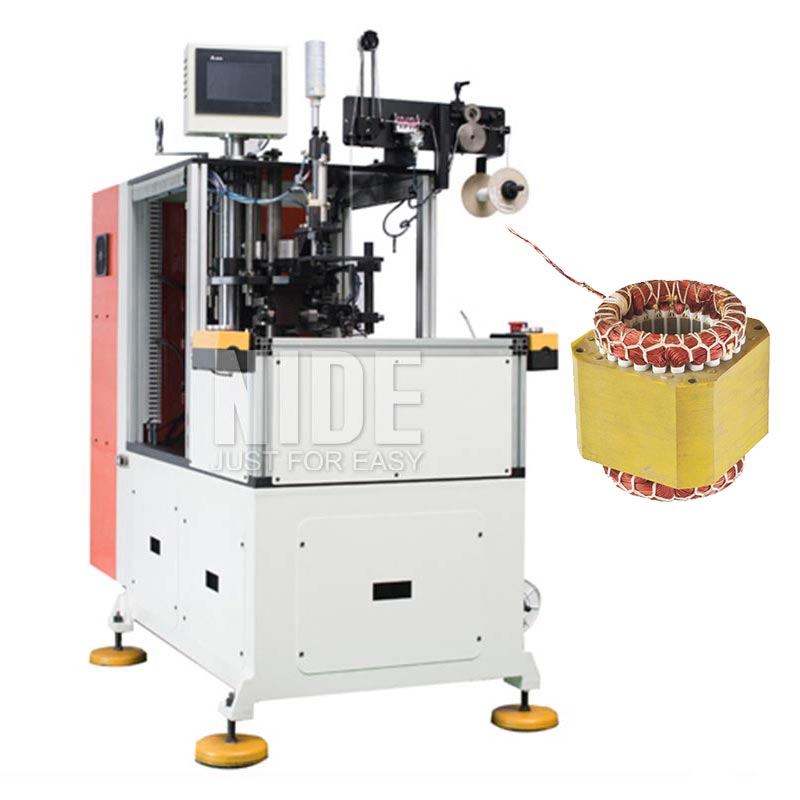
This facilitates closed-loop feedback between rotor balancing stations and upstream armature winding or hairpin twisting lines, pinpointing tool deflection or copper wire inconsistency before out-of-tolerance scrap is produced.
3. Transition to 800V Hairpin E-Mobility Architectures
As vehicle electrification accelerates across the DACH zone, high-voltage hairpin stators and interior permanent magnet (IPM) rotors dominate development cycles. IPM rotors present non-uniform radial mass configurations due to embedded V- or Delta-shaped neodymium magnets.
Nakro’s multi-station balancing cells integrate automated multi-axis milling units equipped with vacuum swarf extraction, ensuring zero metal debris enters magnetic slot cavities during post-assembly mass correction.
4. Carbon Footprint Auditing & Energy Efficiency
Under Austrian energy transition policies, factory equipment must demonstrate verifiable energy efficiency. Nakro machines utilize regenerative variable frequency drives (VFDs) that return deceleration kinetic energy back to the local line grid rather than dissipating it across resistive thermal banks, lowering annual operational expenditure.
Pneumatic manifolds utilize proportional digital pressure regulators, minimizing compressed air consumption during clamping, indexing, and ejection phases.
Turnkey Machine Manufacturing Capability & Quality Governance
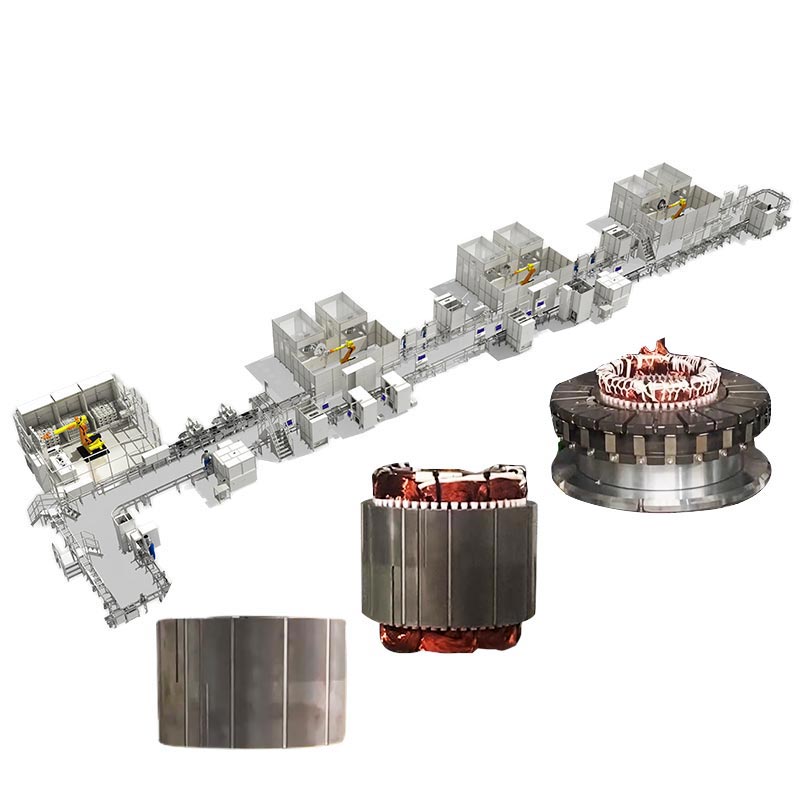
Founded in 2010 in Ningbo, Zhejiang, Ningbo Nakro Intelligent Equipment Co., Ltd. has developed into a premier designer and manufacturer of armature production machinery, stator winding cells, and end-to-end motor assembly lines. Operating out of a modernized manufacturing facility spanning over 30,000 m², our engineering staff of 101–200 specialists maintains full in-house command over mechanical design, precision CNC machining, control panel assembly, and optical software coding.
ISO 9001 Audited Factory
Certified quality management system overseeing all aspects from raw cold-rolled steel inspection to finished line FAT run-off trials.
13+ Years Export Track Record
Over a decade exporting dynamic equipment across 50+ nations with active post-commissioning partnerships across Europe.
End-to-End Component Sourcing
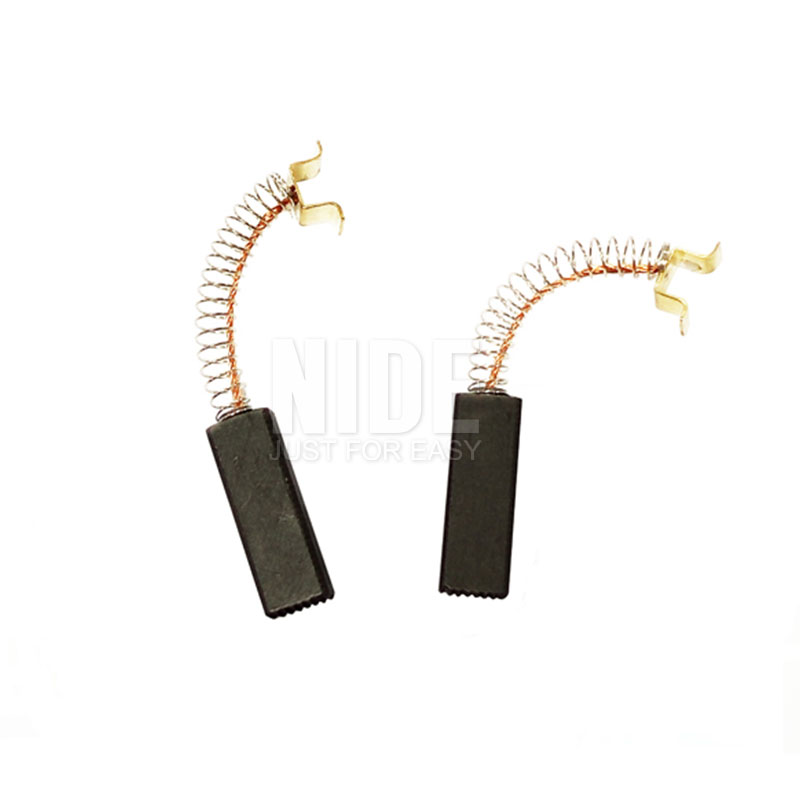
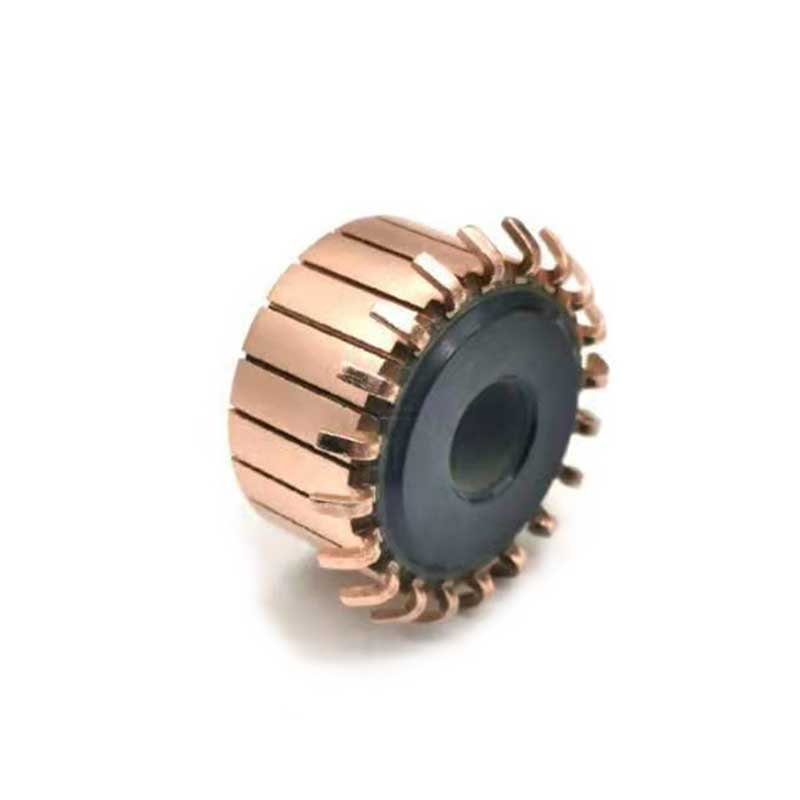
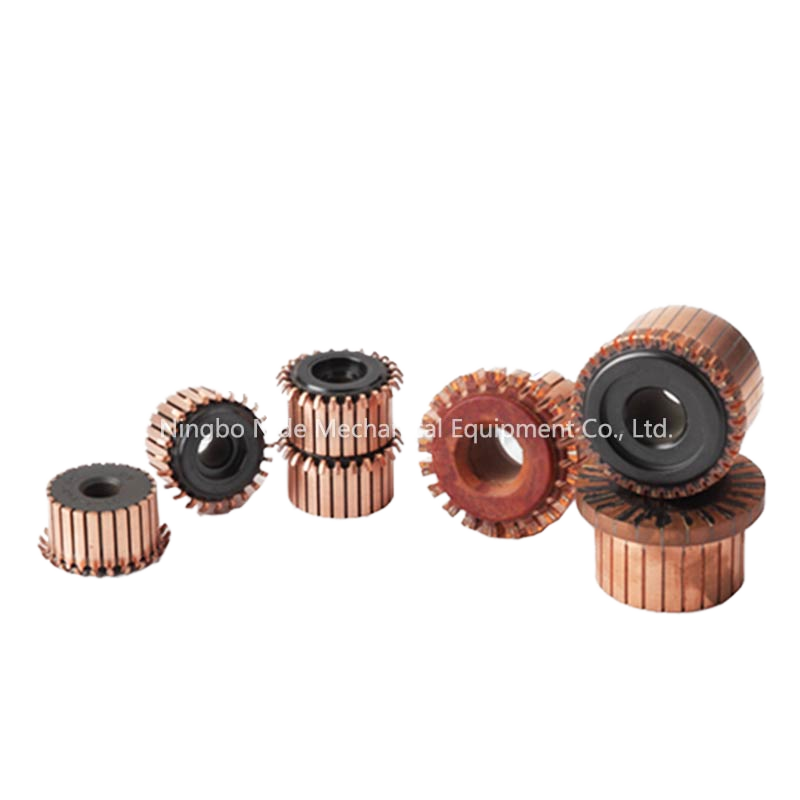
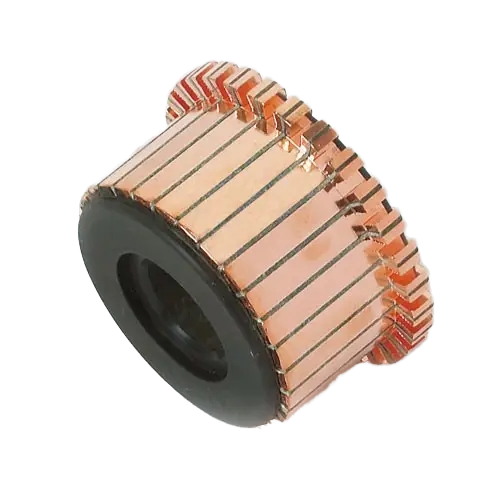
We supply matched auxiliary parts: precision commutators, electrical carbon brushes, insulation paper, shafts, and motor fans.
Before any machinery departs for the European Union, it is subjected to our proprietary Six-Stage Factory Acceptance Protocol (FAT). We load customer-supplied Austrian lamination stacks, magnet assemblies, and magnet wire to execute uninterrupted 500-part verification runs. Statistical process capability indices ($C_p$ and $C_{pk}$) are rigorously mapped, ensuring balancing repeatability, surface run-out tolerances, and cycle-time benchmarks are thoroughly validated on video and witnessed in person before customs container sealing.
Frequently Asked Questions for Austrian Technical Buyers
Clear, definitive answers covering electrical requirements, conformity declarations, mechanical interfacing, and logistics into Salzburg and greater Austria.
Ready to Optimize Dynamic Balancing Precision in Your Production Facility?
Connect with Ningbo Nakro’s senior process engineering team. Share your motor rotor drawings, stack specifications, target cycle times, and balancing grade requirements. Our application engineering department will generate a comprehensive technical proposal, cell footprint layout, and quotation within 24 business hours.
Contact Us