High-Precision Rotor & Stator Assembly Solutions
Engineered for high thermal tolerance, slot-fill density, dynamic stability (ISO G2.5/G1.0), and continuous operation in demanding agro-industrial environments.
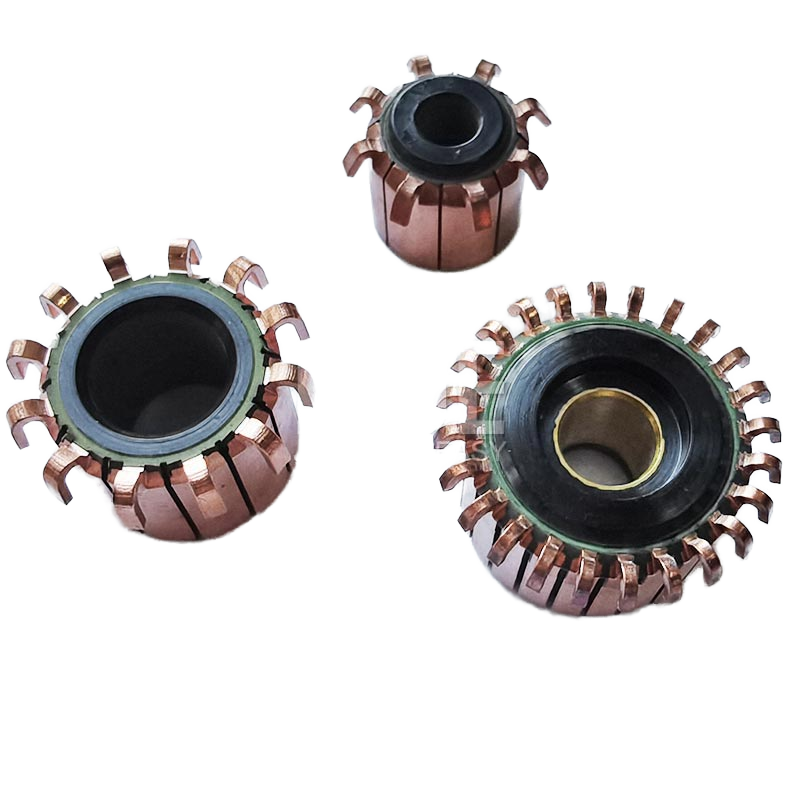
Universal DC Motor Armature Hook Commutator Part NDPJ-HXQ-183
- High-grade silver-copper alloy segments
- Dielectric mica sheet insulation >500V
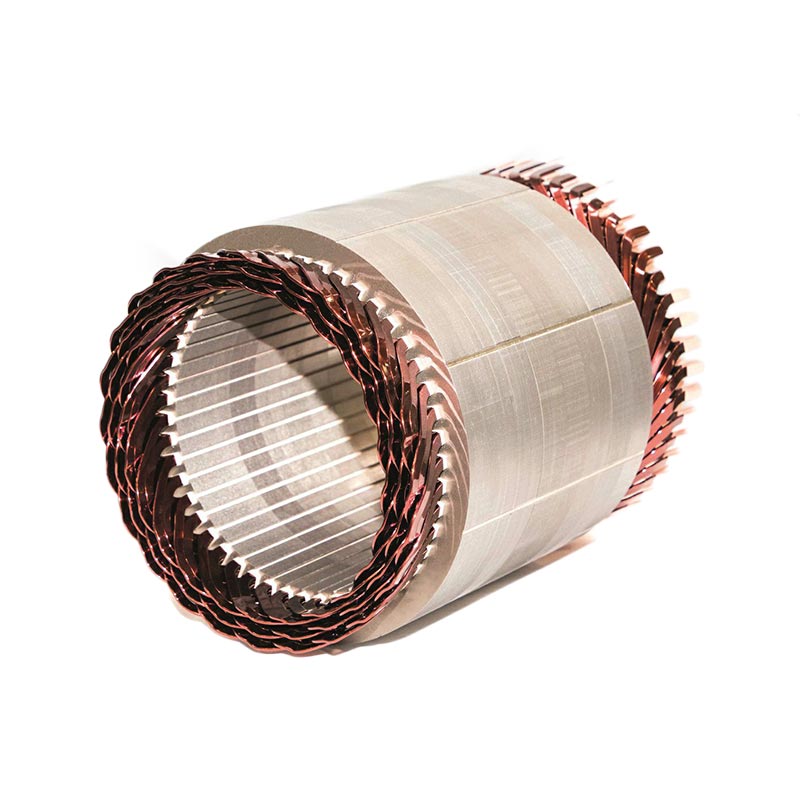
Fully Automatic Hairpin Motor Stator Production Line
- High slot-fill density exceeding 73%
- CNC bending, twisting & laser welding

Automatic Single Phase Motor Stator Coil Insertion Machine
- Simultaneous coil & wedge insertion
- CE Certified Mitsubishi/Siemens PLC

PLC-Controlled BLDC Motor Rotor Magnet Inserting Machine
- Multi-axis servo polarity verification
- Automated dispensing & insertion cycle
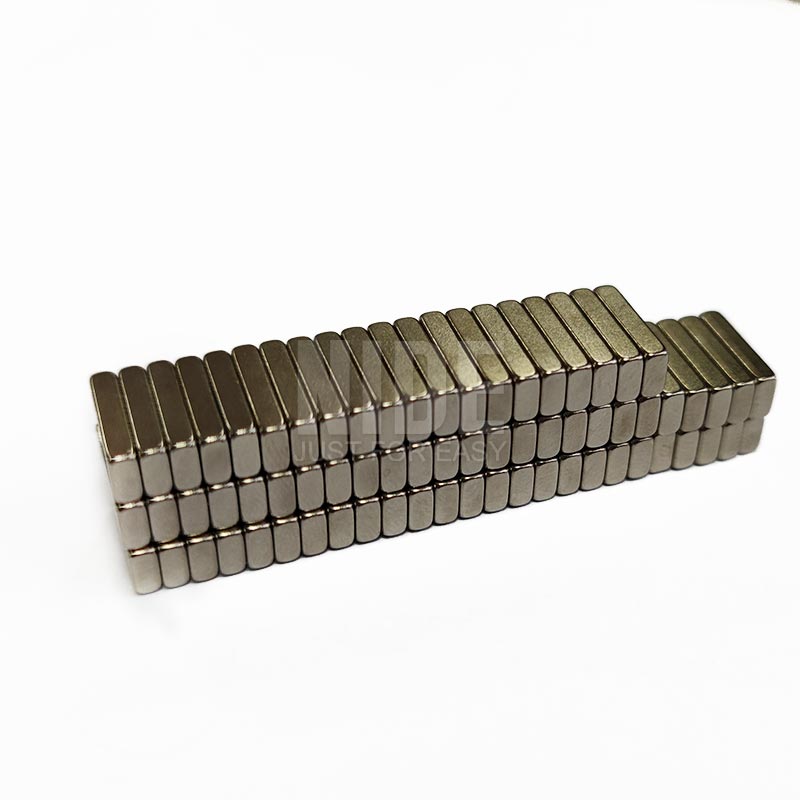
N52 Neodymium Rare Earth Block Magnet NDPJ-CW-61
- High remanence (Br) & coercive force
- Triple Ni-Cu-Ni corrosion barrier
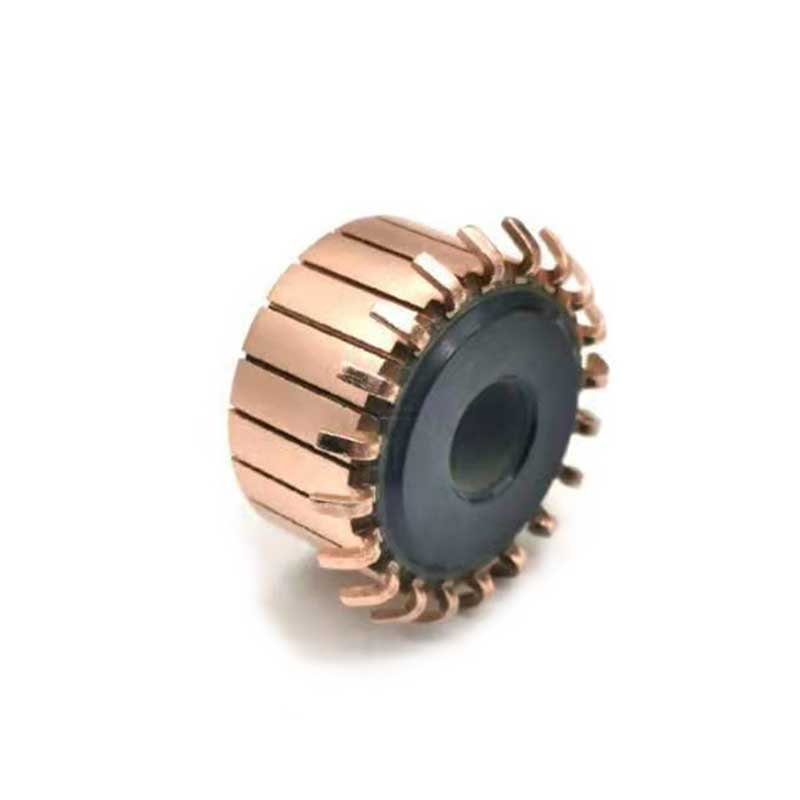
Radiator Cooling Fan Motor Armature Hook Commutator
- Oxygen-free high-conductivity copper
- Reinforced molded phenolic resin base

Automatic Armature Rotor Hot Chamber Die Casting Machine
- Molten aluminum squirrel-cage casting
- Real-time injection pressure monitoring
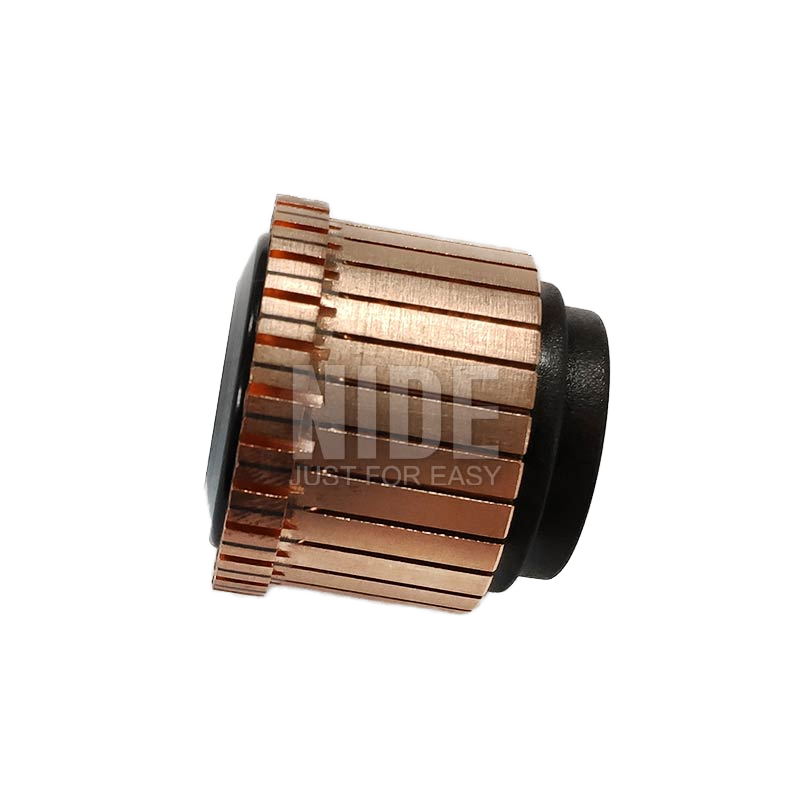
AC Motor Armature Mica Commutator Segment NDPJ-HXQ-101
- High-speed centrifugal bar lock ring
- CCC & ISO 9001 quality verified
Rotor Assembly Engineering Architecture: Tolerances, Metallurgy, and High-Throughput Automation
In modern electro-mechanical machine manufacturing, the electric motor rotor is subject to extreme mechanical shear stress, electromagnetic excitation, thermal expansion cycles, and centrifugal forces. Building precision rotors requires an integrated manufacturing cell capable of maintaining micro-inch geometric concentricity, total indicator reading (TIR) runout below 0.005 mm, and residual dynamic unbalance conforming to ISO 1940-1 Grade G2.5 or G1.0. For engineering enterprises and regional repair depots operating within the Province of Camagüey, the procurement of rotor assembly equipment represents a critical technological transition: bridging legacy mechanical overhauls with high-efficiency, digitally controlled manufacturing.
The production cycle of squirrel-cage induction rotors, wound armatures, and interior permanent magnet (IPM/BLDC) rotors requires distinct, highly specialized mechanical sequencing. A baseline automated rotor assembly cell incorporates four indispensable metallurgical and mechanical disciplines:
Shaft-to-Core Thermal Interference Assembly
Hydraulic servo-controlled press fitting utilizing induction thermal expansion (180°C to 240°C). Guarantees zero axial displacement and prevents lamination tooth flaring during torsional peak torque spikes.
Automated Magnet Insertion & Retention
Multi-station robotic insertion cells for rare-earth N52 neodymium or ferrite magnets into skewed rotor laminations, paired with vacuum anaerobic resin dispensing and UV curing to counter high centrifugal detachment.
Two-Plane Dynamic Balancing (VSR)
Vertical and horizontal soft-bearing balancing instrumentation featuring automated dual-spindle milling or drilling de-weighting units. Corrects dynamic eccentricity within 0.05 g·mm tolerance bands automatically.
Technical Specifications Matrix for Rotor Manufacturing Lines
Specifying machinery for regional capital goods refurbishment or original equipment manufacturing lines demands comprehensive evaluation of electrical line voltages, cycle rates, dimensional stack envelope, and PLC closed-loop architectures. The parameters below reflect current enterprise-grade rotor assembly systems:
| Assembly Station Module | Core Mechanical Function | Dimensional / Speed Envelope | Repeatable Tolerance Band | Standard Control System |
|---|---|---|---|---|
| Lamination Skew & Stacking Press | Hydraulic alignment & interlock compaction | OD: Ø20mm – Ø320mm; Stack: up to 500mm | Interlock force: ±1.5% repeatability | Siemens S7-1500 / Delta HMI |
| Aluminum Die-Casting (Hot Chamber) | Liquid conductor bar & end-ring casting | Injection shot capacity: 0.5kg – 12.0kg | Porosity index: < 1.2% volumetric | Closed-loop hydraulic PID |
| Automatic Shaft Press & Knurling | Interference shaft insertion & runout gauge | Shaft length: 80mm – 950mm | Coaxiality / TIR < 0.005mm | Kistler load cell monitoring |
| BLDC Magnet Insertion & Epoxying | Servo linear slot feed & polarity check | 4 to 48 pole interior/surface configurations | Pole placement angular error < 0.02° | Keyence Vision + Omron PLC |
| Dynamic Dual-Plane Balancing | Automated centrifugal de-weighting | Rotors 0.1kg up to 250kg; up to 5000 RPM | ISO 1940-1 Grade G1.0 (<0.5 g·mm/kg) | Industrial PC + FFT Spectral Analyzer |
| Commutator Diamond Turning Lathe | Ultra-precision commutator copper skiving | Armature speed: 1,500 – 6,000 RPM | Roundness / bar-to-bar step < 0.0015mm | Air-bearing spindle / CNC slide |
Localized Industrial Application Scenarios Across Camagüey
Camagüey stands as the agricultural, cattle-rearing, and industrial transportation backbone of central-eastern Cuba. Extending from the massive agro-industrial sugar milling complexes (*Centrales Azucareros*) across the plains of Florida, Carlos Manuel de Céspedes, and Vertientes to the heavy railway maintenance centers and port terminals of Nuevitas, the operating conditions for electric rotating equipment are exceptionally demanding. Electric motors operating across Camagüey are subject to continuous ambient temperatures above 35°C, high relative humidity (often exceeding 85%), ambient abrasive bagasse and mineral dust, and frequent grid electrical transients.
Sugarcane Milling & Bagasse Handling
Heavy-duty wound-rotor induction motors and slip-ring rotors powering cane shredders, roller drives, and induced draft boiler fans in the Siboney and Batalla de las Guásimas sugar mills.
Dairy & Agro-Food Processing Plants
Centrifugal pumps, pasteurizer homogenizers, and refrigeration compressor motors at the Camagüey Dairy Complex (*Combinado Lácteo*) requiring stainless-shaft, hermetic, explosion-proof rotors.
Rail Transport Workshops (Ferrocarriles)
Heavy DC traction motor armatures and alternator exciters serviced at Camagüey's central locomotive workshops, demanding heavy commutator profiling and precision dynamic balancing.
Nuevitas Petrochemical & Fertilizer Lines
Corrosive-gas atmosphere fan and blower motors at the Revolution Fertilizers plant, demanding anti-corrosive epoxy encasement and vacuum pressure impregnated (VPI) squirrel cages.
Deep-Well Agricultural Irrigation
Submersible pump motors across the cattle plains requiring automated shaft-seal burnishing, moisture-barrier end rings, and low-friction balanced cylindrical rotors for continuous duty.
Distributed Solar & Microgrid Pumping
Transition from antiquated three-phase induction machinery to high-efficiency Brushless DC (BLDC) and Permanent Magnet Synchronous Motors (PMSM) for resilient off-grid agrarian irrigation.
Because importing completely assembled heavy-frame electric motors presents substantial supply chain lead times and capital expenditure barriers, regional industrial maintenance enterprises in Camagüey prioritize machinery that allows in-situ re-manufacturing, rewinding, re-shafting, and dynamic re-balancing. Integrating semi-automated assembly fixtures—such as hydraulic shaft extractors, computerized dynamic balancers, and commutator diamond undercutting workstations—directly rejuvenates the operational lifespan of vital municipal and agricultural equipment across the Camagüey-Ciego de Ávila industrial corridor.
Regional Modernization Trends: Transitioning to IE3/IE4 and BLDC Topologies
Industrial electrification across Cuba is undergoing a concerted modernization drive guided by national energy conservation imperatives. Inefficient standard motors (historical Soviet-standard GOST or early NEMA/IEC designs with efficiencies below IE1 standards) consume excessive reactive power and generate high parasitic heat. The transition strategy focuses on three tangible engineering developments:
1. Direct Retrofitting to Premium Efficiency (IE3) Induction Rotors
Standard die-cast aluminum rotors exhibit inherent I²R conductor bar losses. Modern rotor manufacturing cells introduce high-pressure vacuum die-casting or fabricated copper rotor bars. Copper possesses nearly 60% higher electrical conductivity than aluminum, resulting in a dramatic drop in rotor slip, operating temperatures dropping by 15°C to 25°C, and overall motor efficiency shifting into the IE3/IE4 regime.
2. Permanent Magnet Rotor Adaptation for Agrarian Water Pumping
Throughout Camagüey's agricultural water distribution networks, deep-well pumping installations are converting to solar-direct photovoltaic variable speed drives. Surface-mounted permanent magnet (SPM) and internal permanent magnet (IPM) rotors utilize high-coercivity N48 or N52 neodymium block magnets. Automated magnet inserting and wrapping machinery prevents pole detachment under variable frequency torque surges, achieving conversion efficiencies above 92% across broad load profiles.
3. Tropicalized Environmental Armor & Insulation Upgrades
Thermal cycling under humid, salt-laden Caribbean air currents accelerates inter-laminar core corrosion and insulation breakdown. Leading rotor assembly practices integrate Class H (180°C) and Class C (200°C+) slot liners, synthetic polyimide tape binding, and automated trickle-varnishing. Applying anti-fungal epoxy resins and ceramic shaft sleeve coatings preserves runout tolerances and prevents shaft journal fretting under hostile climatic exposures.
Enterprise Strengths & Turnkey Manufacturing Capabilities
Ningbo Nakro Intelligent Equipment Co., Ltd. (operating in technical synergy with premier motor machinery brands like NIDE) delivers over 14 years of dedicated engineering expertise in electric motor production lines. With over 30,000 to 50,000 m² of modern manufacturing infrastructure, ISO 9001 quality management system certification, and verified export deployments spanning more than 50 countries, we provide complete, turnkey engineering capabilities from component fabrication to fully automated assembly cells.
Complete Turnkey Ecosystem
From initial lamination die-stamping to automated shaft-press, coil winding, commutator hook welding, hot-chamber casting, and end-of-line dynamic balancing.
- Customized line cycle-time optimization
- Fully automated or semi-automatic standalone cells
- Complete motor component supply (bearings, magnets, commutators)
Rigorous 6-Stage QC Inspection
Every piece of machinery passes strict electrical cabinet testing, precision tool dimension verification, and multi-hour continuous run-off validation prior to crating.
- Factory acceptance trials using client core & wire samples
- CE certified safety interlocks & PLC architecture
- Full video run-off documentation and inspection sign-off
Global Engineering Support
Experienced technical teams providing overseas line commissioning, specialized operator training, remote diagnostics, and lifecycle spare parts supply.
- Tailored voltage engineering (440V/60Hz, 220V/60Hz, 380V/50Hz)
- Robust seaworthy moisture-barrier packaging
- Flexible international trade terms: FOB, CFR, CIF
Procurement & Engineering FAQ for Camagüey Industrialists
Common technical, electrical, and commercial queries addressed by our sales engineering team for buyers, plant managers, and equipment maintenance authorities in Central Cuba.
How are machines configured to match Cuban industrial electrical standards (440V/60Hz and 220V/60Hz)?
Can a single rotor dynamic balancing machine handle both small agricultural pump rotors and heavy sugar mill armatures?
What equipment is recommended for repairing worn rotor shafts in regional maintenance workshops?
How are rare-earth N52 neodymium magnets safeguarded against demagnetization in tropical climates?
What is the lead time, shipping logistics, and packaging protection for maritime delivery to Cuba?
How does the factory support installation, commissioning, and technician training remotely or on-site?
Modernize Your Electric Motor & Rotor Assembly Infrastructure
Consult with our senior sales engineering team today to review your motor drawings, target production volume, and technical specifications. We provide complete process layout proposals, tooling design, and factory-direct quotations.
