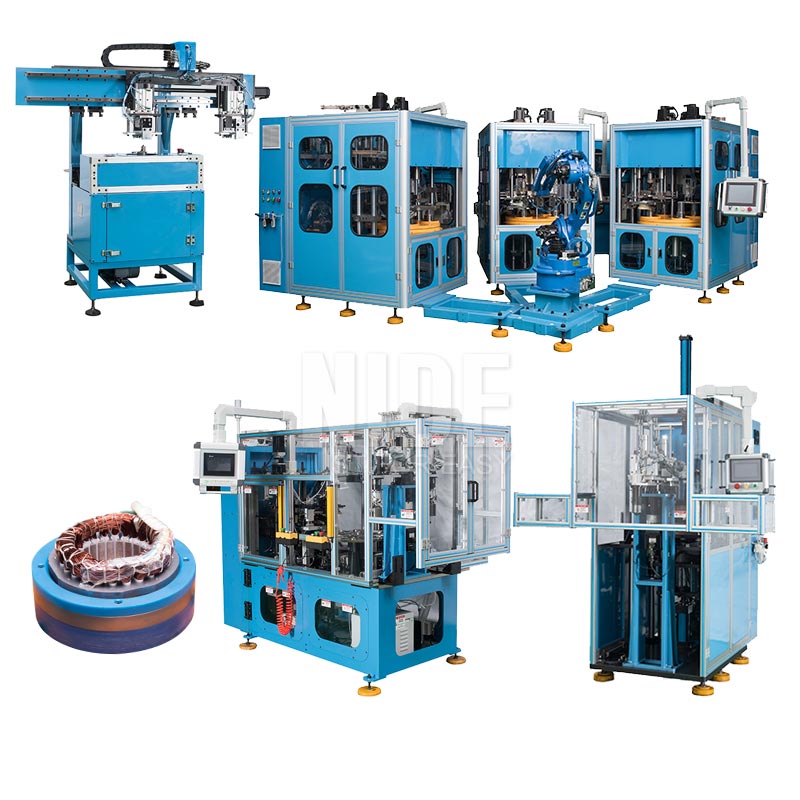
In modern electromechanical manufacturing, transitioning from semi-manual assembly cells to a fully integrated AC Motor Production Line represents a monumental leap in product yield, electrical reliability, and unit cost minimization. Standard squirrel-cage alternating current induction motors, fractional-horsepower brushless permanent magnet alternating current (PMAC) drives, and emerging high-voltage traction units demand strict metallurgical tolerances and micron-level winding discipline. Modern facilities in Alajuela, Costa Rica, operating under strict international export requirements, cannot tolerate winding insulation micro-fractures, partial discharges, or unvetted rotor imbalances.
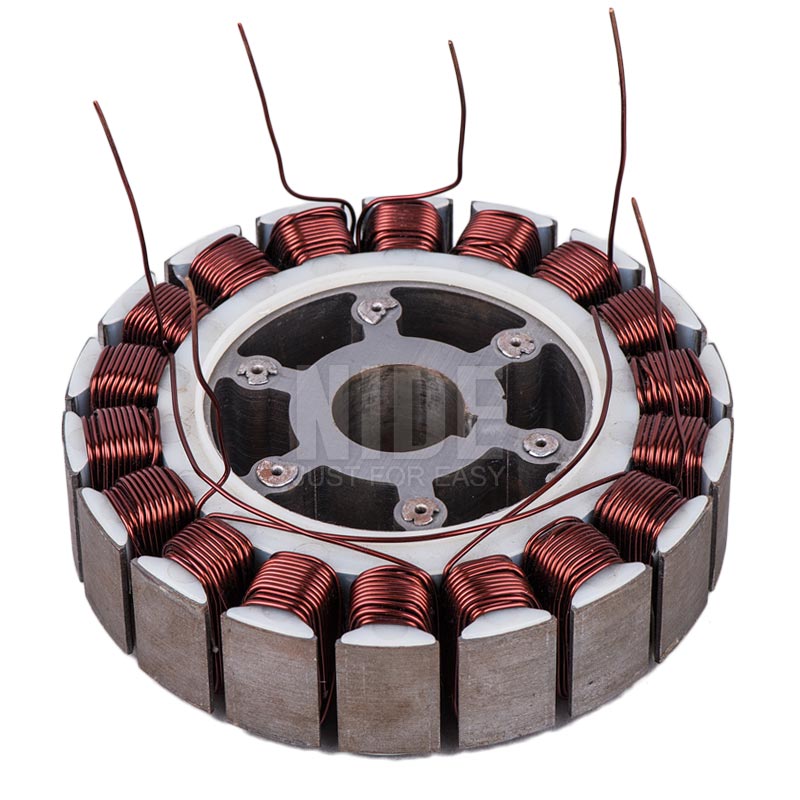
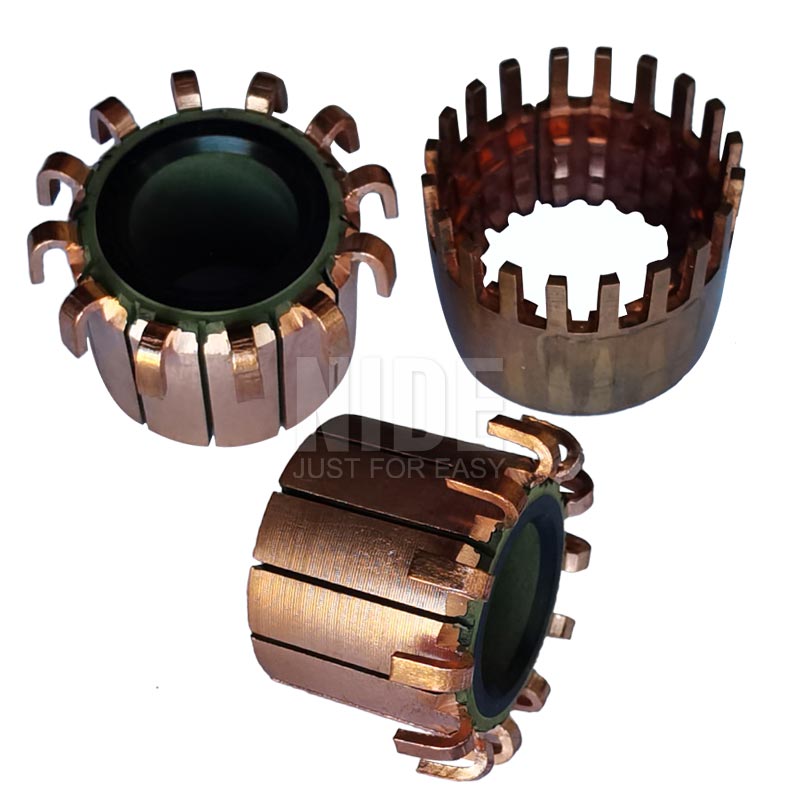
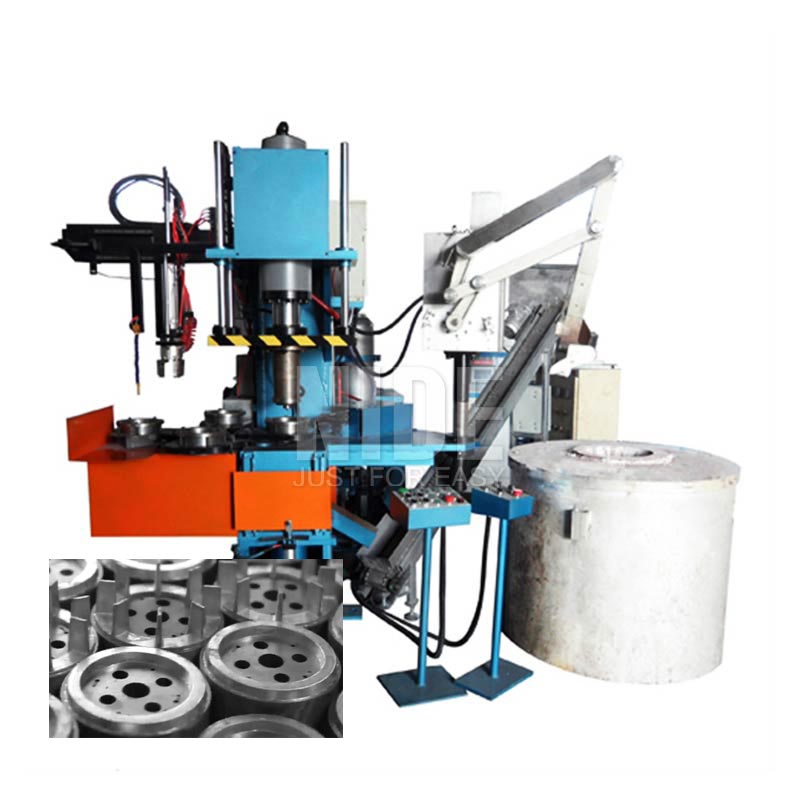
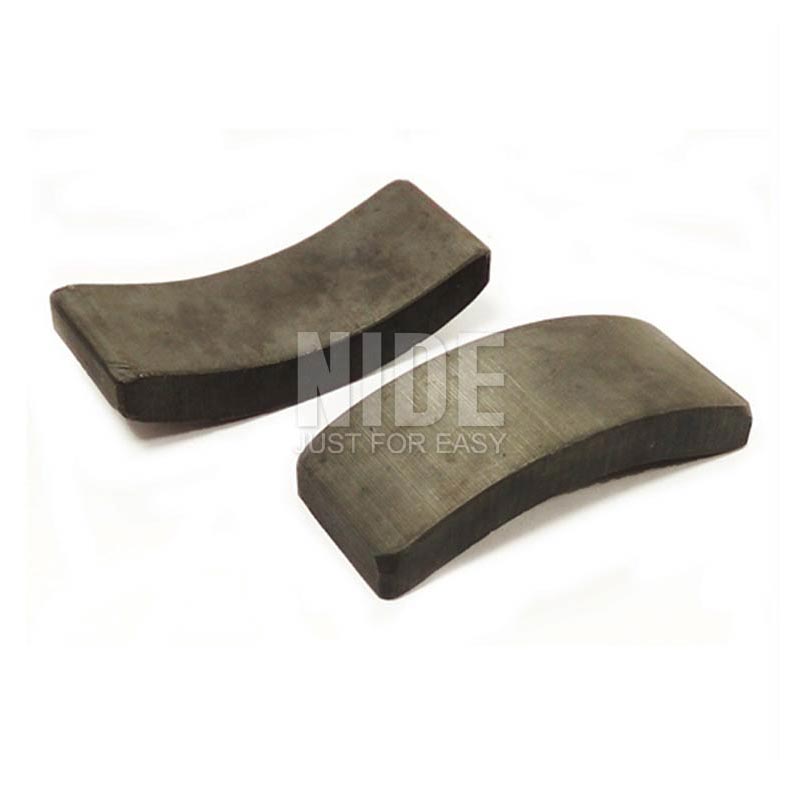
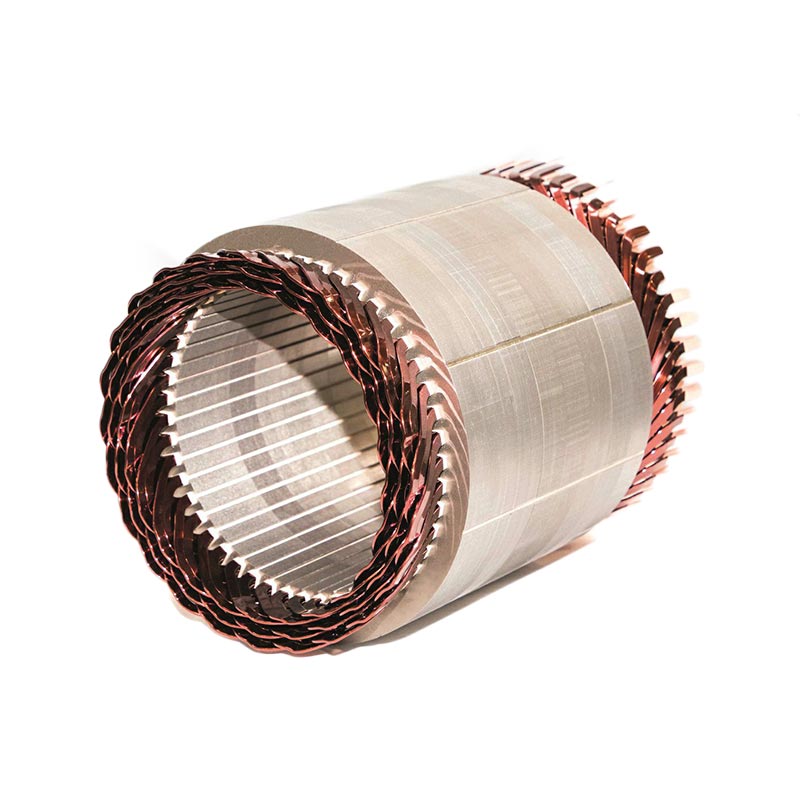
Our OEM and ODM turnkey solutions are engineered with dedicated modular architectures, spanning four primary assembly segments: stator lamination stack preparation and slot cell paper insertion; programmable multi-spindle coil winding and slot wedge insertion; rotor processing featuring automatic hot-chamber aluminum/copper die casting or high-precision permanent magnet placement; and automated end-of-line (EOL) electrical testing verified to IEC 60034-2-1 and IEEE 112 standards. By coupling heavy-duty mechanical rigidity with high-speed multi-axis servomotor kinematics, Nakro systems achieve slot fill ratios exceeding 78% while eliminating coil deformation risks.
Furthermore, each production station incorporates integrated Industrial Internet of Things (IIoT) sensors communicating through fieldbus industrial protocols (Profinet, EtherCAT, and Modbus TCP). This telemetry feeds complete operational datasets—such as wire elongation percentage, mechanical winding tension (±0.05 N), lamination clamping tonnage, varnish penetration depth, and dynamic rotor balancing parameters—directly into local Supervisory Control and Data Acquisition (SCADA) systems and enterprise Resource Planning (ERP) platforms. For contract manufacturers in Costa Rica serving global aerospace, medical technology, and electric utility sectors, this level of deterministic traceability guarantees compliance with strict audit mandates.