Motor Testing Equipment Manufacturers & Exporters for Korea
Precision Automated Inspection, Stator Run-Off Systems, and Turnkey Verification Solutions Engineered for South Korea's High-Efficiency EV Powertrains and Industrial Automation.
Advanced Testing Systems & Certified Assembly Machinery
Engineered to meet KS C IEC standards, featuring CE and CCC-certified architectures with micro-ohm accuracy for end-of-line verification and automated stator assembly.
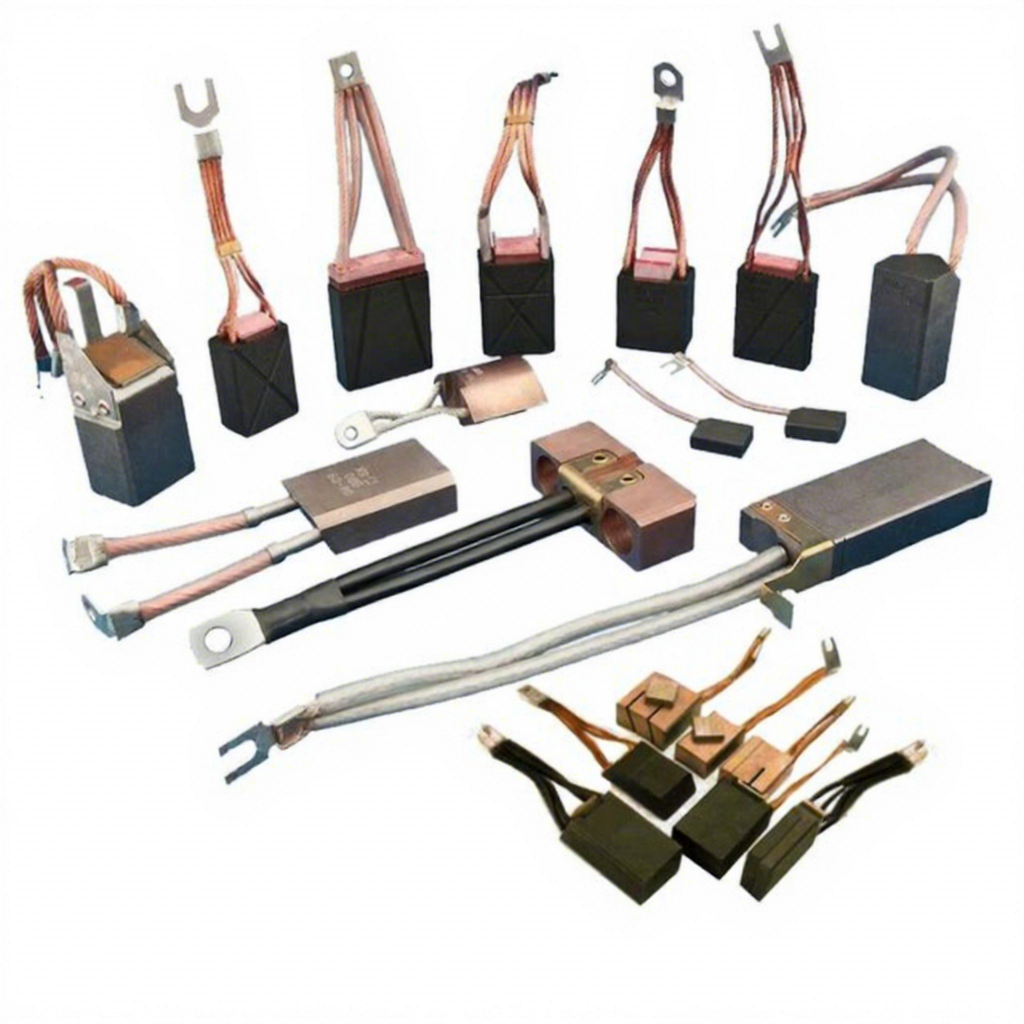
Precision-grade carbon brush contacts calibrated for 80-120V excitation circuits. Ideal for starter motor life-cycle test cells and alternator wear verification in automotive labs.
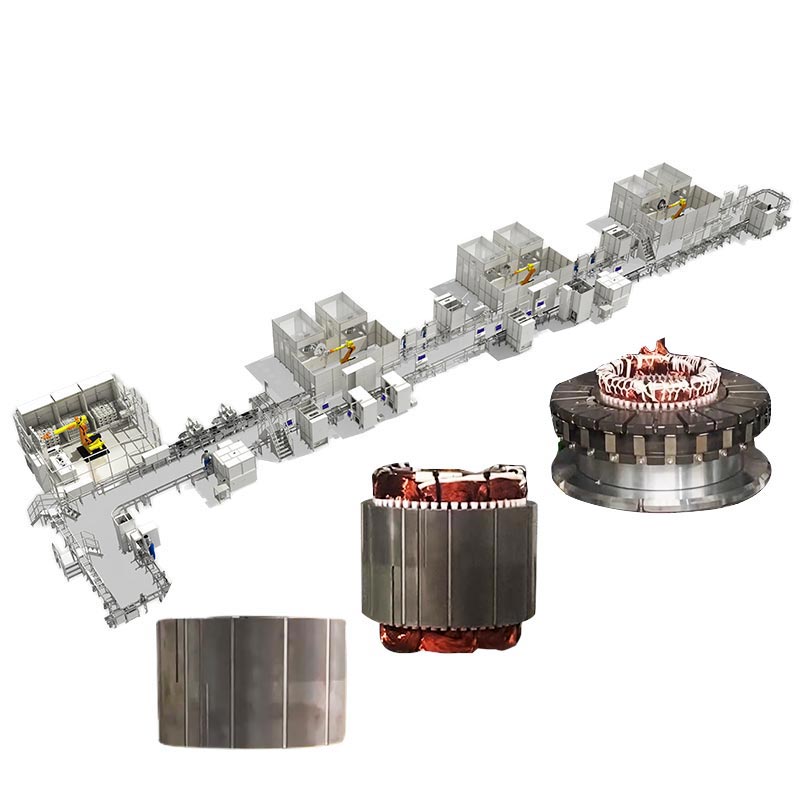
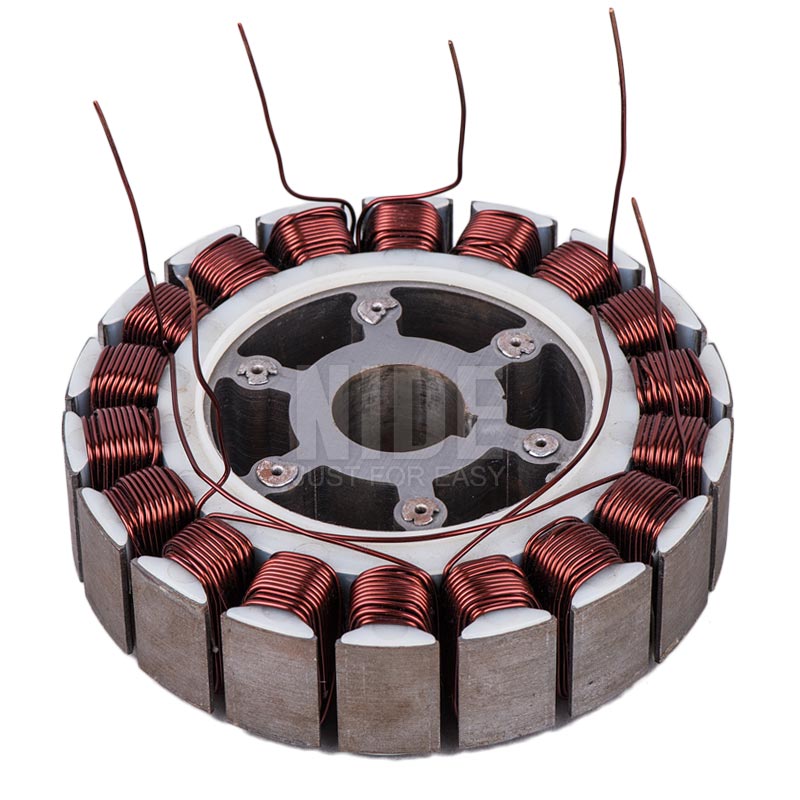
Turnkey flat-wire manufacturing system integrated with real-time partial discharge (PD) testing, 3D laser weld inspection, and surge margin validation for Korean EV Tier-1 plants.
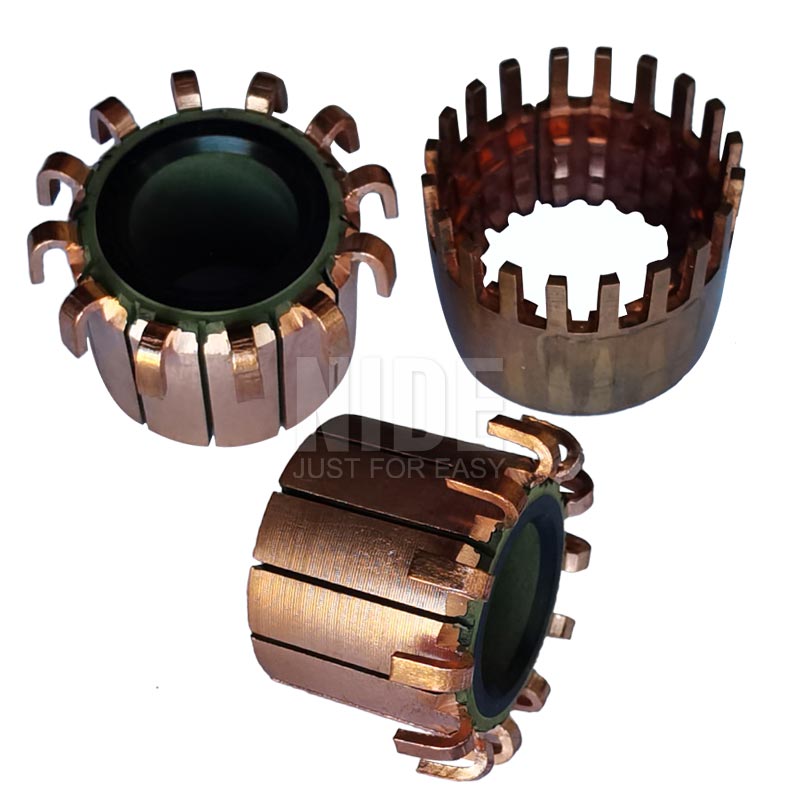
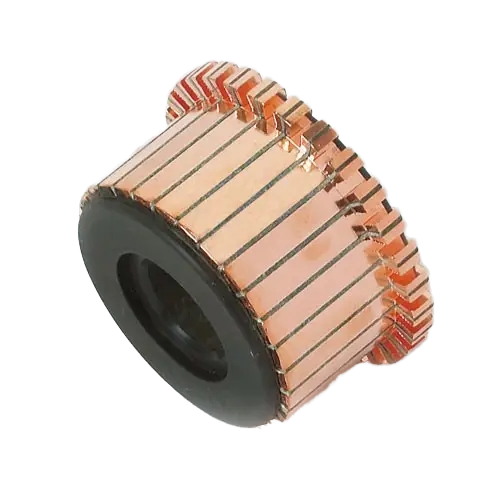
Dynamic balance and overspeed runout certified commutator modules. Engineered for commercial treadmill motors and industrial variable speed drives subject to heavy thermal cycling.
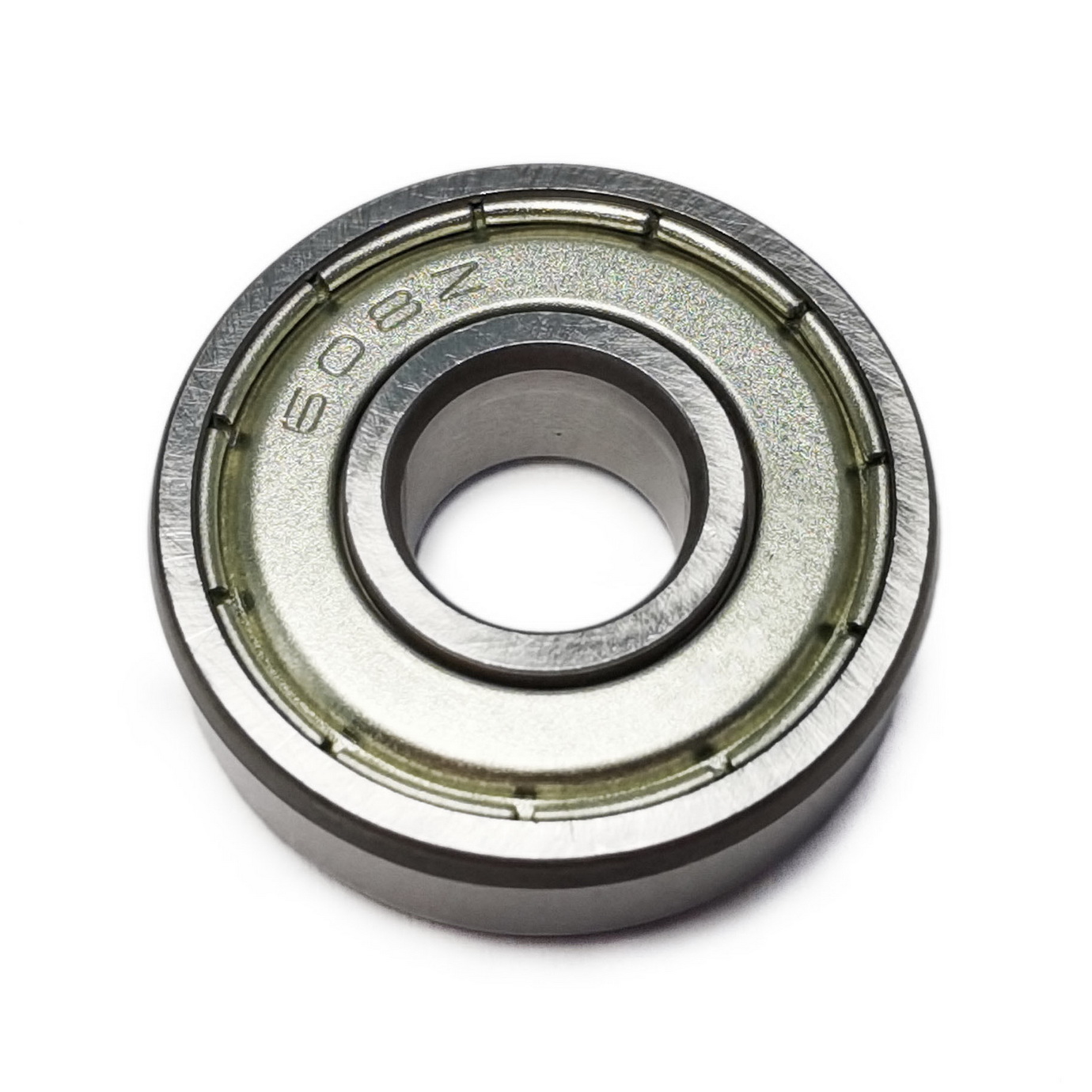
Ultra-low NVH rated 608ZZ bearing systems designed for high-RPM motor testing rigs, NVH diagnostic cells, and precision medical micro-actuators meeting strict torque ripple tolerances.
Precision dual-flyer winding machine with closed-loop tension control. Includes active winding parameter logging and inter-turn short test interfacing for robotics and personal mobility.
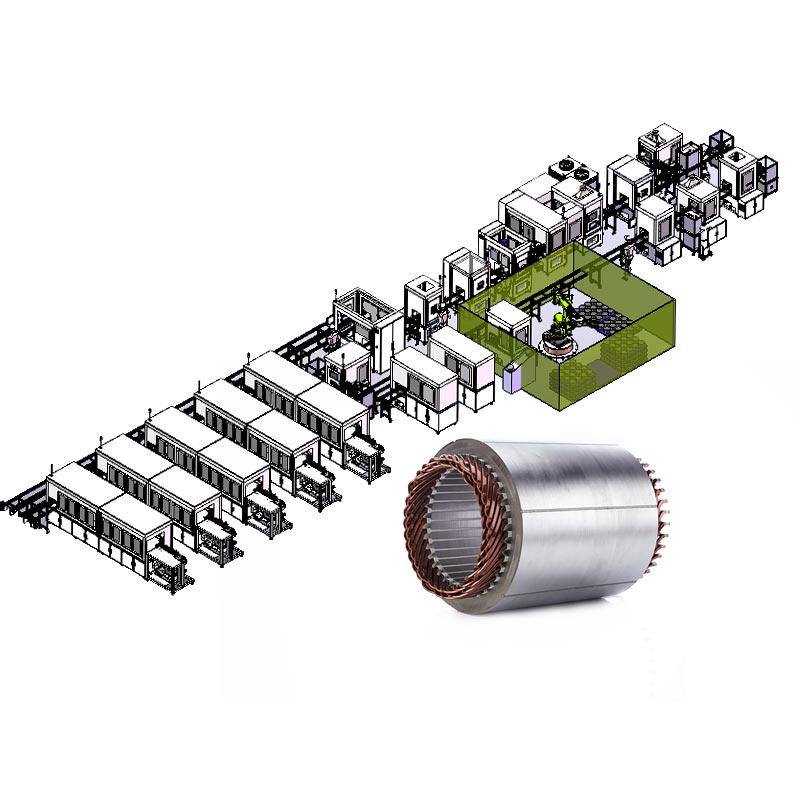
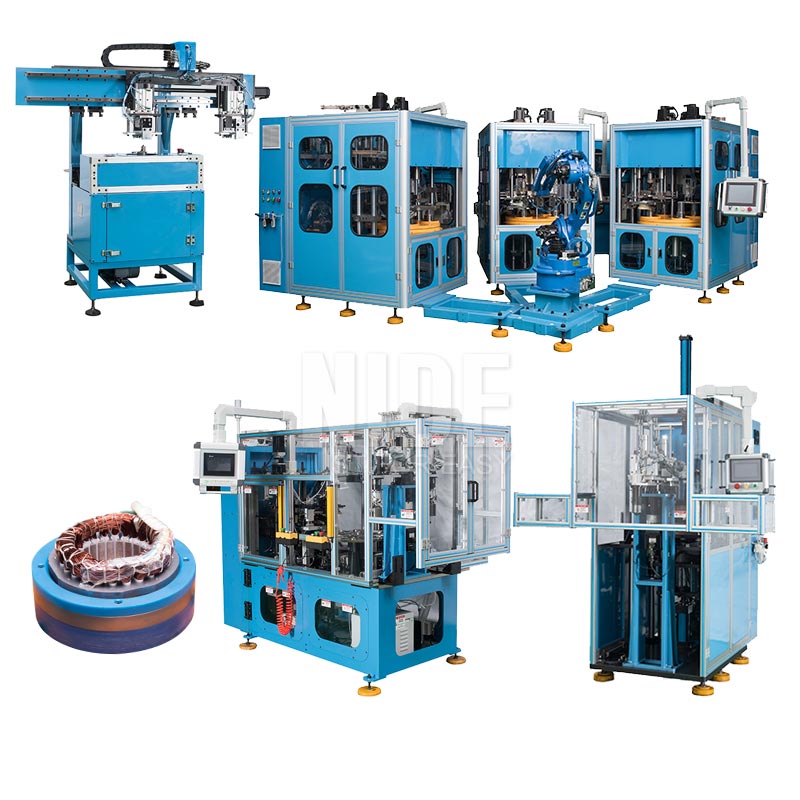
Flexible stator manufacturing and end-of-line station. Incorporates automatic wedge insertion, coil expansion forming, and integrated surge, DC resistance, and hipot test routines.
2010
Founded with Technical Leadership
50+
Export Destination Countries
30,000+
m² State-of-the-Art Factory Floor
13+
Years of Dedicated Export Engineering
Engineering Precision: Next-Generation Motor Testing for South Korea
A technical guide on mitigating corona discharge, ensuring high NVH standards, and meeting South Korea’s rigorous EV drivetrain and smart-factory criteria.
"South Korea’s transition to 800V silicon carbide (SiC) high-frequency traction inverters demands a fundamental shift in motor validation. Traditional low-voltage dielectric testing no longer suffices; automated partial discharge (PD) extinction screening and high-frequency surge testing are now imperative to prevent premature breakdown."
As South Korea strengthens its position as a global leader in electric mobility, consumer electronics, and high-precision robotics, Tier-1 and Tier-2 motor manufacturers in industrial epicenters like Gyeonggi-do, Ulsan, Changwon, and Incheon face stringent quality mandates. Modern production environments require automated motor testing equipment capable of executing sub-milliohm DC resistance measurements, megavolt-level isolation diagnostics, and precision mechanical run-out checks within fractions of a second.
Ningbo Nakro Intelligent Equipment delivers integrated electrical and mechanical verification systems designed to address these technical hurdles. By embedding multi-channel digital signal processors (DSP), micro-ohm 4-wire Kelvin bridge testing, and high-voltage surge impulse analysis directly into winding and stator assembly machines, we ensure zero-defect escape rates for demanding Korean manufacturers.
Targeted Industrial Applications Across South Korea
Customized motor test rigs, inline dynamometers, and stator assembly inspection lines tailored to South Korea's high-tech manufacturing ecosystems.
Automotive EV & HEV Traction Powertrains
Tailored for high-density 400V/800V hairpin stators used across the Korean electric vehicle supply chain. Features high-speed dielectric insulation checking, inter-turn impulse testing, and weld nugget thermal resistance inspection.
Repetitive Surge & Hi-Pot Verification
Inline Partial Discharge (PD) Inception
Back-EMF & Resolver Angle Mapping
Robotics & Collaborative Servo Actuators
Servicing robotic system builders in Incheon and Suwon. Focused on cogging torque characterization, torque ripple minimization, and ultra-precise Hall sensor alignment for frameless BLDC motors.
Micro-Radian Cogging Torque Profiling
Ultra-Low NVH Acoustic Screening
Phase-to-Phase Balance Diagnosis
Premium Smart Home Appliance Motors
Engineered for hermetic compressors, direct-drive washers, and inverter AC systems. Provides high-throughput automation verifying single-phase and BLDC winding integrity, insulation, and dynamic noise.
Rapid Multi-Station Winding Insulation Check
Wedge Retention and Slot Safety Factors
Full Integration with MES/SCADA Architecture
Technological Convergence in the Korean Motor Industry
Three pivotal architectural trends reshaping equipment selection, compliance requirements, and test cell integration in South Korea.
Wide-Bandgap (SiC/GaN) Insulation Stress
With domestic inverter architectures adopting SiC semiconductors, high dv/dt switching transients subject stator insulation to severe voltage spikes. Modern Korean procurement mandates that testing rigs implement surge testing with steep rise times (down to 100ns) to identify micro-defects before field deployment.
Industry 4.0 MES/Smart Factory Mandates
Driven by Korean government-subsidized Smart Factory initiatives, standalone testers are no longer acceptable. Every test unit must integrate OPC-UA, MQTT, or SECS/GEM industrial protocols, streaming parameter waveforms directly into corporate MES platforms for end-to-end component traceability.
Acoustic Resonance & Psychoacoustic NVH
Consumer expectations for electric cabins require near-silent motor operation. Testing regimes have shifted from basic vibration levels to FFT-based acoustic psychoacoustic sound-power mapping, identifying modal excitation and stator eccentricity immediately after rotor insertion.
Why South Korean Manufacturers Partner with Nakro
Combining 14+ years of specialized motor manufacturing engineering with agile custom tooling, robust credentials, and factory-verified reliability.
Complete Turnkey Integration
From single diagnostic test benches to fully automated stator manufacturing, needle winding, and assembly lines, we eliminate interoperability risks between mechanical tooling and electrical test stations.
ISO 9001 & Verified Credit
Operate under a verified ISO 9001 quality infrastructure, authenticated onsite by international third-party inspection firms. High credit score index ensuring contractual transparency and zero-risk financial transactions.
Precision In-House R&D
Dedicated engineering teams design customized winding tooling, micro-tolerance inserting fixtures, and contact probes matched exactly to the customer's unique stack height, slot dimensions, and wire cross-sections.
13+ Years Export Experience
Export footprint encompassing more than 50 countries, with established logistical networks and localized service partners offering direct commissioning, remote diagnostic linkups, and localized spare part delivery.
Frequently Asked Questions by Korean Procurement Teams
Detailed technical, compliance, and logistical clarifications for engineering directors and procurement officers importing to South Korea.
Does your motor testing equipment comply with Korea's electrical safety and EMC certifications (KC Mark)?
Yes. All machinery and automated testing systems designed for export to South Korea are built to conform with KS C IEC 60204-1 (Safety of Machinery - Electrical Equipment of Machines) and international CE/EMC directives. We supply full technical documentation, circuit schematics, and isolation test reports necessary for your domestic team to register the equipment under local Korean regulations or KC compliance where applicable.
How do your test cells support partial discharge (PD) testing for high-voltage EV motors?
Our specialized hairpin and traction stator test stations utilize high-frequency digital coupling and ultra-low noise preamplifiers capable of measuring partial discharge inception voltage (PDIV) and extinction voltage (PDEV) under high dv/dt surge pulses. This allows manufacturers to detect sub-millimeter insulation cavities, micro-bubbles in varnish impregnation, and slot liner damage without destructive breakdown.
Can the testing hardware integrate directly into proprietary Korean MES networks?
Absolutely. Our systems feature industrial PLC controllers (Siemens, Mitsubishi, or Omron) paired with dedicated IPC test systems running Windows/Linux environments. Standard interfaces include OPC-UA, Modbus TCP, and TCP/IP sockets, allowing seamless streaming of per-part serial number data, waveform arrays, and pass/fail metrics directly to your MES, SCADA, or cloud ERP.
How is pre-shipment acceptance testing (FAT) conducted for overseas Korean buyers?
Prior to dispatch, we conduct a comprehensive Factory Acceptance Test (FAT). Korean engineering teams may ship stator/rotor samples and lamination batches directly to our facility for run-off trials. We perform continuous automated validation, provide video run-off records, high-resolution sensor logs, and dimensional CPK reports. Alternatively, we support live remote video FAT sessions or welcome your inspection personnel directly to our Ningbo plant.
What are your lead times, shipping arrangements, and spare parts policies for South Korea?
Standard testing fixtures ship within 4 to 6 weeks, while complete turnkey production and multi-station testing lines typically require 10 to 14 weeks from drawing sign-off. Shipping out of Ningbo or Shanghai port offers brief maritime transit to Busan or Incheon (typically 2-4 days). Critical components are standardized on global brands, and we supply an operational spare parts bundle with every delivery.
Ready to Modernize Your Motor Testing Line?
Submit your stator/rotor specifications, wiring schematics, and annual cycle time requirements. Our engineering team will review your drawings and deliver a comprehensive turnkey proposal.