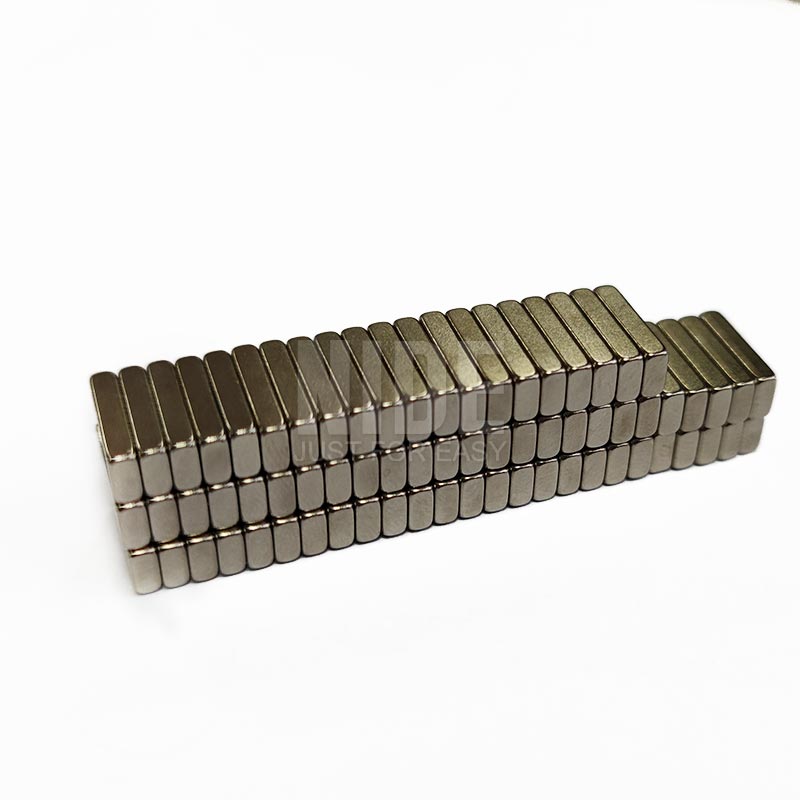
Magnetic Materials
Integrated manufacturing hardware engineered for high-efficiency asynchronous machines, single-phase auxiliary motors, and high-precision electromechanical assemblies.
A comprehensive technical examination of process integration, copper slot fill optimization, thermal withstand performance, and regulatory synchronization for Eastern European industrial manufacturers.
Vitebsk, historically rooted in robust mechanical engineering, machine tool building, textile machinery, and agricultural pump systems, faces an accelerating shift toward advanced motor efficiency standards. The regional industrial base has progressively decommissioned obsolete GOST 183-74-era winding techniques in favor of state-of-the-art IEC 60034-30-1 efficiency standards (IE3 Premium and IE4 Super Premium). Upgrading induction motor production within local plants requires high-speed automated winding, precision slot insertion, and repeatable phase-to-phase insulation handling designed to survive both high operational mechanical vibration and extreme regional climate variations.
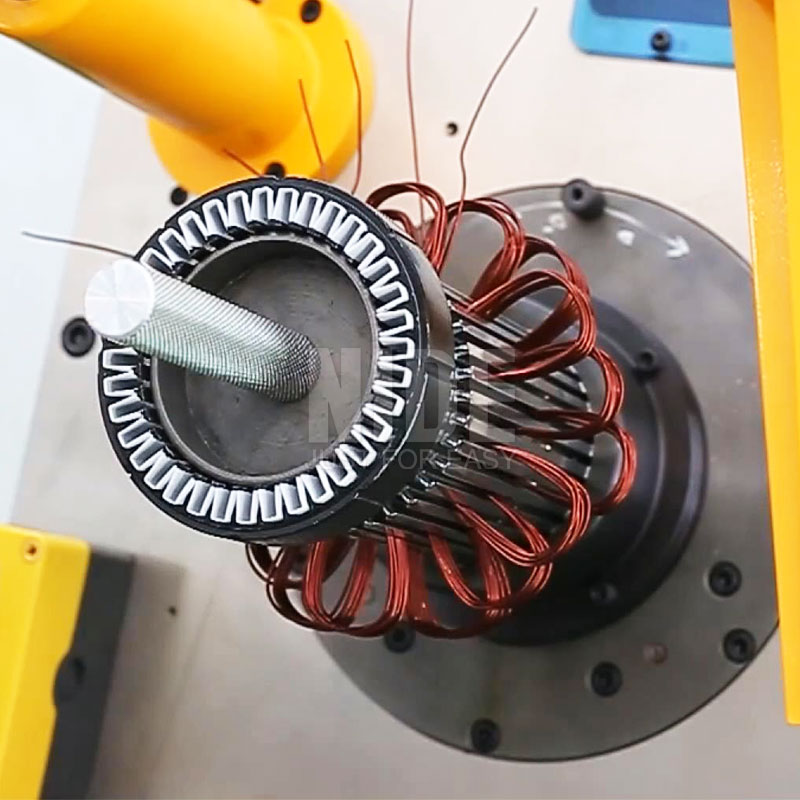
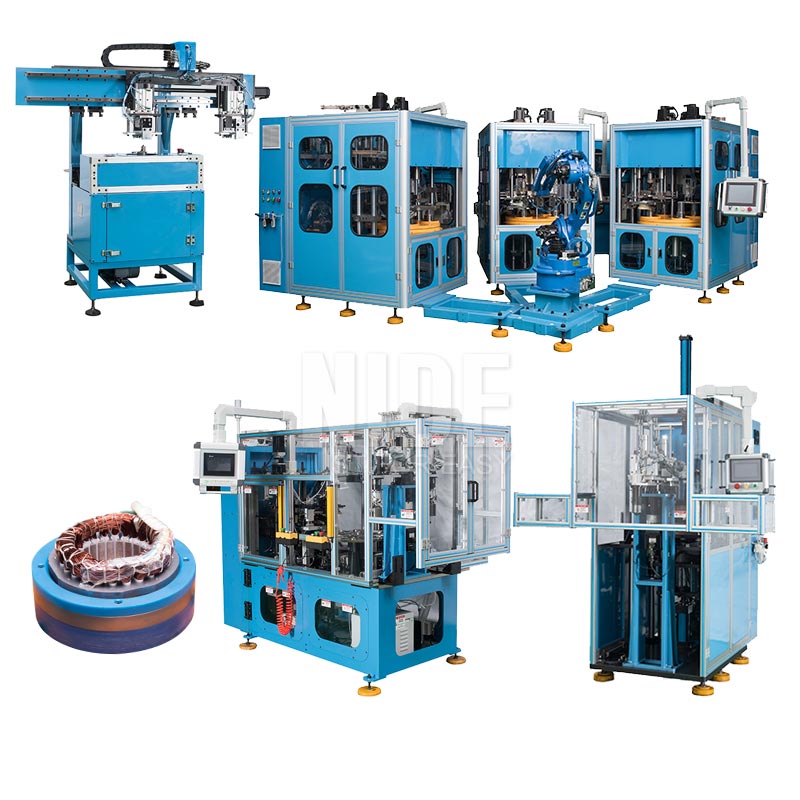
Our turnkey automated induction motor lines address specific regional mechanical challenges. By deploying servo-driven multi-station needle and flyer winders combined with coordinated slot-wedge inserters, manufacturers achieve uniform copper placement, completely eliminating mechanical wire abrasions that commonly lead to premature inter-turn shorts under sub-zero ambient factory restarts.
| Production Phase | Core Station Equipment | Key Vitebsk Engineering Requirement | Process Quality Standard |
|---|---|---|---|
| 1. Core Insulation | Automated Slot Paper Inserting Machine | Nomex/DMD handling, multi-cuff forming, edge retention | Zero dielectric rupture at 2.5 kV hipot |
| 2. Coil Generation | Multi-Spindle CNC Coil Winding Station | Constant closed-loop wire tensioning; 0.2mm to 1.8mm wire | ±0 turns accuracy; zero insulation enamel scrape |
| 3. Coil & Wedge Insertion | Automatic Stator Coil Inserting Machine | Combined simultaneous coil & slot wedge push via servo rack | >78% effective slot fill density without flare |
| 4. Phase Forming | Intermediate & Final Stator End-Turn Shaper | Hydraulic/servo multi-segment radial expansion fingers | Strict mechanical clearance for rotor insertion clearance |
| 5. End-Turn Lacing | Dual-Side Automatic Stator Coil Lacing Machine | Diamond cross-stitch, edge-lock retention for high-vibration duty | Locked coil bundles resisting 25G shock loads |
| 6. Integrated Testing | End-of-Line Computerized Testing Bench | Surge, Hipot, Insulation Resistance, DC Resistance, Rotation | Automated EAC/CE parametric traceability |
In modern asynchronous induction motor design, achieving IE3 and IE4 efficiency requires maximizing active copper conductor volume inside the electrical sheet stator slots while minimizing the mean length of end turns (MLET). Traditional manual or semi-manual insertion frequently results in wire crossover, localized enamel thinning, and an unpredictable slot fill factor of less than 65%.
The Nakro automated coil inserting technology incorporates custom hard-chromed tungsten insertion blades and specialized brass pushers that slide both magnet wire bundles and insulating slot wedges (DMD, NMN, or Nomex) into the stator core in a single fluid stroke. This enables Vitebsk-based industrial manufacturers to achieve repeatable fill factors exceeding 75% to 80% without micro-fracturing the wire insulation film. The resultant stators display reduced winding resistance, significantly reduced I²R Joule heating, and superior dissipation characteristics under heavy variable frequency drive (VFD) carrier harmonic loads.
Precision-engineered automated assembly lines calibrated for Vitebsk's core regional electromechanical, utility, and heavy manufacturing demands.
Providing production lines for high-torque 3-phase cast iron frame induction motors (IEC 80 to 225 frames). Fully automated lacing and intermediate forming ensure maximum end-turn structural integrity against pressure pulsation shocks in municipal and regional water systems.
Vitebsk's legacy metal-cutting and tool manufacturing relies heavily on variable-speed induction motors. Our lines provide high concentricity rotor-stator alignment and precise balancing equipment to eliminate harmonics and dynamic radial runout.
Harsh ambient farming environments across Vitebsk Oblast demand ruggedized motors. Our insertion stations handle heavy gauge wire with reinforced phase paper insertion to withstand aggressive dust, high ambient humidity, and wide seasonal temperature swings.
Tailored manufacturing systems for single-phase and three-phase refrigeration fan motors. Integrating low-vibration needle winding and balanced armatures ensures continuous whisper-quiet operation in climate control equipment.
Modular assembly stations for permanent magnet synchronous (PMSM) and high-pole-count induction drive motors, enabling regional transportation manufacturers to scale up municipal electric transport subassemblies.
Key drivers modernizing electromechanical production across Vitebsk and adjacent Eurasian Economic Union (EAEU) manufacturing hubs.
1. Mandatory Compliance with Eurasian Energy Efficiency Mandates: With tightening regional technical regulations (such as TR CU 004/2011 and updated EAEU energy efficiency guidelines), regional motor builders are systematically phasing out standard IE1 models. Transitioning production tooling to accommodate thinner silicon steel laminations (down to 0.35mm) and non-standard slot tooth shapes is critical to minimize iron core losses.
2. Mitigating High VFD Inverter-Fed Voltage Spikes: Nearly 65% of newly installed induction motors in Vitebsk industrial applications are mated to variable frequency drives. This creates steep-fronted voltage surges (du/dt) that induce severe corona degradation in motor windings. Modern Nakro production equipment features specialized inter-phase insulation barrier inserting tools and dual-coat polyamide-imide wire guide mechanisms that ensure zero insulation bruising during automated forming.
3. Transition from Dedicated Lines to Flexible CNC Cells: Because production volumes in specialized regional equipment manufacture fluctuate, rigid single-frame lines are being replaced by Nakro's quick-change tooling modules. Operators can retool a complete stator line—from paper insulation insertion to final shaping—in less than 45 minutes to adapt from IEC 90 frame stators to IEC 132 frame geometries.
4. Traceability & Digital End-of-Line Quality Control: Vitebsk quality audit standards increasingly demand serialized motor performance logs. Our fully integrated production lines feature industrial Siemens or Mitsubishi PLC cores that automatically write winding resistance, high-potential dielectric leakage, and impulse surge test curves directly to a centralized MES or cloud-based server.
Over a decade of intelligent machinery innovation, turnkey motor line installations, and precision components supply.
Strict quality assurance protocols from raw steel verification, CNC blade micro-machining, to electrical cabinet testing under rigorous multi-point checkout audits.
13+ years of extensive machine export history spanning Southeast Asia, Eastern Europe, South America, and the Middle East with full international shipping expertise.
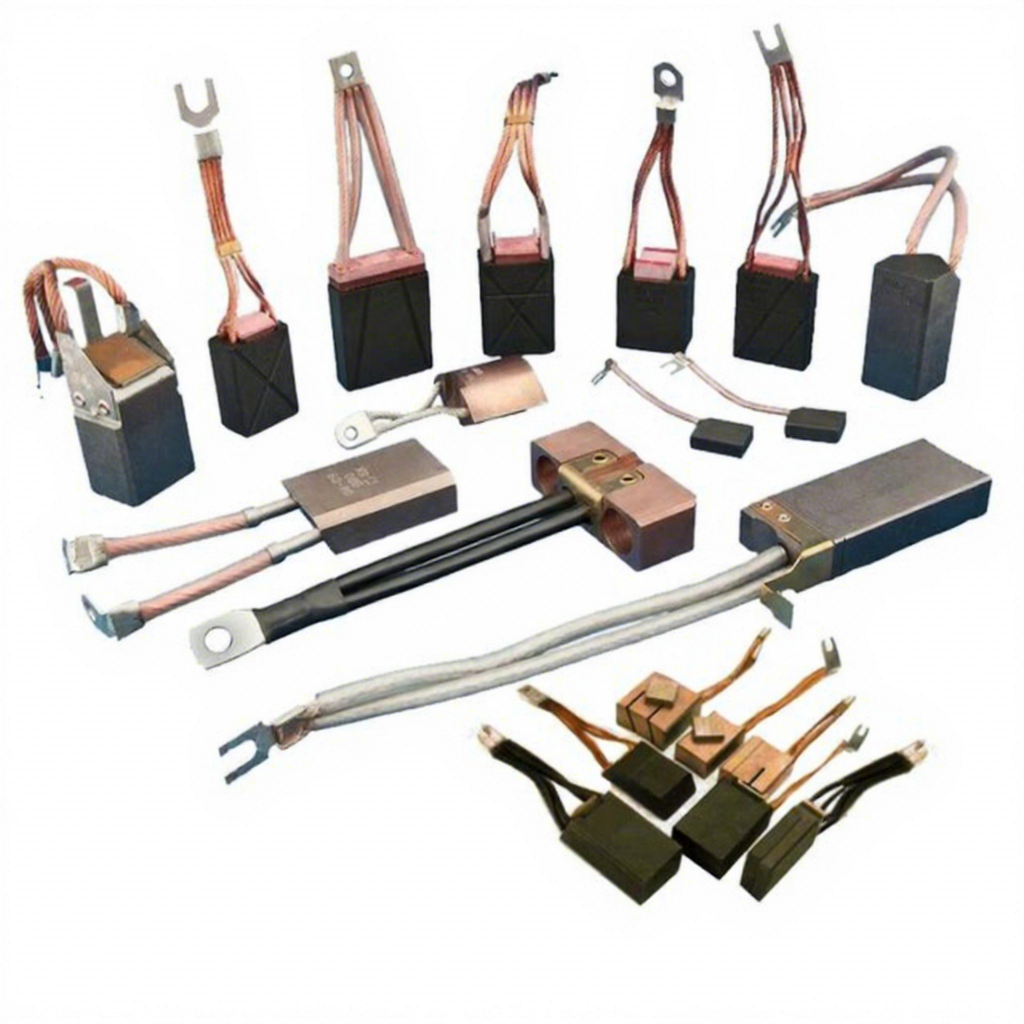
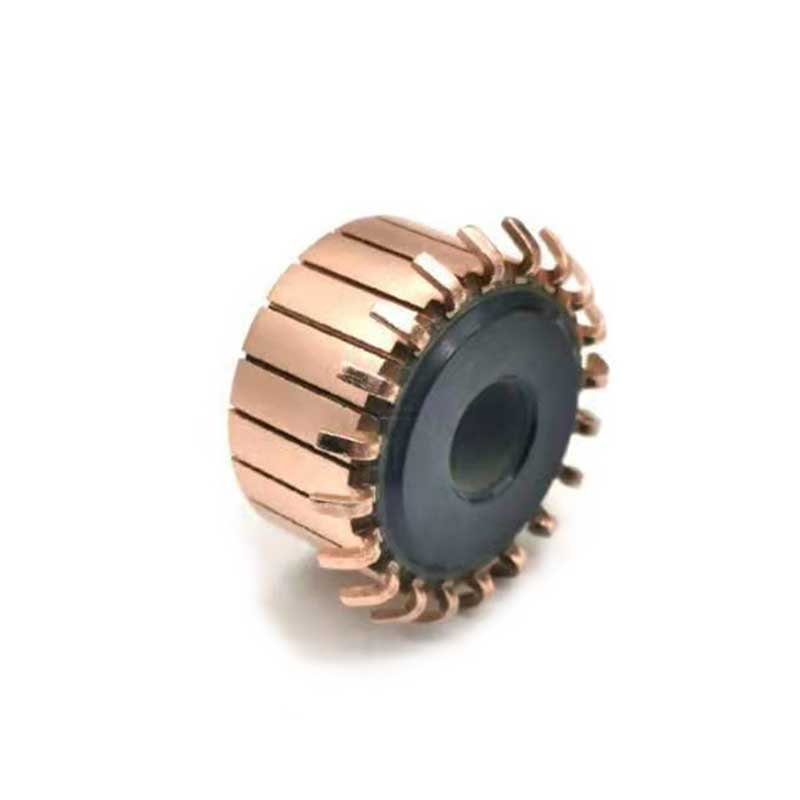
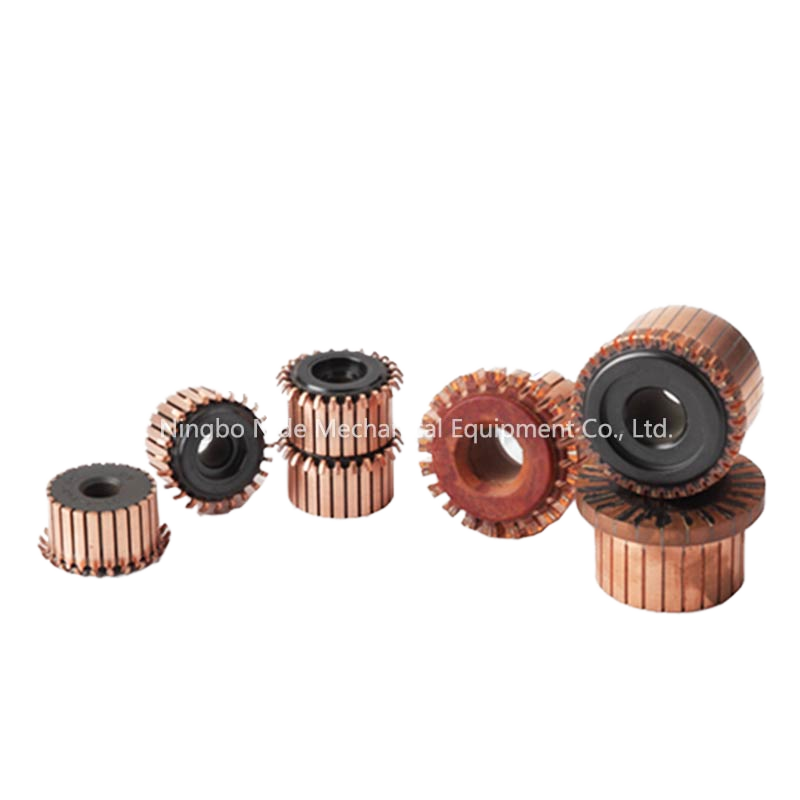
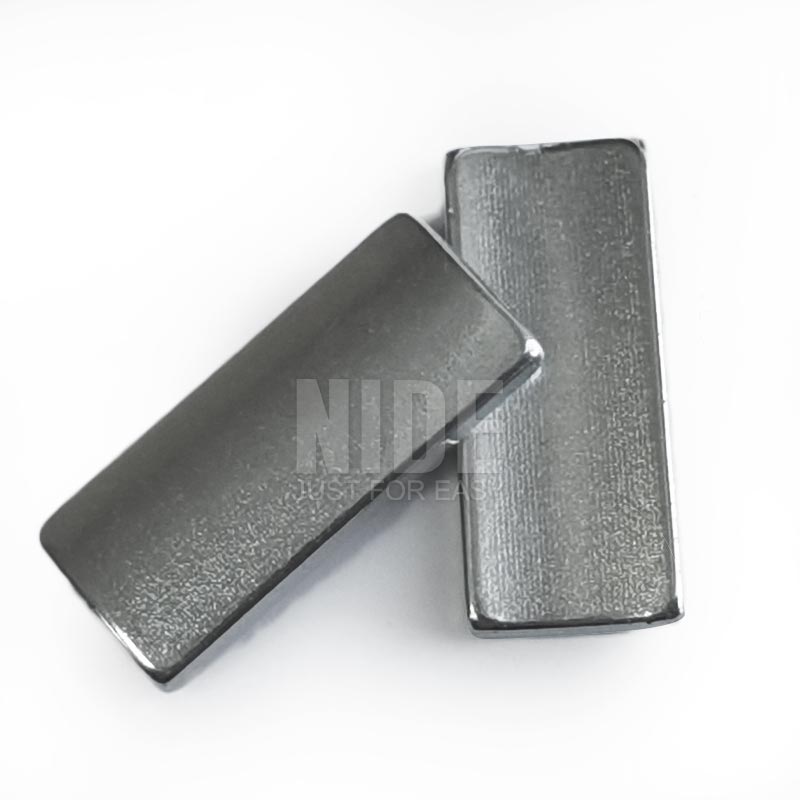
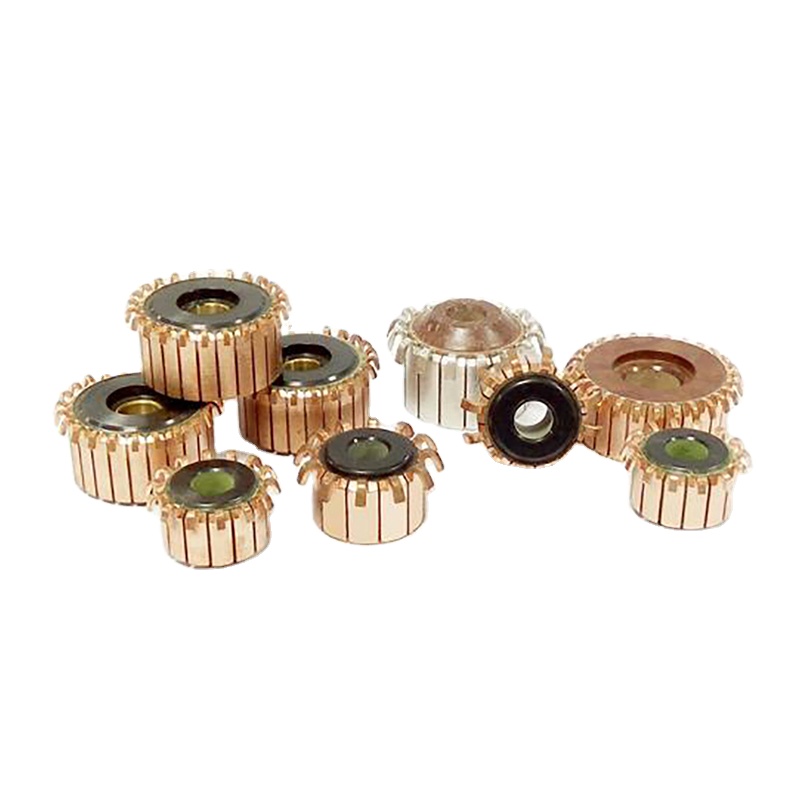
Beyond machinery: we supply commutators, ball bearings, carbon brushes, insulation paper, shafts, magnets, and complete motor tooling engineered to your drawings.
Dedicated R&D team designing bespoke winding nozzles, inserting fixtures, and automated conveyor lines tailored to unique stack heights and slot shapes.
Detailed engineering, payment, customs, and validation answers addressing key procurement queries in the Vitebsk and broader regional markets.
Our electrical panels, servo drives, safety relays, and enclosures can be built with dual EAC / CE markings, standard 380V/50Hz (or customer-specified 400V) electrical architectures, and multi-language HMI interfaces (English and Russian) with complete electrical schematics for seamless local certification.
Prior to crating, we request customer-supplied laminations, magnet wire, and wedges. We run dry and full mechanical production tests, record complete multi-angle video proof, inspect wound samples for micro-abrasions, and invite your technical delegation (in person or via high-definition live stream) for sign-off.
Yes. Our non-standard modular induction stator manufacturing assembly lines feature quick-exchange tooling cartridges. Changing from an 80-frame to a 100-frame stator takes less than 40 minutes, including blade magazine adjustment, push rod calibration, and HMI recipe selection.
We provide remote PLC diagnostics via VPN gateways, rapid courier shipment of consumable tooling (winding needles, insertion blades, cutter assemblies), and dispatch experienced commissioning engineers for on-site line installation, fine-tuning, and maintenance personnel training.
We regularly handle FOB Ningbo/Shanghai, CFR, and CIF shipping terms, along with rail freight forwarding solutions. Payments can be structured under T/T or Irrevocable Letters of Credit (L/C) across USD, EUR, or CNY to facilitate secure trade compliance.
Absolutely. Our R&D team models your exact lamination DXF files to optimize insertion finger geometry, wedge guide profiles, and pusher stroke dynamics, reliably achieving up to 80% slot copper fill without damaging high-grade magnet wire.
Consult with our sales engineering team today. Send us your stator lamination drawings, stack heights, wire gauges, and daily output targets for a comprehensive turnkey layout and formal quotation.
