Certified Motor Assembly Equipment & Precision Components
Industrial machinery, high-speed automated winding systems, and high-spec core components tailored for e-mobility and precision drive fabrication in Austria and the DACH economic region.

Integrated PLC-driven aluminum core casting with CE certification for low-porosity squirrel-cage induction and synchronous motor rotors.
View Specifications →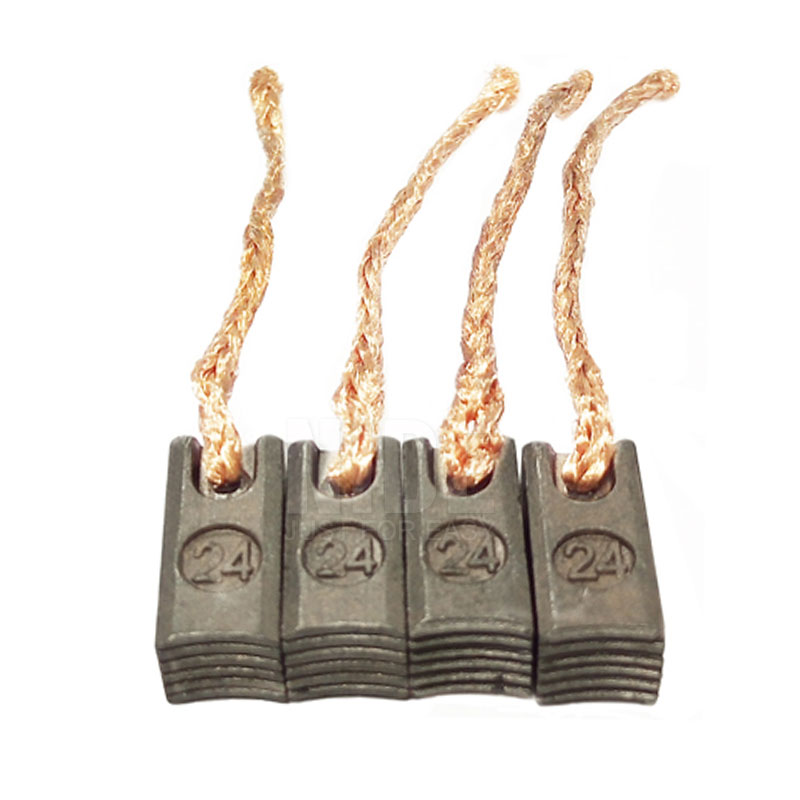
Low-friction electrographite material formulation offering thermal resilience under severe mountain temperature cyclic changes.
View Specifications →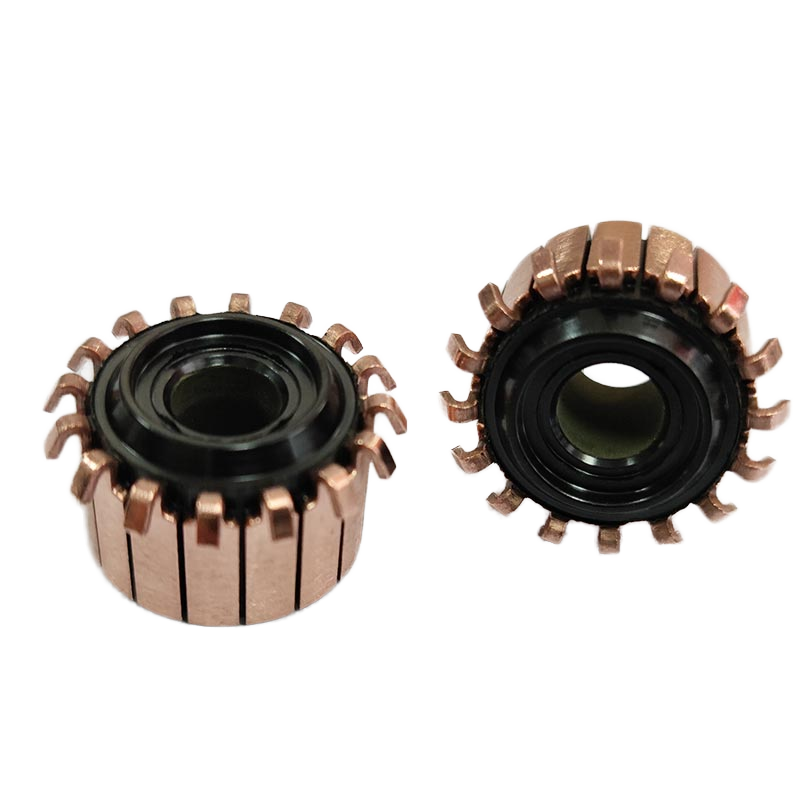
High-conductance electrolytic copper hook configuration engineered for high-RPM DC actuators, blower assemblies, and thermal control units.
View Specifications →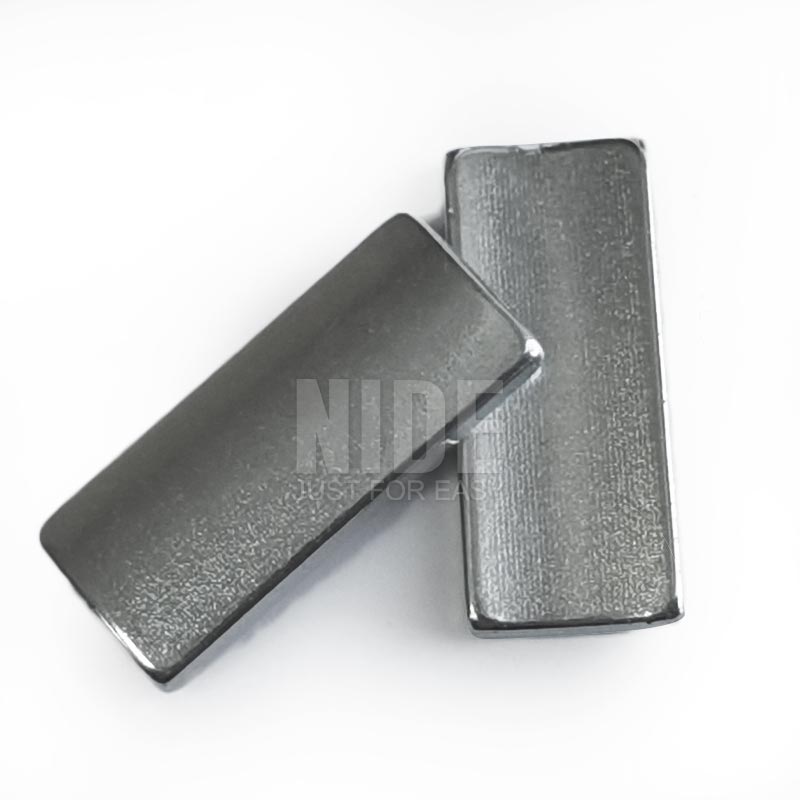
Ultra-high remanence sintered rare-earth permanent blocks for PMSM traction motors, guaranteeing maximum torque density in compact frames.
View Specifications →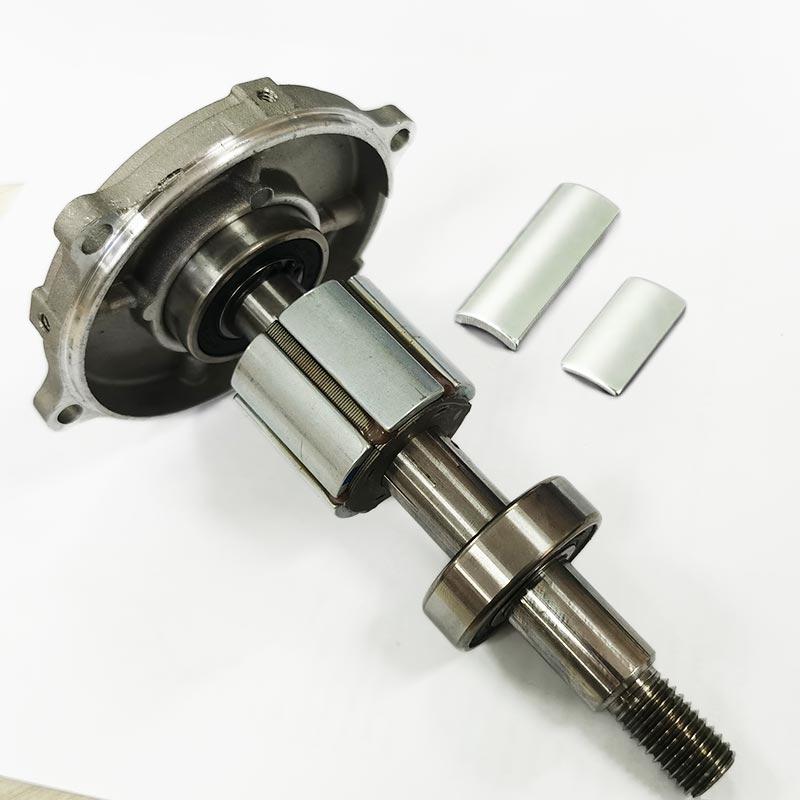
Optimized grain boundary diffusion technology ensures elevated demagnetization thresholds under high operating temperatures.
View Specifications →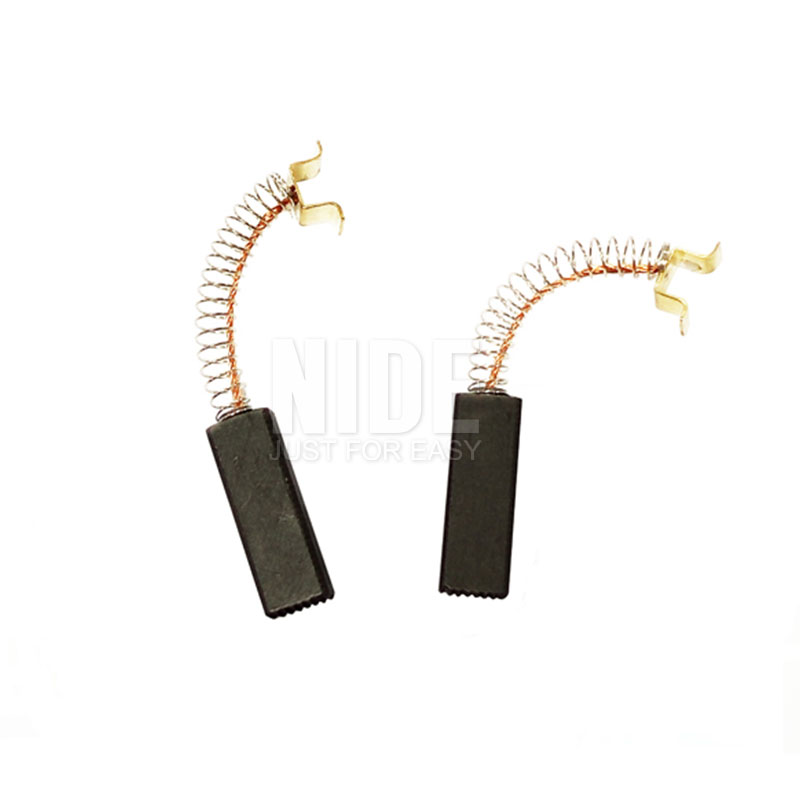
Engineered for extended operating lifetimes in sub-zero alpine climates; ideal for windshield defrost, hydraulic valve controls, and steering pumps.
View Specifications →
Simultaneous wedge feeding and coil placement with micro-step servo depth regulation, preserving insulation integrity across production runs.
View Specifications →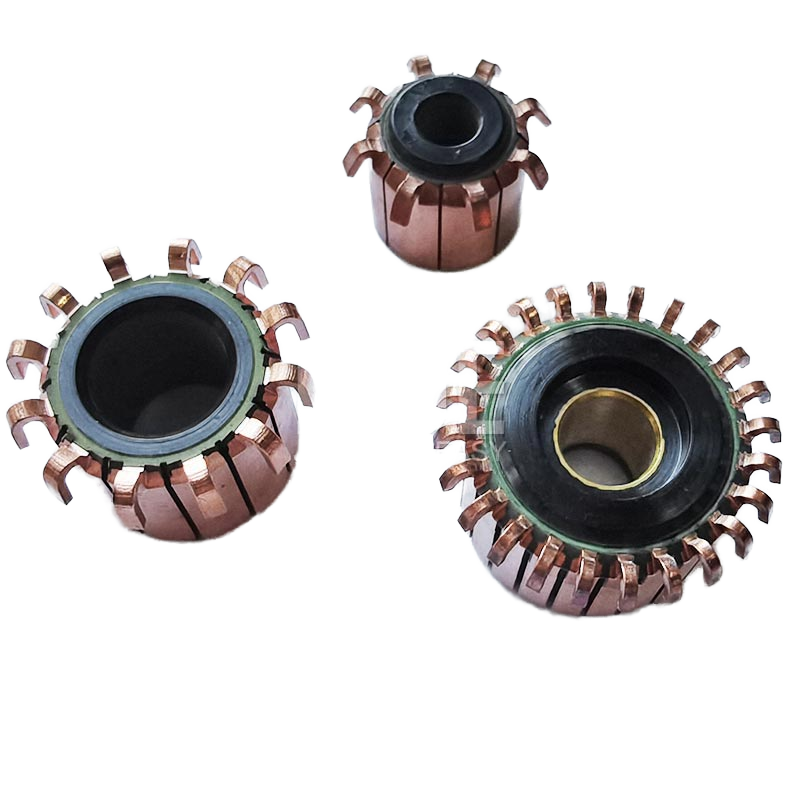
Precision stamped copper collector bars with thermosetting molding compounds for dynamic mechanical stress resilience up to 25,000 RPM.
View Specifications →Innsbruck & Tyrol: The Epicenter of High-Altitude E-Mobility Engineering
How the green logistics transition across the Brenner Pass is redefining stator production tolerances, slot fill rates, and thermal insulation protocols.
The city of Innsbruck, nestled in the Inn Valley of western Austria, holds a unique and mission-critical position within the Central European automotive and mechanical engineering matrix. Situated at the crossroads of the Trans-European Transport Network (TEN-T) Scandinavian-Mediterranean Corridor, Innsbruck is bounded by the stringent environmental demands of the Brenner Alpine Transit Corridor. As Austria enforces aggressive decarbonization policies across freight, public transit, and alpine utility operations, local equipment integrators, Tier-1 suppliers, and specialized engineering contractors are transitioning from conventional internal combustion legacy components toward electrified powertrain systems.
Building electric traction motors for the Alpine market presents distinct engineering challenges seldom encountered in flat-terrain applications. In the mountainous topography of Tyrol, electric powertrains must deliver continuous high-torque output over prolonged continuous incline gradients, survive severe thermal shocks spanning from -30°C in winter high-altitude passes to +90°C internal winding operating conditions during heavy hauling, and maintain electromagnetic stability against high regenerative braking back-EMF spikes. Consequently, manufacturing an EV stator for this ecosystem demands unprecedented precision: copper slot fill factors exceeding 70%, zero-defect insulation coatings resistant to partial discharge under 800V silicon carbide (SiC) inverter switching, and automated mechanical dimensional tolerances measured in single-digit microns.
Semantic Search & Engineering Insight: Why Innsbruck Manufacturers Prioritize Hairpin Technology
In contrast to standard random-wound round wire stators, hairpin (flat rectangular copper wire) stators deliver superior copper packaging, thermal conductivity directly to the water-cooled lamination stack, and minimal end-turn overhang height. For regional engineering firms in Innsbruck catering to electric commercial trucks, municipal transit buses, and alpine off-highway machinery, hairpin manufacturing automation represents the essential path toward maximizing power density per kilogram of active motor mass.
As an established industrial machinery manufacturer with over 14 years of dedicated domain expertise, Ningbo Nakro Intelligent Equipment supplies turnkey, fully automated EV stator production lines that bridge custom European engineering specifications with world-class production economics. Our systems provide regional manufacturers across Innsbruck, Upper Austria, and Southern Germany with end-to-end process security—from automatic slot insulation paper insertion to CNC hairpin forming, robotic slot inserting, 3D laser stripping, servo-actuated twisting, fiber laser welding, and automated trickle/vacuum impregnation.
Advanced Stator Production Architectures: Technical Process Breakdown
Modular, high-speed automated cells designed to eliminate manufacturing defects, optimize cycle times, and ensure VDA 6.3 automotive compliance.
High-Precision Hairpin Forming & 3D Laser Stripping
Automated decoiling, precision straightening, mechanical cutting, and 3D galvo-controlled fiber laser enamel stripping. Stripping accuracy within ±0.05 mm guarantees zero copper necking and perfect surface cleanliness for spatter-free laser welding downstream.
Multi-Axis Servo Insertion & Crown Twisting
Synchronized multi-gripper insertion tooling transfers hairpin arrays into stator core slots in a single consolidated stroke. High-resolution servo rotary indexing rings execute precise crown-end and lead-end twisting while eliminating localized insulation shear stress.
Vision-Guided Blue / Fiber Laser Welding
Integrated high-speed 3D industrial vision systems inspect hairpin tip alignment prior to laser emission. High-brightness blue laser or wobble-beam fiber laser optics ensure consistent weld nugget penetration, zero blowholes, and electrical resistivity matching solid copper.
Slot Insulation Inserting & Wedge Placement
High-speed automated inserting of B-stage, Nomex, or Kapton composite insulation paper. Our servo-driven feed mechanisms cut, form (C-shape, O-shape, or S-shape), and insert slot liners at speeds up to 0.4 seconds per slot without micro-tears or cuff cracking.
Automated Trickle & Vacuum Impregnation (VPI)
Controlled pre-heating, servo-regulated resin trickling, and thermal gel curing ensure deep resin penetration into deep-slot hairpin channels. Eliminates air voids, prevents partial discharge at 800V, and maximizes thermal dissipation to the outer water jacket.
Inline Electrical Safety & End-of-Line Quality (EOL)
100% automated electrical testing cells verifying phase resistance symmetry (micro-ohm precision), high-voltage DC hipot insulation breakdown, inter-turn surge discharge, and high-frequency partial discharge (PD) testing under simulated high-altitude atmospheric pressures.
Localized Industrial Applications Across the Innsbruck & Alpine Cluster
Precision manufacturing architectures customized for regional equipment categories and rigorous terrain profiles.
Heavy Commercial Transporters & Brenner Freight Electrification
Continuous heavy incline hauling across the Brenner Autobahn requires high continuous torque PMSM and synchronous reluctance stators. Nakro lines manufacture heavy-gauge rectangular wire stators with high copper mass, guaranteeing elevated thermal capacity under maximum duty cycles.
Specialized Alpine Machinery & Electric Snow Groomers
Tyrol's global leadership in winter tourism machinery necessitates electrification of piste-groomers, snowcats, and municipal mountain utilities. Our custom modular winding cells produce high-pole-count stators resistant to extreme mechanical vibration and sub-zero thermal cycling.
Mountain Public Transit & Electric Bus Fleets
Innsbruck's public transportation network (IVB) relies increasingly on zero-emission urban and regional electric bus chassis. Our turnkey stator lines build concentrated-wound or hairpin stators for central drive e-axles, maintaining quiet acoustic performance (NVH) and high urban efficiency.
High-Performance E-Bikes & Mountain Micro-Mobility
With Tyrol being an international hub for mountain sports, localized production of high-torque e-bike mid-drive motors is expanding. Nakro provides ultra-precise automatic needle winding lines for compact internal/external rotor BLDC stators operating in harsh trail environments.
Manufacturing Trends & Regulatory Drivers Shaping the Tyrolean Market
Strategic alignment with the Austrian Mobility Master Plan 2030, EU Green Deal mandates, and high-voltage platform migrations.
Migration to 800V SiC Architectures
Austrian OEMs and Tier-1 developers are rapidly transitioning from legacy 400V battery architectures to 800V silicon-carbide platforms for rapid charging and lighter copper harnesses. This shift requires stator production tooling to implement Class H/N wire insulation, damage-free inserting tooling, and stringent partial discharge verification to eliminate micro-arcing risk at altitude.
Supply Chain Reshoring to the DACH Region
European supply chain disruptions have highlighted the strategic vulnerability of long-distance component importing. Manufacturing executives in Innsbruck, Vorarlberg, and Salzburg are increasingly establishing flexible, in-house stator winding cells to secure motor core autonomy, cut logistics lead times, and reduce inventory buffers.
CE Machinery Directive & Safety Compliance
Equipment deployed in Austria must comply comprehensively with the EU Machinery Directive (2006/42/EC), Low Voltage Directive (2014/35/EU), and Electromagnetic Compatibility Directive (2014/30/EU). Our automated stator lines feature redundant safety interlocks (EN ISO 13849-1 PLd/PLe), Siemens/Beckhoff PLC architecture, and complete German-language technical documentation.
Why Alpine & European Motor Manufacturers Partner with Nakro
Fourteen years of specialized engineering rigor, ISO 9001 quality management, and complete turnkey motor equipment integration.
End-to-End Turnkey Engineering
From stator 2D/3D drawing analysis and magnetic core optimization to layout design, robotic cell construction, tooling fabrication, and commissioning.
ISO 9001 Certified Quality System
Strict internal process audits covering incoming electrical and pneumatic hardware, high-precision CNC tooling manufacture, and multi-stage subassembly verification.
International Export Footprint
Proven track record exporting high-speed motor machinery to over 50 countries worldwide, with dedicated technical field partners across Central Europe.
Factory Run-Off Verification (FAT)
Every automated machine undergoes exhaustive trial runs using the client's actual production laminations, copper magnet wire, and insulation materials before export release.
Integrated Component Supply Ecosystem
Beyond capital machinery, we provide full access to premium-grade motor components: N52 neodymium block magnets, commutator hooks, precision carbon brushes, and insulation liners.
Remote Telemetry & Local SAT Support
Encrypted VPN modules for rapid remote diagnostics, PLC software updates, and rapid-response spare parts inventory dispatch directly to Austrian and DACH locations.
Frequently Asked Questions for Austrian & DACH Equipment Buyers
Direct answers addressing technical cycle times, CE certification, acceptance procedures, and localized integration.
How do Nakro stator production lines guarantee compliance with EU safety directives in Austria?
All machinery delivered to the Innsbruck market and wider EU regions is designed and built in complete conformity with the EU Machinery Directive 2006/42/EC. We integrate certified safety PLCs, Pilz or Sick optical light curtains, dual-channel emergency stop circuits (reaching Performance Level d/e under EN ISO 13849-1), CE-marked pneumatic valves, and furnish complete English/German technical dossiers with full Declarations of Conformity.
What average cycle time (takt time) can be achieved for electric vehicle hairpin stators?
Our standard automated hairpin stator assembly cells achieve cycle times ranging from 45 seconds to 90 seconds per completed stator, depending on lamination stack length, number of slots (typically 48 to 72 slots), and the number of hairpin conductor layers (4, 6, or 8 layers). During the initial project proposal stage, our sales engineering team runs digital simulation models to guarantee specific OEE (Overall Equipment Effectiveness) figures.
Can the line accommodate multiple motor stack heights and slot geometries without prolonged downtime?
Yes. We engineer flexible, modular quick-change tooling sets. Stack height variations can be adjusted via touchscreen HMI recipes controlling multi-axis servo positioning. Tooling changeovers for different stator diameters or slot counts can typically be executed by trained shop-floor technicians within 45 to 90 minutes using high-precision dowel pins and pre-calibrated quick-clamping fixtures.
What is the Factory Acceptance Test (FAT) and Site Acceptance Test (SAT) verification protocol?
Prior to dispatch from our facility, we conduct a comprehensive FAT using production-grade core laminations and magnet wire supplied by the customer. We perform uninterrupted trial runs, record full-cycle videos, and generate Cpk statistical capability reports on critical dimensions. Austrian buyers can attend the FAT in person or supervise via interactive high-definition video conferencing. Upon arrival in Austria, our field engineers support on-site SAT and operator training.
How does the equipment mitigate copper loss and enamel damage during rectangular wire processing?
Our hairpin production line integrates servo-controlled decoiling tension compensators with mirror-polished, ceramic-coated guide rollers. 3D galvo fiber lasers vaporize the enamel coating without touching the copper substrate, avoiding localized cross-sectional thinning. During insertion and twisting, multi-point servo guiding tools evenly distribute forming stresses to maintain full dielectric insulation breakdown resistance.
Which payment, delivery, and trade terms are supported for Austrian enterprise orders?
We work flexibly under Incoterms 2020, offering FOB, CFR, CIF, and DDP shipping solutions into Austria (via Hamburg, Koper, or direct rail freight). We accept multi-stage documentary Letters of Credit (L/C) or milestone-based T/T payments denominated in EUR or USD, aligned with project achievement gates (e.g., contract sign-off, FAT approval, and SAT sign-off).
Accelerate Your EV Stator Production in the Innsbruck Market
Connect directly with our senior process engineers. Submit your stator lamination drawings, stack specifications, target cycle times, and volume forecasts for a confidential technical evaluation and turnkey equipment quotation.
