Poland has emerged as the premier manufacturing powerhouse for electric motors, household white-goods drives, and Tier-1 automotive electrification modules in the European Union. Supported by a highly skilled electromechanical engineering workforce, proximity to key Western European automotive assembly plants in Germany and the Czech Republic, and aggressive industrial investments in Lower Silesia (Dolnośląskie), Silesia (Śląskie), and Greater Poland (Wielkopolska), local factories are transitioning from manual assembly islands to fully unified, digitally synchronized smart factories.
As EU regulations mandate higher efficiency ratings (IE3, IE4, and upcoming IE5 thresholds) and automotive OEM requirements move rapidly toward Hairpin BLDC, PMSM, and high-voltage DC auxiliary motors, Polish procurement executives face escalating challenges. Rising labor rates across major hubs like Katowice and Wrocław necessitate automated production architectures that deliver consistent cycle times, eliminate manual wire-handling flaws, and feed real-time quality parameters directly into plant-wide ERP and MES networks.
"The modern Polish plant manager cannot afford disconnected assembly cells. In today's lean tier-supplier environment, process reproducibility, instantaneous copper resistance verification, and automated armature balancing are not options—they are foundational prerequisites for qualifying in OEM audits."
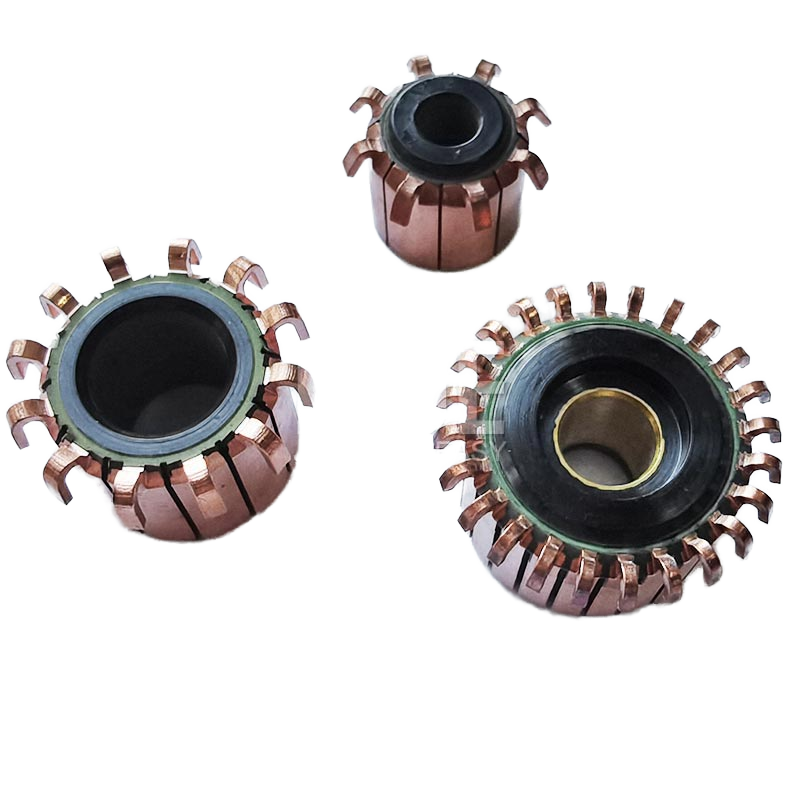
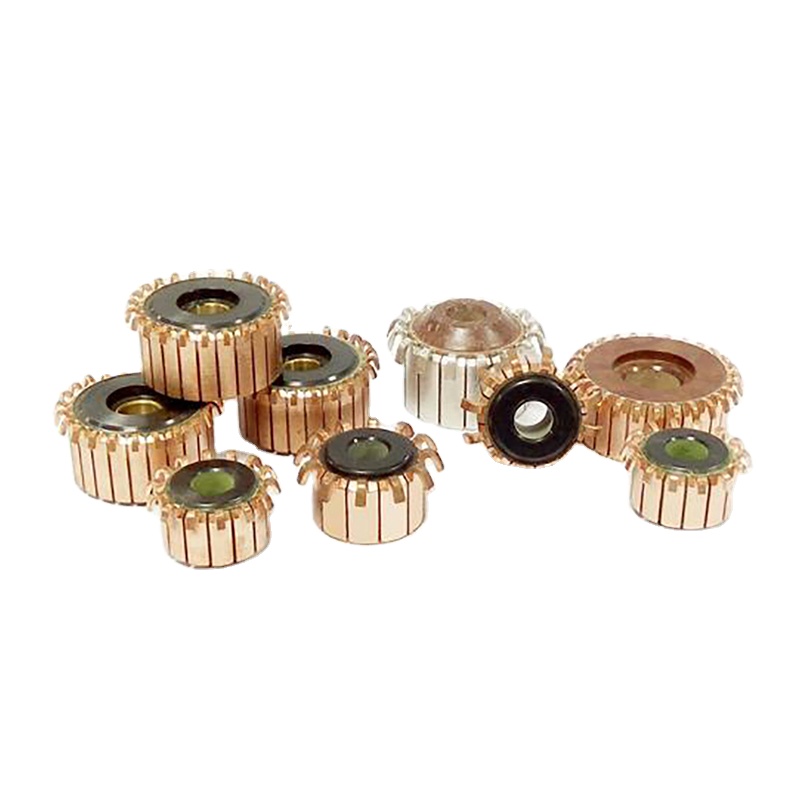
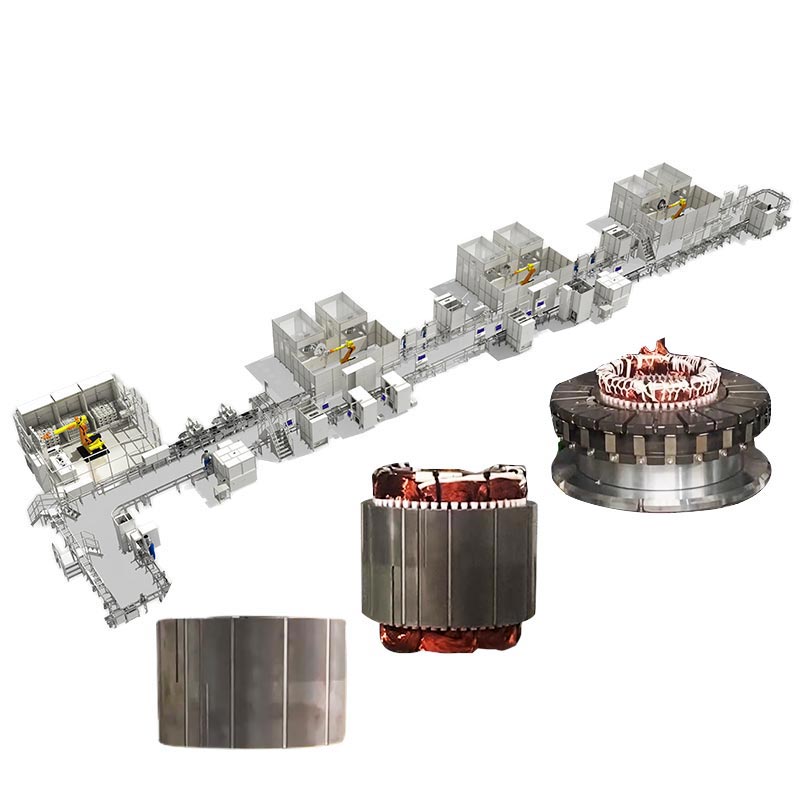
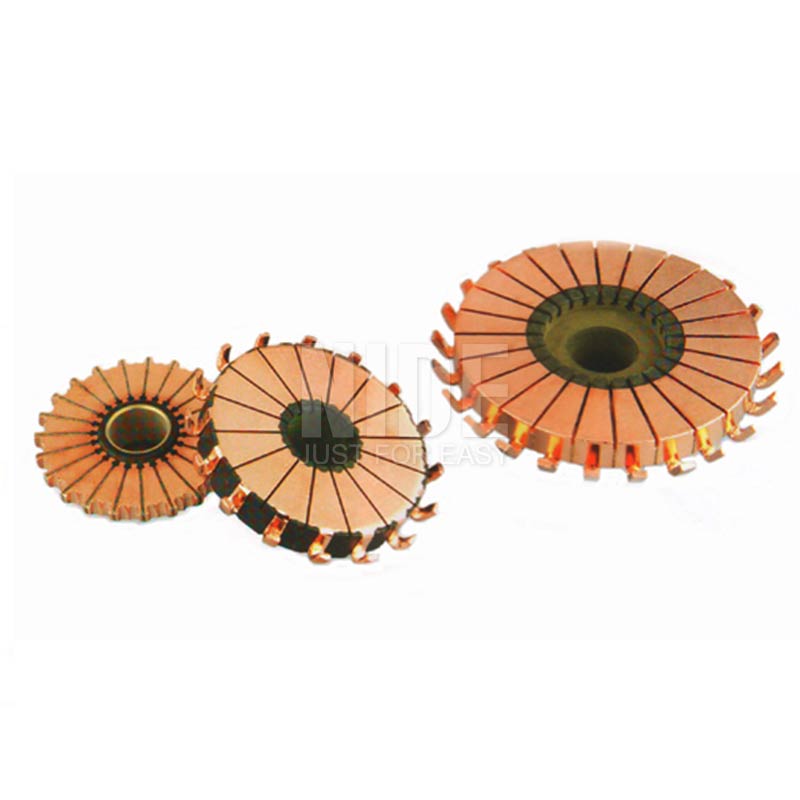
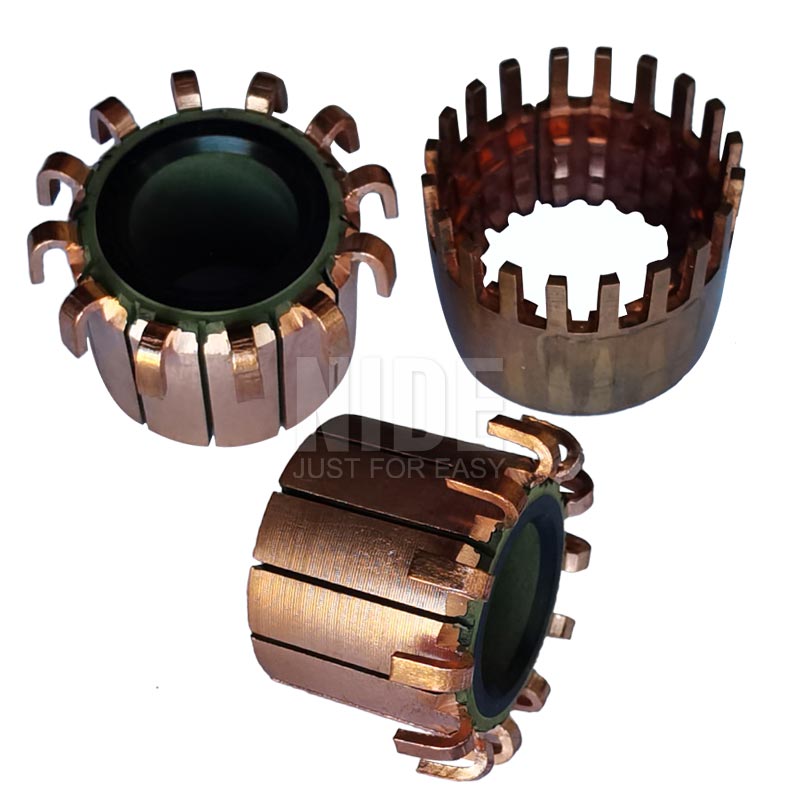
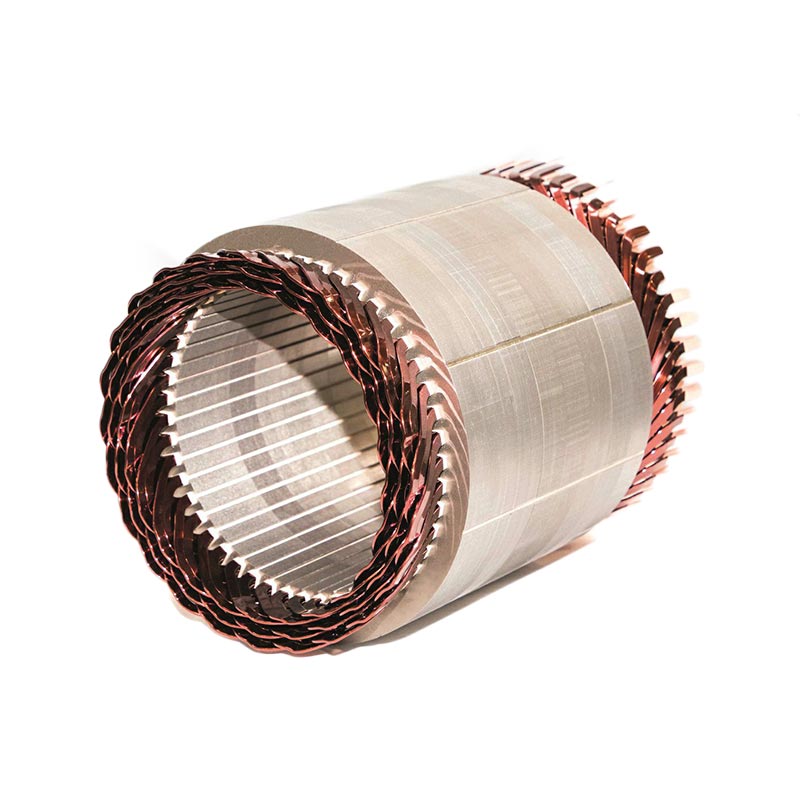
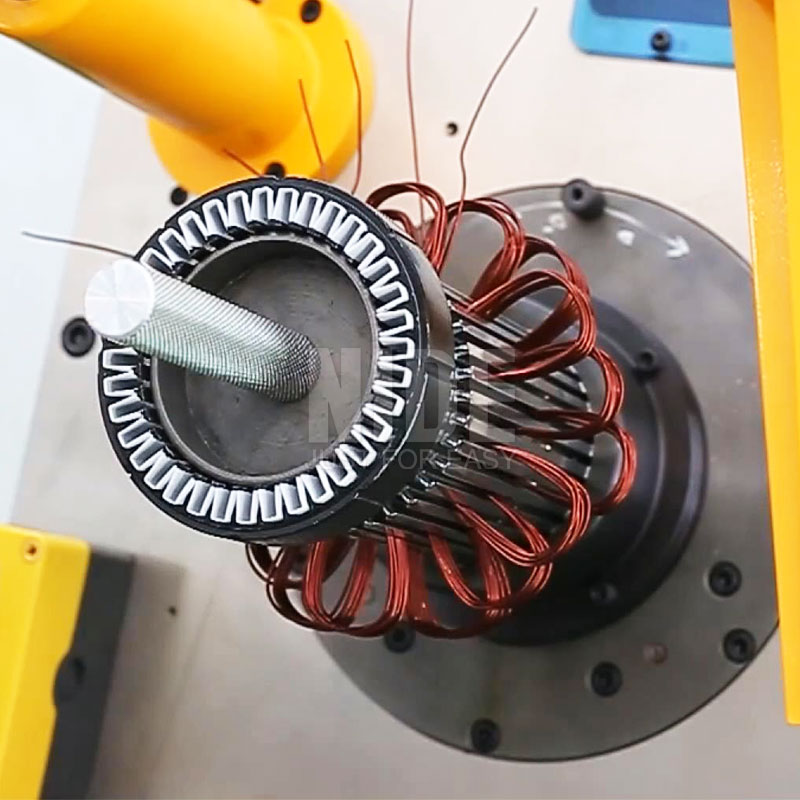
Our turnkey DC motor production line equipment addresses these rigorous requirements directly. By combining precision high-speed flyer winding, closed-loop hook commutator fusing, automated CNC hairpin bending, and inline surge/hipot testing stations, we offer Polish motor manufacturers the capability to increase product throughput while shrinking footprint overhead and defect PPM levels to near-zero levels.