High-Performance Winding Systems & Motor Components
Customized machine configurations and certified electromechanical accessories engineered to meet the demanding cycle times, thermal ratings, and winding precision of German automotive and industrial motor plants.
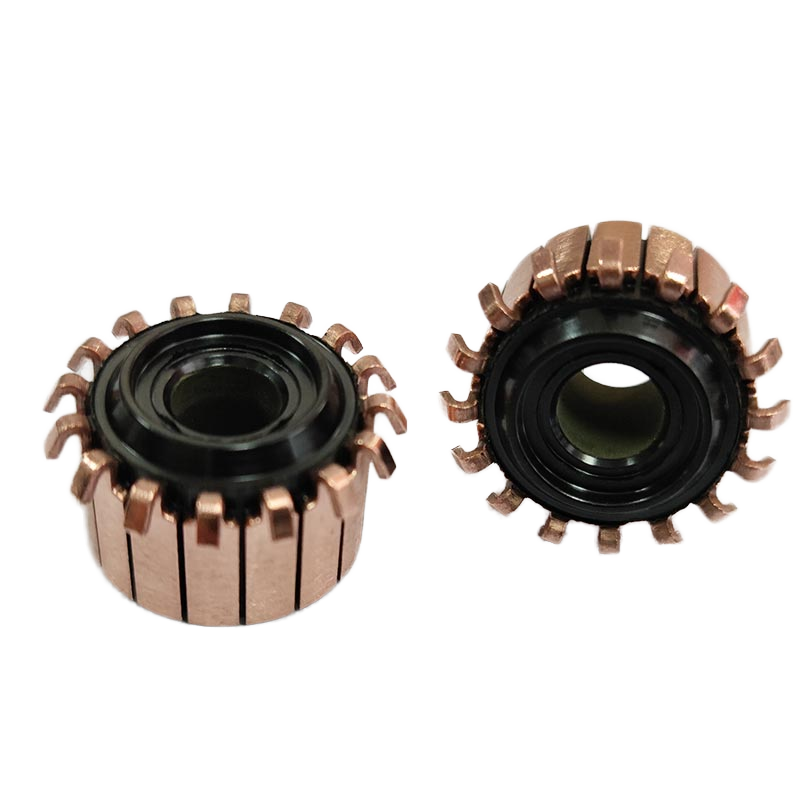
Customized Commutator Armature with Copper Hook NDPJ-HXQ-871A
Engineered for high-current DC motor armatures with ultra-pure copper segments for low resistance and minimal commutation sparking.

Automatic PLC BLDC Motor Rotor Magnet Inserting Machine
Automated sorting, orientation detection, and magnetic segment press-fitting into brushless motor rotors with zero chip contamination.
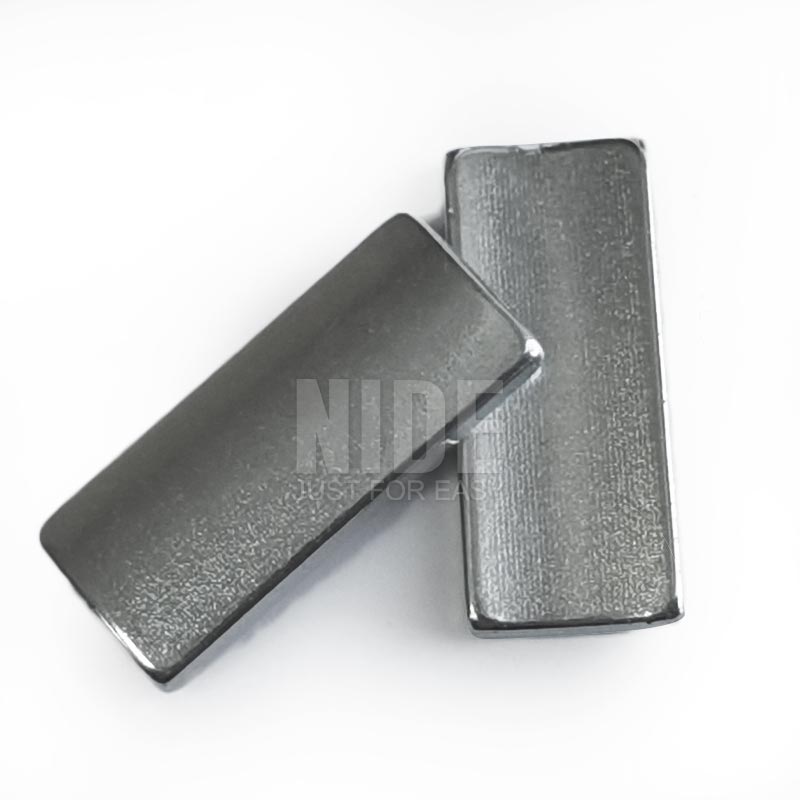
Rectangular N52 NdFeB Neodymium Block Magnets NDPJ-CW-58
Sintered NdFeB permanent magnets optimized for peak torque density in compact servo drives and electric mobility traction motors.
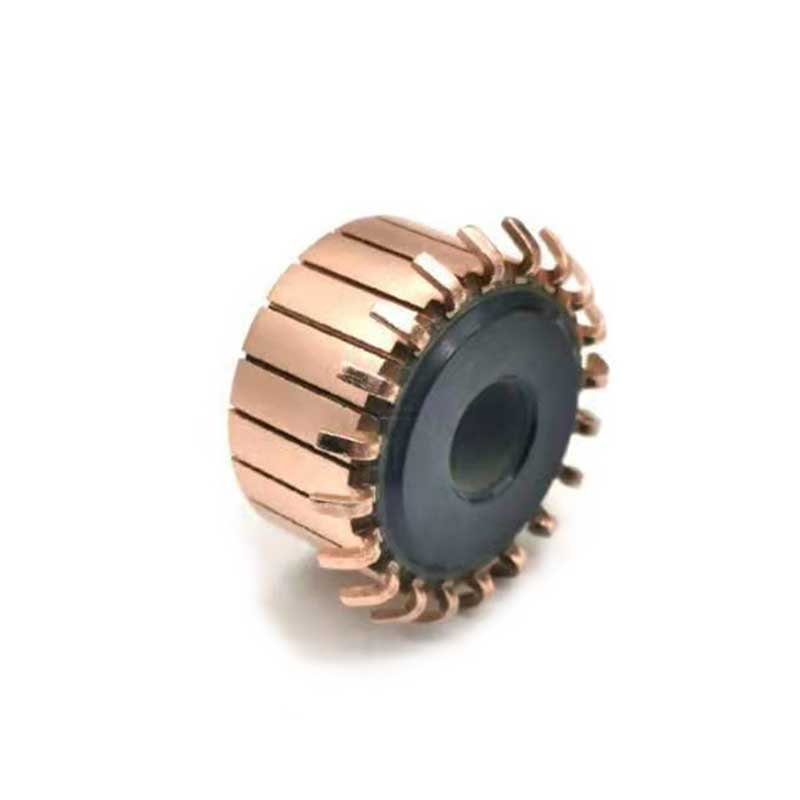
Radiator Cooling Fan Motor Armature Hook Commutator
Manufactured specifically for harsh engine-bay environments, providing exceptional bar-to-bar insulation under thermal cyclic stress.
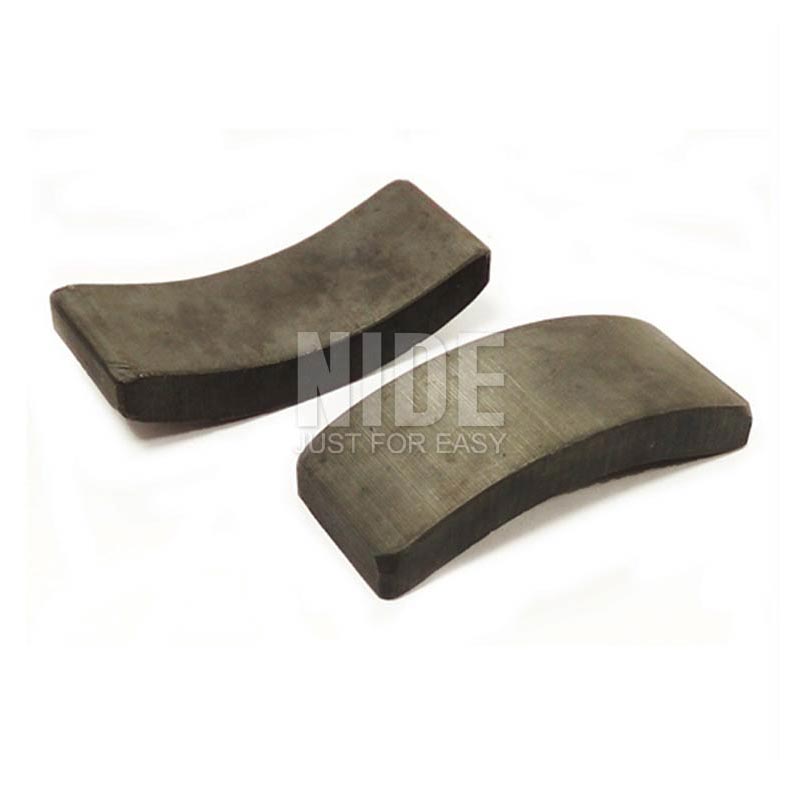
12-220V DC Motor Permanent Ferrite Arc Magnets
Precision-ground arc ferrite segments for industrial hydraulic pumps and appliance drives requiring extended chemical resistance.
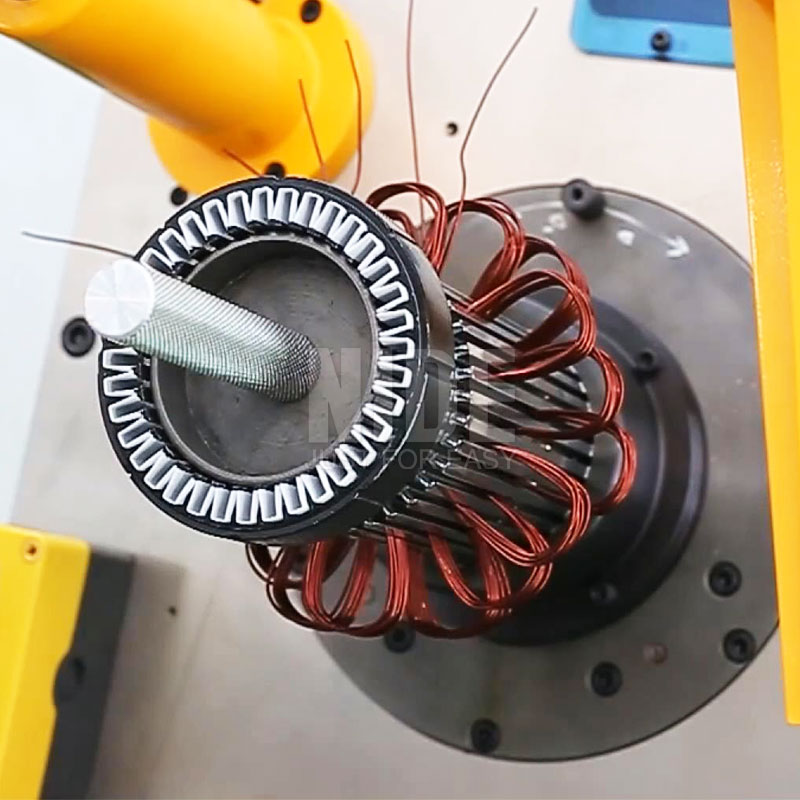
Automatic Single Phase Motor Stator Coil Insertion Machine
Simultaneous insertion of enamelled copper coils and slot wedges into pump and compressor stators with zero wire scratching.
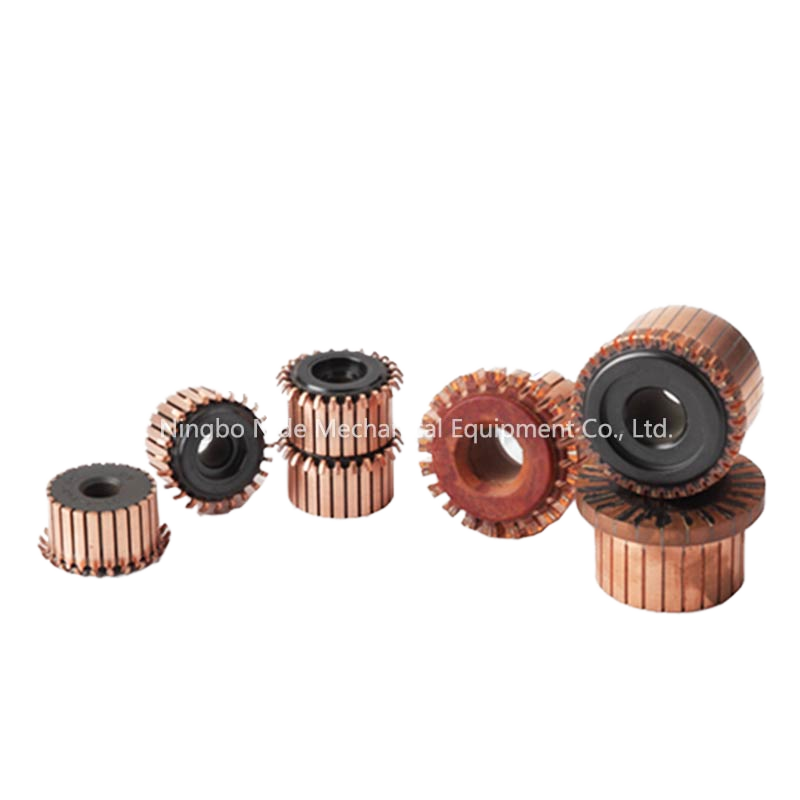
High Precision DC Armature Collector Slip Ring Commutator
Ultra-low total indicated runout (TIR) slip rings and commutators suited for high-RPM universal motors and specialized power tools.
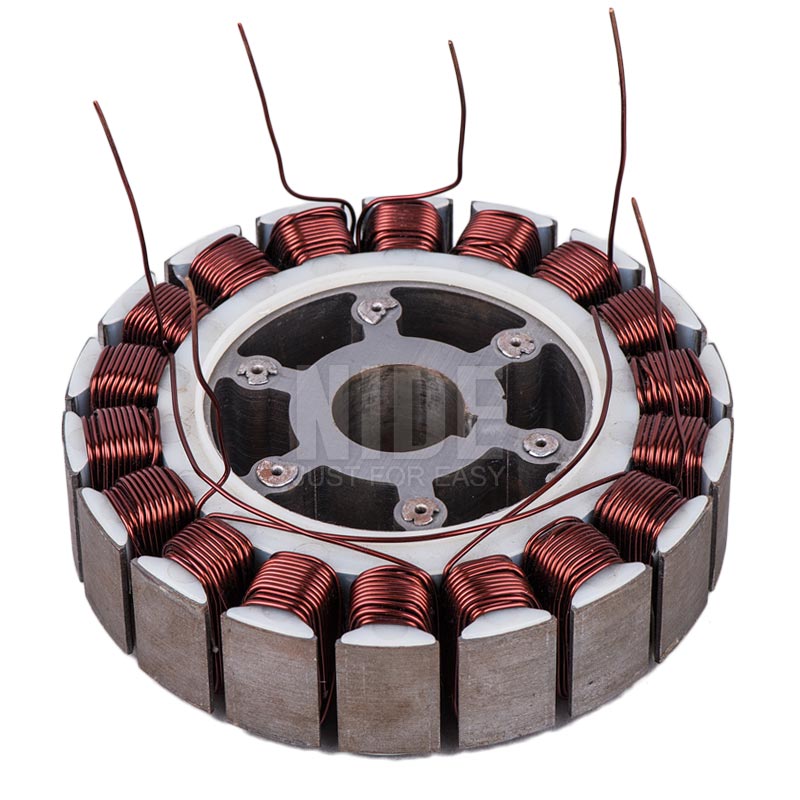
Automatic BLDC Outer-Rotor Wheel Motor Stator Winder
High-speed multi-axis CNC needle winder tailored for outer-rotor e-mobility wheel hub motors and high-torque direct drives.
The Strategic Convergence of Chinese Automation Speed and German Quality Rigor
In an industrial ecosystem defined by the aggressive electrification of drivetrains, the transition toward IE4 and IE5 super-premium efficiency electric motors, and the relentless pressure to reduce Total Cost of Ownership (TCO), German mechanical and automotive engineers (across hubs like Stuttgart, Munich, Nuremberg, and the Rhine-Ruhr industrial belt) face a critical automation challenge. Traditional European winding equipment manufacturers frequently quote lead times exceeding 14 to 20 months coupled with prohibitive capital expenditures. As a premier Chinese manufacturer and turnkey engineering partner with over a decade of dedicated European export experience, Ningbo Nakro Intelligent Equipment Co., Ltd. bridges this gap by delivering automated armature winding machines, BLDC needle winders, and full stator production lines that integrate flawlessly into Western manufacturing environments.
Engineering Information Gain: Eliminating Enamel Degradation at 2,800+ RPM Flyer Speeds
Conventional armature flyer winders operating at high cycle speeds often generate severe wire micro-tension spikes at the flyer exit nozzle, leading to dielectric degradation of the polyurethane or polyamide-imide wire insulation (Grade 2 DIN EN 60317-13). Nakro’s dual-flyer winding technology combines digital closed-loop active electronic tension control with magnetic hysteresis braking. This maintains wire tension within a strict ±0.5 cN window throughout dynamic acceleration curves up to 3,000 RPM, preventing microscopic enamel stretching, inter-turn partial discharge, and insulation breakdown during automotive surge testing.
Our equipment architecture does not operate as an isolated island of machinery. Recognizing the operational philosophy of German Mittelstand system builders and Tier-1 automotive manufacturers, every armature winding cell, commutator hot-staking station, and slot wedge inserting unit is designed around open communication frameworks (OPC UA, ProfiNet, EtherCAT). By offering native integration with Siemens S7-1500 controllers and TIA Portal environments alongside CE-certified safety circuits conforming to DIN EN ISO 13849-1 (Performance Level d/e), Nakro delivers true industrial interoperability.
Active Tension Control
Closed-loop dynamic tensioning keeps enamelled copper wire from 0.08 mm to 1.6 mm completely free of micro-cracks and necking during high-speed flyer indexing.
Siemens / Beckhoff Architecture
Full hardware and software compatibility with German plant standards, featuring Siemens S7-1500 PLCs, Sinamics servo drives, and Beckhoff TwinCAT real-time systems.
DIN EN 60204-1 & CE Safety
Independent dual-channel safety door switches, light curtains, emergency circuits, and risk assessments strictly aligned with EU Machinery Directive 2006/42/EC.
Traceability & MES Ready
Every cycle registers individual winding turns, surge resistance, commutator fusing displacement, and dynamic balance data to factory MES via OPC UA.
Verified Factory Footprint & Engineering Pedigree
Established in Ningbo, Zhejiang in 2010, Nakro operates specialized heavy machine-tool machining centers, automated assembly halls, and rigorous electrical testing laboratories.
Turnkey Engineering & Custom Tooling In-House
Unlike trading assemblers, Ningbo Nakro maintains dedicated in-house CNC wire-EDM cutting, high-speed 5-axis machining, and optical grinding suites. Winding flyers, wire nozzles, segment indexing collets, and coil inserting blades are manufactured from Japanese and German specialty tool steels (such as SKD11 and 1.2379) and treated with mirror-polishing and physical vapor deposition (PVD) titanium coatings. This guarantees tooling life exceeding 5,000,000 continuous winding cycles without burr development or wire snagging.
- ✓ CAD/CAM Rapid Tooling: Custom collets and flyer designs within 7-10 working days.
- ✓ Full One-Stop Ecosystem: Direct supply of raw commutators, permanent magnets, laminations, and thermal insulation paper alongside machines.
- ✓ Rigorous Pre-Shipment FAT: Run-off testing executed with the German client's specific copper wire, core stacks, and commutators before packing.
ISO 9001 Certified Quality Lifecycle
Every winding unit, armature fusing machine, and stator insertion cell conforms to documented ISO 9001 quality standards across its entire assembly lifecycle. Critical pneumatic actuators are sourced from Festo or SMC; linear guide ways from THK or HIWIN; and optical sensors from Keyence or Sick. Every machine undergoes a continuous 72-hour dry-run and high-voltage dielectric breakdown test (hipot testing up to 3,000V AC) to ensure zero infant mortality prior to container packing in seaworthy, vapor-barrier crating.
High-Precision Applications Across German Manufacturing Sectors
From Tier-1 automotive electrification programs in Bavaria to heavy industrial automation machinery in North Rhine-Westphalia, Nakro winding lines power core German sectors.
Automotive Tier-1 Subsystems
Locations: Stuttgart, Munich, Wolfsburg, Regensburg.
High-volume automated production of armatures and stators for automotive radiator cooling fan motors, Electronic Power Steering (EPS), brake boosters, windshield wiper systems, and electric seat adjusters operating under strict VDA 6.3 standards.
Industrial Power Tools & Gardening
Locations: Wendlingen, Nürtingen, Remscheid.
High-power-density universal motor armatures designed for angle grinders, rotary hammers, and chainsaws running above 25,000 RPM. Features high slot fill factors (>75%), automated wedge inserting, and dynamic rotor balancing down to G1.0.
HVAC, Heat Pumps & Fluid Compressors
Locations: Allendorf, Würzburg, Dortmund.
Precision stator winding and coil inserting equipment for EC motors and brushless DC compressor drives used in modern German geothermal and air-water heat pumps, adhering to EU Ecodesign ErP efficiency requirements.
Robotics & Intra-Logistics AGVs
Locations: Augsburg, Karlsruhe, Hanover.
Multi-pole outer-rotor wheel hub motors, automated guided vehicle (AGV) traction units, and low-cogging permanent magnet synchronous motor (PMSM) stators for automated warehouse shuttles and collaborative robot arms.
Key Technology Trends Shaping Electric Motor Manufacturing in Germany
Navigating the transition toward decentralized micro-grids, carbon-neutral machine tools, and modular production architectures.
1. Industry 4.0 & OPC UA Companion Specifications
German motor manufacturers no longer tolerate isolated machine control. Modern facilities demand compliance with the VDMA/OPC UA companion specification for electric machines. Nakro builds machines with standardized information models that broadcast spindle temperatures, instantaneous winding torque, cycle-by-cycle wire tension variations, and tool wear indices directly to factory-level MES platforms like SAP ME or Siemens Opcenter.
2. Copper Optimization & Slot Fill Densification
With copper raw material prices fluctuating and efficiency norms (IE4/IE5 under IEC 60034-30-2) tightening across the European Union, armature and stator tooling must maximize slot fill factors without damaging insulation coatings. Our automated inserting needles and flyer tooling employ precision CNC path interpolation that packs copper wire neatly in uniform layers, elevating active slot fill ratios above 78% while avoiding overlapping crossovers.
3. Decarbonized & Energy-Efficient Machine Tools
Under the EU Corporate Sustainability Due Diligence Directive (CSDDD), German purchasers audit the embodied energy and operating efficiency of production lines. Nakro machines utilize regenerative servo drive packages that recover braking energy during rapid flyer decelerations, feeding back into the common DC bus and slashing operating power consumption by up to 28% compared to traditional resistive brake configurations.
| Evaluation Parameter | Ningbo Nakro Engineering Solution | Traditional European Equipment Makers | Impact on German Factory Operations |
|---|---|---|---|
| Equipment Lead Time | ✓ 10 to 16 Weeks (Expedited line prototyping) | 48 to 72 Weeks (Subject to backlog) | Shortens project time-to-market by over 60%, allowing rapid response to OEM tenders. |
| Initial Capital Expenditure (CAPEX) | ✓ High Competitive Value (Transparent ROI) | Extremely High (Premium market markup) | Lowers depreciation burden; yields full investment payback within 12 to 18 months. |
| Control Architecture Compatibility | ✓ Siemens TIA / Beckhoff EtherCAT | Proprietary European closed systems | Zero friction for German maintenance teams; existing in-house spare parts inventory remains valid. |
| Pre-Shipment Factory Acceptance (FAT) | ✓ Dual FAT: In-Person or 4K Multi-Cam Live | Standard in-person factory testing | Allows German engineering teams to sign off on cycle times and sample parts without costly travel. |
| Custom Tooling & Spare Parts Turnaround | ✓ 7-10 Days Express Tool Fabrication | 8-14 Weeks standard lead time | Drastically curtails unpredicted downtime when introducing new motor stack variants or wire sizes. |
Frequently Asked Questions by German Engineering Buyers
Answers addressing CE compliance, control architecture, after-sales technical service, and site commissioning in Germany.
Every machine shipped to Germany is engineered strictly in accordance with EU Machinery Directive 2006/42/EC, Low Voltage Directive 2014/35/EU, and EMC Directive 2014/30/EU. Electrical enclosures conform to DIN EN 60204-1 specifications. Safety circuits are designed with redundant dual-channel architectures achieving Performance Level d or e (PL d/e) under DIN EN ISO 13849-1 using certified safety relays and light curtains from brands like Pilz, Sick, or Schneider. A comprehensive EU Declaration of Conformity (DoC), bilingual user documentation (English/German), and complete EPLAN electrical schematics accompany every delivery.
Yes. We routinely engineer customer-specified control packages for our German clients. We configure Siemens S7-1500 controllers with SIMATIC Comfort HMIs and Sinamics S120 servo drives programmed via TIA Portal V17/V18. Alternatively, we integrate Beckhoff Industrial PCs with TwinCAT 3 real-time motion control running over EtherCAT fieldbuses. We supply fully commented source code and structured ladder logic according to IEC 61131-3, ensuring your in-house controls engineers can maintain, troubleshoot, and modify sequences without vendor lock-in.
Our qualification follows standard automotive V-model protocols. During the Factory Acceptance Test (FAT) at our Ningbo manufacturing plant, we run continuous batches using your actual rotor laminations, shafts, commutators, and copper magnet wire. Acceptance metrics—including cycle time (Cpk ≥ 1.67), turns count verification, surge test parameters, and commutator fusing resistance—are recorded and validated. Clients may attend in person or execute a multi-angle high-definition remote audit. For the Site Acceptance Test (SAT), our field service engineers or authorized European service partners perform on-site mechanical alignment, electrical integration, and operator training directly in your German plant.
Critical high-wear consumable components (such as tungsten carbide winding nozzles, flyer wire guide pulleys, inserting blades, and hot-staking tungsten electrodes) are standardized and supplied as complete 2-year maintenance packages with initial delivery. Furthermore, because we utilize globally distributed standard components (Festo pneumatics, SKF bearings, Schneider contactors, Keyence sensors), replacement parts can be sourced locally in Germany within 24 hours. For technical troubleshooting, all machines feature secure remote-access VPN routers (such as HMS Ewon or Siemens Scalance), enabling our software engineers to diagnose issues within hours.
Our flyer armature winders and BLDC needle winding stations handle a broad spectrum of rotor geometries. We routinely wind micro-armatures with rotor outer diameters from Ø10 mm up to heavy-duty traction rotors exceeding Ø120 mm, with core stack lengths from 15 mm to 220 mm. Wire diameter capabilities range from ultra-fine 0.05 mm (AWG 44) up to thick 1.6 mm (AWG 14) wire. Tooling changeovers between different stack heights or slot counts can be executed in under 20 minutes utilizing our quick-release collet clamping fixtures and stored recipe management on the HMI.
Yes. Beyond stand-alone winding stations, our core engineering strength is the delivery of fully integrated, turnkey automated armature production cells. A typical turnkey line links: (1) Shaft and lamination press-fitting, (2) Commutator press-assembly, (3) Slot insulation paper insertion, (4) High-speed flyer winding, (5) Micro-resistance or TIG commutator hook fusing with dynamic energy monitoring, (6) Wedge insertion and epoxy trickle-varnishing, (7) Automated commutator diamond turning, and (8) Two-plane dynamic balancing with automated milling correction and 100% electrical Hipot/Surge testing.
Accelerate Your Electric Motor Manufacturing Line
Submit your stator/armature drawings, stack dimensions, wire specifications, and target cycle times. Our application engineering team will deliver a customized line layout, cycle-time simulation, and detailed commercial proposal within 48 hours.
