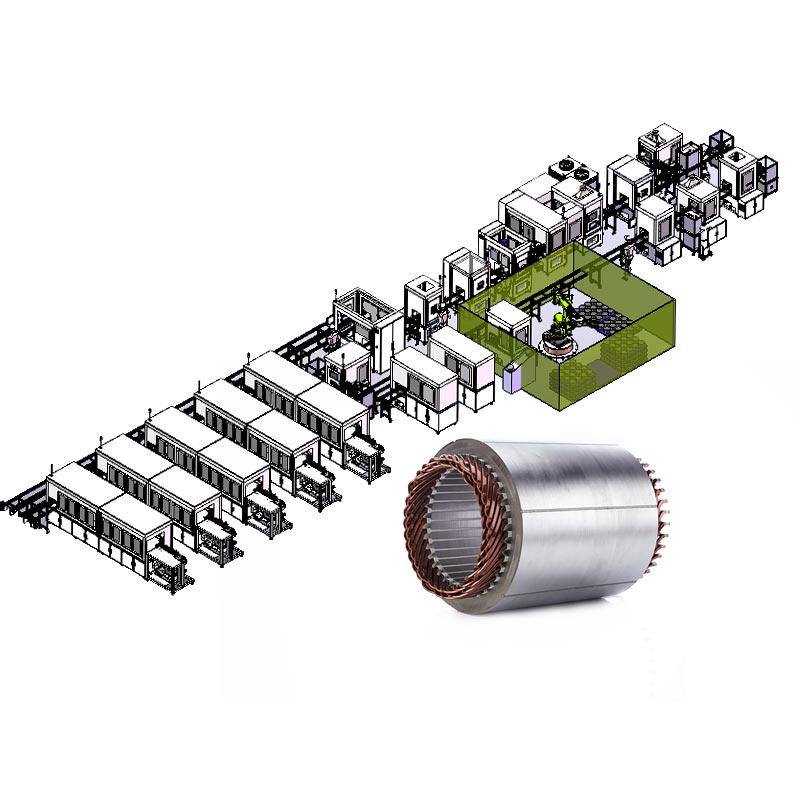
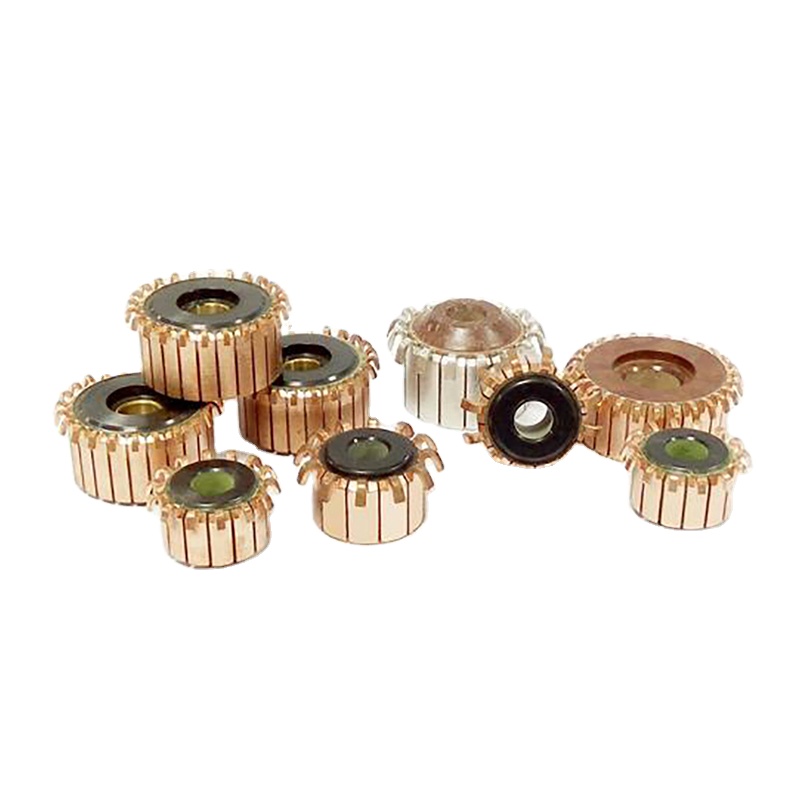
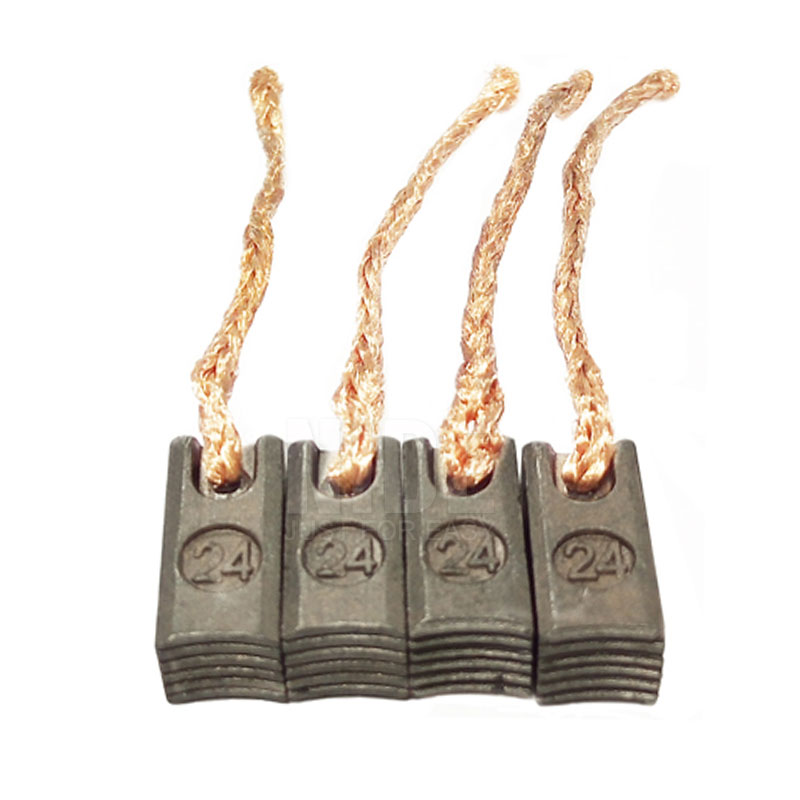
Guayaquil, anchoring the Gulf of Guayaquil and serving as the primary deep-water shipping gateway for Ecuador through the Port of Guayaquil (Contecon, DP World Posorja, and TPU terminals), occupies an unmatched strategic position. As the nation intensifies its decarbonization targets under the Estrategia Nacional de Electromovilidad, the demand for localized electric propulsion systems has expanded beyond passenger transit into commercial fleet logistics, riverine freight navigation, and heavy port utility equipment.
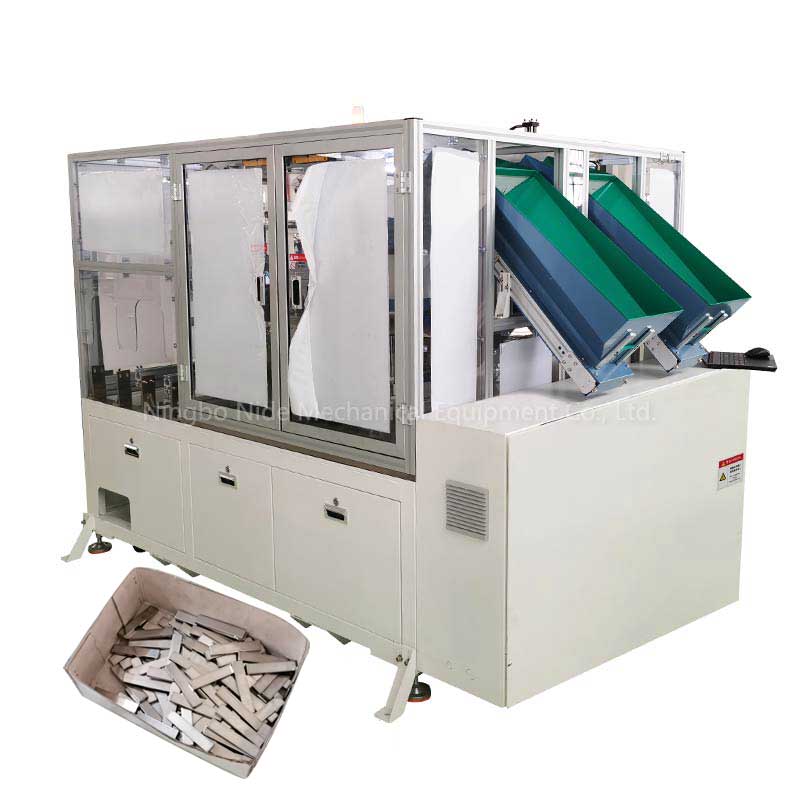
Deploying automated manufacturing equipment in Guayaquil requires rigorous mechanical acclimatization. Operating within a tropical wet-and-dry climate (Köppen Aw) marked by ambient temperatures exceeding 32°C, relative humidity levels hovering above 80%, and heavy airborne salinity from the Guayas River estuary and Pacific sea breezes, machinery components must possess exceptional thermal resilience, corrosion inhibitors, and IP55+ cabinet protection.
