Global Turnkey Engineering Whitepaper

Top Trusted Stator Assembly Line Manufacturer & Factories

Industrial-grade automation solutions, high-precision winding technologies, and end-to-end motor manufacturing cells built to stringent IATF 16949 and CE standards.

2010+
Engineering Footprint Since
50+
Countries Exported
30km²
Modern Production Base
99.8%
First-Pass Yield Reliability

Engineered Equipment & High-Tolerance Motor Hardware

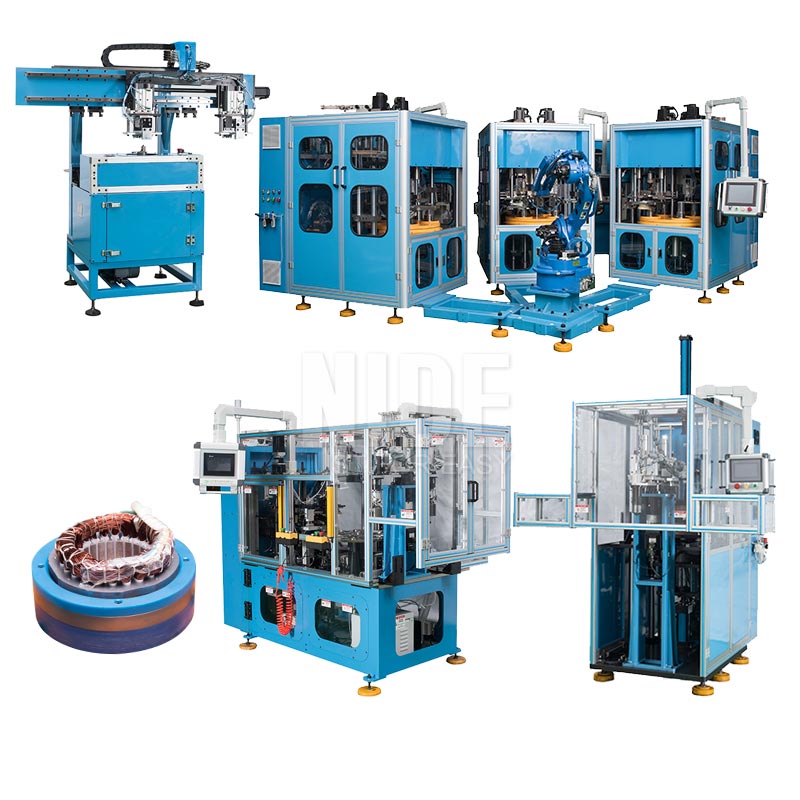
Explore our flagship stator assembly solutions, precision armature winding equipment, and certified electromagnetic core parts engineered for seamless factory integration.

Future Procurement Trends in Stator Manufacturing Systems

Strategic capital equipment sourcing frameworks balancing total cost of ownership (TCO), flexible retooling, and industrial IoT readiness.

Industrial procurement of electric motor stator manufacturing lines is undergoing a radical paradigm shift. Driven by rigorous efficiency standards such as IE4 and IE5 Super Premium Efficiency and the rapid electrification of passenger transport, Tier-1 automotive and industrial motor manufacturers can no longer afford dedicated, single-purpose assembly machinery. Procurement strategies for 2025–2030 demand modular architecture capable of accommodating multi-geometry lamination stacks and mixed-model high-mix production batches.

Agile Tooling & Rapid Changeover

Modern procurement protocols emphasize SMED (Single-Minute Exchange of Die) mechanisms. Factory teams require tooling changes—spanning winding needles, insertion tooling, and lacing jigs—to occur in under 30 minutes with zero re-calibration errors via recipe-driven PLC management.

Native MES & IIoT Telemetry

Procuring isolated machinery is obsolete. Top-tier assembly lines must integrate direct OPC-UA and MQTT protocols to continuously transmit operational parameters including winding tension curves, insertion force profiles, insulation resistance, and hipot leakage currents straight to factory MES networks.

TCO-Driven Lifecycle Costing

Forward-thinking operations evaluate total cost of ownership rather than initial CAPEX. Lines built with high-availability industrial PLC platforms (Siemens/Mitsubishi), servo closed-loop tensioners, and self-lubricating guiding dies prevent catastrophic copper scraping and lower energy consumption by over 24%.

Technological Trajectories in Stator Assembly Lines

From conventional distributed round-wire windings to continuous hairpin technology and AI-driven automated optical inspection.

Hairpin (Flat Wire) Stator Dominance

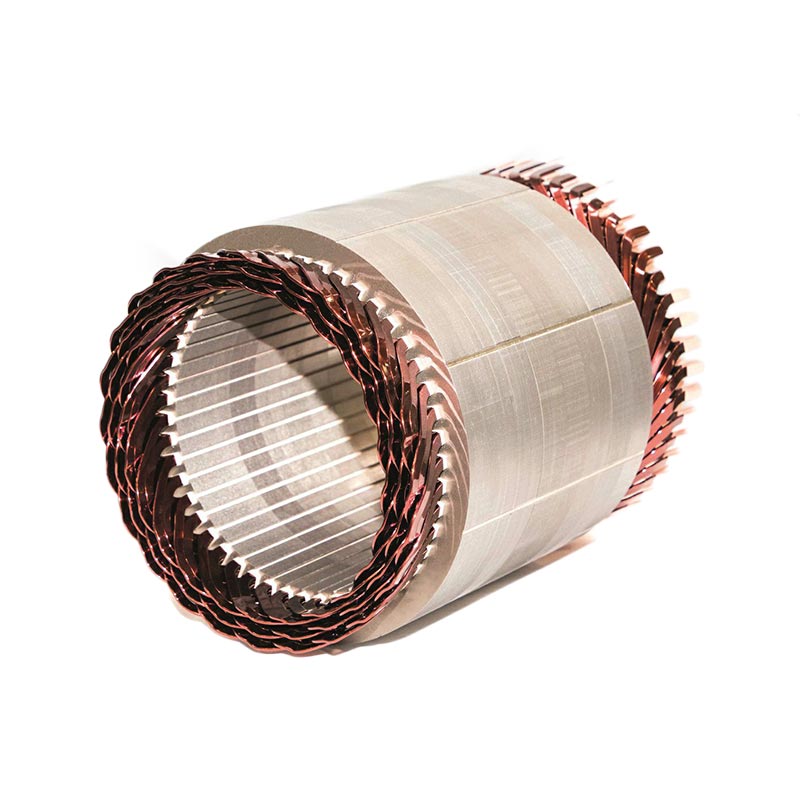
The electric vehicle industry has accelerated the transition from distributed random-wound round wire to Hairpin rectangular wire architecture. Flat wire stators increase the slot fill factor from ~45% to over 73%, optimizing thermal conduction pathways and vastly reducing copper resistance losses at elevated RPMs.

Servo-Electronic Tension Automation

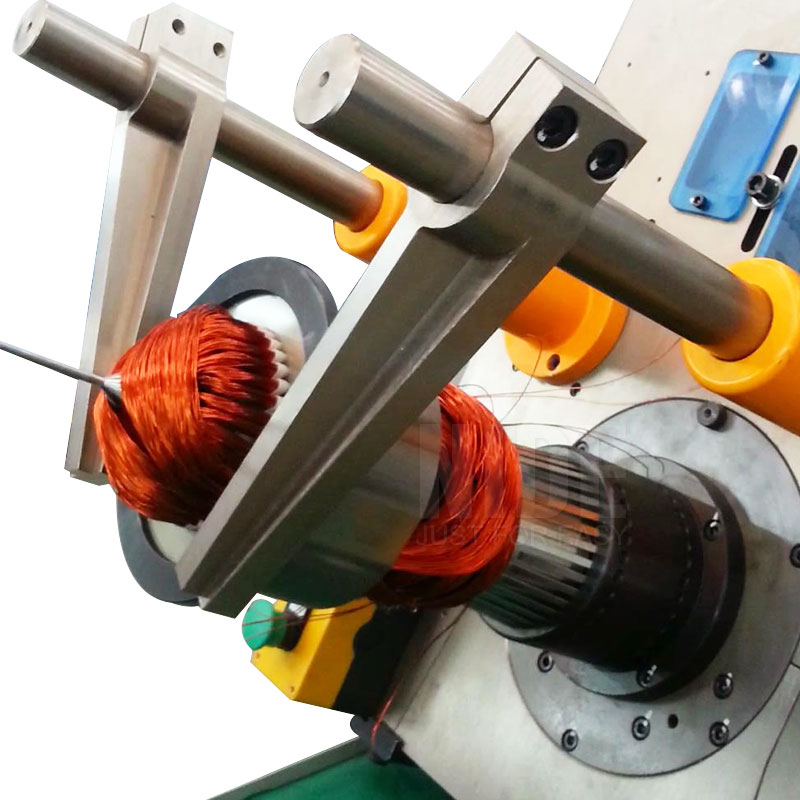
Mechanical spring friction plates are replaced by multi-axis closed-loop servo tension controllers. Real-time microsecond tension feedback guarantees that micro-enameled wire retains structural integrity without stretching or dielectric insulation breakdown during high-speed flyer winding cycles.

Laser Processing & In-Line 3D AOI

Integrated vision guidance inspects wire crown geometry and slot paper positioning prior to hairpin insertion. Post-twisting, high-brightness fiber lasers with real-time weld pool monitoring execute pin welding, while integrated surge and partial discharge (PD) testing stations weed out latent insulation defects.

Technology Parameter Conventional Distributed Winding Line Next-Gen BLDC Needle Winding Line High-Speed Hairpin EV Stator Line
Slot Fill Factor 40% – 48% Standard 50% – 58% Enhanced 70% – 76% Maximum
Thermal Conductivity Moderate (Inter-wire air pockets) High (Tight concentric layers) Superior (Direct slot boundary contact)
Line Cycle Time (Tact) 25 – 45 seconds per stator 18 – 30 seconds per stator 12 – 22 seconds per stator
Testing Integration Post-assembly off-line bench Semi-integrated hipot & surge 100% Inline Partial Discharge & 3D Vision
Primary Applications Induction motors, pumps, HVAC Drones, appliance BLDC, EPS, Hub BEV/PHEV Traction, High-RPM Aviation

Ningbo Nakro Intelligent Equipment: Engineering Credentials

Delivering full-lifecycle manufacturing security from Ningbo, China to over 50 global manufacturing hubs.

ISO 9001 Certified System

Every automated cell, insertion blade, and winding mandrel is machined under strict ISO 9001-certified quality workflows with complete dimensional coordinate measurement machine (CMM) verification.

50+ Countries Deployed

With more than 13 years of specialized international export experience, our field commissioning engineers deliver turnkey lines across North America, Europe, Southeast Asia, and South America.

Full-Spectrum Ecosystem

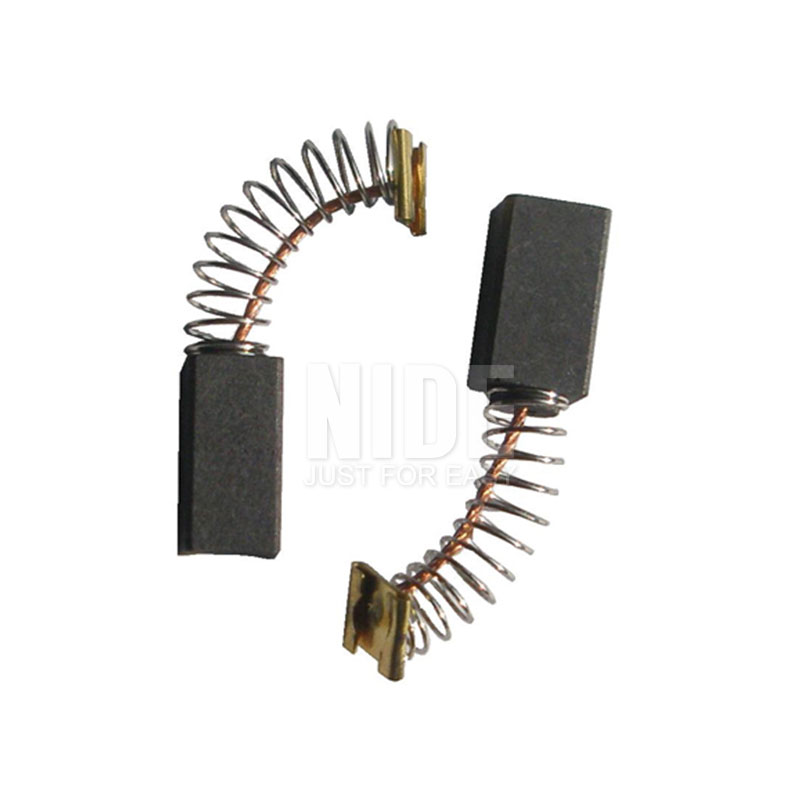
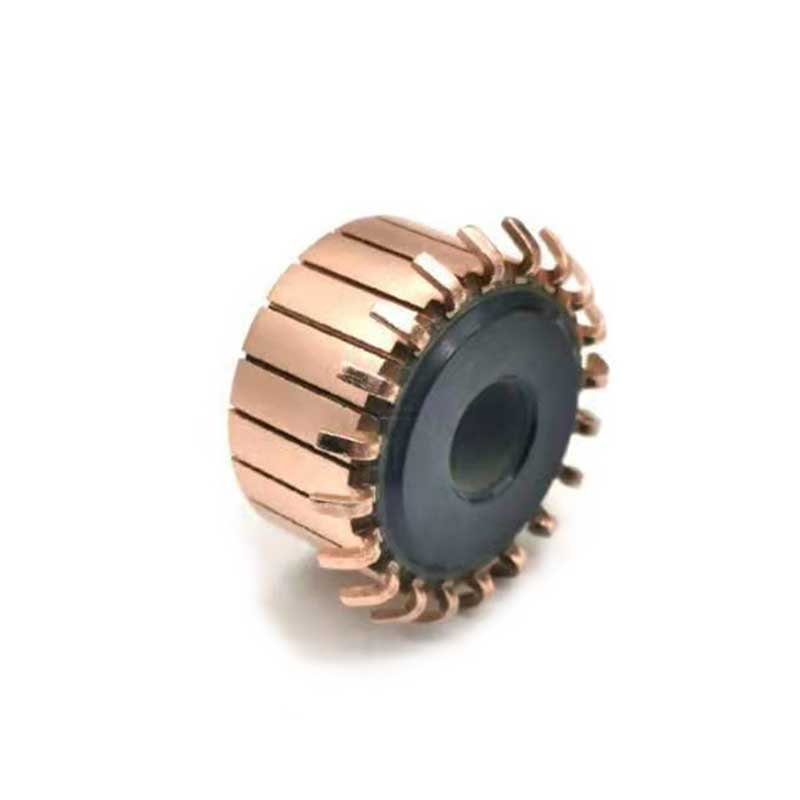
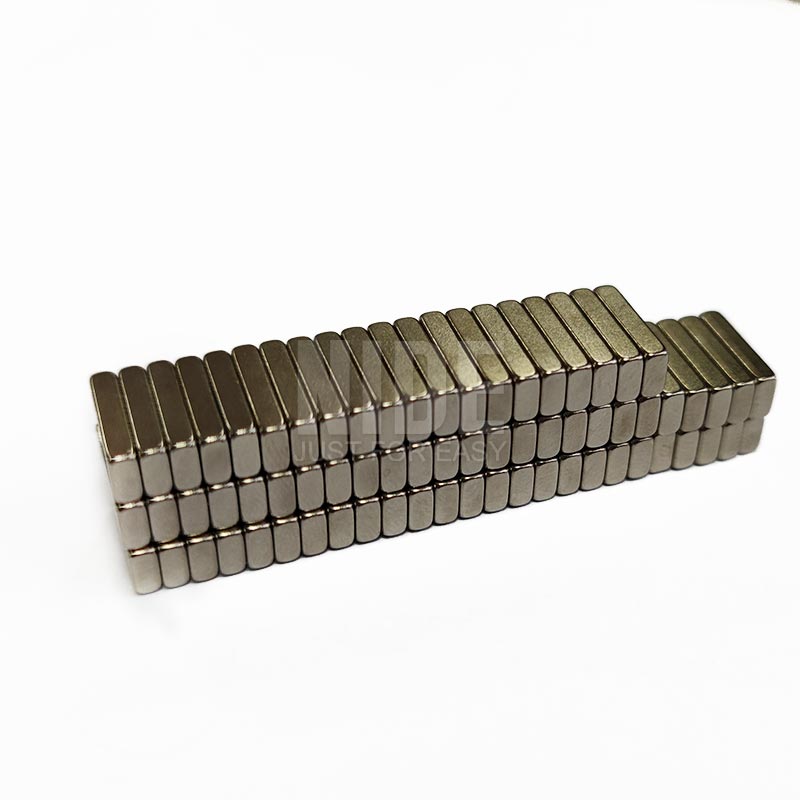
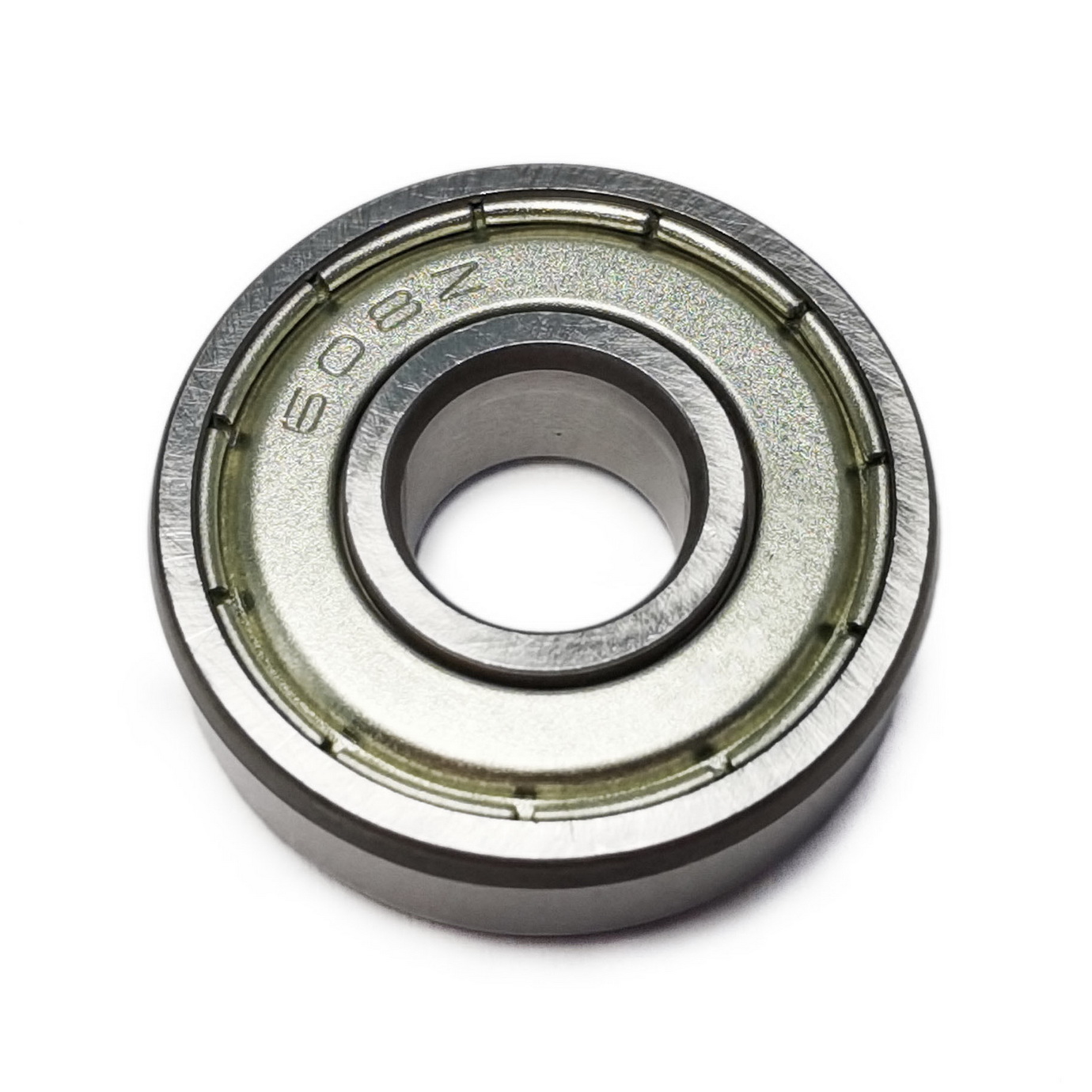
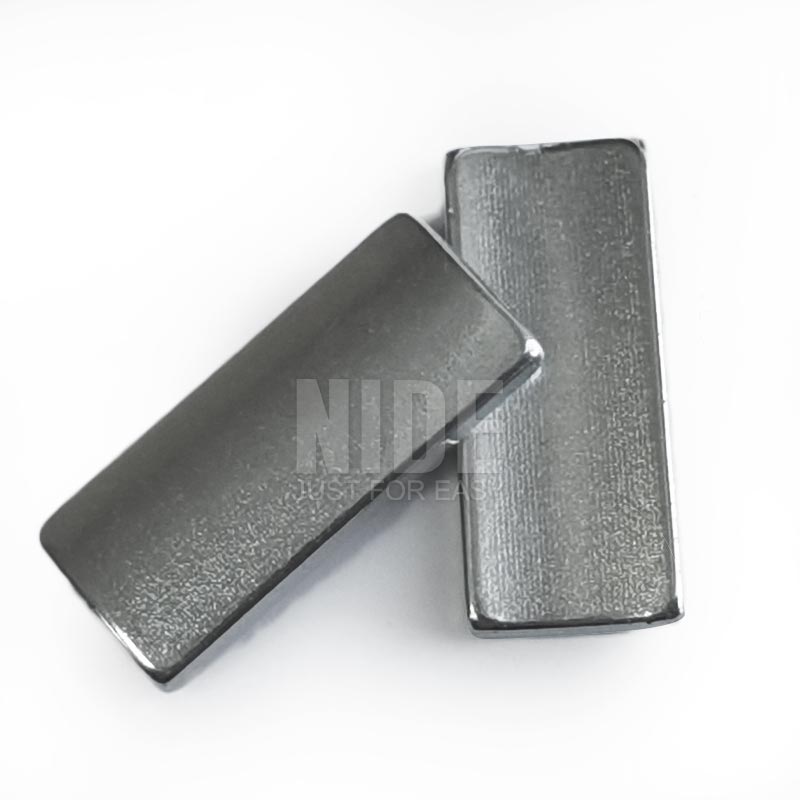
Beyond capital equipment, we supply precision-matched commutators, deep-groove bearings, carbon brushes, and high-performance N52 NdFeB magnets, streamlining supply chains into a single responsible source.

Pre-Shipment Trial Run-Offs

We eliminate commissioning risk. Every production line undergoes exhaustive trial run-offs using the client's actual laminations, wire spools, and insulation materials, complete with video recording and sample sign-off.

Frequently Asked Questions on Stator Assembly Line Procurement

Detailed technical answers to common queries raised by process engineers, procurement directors, and plant managers.

What parameters are required to generate an accurate stator production line proposal?
To provide an optimized engineering layout and guaranteed cycle time, our R&D department requires: (1) 2D/3D stator lamination drawings displaying slot geometry, outer/inner diameter, and stack height; (2) Winding schematics including wire diameter (or flat wire cross-section), number of turns per slot, and connection type (Star/Delta); (3) Target annual capacity or takt time per stator; and (4) Preferred core automation components (e.g., Siemens, Omron, or Mitsubishi PLCs and servo drives).
Can a single stator assembly line process multiple motor frame sizes?
Yes. Our modular stator assembly lines feature flexible architecture. Changes in stack height can typically be adjusted automatically via the HMI touchscreen recipe system within seconds. When transitioning between differing outer diameters or slot counts, modular quick-change tooling fixtures (including inserting blades, wedge guides, and lacing clamps) can be exchanged in approximately 20 to 45 minutes without requiring line disassembly.
How does your factory ensure zero enameled wire scraping during high-speed coil insertion?
Enamel protection is managed through three safeguards: First, all pushing blades and guide magazines are precision-machined from tungsten steel or heat-treated Cr12MoV, polished to mirror finishes (Ra < 0.2 µm). Second, dual-axis synchronized servo systems push the wire coils and slot insulation wedges concurrently, maintaining optimal alignment. Third, an integrated micro-lubrication mist is applied during insertion, preventing localized friction heating and sheath abrasion.
What acceptance protocols (FAT & SAT) are conducted prior to final release?
We adhere to rigorous multi-tier testing: Factory Acceptance Testing (FAT) involves continuous run-offs of 500 to 2,000 customer stators at our Ningbo facility, verifying cycle time, CPK capability, slot paper retention, and complete electrical characteristics (DC resistance, surge voltage breakdown, and hipot leakage). Once delivered, our engineers conduct Site Acceptance Testing (SAT) at your plant, recalibrating the equipment and providing hands-on operator certification.
How do you handle spare parts provisioning and overseas after-sales support?
Every turnkey line is dispatched with a comprehensive two-year consumable spare parts package (wear blades, push pins, pneumatic seals, sensors). Furthermore, all machine control cabinets are equipped with encrypted VPN gateways for secure remote diagnosis and firmware optimization. If on-site intervention is necessary, our regional service partners and dispatch engineers provide technical coverage within 24 to 72 hours worldwide.

Accelerate Your Stator Assembly Project With Turnkey Precision

Whether you are upgrading an existing induction line, automating manual winding cells, or setting up a high-volume hairpin EV manufacturing line, our senior engineering specialists are ready to calculate your cycle times and optimize your factory layout.

Send an Inquiry