Automotive DC
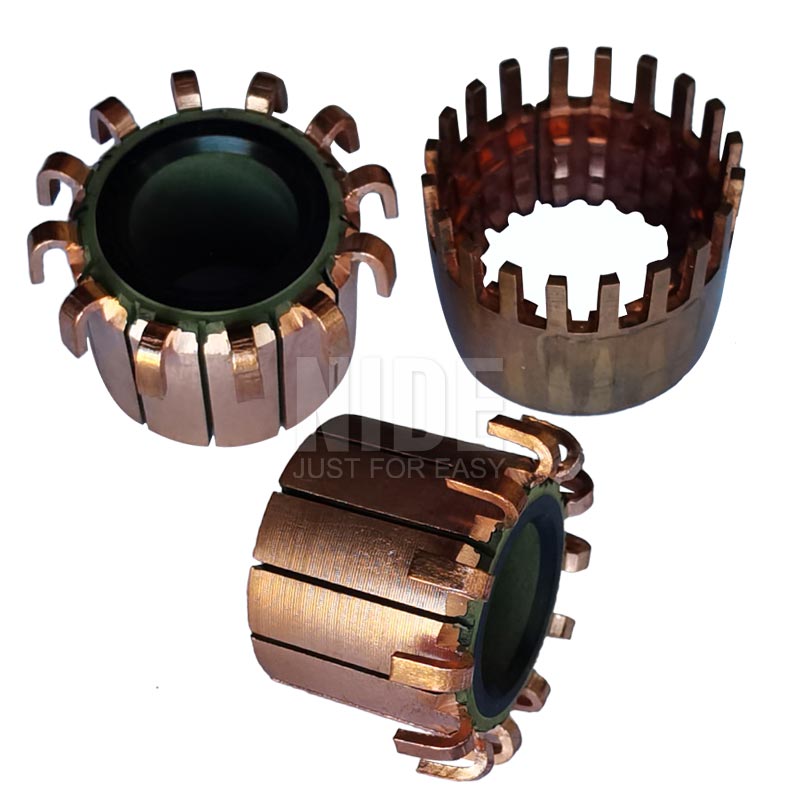
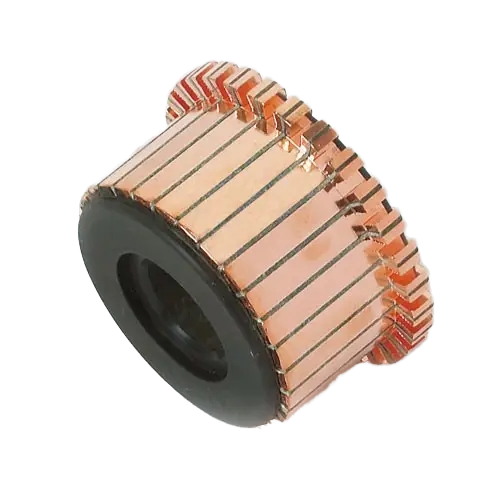
12-Segmented Wiper Motor Hook Commutator (NDPJ-HXQ-174)
- CCC Certified
- Silver-Copper Alloy
- High Wear Life
Engineered in Ningbo, China to strict ISO 9001:2015 frameworks. Integrated solutions spanning stand-alone winding stations to full e-mobility automated manufacturing cells.
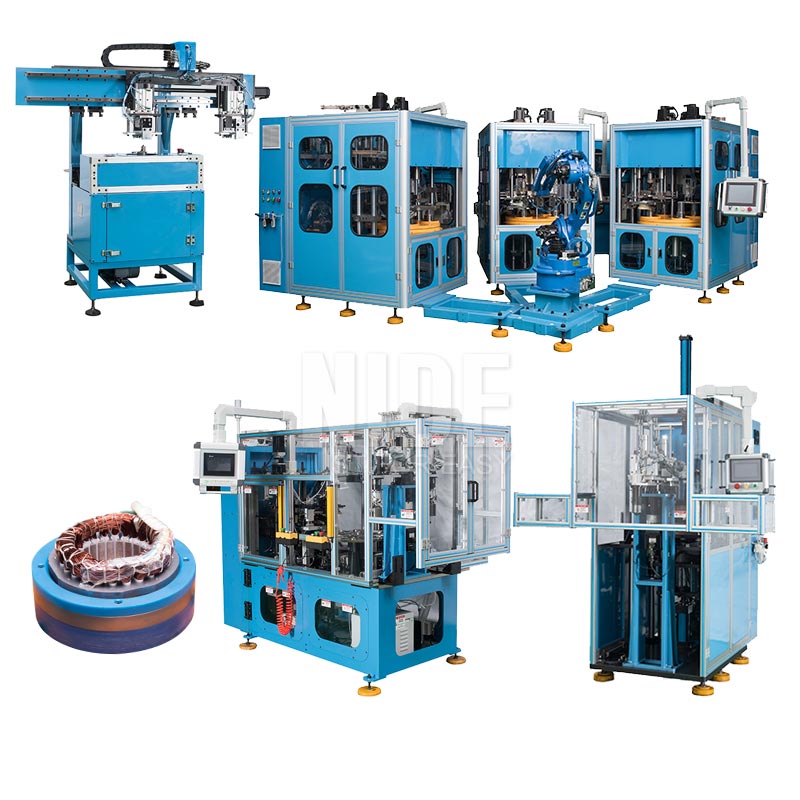
Modern electric motor fabrication has evolved far beyond standalone manual winding machines. Today, Tier-1 automotive assemblies, industrial pump manufacturers, and high-efficiency home appliance brands demand end-to-end synchronized stator production lines capable of achieving tactical CPK values higher than 1.67. As motors are optimized for peak slot fill factors (often exceeding 75% in flat-wire hairpin designs), stator line automation has emerged as the definitive competitive battleground.
Headquartered in Ningbo, Zhejiang—the global epicenter of precision machinery and magnetic core supply chains—our engineering groups spearhead the integration of programmable servo-driven needle winders, high-speed automated slot paper insulation inserters, multi-axis intermediate and final coil forming presses, and inline electrical end-of-line (EOL) diagnostics. Every customized stator manufacturing line embodies over a decade of mechanical development, directly addressing the core challenges of partial discharge immunity, minimal copper stretch, and zero insulation degradation during high-speed insertion.
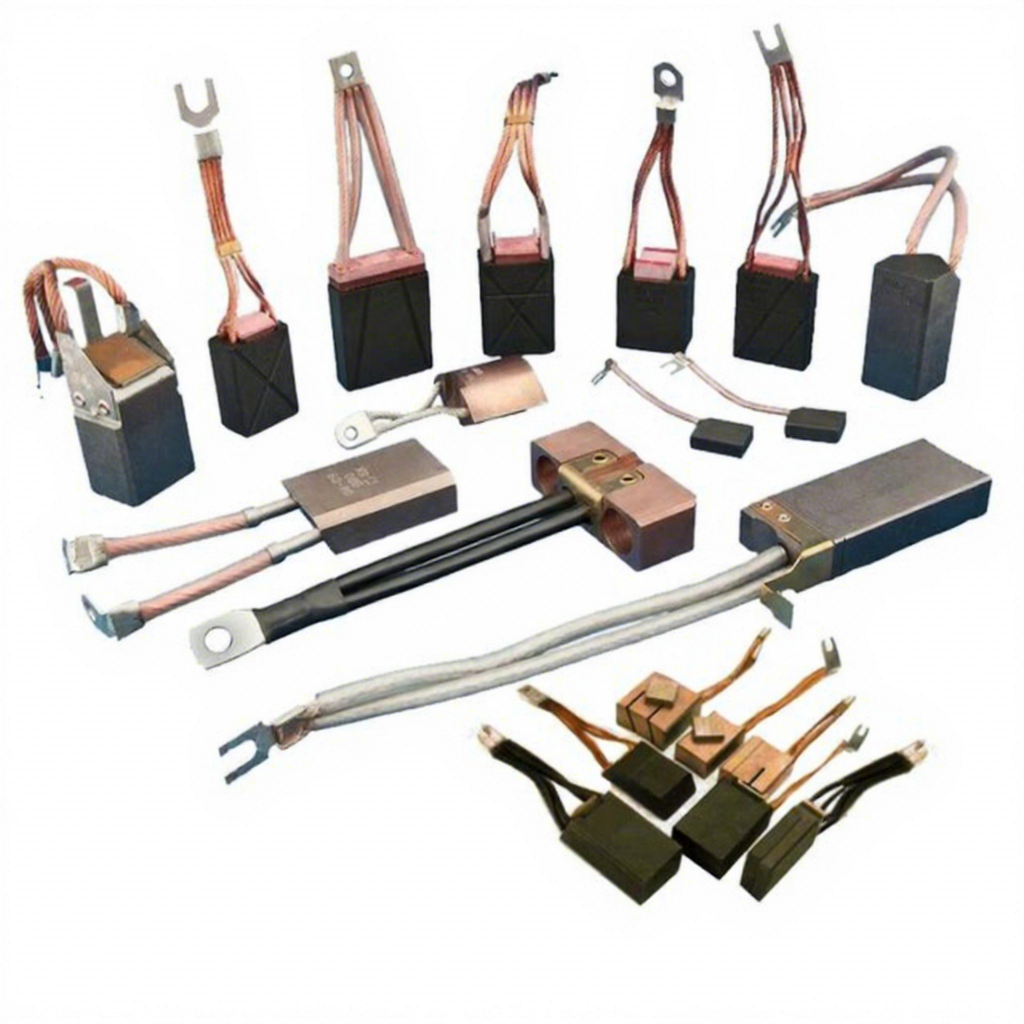
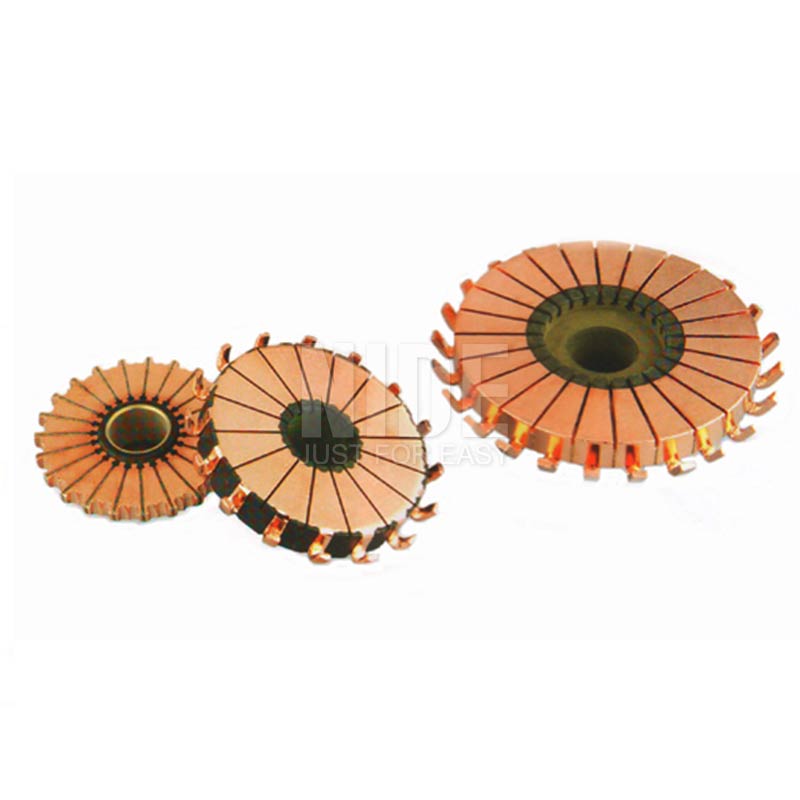
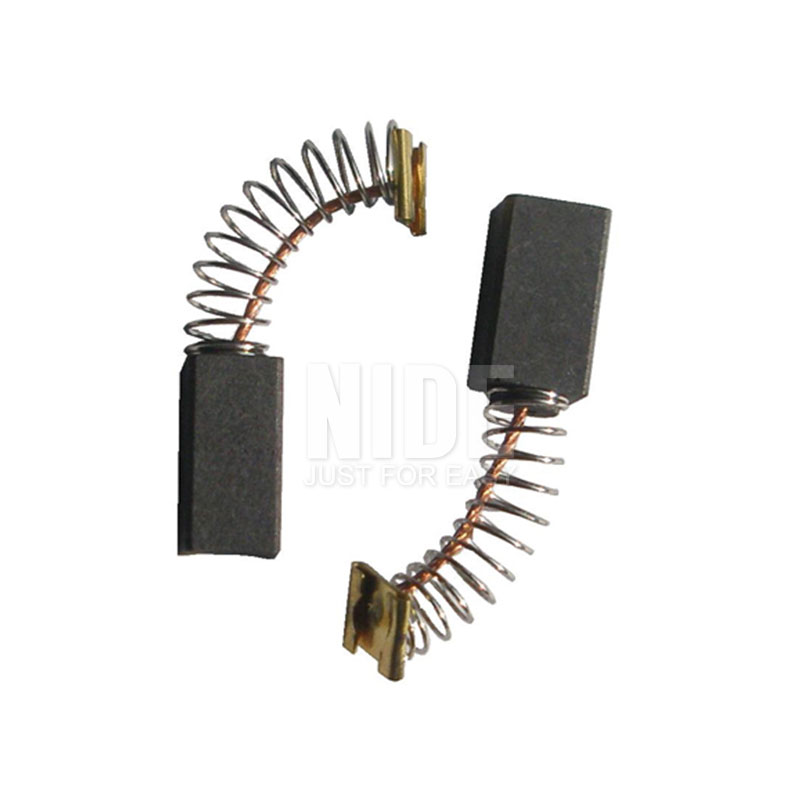
By controlling both machine automation architecture and the exact chemical and metallurgy specifications of critical motor components—including commutators, permanent neodymium magnets (NdFeB), and high-density carbon contacts—we deliver turnkey accountability from raw electrical steel laminations to final impregnated and tested stator cores.
Decouple project risk by combining industrial automation hardware with an audited, Tier-1 motor component supply chain.
Complete execution from initial CAD/slot review to line layout, fabrication, trial runs with customer laminations, and on-site commissioning worldwide.
Rigorous multi-stage checkpoints covering material metallurgy, CNC tooling tolerances, IPC electrical cabinet inspections, and full-load trial runs.
Thirteen-plus years of export history across Europe, Southeast Asia, South America, and the Middle East, supported by on-site field engineers and remote telemetry.
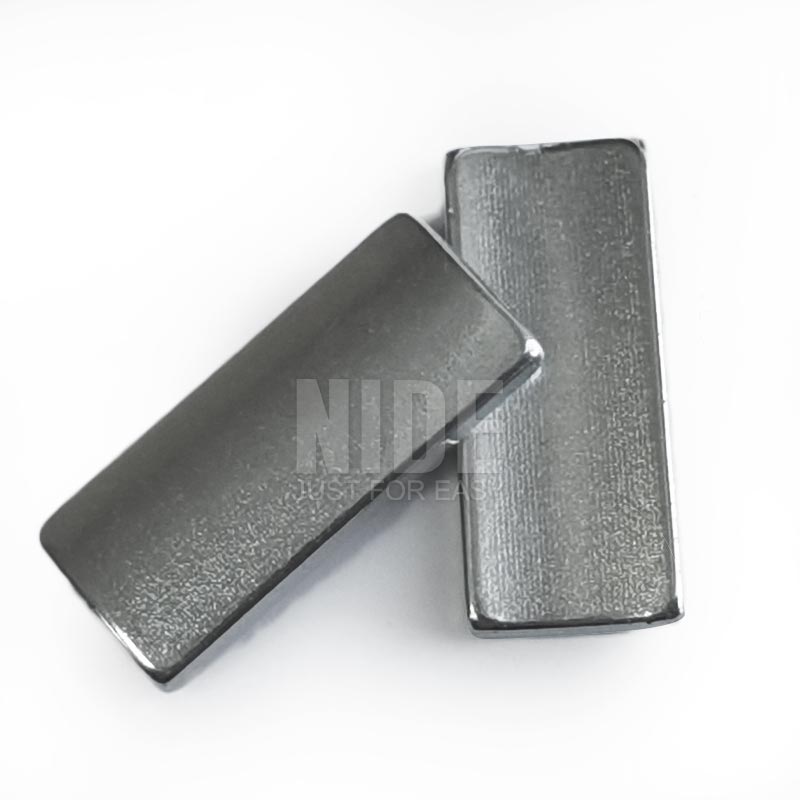
Access high-grade matching accessories: N52 NdFeB blocks, planar/hook commutators, carbon assemblies, and precision copper alloys straight from Ningbo.
Selecting the correct manufacturing route based on magnetic topology, slot filling rates, and volume targets.
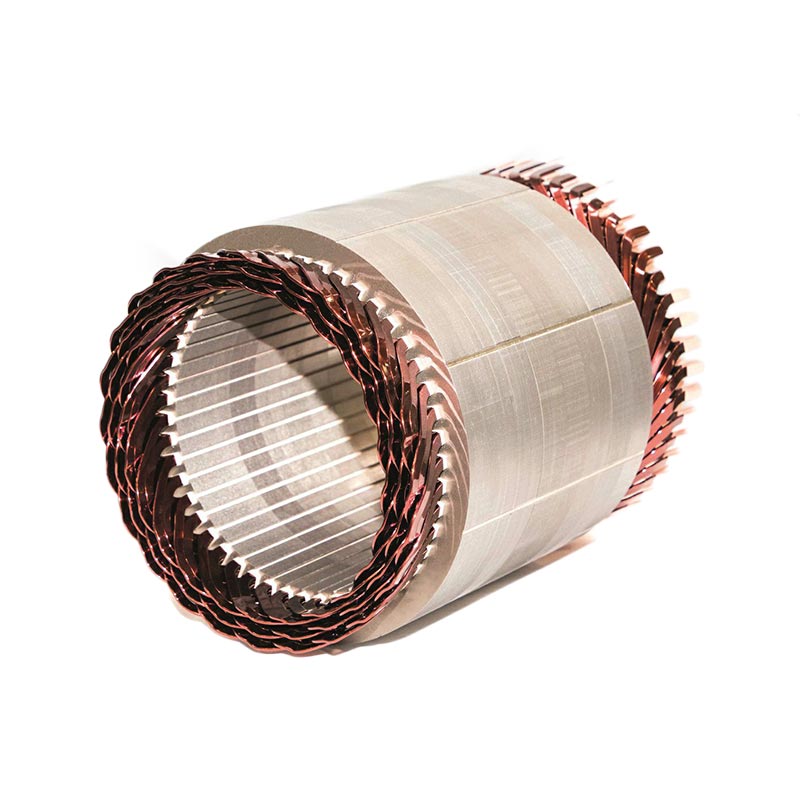
Dedicated to EV/E-mobility traction motors requiring dense copper slot fills (>73%) and thermal dissipation capabilities far superior to round-wire coils.
Engineered for internal and external slot stators, servo motors, drone hubs, and brushless high-efficiency industrial automation drives.
High-volume commercial motor production for HVAC fans, submerged water pumps, industrial compressors, and appliance drive systems.
When procuring stator manufacturing lines over the next 5 to 10 years, procurement managers and plant directors will need to align with three overarching technological movements:
1. Industry 4.0 Digitalization & Closed-Loop Quality Tracking: Traditional lines checked finished stators only at the final station. Next-generation lines integrate optical machine vision at every winding cell, measuring enamel deformation, slot paper depth, and wire cross-overs in real time. Industrial IoT edge servers track dynamic resistance, thermal profiling during fusing, and high-voltage surge curves, serializing each stator core via QR laser marks to guarantee full automotive traceability.
2. Rapid Tooling Modularization & Flexible Cells: The era of single-product lines lasting 10 years is obsolete. Motor manufacturers now encounter fluctuating market demands across varying stack heights, wire gauges, and pole-slot counts. Advanced buyers prioritize lines with quick-change modular tooling jigs and recipe-driven HMI control, reducing conversion downtime from 6 hours to under 35 minutes.
3. Transition from Class H to Inverter-Duty Insulation Systems: With the wide adoption of Silicon Carbide (SiC) and Gallium Nitride (GaN) fast-switching inverters operating above 800V in e-mobility, stator winding lines must preserve dielectric integrity. Line builders must engineer zero-contact wire feedways, ceramic guides, and precise tension control systems to avoid micro-scratches that cause destructive partial discharges at high operating frequencies.
Real technical and contractual insights compiled from over a decade of international motor production deliveries.
Share your motor designs, annual production targets, and plant dimensions. Our engineering team will deliver a comprehensive proposal featuring line layouts, cycle time analysis, and competitive CAPEX forecasting within 48 hours.
