Factory Catalog
Mission-Critical Automation Units & Motor Components
Engineered for high-volume repeat accuracy, multi-axis servo precision, and seamless integration into automated motor assembly lines.
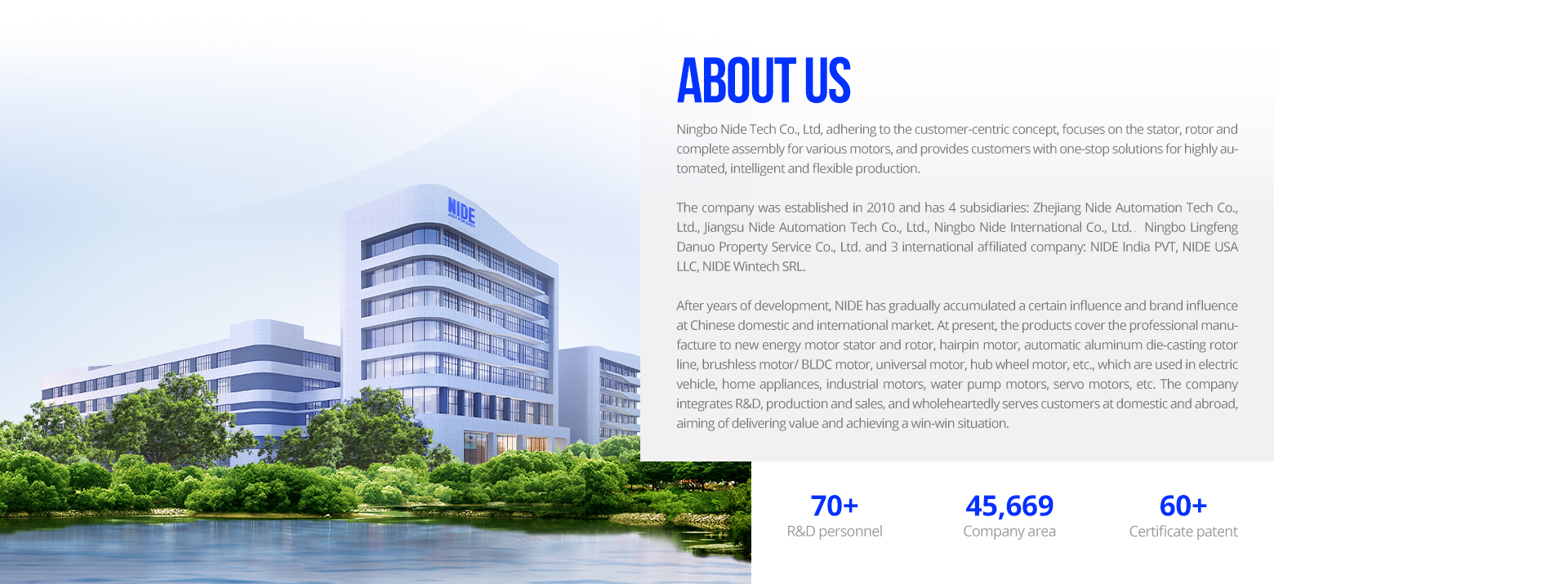
2010
Established Engineering Origin
50+
Export Nations Worldwide
30,000+
sq.m Modern Facility Space
ISO 9001
Audited Quality Management
Engineering Authority
Why International OEMs Partner With Our Automation Infrastructure
Combining mechanical automation, advanced electronic testing, and turnkey motor material supply under a single accountability framework.
Turnkey Line Architecture
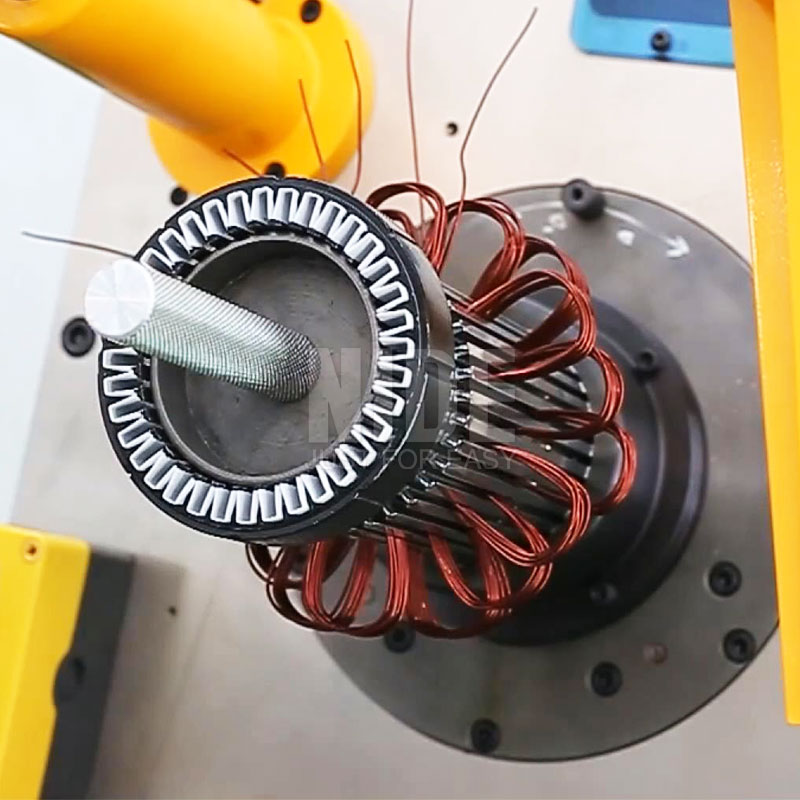
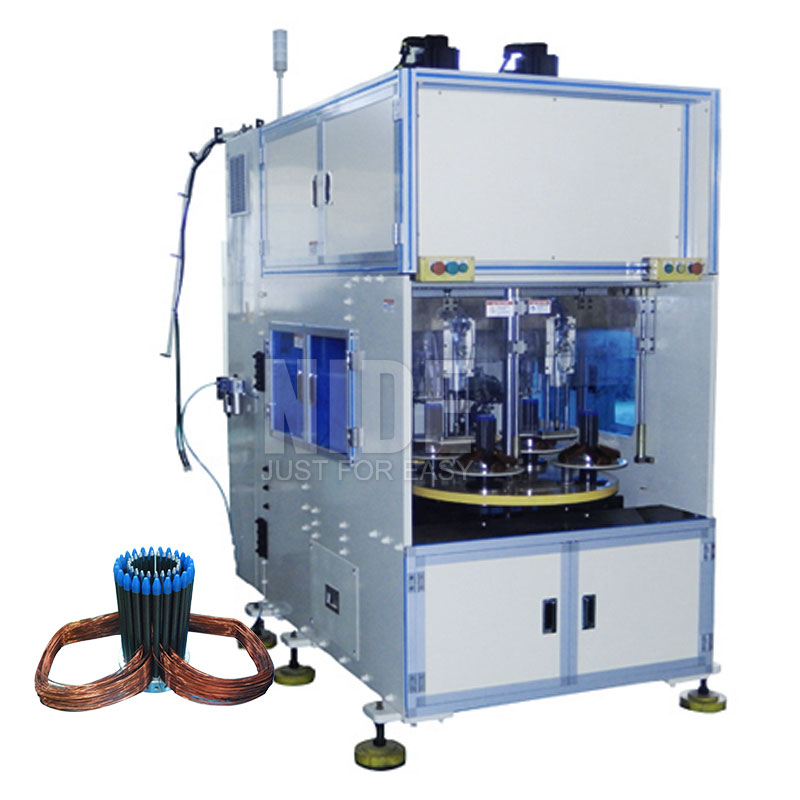
We do not merely supply stand-alone winders. From raw silicon steel lamination feeding, slot paper insertion, to multi-axis flyer or needle winding, automated commutator fusing, balancing, and full-load end-of-line testing, our integrated lines eliminate inter-station bottlenecks.
Custom Tooling & Slot Geometry R&D
Every motor design introduces unique challenges in slot fill factor, wire tension dissipation, and end-turn stack dimensions. Our dedicated R&D engineering division produces custom winding nozzles, wedge guides, and expandable inserting tooling tested specifically against your proprietary blueprints.
Global Field Service & Commissioning
Backed by over 13 years of overseas industrial trade, our automation platforms come with on-site deployment, PLC remote diagnostic gateways, complete tooling sets, and verified regional service partnerships across Southeast Asia, Eastern Europe, South America, and the Middle East.
Industry Whitepaper Analysis
The Technical Frontier of Motor Automation: Efficiency, Form Factors, and Next-Gen Assembly
The global electric motor manufacturing sector is experiencing a paradigm shift driven by stringent energy efficiency directives (such as IE4 and IE5 super-premium efficiency benchmarks) and the exponential acceleration of light electric mobility, consumer robotic drives, and variable-frequency HVAC applications. As high slot fill factors and reduced electromagnetic losses become non-negotiable, legacy semi-manual winding and coil insertion systems are being systematically decommissioned.
1. Technological Transformation: From Traditional Fly-Winding to Multi-Axis Servo Insertion
For decades, fractional horsepower AC motors relied heavily on traditional centrifugal fly-winders or gravity-fed coil dropping mechanisms. In modern industrial motor fabrication, however, copper space factor constraints require packing densities exceeding 78% to 82%. Achieving this density without compromising wire enamel integrity requires closed-loop tension systems featuring active dynamic feed-forward algorithms.
In brushless DC (BLDC) and permanent magnet synchronous motor (PMSM) stator production, automated needle winding heads now execute synchronized multi-axis interpolation. The needle guides magnet wire through tight tooth-gap passages with sub-millimeter clearances. This level of precise layer winding minimizes phase crossing, eradicates short-circuit hotspot risks, and substantially mitigates high-frequency parasitic capacitances in inverter-driven configurations.
| Kinematic Parameter / Station | Legacy Semi-Automatic Process | Next-Gen Closed-Loop Automation |
|---|---|---|
| Stator Slot Fill Factor | 60% – 68% Max (Manual Guidance) | Up to 82% (Precision Wedge + Servo Insertion) |
| Enamel Coating Tension Variance | ±15% (Mechanical Friction Brakes) | < ±1.5% (Dynamic Electromagnetic Closed-Loop) |
| Commutator Fusing & Resistance Delta | Micro-Ohm Variance ±5% to 8% | Laser/Inverter Fusing Variance < 0.8% |
| Inline Verification Checkpoints | Batch Post-Inspection (Offline sampling) | 100% Integrated Surge, Hipot, & Micro-Ohm Testing |
2. Future Procurement Trends: Strategic Insights for Plant Procurement Directors
When capital expenditure (CapEx) committees evaluate high-speed manufacturing lines from China, procurement vectors have shifted decisively away from single-station unit cost toward total cost of ownership (TCO) and flexible scalability:
- Modular Interchangeability for Rapid Model Shift: With electric mobility motor designs iterating rapidly, procurement directors prioritize lines capable of retooling within 45 minutes. Modular stator pallets, quick-disconnect needle heads, and digital recipe storage via industrial HMIs allow plants to switch between varying stack heights and lamination diameters seamlessly.
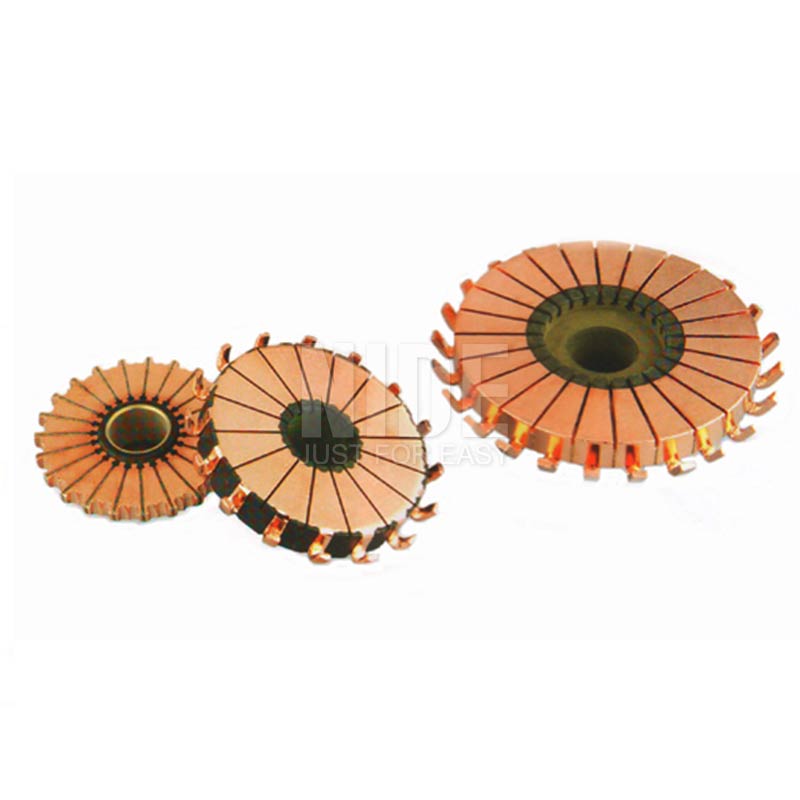
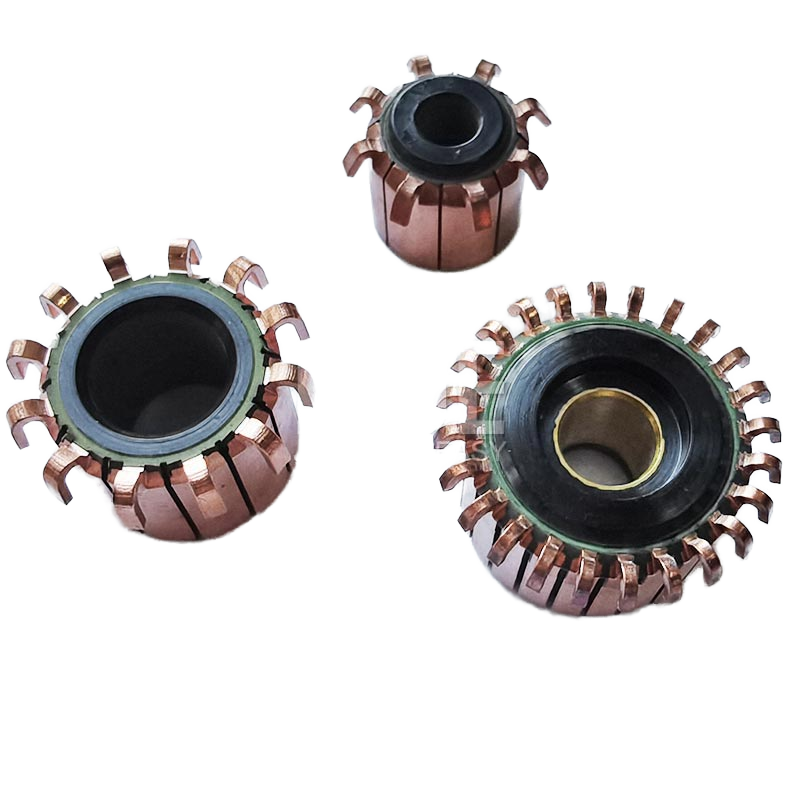
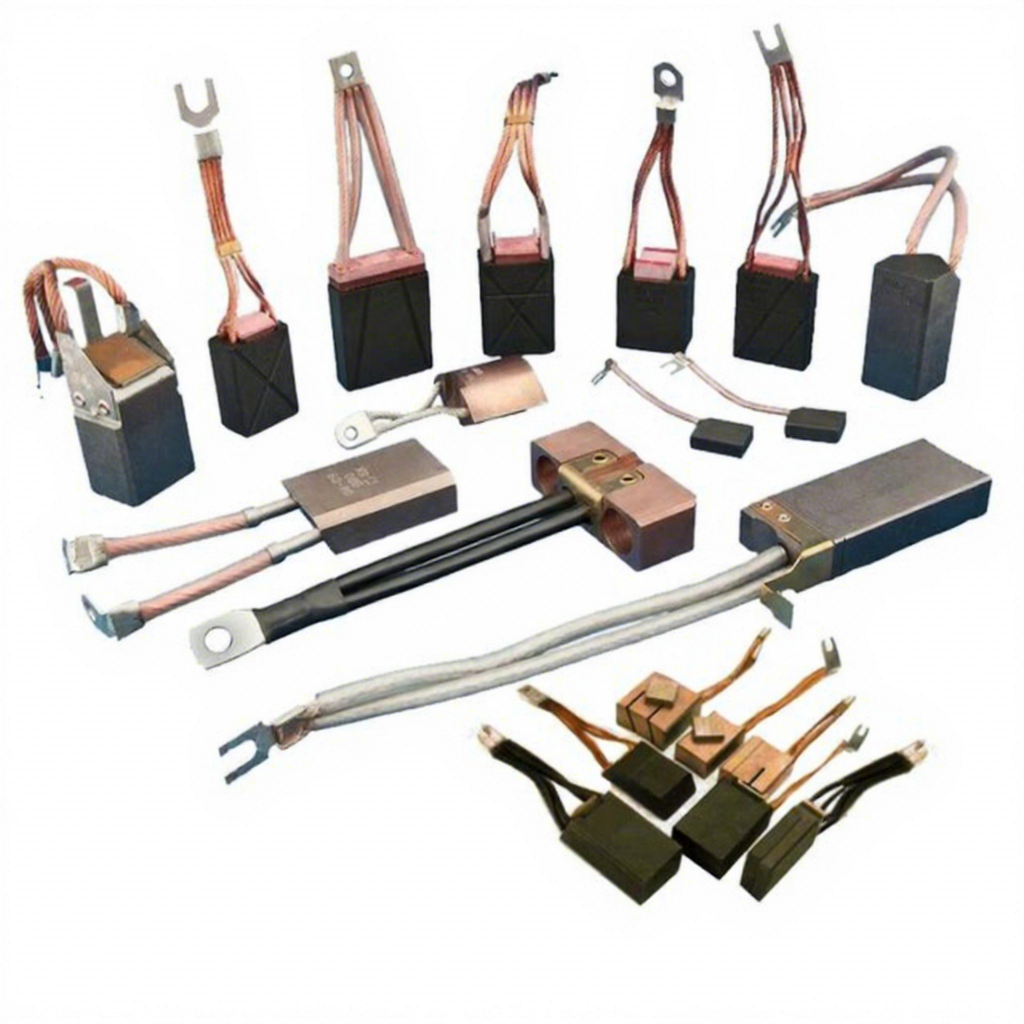
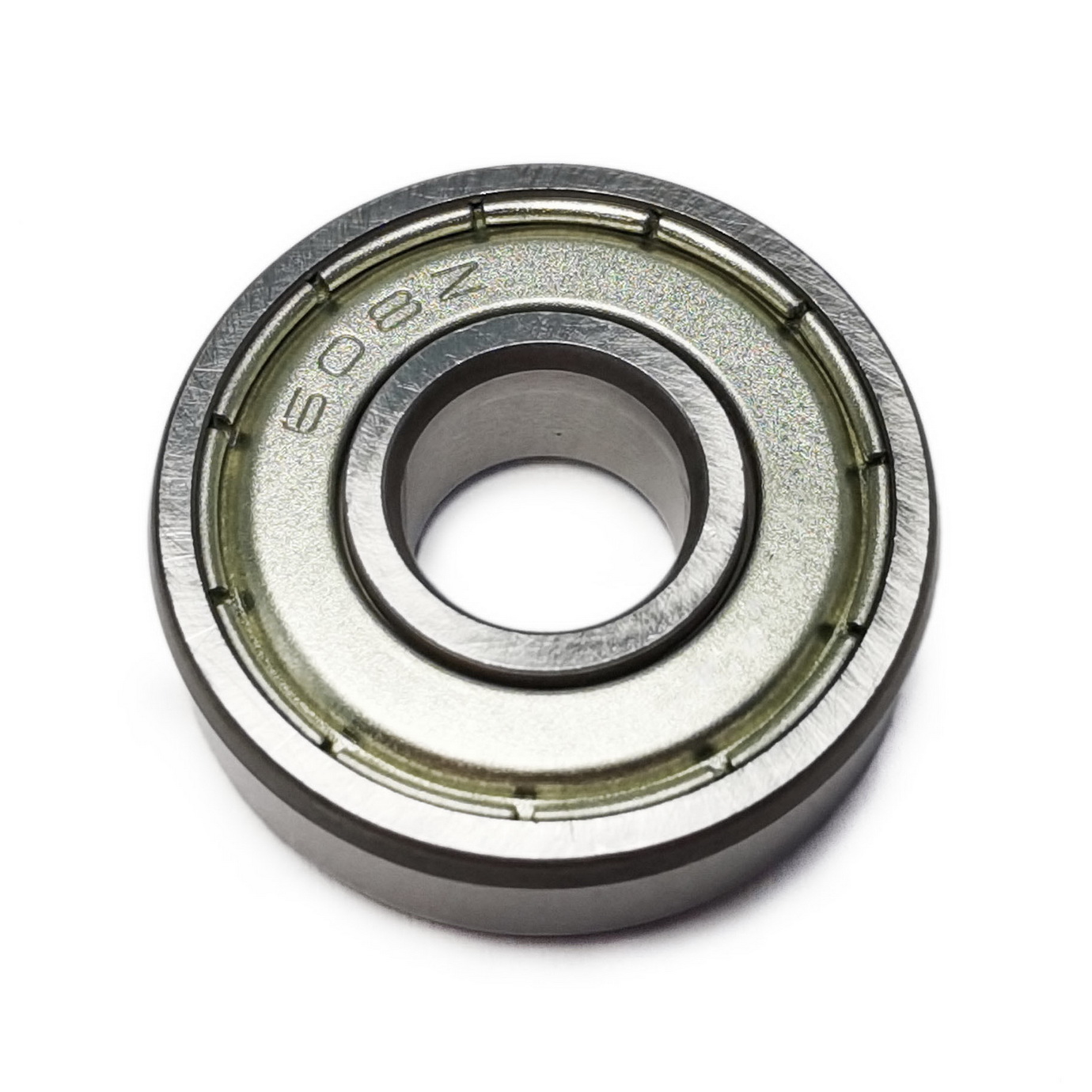
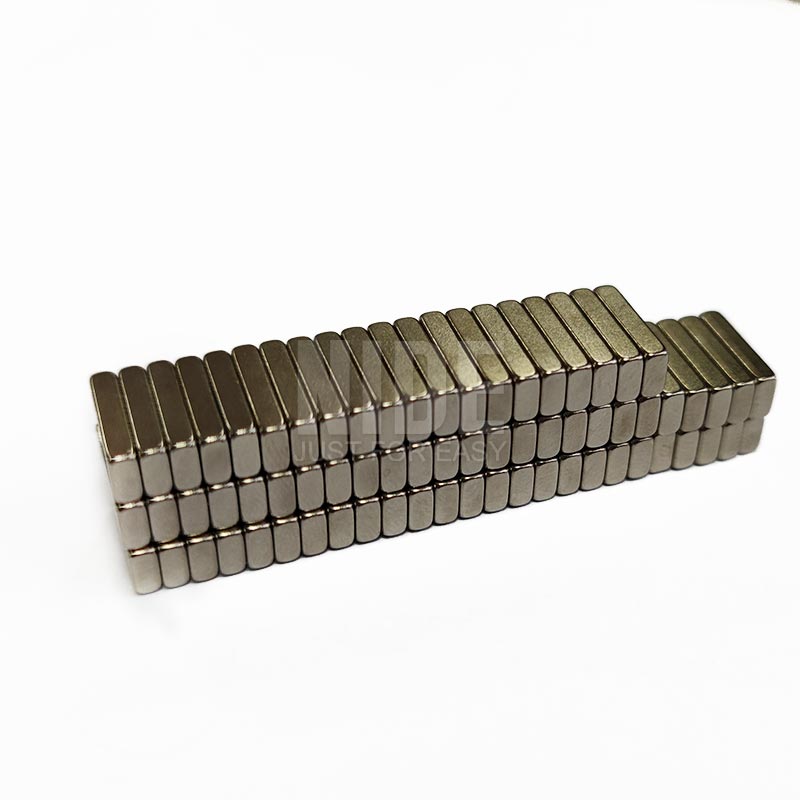
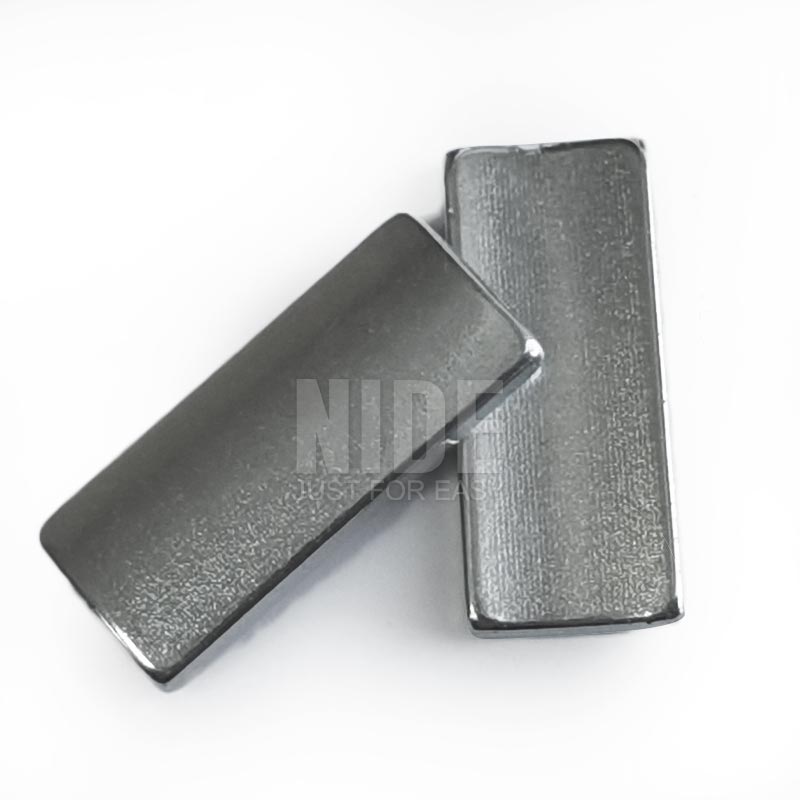
- Consolidated Component & Machine Sourcing: Sourcing high-precision machinery from one vendor and commutators, bearings, carbon brushes, and NdFeB magnets from disparate entities frequently creates finger-pointing during root-cause scrap analysis. Tier-1 buyers increasingly prefer integrated manufacturers like Ningbo Nakro, who validate the equipment using the precise metallurgical grades of copper, magnets, and commutators intended for production.
- Traceability and Edge-Compute Quality Validation: Modern automotive auxiliary lines demand that each wound stator's resistance, leakage current, surge waveform, and press-fit force displacement curve be logged with an engraved 2D data-matrix serial code for 10-year audit compliance.
Manufacturing Rigor
Audited Workshop & Quality Engineering Capabilities
A tangible look inside our 30,000+ m² precision assembly floors, computerized machining centers, and validation laboratories in Ningbo.
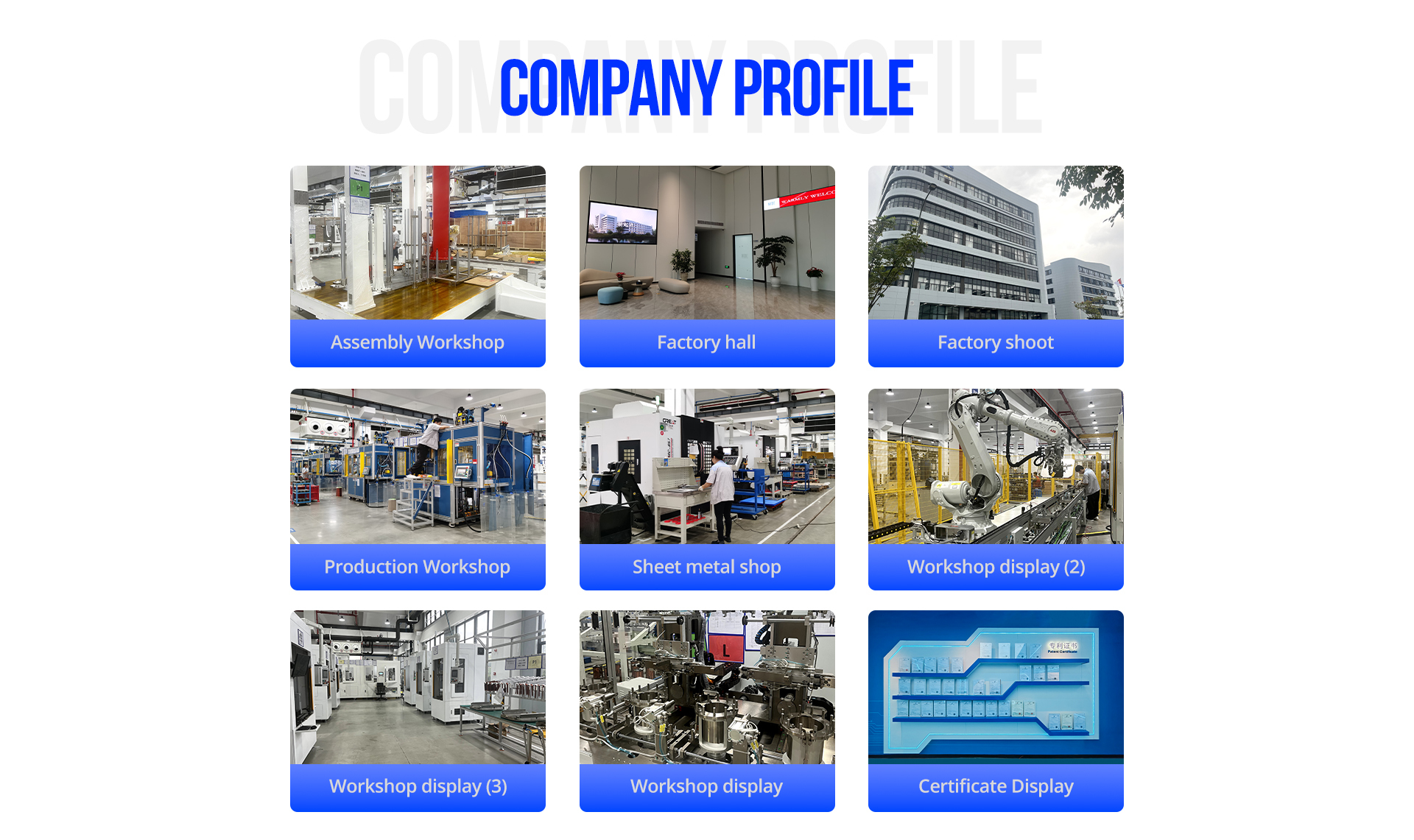
Machining & Fabrication Base
Multi-Axis Assembly Hall

Stator & Armature Cells

Inspection & Metrology Lab
Procurement Guidance
Frequently Asked Technical & Commercial Questions
Essential guidance addressing lead times, factory acceptance tests (FAT), custom tooling validation, and trade mechanics.
What specific motor topologies can your automation lines accommodate?
Our engineering platforms cover the full spectrum of modern rotational drives. This includes universal motor armatures for power tools and home appliances, high-efficiency single/three-phase AC induction motor stators, brushless DC (BLDC) inner- and outer-rotor configurations, Permanent Magnet Synchronous Motors (PMSM), and large outer-diameter wheel hub motors for e-bikes, scooters, and electric rickshaws. Tooling can be adapted for core stack heights from 8mm up to 260mm.
How does your engineering team verify line stability prior to factory dispatch (FAT)?
We employ a rigorous Factory Acceptance Testing protocol. Rather than running hypothetical test simulations, we require customers to supply their actual production raw materials—including silicon steel lamination stacks, copper magnet wire, and commutators. Our machines are put through continuous multi-hour cycle validation to verify Cpk indices (>1.33), wire enamel integrity, slot wedge positioning accuracy, and electrical surge/hipot metrics. Comprehensive 4K video documentation and micrometer dimensional reports are provided before balance payments.
Can Nakro design proprietary winding tooling around non-standard slot shapes?
Yes. Our internal tooling center fabricates specialized winding flyers, needles, coil inserting blades, and wedge-pushing dies tailored to your precise CAD drawings (.STEP / .DWG). Whether dealing with asymmetrical stator teeth, ultra-narrow slot openings, or thick rectangular copper conductors, our R&D team optimizes tool clearance curves to avoid stress fractures or insulation scrubbing during high-speed insertion.
What after-sales service and commissioning options exist for international buyers?
With 13+ years of worldwide equipment export to more than 50 countries, we maintain an established multi-tiered service network. We dispatch senior commissioning engineers globally for on-site facility installation, IO wiring checks, and personnel training. Furthermore, all our automated lines are equipped with secure remote PLC diagnostic modules, allowing our Ningbo software engineers to conduct real-time troubleshooting, software patches, and parameter adjustments across secure networks.
What are your standard international commercial trade and delivery terms?
We support standard Incoterms including FOB Ningbo/Shanghai, CFR, and CIF destination ports worldwide. Commercial transactions can be conducted in USD, EUR, or CNY via structured Telegraphic Transfers (T/T) or documentary Letters of Credit (L/C at sight). Machinery is treated with anti-corrosion barrier coatings, vacuum sealed in vapor-barrier foils, and packaged in seaworthy reinforced fumigated wooden crates suitable for transoceanic transit.
Accelerate Your Motor Manufacturing Automation
Connect directly with our senior process engineers. Submit your lamination drawings, stack targets, and desired cycle times for a custom turnkey proposal within 24 business hours.
